
Economic Fallout: The Hidden Costs of Living Near Volcanoes – Are You Aware?

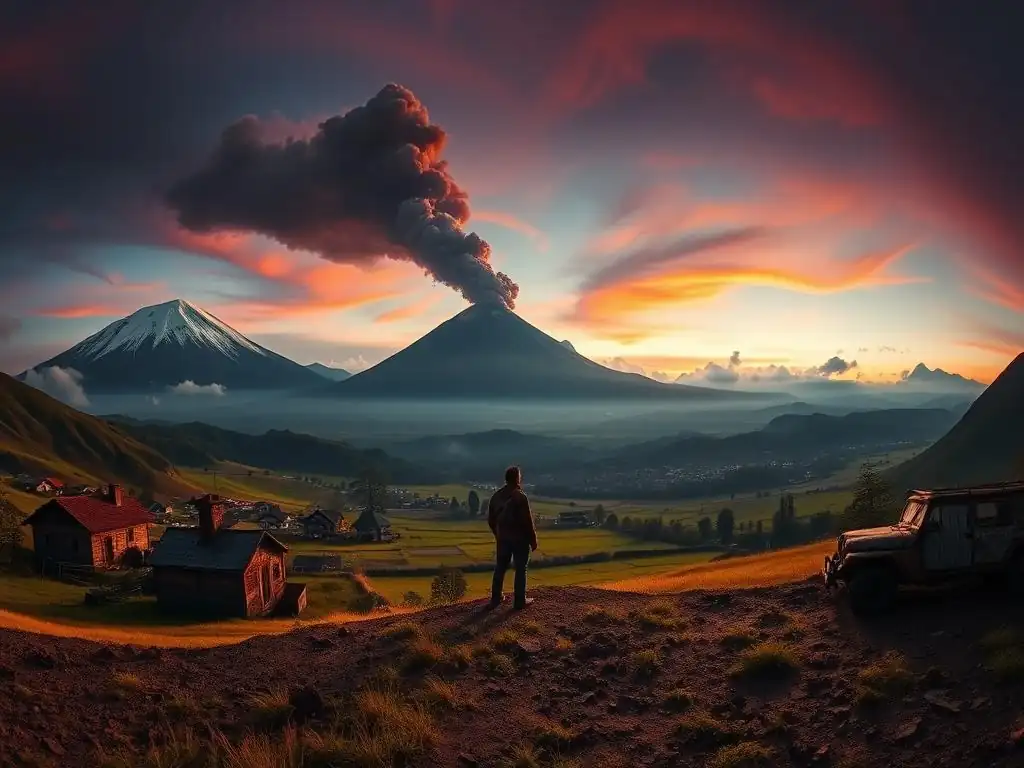
Welcome to Volcano Explorers, where we uncover the Earth's most fiery secrets. Ever wondered about the true price of paradise? Dive into our compelling analysis of the economic realities faced by communities living in the shadow of these magnificent giants. You might be surprised by what it really costs to live near a volcano.
The Allure and the Peril: Why People Choose to Live Near Volcanoes
Despite the inherent risks and potential economic fallout, numerous communities thrive in the shadow of volcanoes. This seeming paradox is rooted in a complex interplay of factors, often driven by historical, geographical, and even economic advantages. Volcanic regions are frequently blessed with fertile soils, enriched by mineral-rich volcanic ash, making them ideal for agriculture. For centuries, communities have capitalized on this agricultural bounty, cultivating crops that flourish in these nutrient-dense lands.
Furthermore, volcanic landscapes are undeniably spectacular. The dramatic scenery, geothermal features like hot springs and geysers, and the unique ecosystems they foster attract tourists, creating economic opportunities in the hospitality and tourism sectors. This appeal, combined with often deeply rooted cultural connections to the land, makes leaving ancestral homes a difficult proposition, even when faced with volcanic hazards.
However, this proximity to danger is not always a matter of choice. In some regions, particularly in developing countries, population growth and limited land availability can push communities into volcanically active zones simply due to lack of alternatives. Economic activities like mining valuable minerals found in volcanic rocks or harnessing geothermal energy also incentivize living and working near volcanoes.
For example, Iceland, a nation built on volcanic activity, leverages geothermal energy for heating and electricity, a significant economic benefit despite the ever-present volcanic risk. Understanding these diverse motivations – from agricultural prosperity and tourism to resource availability and necessity – is crucial to comprehending why people continue to reside in areas where the costs of living near volcanoes can be substantial and multifaceted.
- What are some direct economic costs associated with living near volcanoes?
- How does ashfall impact local agriculture and farming economies?
- Does volcanic activity affect tourism, and if so, how does this impact the local economy?
- What are some long-term economic consequences of living in a volcano-prone area?
- Besides monetary costs, what are some other hidden costs of living near volcanoes?
Frequently Asked Questions
What are some direct economic costs associated with living near volcanoes?
Direct costs include property damage from lava flows, ashfall, and mudflows (lahars). There's also the potential for increased insurance premiums or difficulty obtaining insurance altogether. Finally, evacuation costs during volcanic activity are a significant burden.
How does ashfall impact local agriculture and farming economies?
Ashfall can contaminate crops and livestock, leading to reduced yields and increased costs for farmers. This can result in food shortages and higher food prices for the entire community. The long-term effects depend on the thickness and composition of the ash.
Does volcanic activity affect tourism, and if so, how does this impact the local economy?
Volcanic eruptions can severely disrupt tourism, both positively and negatively. Initially, there can be a decline in visitor numbers due to safety concerns and travel restrictions. However, some volcanoes attract "disaster tourism" after an eruption.
What are some long-term economic consequences of living in a volcano-prone area?
Long-term consequences include declining property values in areas perceived as high-risk. Businesses may struggle to attract investment, and the overall economic growth of the region can be stunted. There can also be a need for ongoing infrastructure repairs.
Aside from financial burdens, there are significant psychological costs, including stress, anxiety, and potential displacement. The constant threat of eruption can impact mental health and community well-being. Also, the loss of cultural heritage is a possibility.
Final Reflection: Embracing Resilience in the Shadow of Fire
The preceding analysis has illuminated the often-overlooked economic realities of residing near volcanic landscapes. While the allure of fertile soil and geothermal energy may draw communities to these regions, the potential for devastating eruptions and the constant threat of disruption cast a long shadow over prosperity, impacting everything from property values to insurance rates and even long-term economic stability.
The enduring influence of volcanic activity on human settlements is undeniable, shaping not only the physical landscape but also the cultural and economic fabric of affected communities. My hope is that this exploration fosters a deeper understanding of the complex interplay between nature's power and human resilience. The only constant is change,
as Heraclitus famously stated, and nowhere is this more evident than in the dynamic environments surrounding volcanoes, where adaptation and preparedness are not just virtues, but necessities.
As you reflect on the hidden costs of living near volcanoes, consider how this understanding can inform your own perspective on risk, resilience, and the delicate balance between opportunity and vulnerability. Let us strive to build more sustainable and equitable communities, equipped to navigate the challenges and harness the potential of these awe-inspiring, yet unpredictable, natural wonders.
Secure Your Future: Act Now Against Volcanic Economic Impacts!
Thanks for delving into the hidden economic realities of living near volcanoes. You've now gained valuable insights into the financial challenges and opportunities present in these unique environments. Let's put that knowledge to work!
Here's how you can take control and prepare for a more secure future:
- Develop a comprehensive financial resilience plan tailored to volcanic risks, including emergency savings, insurance options, and diversification strategies. This is the most critical step to protect your livelihood.
- Explore alternative income streams by identifying local businesses that are less sensitive to volcanic disruptions, or even those that thrive because of volcanic activity (e.g., geotourism).
- Share this article with your neighbors and local community to raise awareness and encourage collaborative preparedness. A united community is a stronger community.
What innovative strategies can you think of to bolster the economic resilience of your local volcanic community? Let's start a conversation in the comments!