
Community Drills: Practicing for Volcanic Disaster – Are They Effective?


Welcome to Volcano Explorers!
Prepare to be captivated by the Earth's fiery heart. Ever wondered if those volcanic disaster drills really make a difference when the ground starts to tremble? This isn't just about knowing what to do; it's about understanding why. Unearth the secrets of effective community drills and discover whether we're truly ready to face nature's most explosive power. Are we prepared, or are we just going through the motions? Dive in to find out!
- Introduction: Volcanic Risk and the Importance of Disaster Preparedness
- Understanding Volcanic Disaster Drills
- Assessing the Effectiveness of Volcanic Disaster Drills
- Factors Influencing the Success of Volcanic Evacuation Drills
- Challenges and Limitations of Volcanic Disaster Drills
- Improving Volcanic Disaster Preparedness Through Effective Drills
- The Future of Volcanic Disaster Drills
- Conclusion: Are Volcanic Disaster Drills Effective? A Summary of Findings
-
Frequently Asked Questions
- What are Effective Volcanic Disaster Drills designed to achieve?
- How often should Effective Volcanic Disaster Drills be conducted in at-risk areas?
- What are some key components of an Effective Volcanic Disaster Drill?
- How can the effectiveness of Effective Volcanic Disaster Drills be measured?
- What role does technology play in Effective Volcanic Disaster Drills?
- Final Reflection: Embracing Preparedness in the Shadow of Volcanoes
- Ignite Your Inner Preparedness!
Introduction: Volcanic Risk and the Importance of Disaster Preparedness
The Threat of Volcanic Eruptions: A Constant Reality for Communities Near Mt. Rainier, Washington
Mount Rainier, an iconic peak in Washington State, is not just a breathtaking natural wonder; it is also one of the most dangerous volcanoes in the United States. Classified as a very high-threat volcano by the U.S. Geological Survey (USGS), its potential for eruption poses a significant risk to the over 3 million people living in the surrounding Puget Sound region.
The threat is not solely from a direct explosive eruption, but also from secondary hazards such as lahars – volcanic mudflows composed of water, rock, and debris – which are particularly dangerous in the valleys draining Rainier. These lahars can travel at speeds of up to 50 miles per hour and extend dozens of miles from the volcano, reaching populated areas within minutes to hours.
For instance, the Electron Mudflow, originating from Mount Rainier approximately 500 years ago, reached the Puget Sound, demonstrating the extensive reach and destructive power of these events.
The proximity of major population centers, including Tacoma and parts of Seattle, to potential lahar pathways makes effective volcanic disaster preparedness not just prudent, but essential. The USGS estimates that a large lahar flowing down the Puyallup River valley could reach the heavily populated areas of Puyallup and Tacoma in as little as 30 to 60 minutes after initiation.
This short timeframe underscores the critical need for communities to be well-prepared and practice their response plans regularly. The shadow of Mount Rainier serves as a constant reminder for residents and emergency responders in the Pacific Northwest: volcanic risk is not a hypothetical scenario, but a tangible reality that demands continuous attention and proactive measures.
Why Volcanic Disaster Drills Matter: Minimizing Risk and Maximizing Survival in the Pacific Northwest
In the face of such a potent natural hazard, volcanic disaster drills emerge as a cornerstone of risk management in the Pacific Northwest. These drills are not merely exercises; they are crucial rehearsals for a potentially life-saving performance. The primary purpose of volcanic disaster drills is to minimize the devastating impact of an eruption by ensuring communities are well-versed in evacuation procedures, communication protocols, and emergency response strategies. Effective volcanic disaster drills aim to transform potential chaos into coordinated action, significantly increasing the chances of survival and reducing casualties during a real volcanic event.
For communities residing near Mt. Rainier and other potentially active volcanoes in the region, drills provide invaluable opportunities to test and refine emergency plans. They allow residents, emergency services, and local authorities to practice their roles and responsibilities in a simulated crisis environment.
Drills help identify weaknesses in communication systems, evacuation routes, and resource allocation, allowing for necessary adjustments and improvements before a real eruption occurs. Moreover, participation in drills enhances public awareness and fosters a culture of preparedness, empowering individuals to take proactive steps to protect themselves and their families. By practicing responses to scenarios like lahar flows and ashfall, communities in the Pacific Northwest can build resilience and confidence in their ability to effectively respond to a volcanic disaster, ultimately minimizing risk and maximizing survival.
Understanding Volcanic Disaster Drills
What is a Volcanic Disaster Drill? Definition and Purpose
A volcanic disaster drill is a simulated emergency exercise designed to prepare communities for the potential impacts of a volcanic eruption. At its core, a drill is a structured activity that replicates the conditions and challenges of a real volcanic event, allowing participants to practice their responses and evaluate the effectiveness of existing emergency plans.
The definition extends beyond simple evacuation exercises; it encompasses a range of activities, from tabletop discussions to full-scale simulations involving hundreds or even thousands of participants. The overarching purpose of a volcanic disaster drill is multifaceted, aiming to enhance preparedness at individual, community, and organizational levels.
The primary purpose of these drills is to improve community readiness by familiarizing residents with evacuation routes, warning signals, and safety procedures. They also serve to strengthen coordination and communication among various stakeholders, including emergency responders, local government agencies, hospitals, schools, and volunteer organizations. Furthermore, drills are instrumental in identifying gaps and weaknesses in existing emergency plans, resource allocation, and communication infrastructure.
By exposing these vulnerabilities in a controlled environment, drills allow for corrective actions to be taken, ultimately leading to more robust and effective disaster response capabilities. In essence, volcanic disaster drills are proactive investments in community safety, designed to mitigate the potential devastation of a volcanic eruption through preparation and practice.
Key Components of Effective Volcanic Emergency Drills: Planning, Execution, and Evaluation
Effective volcanic emergency drills are not simply ad-hoc activities; they are carefully structured processes that hinge on three key components: meticulous planning, precise execution, and thorough evaluation. The planning phase is the foundation, requiring a detailed assessment of potential volcanic hazards specific to the community, clearly defined objectives for the drill, and the development of realistic scenarios that mimic likely eruption impacts, such as lahar flows or significant ashfall.
This stage also involves identifying target audiences, determining the scope and type of drill, securing necessary resources, and establishing clear roles and responsibilities for all participants. For example, planning might involve mapping out evacuation routes based on lahar hazard zones identified by the USGS and designating assembly points in safe locations.
Execution is the active phase where the drill scenario is put into action. This involves simulating the emergency situation, activating communication systems to disseminate warnings, practicing evacuation procedures, and deploying emergency response teams in a coordinated manner. Realistic simulations are crucial; for instance, using mock ashfall or simulating road closures to mimic the challenges of a real eruption. Finally, evaluation is the critical post-drill phase.
This involves collecting data on drill performance, analyzing participant feedback, and assessing whether the drill objectives were met. A comprehensive evaluation report should identify strengths and weaknesses of the response, pinpoint areas for improvement in the emergency plan, and recommend specific actions to enhance future preparedness. This iterative process of planning, execution, and evaluation ensures that volcanic disaster drills are not just events, but valuable learning experiences that continuously improve community resilience.
Types of Volcanic Disaster Drills: From Tabletop Exercises to Full-Scale Evacuations
Volcanic disaster drills are not monolithic; they come in various forms, each designed to test different aspects of emergency preparedness and cater to diverse needs and resources. At the simpler end of the spectrum are tabletop exercises. These are discussion-based drills conducted in a classroom or meeting room setting.
Participants, typically representatives from various agencies and community groups, gather around a table and walk through a hypothetical volcanic eruption scenario. They discuss their roles, responsibilities, and decision-making processes in response to the unfolding events. Tabletop exercises are low-cost, easily organized, and excellent for clarifying roles, improving communication protocols, and identifying potential coordination issues.
Moving up in complexity are functional exercises. These drills involve simulating specific functions of the emergency response system, such as communication networks, warning dissemination, or emergency operations center activities. Unlike tabletop exercises, functional exercises involve some level of actual deployment of resources and personnel, though they are still focused on specific components of the response plan rather than a full-scale event. For example, a functional exercise might test the ability of emergency responders to set up and operate a temporary shelter or to effectively disseminate evacuation orders through various channels.
At the most complex level are full-scale evacuation drills. These are comprehensive simulations that involve the entire community and test all aspects of the emergency response plan, from initial warning to complete evacuation and shelter operations. Full-scale drills often involve road closures, traffic management, mass evacuation of residents, deployment of emergency services, and operation of temporary shelters.
The Osceola Mudflow Drill near Mt. Rainier, which involved the evacuation of thousands of residents, is an example of a large-scale, full-scale exercise. The choice of drill type depends on the community's specific needs, resources, and the level of preparedness they aim to achieve, with each type playing a valuable role in building overall resilience to volcanic hazards.
Assessing the Effectiveness of Volcanic Disaster Drills
Measuring the Impact of Drills: Metrics for Success
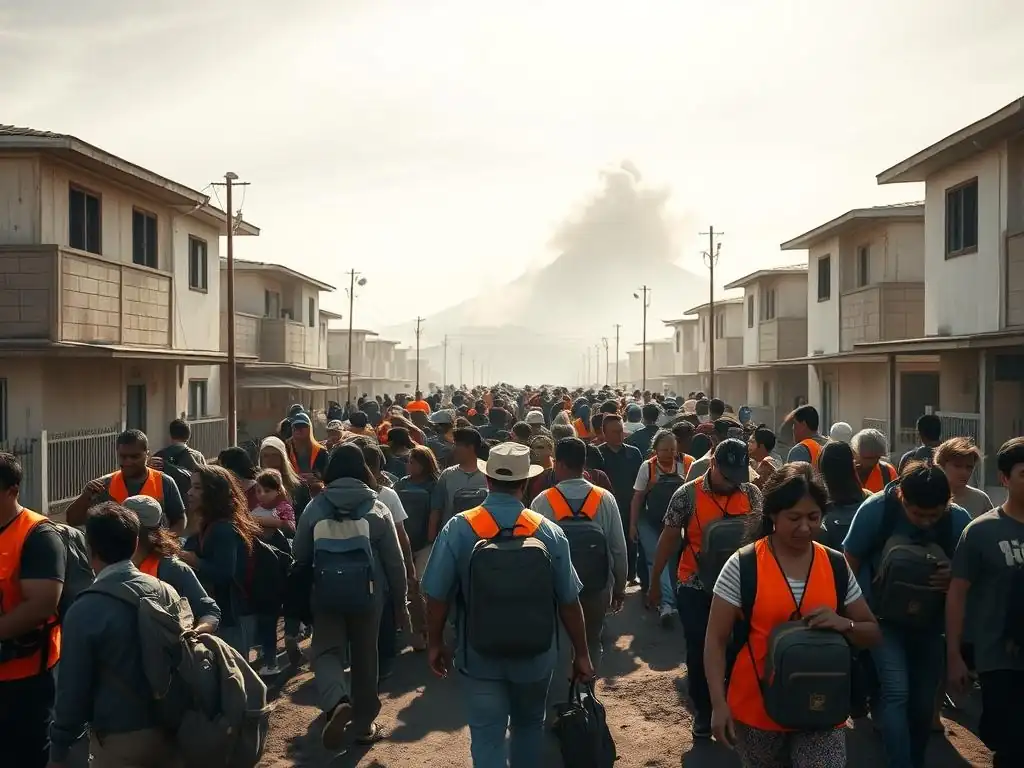
Determining the effectiveness of volcanic disaster drills requires a shift from simply conducting the exercise to rigorously measuring its impact. Metrics for success need to be defined and tracked to assess whether drills are truly enhancing community preparedness and improving response capabilities. One key metric is participation rate. A successful drill should aim for high levels of community involvement, including residents, businesses, schools, and vulnerable populations.
Tracking the number of participants and identifying any groups with low participation can highlight areas for targeted outreach and engagement in future drills. Another critical metric is response time. Drills can measure the time taken to disseminate warnings, initiate evacuations, and set up emergency shelters. Comparing these times against pre-established benchmarks and previous drill performances provides valuable insights into the efficiency of emergency procedures and identifies bottlenecks that need to be addressed.
Knowledge retention and behavioral change are also crucial indicators of drill effectiveness. Surveys and questionnaires administered before and after drills can assess changes in public awareness of volcanic hazards, understanding of evacuation routes, and knowledge of emergency procedures. Observational assessments during the drill can evaluate how well participants apply learned procedures and respond to simulated scenarios.
Furthermore, the identification and correction of deficiencies in emergency plans and response systems revealed during the drill are a direct measure of its value. The number of identified weaknesses, the speed at which corrective actions are implemented, and the improvement in subsequent drill performances all contribute to a comprehensive assessment of drill effectiveness. Ultimately, measuring the impact of drills is about demonstrating tangible improvements in community preparedness and response capabilities, not just ticking a box for having conducted an exercise.
Case Studies: Analyzing the Osceola Mudflow Drill and Mount St. Helens Eruption Response
Analyzing past events, both drills and real eruptions, provides invaluable insights into the effectiveness of volcanic disaster preparedness efforts. The Osceola Mudflow Drill, conducted in 1998 in Pierce County, Washington, serves as a significant case study in volcanic disaster drill effectiveness. This large-scale drill simulated a lahar from Mount Rainier and involved the evacuation of approximately 10,000 residents from the Puyallup River valley. The drill aimed to test the community's warning system, evacuation routes, and emergency response coordination.
Post-drill evaluations revealed several key findings. While the drill successfully demonstrated the feasibility of evacuating a large population in a relatively short timeframe, it also highlighted areas for improvement, such as communication inconsistencies and traffic management challenges during a mass evacuation. The Osceola Mudflow Drill was considered largely successful in raising public awareness and identifying crucial areas for refinement in the emergency response plan for lahars from Mount Rainier.
In contrast, examining the 1980 eruption of Mount St. Helens, while not a drill, offers lessons on real-world volcanic crisis response. Although the scale and intensity of the eruption were beyond what was anticipated, the relatively low number of casualties (57 fatalities) was partly attributed to pre-eruption warnings and evacuations, although these were primarily focused on the immediate vicinity of the volcano and not the broader lahar risk zones associated with Mount Rainier.
The Mount St. Helens event underscored the importance of robust monitoring systems, effective communication of volcanic hazards, and the need for flexible emergency response plans that can adapt to the evolving nature of volcanic crises.
Comparing the proactive, planned approach of the Osceola Mudflow Drill with the reactive response to Mount St. Helens highlights the critical role of drills in proactively preparing communities for volcanic disasters, enabling them to learn and adapt before a real crisis strikes, and ultimately improving the effectiveness of real-world responses.
The Role of Community Involvement in Drill Effectiveness: Participation and Feedback
Community involvement is not merely a desirable aspect of volcanic disaster drills; it is a cornerstone of their effectiveness. High levels of community participation are essential for ensuring that drills accurately reflect the realities on the ground and that emergency plans are practical and responsive to the needs of the population at risk. When residents, businesses, schools, and community organizations actively participate in drills, they gain firsthand experience in evacuation procedures, warning systems, and emergency protocols.
This direct engagement fosters a sense of ownership and responsibility for preparedness, moving beyond passive awareness to active involvement in community safety. Conversely, low community participation can undermine drill effectiveness, as it may not accurately test the plan's feasibility in a real-world scenario and may fail to reach vulnerable populations who are most at risk.
Furthermore, community feedback is invaluable for refining and improving drill design and emergency plans. Post-drill surveys, debriefing sessions, and public forums provide opportunities for participants to share their experiences, identify challenges they encountered, and offer suggestions for improvement. This feedback loop ensures that drills are continuously adapted to address the specific needs and concerns of the community.
For instance, residents may highlight confusing evacuation routes, inadequate signage, or communication gaps that were not apparent during the planning phase. Incorporating this feedback into subsequent drills and emergency plan revisions makes the preparedness process more iterative, community-centered, and ultimately more effective. Effective volcanic disaster drills are not imposed upon communities; they are co-created and continuously improved through active community participation and feedback, ensuring that preparedness efforts are relevant, practical, and truly enhance community resilience.
Factors Influencing the Success of Volcanic Evacuation Drills
Realistic Scenarios: Simulating Lahar Flows and Ashfall Events
The success of volcanic evacuation drills hinges significantly on the realism of the simulated scenarios, particularly the accurate depiction of relevant volcanic hazards. For communities near volcanoes like Mount Rainier, simulating lahar flows and ashfall events is paramount. Lahars, being a primary threat in many volcanic regions, require careful scenario design.
Drills should simulate the rapid onset and flow paths of lahars, forcing participants to react within realistic timeframes and navigate simulated lahar inundation zones. This could involve using visual cues, like marked-off areas representing lahar paths, and auditory signals to mimic the rumble and roar often associated with these mudflows. Realistic lahar scenarios should also consider the variable speeds and depths of these flows, challenging participants to make timely and informed evacuation decisions.
Ashfall, another common volcanic hazard, also demands realistic simulation. Drills can incorporate mock ashfall, using materials like sawdust or colored paper, to simulate the reduced visibility, respiratory irritation, and logistical challenges associated with ashfall events. Scenarios should consider varying ashfall thicknesses and durations, impacting evacuation routes, transportation, and shelter operations.
Simulating the effects of ashfall on critical infrastructure, such as power grids and communication networks, can further enhance the realism and complexity of the drill. By crafting scenarios that accurately reflect the specific volcanic hazards faced by a community, drills become more relevant, engaging, and effective in preparing participants for the realities of a volcanic eruption. Generic disaster drills, while helpful, lack the specific focus on volcanic hazards that is crucial for communities living near active volcanoes; therefore, scenario realism, particularly concerning lahars and ashfall, is a critical factor influencing the success of effective volcanic disaster drills.
Clear Communication: Ensuring Everyone Understands the Drill Procedures
Clear and effective communication is the lifeblood of any successful volcanic evacuation drill. Ensuring that everyone, from residents to emergency responders, understands the drill procedures is paramount for maximizing participation, minimizing confusion, and achieving the drill's objectives. Communication must be clear, concise, and disseminated through multiple channels to reach all segments of the community.
This includes utilizing established warning systems like sirens, NOAA Weather Radio, and community alert systems, as well as leveraging modern communication tools such as text message alerts, social media updates, and mobile apps. Drill procedures, including evacuation routes, assembly points, and safety instructions, need to be communicated well in advance of the drill and reinforced throughout the exercise. Pre-drill briefings, public service announcements, and informational materials play a crucial role in preparing participants.
During the drill itself, clear and consistent communication is equally vital. Simulated emergency broadcasts, two-way radio communication among responders, and clear instructions from drill coordinators are essential for guiding participants and maintaining order. Communication should be adapted to address the diverse needs of the community, including language accessibility, visual or auditory impairments, and access to information for those without internet or mobile devices.
Post-drill evaluation should specifically assess the effectiveness of communication strategies, identifying any breakdowns or areas for improvement. Were warnings received promptly by all intended recipients? Were instructions clear and understandable?
Was there effective two-way communication between participants and drill organizers? Addressing these communication aspects is crucial for ensuring that drills are not only realistic but also effectively prepare communities for the communication challenges they will face during a real volcanic emergency. Effective volcanic disaster drills prioritize clear, multi-channel communication to ensure everyone is informed, understands their role, and can respond appropriately.
Addressing Community-Specific Needs: Tailoring Drills to Local Vulnerabilities
Effective volcanic disaster drills are not one-size-fits-all; they must be carefully tailored to address the specific needs and vulnerabilities of the communities they serve. This requires a thorough understanding of the local context, including demographic characteristics, infrastructure limitations, and unique geographic features. For instance, communities with a large elderly population or significant numbers of individuals with disabilities may require drills that emphasize accessible evacuation routes, specialized transportation options, and targeted communication strategies.
Drills in areas with limited transportation infrastructure might need to focus on pedestrian evacuation routes, community-based assembly points, and strategies for assisting those without personal vehicles. Communities with diverse linguistic backgrounds will require multilingual warning systems, informational materials, and drill instructions.
Local vulnerabilities also extend to geographic factors. Communities situated in narrow valleys prone to lahar inundation will require drills that specifically simulate lahar hazards and evacuation procedures along designated lahar pathways. Coastal communities might need to incorporate tsunami evacuation scenarios into volcanic disaster drills if volcanic eruptions could trigger secondary hazards like tsunamis. Tailoring drills also involves considering the specific economic and social structures of the community.
Drills in areas with a high proportion of shift workers might need to accommodate varying work schedules to maximize participation. Engaging local community leaders, cultural organizations, and vulnerable population representatives in the drill planning process is crucial for ensuring that drills are culturally sensitive, relevant, and effectively address the unique needs of the community. Effective volcanic disaster drills are locally adapted, vulnerability-informed exercises that reflect the specific challenges and characteristics of the communities they aim to protect.
Resource Allocation: Providing Adequate Support for Drill Implementation
The successful implementation of volcanic disaster drills is intrinsically linked to adequate resource allocation. Drills, even tabletop exercises, require financial, personnel, and logistical support to be planned, executed, and evaluated effectively. Financial resources are needed to cover costs associated with drill planning, scenario development, communication materials, equipment rental (if needed for simulations), personnel time, and post-drill evaluation. Larger-scale drills, particularly full-scale evacuation exercises, can be significantly more resource-intensive, requiring funding for traffic management, emergency responder overtime, shelter setup, and public information campaigns. Adequate budgeting is essential to ensure that drills are not compromised due to resource constraints.
Personnel resources are equally critical. Planning and executing drills requires dedicated personnel from emergency management agencies, local government, volunteer organizations, and potentially scientific agencies like the USGS for hazard expertise. These personnel need to be trained in drill planning, scenario development, exercise facilitation, and evaluation techniques.
Volunteer involvement is often crucial for resource-constrained communities, but effective volunteer management requires coordination and training. Logistical resources encompass the physical assets needed for drills, such as communication equipment, signage, transportation (for simulations), and facilities for tabletop exercises or functional drills. Access to simulation tools, mapping resources, and data management systems can also enhance drill effectiveness.
Insufficient resource allocation can lead to poorly planned drills, inadequate participation, and limited evaluation, ultimately undermining the effectiveness of volcanic disaster preparedness efforts. Effective volcanic disaster drills are resource-supported initiatives, requiring strategic allocation of financial, personnel, and logistical resources to ensure they are well-executed and achieve their preparedness objectives.
Challenges and Limitations of Volcanic Disaster Drills
Overcoming Apathy and Resistance to Participation
One of the significant challenges in implementing effective volcanic disaster drills is overcoming public apathy and resistance to participation. Volcanic eruptions, while potentially devastating, are relatively infrequent events in human timescales. This can lead to a perception of low personal risk and a sense of complacency, making it difficult to motivate widespread community engagement in preparedness activities, including drills.
Public apathy may stem from a lack of awareness about the specific volcanic hazards in their area, a feeling of invulnerability, or simply the inconvenience and time commitment associated with participating in a drill. Resistance to participation can also arise from skepticism about the effectiveness of drills, a distrust of authorities, or a general aversion to emergency preparedness exercises.
Addressing apathy and resistance requires targeted public education and community engagement strategies. Highlighting the real and present volcanic risks, using clear and compelling communication about potential impacts, and showcasing the tangible benefits of preparedness can help increase public awareness and motivation. Making drills more accessible, convenient, and even engaging can also improve participation rates. This could involve offering flexible drill schedules, providing childcare during drills, incorporating interactive elements into exercises, and recognizing and rewarding participant involvement.
Building trust and fostering a sense of community ownership in preparedness efforts is crucial for overcoming resistance. Engaging community leaders, respected local figures, and trusted organizations in promoting drills and emphasizing their importance can significantly enhance public buy-in. Effective volcanic disaster drills must actively address the challenge of apathy and resistance through proactive community engagement and persuasive communication to ensure broad participation and maximize their impact.
The Cost of Implementing and Maintaining Regular Drills
The financial cost associated with implementing and maintaining regular volcanic disaster drills presents a significant challenge, particularly for resource-constrained communities. While the long-term benefits of preparedness far outweigh the costs, securing sufficient and sustained funding for drills can be difficult, especially when competing with other pressing community needs. The costs of drills vary depending on their scale and complexity. Tabletop exercises are relatively inexpensive, primarily requiring personnel time and meeting space.
Functional exercises and full-scale evacuation drills, however, can be considerably more costly. Expenses include personnel overtime for emergency responders, communication and warning system activation, equipment rental, traffic management resources, shelter setup and operation (in simulations), public information campaigns, and post-drill evaluation. Recurring costs are also a factor, as effective preparedness requires regular drills to maintain skills, update plans, and reinforce community awareness.
Securing funding for volcanic disaster drills often requires a multi-faceted approach, involving local government budgets, state and federal grants, private sector partnerships, and potentially community fundraising efforts. Advocating for the importance of volcanic disaster preparedness to policymakers and budget decision-makers is crucial for securing dedicated funding streams. Demonstrating the cost-effectiveness of preparedness, highlighting the potential economic and social consequences of a volcanic eruption, and showcasing the value of drills in mitigating these impacts can strengthen the case for sustained funding.
Exploring cost-saving strategies, such as leveraging existing community resources, utilizing volunteer personnel, and adopting technology-based simulation tools, can also help maximize the impact of limited resources. Effective volcanic disaster drills require sustained financial commitment and creative resource mobilization to overcome the challenge of cost and ensure regular exercises are feasible and impactful.
Ensuring the Drills are Up-to-Date with the Latest Volcanic Threat Assessments
Volcanic science is a dynamic field, and our understanding of volcanic hazards is constantly evolving. Therefore, ensuring that volcanic disaster drills are up-to-date with the latest volcanic threat assessments is a critical, ongoing challenge. Drills designed based on outdated hazard information may not adequately prepare communities for the most current understanding of potential eruption scenarios and their impacts.
Volcanic threat assessments are regularly updated by agencies like the USGS based on new monitoring data, research findings, and improved modeling techniques. These assessments may refine our understanding of eruption probabilities, potential eruption magnitudes, lahar pathways, ashfall distribution, and other critical hazard parameters. Emergency plans and drill scenarios need to be periodically reviewed and revised to incorporate these updated assessments.
Maintaining up-to-date drills requires close collaboration between emergency management agencies and volcanic scientists. Regular communication channels should be established to ensure that emergency planners are aware of the latest threat assessments and scientific findings. Incorporating scientific expertise into drill planning and scenario development is essential.
Volcanologists can provide valuable insights into realistic eruption scenarios, hazard probabilities, and potential impacts, ensuring that drills are grounded in the best available scientific knowledge. Drill evaluations should also consider whether the scenarios and procedures are consistent with the latest threat assessments and identify any areas where updates are needed.
Regularly reviewing and revising drills, at least every few years or whenever significant updates to volcanic threat assessments are released, is crucial for maintaining their relevance and effectiveness. Effective volcanic disaster drills are scientifically informed and dynamically updated to reflect the most current understanding of volcanic risks, ensuring communities are prepared for the most likely and impactful eruption scenarios.
Improving Volcanic Disaster Preparedness Through Effective Drills
Incorporating Lessons Learned from Past Eruptions and Drills
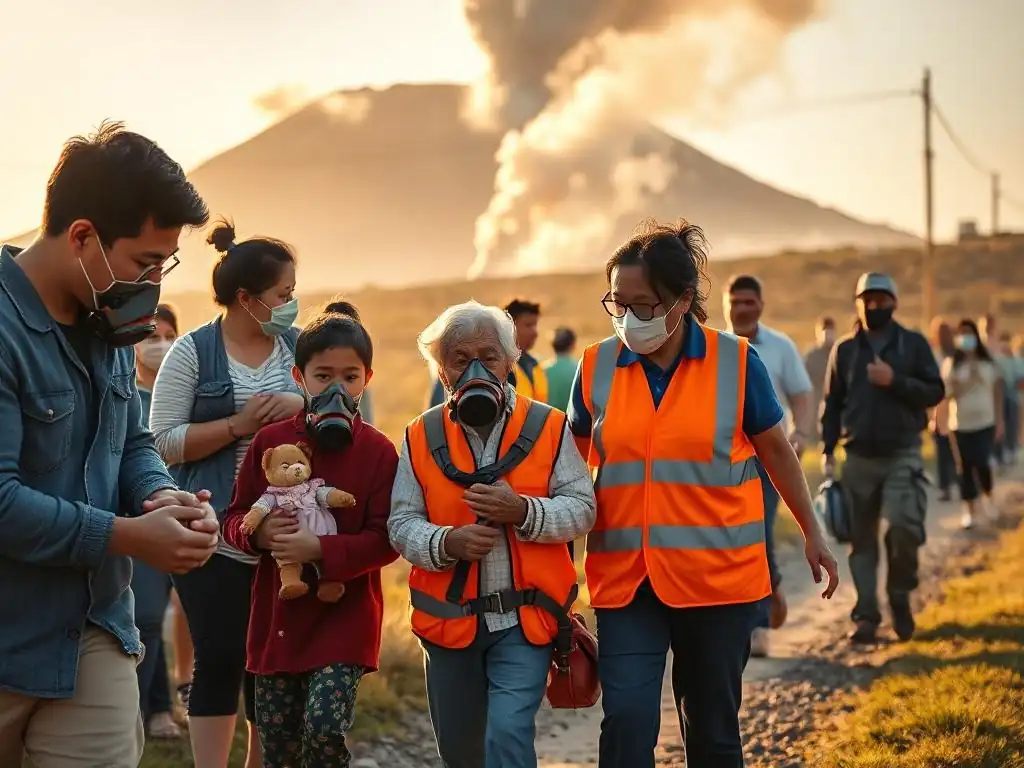
A crucial pathway to improving volcanic disaster preparedness through drills is the systematic incorporation of lessons learned from both past volcanic eruptions and previous drill exercises. Every volcanic event, whether large or small, and every drill, whether successful or revealing shortcomings, provides valuable insights that can refine preparedness strategies and enhance future drill effectiveness. Analyzing the responses to past volcanic eruptions, such as Mount St. Helens in 1980 or more recent eruptions globally, can identify both effective strategies and critical failures in emergency management.
Examining case studies of real eruptions can highlight the importance of early warning systems, effective communication, robust evacuation plans, and well-coordinated emergency response efforts. These historical examples provide concrete lessons that can be directly translated into improved drill scenarios and preparedness protocols.
Similarly, conducting thorough post-drill evaluations and systematically documenting lessons learned from each exercise is essential for continuous improvement. Drill evaluations should not only identify what went well but, more importantly, pinpoint areas for improvement. Analyzing participant feedback, assessing response times, evaluating communication effectiveness, and identifying any gaps in the emergency plan are crucial components of a comprehensive post-drill review.
Lessons learned should be formally documented, disseminated to all relevant stakeholders, and actively incorporated into revisions of emergency plans and the design of future drills. This iterative process of learning from past experiences and applying those lessons to future drills ensures that preparedness efforts are continuously evolving and becoming more effective over time. Effective volcanic disaster drills are learning organizations, actively utilizing both historical volcanic events and internal drill evaluations to continuously refine their preparedness strategies and enhance community resilience.
Utilizing Technology to Enhance Drill Simulations and Communication
Technology offers a powerful toolkit for enhancing both the realism of volcanic disaster drill simulations and the effectiveness of communication during drills and real events. Advanced simulation technologies, such as virtual reality (VR) and augmented reality (AR), can create immersive and highly realistic drill environments. VR can transport participants into a simulated volcanic eruption scenario, allowing them to experience the visual and auditory impacts of ashfall, lahar flows, or pyroclastic flows in a safe and controlled setting.
AR can overlay simulated volcanic hazards onto the real-world environment, allowing for drills to be conducted in actual evacuation routes and community settings, enhancing the realism and relevance of the exercise. These technologies can significantly improve participant engagement and learning retention compared to traditional tabletop or functional exercises.
Technology can also revolutionize communication during drills and real volcanic emergencies. Mobile apps, emergency alert systems, and social media platforms can be leveraged to disseminate warnings rapidly and widely, provide real-time updates on evacuation routes and shelter locations, and facilitate two-way communication between emergency responders and the public. Geographic Information Systems (GIS) can be used to map hazard zones, evacuation routes, and resource locations, providing valuable decision-support tools for emergency managers during drills and real events.
Unmanned aerial vehicles (UAVs or drones) can be deployed to provide aerial reconnaissance during simulated eruptions, offering real-time situational awareness for drill participants and potentially for monitoring real volcanic events. Integrating technology strategically into drill design and communication systems can significantly enhance the realism, effectiveness, and overall impact of volcanic disaster preparedness efforts. Effective volcanic disaster drills are tech-enabled exercises, leveraging advanced technologies to create more immersive simulations and improve communication capabilities.
Fostering a Culture of Preparedness: Continuous Education and Training
Effective volcanic disaster drills are not isolated events; they are integral components of a broader, ongoing effort to foster a culture of preparedness within communities at risk. Building a culture of preparedness requires continuous public education, regular training opportunities, and sustained community engagement, going beyond episodic drills to create a sustained mindset of readiness for volcanic hazards. Public education campaigns should focus on raising awareness of volcanic risks, explaining potential impacts, and empowering individuals to take proactive preparedness measures.
This includes disseminating information through various channels, such as websites, brochures, public presentations, school programs, and community events. Education should be tailored to different age groups and demographics, ensuring that all segments of the community are informed and engaged.
Regular training opportunities, beyond formal drills, are essential for reinforcing preparedness skills and knowledge. This can include workshops on emergency kit assembly, first aid training, community emergency response team (CERT) programs, and evacuation route familiarization exercises. Sustained community engagement involves ongoing dialogue and collaboration between emergency managers, community leaders, and residents.
Establishing community preparedness committees, holding regular public forums, and actively soliciting community feedback on preparedness plans and drills are crucial for building trust and fostering a sense of shared responsibility. Integrating volcanic hazard education into school curricula and community events can help instill a culture of preparedness from a young age. Effective volcanic disaster drills are catalysts for building a culture of preparedness, contributing to a community-wide mindset of readiness, resilience, and proactive risk management.
Social media platforms have emerged as powerful tools for real-time communication and information dissemination, and their strategic utilization during volcanic disaster drills can significantly enhance drill effectiveness and community engagement. Social media can be used to disseminate drill announcements, pre-drill information, and real-time updates during the exercise itself. Platforms like Twitter, Facebook, and local community groups can be used to broadcast simulated emergency alerts, provide updates on evacuation routes and shelter locations, and share safety instructions.
Social media can also facilitate two-way communication, allowing drill participants to report simulated incidents, ask questions, and provide feedback in real-time. This interactive communication can enhance participant engagement and provide valuable data for drill evaluation.
During drills, social media can be used to simulate the information environment of a real volcanic crisis, including the potential for misinformation and rumors. Drill organizers can strategically release simulated "official" updates and counter "unofficial" or inaccurate information circulating on social media, testing the community's ability to discern reliable sources and promoting critical information literacy. Post-drill, social media can be used to share drill evaluation results, solicit community feedback, and promote ongoing preparedness activities.
Analyzing social media engagement during drills can provide valuable insights into public awareness, information-seeking behavior, and communication effectiveness. Utilizing social media strategically requires careful planning, dedicated social media management during drills, and clear communication protocols to ensure that information is accurate, timely, and effectively reaches the target audience. Effective volcanic disaster drills are social media-integrated exercises, leveraging the power of these platforms for real-time communication, community engagement, and enhanced information dissemination.
The Future of Volcanic Disaster Drills
Emerging Technologies and Their Potential Impact on Drill Effectiveness
The future of volcanic disaster drills is poised to be significantly shaped by emerging technologies, promising to enhance drill effectiveness, realism, and accessibility. Artificial intelligence (AI) and machine learning (ML) have the potential to revolutionize drill scenario design and data analysis. AI-powered systems can generate more dynamic and adaptive drill scenarios, tailoring the exercise in real-time based on participant responses and simulated environmental conditions.
ML algorithms can analyze vast datasets from past eruptions, drills, and community demographics to identify patterns, predict potential vulnerabilities, and optimize drill design for maximum impact. AI can also be used to automate drill evaluation processes, providing faster and more comprehensive assessments of drill performance.
The Internet of Things (IoT) and sensor networks can enhance the realism of drill simulations by integrating real-time environmental data into the exercise. Sensors deployed in simulated hazard zones can provide data on simulated ashfall accumulation, lahar flow levels, or ground deformation, creating a more dynamic and data-driven drill environment. Wearable technology, such as smartwatches and fitness trackers, could be used to monitor participant physiological responses during drills, providing insights into stress levels, evacuation times, and adherence to safety protocols.
Blockchain technology could be used to enhance the security and transparency of drill data management and information sharing among participating agencies. The integration of these emerging technologies into volcanic disaster drills promises to create more immersive, data-driven, and ultimately more effective preparedness exercises. Effective volcanic disaster drills of the future will be technology-driven, leveraging AI, IoT, and other innovations to enhance realism and effectiveness.
Adapting Drills to Address Climate Change and Increasing Volcanic Activity
Climate change and potential increases in volcanic activity present evolving challenges that necessitate adapting volcanic disaster drills to remain effective in the future. Climate change can exacerbate volcanic hazards in several ways. Melting glaciers on volcanoes can increase the frequency and magnitude of lahars, requiring drill scenarios to account for these potentially enhanced lahar risks.
Changes in precipitation patterns can affect ashfall dispersal and the likelihood of secondary hazards like landslides triggered by volcanic eruptions. Climate change may also indirectly impact volcanic activity by altering stress regimes within the Earth's crust. Drills need to be adapted to consider these climate change-related factors and their potential influence on volcanic hazards and community vulnerabilities.
Some scientific projections suggest a potential increase in volcanic activity in certain regions due to various geological and climatic factors. While volcanic eruptions are inherently unpredictable, preparedness efforts need to be proactive and adaptable to potential shifts in volcanic activity patterns. Drills may need to be conducted more frequently or with increased complexity to maintain a higher level of community readiness in regions facing potentially heightened volcanic risks.
Scenario planning for drills should incorporate a wider range of eruption scenarios, including potentially larger or more complex eruptions, to prepare communities for a broader spectrum of volcanic hazards. Adapting drills to address climate change and potential increases in volcanic activity requires ongoing scientific monitoring, hazard assessment updates, and a flexible and proactive approach to preparedness planning. Effective volcanic disaster drills of the future will be climate-informed and adaptable to evolving volcanic risk landscapes.
The Importance of International Collaboration in Sharing Best Practices
Volcanic hazards are a global phenomenon, affecting communities across diverse geographic, cultural, and economic contexts. International collaboration in sharing best practices for volcanic disaster drills is crucial for accelerating preparedness advancements and enhancing community resilience worldwide. Sharing experiences, lessons learned, and innovative drill methodologies across international borders can prevent the reinvention of the wheel and accelerate the adoption of effective preparedness strategies. International workshops, conferences, and online platforms can facilitate the exchange of knowledge and expertise among emergency managers, volcanologists, and preparedness practitioners from different countries.
Collaborative research projects focused on drill effectiveness, scenario design, and community engagement can leverage diverse perspectives and resources to advance the science of volcanic disaster preparedness. Developing standardized drill evaluation methodologies and metrics for success can enable more meaningful comparisons of drill effectiveness across different contexts and facilitate the identification of universally applicable best practices. International partnerships can also support capacity building in volcanically at-risk developing countries, providing technical assistance, training resources, and funding support for implementing effective volcanic disaster drill programs.
Sharing drill scenarios, training materials, and public education resources can reduce duplication of effort and promote the widespread adoption of best practices. Effective volcanic disaster drills globally will be enhanced by international collaboration, fostering a global community of practice in volcanic disaster preparedness and accelerating progress in mitigating volcanic risks worldwide.
Conclusion: Are Volcanic Disaster Drills Effective? A Summary of Findings
The Value of Practicing for Volcanic Disasters: A Proactive Approach to Safety
The evidence strongly suggests that volcanic disaster drills are indeed effective and represent a highly valuable, proactive approach to enhancing community safety in volcanically active regions. While drills are not a foolproof guarantee against all disaster impacts, they demonstrably improve preparedness across multiple dimensions. Effective volcanic disaster drills enhance public awareness of volcanic hazards, familiarizing residents with risks, evacuation routes, and safety procedures.
Drills strengthen community response capabilities by improving coordination among emergency responders, local agencies, and community organizations. They identify weaknesses in emergency plans, communication systems, and resource allocation, allowing for corrective actions to be taken before a real eruption occurs. Drills build community resilience by fostering a culture of preparedness, empowering individuals to take proactive steps to protect themselves and their families.
The case studies of the Osceola Mudflow Drill and the lessons from Mount St. Helens, along with numerous other examples globally, underscore the tangible benefits of practicing for volcanic disasters. Drills are not simply exercises in futility; they are investments in community safety that pay dividends in terms of reduced casualties, minimized property damage, and faster recovery in the aftermath of a volcanic eruption.
While challenges exist in implementing and maintaining effective drill programs, particularly in overcoming apathy and securing sustained resources, the overwhelming consensus is that the value of volcanic disaster drills far outweighs the costs and difficulties. Effective volcanic disaster drills are a cornerstone of proactive volcanic risk management, representing a critical investment in community safety and resilience.
Moving Forward: Recommendations for Enhancing Volcanic Disaster Preparedness in Communities at Risk
To further enhance volcanic disaster preparedness through effective drills, several key recommendations emerge. Firstly, prioritize community involvement in all stages of drill planning, execution, and evaluation to ensure drills are relevant, responsive, and build community ownership. Secondly, invest in realistic drill scenarios that accurately simulate relevant volcanic hazards, such as lahar flows and ashfall, and tailor drills to address community-specific vulnerabilities and needs.
Thirdly, leverage technology to enhance drill simulations, communication systems, and data analysis, exploring the potential of VR/AR, AI, and social media integration. Fourthly, ensure drills are regularly updated to reflect the latest volcanic threat assessments and incorporate lessons learned from past eruptions and previous drills. Fifthly, foster a culture of preparedness through continuous public education, regular training opportunities, and sustained community engagement, making drills a part of an ongoing preparedness effort.
Sixthly, advocate for sustained and adequate resource allocation for drill implementation and maintenance, recognizing drills as a crucial investment in community safety. Seventhly, promote international collaboration in sharing best practices, lessons learned, and innovative drill methodologies to accelerate preparedness advancements globally. Eighthly, continuously evaluate and improve drill effectiveness through rigorous data collection, post-drill analysis, and adaptive management strategies.
By implementing these recommendations, communities at risk from volcanic hazards can move towards even more effective volcanic disaster drills, further strengthening their preparedness and resilience in the face of these powerful natural forces. Effective volcanic disaster drills, continuously improved and strategically implemented, remain a vital tool for safeguarding communities and minimizing the devastating impacts of volcanic eruptions.
Frequently Asked Questions
What are Effective Volcanic Disaster Drills designed to achieve?
They aim to reduce casualties and damage by preparing communities for volcanic eruptions. This includes practicing evacuation routes and emergency procedures.
How often should Effective Volcanic Disaster Drills be conducted in at-risk areas?
The frequency depends on the volcanic risk level and community resources, but generally, at least annually is recommended. More frequent drills may be needed for higher-risk areas.
What are some key components of an Effective Volcanic Disaster Drill?
Key components include clear communication systems, practiced evacuation routes, and designated assembly points. Also vital is public education on volcanic hazards and safety measures.
How can the effectiveness of Effective Volcanic Disaster Drills be measured?
Effectiveness can be measured through post-drill surveys, observation of evacuation times, and feedback from participants. Analyzing response times and areas for improvement are also crucial.
What role does technology play in Effective Volcanic Disaster Drills?
Technology enables real-time monitoring of volcanic activity and facilitates communication during drills. It can also be used for simulations and training exercises to improve preparedness.
Final Reflection: Embracing Preparedness in the Shadow of Volcanoes
The exploration of community drills in the face of volcanic disaster reveals a crucial truth: preparedness is not merely a checklist, but a continuous process of learning and adaptation. The effectiveness of these drills, as discussed, hinges not only on logistical execution but also on fostering a deep-seated understanding of risk and resilience within the community. Ignoring this reality leaves communities vulnerable, regardless of the frequency or scale of the drills.
The impact of volcanic disasters extends far beyond immediate physical damage; it reshapes the social fabric and leaves lasting psychological scars. Witnessing the dedication and resourcefulness of communities actively participating in these drills underscores the profound importance of collective action and shared responsibility. The best preparation for tomorrow is doing your best today.
- H. Jackson Brown, Jr. This quote encapsulates the spirit of proactive community engagement, reminding us that every effort, no matter how small, contributes to a stronger, more resilient future.
As we conclude this exploration, I invite you to consider your own role in fostering preparedness. Are you aware of the risks in your community? Are you actively participating in efforts to mitigate those risks? Let us embrace the lessons learned from these volcanic disaster drills, not as isolated exercises, but as catalysts for building more resilient and connected communities, ready to face any challenge that may come our way.
Ignite Your Inner Preparedness!
Thanks for delving into the crucial topic of community drills and volcanic disaster preparedness. We hope this article has equipped you with a better understanding of their effectiveness and importance. Now, let's put that knowledge into action!
Here are a few steps you can take right now to make a real difference:
- Map your local volcanic hazard zone: Identify specific risks to your community and create a family evacuation plan. This is the single most impactful thing you can do.
- Attend or even organize a local emergency preparedness workshop. Share your knowledge with others and build a stronger community response network.
- Challenge yourself to compile a "go-bag" with unusual survival items, such as a battery-powered air purifier or specialized protective gear, expanding your preparedness beyond the basics.
Are you ready to take the first step and map your local hazard zone today? Share your experiences and concerns in the comments below!