
Iceland's Volcanic Fury: Harnessing Geothermal Power While Managing Eruption Risks

Welcome to Volcano Explorers!
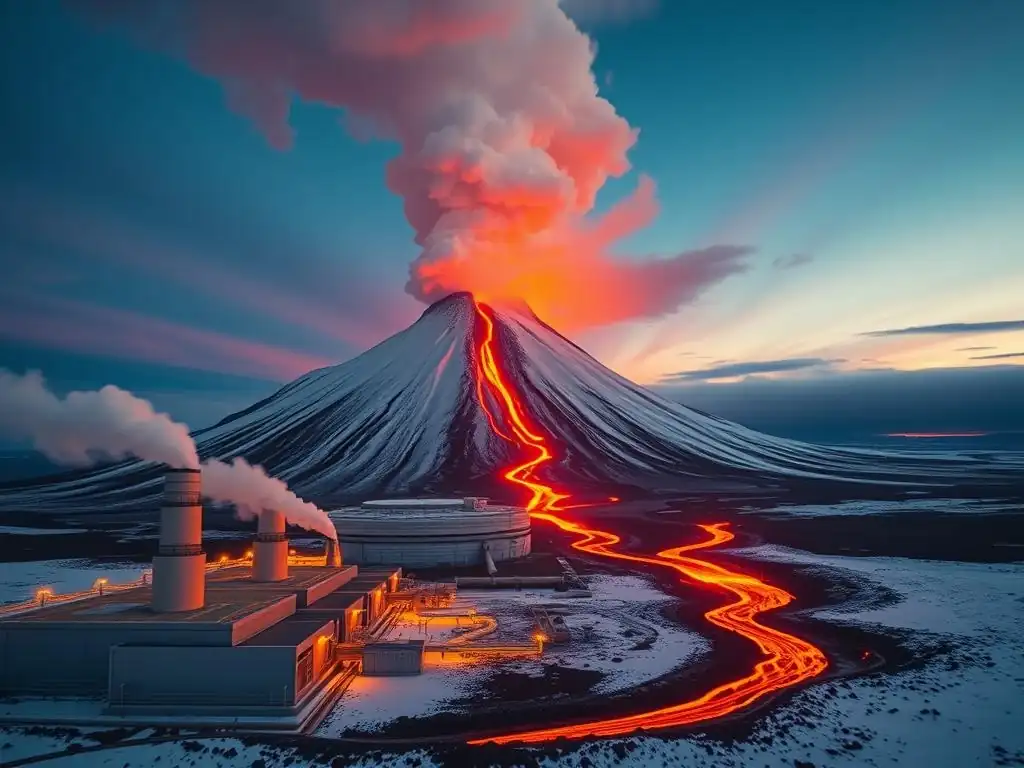
Prepare to be captivated by the raw power and hidden potential simmering beneath the Earth's surface. Ever wondered how Iceland, a land forged by volcanic fire, manages to thrive? Dive into our latest exploration of Geothermal energy from volcanoes and discover how this incredible force is not only shaping landscapes but also powering entire communities. But be warned, the story is one of breathtaking innovation intertwined with the ever-present threat of eruption. Intrigued? The secrets await below...
- Introduction: Iceland, Volcanoes, and Geothermal Energy
- Iceland's Geothermal Energy Landscape: A Deep Dive
- Harnessing Volcanic Geothermal Energy: Benefits and Challenges
- Volcanic Eruption Risks in Iceland: A Constant Threat
- Risk Management Strategies for Geothermal Plants in Volcanic Zones
- The Future of Geothermal Energy in Iceland: Sustainable and Safe
- Conclusion: Iceland's Pioneering Role in Volcanic Geothermal Energy
-
Frequently Asked Questions
- What is geothermal energy and how is it related to volcanoes?
- How does Iceland harness geothermal energy from its volcanoes?
- What are the main benefits of using geothermal energy compared to fossil fuels?
- What are the risks associated with harnessing geothermal energy in volcanic areas like Iceland?
- How does Iceland manage the risks associated with volcanic eruptions when using geothermal energy?
- Final Reflection: Embracing the Earth's Power
- Unleash Iceland's Geothermal Secrets: Your Next Adventure!
Introduction: Iceland, Volcanoes, and Geothermal Energy
The Unique Relationship Between Iceland and Volcanic Activity
Iceland and volcanoes are inextricably linked; the very existence of this Nordic island nation is a direct result of intense volcanic activity. Situated on the Mid-Atlantic Ridge, where the North American and Eurasian tectonic plates diverge, Iceland is a geological anomaly, a land constantly being reshaped by fire and ice.
Volcanoes are not just geological features here; they are integral to the Icelandic identity, influencing everything from the dramatic landscapes and fertile soils to the nation's culture and economy. The presence of active volcanic systems is a constant reminder of the powerful forces shaping the planet, and this awareness permeates Icelandic life, fostering a unique blend of respect and resilience in the face of nature’s raw power.
This dynamic geological setting has profoundly shaped Iceland’s history and continues to influence its future. Icelanders have learned to live alongside these giants, adapting to the challenges and opportunities presented by volcanic landscapes. From the black sand beaches sculpted by volcanic ash to the towering glaciers capping active volcanoes, the island's visual identity is undeniably volcanic. This constant interaction with volcanic activity has instilled in Icelanders a deep understanding of natural processes and a pragmatic approach to risk management, making them pioneers in harnessing the earth's energy while living in a volcanically active environment.
Geothermal Resources: A Key Source of Power in Iceland
The relentless volcanic activity beneath Iceland's surface provides an extraordinary gift: abundant geothermal resources. Geothermal energy, heat derived from the Earth's interior, is exceptionally accessible in Iceland due to its location on a plate boundary and a mantle plume. This geological confluence results in a remarkably high geothermal gradient, meaning the temperature increases rapidly with depth, making it economically viable to tap into this vast reservoir of heat. Iceland's reliance on geothermal energy is not just a matter of convenience; it’s a cornerstone of its energy independence and sustainability strategy.
Harnessing geothermal energy from volcanoes is not a mere trend for Iceland; it is a deeply ingrained practice that has evolved over decades. Today, geothermal energy provides a significant portion of Iceland's electricity and nearly 90% of its heating needs. This reliance on a renewable and domestically available energy source has shielded Iceland from the volatile global fossil fuel markets and positioned it as a leader in sustainable energy practices. The readily available geothermal resources have not only powered homes and industries but have also spurred innovation in energy technologies and fostered a culture of environmental consciousness.
Balancing Energy Needs with Volcanic Hazard Mitigation
While geothermal energy offers immense benefits, Iceland faces the constant challenge of balancing its energy needs with the inherent risks associated with living in a volcanic region. The very geological conditions that provide access to geothermal resources also mean that Iceland is prone to volcanic eruptions, earthquakes, and related hazards. Geothermal power plants, often located in close proximity to active volcanic systems to maximize resource accessibility, are therefore vulnerable to these natural threats. Effective risk management and mitigation strategies are not optional extras but essential components of Iceland's geothermal energy infrastructure development and operation.
Successfully navigating this delicate balance requires a multi-faceted approach. It involves meticulous geological monitoring, advanced engineering design for infrastructure resilience, and robust emergency preparedness plans. Iceland's experience in this area offers valuable lessons for other volcanically active regions around the world seeking to utilize their geothermal potential. The Icelandic model demonstrates that it is possible to harness the power of geothermal energy from volcanoes sustainably and safely, but only with a deep understanding of the risks and a commitment to proactive mitigation measures.
Iceland's Geothermal Energy Landscape: A Deep Dive
The Geological Setting: Why Iceland is a Geothermal Hotspot
Iceland's exceptional geothermal potential is directly attributable to its unique geological setting. The island straddles the Mid-Atlantic Ridge, a divergent plate boundary where the North American and Eurasian plates are moving apart. This rifting process creates a zone of crustal thinning and extensive fracturing, allowing magma from the Earth's mantle to rise closer to the surface. Adding to this tectonic dynamism, Iceland is also situated above a mantle plume, a column of unusually hot rock rising from deep within the Earth. This "Iceland plume" further enhances the heat flow, creating a geothermal hotspot of global significance.
The combination of plate tectonics and the mantle plume results in an exceptionally high geothermal gradient across Iceland. In typical continental crust, temperatures increase by about 25-30°C per kilometer of depth. However, in Iceland's active volcanic zones, this gradient can be significantly higher, sometimes exceeding 100°C per kilometer. This means that high-temperature geothermal resources, suitable for electricity generation and district heating, are found at relatively shallow depths, making them economically accessible. The volcanic activity, therefore, is not just a geological phenomenon but the fundamental driver of Iceland's geothermal energy wealth.
Major Geothermal Power Plants in Iceland: Names and Locations
Iceland boasts several major geothermal power plants that collectively contribute significantly to the nation's energy supply. One of the largest is the Hellisheidi Geothermal Power Plant, located in Hengill, a highly active volcanic area in southwestern Iceland. This plant, operated by ON Power, is one of the largest geothermal power plants in the world, producing both electricity and heat. Another significant facility is the Nesjavellir Geothermal Power Plant, situated near Lake Þingvallavatn, also within the Hengill volcanic system. Nesjavellir, operated by Reykjavík Energy, primarily focuses on providing hot water for district heating in the capital region.
Further east, near the Krafla volcano in northern Iceland, lies the Krafla Geothermal Power Plant. This plant is located within the Krafla volcanic caldera, an area known for its intense geothermal activity and past eruptions. Svartsengi Geothermal Power Plant, located on the Reykjanes Peninsula, close to the Blue Lagoon, is another key player.
Svartsengi utilizes a unique geothermal resource and is notable for its integrated approach to energy production and resource management. These power plants, among others across Iceland, are strategically located in areas with high geothermal potential, often within or near active volcanic zones, highlighting the direct link between volcanic landscapes and geothermal energy production.
Types of Geothermal Energy Extraction Used in Iceland
Iceland employs various geothermal energy extraction techniques tailored to the specific characteristics of its geothermal reservoirs. High-temperature geothermal fields, typically associated with active volcanic areas, are ideal for conventional steam power plants. These plants directly utilize the high-pressure steam from geothermal wells to drive turbines and generate electricity. Flash steam power plants are also common, where high-pressure hot water is "flashed" into steam in a low-pressure tank, and this steam then powers turbines. These methods are efficient for high-enthalpy resources but can release some steam and gases into the atmosphere.
For lower-temperature geothermal resources, binary cycle power plants are increasingly utilized. In binary systems, the geothermal fluid heats a secondary working fluid with a lower boiling point, such as isobutane or pentane. The working fluid vaporizes and drives a turbine, and then it is condensed and recycled.
Binary plants are more environmentally friendly as they operate in a closed loop, minimizing emissions and allowing for the utilization of lower-temperature geothermal resources. Iceland is also pioneering enhanced geothermal systems (EGS), also known as "hot dry rock" geothermal, which involves fracturing hot, impermeable rocks and injecting water to create artificial geothermal reservoirs. This technology could significantly expand Iceland's geothermal potential and is particularly relevant in areas where conventional hydrothermal resources are limited.
Harnessing Volcanic Geothermal Energy: Benefits and Challenges
Advantages of Geothermal Energy Production in Iceland
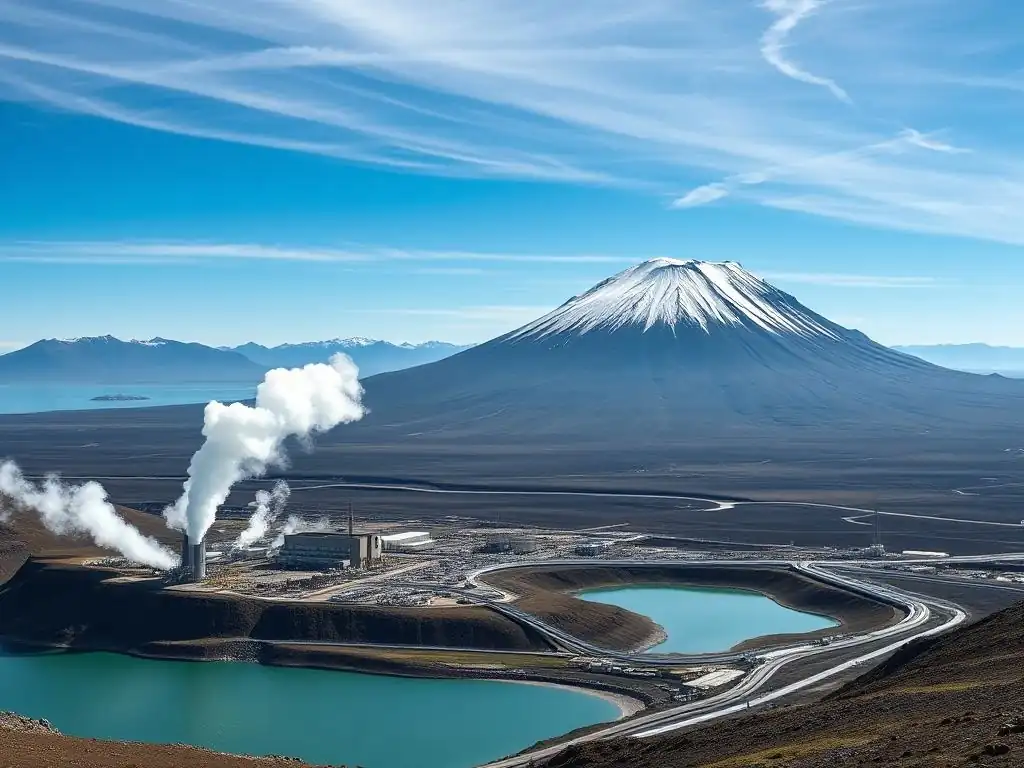
The advantages of geothermal energy production in Iceland are multifaceted and contribute significantly to the nation's prosperity and sustainability. Firstly, geothermal energy is a renewable resource. The Earth's internal heat is a virtually inexhaustible source of energy, ensuring long-term energy security for Iceland. Secondly, geothermal energy is domestically available, reducing Iceland's dependence on imported fossil fuels and enhancing its energy independence. This energy autonomy has strategic and economic benefits, shielding Iceland from global energy price fluctuations and supply disruptions.
Economically, geothermal energy is cost-effective in Iceland. While the initial investment in geothermal power plants can be substantial, the operational costs are relatively low, as the "fuel" – the Earth's heat – is free. This results in stable and affordable energy prices for consumers and industries.
Environmentally, geothermal energy is a clean energy source compared to fossil fuels. Geothermal power plants produce significantly lower greenhouse gas emissions, contributing to Iceland's ambitious climate goals and its reputation as a green energy leader. Furthermore, geothermal energy provides a stable and reliable baseload power supply, unlike some other renewable sources like solar and wind, which are intermittent.
Environmental Considerations of Geothermal Power
While geothermal energy is generally considered environmentally friendly, it is not without environmental considerations. Land use is a factor, as geothermal power plants and wellfields require land for infrastructure. Visual impact can also be a concern, as power plants and steam plumes can alter landscapes, although in Iceland, these are often seen as integrated parts of the natural environment. Geothermal energy extraction can also induce seismicity, particularly in tectonically active regions like Iceland. Induced earthquakes are typically of low magnitude but require careful monitoring and mitigation.
Another environmental aspect is the emission of non-condensable gases from geothermal power plants. These gases primarily consist of carbon dioxide (CO2) and hydrogen sulfide (H2S). While CO2 emissions are significantly lower than from fossil fuel plants, they are not zero. H2S, even in small concentrations, can have an unpleasant odor and can be corrosive.
Modern geothermal plants in Iceland employ technologies to capture and reinject these gases back into the subsurface, reducing their environmental impact. Furthermore, the disposal of geothermal fluids, which can contain dissolved minerals and salts, needs careful management to prevent groundwater contamination. Reinjection of spent geothermal fluids is a common practice in Iceland to address this concern and also to enhance reservoir sustainability.
Challenges of Building and Maintaining Geothermal Plants Near Active Volcanoes
Building and maintaining geothermal plants in close proximity to active volcanoes, as is the case in Iceland, presents unique and significant challenges. Seismic activity is a constant threat. Volcanic regions are prone to earthquakes, which can damage infrastructure, pipelines, and power plant equipment. Robust structural design and earthquake-resistant construction are crucial for ensuring the safety and operational continuity of geothermal facilities. Volcanic eruptions themselves pose a direct threat. Lava flows, pyroclastic flows, and ashfall can directly impact power plants, wellheads, and transmission lines, causing damage and disrupting operations.
Corrosive geothermal fluids are another challenge. Geothermal fluids often contain dissolved minerals and chemicals that can corrode pipelines, turbines, and other equipment. Special materials and corrosion-resistant alloys are necessary to withstand these harsh conditions, increasing construction and maintenance costs. Access to geothermal plants in volcanic regions can be difficult, especially during or after volcanic events.
Road closures and restricted access can complicate maintenance, repairs, and emergency response. Furthermore, the extreme environmental conditions, such as high temperatures, steam, and volcanic gases, can create challenging working conditions for personnel involved in plant operation and maintenance. Despite these challenges, Iceland's long-standing experience in geothermal energy demonstrates that these obstacles can be overcome with careful planning, advanced engineering, and proactive risk management strategies.
Volcanic Eruption Risks in Iceland: A Constant Threat
Understanding Iceland's Active Volcanic Systems
Iceland is home to approximately 30 active volcanic systems, each with its own unique characteristics and eruption history. Some of the most well-known and frequently active systems include Grímsvötn, located beneath the Vatnajökull ice cap, known for its explosive eruptions and ash plumes that can disrupt air traffic. Katla, also beneath Mýrdalsjökull glacier, is another powerful volcano with a history of large eruptions and significant glacial outburst floods (jökulhlaups). Hekla, a stratovolcano in southern Iceland, is known for its frequent and relatively short-lived eruptions.
Other notable volcanic systems include Askja and Krafla in the north, both associated with major volcanic events in the past. The Reykjanes volcanic belt, extending southwest from Reykjavík, is characterized by fissure swarms and geothermal areas, and includes recent eruption sites on the Reykjanes Peninsula. Each volcanic system behaves differently, exhibiting variations in eruption style, frequency, and intensity. Understanding these individual characteristics is crucial for assessing volcanic hazards and developing effective risk mitigation strategies. Icelandic volcanologists continuously monitor these systems to detect changes in activity and provide early warnings of potential eruptions.
Monitoring Volcanic Activity: Early Warning Systems and Techniques
Iceland's volcanic monitoring network is one of the most sophisticated in the world, employing a range of advanced technologies to detect and track volcanic activity. Seismic monitoring is a cornerstone of the system. A dense network of seismometers across Iceland constantly measures ground vibrations, detecting earthquakes associated with magma movement and volcanic unrest. Changes in seismicity patterns, such as increased frequency or intensity of earthquakes, can be early indicators of an impending eruption.
Ground deformation monitoring is another crucial technique. GPS stations and satellite-based InSAR (Interferometric Synthetic Aperture Radar) measure subtle changes in ground surface elevation, which can indicate magma accumulation beneath the surface. Gas monitoring stations measure the composition and concentration of volcanic gases, such as sulfur dioxide (SO2) and carbon dioxide (CO2), released from fumaroles and volcanic vents.
Changes in gas emissions can signal changes in volcanic activity. Thermal monitoring, using infrared cameras and satellite data, detects changes in surface temperatures, which can indicate increased heat flow associated with magma ascent. Real-time data from these monitoring systems are analyzed by volcanologists at the Icelandic Meteorological Office and other research institutions to assess volcanic risk and issue warnings when necessary.
Impact of Volcanic Eruptions on Geothermal Infrastructure
Volcanic eruptions pose a range of threats to geothermal infrastructure in Iceland, potentially causing significant damage and operational disruptions. Ashfall is a widespread hazard. Volcanic ash can blanket power plants, coating equipment, clogging air intakes, and causing electrical short circuits. Ash accumulation on roofs can lead to structural damage. Lava flows can directly inundate geothermal plants and wellfields, destroying infrastructure in their path. While lava flows are relatively slow-moving, they are extremely destructive and impossible to stop.
Pyroclastic flows, fast-moving currents of hot gas and volcanic debris, are another severe hazard, particularly for plants located on volcano flanks. Jökulhlaups, glacial outburst floods triggered by subglacial eruptions, can cause widespread flooding and erosion, damaging infrastructure and access roads. Earthquakes associated with volcanic activity can also damage geothermal plants and pipelines.
Volcanic gases, such as sulfur dioxide and hydrogen fluoride, can be corrosive and damaging to equipment and infrastructure. The impact of a volcanic eruption on geothermal infrastructure depends on the eruption's size, location, and style, as well as the proximity of the infrastructure to the volcanic vent and hazard zones. Effective risk assessment and mitigation strategies are essential to minimize the vulnerability of geothermal plants to these volcanic hazards.
Risk Management Strategies for Geothermal Plants in Volcanic Zones
Designing Resilient Geothermal Infrastructure
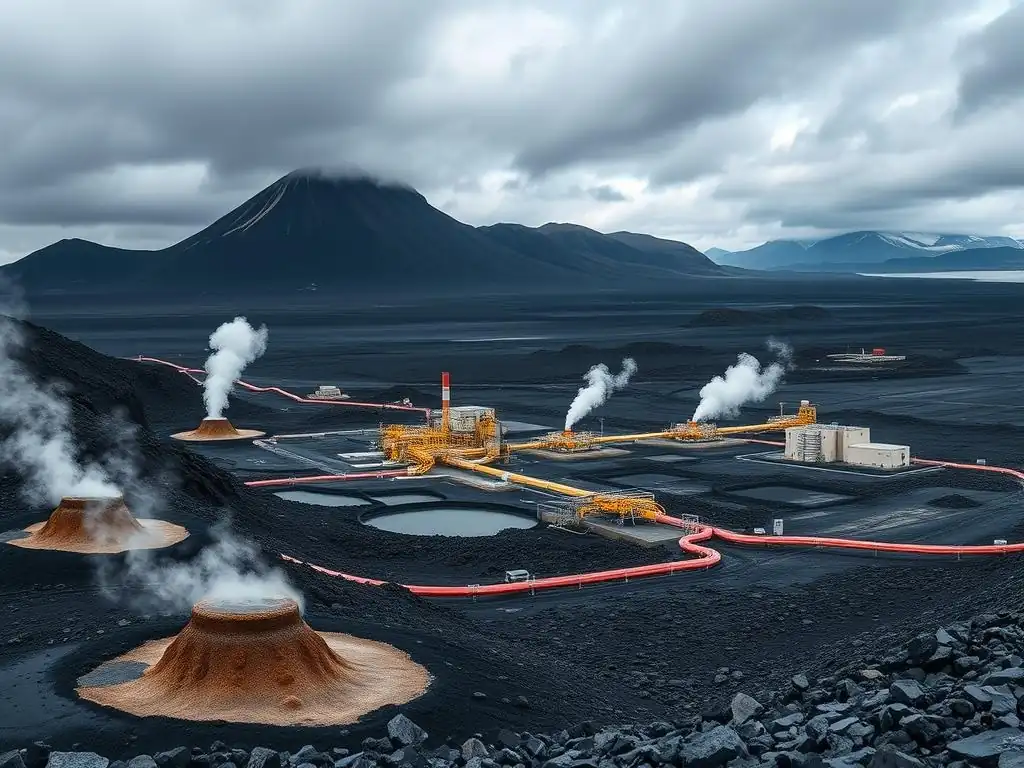
Designing resilient geothermal infrastructure in volcanically active zones requires a proactive and multi-layered approach, starting from site selection to construction materials and operational protocols. Careful site selection is paramount. Power plants and critical infrastructure should be located outside of high-hazard zones, such as expected lava flow paths, pyroclastic flow runouts, and areas prone to severe jökulhlaups. Geological hazard assessments, including lava flow modeling and jökulhlaup inundation mapping, are essential for informed site selection. Robust structural design is crucial. Buildings and equipment should be designed to withstand seismic shaking and ash loads. Earthquake-resistant construction techniques and reinforced structures are necessary.
Using durable and corrosion-resistant materials is vital. Pipelines and equipment should be constructed from materials that can withstand corrosive geothermal fluids and volcanic gases. Redundancy and backup systems are important for operational resilience. Having backup power supplies, redundant pipelines, and alternative water sources can help maintain operations during disruptions. Protective measures against ashfall should be incorporated into the design. Air intakes should be designed to minimize ash entry, and critical equipment should be housed in ash-resistant buildings. Regular inspections and maintenance are essential to identify and address potential vulnerabilities before they become critical issues.
Emergency Response Plans for Volcanic Eruptions
Comprehensive emergency response plans are crucial for mitigating the impact of volcanic eruptions on geothermal plants and ensuring the safety of personnel and the continuity of operations. Early warning systems are the first line of defense. Geothermal plants should be integrated into national volcanic monitoring and early warning systems to receive timely alerts of potential eruptions. Evacuation plans must be in place and regularly practiced. Clear evacuation routes, assembly points, and communication protocols are essential for ensuring the safe and efficient evacuation of personnel in case of an eruption.
Plant shutdown procedures should be well-defined and rehearsed. Procedures for safely shutting down operations, securing equipment, and isolating critical systems are necessary to minimize damage during an eruption. Ash removal protocols need to be established. Plans for rapidly removing ash from critical equipment, roofs, and access roads are essential for resuming operations after an ashfall event.
Communication protocols are vital for coordinating emergency response efforts. Clear communication channels between plant personnel, emergency responders, and relevant authorities are necessary for effective crisis management. Regular drills and exercises to test emergency response plans are crucial for ensuring preparedness and identifying areas for improvement.
Case Studies: Past Eruptions and Their Impact on Geothermal Plants
While Iceland has experienced numerous volcanic eruptions, direct and catastrophic impacts on major geothermal power plants have been relatively limited, largely due to proactive risk management. The 2010 eruption of Eyjafjallajökull caused significant disruption to air travel and widespread ashfall across Iceland. While geothermal plants were affected by ash, most notably requiring extensive ash cleanup and temporary operational adjustments, they were not severely damaged. The plants demonstrated resilience due to pre-emptive ash mitigation measures and rapid response.
The 2014-2015 Bárðarbunga eruption, a large fissure eruption in a remote area, did not directly impact major geothermal plants. However, it highlighted the potential for large-scale volcanic events and the importance of continuous monitoring and preparedness. Past eruptions closer to geothermal areas, while not causing plant shutdowns, have emphasized the need for robust infrastructure design and emergency planning.
For example, historical eruptions in the Krafla volcanic area, where the Krafla geothermal plant is located, have informed the plant's design and operational protocols. These experiences underscore the importance of learning from past events, continuously improving risk management strategies, and maintaining a high level of preparedness in volcanically active regions. Iceland's proactive approach to volcanic risk management has been instrumental in safeguarding its geothermal infrastructure and ensuring the continued supply of geothermal energy despite the constant volcanic threat.
The Future of Geothermal Energy in Iceland: Sustainable and Safe
Innovations in Geothermal Technology for Volcanic Regions
The future of geothermal energy in Iceland, particularly in volcanically active regions, is being shaped by ongoing innovations in geothermal technology. Enhanced Geothermal Systems (EGS) are gaining increasing attention. EGS technologies aim to access geothermal resources in hot, dry rocks by creating artificial fractures and injecting water to extract heat. This could significantly expand Iceland's geothermal potential beyond conventional hydrothermal reservoirs and potentially tap into deeper, hotter resources associated with volcanic systems. Advanced drilling technologies are enabling deeper and more efficient geothermal well drilling. Deeper drilling can access higher-temperature resources and improve energy extraction rates.
Closed-loop geothermal systems are being explored for enhanced environmental sustainability. These systems circulate working fluids in a closed loop, minimizing water usage and eliminating wastewater discharge. They can also potentially reduce induced seismicity risks. Hybrid geothermal-renewable energy systems are emerging.
Combining geothermal energy with other renewable sources like wind and solar can create more resilient and flexible energy systems, optimizing energy production and grid stability. Advanced materials research is focused on developing more durable and corrosion-resistant materials for geothermal infrastructure, extending the lifespan of plants and reducing maintenance costs in harsh volcanic environments. These technological advancements promise to further enhance the sustainability, efficiency, and safety of geothermal energy production in Iceland and other volcanically active regions.
Balancing Geothermal Energy Development with Environmental Protection
Sustaining the growth of geothermal energy in Iceland requires a continued focus on balancing development with environmental protection. Comprehensive environmental impact assessments are essential for all new geothermal projects. These assessments should evaluate potential impacts on ecosystems, water resources, air quality, and landscapes, ensuring that development is environmentally responsible.
Sustainable reservoir management practices are crucial for long-term geothermal resource utilization. Monitoring reservoir pressure, temperature, and fluid chemistry is necessary to avoid over-extraction and ensure the longevity of geothermal fields. Reinjection of spent geothermal fluids is a key practice for both waste disposal and reservoir pressure maintenance, minimizing environmental impact and enhancing resource sustainability.
Minimizing land use footprint is important. Optimizing plant design and infrastructure layout to minimize land disturbance is crucial, particularly in sensitive environments. Reducing visual impact is also a consideration. Careful plant siting and architectural design can help integrate geothermal facilities into the landscape and minimize visual intrusion. Mitigating greenhouse gas emissions, particularly CO2 and H2S, remains a focus. Continued development and implementation of gas capture and reinjection technologies are essential for minimizing the carbon footprint of geothermal energy. By prioritizing environmental sustainability alongside energy development, Iceland can ensure that its geothermal resources are utilized responsibly for generations to come.
Community Engagement and Education on Volcanic Risks
Successful risk management and sustainable geothermal development in volcanic regions rely heavily on community engagement and public education. Public awareness campaigns are crucial for educating communities about volcanic risks and safety procedures. Information on volcanic hazards, early warning systems, and evacuation plans should be readily accessible and regularly disseminated to the public. Community involvement in emergency planning is essential. Local communities should be actively involved in developing and refining emergency response plans, ensuring that plans are tailored to local needs and contexts.
Educational programs in schools and communities can foster a culture of volcanic risk awareness and preparedness from a young age. Incorporating volcanic science and risk management into school curricula can empower future generations to live safely in volcanic environments. Open communication and transparency between scientists, authorities, and the public are vital for building trust and ensuring effective risk communication.
Regular updates on volcanic activity, monitoring data, and risk assessments should be communicated clearly and transparently to the public. Community feedback mechanisms should be established to allow for public input and address community concerns related to volcanic risks and geothermal development. By fostering a well-informed and engaged community, Iceland can strengthen its resilience to volcanic hazards and ensure the sustainable and safe development of its geothermal resources.
Conclusion: Iceland's Pioneering Role in Volcanic Geothermal Energy
Lessons Learned from Iceland's Geothermal Experience
Iceland's journey in harnessing geothermal energy from volcanoes offers valuable lessons for other volcanically active regions and the global energy transition. Adaptability and innovation are key takeaways. Iceland's success stems from its ability to adapt technologies and strategies to its unique geological and environmental conditions, constantly innovating to improve efficiency and sustainability. Proactive risk management is paramount. Iceland's emphasis on continuous volcanic monitoring, robust infrastructure design, and comprehensive emergency planning demonstrates the importance of proactive risk mitigation in volcanically active areas.
Long-term vision and commitment are essential. Iceland's decades-long commitment to geothermal energy development, driven by a vision of energy independence and sustainability, has been crucial to its success. Integrated energy planning is vital. Iceland's integrated approach, combining geothermal energy with other renewable sources and efficient energy utilization, provides a model for holistic energy system development.
Community engagement and public education are indispensable. Iceland's experience highlights the importance of involving communities and educating the public about both the benefits and risks associated with geothermal energy and volcanic environments. These lessons from Iceland's pioneering geothermal experience can guide other nations in developing sustainable and resilient energy systems in similar geological settings.
The Potential for Geothermal Energy in Other Volcanically Active Regions
Iceland's success story illuminates the vast untapped potential for geothermal energy in other volcanically active regions around the world. Countries located along the Pacific Ring of Fire, such as Indonesia, the Philippines, Japan, and New Zealand, possess significant geothermal resources associated with volcanic activity. East African Rift Valley countries, like Kenya and Ethiopia, also have substantial geothermal potential related to volcanic and tectonic activity.
Latin American countries along the Andes volcanic belt, including Chile and Peru, are rich in geothermal resources. Many of these regions are currently heavily reliant on fossil fuels, and geothermal energy offers a clean, domestic alternative to enhance energy security and reduce carbon emissions.
However, realizing this potential requires adapting the Icelandic model to local contexts. Geological conditions, technological capabilities, regulatory frameworks, and socio-economic factors vary significantly across these regions. Technology transfer and capacity building are crucial for enabling developing countries to harness their geothermal resources effectively. International collaboration and knowledge sharing, drawing on Iceland's expertise, can accelerate geothermal energy development globally. Investing in research and development, particularly in EGS and advanced geothermal technologies, can unlock even greater geothermal potential in volcanically active areas and beyond.
A Sustainable Energy Future Powered by Volcanoes: The Icelandic Model
Iceland's model of harnessing geothermal energy from volcanoes presents a compelling vision for a sustainable energy future. By embracing geothermal energy, Iceland has achieved remarkable energy independence, decarbonized its heating and electricity sectors, and fostered a green economy. This success demonstrates that volcanically active regions can transform a geological hazard into a valuable asset, powering their economies and societies sustainably. The Icelandic model is not just about technology; it is about a holistic approach that integrates environmental responsibility, risk management, community engagement, and long-term vision.
As the world transitions towards cleaner energy sources, geothermal energy, especially in volcanically active regions, offers a significant and often underutilized solution. Scaling up geothermal energy development globally can contribute substantially to climate change mitigation and energy security. Learning from Iceland's pioneering experience, other nations can embark on their own geothermal journeys, tailoring the Icelandic model to their specific circumstances. A future powered by volcanoes, harnessing the Earth's internal heat in a sustainable and safe manner, is not just a dream but a tangible possibility, as demonstrated by the Icelandic example.
Frequently Asked Questions
Geothermal energy is heat derived from the Earth's interior, particularly from magma chambers near volcanoes. This heat is used to generate electricity or provide direct heating.
How does Iceland harness geothermal energy from its volcanoes?
Iceland utilizes geothermal energy by drilling wells to access hot water and steam heated by volcanic activity. This steam then powers turbines to generate electricity and provide heating for homes and industry.
What are the main benefits of using geothermal energy compared to fossil fuels?
Geothermal energy is a renewable resource and produces significantly less greenhouse gas emissions than fossil fuels, making it a more environmentally friendly option.
What are the risks associated with harnessing geothermal energy in volcanic areas like Iceland?
The main risks include potential eruptions disrupting geothermal plants and the possibility of induced seismicity from drilling and fluid injection.
How does Iceland manage the risks associated with volcanic eruptions when using geothermal energy?
Iceland employs extensive monitoring systems to detect changes in volcanic activity. They also have emergency plans in place for evacuation and plant shutdown in case of an eruption.
Final Reflection: Embracing the Earth's Power
The narrative of Iceland, as explored in this article, is more than just a geographical case study; it's a potent reminder of humanity's complex relationship with nature. Iceland's dance with volcanic activity and its innovative use of geothermal energy serves as a microcosm of the global challenge: balancing our energy needs with environmental responsibility. It highlights the potential for sustainable energy solutions, even in the face of inherent risks, and underscores the importance of proactive risk management in a world increasingly vulnerable to natural disasters.
The story of Iceland's geothermal success, interwoven with the constant threat of volcanic eruption, resonates deeply because it reflects our own lives. We, too, navigate a landscape of potential risks and rewards, constantly striving to harness the power within ourselves and the world around us for a brighter future. As the article demonstrates, innovation and resilience are key to thriving in such a dynamic environment. We have to be prepared for anything, and that's the Icelandic way,
a sentiment that perfectly encapsulates the nation's spirit and its approach to both harnessing geothermal energy and mitigating volcanic risks.
Now, consider the lessons learned from Iceland's experience. How can you apply this understanding of risk management and sustainable energy solutions to your own life and community? What small steps can you take to embrace innovation and resilience in the face of challenges? Let Iceland's story inspire you to seek out sustainable solutions, to prepare for the unexpected, and to harness the power within yourself to create a more resilient and sustainable future for all.
Okay, here's a CTA crafted for an article on Iceland's geothermal energy and volcanic risk management, tailored for Volcano Explorers:
Unleash Iceland's Geothermal Secrets: Your Next Adventure!
Thanks for joining us on this exploration of Iceland's fascinating relationship with its volcanoes! We hope you've gained a deeper appreciation for the ingenuity and challenges involved in harnessing geothermal power while living in an active volcanic landscape. Now, let's turn that knowledge into action!
Here are a few ways you can dive deeper into the world of volcanology and geothermal energy:
- Become a Citizen Scientist: Contribute valuable data to volcano monitoring by downloading a volcanic activity reporting app. Report any unusual activity you observe, even if you're not in Iceland!
- Share the knowledge: Spread awareness! Share this article with three friends who might find this information as intriguing as you do. Let's expand the circle of volcano enthusiasts.
- Plan Your Geothermal Adventure: Explore real-world solutions by researching geothermal projects closer to home, and possibly consider organizing a future trip to observe these technologies in Iceland firsthand.
What innovative geothermal solution in your region deserves more attention? Share your insights in the comments below!