
Tambora: The Volcano That Inspired Frankenstein and Vampires?

Welcome to Volcano Explorers!
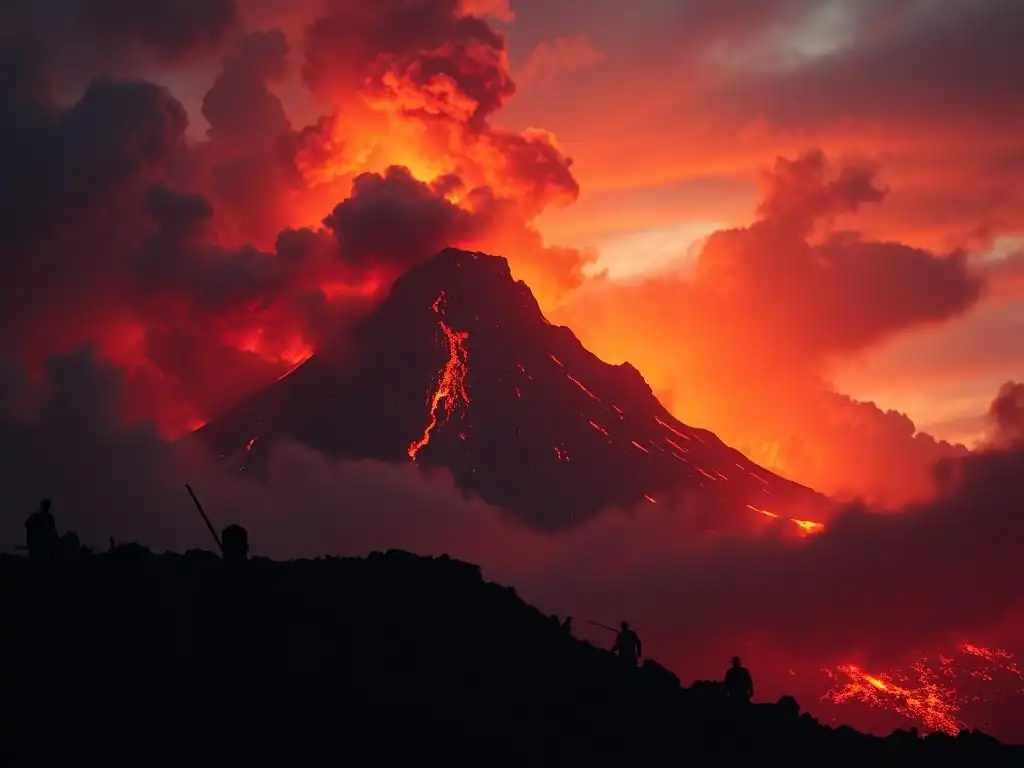
Prepare to be amazed. Did you know a single volcanic eruption could spark literary masterpieces? Uncover the chilling tale of the Tambora volcano, a cataclysm so profound, its shadow stretches across history and into the realm of fiction. Explore its historical significance and discover how this devastating event may have inadvertently given birth to some of literature's most enduring monsters. Intrigued? The story begins now...
- Introduction: Exploring Tambora's Historical Significance
- The Cataclysmic Eruption of Tambora: A Historical Overview
- "The Year Without a Summer": Tambora's Global Impact
- Literary Inspiration: Tambora's Influence on Gothic Literature
- The Vampire Myth: Tambora's Shadow Over Polidori's "The Vampyre"
- Tambora's Lasting Legacy: Beyond the Literary World
- Mount Tambora Today: A Reminder of Nature's Power
- Conclusion: Remembering Tambora's Profound Historical Significance
-
Frequently Asked Questions
- What was the most significant historical impact of the Tambora eruption?
- How did the Tambora eruption potentially inspire Mary Shelley's Frankenstein?
- Besides Frankenstein, what other literary work is linked to the Tambora eruption?
- What makes the Tambora eruption stand out compared to other large volcanic events in history?
- What safety measures are in place today to prevent similar disasters from future eruptions?
- Final Reflection: Echoes of Tambora's Shadow
- Unearth Your Inner Explorer!
Introduction: Exploring Tambora's Historical Significance
Mount Tambora, a stratovolcano located on the island of Sumbawa, Indonesia, is more than just a geographical feature; it is a testament to the raw power of nature and its profound impact on human history and culture. While many volcanoes are known for their immediate destructive capabilities, Tambora's historical significance extends far beyond the immediate devastation of its 1815 eruption.
Its impact rippled across the globe, triggering climate anomalies, societal upheavals, and even inspiring some of the most iconic works of Gothic literature. Exploring Tambora's legacy allows us to understand the interconnectedness of Earth's systems and the enduring influence of natural events on human civilization.
This article delves into the multi-faceted historical significance of the Tambora volcano, examining its cataclysmic eruption, the ensuing global climate crisis known as the "Year Without a Summer," and its surprising influence on literature and culture. We will explore how the events of 1815 not only reshaped landscapes and societies but also ignited the imaginations of writers and artists, leaving an indelible mark on our collective consciousness. From scientific studies to literary analysis, understanding Tambora's story offers valuable insights into the complex relationship between humanity and the natural world.
Smithsonian Institution: Unveiling the Legacy of Mount Tambora
The Smithsonian Institution, a renowned center for research and education, has played a crucial role in documenting and disseminating knowledge about volcanic events, including the eruption of Mount Tambora. Through its Global Volcanism Program (GVP), the Smithsonian compiles and maintains an extensive database of volcanic eruptions worldwide, offering invaluable resources for researchers, educators, and the public alike. The GVP meticulously records eruption dates, locations, Volcanic Explosivity Index (VEI) ratings, and impacts, providing a comprehensive understanding of volcanic activity across geological time scales.
The Smithsonian's work on Tambora specifically highlights the volcano's exceptional historical importance. Their publications and online resources detail the magnitude of the 1815 eruption, emphasizing its VEI-7 classification, which places it among the largest eruptions in recorded history. Furthermore, the Smithsonian's research extends to the global climate anomalies triggered by Tambora, often referred to as the "Year Without a Summer." By archiving historical accounts, scientific data, and geological evidence, the Smithsonian helps to unveil the full legacy of Mount Tambora, underscoring its significance in both Earth science and human history.
The Cataclysmic Eruption of Tambora: A Historical Overview
The eruption of Mount Tambora in April 1815 stands as a pivotal moment in geological and human history. It was not merely a local event but a global cataclysm, unleashing forces that would reshape climates, societies, and even artistic imaginations across continents. Understanding the scale and nature of this eruption requires examining the geological context, the timeline of events, and the scientific measurements that quantify its magnitude.
By piecing together historical accounts, geological evidence, and scientific analysis, we can reconstruct a detailed picture of the Tambora eruption and its immediate aftermath. This historical overview is crucial for grasping the subsequent global impacts and the lasting legacy of this extraordinary volcanic event.
Sunda Arc's Geological Context: Setting the Stage for Disaster
Mount Tambora's explosive potential is deeply rooted in its location within the Sunda Arc, a volcanically hyperactive region formed by the subduction of the Indo-Australian Plate beneath the Eurasian Plate. This tectonic collision zone is responsible for the chain of Indonesian islands and the numerous volcanoes that dot them, including Krakatoa, Agung, and Merapi, in addition to Tambora. The intense pressure and heat generated by subduction melt the mantle rock, creating magma chambers beneath the surface.
The magma that fuels Tambora's eruptions is characterized by its high silica content, which makes it viscous and gas-rich. As this magma rises towards the surface, the dissolved gases are trapped, building immense pressure within the volcano. The Sunda Arc's geological setting, therefore, provides the perfect conditions for explosive eruptions, as the accumulated pressure eventually overcomes the confining strength of the surrounding rocks, leading to violent releases of energy, ash, and volcanic gases, as tragically demonstrated by Tambora in 1815.
April 1815: The Month of Tambora's Explosive Eruption
The eruption of Mount Tambora was not a singular event but a series of escalating explosions that culminated in a cataclysmic climax in April 1815. While precursory activity had been observed in the preceding years, including minor earthquakes and steam vents, the major eruptions began on April 5th, 1815, with loud explosions heard as far away as Java, approximately 1,400 kilometers (870 miles) distant. These initial explosions were followed by a period of intense ashfall and pyroclastic flows.
However, the most devastating phase of the eruption occurred between April 10th and 11th. On the evening of April 10th, Tambora unleashed a colossal explosion, described as being heard thousands of kilometers away. This event ejected an estimated 160 cubic kilometers (38 cubic miles) of volcanic material into the atmosphere, creating a massive eruption column that soared tens of kilometers into the stratosphere.
The darkness caused by the ash cloud was so intense that within a radius of hundreds of kilometers, day turned into night. The subsequent pyroclastic flows and lahars devastated the surrounding landscape, causing widespread destruction and loss of life on Sumbawa and neighboring islands.
The Volcanic Explosivity Index (VEI) of Tambora: A VEI-7 Eruption
The Volcanic Explosivity Index (VEI) is a logarithmic scale used to measure the explosivity of volcanic eruptions, ranging from 0 (non-explosive) to 8 (apocalyptic). The 1815 eruption of Tambora is classified as a VEI-7, placing it in the "super-colossal" category and ranking it among the largest volcanic eruptions in recorded history. To put this into perspective, a VEI-7 eruption is ten times more powerful than a VEI-6 and one hundred times more powerful than a VEI-5.
The VEI-7 designation for Tambora is based on several factors, including the volume of ejected material, the height of the eruption column, and the duration of the eruption. Estimates suggest that Tambora ejected approximately 160 cubic kilometers of tephra, with an eruption column reaching altitudes of over 43 kilometers (27 miles). This massive injection of volcanic ash and gases into the stratosphere had profound and long-lasting effects on the global climate, far exceeding the localized devastation in Indonesia. The VEI-7 rating underscores the exceptional magnitude of the Tambora eruption and its unparalleled historical significance in terms of global impact.
"The Year Without a Summer": Tambora's Global Impact
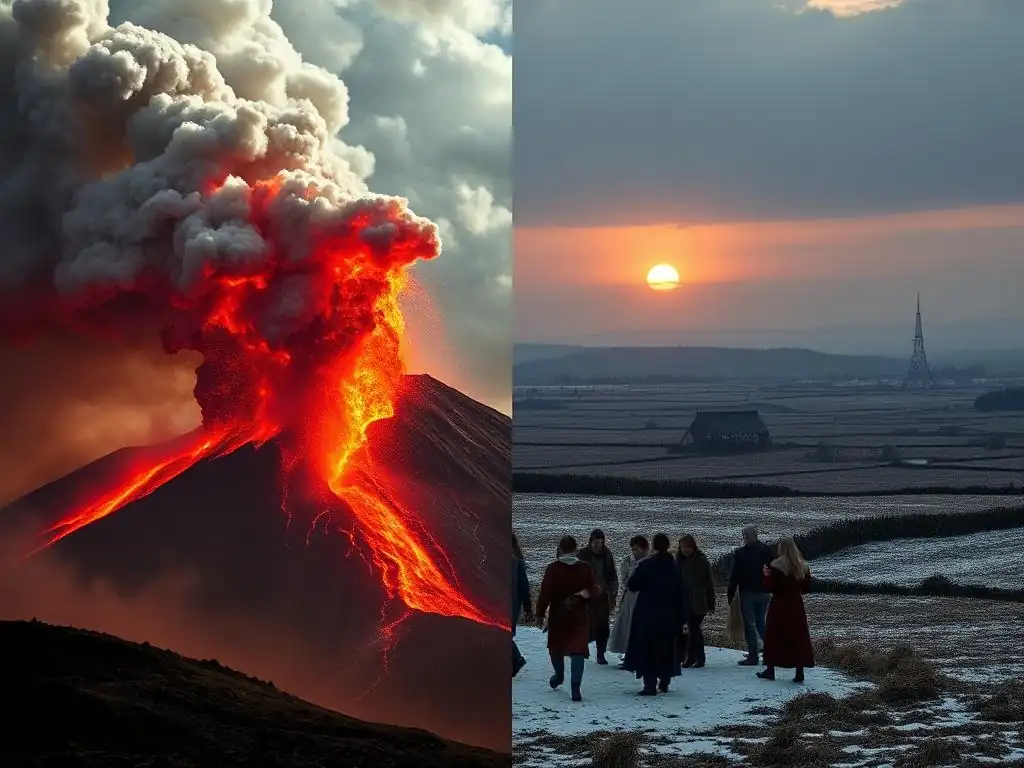
The sheer magnitude of the Tambora eruption resulted in far-reaching consequences that extended well beyond the immediate vicinity of the volcano. Perhaps the most significant global impact was the alteration of Earth's climate, leading to the infamous "Year Without a Summer" in 1816. This period of widespread climate anomalies triggered agricultural crises, famine, and disease outbreaks across the globe, highlighting the interconnectedness of Earth's systems and the vulnerability of human societies to natural disasters.
Understanding the mechanisms behind "The Year Without a Summer" and its cascading effects on agriculture, human health, and societal stability is crucial for appreciating the true historical significance of the Tambora eruption and for informing our responses to future global challenges.
Global Climate Anomalies: Volcanic Winter Following the Tambora Eruption
The "Year Without a Summer," or 1816, was characterized by unprecedented and widespread climate anomalies across the globe, primarily in the Northern Hemisphere. The massive injection of sulfur dioxide gas into the stratosphere during the Tambora eruption played a crucial role in triggering these anomalies. Sulfur dioxide reacts with water vapor to form sulfate aerosols, which are tiny particles that reflect incoming sunlight back into space. This process effectively reduced the amount of solar radiation reaching the Earth's surface, leading to a global cooling effect.
In 1816, this cooling effect was dramatically pronounced. Many regions experienced unusually cold temperatures throughout the year. North America and Europe suffered from severe frosts in June, July, and August, months typically associated with summer warmth. Snowfall was reported in mid-summer in some areas, and average temperatures in many locations were significantly lower than historical norms. These dramatic climate shifts resulted in widespread disruptions to weather patterns and agricultural cycles, leading to the devastating consequences of "The Year Without a Summer."
Impact on Agriculture: Crop Failures and Food Shortages Worldwide
The drastic climate anomalies of 1816 had a devastating impact on agriculture worldwide, leading to widespread crop failures and severe food shortages. The unusually cold temperatures, late frosts, and persistent rainfall shortened growing seasons and hampered crop development in many regions. In North America, repeated frosts destroyed corn crops, a staple food source. Europe experienced similar agricultural disasters, with widespread failures of wheat, rye, and oat harvests.
The consequences of these crop failures were dire. Food prices skyrocketed, leading to widespread famine and hardship, particularly for the poor and vulnerable populations. Grain riots erupted in parts of Europe as people struggled to access food. The agricultural crisis of "The Year Without a Summer" demonstrated the profound vulnerability of human societies to climate shocks and highlighted the critical importance of stable agricultural systems for global food security.
Famine and Disease: Cholera and the Human Cost of Tambora's Wrath
The widespread famine resulting from the agricultural failures of 1816 had devastating consequences for human health, contributing to increased susceptibility to disease and significant mortality. Malnutrition weakened immune systems, making populations more vulnerable to infections. Furthermore, food scarcity and displacement led to unsanitary living conditions, facilitating the spread of infectious diseases.
One of the most significant disease outbreaks linked to the aftermath of the Tambora eruption was the global cholera pandemic. While cholera had existed previously in the Ganges Delta region of India, the environmental and societal disruptions caused by "The Year Without a Summer" are believed to have played a role in its global spread.
Famine and population displacement likely contributed to the dissemination of cholera bacteria, leading to a pandemic that claimed millions of lives worldwide in the years following the Tambora eruption. The cholera pandemic serves as a stark reminder of the far-reaching and complex human costs associated with large-scale natural disasters like the Tambora eruption.
Literary Inspiration: Tambora's Influence on Gothic Literature
Beyond its devastating environmental and societal impacts, the Tambora eruption and the ensuing "Year Without a Summer" had a surprising and profound influence on the world of literature, particularly on the development of Gothic literature. The atmospheric gloom, the sense of impending doom, and the themes of isolation and societal disruption that characterized this period resonated deeply with writers, artists, and thinkers of the time, providing fertile ground for creative expression.
The unusually dark and somber atmosphere of 1816, coupled with the anxieties and uncertainties of the era, arguably contributed to a shift in literary sensibilities, paving the way for the emergence of some of the most iconic works of Gothic fiction and poetry.
Mary Shelley and Frankenstein: A Dark Summer on Lake Geneva
The summer of 1816, the "Year Without a Summer," was famously spent by a group of literary figures at Villa Diodati, near Lake Geneva, Switzerland. This group included Mary Shelley, her husband Percy Bysshe Shelley, Lord Byron, and John Polidori. The unseasonably cold and gloomy weather, often attributed to the atmospheric effects of the Tambora eruption, confined them indoors for much of the summer, fostering an atmosphere of introspection and creativity.
During this dark and dreary summer, Lord Byron proposed a ghost story writing contest. It was in this context that Mary Shelley conceived the idea for Frankenstein; or, The Modern Prometheus. The oppressive atmosphere of the "Year Without a Summer," with its darkened skies and sense of unease, is widely believed to have contributed to the somber and gothic tone of Shelley's masterpiece. The pervasive gloom of the external environment mirrored the internal anxieties and themes explored in Frankenstein, making the novel in some ways a literary product of the Tambora eruption's atmospheric aftermath.
Tambora's Gloom and Frankenstein's Themes: Creation, Destruction, and Isolation
The themes explored in Mary Shelley's Frankenstein – creation, destruction, isolation, and the overreach of science – resonate powerfully with the historical context of the Tambora eruption and its aftermath. The pervasive gloom and sense of environmental disruption in 1816 arguably provided a backdrop that amplified these themes in Shelley's imagination. The unnatural darkness and unpredictable weather could have been interpreted as signs of a world thrown out of balance, mirroring the unsettling consequences of Victor Frankenstein's scientific ambition.
The isolation experienced by both Victor Frankenstein and his creature, as well as the destructive potential of unchecked scientific ambition, can be seen as reflections of the anxieties and uncertainties of an era marked by both scientific advancements and environmental upheaval. The Tambora-induced gloom, therefore, not only provided a literal darkness but also a metaphorical landscape that shaped the thematic contours of Frankenstein, contributing to its enduring power as a gothic masterpiece.
Lord Byron and "Darkness": Poetic Reflections on a Volcanic Apocalypse
Lord Byron, another member of the Villa Diodati literary circle, was also deeply affected by the atmospheric gloom of 1816. His poem "Darkness," written during that summer, is often interpreted as a direct poetic response to the environmental anxieties and sense of impending doom associated with the "Year Without a Summer." The poem depicts a world plunged into perpetual darkness after a catastrophic cosmic event, where the sun is extinguished, and humanity faces extinction.
"Darkness" vividly portrays a desolate and apocalyptic landscape, where civilization crumbles, and human relationships dissolve in the face of overwhelming darkness and despair. While Byron's poem does not explicitly mention Tambora, the atmospheric conditions of 1816, with their darkened skies and diminished sunlight, provided a tangible and immediate inspiration for his vision of a world consumed by darkness. "Darkness" stands as a powerful poetic testament to the psychological and emotional impact of the Tambora-induced climate anomalies, reflecting a sense of environmental anxiety that permeated the artistic consciousness of the time.
The Vampire Myth: Tambora's Shadow Over Polidori's "The Vampyre"
The literary output of the Villa Diodati summer extended beyond Frankenstein and Byron's "Darkness." John Polidori, Byron's physician and also part of the literary gathering, penned The Vampyre, a short story that is considered a foundational text in the development of the modern vampire myth. While less directly linked to Tambora than Frankenstein or "Darkness," The Vampyre and the burgeoning vampire lore of the era can also be interpreted as being subtly influenced by the atmospheric and cultural anxieties of the post-Tambora world.
The pervasive darkness, the sense of societal unease, and the fascination with the macabre that characterized the "Year Without a Summer" and its aftermath may have contributed to a cultural climate receptive to the emergence and popularization of vampire narratives, adding another layer to Tambora's unexpected literary legacy.
John Polidori and the Birth of the Modern Vampire: A Literary Response
John Polidori's The Vampyre, published in 1819, is credited with establishing the archetype of the modern vampire in literature. Prior to Polidori's story, vampire folklore existed primarily in oral traditions and less sophisticated literary forms. The Vampyre, however, introduced the figure of Lord Ruthven, a sophisticated, aristocratic, and predatory vampire, who became a prototype for many subsequent vampire characters in literature and popular culture.
While The Vampyre was directly inspired by Byron's unfinished vampire story, the broader cultural context of the post-Tambora era may have contributed to its resonance and impact. The atmosphere of gloom and uncertainty, coupled with a growing fascination with the macabre and the supernatural, created a fertile ground for the reception of vampire narratives. Polidori's The Vampyre, therefore, can be seen as a product of both personal inspiration and the broader cultural anxieties that were, in part, shaped by the Tambora eruption and its aftermath.
Atmospheric Darkness and the Rise of Vampire Lore: A Cultural Shift
The prolonged atmospheric darkness and the sense of environmental disruption following the Tambora eruption may have contributed to a subtle shift in cultural sensibilities, fostering a greater interest in themes of darkness, mystery, and the supernatural. The darkened skies and diminished sunlight could have been interpreted by some as portents of doom or signs of a world out of balance, feeding into existing anxieties and superstitions.
In this context, the emergence and popularization of vampire lore, including Polidori's The Vampyre, could be seen as a cultural response to these anxieties. Vampire narratives often explore themes of darkness, predation, and the blurring lines between life and death, themes that may have resonated particularly strongly in a world that had just experienced a period of unprecedented environmental and societal upheaval. While not a direct cause-and-effect relationship, the atmospheric darkness and the cultural anxieties of the post-Tambora era may have created a more receptive environment for the rise of vampire mythology in popular culture.
J.M.W. Turner: Artistic Depictions of Volcanic Sunsets and Atmospheric Effects
The atmospheric effects of the Tambora eruption, particularly the vivid and unusual sunsets caused by the scattering of sunlight by volcanic aerosols, also influenced the visual arts of the period. The British painter J.M.W. Turner, known for his dramatic and atmospheric landscapes, is believed to have been inspired by these volcanic sunsets in some of his later works. The sulfate aerosols in the stratosphere, while causing a global cooling effect, also scattered sunlight in a way that enhanced the intensity and color of sunsets and sunrises.
Turner's paintings from the late 1810s and 1820s often feature intensely colored skies with fiery reds, oranges, and yellows, which some art historians interpret as reflections of the volcanic sunsets caused by Tambora's aerosols. While Turner did not explicitly document Tambora's influence on his work, the timing and the stylistic characteristics of his paintings suggest a possible connection. His artistic depictions of these dramatic atmospheric effects provide a visual testament to the far-reaching impact of the Tambora eruption, extending even into the realm of artistic expression.
Tambora's Lasting Legacy: Beyond the Literary World
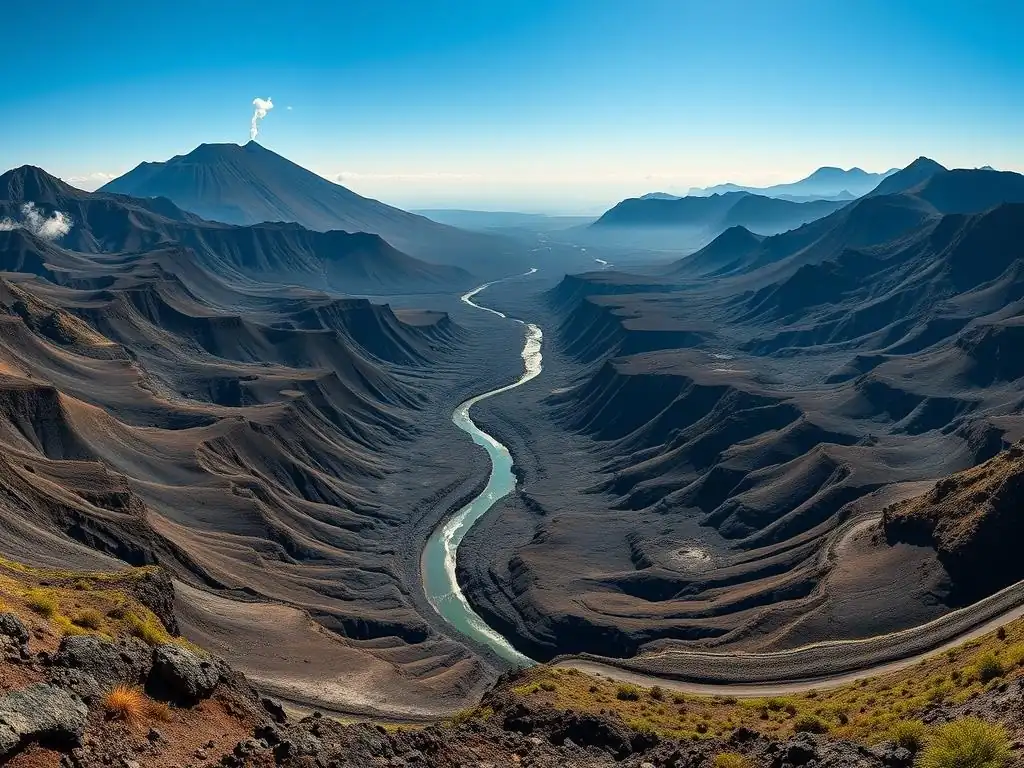
The historical significance of the Tambora eruption extends far beyond its immediate environmental and literary impacts. The event has left a lasting legacy in scientific research, climate change awareness, and conservation efforts, shaping our understanding of volcanic processes, global climate systems, and the importance of environmental stewardship. Tambora serves as a crucial case study for scientists studying volcanic eruptions and their global consequences, and its story continues to inform our approach to natural hazard mitigation and environmental protection.
By examining Tambora's lasting legacy, we can gain a deeper appreciation for its multifaceted historical significance and its continued relevance in the 21st century.
Scientific Studies: Ice Core Analysis and Understanding of Volcanic Aerosols
The Tambora eruption has become a cornerstone in scientific research, particularly in the field of paleoclimatology. Ice core analysis, a crucial technique for reconstructing past climate conditions, has provided valuable insights into the Tambora eruption and its global impacts. Scientists analyze ice cores drilled from glaciers and ice sheets in Greenland and Antarctica to study layers of volcanic ash and sulfate aerosols deposited from past eruptions.
The ice core record clearly shows a significant spike in sulfate aerosols corresponding to the year 1815, directly linked to the Tambora eruption. By analyzing the concentration and composition of these aerosols, scientists can estimate the magnitude of the eruption and its impact on global climate.
Furthermore, ice core data from Tambora has been instrumental in understanding the mechanisms by which volcanic aerosols influence climate, providing crucial information for climate models and for assessing the potential climate impacts of future volcanic eruptions. Tambora, therefore, remains a vital case study for advancing our understanding of volcanism and its role in shaping Earth's climate history.
Tambora's Influence on Climate Change Awareness: A Precedent for Global Impacts
The "Year Without a Summer" serves as a stark historical precedent for understanding the potential global impacts of large-scale environmental disruptions, including those related to climate change. The Tambora eruption demonstrated how a single natural event could trigger widespread climate anomalies, agricultural crises, and societal upheaval on a global scale. This historical example provides a tangible and sobering reminder of the interconnectedness of Earth's systems and the vulnerability of human societies to environmental shocks.
In the context of contemporary climate change concerns, the Tambora eruption offers valuable lessons about the potential for abrupt and far-reaching climate shifts. While the current climate crisis is driven by human activities rather than volcanic eruptions, the Tambora event underscores the capacity of the Earth system to undergo rapid and significant changes with global consequences. Understanding Tambora's legacy can contribute to a greater awareness of the potential risks associated with climate change and the importance of proactive measures to mitigate and adapt to these challenges.
Conservation Efforts: Protecting the Tambora National Park
In recognition of its geological and ecological significance, Mount Tambora and its surrounding area have been designated as Tambora National Park in Indonesia. This conservation effort aims to protect the unique biodiversity of the region, which includes diverse flora and fauna adapted to the volcanic landscape. The national park also encompasses the caldera formed by the 1815 eruption, a dramatic geological feature that serves as a reminder of the volcano's immense power.
Conservation efforts in Tambora National Park are crucial for preserving the natural heritage of the region and for promoting sustainable tourism. The park offers opportunities for hiking, trekking, and exploring the volcanic landscape, attracting visitors interested in both nature and geology. By protecting the Tambora National Park, Indonesia is not only safeguarding a valuable ecosystem but also preserving a site of immense historical and scientific importance for future generations.
Mount Tambora Today: A Reminder of Nature's Power
Today, Mount Tambora stands as a majestic, albeit dormant, volcano, a powerful reminder of nature's capacity for both creation and destruction. While currently quiet, Tambora remains an active volcano and is continuously monitored for any signs of renewed activity. The region attracts both tourists and scientists, drawn by its unique landscape and its historical significance. Tambora serves as a living laboratory for studying volcanic processes and a place for reflection on the complex relationship between humans and the natural world.
Understanding Tambora's present state, its potential for future eruptions, and the ongoing efforts to study and manage volcanic hazards are essential for ensuring the safety of local communities and for learning from the lessons of the past.
Current Volcanic Activity: Monitoring for Potential Future Eruptions
Mount Tambora is classified as an active volcano, meaning it has the potential to erupt again in the future. While it has been relatively quiet since the 1815 eruption, volcanic activity is inherently unpredictable, and monitoring is crucial for detecting any signs of unrest. The Indonesian Center for Volcanology and Geological Hazard Mitigation (PVMBG) continuously monitors Tambora using a network of seismic sensors, gas detectors, and deformation instruments.
These monitoring systems are designed to detect changes in volcanic activity, such as increased seismicity, ground deformation, or changes in gas emissions, which could indicate magma movement and a potential eruption. While there are no immediate signs of an impending eruption, ongoing monitoring is essential for providing early warnings and mitigating potential hazards in the future. Understanding Tambora's current state and its potential for future eruptions is a crucial aspect of volcanic hazard preparedness in the region.
Tourism and Exploration: Hiking and Scientific Expeditions in the Tambora Region
Despite its history of cataclysmic eruptions, Mount Tambora and its surrounding national park are increasingly becoming a destination for tourism and scientific exploration. Adventurous hikers and trekkers are drawn to the challenge of climbing Mount Tambora and exploring its vast caldera, offering stunning views and a unique volcanic landscape. The national park also attracts scientists from various disciplines, including volcanology, geology, ecology, and climate science.
Scientific expeditions to Tambora continue to study the volcano's geological history, monitor its current activity, and investigate the ecological recovery of the region after the 1815 eruption. Research in Tambora provides valuable insights into volcanic processes, ecosystem resilience, and the long-term impacts of large-scale natural disasters. Tourism and scientific exploration in the Tambora region contribute to both economic development and scientific knowledge, highlighting the multifaceted value of this remarkable volcanic landscape.
Lessons Learned from Tambora: Volcanic Hazard Mitigation and Preparedness
The Tambora eruption and its global aftermath offer invaluable lessons for volcanic hazard mitigation and preparedness, particularly in regions prone to volcanic activity. The scale of the 1815 eruption underscores the importance of understanding volcanic risks, developing effective monitoring systems, and implementing robust early warning systems. The "Year Without a Summer" highlights the potential for volcanic eruptions to trigger far-reaching climate impacts and societal disruptions, emphasizing the need for global cooperation and preparedness for large-scale natural disasters.
Lessons learned from Tambora have contributed to improved volcanic monitoring techniques, enhanced understanding of volcanic eruption dynamics, and the development of more effective strategies for volcanic hazard mitigation and risk communication. By studying Tambora's history, scientists and policymakers can better prepare for future volcanic eruptions and minimize their potential impacts on human lives and livelihoods.
Conclusion: Remembering Tambora's Profound Historical Significance
Mount Tambora's historical significance extends far beyond the immediate devastation of its 1815 eruption. It is a story that encompasses geological cataclysm, global climate disruption, societal upheaval, and unexpected cultural inspiration. From the "Year Without a Summer" to its possible influence on Gothic literature and the vampire myth, Tambora's legacy is woven into the fabric of both natural and human history.
Remembering Tambora is not just about recalling a past disaster; it is about understanding the profound interconnectedness of our planet, the power of nature, and the enduring capacity of human societies to adapt, learn, and create even in the face of immense challenges. Tambora stands as a potent symbol of Earth's dynamic forces and a reminder of the importance of respecting and understanding the natural world around us.
Frequently Asked Questions
What was the most significant historical impact of the Tambora eruption?
The year without a summer in 1816, caused by the massive ash cloud from the eruption, had devastating global consequences, leading to widespread crop failures and famine. This period of hardship also influenced literature and art.
How did the Tambora eruption potentially inspire Mary Shelley's Frankenstein?
The unusual weather conditions and atmosphere of gloom created by the volcanic winter are thought to have fostered the bleak and gothic setting in which Shelley conceived her famous novel. The sense of societal disruption likely also played a role.
Besides Frankenstein, what other literary work is linked to the Tambora eruption?
The eruption is believed to have influenced Lord Byron's poem "Darkness", which depicts a world plunged into perpetual twilight. It also likely contributed to the development of the vampire archetype in literature.
What makes the Tambora eruption stand out compared to other large volcanic events in history?
Tambora's eruption in 1815 was one of the largest in recorded history, ranking a 7 on the Volcanic Explosivity Index (VEI). Its global climatic impact was unusually severe and well-documented.
What safety measures are in place today to prevent similar disasters from future eruptions?
Modern volcanology includes advanced monitoring techniques, such as satellite imagery and seismic sensors, to detect signs of unrest. This allows for timely warnings and evacuation plans to protect communities near active volcanoes.
Final Reflection: Echoes of Tambora's Shadow
The eruption of Mount Tambora in 1815 was more than just a geological event; it was a cataclysm that reshaped the world, leaving an indelible mark on history and culture. Its historical significance extends far beyond scientific records, permeating the very fabric of our artistic and literary imagination. The "Year Without a Summer" serves as a stark reminder of nature's power and humanity's vulnerability, a lesson that resonates even more profoundly in our current era of climate change.
The enduring influence of Tambora on the cultural landscape is undeniable. The darkness and despair it unleashed fueled the creation of iconic works like Frankenstein and the vampire mythos, forever altering the landscape of gothic literature. These stories, born from the ashes of a volcanic winter, continue to captivate us, reminding us of the fragility of life and the potent darkness that can emerge from even the most unexpected sources. The imagination is a very high faculty, and it can do anything.
- Mary Shelley. This quote perfectly encapsulates how the horrors of Tambora ignited the creative spark in Shelley, leading to the creation of a timeless masterpiece.
As we reflect on the historical significance of the Tambora volcano, let us not only remember the devastation it wrought, but also the enduring power of human creativity and resilience that emerged from its shadow. Consider how the lessons of Tambora – the interconnectedness of our planet, the power of nature, and the importance of adaptation – can inform our actions today. Let us strive to be mindful stewards of our environment, ensuring that the echoes of Tambora serve as a warning and an inspiration for a more sustainable and imaginative future.
Unearth Your Inner Explorer!
Thank you for joining Volcano Explorers on this journey to understand the far-reaching impact of Mount Tambora. We hope you've discovered a new appreciation for the power of nature and its surprising influence on art and culture. Now, let's put that knowledge into action!
Here are a few ways you can continue exploring this fascinating topic:
- Delve deeper into the history of volcanic events and their impact on global culture.
- Share this article with your friends and family and spark a conversation about the unexpected connections between science and literature.
- Consider writing a short story or poem inspired by the themes of destruction and rebirth surrounding Tambora. What fictional world could you create inspired by the raw power of a volcanic eruption? Share your ideas in the comments below!