
The Boats of Herculaneum: Escape Attempts Foiled by Vesuvius

Welcome to Volcano Explorers!
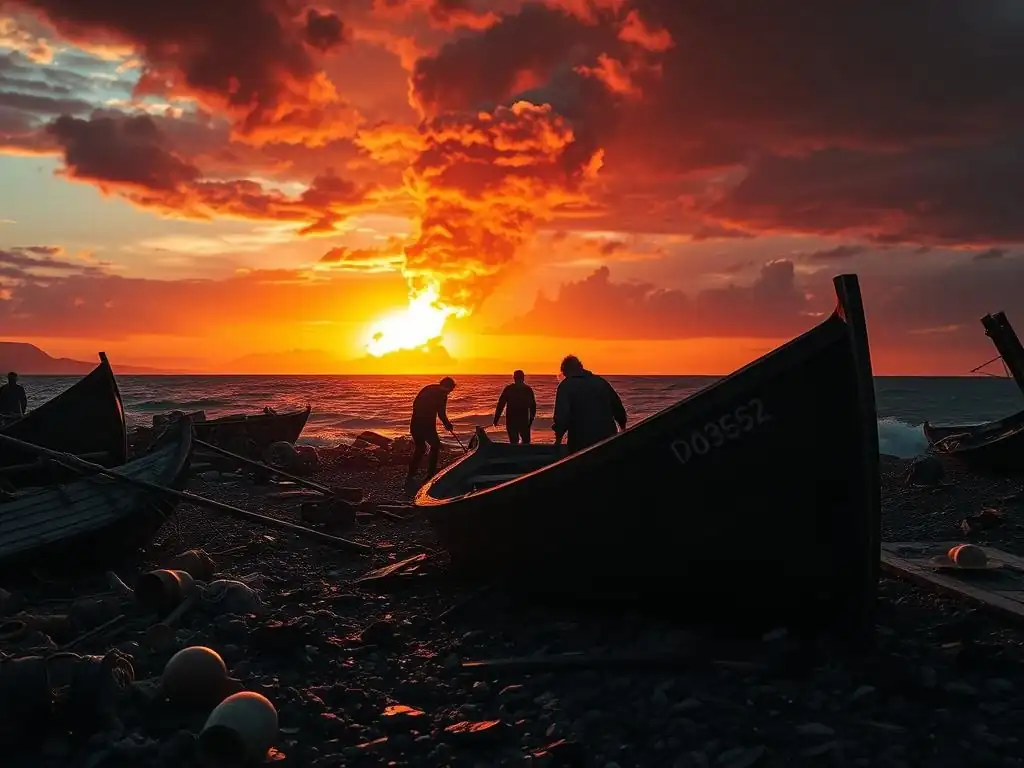
Imagine the terror...the desperation...the futile hope. This is the story etched in the volcanic ash of Herculaneum. Beyond the science and the spectacle, volcanoes hold tales of human endurance and tragedy. Our current exploration delves into the harrowing final moments of those caught in Vesuvius's wrath, specifically examining the poignant evidence revealed by Herculaneum escape attempts, and the boats that offered a promise of salvation that ultimately proved elusive. What secrets do these skeletal remains and abandoned vessels whisper about that fateful day? Join us as we uncover the truth...
- Introduction: Herculaneum, Vesuvius, and a Desperate Flight
- The Discovery of the Boat Remains at Herculaneum
- The Skeletal Remains: A Tragic Story of Escape
- Vesuvius' Fury: The Impassable Barrier
- Reconstructing the Scene: Visualizing the Failed Escape
- Conclusion: Remembering Herculaneum's Lost Souls
-
Frequently Asked Questions
- What were the "Boats of Herculaneum" and what do they tell us?
- How did the eruption of Vesuvius affect the town of Herculaneum differently than Pompeii?
- What evidence suggests the people of Herculaneum were attempting to escape Vesuvius using boats?
- Why weren't the escape attempts from Herculaneum successful during the Vesuvius eruption?
- What can we learn from the study of Herculaneum and the Vesuvius eruption in relation to modern volcanic hazards?
- Final Reflection: Echoes of Desperation, Lessons in Resilience
- Unearth Your Inner Explorer: Connect with Herculaneum's Past!
Introduction: Herculaneum, Vesuvius, and a Desperate Flight
The eruption of Mount Vesuvius in 79 AD is famously known for burying Pompeii under ash and pumice, but the nearby town of Herculaneum suffered a different, yet equally devastating, fate. While Pompeii was entombed by volcanic fallout, Herculaneum, situated closer to the volcano and downwind, was engulfed by pyroclastic flows – searing avalanches of hot gas and volcanic debris.
Amidst this catastrophe, the inhabitants of Herculaneum, just like their neighbors in Pompeii, desperately sought to escape the wrath of Vesuvius. One poignant piece of evidence of these desperate Herculaneum escape attempts lies in the discovery of numerous boats found along the ancient shoreline, a silent testament to the maritime hopes of those seeking refuge from the volcano's fury.
These boats, unearthed during archaeological excavations, offer a unique and heartbreaking glimpse into the final hours of Herculaneum. They represent the last-ditch efforts of the population to flee by sea, a seemingly logical escape route given Herculaneum's coastal location.
The presence of these vessels, alongside the skeletal remains of individuals found nearby, paints a vivid picture of the chaos and terror that gripped the town as Vesuvius unleashed its power. The story of the boats of Herculaneum is not just an archaeological curiosity; it is a powerful human drama, a tale of hope turned to tragedy in the face of overwhelming natural disaster, forever linked to the eruption of Vesuvius and the failed Herculaneum escape attempts.
The Discovery of the Boat Remains at Herculaneum
Unearthing Evidence of Maritime Activity
The archaeological exploration of Herculaneum has been ongoing for centuries, though often overshadowed by the more famous excavations of Pompeii. However, discoveries at Herculaneum have provided invaluable insights into Roman life and the devastating impact of the Vesuvius eruption. Among the most compelling finds are the remains of numerous boats, discovered along what was once the ancient shoreline of Herculaneum. These weren't just small fishing vessels; they included larger boats, potentially capable of sea voyages, indicating a significant maritime presence in the town and suggesting a planned, if ultimately futile, escape attempt.
The excavation of these boats began in the late 20th century, revealing not only the wooden structures themselves, but also a wealth of associated artifacts that further illuminate the maritime activities of Herculaneum. Tools related to shipbuilding and repair, fishing equipment, and nautical supplies were found alongside the boats, confirming the area's function as a harbor or boatyard.
The careful excavation and analysis of these remains have provided archaeologists with a rare opportunity to study Roman shipbuilding techniques and maritime infrastructure, all while simultaneously uncovering a crucial chapter in the story of the Herculaneum escape attempts during the Vesuvius eruption.
Preserved by Pyroclastic Flows: A Unique Archaeological Find
The remarkable preservation of the boats at Herculaneum is directly attributable to the same volcanic phenomenon that caused the city's destruction: the pyroclastic flows. Unlike Pompeii, which was primarily buried under layers of ash and pumice, Herculaneum was engulfed by successive surges of superheated gas and volcanic material. These flows, reaching temperatures of up to 500 degrees Celsius (932 degrees Fahrenheit), carbonized organic materials, including wood, rather than incinerating them completely. This process of carbonization, while destructive, effectively preserved the shape and form of the wooden boats.
The rapid burial by the pyroclastic flows also played a crucial role in their preservation. The hot volcanic material quickly encased the boats, sealing them off from air and moisture, preventing the typical decomposition processes that would normally destroy organic materials over millennia.
This unique preservation environment has allowed archaeologists to study the boats in astonishing detail, revealing construction techniques, materials used, and even traces of paint and fittings. The boats of Herculaneum, therefore, stand as exceptional archaeological treasures, offering a window into the past made possible by the very volcanic forces that led to the tragic Herculaneum escape attempts and the town's demise.
The Skeletal Remains: A Tragic Story of Escape
Analyzing the Victims: Who Were They?
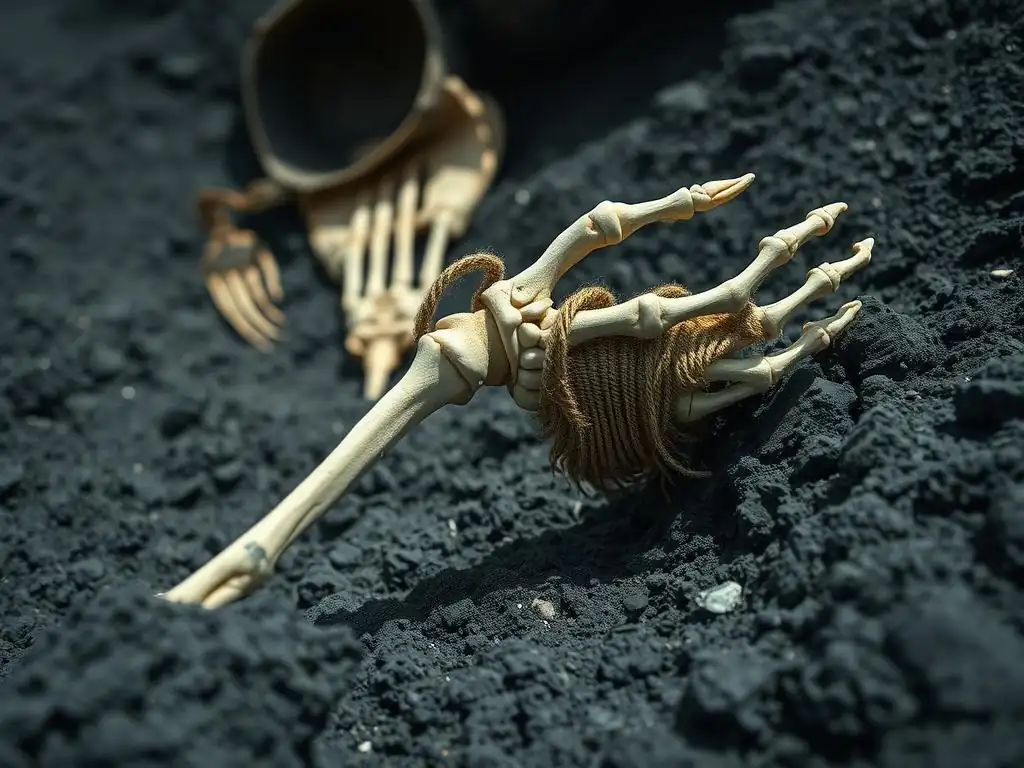
The discovery of the boats at Herculaneum is inextricably linked to the discovery of hundreds of skeletal remains found nearby, particularly in the boat chambers along the ancient shoreline. These skeletal remains represent the victims of the Vesuvius eruption who sought refuge near the sea, hoping to escape by boat. Analysis of these skeletons has provided invaluable demographic information about the population of Herculaneum and the individuals caught in the disaster. Studies suggest a diverse population, including men, women, and children of various ages and social statuses.
Forensic analysis of the skeletal remains reveals details about the victims' health, diet, and even their last moments. Isotopic analysis of bone and teeth can indicate their place of origin and dietary habits, while evidence of injuries or pre-existing conditions can provide insights into their lives.
Tragically, many of the skeletons show signs of sudden death due to the intense heat of the pyroclastic flows. The position of the bodies and the artifacts found with them further contribute to the narrative of the Herculaneum escape attempts, painting a vivid picture of people desperately seeking safety in the face of overwhelming volcanic danger.
The Futility of Flight: Death at the Shoreline
The skeletal remains found near the boats at Herculaneum poignantly illustrate the futility of their escape attempts. These individuals, having gathered at the shoreline, likely believed that the sea offered a path to safety. However, the eruption of Vesuvius proved to be an insurmountable barrier, extending its deadly reach even to the coast. The pyroclastic flows, which engulfed Herculaneum, reached the shoreline with devastating force, trapping and killing those who had sought refuge there.
The position of the skeletons, often huddled together and facing away from the sea, suggests they were overtaken by the pyroclastic surges while still on land, or perhaps even as they attempted to board the boats. The presence of carbonized wood fragments and volcanic debris mixed with the skeletal remains further confirms that they perished due to the extreme heat and asphyxiating gases of the pyroclastic flows, not drowning.
The tragic scene at the shoreline of Herculaneum serves as a stark reminder of the overwhelming power of volcanic eruptions and the desperate, ultimately unsuccessful, Herculaneum escape attempts made by its inhabitants.
Vesuvius' Fury: The Impassable Barrier
The Eruption's Impact on Herculaneum's Coastline
The eruption of Mount Vesuvius in 79 AD dramatically altered the landscape around Herculaneum, including its coastline. Geological studies have revealed that the pyroclastic flows not only buried the town but also extended the shoreline significantly further out to sea. It is estimated that the coastline advanced by as much as 400 meters (1300 feet) due to the accumulation of volcanic material. This dramatic reshaping of the coastline had profound consequences for Herculaneum's harbor and any potential sea escape routes.
The ancient harbor of Herculaneum, once a vital part of the town's maritime activity, was completely buried under layers of volcanic deposits. The boats that were once moored in the harbor or drawn up on the beach were entombed, along with the shoreline itself.
This radical transformation of the landscape made any Herculaneum escape attempts by sea virtually impossible. Even if the boats had managed to leave the immediate vicinity of the harbor, they would have faced the immense challenges posed by the ongoing eruption, including pumice fall, ash clouds, and the continued threat of pyroclastic flows reaching far out into the sea.
Why Escape by Sea Was Impossible
While escape by sea might have seemed like a viable option for the inhabitants of Herculaneum initially, the nature of the Vesuvius eruption and its impact on the surrounding environment rendered it impossible. Firstly, the sheer speed and intensity of the pyroclastic flows meant that they engulfed Herculaneum with little to no warning, leaving scant time for organized evacuation, especially by sea. The eruption progressed rapidly, and the pyroclastic flows reached the town much faster than any boats could have been prepared and launched.
Secondly, the eruption itself created hazardous conditions at sea. The fall of pumice and ash would have made navigation extremely difficult and dangerous. Boats would have been weighed down by the accumulating volcanic debris, and visibility would have been severely reduced by the dense ash clouds.
Furthermore, the possibility of pyroclastic flows reaching the sea, as evidenced by geological deposits found offshore, posed a direct and lethal threat to any vessels attempting to escape. In essence, Vesuvius turned the sea, which might have offered a means of escape, into another front in the unfolding disaster, sealing the fate of those who attempted Herculaneum escape attempts by boat.
Reconstructing the Scene: Visualizing the Failed Escape
Archaeological Evidence and Historical Accounts
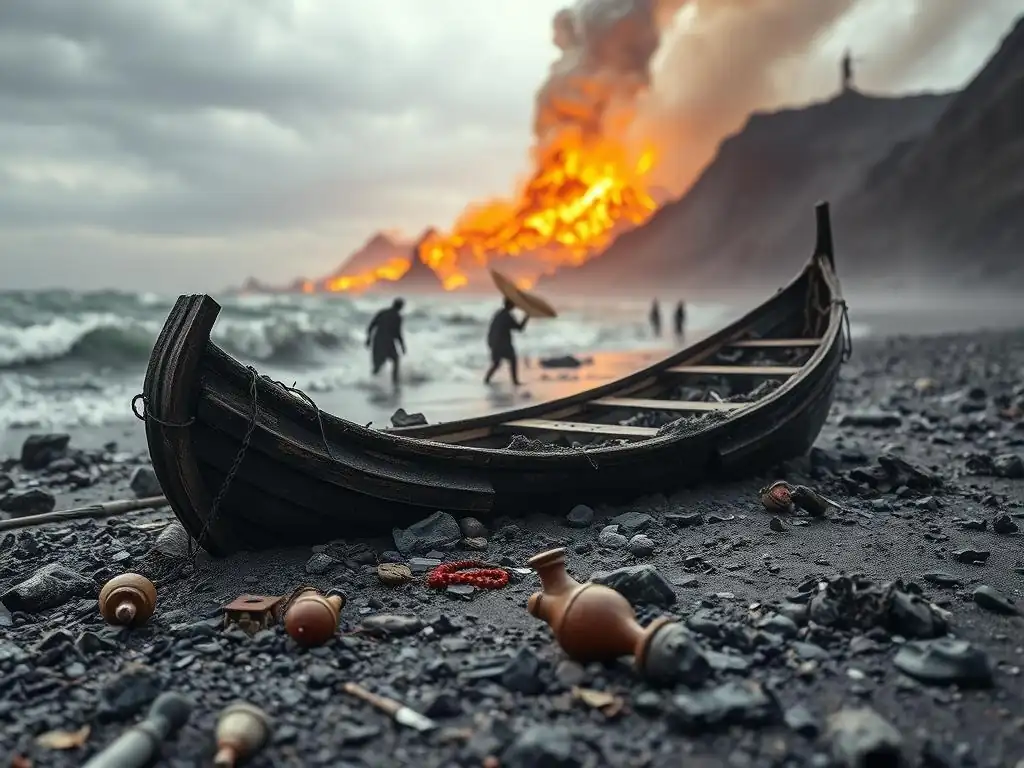
Reconstructing the scene of the failed Herculaneum escape attempts relies on a combination of archaeological evidence and historical accounts, primarily Pliny the Younger's letters describing the eruption. Archaeological findings, including the boats, skeletal remains, and associated artifacts, provide a tangible and detailed picture of the events at the shoreline. The position of the boats, the distribution of the skeletal remains, and the layers of volcanic deposits all contribute to understanding the sequence of events and the circumstances of the tragedy.
Pliny the Younger's letters, while focused on the eruption's impact on Misenum and Pompeii, offer a broader context for understanding the scale and nature of the disaster. His descriptions of the ash clouds, earthquakes, and the widespread panic provide a sense of the chaotic environment in which the Herculaneum escape attempts unfolded. By combining the detailed archaeological evidence from Herculaneum with the historical context provided by Pliny, we can begin to visualize the desperate scene at the shoreline as people futilely sought to escape the wrath of Vesuvius by sea.
The Boats of Herculaneum: A Symbol of Hope and Loss
The boats of Herculaneum, preserved in volcanic rock and ash, stand as a powerful symbol of both hope and loss. They represent the hope of escape, the human instinct to survive in the face of overwhelming danger. The inhabitants of Herculaneum, faced with the terrifying eruption of Vesuvius, turned to the sea, a traditional avenue of escape and refuge for coastal communities. The boats embody their courage and determination to flee the unfolding catastrophe and seek safety elsewhere.
However, the boats also tragically symbolize loss. They are a testament to the futility of the Herculaneum escape attempts, a stark reminder of the overwhelming power of nature. The boats, ultimately unable to offer salvation, became silent witnesses to the deaths of those who sought refuge beside them. They remain as poignant memorials to the lives lost in the eruption of Vesuvius, their presence forever intertwined with the tragic narrative of Herculaneum and the desperate, unsuccessful flight from the volcano's fury.
Conclusion: Remembering Herculaneum's Lost Souls
The story of the boats of Herculaneum is a deeply moving chapter in the broader narrative of the Vesuvius eruption and its devastating impact. These archaeological discoveries offer a unique and intimate glimpse into the final hours of Herculaneum, revealing the desperate Herculaneum escape attempts made by its inhabitants. The boats, along with the skeletal remains found nearby, paint a vivid picture of the tragedy that unfolded at the shoreline, where hope for maritime escape met the insurmountable force of Vesuvius' fury.
Remembering the victims of Herculaneum and their failed escape attempts is crucial to understanding the human dimension of volcanic disasters. The boats serve as more than just archaeological artifacts; they are poignant symbols of human resilience, courage in the face of adversity, and the enduring power of nature.
By studying the boats of Herculaneum and the context of their discovery, we not only learn about Roman maritime history and the science of volcanic eruptions but also honor the memory of those lost souls who sought refuge by the sea, forever linked to the tragic story of Vesuvius and the Herculaneum escape attempts.
Frequently Asked Questions
What were the "Boats of Herculaneum" and what do they tell us?
The "Boats of Herculaneum" refer to the skeletal remains of individuals found near the ancient shoreline, indicating they were attempting to escape by sea from the eruption of Mount Vesuvius. Their discovery provides crucial insight into the desperate efforts made during the disaster.
How did the eruption of Vesuvius affect the town of Herculaneum differently than Pompeii?
While Pompeii was buried under ash and pumice, Herculaneum was engulfed by pyroclastic flows, incredibly hot and fast-moving surges of gas and volcanic debris. This resulted in a vastly different, and often more devastating, preservation of the victims and the town itself.
What evidence suggests the people of Herculaneum were attempting to escape Vesuvius using boats?
The primary evidence lies in the concentration of skeletons found along the ancient shoreline and in boathouses. Analysis of these remains, along with recovered artifacts, supports the theory of a coordinated escape attempt thwarted by the eruption.
Why weren't the escape attempts from Herculaneum successful during the Vesuvius eruption?
The speed and intensity of the pyroclastic flows were overwhelming, making escape virtually impossible. The boats were likely destroyed or disabled by the initial surges, trapping the people who sought refuge on the beach.
What can we learn from the study of Herculaneum and the Vesuvius eruption in relation to modern volcanic hazards?
Studying Herculaneum provides invaluable data about the impact of pyroclastic flows and the importance of early warning systems and efficient evacuation plans. It highlights the need for preparedness and rapid response in areas prone to volcanic activity.
Final Reflection: Echoes of Desperation, Lessons in Resilience
The haunting image of those boats, forever preserved in ash, serves as a stark reminder of the raw power of nature and the fragility of human existence. The story of Herculaneum's escape attempts, tragically thwarted by Vesuvius, resonates deeply even today, as we grapple with our own vulnerabilities in the face of environmental challenges and unforeseen crises. The desperation etched into the archaeological record speaks volumes about the primal instinct to survive, an instinct that continues to drive us in the 21st century.
The impact of this historical tragedy extends far beyond the scientific and archaeological realms. It forces us to confront our own mortality and the enduring human spirit that persists even in the face of unimaginable adversity. The story of Herculaneum, and those who sought escape, serves as a powerful testament to the resilience of the human heart, a resilience that inspires us to face our own fears and uncertainties with courage. The only way to do great work is to love what you do.
- Steve Jobs. This quote, while seemingly unrelated, speaks to the dedication and passion that likely fueled those desperate attempts to escape, a passion that mirrors the dedication required to overcome any obstacle.
Let the story of Herculaneum's ill-fated escape attempts serve as a catalyst for introspection. Consider the choices you would make in the face of overwhelming adversity. Reflect on the values that truly matter to you and the legacy you wish to leave behind. Let the ashes of Vesuvius not only remind us of destruction, but also inspire us to live with intention, to cherish each moment, and to build a future worthy of the sacrifices of those who came before us.
Unearth Your Inner Explorer: Connect with Herculaneum's Past!
Thank you for delving into the tragic, yet fascinating, story of Herculaneum and the escape attempts thwarted by Vesuvius. We hope you've gained a deeper understanding of this pivotal moment in history. Now, let's bring that understanding to life!
Here are some ways you can continue your exploration:
- Become a Virtual Archaeologist: Digitally explore a 3D reconstruction of Herculaneum and imagine the stories of those who lived there.
- Share this article with fellow history enthusiasts and spark a conversation about the human spirit in the face of natural disasters.
- Research other archaeological sites affected by volcanic eruptions and compare their stories to that of Herculaneum.
What aspect of Herculaneum's story resonates most with you, and what lessons can we learn from it today?