
Goma's Evacuation Story: How Did People Escape Nyiragongo's Lava in 2002 & 2021?

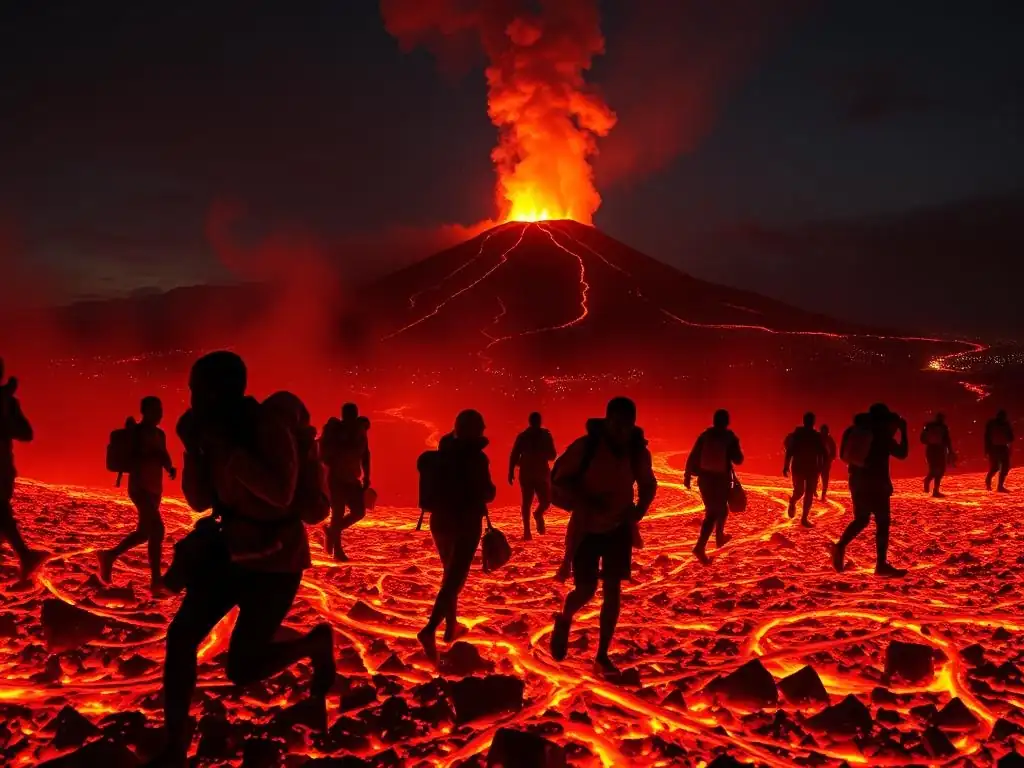
Welcome! Ever wondered how it feels to stand on the edge of oblivion? At Volcano Explorers, we plunge into the heart of Earth's fiery giants. Today, we unravel a tale of resilience and survival. Read on to discover the harrowing Nyiragongo Lava Evacuation Stories, focusing on the devastating eruptions of 2002 and 2021. What choices did the people of Goma face as molten rock threatened to engulf their city? Their experiences will leave you breathless.
- Introduction: The Threat of Nyiragongo and Goma's Evacuation History
- The 2002 Nyiragongo Eruption: A Lava Flow Disaster
- The 2021 Nyiragongo Eruption: A Repeat of History?
- Nyiragongo Lava Evacuation Stories: Personal Accounts of Survival
- Comparing the 2002 and 2021 Nyiragongo Lava Evacuations: Key Differences and Commonalities
- Long-Term Implications of Nyiragongo's Eruptions on Goma
- Conclusion: The Enduring Threat of Nyiragongo and the Importance of Evacuation Preparedness
-
Frequently Asked Questions
- What caused the Nyiragongo eruptions that necessitated evacuations in Goma?
- What were the main challenges faced during the evacuations from Goma?
- What lessons were learned from the 2002 and 2021 Nyiragongo eruptions regarding evacuation procedures?
- What specific safety measures are recommended for people living near Nyiragongo?
- How can VolcanoExplorers.org help people better understand the risks associated with living near active volcanoes like Nyiragongo?
- Final Reflection: Echoes of Resilience in Goma
- Unearth More Volcanic Wisdom!
Introduction: The Threat of Nyiragongo and Goma's Evacuation History
Understanding Nyiragongo's Volcanic Activity and its Proximity to Goma
Mount Nyiragongo, a stratovolcano located in the Virunga Mountains, is notorious for its exceptionally fluid lava and the presence of a persistent lava lake in its crater. This characteristic makes it one of the most dangerous volcanoes in Africa. Its volcanic activity is driven by the East African Rift system, a zone of tectonic divergence that stretches thousands of kilometers and results in frequent volcanic eruptions and earthquakes. Nyiragongo's lava is notably fast-flowing due to its low silica content, allowing it to rapidly inundate areas once an eruption occurs, posing significant challenges for evacuation efforts.
Goma, a city of over one million inhabitants, lies just 13 kilometers south of Nyiragongo's summit. This close proximity places Goma directly in the path of potential lava flows, making it exceptionally vulnerable to volcanic hazards. The city is nestled at the northern shore of Lake Kivu, further complicating the evacuation landscape as westward routes towards Rwanda become crucial escape paths. The interaction between Nyiragongo's volcanic activity and the densely populated urban area of Goma creates a high-risk scenario, necessitating robust evacuation plans and community preparedness strategies.
Why Goma is Vulnerable: Geographical and Societal Factors
Goma's vulnerability is not solely defined by its geographical proximity to Nyiragongo; it is exacerbated by a complex interplay of geographical and societal factors. The city is situated on a relatively flat plain composed of solidified lava flows from past eruptions, offering little natural barrier against new lava flows. Furthermore, Goma's rapid population growth, largely due to migration and displacement from conflict zones, has led to unplanned urban expansion, often in areas highly susceptible to volcanic hazards. This rapid urbanization has outpaced infrastructure development and disaster preparedness measures, increasing the population density in vulnerable zones.
Societal factors further compound Goma's risk. The region has a history of political instability and armed conflict, which can disrupt governance, resource allocation, and community trust in official warnings and evacuation procedures. Poverty and limited access to resources also play a significant role. Many residents live in precarious housing and lack the means for independent transportation or preparedness, making them reliant on external aid during emergencies. These socio-economic challenges, combined with the ever-present volcanic threat, create a complex and deeply concerning situation for Goma's population.
Overview of the 2002 and 2021 Nyiragongo Eruptions and Resulting Evacuations
The volcanic eruptions of Nyiragongo in 2002 and 2021 serve as stark reminders of the ever-present danger Goma faces. Both eruptions involved fissures opening on the volcano's flanks, releasing highly fluid lava flows that rapidly descended towards the city. In 2002, the lava flow was particularly devastating, reaching the center of Goma, destroying thousands of homes, and displacing hundreds of thousands of residents. The 2021 eruption, while also causing significant damage and displacement, followed a slightly different path and was, in some respects, less destructive in its overall impact on the city center.
Both events triggered mass evacuations, highlighting the challenges of moving a large urban population in the face of imminent volcanic danger. The 2002 evacuation was largely chaotic and spontaneous, marked by panic and a lack of organized guidance. In contrast, the 2021 evacuation, while still fraught with difficulties, benefited from lessons learned from the past and some improvements in preparedness and communication. Comparing these two events provides valuable insights into the dynamics of volcanic crises, evacuation effectiveness, and the resilience of the Goma community in the face of recurring natural disasters.
The 2002 Nyiragongo Eruption: A Lava Flow Disaster
Precursors to the 2002 Eruption: Warning Signs and Seismic Activity
In the months leading up to January 17, 2002, subtle warning signs hinted at increasing volcanic unrest at Nyiragongo. While not definitively predictive of the scale of the eruption that ensued, these precursors included changes in the activity of the lava lake within the summit crater and an increase in fumarole activity – the release of steam and volcanic gases.
Seismic activity, a more direct indicator of magma movement, also showed a gradual increase. Local volcanological observatories, though facing resource limitations, were monitoring these changes, but the interpretation and communication of these subtle signs to the wider population remained a challenge.
Specifically, weeks before the major eruption, residents reported feeling minor tremors, and there were visible changes in the volcanic plume emanating from Nyiragongo. However, these signals were not strong enough to trigger a full-scale evacuation alert. The existing monitoring equipment, while present, was not as advanced or comprehensive as systems available in some other volcanic regions. This underscores the difficulty in predicting the exact timing and magnitude of volcanic eruptions, particularly in resource-constrained environments where monitoring infrastructure may be less developed.
The Initial Eruption and Lava Flow Dynamics towards Goma
The 2002 eruption commenced abruptly on the morning of January 17th with a series of fissures opening on the southern flank of Nyiragongo. These fissures, extending from the Shaheru crater area down towards Goma, released vast quantities of highly fluid lava. The speed and volume of the lava flow were alarming. Within hours, a river of molten rock was cascading down the slopes of the volcano towards Goma. Eyewitness accounts describe the lava advancing at speeds estimated between 20 to 60 kilometers per hour in certain areas, a terrifying pace for anyone in its path.
The lava's composition, a nephelinite melilitite, contributed to its exceptional fluidity. This type of lava has a very low viscosity, meaning it flows easily and rapidly, much like water compared to thicker, more viscous lavas. The eruption's location on the volcano's flank was also critical; the fissures opened directly on the slope leading towards Goma, providing a direct pathway for the lava to flow into the city. This combination of rapid onset, high lava effusion rate, and a direct flow path made the 2002 eruption particularly devastating for Goma.
Goma's 2002 Evacuation: Chaos, Challenges, and Community Response
The 2002 Nyiragongo eruption triggered a mass exodus from Goma, characterized by widespread chaos and panic. As lava began flowing into the city, residents fled with little warning and often minimal possessions. The evacuation was largely spontaneous, driven by the immediate and visible threat of the advancing lava. There was no pre-planned, organized evacuation order issued in the initial critical hours, contributing to the disorganized nature of the response.
Evacuation Routes Used in 2002: Primarily Westward Towards the Rwandan Border
The primary evacuation route for Goma residents in 2002 was westward, towards the border with Rwanda. This direction offered the most accessible path away from the immediate lava flow, which was advancing from the north and northeast. Thousands of people streamed across the border into Rwanda, seeking refuge in the city of Gisenyi and surrounding areas. Lake Kivu to the south and the path of the lava to the north and east effectively funneled the majority of evacuees towards the west.
While the Rwandan border provided a crucial escape route, it also created immense pressure on the Rwandan side. Gisenyi, a city significantly smaller than Goma, was suddenly overwhelmed by a massive influx of refugees. This put a strain on resources, infrastructure, and humanitarian capacity in Rwanda, highlighting the regional impact of the disaster. Other less utilized routes included attempting to move south along the lake shore or northwards, away from the most immediate lava flow paths, but the westward route to Rwanda remained the dominant escape direction.
Challenges Faced During the 2002 Evacuation: Lack of Transportation, Communication Breakdown, and Spread of Misinformation
The 2002 Goma evacuation was plagued by numerous challenges, exacerbating the already dire situation. A critical issue was the lack of adequate transportation. Many residents did not own vehicles and public transportation was quickly overwhelmed. People resorted to walking, often carrying children and what few belongings they could manage. This lack of transport slowed down the evacuation and made it particularly difficult for vulnerable populations, such as the elderly and disabled.
Communication breakdown was another major obstacle. In the initial hours of the eruption, there was no effective system to disseminate information to the public. Radio communication was limited, and mobile phone penetration was much lower than today. This lack of official information led to the rapid spread of misinformation and rumors, further fueling panic and confusion. People were unsure of safe routes, shelter locations, or the overall extent of the danger, hindering a coordinated and informed evacuation.
The Role of Humanitarian Organizations in the 2002 Response: Provision of Shelter, Food, and Medical Assistance by UNHCR and NGOs
Humanitarian organizations played a crucial role in responding to the 2002 Goma eruption and its aftermath. The United Nations High Commissioner for Refugees (UNHCR) was instrumental in managing the refugee influx into Rwanda, establishing camps and providing emergency shelter for the displaced population. Non-governmental organizations (NGOs) rapidly mobilized to provide essential aid, including food, clean water, medical care, and sanitation facilities both in Rwanda and within Goma as conditions stabilized.
Organizations like the World Food Programme (WFP) distributed food rations to the displaced, while medical NGOs set up clinics to address injuries, disease outbreaks, and public health concerns arising from the overcrowded and unsanitary conditions in evacuation camps. The humanitarian response faced immense logistical challenges, including access to affected areas, coordinating aid distribution, and managing the sheer scale of the disaster. Despite these difficulties, the rapid and substantial response from international and local humanitarian actors was critical in mitigating the immediate suffering and preventing an even greater catastrophe.
The Impact of the 2002 Lava Flow on Goma: Destruction and Displacement
The 2002 Nyiragongo lava flow had a devastating impact on Goma, leaving behind a trail of destruction and profound displacement. The lava inundated a significant portion of the city, particularly the commercial center and residential areas in the north and east. The intense heat and sheer volume of the lava destroyed everything in its path, reshaping the urban landscape and leaving deep scars that would take years to heal.
Extent of Damage to Infrastructure and Homes: Destruction of Thousands of Homes, Schools, and the Airport Runway
The physical damage inflicted by the 2002 lava flow was extensive. Approximately 14,000 homes were destroyed, leaving tens of thousands of people homeless. Critical infrastructure was also severely impacted. Schools, hospitals, businesses, and government buildings were consumed by the lava, crippling essential services. Perhaps most symbolically, the Goma International Airport runway was bisected by a wide swathe of lava, effectively cutting off air access to the city and hindering initial relief efforts.
The destruction of the airport runway had long-lasting consequences. While a temporary runway was later established on solidified lava, the main runway remained unusable for a considerable period, impacting trade, aid delivery, and overall connectivity for Goma. The widespread destruction of homes and infrastructure not only caused immediate displacement but also created long-term challenges for rebuilding and recovery, requiring significant international assistance and sustained efforts.
Long-Term Consequences of the 2002 Eruption on Goma's Population: Displacement, Economic Hardship, and Psychological Trauma
Beyond the immediate physical destruction, the 2002 eruption had profound and long-lasting consequences for Goma's population. The displacement caused by the eruption was massive, with estimates ranging from 300,000 to 500,000 people fleeing their homes. Many remained displaced for months, living in temporary camps or with host families, facing precarious living conditions and uncertainty about their future. The economic impact was equally severe. Businesses were destroyed, livelihoods were lost, and the city's economy was significantly disrupted.
Psychological trauma was another significant long-term consequence. Witnessing the eruption and experiencing the loss of homes, loved ones, and livelihoods left deep emotional scars on many residents. The eruption exacerbated existing vulnerabilities and contributed to a sense of insecurity and fragility within the Goma community. Recovery efforts not only had to address the physical rebuilding of the city but also the complex social, economic, and psychological needs of the affected population.
The 2021 Nyiragongo Eruption: A Repeat of History?
Similarities and Differences Between the 2002 and 2021 Eruptions
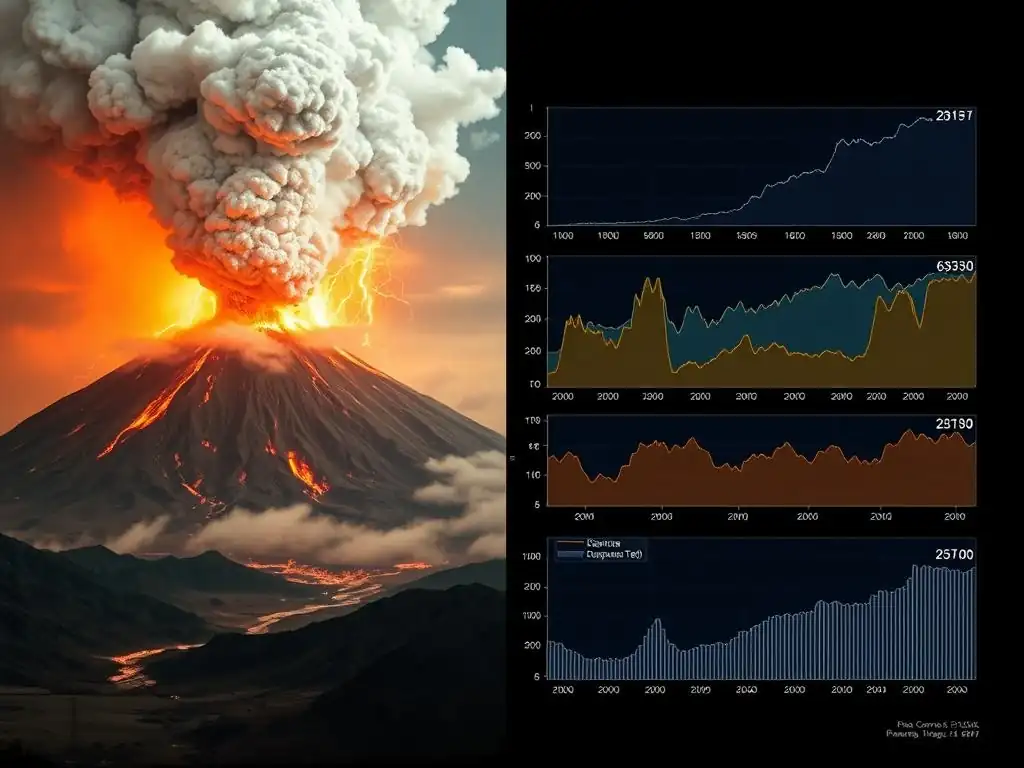
The 2021 Nyiragongo eruption, which occurred on May 22nd, evoked immediate comparisons to the devastating 2002 event. Both eruptions originated from fissures on the volcano's flanks and involved fast-flowing lava heading towards Goma. Both triggered mass evacuations and caused significant damage and displacement. However, there were also crucial differences in the nature and impact of the two eruptions. The 2021 eruption was shorter in duration, lasting only a few hours compared to the more prolonged activity in 2002.
The lava flow path in 2021 differed somewhat from 2002. While still impacting Goma, the 2021 lava flow primarily affected the northern suburbs of the city, such as Buhene, and did not penetrate as deeply into the city center as the 2002 flow. The volume of lava erupted in 2021 is also estimated to have been smaller than in 2002, although precise figures are still being refined. These differences meant that while the 2021 eruption was a serious event with significant consequences, its overall impact on Goma was less catastrophic than the 2002 disaster.
Pre-Eruption Monitoring and Warning Systems in 2021
In the years between 2002 and 2021, efforts were made to improve volcanic monitoring and early warning systems around Nyiragongo. The Goma Volcanological Observatory (GVO) continued its monitoring activities, albeit often with limited resources and facing challenges in maintaining equipment and infrastructure. By 2021, some improvements had been made, including the use of seismic sensors, gas monitoring, and satellite data to track volcanic activity. However, the system was still not fail-safe, and challenges in data interpretation and communication persisted.
Leading up to the 2021 eruption, there were reports of increased seismic activity in the days and hours before the event. However, there is debate about the effectiveness of the early warning dissemination to the public. While scientists at the GVO may have detected signs of increasing unrest, the translation of this scientific data into timely and actionable warnings for the general population remained a complex and debated issue. This highlights the ongoing need to strengthen not only the technical monitoring capabilities but also the communication pathways and public trust in official warnings.
Goma's 2021 Evacuation: Lessons Learned and Improved Strategies?
The 2021 Goma evacuation, while still a challenging and stressful event, showed some signs of learning from the 2002 experience. There was a quicker official response in issuing evacuation orders compared to 2002, and there was evidence of more organized evacuation routes being suggested, although implementation on the ground remained imperfect. Increased mobile phone penetration and social media use in 2021 also played a role in disseminating information, although this also contributed to the spread of misinformation alongside official updates.
Changes in Evacuation Plans and Preparedness Compared to 2002: More Organized Evacuation Routes and Increased Awareness Campaigns
Compared to 2002, there were some indications of improved preparedness in 2021. Authorities had developed evacuation plans in the intervening years, and there had been some awareness campaigns conducted, although their reach and effectiveness are still debated. In 2021, there was a more immediate, though still delayed, official announcement of evacuation orders, with recommendations for residents to move towards specific directions, primarily westward towards Sake and southward towards the Rwandan border.
These plans, while representing an improvement on the spontaneous chaos of 2002, still faced challenges in implementation. Traffic congestion, limited transportation resources, and the sheer scale of the population movement meant that the evacuation remained far from fully organized. However, the presence of pre-existing plans and some level of public awareness, however limited, likely contributed to a slightly more structured, though still stressful, evacuation process in 2021 compared to the earlier disaster.
Effectiveness of Early Warning Systems in 2021: Limited Effectiveness Due to Lack of Public Trust and Conflicting Information
Despite some improvements in monitoring technology, the effectiveness of early warning systems in the 2021 eruption remains contested. While scientific data may have indicated increasing volcanic activity, translating this into a timely and trusted public warning proved difficult. A significant factor was a lack of public trust in official information sources, stemming from a history of political instability and inconsistent communication. Conflicting information from different sources, including social media rumors and unofficial reports, further complicated the situation.
Many residents reported receiving evacuation warnings only shortly before or even after the eruption began, limiting their opportunity to prepare and evacuate calmly. This suggests that while technical monitoring capabilities may have improved, the crucial components of effective warning systems – timely communication, clear messaging, and public trust – still required significant strengthening in 2021. The experience highlighted the need to build stronger community engagement and communication channels to ensure that scientific warnings translate into effective public action.
Community Resilience and Response in 2021: Increased Self-Organization and Mutual Aid Among Residents
Despite the challenges with official warnings and organized evacuation efforts in 2021, there was notable evidence of community resilience and self-organization in Goma. Residents, drawing on their collective memory of the 2002 disaster and a strong sense of community, demonstrated significant mutual aid. Neighbors helped each other evacuate, shared resources, and provided support to vulnerable individuals. This grassroots response was crucial in mitigating the impact of the eruption and filling gaps in official aid and organization.
Examples of community resilience included families taking in displaced neighbors, local businesses providing temporary shelter or supplies, and informal networks coordinating transportation for those in need. This self-reliance and community solidarity underscore the strength and adaptability of the Goma population in the face of adversity. While official systems struggled to fully meet the needs of the evacuation, the spontaneous and decentralized response of the community played a vital role in ensuring the safety and well-being of many residents.
Assessing the Damage from the 2021 Lava Flow: Scope and Severity
The 2021 Nyiragongo lava flow, while less extensive than in 2002, still caused significant damage and disruption in Goma, particularly in the northern suburbs. The lava destroyed homes, infrastructure, and businesses in its path, leaving a visible scar on the city's periphery. While the overall impact was less catastrophic than the 2002 event, the 2021 eruption served as a stark reminder of the ongoing volcanic threat and the vulnerability of Goma.
Immediate Impact on Goma's Residents and Infrastructure in 2021: Destruction of Homes and Infrastructure in the Northern Suburbs
The immediate impact of the 2021 lava flow was concentrated in the northern districts of Goma, such as Buhene and Kibati. Hundreds of homes were destroyed, and thousands of people were once again displaced. Infrastructure damage included roads, power lines, and water supply systems in the affected areas. While the airport runway was spared in 2021, unlike in 2002, other critical infrastructure in the lava's path suffered significant damage, disrupting essential services and livelihoods for residents in these northern suburbs.
The displacement caused by the 2021 eruption added to the already complex humanitarian situation in the region, with many people still recovering from previous conflicts and disasters. The immediate aftermath of the eruption required emergency shelter, food, water, and medical assistance for the newly displaced population, placing additional strain on humanitarian resources and local capacities.
Comparison of Damage Levels Between 2002 and 2021 Eruptions: Less Extensive Damage in 2021 Compared to 2002
In a direct comparison, the damage from the 2021 Nyiragongo eruption was less extensive than the devastation of 2002. The 2002 lava flow penetrated deeper into the city center, destroying a larger number of homes, businesses, and critical infrastructure, including the airport runway. The 2021 flow, while still destructive, was more geographically contained, primarily impacting the northern outskirts of Goma. Estimates suggest that while hundreds of homes were lost in 2021, this was significantly lower than the thousands destroyed in 2002.
This difference in impact can be attributed to factors such as the slightly smaller volume of lava erupted in 2021 and the slightly different flow path, which diverted away from the densest parts of the city center. While both eruptions were serious events with significant human consequences, the scale of devastation and long-term disruption was undeniably greater in 2002 than in 2021. However, the 2021 eruption served as a crucial warning that Goma remains under constant threat and requires sustained preparedness efforts.
Nyiragongo Lava Evacuation Stories: Personal Accounts of Survival
First-hand Accounts from Survivors of the 2002 Evacuation
The 2002 Nyiragongo eruption left indelible marks on the lives of countless Goma residents. Personal accounts from survivors paint a vivid picture of the chaos, fear, and resilience experienced during the evacuation. These stories underscore the human dimension of volcanic disasters and the profound impact they have on individuals and families.
Quote from a Survivor About Their Experience: "We ran with nothing, just the clothes on our backs, fearing for our lives."
"I remember waking up to a strange rumbling sound, and then people started shouting 'Volcano! Lava!' It was terrifying. We ran with nothing, just the clothes on our backs, fearing for our lives. We didn't know where to go, just away from the red glow in the sky.
We walked for hours, days even, to reach safety in Rwanda. We lost everything – our home, our belongings, our livelihoods. But we were alive, and that's what mattered most in that moment." This quote encapsulates the immediate panic and sense of loss experienced by many during the 2002 evacuation, highlighting the desperate flight for survival.
Challenges Faced by Families During the 2002 Escape: Separation of Family Members and Lack of Basic Necessities
Families faced immense challenges during the 2002 escape. The chaotic nature of the evacuation led to frequent separation of family members amidst the crowds and confusion. Parents lost track of children, spouses were separated, and the elderly and vulnerable were often left behind or struggled to keep up. Reuniting families became a major concern in the aftermath of the eruption.
Furthermore, evacuees lacked basic necessities. They fled with little or no food, water, or shelter, facing hunger, thirst, and exposure to the elements during their arduous journey to safety and in the overcrowded refugee camps that followed. The lack of resources and the breakdown of social order made the evacuation a traumatic experience for many families.
Testimonies from Individuals Impacted by the 2021 Evacuation
The 2021 Nyiragongo eruption, while less devastating than 2002, still generated harrowing experiences for those caught in its path. Testimonies from individuals impacted by the 2021 evacuation reveal stories of fear, uncertainty, but also inspiring instances of community support and resilience. These accounts offer valuable insights into the lived experiences of people facing volcanic crises and the lessons learned from recent events.
Stories of Resilience and Community Support: Neighbors Helping Each Other Find Shelter and Sharing Resources
Amidst the fear and uncertainty of the 2021 evacuation, numerous stories of community resilience and mutual aid emerged. Neighbors helped each other evacuate, offering transportation, shelter, and emotional support. Families opened their homes to displaced individuals, sharing limited resources and providing a sense of solidarity. Local youth groups organized to assist vulnerable populations, guiding them to safer areas and distributing basic aid. These acts of kindness and community cohesion demonstrated the strength and compassion within Goma, even in the face of disaster.
For example, a resident of the Buhene neighborhood recounted how their neighbors helped them carry their elderly grandmother to safety when official transportation was unavailable. Another story described how a local church opened its doors to provide temporary shelter for dozens of families, offering food and a place to rest. These anecdotes highlight the vital role of community-level support in mitigating the impact of volcanic eruptions and fostering resilience.
Lessons Learned from the 2021 Evacuation Experience: The Importance of Preparedness and Trusting Official Information
Experiences from the 2021 evacuation underscored the critical importance of preparedness and the need for clear, trustworthy official information during volcanic crises. Many residents expressed regret about not being better prepared, having lacked emergency kits, evacuation plans, or reliable sources of information. The spread of misinformation and rumors during the 2021 eruption highlighted the need for authorities to build public trust and ensure timely and accurate communication.
Several testimonies emphasized the lesson that future evacuations need to be more organized and information dissemination more effective. Residents suggested that regular drills, community education programs, and accessible communication channels are crucial for improving preparedness. There was also a call for greater transparency and consistency in official messaging to counter misinformation and build public confidence in evacuation guidance. The 2021 evacuation experience served as a renewed call for action to strengthen Goma's volcanic preparedness and ensure the safety of its population.
Comparing the 2002 and 2021 Nyiragongo Lava Evacuations: Key Differences and Commonalities
Analyzing the Effectiveness of Evacuation Strategies in Both Events
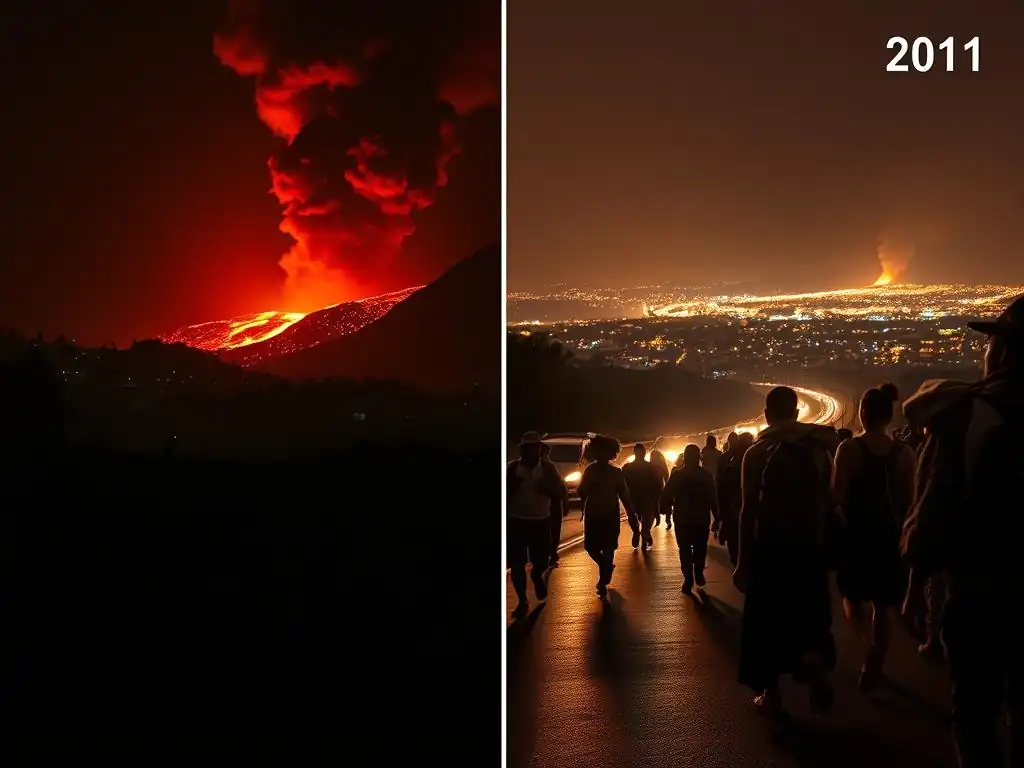
Comparing the 2002 and 2021 Nyiragongo lava evacuations reveals significant differences in the effectiveness of evacuation strategies. The 2002 evacuation was largely characterized by chaos and spontaneity, with minimal official guidance or organization. In contrast, the 2021 evacuation, while still facing challenges, benefited from some degree of pre-existing evacuation plans and a quicker official response. However, both events exposed persistent weaknesses in evacuation preparedness and implementation.
In 2002, the lack of early warning and organized routes led to widespread panic and disarray, resulting in significant suffering and family separations. While the 2021 evacuation saw some improvements in official messaging and suggested routes, issues of public trust, misinformation, and limited transportation resources continued to hamper effectiveness. Both evacuations highlight the complexity of moving a large urban population in a volcanic crisis and the need for continuous improvement in preparedness strategies.
Factors Contributing to Successful and Unsuccessful Evacuation Outcomes
Several factors contributed to both successful and unsuccessful evacuation outcomes in 2002 and 2021. Successful aspects, more evident in 2021, included faster official evacuation announcements compared to 2002, and the presence of some pre-existing evacuation plans, however imperfectly implemented. Community resilience and mutual aid also played a crucial role in both events, demonstrating the inherent capacity of Goma residents to support each other in times of crisis.
Unsuccessful outcomes stemmed from factors such as the rapid onset and speed of the lava flows, limited transportation resources, communication breakdowns, and a lack of public trust in official information. Misinformation spread rapidly in both events, exacerbating panic and confusion. In both 2002 and 2021, the sheer scale of the population needing to evacuate overwhelmed available resources and organizational capacity, highlighting the need for more robust and scalable evacuation systems.
The Role of Government and International Organizations in Disaster Response
The role of both government and international organizations was critical in responding to the Nyiragongo eruptions and subsequent evacuations. In both 2002 and 2021, government capacity to manage the immediate crisis and organize evacuations was limited. International organizations, particularly humanitarian agencies like UNHCR, WFP, and NGOs, played a vital role in providing emergency relief, shelter, food, medical assistance, and logistical support.
In 2002, international aid was essential in managing the refugee crisis in Rwanda and providing initial support to Goma after the lava flow subsided. In 2021, international organizations again mobilized to provide humanitarian assistance, working alongside local authorities and community groups. However, both events underscored the need for stronger local government capacity in disaster preparedness and response, alongside sustained international support for long-term recovery and resilience building in Goma.
Long-Term Implications of Nyiragongo's Eruptions on Goma
Rebuilding and Recovery Efforts: Progress and Challenges
Rebuilding and recovery efforts in Goma following both the 2002 and 2021 Nyiragongo eruptions have been complex and protracted processes. After 2002, significant international aid was channeled into Goma to support reconstruction, including rebuilding homes, infrastructure, and schools. However, progress was often hampered by ongoing challenges, including political instability, resource constraints, and the sheer scale of destruction. The lava flow itself solidified into a new landscape feature, requiring adaptation in urban planning and development.
Following the 2021 eruption, recovery efforts were again initiated, focusing on assisting displaced populations and rebuilding damaged areas in the northern suburbs. However, long-term recovery in Goma faces persistent challenges, including rapid population growth, poverty, and the ever-present threat of future volcanic eruptions. Sustained investment in infrastructure, economic development, and community resilience is crucial for Goma's long-term stability and prosperity.
Improving Volcanic Monitoring and Early Warning Systems for Goma
A critical long-term implication of the Nyiragongo eruptions is the urgent need to improve volcanic monitoring and early warning systems for Goma. The Goma Volcanological Observatory (GVO), despite resource limitations, plays a vital role in monitoring Nyiragongo and other volcanoes in the region. Strengthening the GVO's capacity through increased funding, advanced equipment, and enhanced training is essential for better eruption forecasting and early warning capabilities.
Improvements are needed in all aspects of the early warning chain, from scientific monitoring to communication and community preparedness. This includes investing in more sophisticated monitoring technologies, developing clear and effective communication protocols, and building public trust in official warnings. Community-based early warning systems, involving local residents in monitoring and communication networks, can also enhance the effectiveness and reach of warning messages.
Community Education and Preparedness: Empowering Residents for Future Events
Empowering Goma residents through community education and preparedness initiatives is crucial for mitigating the impact of future volcanic eruptions. Public awareness campaigns are needed to educate residents about volcanic hazards, evacuation procedures, and emergency preparedness measures. Regular drills and simulations can help familiarize communities with evacuation routes and response protocols. Community-based disaster preparedness committees can play a vital role in disseminating information, organizing local responses, and building resilience at the grassroots level.
Education should also focus on building trust between communities and scientific and governmental institutions. Transparent communication, consistent messaging, and community engagement in risk assessment and preparedness planning are essential for fostering public confidence and ensuring that scientific warnings translate into effective community action during volcanic crises.
Conclusion: The Enduring Threat of Nyiragongo and the Importance of Evacuation Preparedness
Lessons Learned from Goma's Experiences with Lava Flow Evacuations
Goma's experiences with the 2002 and 2021 Nyiragongo lava evacuations offer profound lessons for volcanic risk management and disaster preparedness. The events underscore the devastating potential of Nyiragongo and the immense challenges of evacuating a large urban population in the face of a rapid-onset volcanic crisis. Key lessons include the critical need for robust volcanic monitoring and early warning systems, effective communication strategies, and well-organized evacuation plans.
The importance of community resilience, self-organization, and mutual aid has also been clearly demonstrated in Goma's responses. However, reliance solely on community-level responses is insufficient; strong governmental and international support is essential for long-term preparedness and recovery. Building public trust in official information, fostering community engagement in preparedness planning, and investing in sustainable development are crucial for reducing Goma's vulnerability to future volcanic events.
The Future of Goma: Living with the Risk of Volcanic Eruptions
The future of Goma is inextricably linked to the enduring threat of Nyiragongo. The volcano remains active, and future eruptions are inevitable. Goma must learn to live with this persistent risk, adapting its urban planning, infrastructure development, and community preparedness strategies to minimize vulnerability. This requires a long-term commitment to risk reduction, resilience building, and sustainable development.
Investing in improved volcanic monitoring, strengthening early warning systems, and empowering communities through education and preparedness initiatives are essential steps. Urban planning should consider volcanic hazard zones, and infrastructure should be designed to be more resilient to volcanic impacts. Economic diversification and poverty reduction can also enhance Goma's resilience by reducing vulnerabilities and improving the capacity of communities to cope with and recover from volcanic disasters.
Call to Action: Supporting Goma's Resilience and Volcanic Preparedness Efforts
Supporting Goma's resilience and volcanic preparedness efforts is a shared responsibility, requiring action from local communities, national government, international organizations, and the global community. Increased financial and technical assistance is needed to strengthen the Goma Volcanological Observatory, improve early warning systems, and support community-based preparedness programs. International collaboration in scientific research, technology transfer, and capacity building is crucial for enhancing volcanic risk management in the region.
On a local level, continued efforts are needed to promote community education, foster public trust, and strengthen local disaster response capacities. Long-term investment in sustainable development, poverty reduction, and good governance are essential for building a more resilient and prosperous future for Goma, living alongside the ever-present shadow of Nyiragongo. By learning from past experiences and working collaboratively, it is possible to enhance Goma's preparedness and mitigate the impact of future Nyiragongo lava evacuation stories.
Frequently Asked Questions
What caused the Nyiragongo eruptions that necessitated evacuations in Goma?
The eruptions were primarily caused by tectonic activity and the movement of magma within the volcano's system. This resulted in lava flows that threatened the city of Goma.
What were the main challenges faced during the evacuations from Goma?
Challenges included limited warning time, overcrowded evacuation routes, and lack of resources for those displaced. Many people also faced fear and uncertainty.
What lessons were learned from the 2002 and 2021 Nyiragongo eruptions regarding evacuation procedures?
Improved early warning systems and better-organized evacuation plans were crucial takeaways. Also, the importance of community preparedness and access to resources became evident.
What specific safety measures are recommended for people living near Nyiragongo?
Knowing evacuation routes, having an emergency kit prepared, and staying informed about volcanic activity updates are vital. Also, participating in community drills is important.
How can VolcanoExplorers.org help people better understand the risks associated with living near active volcanoes like Nyiragongo?
VolcanoExplorers.org provides educational resources about volcanic hazards, real-time updates on volcanic activity, and safety guides for those living in affected areas. The website also highlights evacuation stories to illustrate real-world risks.
Final Reflection: Echoes of Resilience in Goma
The stories recounted in this article, detailing the Nyiragongo lava evacuation stories, are not merely historical accounts; they are living testaments to the enduring human spirit in the face of unimaginable adversity. The eruptions of 2002 and 2021 serve as stark reminders of the volatile power of nature, but more importantly, they highlight the extraordinary resilience and communal strength that emerged from the chaos. These narratives of survival continue to resonate today, offering valuable lessons in preparedness, community support, and the unwavering hope that persists even in the darkest of times.
The impact of Nyiragongo's eruptions on Goma's cultural and social landscape is profound and ongoing. The collective memory of these events shapes the community's identity, fostering a deep sense of solidarity and a proactive approach to disaster preparedness. The scars, both physical and emotional, serve as constant reminders of the fragility of life and the importance of unity. As the saying goes, We are all in this together,
and the people of Goma embody this sentiment, constantly striving to build a safer and more resilient future.
Let us remember the lessons learned from Goma's experience. Take a moment to reflect on your own community and consider how you can contribute to building a more prepared and supportive environment. What steps can you take to strengthen your community's resilience in the face of potential challenges? The spirit of Goma reminds us that even amidst devastation, hope and human connection can prevail. Embrace that spirit, and let it guide you towards creating a brighter and more secure future for yourself and those around you.
Unearth More Volcanic Wisdom!
Thank you for reading the incredible stories of resilience and survival in Goma. You've gained a deeper understanding of the challenges and triumphs faced during the Nyiragongo eruptions. Ready to continue exploring the world of volcanoes and emergency preparedness?
Here's how you can learn more:
- Share this article with friends and family to raise awareness about disaster preparedness in volcanically active regions. Let's start a conversation!
- Learn more about disaster response strategies by researching organizations like the Red Cross and Doctors Without Borders, and discover how they support communities affected by volcanic crises.
- Investigate the geology of your own region! Use online resources to explore the geological history and potential hazards near you. You might be surprised by what you find.
What steps will you take to become a better-informed and prepared global citizen? Share your thoughts in the comments below!