
From Fear to Fascination: Our Changing Relationship with Volcanoes Like St. Helens

Welcome to Volcano Explorers!
Prepare to be captivated by the raw power and mesmerizing beauty of volcanoes. Have you ever wondered how our understanding of these fiery giants has evolved? Dive into Famous Eruptions and discover the incredible story of our changing relationship with volcanoes, beginning with a deep dive into Understanding Volcanic Eruptions History. What can the past eruptions teach us about the future, and how can we learn to coexist with these powerful forces of nature? Uncover the answers as we explore the history, science, and sheer spectacle of these natural wonders.
- Mount St. Helens: A Turning Point in Understanding Volcanic Eruptions History
- The Initial Fear: The Devastating Impact of the Mount St. Helens Eruption
- A New Fascination: Scientific Advancements Sparked by the Eruption
- Mount St. Helens as a Living Laboratory: Long-Term Ecological Recovery
- The Human Connection: Embracing the Beauty and Power of Volcanoes
- Understanding Volcanic Hazards: Preparing for Future Eruptions
- Legacy of St. Helens: Shaping Our Understanding of Volcanic Eruptions History
-
Frequently Asked Questions
- What are the main topics covered on VolcanoExplorers.org?
- What makes VolcanoExplorers.org different from other volcano websites?
- How does VolcanoExplorers.org help people living near active volcanoes?
- How can I learn about the history of volcanic eruptions on VolcanoExplorers.org?
- What is the goal of the article "From Fear to Fascination: Our Changing Relationship with Volcanoes Like St. Helens"?
- Final Reflection: Embracing the Power of the Earth
- Ignite Your Inner Volcanologist!
Mount St. Helens: A Turning Point in Understanding Volcanic Eruptions History
The 1980 Eruption: A Moment of Terror and Scientific Awakening
The eruption of Mount St. Helens on May 18, 1980, was more than just a geological event; it was a watershed moment that profoundly reshaped our understanding of volcanic eruptions history. Before this cataclysmic event, volcanic eruptions were largely conceptualized in terms of vertical explosions, akin to classic depictions of cone-shaped volcanoes dramatically spewing ash and lava upwards.
The Mount St. Helens eruption, however, defied these conventional notions with its unprecedented lateral blast. This eruption served as a stark reminder of the immense power of nature and simultaneously acted as a catalyst for a new era of volcanological research and hazard assessment.
The morning of May 18th began with a significant earthquake, triggering a massive landslide – the largest debris avalanche in recorded history. This landslide, in turn, uncorked the pressurized magma within the volcano, resulting in a colossal lateral explosion. The blast, traveling at supersonic speeds, flattened everything in its path for miles, leaving a landscape of unimaginable devastation.
This event was not just a terrifying display of nature’s force; it was a scientific revelation. It forced volcanologists to reconsider existing models of eruption dynamics and to incorporate the concept of lateral blasts into their understanding of volcanic eruptions history and future predictions.
Shifting Perspectives: From Catastrophe to Opportunity
In the immediate aftermath of the Mount St. Helens eruption, the focus was understandably on the immense destruction and loss of life. The landscape was unrecognizable, transformed from lush forests into a gray, ashen wasteland. However, as the initial shock subsided, a remarkable shift in perspective began to emerge.
The devastated landscape, while a testament to nature's destructive power, also presented an unparalleled natural laboratory. For scientists, the eruption was not just a catastrophe; it was an unprecedented opportunity to study volcanic processes in real-time and to observe the long-term ecological recovery of a landscape profoundly altered by volcanic forces.
This shift from viewing volcanoes solely as agents of destruction to recognizing their scientific value marked a significant advancement in how we approach and study these geological phenomena. Mount St. Helens became a living classroom, offering insights into eruption mechanisms, ecosystem resilience, and the complex interplay between geological forces and life. The eruption challenged pre-conceived notions and spurred innovation in monitoring techniques, hazard assessment, and our overall understanding of volcanic eruptions history, transforming a site of tragedy into a beacon of scientific discovery and learning.
The Initial Fear: The Devastating Impact of the Mount St. Helens Eruption
Witnessing the Power: Accounts from Survivors and Observers
The sheer power of the Mount St. Helens eruption was vividly captured in the accounts of those who survived and witnessed the event. Eyewitness testimonies from individuals like those who were near Spirit Lake or further away in towns like Toutle and Castle Rock paint a picture of unimaginable force and speed. Survivors described a sudden, deafening roar, followed by a blast wave that knocked down trees like matchsticks and propelled vehicles through the air. The lateral blast, unlike a typical vertical eruption column, moved horizontally with incredible velocity, reaching speeds estimated to be over 670 miles per hour.
These accounts underscore the unprecedented nature of the eruption and the terror it instilled. People described feeling intense heat waves, even miles away, and being enveloped in a cloud of hot ash and debris that blotted out the sun. The landscape changed in minutes, transforming from familiar forests and lakes into a desolate, gray expanse.
These first-hand narratives are crucial not only for documenting the human experience of the disaster but also for providing valuable data points that contribute to a more nuanced understanding of volcanic eruptions history, especially those involving lateral blasts. They highlight the immediate and visceral impact of such events, moving beyond scientific data to convey the lived reality of volcanic devastation.
The Economic and Environmental Toll: Assessing the Immediate Damage
The immediate economic and environmental toll of the Mount St. Helens eruption was staggering. The eruption flattened or severely damaged approximately 230 square miles of forest, representing billions of board feet of timber, a crucial economic resource for the region. Ashfall blanketed areas as far away as Spokane, Washington, and even impacted communities in Montana and beyond, disrupting agriculture, transportation, and daily life. River systems were choked with sediment and debris, leading to flooding and damage to infrastructure like bridges and roads.
Beyond the economic losses, the environmental damage was profound. Spirit Lake, a pristine alpine lake, was dramatically altered by the landslide and eruption, its water level raised and its ecosystem severely disrupted. Wildlife populations in the blast zone were decimated, and the landscape was covered in a thick layer of volcanic ash.
The eruption released massive amounts of sulfur dioxide and other gases into the atmosphere, contributing to acid rain and impacting air quality regionally. Assessing this immediate damage was crucial for understanding the scale of the disaster and for informing subsequent recovery efforts, as well as for refining our understanding of volcanic eruptions history and their multi-faceted impacts.
The Psychological Impact: Coping with Loss and Uncertainty
The psychological impact of the Mount St. Helens eruption extended far beyond the immediate physical destruction. For communities in the vicinity, the eruption was a traumatic event that resulted in loss of life, homes, livelihoods, and a profound sense of security. The sudden and violent nature of the eruption, coupled with the dramatic transformation of the landscape, created a sense of shock and disbelief. Many residents experienced grief over the loss of loved ones and the destruction of their familiar surroundings.
The eruption also generated significant uncertainty and anxiety about the future. The threat of further eruptions, lahars (volcanic mudflows), and continued ashfall loomed large, creating a prolonged period of stress and disruption. Coping with the psychological aftermath of the eruption required community support, mental health services, and a long-term commitment to recovery. Understanding the psychological dimensions of volcanic disasters is an important, often overlooked, aspect of understanding volcanic eruptions history and for developing comprehensive disaster preparedness and response strategies.
A New Fascination: Scientific Advancements Sparked by the Eruption
Rethinking Volcanic Processes: Lateral Blasts and Their Mechanisms
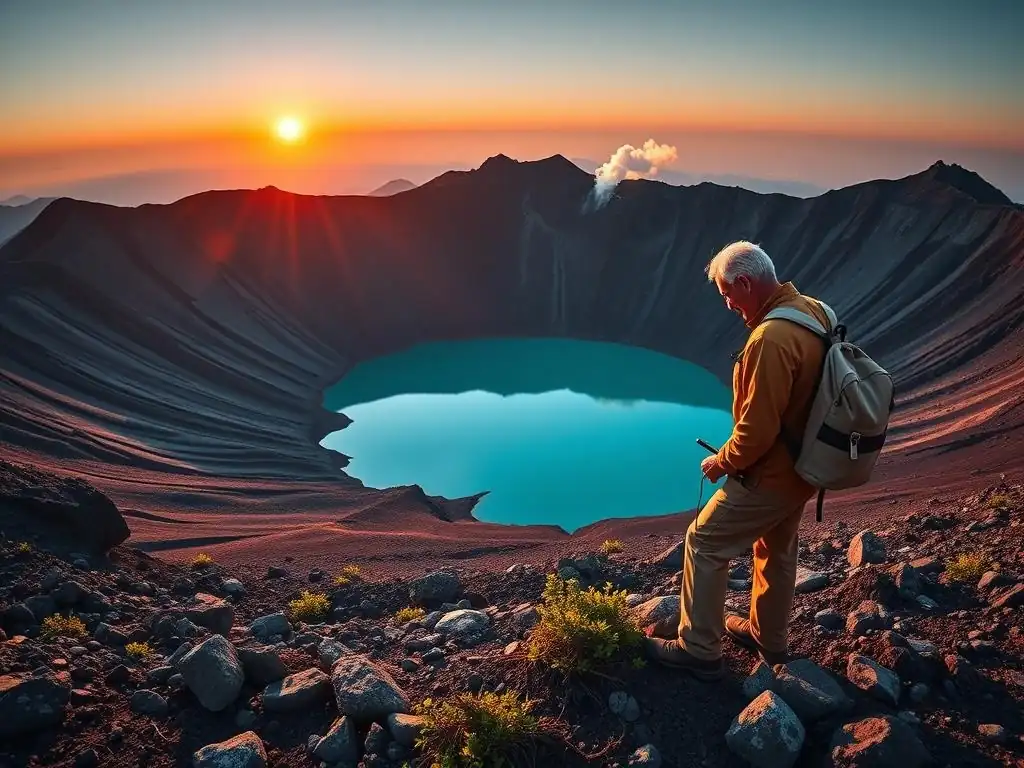
The Mount St. Helens eruption revolutionized the field of volcanology by bringing the phenomenon of lateral blasts to the forefront of scientific understanding of volcanic eruptions history. Prior to 1980, lateral blasts were not well-understood or considered a primary volcanic hazard. The eruption provided a real-world, large-scale example of this type of explosive activity, forcing scientists to rethink existing models of volcanic eruptions. Researchers began to study the mechanisms behind lateral blasts, focusing on the role of magma decompression, gas expansion, and the structural failure of volcanic edifices.
Detailed field investigations at Mount St. Helens, coupled with laboratory experiments and theoretical modeling, led to a greater appreciation for the dynamics of lateral blasts. Scientists learned about the destructive power of these horizontally directed explosions, their capacity to travel at supersonic speeds, and their ability to cause widespread devastation far beyond the immediate vicinity of the volcano's summit. This newfound understanding of volcanic eruptions history, particularly concerning lateral blasts, significantly improved hazard assessments for other volcanoes worldwide, especially those with similar geological structures and magma compositions.
Monitoring and Prediction: Improved Techniques for Early Warning Systems
The 1980 eruption of Mount St. Helens served as a crucial impetus for advancements in volcano monitoring and eruption prediction techniques. While the eruption was to some extent anticipated due to increased seismic activity and deformation in the preceding months, the lateral blast itself was largely unexpected in its scale and intensity. This experience highlighted the need for more sophisticated and comprehensive monitoring systems to better detect subtle pre-eruption signals and to improve the accuracy of eruption forecasts.
In the years following 1980, significant investments were made in developing and deploying advanced monitoring technologies around volcanoes worldwide. These included denser networks of seismometers to detect and analyze volcanic earthquakes, improved geodetic instruments to measure ground deformation, and enhanced gas monitoring systems to track changes in volcanic gas emissions. The lessons learned from Mount St. Helens spurred innovation in data analysis and interpretation, leading to more effective early warning systems and a more proactive approach to mitigating volcanic hazards, contributing significantly to our evolving understanding of volcanic eruptions history and future risk management.
Understanding Magma Chambers: Advances in Geophysical Research
The Mount St. Helens eruption provided a unique opportunity to study the inner workings of a volcanic system, particularly the dynamics of magma chambers and their role in triggering eruptions. Geophysical research conducted in the aftermath of the eruption, including seismic surveys, gravity measurements, and electromagnetic studies, provided valuable insights into the structure and processes occurring beneath the volcano. Scientists gained a better understanding of volcanic eruptions history by mapping the magma chamber beneath Mount St. Helens, characterizing its size, shape, and depth, and studying how magma moved and accumulated within the chamber prior to the eruption.
These investigations revealed complexities in magma chamber dynamics, including the interplay between magma storage, ascent, and degassing. The eruption also highlighted the importance of understanding the pre-eruption signals that can indicate magma movement and pressurization, such as changes in seismicity, ground deformation, and gas emissions. The research spurred by the Mount St. Helens eruption significantly advanced our knowledge of magma chamber processes and their link to volcanic eruptions, contributing to more refined models of eruption forecasting and hazard assessment based on a deeper understanding of volcanic eruptions history.
Mount St. Helens as a Living Laboratory: Long-Term Ecological Recovery
The Return of Life: Observing the Resilience of Nature
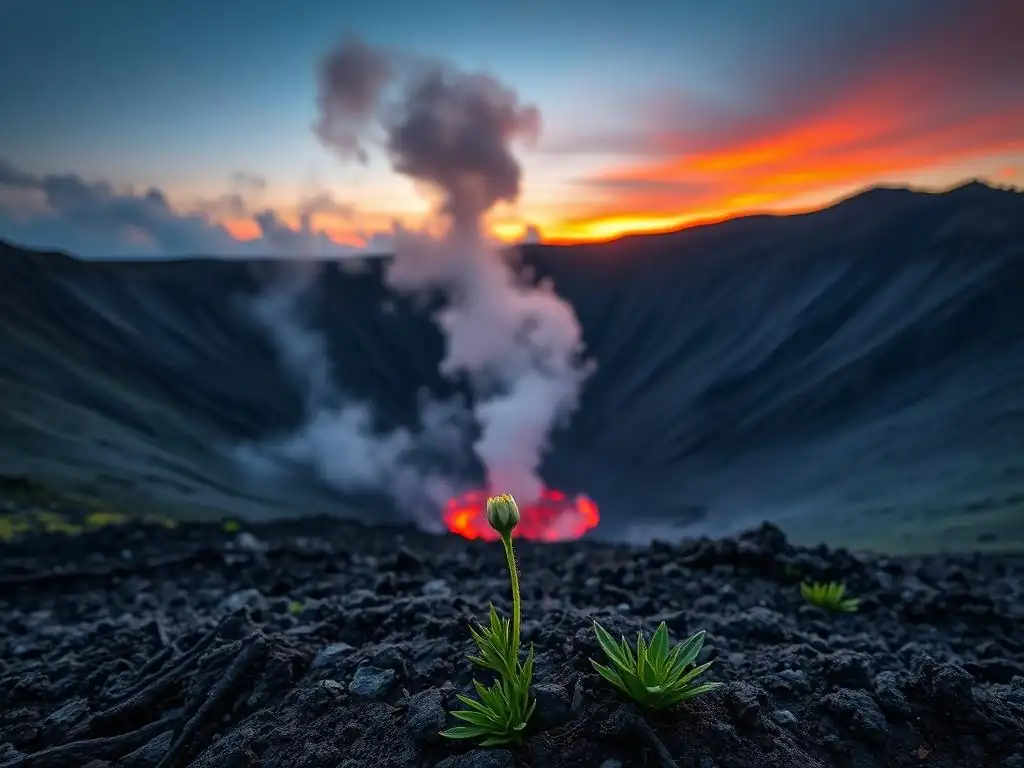
One of the most remarkable aspects of the Mount St. Helens eruption was the subsequent ecological recovery of the devastated landscape. Initially, the blast zone appeared utterly barren, a gray wasteland devoid of life. However, within just a few years, signs of recovery began to emerge, demonstrating the incredible resilience of nature and the power of ecological succession. Pioneer species, such as fireweed and lupine, began to colonize the ash-covered landscape, their seeds dispersed by wind and carried by animals from outside the blast zone.
These early colonizers played a crucial role in modifying the harsh environment, stabilizing the soil and providing organic matter that paved the way for other plant species to establish themselves. Small animals, like pocket gophers, which survived underground, emerged and began to rework the soil, further aiding in plant establishment. The speed and extent of this ecological recovery surprised many scientists, highlighting the inherent capacity of ecosystems to regenerate even after catastrophic disturbances and providing invaluable insights into ecological processes that inform our understanding of volcanic eruptions history and their long-term environmental consequences.
Studying Succession: How Ecosystems Rebuild After Catastrophic Events
Mount St. Helens became an unparalleled natural laboratory for studying ecological succession, the process by which ecosystems recover and rebuild after disturbances. Scientists have been monitoring the recovery of the Mount St. Helens landscape since the 1980 eruption, tracking the changes in plant and animal communities over time. This long-term research has provided invaluable data on the stages of ecological succession, the factors that influence recovery rates, and the resilience of different ecosystem components.
Studies at Mount St. Helens have revealed the importance of various ecological mechanisms in the recovery process, including seed dispersal, nutrient cycling, and species interactions. Researchers have observed how different plant communities develop over time, from early pioneer species to more complex forests and wetlands. They have also documented the return of animal life, from insects and amphibians to birds and mammals, and their roles in shaping the recovering ecosystem. This ongoing research at Mount St. Helens continues to enhance our understanding of volcanic eruptions history and their long-term ecological impacts, providing fundamental knowledge about ecosystem dynamics and resilience.
Lessons for Conservation: Applying Knowledge to Other Disturbed Landscapes
The ecological recovery of Mount St. Helens offers valuable lessons for conservation and ecosystem management in other disturbed landscapes, both volcanic and non-volcanic. The rapid and surprisingly robust recovery demonstrated the inherent resilience of natural systems and the potential for ecosystems to regenerate even after severe disturbances. The research at Mount St. Helens has highlighted the importance of allowing natural processes to drive recovery, minimizing human intervention, and focusing on facilitating natural succession.
The lessons learned from Mount St. Helens have been applied to other disturbed landscapes, such as areas affected by wildfires, logging, or mining. The principles of promoting natural regeneration, controlling invasive species, and restoring key ecosystem functions have been informed by the long-term ecological studies at Mount St. Helens. The site serves as a powerful example of how understanding ecological succession and resilience, derived from studying the aftermath of volcanic eruptions, can contribute to more effective conservation strategies and a broader understanding of volcanic eruptions history in shaping landscapes and ecosystems.
The Human Connection: Embracing the Beauty and Power of Volcanoes
Volcano Tourism: Experiencing the Landscape Safely
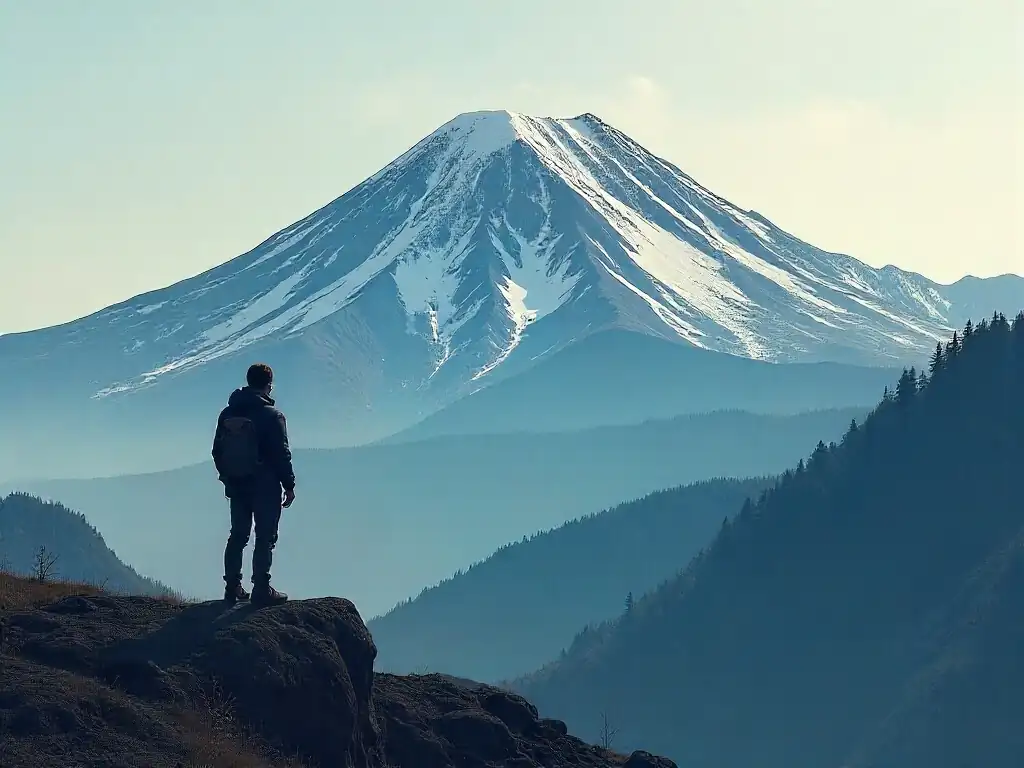
Despite the devastating eruption, Mount St. Helens has become a significant destination for volcano tourism, attracting visitors from around the world who come to witness the dramatic landscape and learn about volcanic processes. The Mount St. Helens National Volcanic Monument, established in 1982, provides controlled access to the blast zone and offers numerous visitor centers, trails, and viewpoints that allow people to experience the volcano safely and respectfully. Volcano tourism at Mount St. Helens not only provides economic benefits to the surrounding communities but also fosters public education and appreciation for volcanology and Earth science.
Guided tours, interpretive programs, and educational exhibits at the monument help visitors understand the science behind volcanic eruptions, the ecological recovery process, and the history of the 1980 event. The opportunity to see the crater, the pumice plain, and the recovering forests firsthand creates a powerful and memorable learning experience, connecting people to the dynamic forces that shape our planet and enhancing their understanding of volcanic eruptions history. Carefully managed volcano tourism, as exemplified at Mount St. Helens, can be a valuable tool for both conservation and public engagement.
Educational Opportunities: Learning About Volcanology and Earth Science
Mount St. Helens serves as an unparalleled outdoor classroom for learning about volcanology, geology, ecology, and Earth science. The readily accessible and dramatically altered landscape provides a living laboratory for students of all ages, from elementary school children to university researchers. Educational programs and field trips to Mount St. Helens offer hands-on learning experiences that bring textbook concepts to life and inspire a deeper interest in science and the natural world.
Universities and research institutions regularly conduct field studies at Mount St. Helens, utilizing the site for research projects and student training in various Earth science disciplines. The monument provides a unique setting to study volcanic processes, ecological succession, and the long-term impacts of natural disasters. By providing these invaluable educational opportunities, Mount St. Helens plays a crucial role in fostering the next generation of Earth scientists and promoting a broader public understanding of volcanic eruptions history and the dynamic Earth system.
Respecting the Risk: Living and Working Near Active Volcanoes
While Mount St. Helens now attracts visitors and serves as a scientific and educational resource, it remains an active volcano, a constant reminder of the inherent risks associated with living and working near volcanic landscapes. The eruption of 1980 underscored the potential for sudden and catastrophic events, emphasizing the importance of preparedness and risk awareness for communities located near active volcanoes worldwide. Understanding the lessons of Mount St. Helens is crucial for promoting responsible land use planning, developing effective emergency response strategies, and fostering a culture of safety in volcanic regions.
Living near active volcanoes requires a balance between appreciating their beauty and recognizing their potential hazards. Continued monitoring, hazard assessments, and community education are essential for mitigating risks and ensuring the safety of populations living in volcanic areas. Respecting the power of volcanoes and learning from past eruptions, such as Mount St. Helens, are crucial components of coexisting with these dynamic and potentially dangerous natural forces, and contribute to a realistic understanding of volcanic eruptions history and future volcanic risk.
Understanding Volcanic Hazards: Preparing for Future Eruptions
Risk Assessment and Mitigation: Strategies for Protecting Communities
Effective risk assessment and mitigation strategies are paramount for protecting communities living near active volcanoes. Mount St. Helens, and the lessons learned from its 1980 eruption, have significantly informed these strategies globally. Volcanic hazard assessments involve identifying potential volcanic hazards, such as lava flows, pyroclastic flows, lahars, ashfall, and lateral blasts, and mapping areas that are most vulnerable to these hazards. These hazard maps are crucial tools for land-use planning, zoning regulations, and emergency preparedness.
Mitigation measures can include infrastructure improvements, such as lahar diversion structures, ashfall-resistant building designs, and evacuation routes. Community education programs play a vital role in raising awareness about volcanic hazards and promoting preparedness actions. By combining scientific risk assessments with proactive mitigation strategies, communities can significantly reduce their vulnerability to volcanic eruptions and enhance their resilience, demonstrating a practical application of our increased understanding of volcanic eruptions history.
Early Warning Systems: The Importance of Real-Time Monitoring
Early warning systems are a critical component of volcanic hazard mitigation, providing timely alerts that allow for evacuations and other protective measures before an eruption occurs. The advancements in volcano monitoring technologies spurred by the Mount St. Helens eruption have led to the development of sophisticated real-time monitoring networks around volcanoes worldwide. These systems continuously track seismic activity, ground deformation, gas emissions, and other parameters that can indicate impending volcanic unrest.
Data from these monitoring networks are analyzed by volcanologists to assess the level of volcanic activity and to issue timely warnings to emergency management agencies and the public. Effective early warning systems require reliable monitoring equipment, robust communication networks, and clear protocols for disseminating warnings to affected communities. The success of early warning systems relies on a strong scientific understanding of volcanic eruptions history and the ability to translate scientific data into actionable information for public safety.
Community Engagement: Fostering a Culture of Preparedness
Community engagement is essential for creating a culture of preparedness in volcanic regions. Effective volcanic hazard mitigation is not solely the responsibility of scientists and emergency managers; it requires the active participation and engagement of local communities. Community-based preparedness programs can empower residents to understand volcanic risks, develop personal emergency plans, and participate in evacuation drills.
Public education campaigns can disseminate information about volcanic hazards, warning signals, and appropriate protective actions. Community meetings and workshops can provide forums for dialogue and collaboration between scientists, emergency managers, and residents. By fostering a culture of preparedness, communities can become more resilient to volcanic eruptions and better equipped to respond effectively when a volcanic crisis occurs, illustrating the human element within our broader understanding of volcanic eruptions history and its future implications.
Legacy of St. Helens: Shaping Our Understanding of Volcanic Eruptions History
The Ongoing Research: New Discoveries and Insights
Even decades after the 1980 eruption, Mount St. Helens remains an active site of ongoing scientific research. Volcanologists, ecologists, and other scientists continue to study the volcano and its surrounding landscape, seeking to further refine our understanding of volcanic eruptions history and the long-term processes that shape volcanic systems and ecosystems. Ongoing research at Mount St. Helens includes monitoring volcanic activity, studying magma chamber dynamics, tracking ecological succession, and investigating the geological record of past eruptions.
New discoveries and insights continue to emerge from this ongoing research, contributing to a more nuanced and comprehensive understanding of volcanic processes. For example, studies of the volcano's magmatic system are providing new information about the timescales of magma storage and ascent, while ecological research is revealing the long-term trajectory of ecosystem recovery and the impacts of climate change on volcanic landscapes. The continued scientific investigation of Mount St. Helens ensures that its legacy as a natural laboratory endures.
Inspiring Future Volcanologists: The Next Generation of Earth Scientists
The Mount St. Helens eruption and its aftermath have served as a powerful inspiration for generations of volcanologists and Earth scientists. The dramatic events of 1980 sparked a surge of public interest in volcanology and motivated many students to pursue careers in Earth science. The ongoing research opportunities at Mount St. Helens provide invaluable training and field experience for aspiring volcanologists, geologists, and ecologists.
Universities and research institutions regularly bring students to Mount St. Helens for field courses and research projects, providing hands-on learning experiences in a dynamic and geologically significant environment. The legacy of Mount St. Helens extends beyond scientific discoveries; it includes the inspiration and training of the next generation of Earth scientists who will continue to advance our understanding of volcanic eruptions history and work to mitigate volcanic hazards worldwide.
A Reminder of Nature's Power: Coexisting with Volcanic Landscapes
Ultimately, the story of Mount St. Helens serves as a powerful reminder of the immense power of nature and the dynamic forces that shape our planet. The eruption of 1980 demonstrated the capacity of volcanoes to dramatically alter landscapes and impact human lives. It also highlighted the importance of scientific research, hazard mitigation, and community preparedness in reducing volcanic risks. Learning to coexist with volcanic landscapes requires a balance of respect for nature's power, a commitment to scientific understanding, and a proactive approach to safety and resilience.
The ongoing recovery of Mount St. Helens, both ecological and human, offers a message of hope and resilience in the face of natural disasters. It demonstrates the capacity of ecosystems to regenerate and the ability of communities to rebuild and adapt after catastrophic events. The legacy of Mount St. Helens is not just about the devastation of an eruption; it is also about the scientific advancements, the ecological recovery, and the human adaptation that have emerged in its wake, profoundly shaping our understanding of volcanic eruptions history and our relationship with these powerful geological forces.
Frequently Asked Questions
What are the main topics covered on VolcanoExplorers.org?
VolcanoExplorers.org explores the science of volcanic activity, provides educational content on volcano types and eruptions, and offers safety guides for those living near active volcanoes.
What makes VolcanoExplorers.org different from other volcano websites?
It combines scientific information with photography, travel, and the cultural significance of volcanoes. This provides a more holistic and engaging experience.
How does VolcanoExplorers.org help people living near active volcanoes?
The site provides safety guides, evacuation tips, and real-time updates on volcanic activity to help people prepare for and respond to eruptions.
How can I learn about the history of volcanic eruptions on VolcanoExplorers.org?
The site offers educational content on famous eruptions throughout history, including detailed accounts and analyses of past events, contributing to understanding volcanic eruptions history.
What is the goal of the article "From Fear to Fascination: Our Changing Relationship with Volcanoes Like St. Helens"?
The article likely explores how people's perceptions of volcanoes have evolved, from a source of terror to a subject of scientific curiosity and even fascination and tourism, using St. Helens as an example.
Final Reflection: Embracing the Power of the Earth
The journey from fearing the destructive force of volcanoes to finding fascination in their power is a testament to humanity's capacity for understanding and adaptation. Our evolving relationship with volcanoes, exemplified by the story of Mount St. Helens, highlights the crucial role of historical knowledge in mitigating risk and fostering respect for the Earth's dynamic processes. By learning from the past, we can better prepare for the future and transform fear into informed awe.
The legacy of volcanic eruptions, like those detailed in our exploration of "Understanding Volcanic Eruptions History," continues to shape not only the physical landscape but also our cultural narrative. The resilience of communities surrounding volcanoes, their ability to rebuild and adapt, speaks volumes about the human spirit. This is a story of survival, innovation, and a deep connection to the land. The mountains are fountains of men as well as of rivers, of glaciers, of fertile soil. The great poets, philosophers, prophets, able men whose thoughts and deeds have moved the world, have all come from the mountains.
- John Muir. This quote encapsulates the profound influence these geological wonders have on our collective consciousness.
As we conclude this exploration, let us carry forward a renewed sense of responsibility and curiosity. Consider how the lessons learned from "Understanding Volcanic Eruptions History" can inform your own understanding of the natural world. Embrace the power of knowledge, advocate for informed decision-making in vulnerable communities, and find inspiration in the Earth's raw beauty. Let us strive to live in harmony with the forces that shape our planet, transforming fear into a deep and abiding respect for the power and potential of the Earth.
Ignite Your Inner Volcanologist!
Thank you for exploring our evolving relationship with volcanoes like Mount St. Helens. We hope you've gained a newfound appreciation for these powerful forces of nature and the incredible stories they tell. Now, let's turn that understanding into action!
Here are a few ways you can further explore the fascinating world of volcanoes:
- Embark on a virtual journey through the St. Helens National Volcanic Monument using online resources like Google Earth, experiencing the landscape and learning about its remarkable recovery. Witness the resilience of nature firsthand.
- Delve deeper into the science of volcanology with beginner-friendly resources from reputable organizations like the USGS. Understand the mechanisms behind volcanic eruptions and the ongoing monitoring efforts.
- Share your newfound knowledge and perspective with friends and family. Spark conversations about the importance of understanding and respecting these geological wonders.
What aspect of Mount St. Helens' story resonated most with you, and how will you incorporate that understanding into your view of the natural world?