
Pompeii's Mosaics: Art Underfoot, Preserved by Volcanic Ash

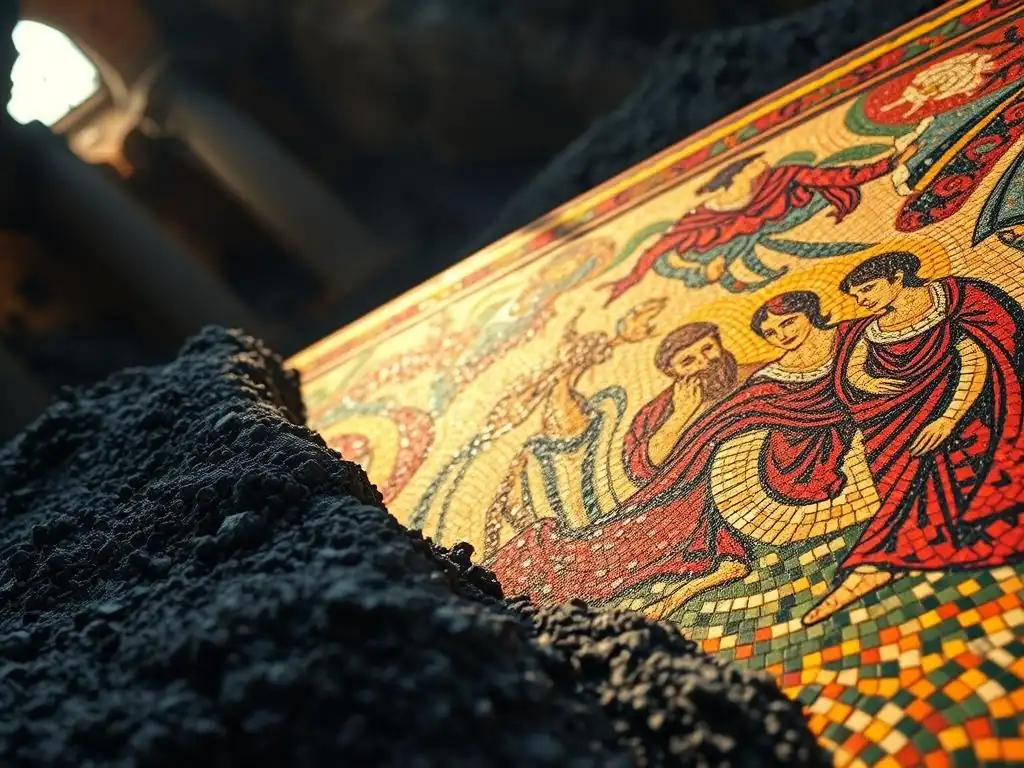
Welcome to Volcano Explorers, where we peel back the Earth's fiery secrets! Ever wondered what treasures lie buried beneath layers of volcanic ash? Prepare to be amazed as we journey to Pompeii, a city frozen in time by Vesuvius's wrath, and uncover the stunning story of its Pompeii mosaics volcanic ash preservation. What did this catastrophic event actually do to preserve these ancient masterpieces, and what can they tell us about life before the eruption? Let the exploration begin...
- Introduction: Unearthing Pompeii's Artistic Treasures Beneath the Volcanic Ash
- Pompeii and Mount Vesuvius: A City Frozen in Time
- The Art of Pompeian Mosaics: A Glimpse into Roman Life
- Volcanic Ash Preservation: A Unique Time Capsule
- Notable Examples of Pompeii's Mosaics
- Conservation and Restoration of Pompeii's Mosaics
- The Legacy of Pompeii's Mosaics: Inspiration and Insight
- Conclusion: Pompeii Mosaics - A Testament to Art and Volcanic Preservation
-
Frequently Asked Questions
- How did volcanic ash help preserve the mosaics in Pompeii?
- What are some common themes or subjects depicted in Pompeii's mosaics?
- What materials were typically used to create the mosaics in Pompeii?
- Besides mosaics, what other types of art were found preserved in Pompeii?
- What can the study of Pompeii's mosaics tell us about Roman society and culture?
- Final Reflection: Echoes of Eternity Under Ash
- Rediscover Ancient Art: Become a Mosaic Explorer!
Introduction: Unearthing Pompeii's Artistic Treasures Beneath the Volcanic Ash
The ancient Roman city of Pompeii, frozen in time by the catastrophic eruption of Mount Vesuvius in 79 AD, offers an unparalleled window into the past. While the haunting plaster casts of its citizens and the remarkably preserved buildings capture global attention, beneath the layers of volcanic ash lies another treasure trove of history and art: the mosaics of Pompeii.
These intricate floor decorations, often overlooked in favor of grander artifacts, are not mere ornamentation but vibrant expressions of Roman artistry and daily life. Their survival, against all odds, is a testament to the unique preservation qualities of volcanic ash, a phenomenon that has gifted us with an extraordinary glimpse into the aesthetic sensibilities of the Roman world.
These mosaics, crafted from thousands of tiny colored tiles, known as tesserae, adorned the floors of homes, public baths, shops, and temples throughout Pompeii. They depict a wide array of subjects, from mythological scenes and depictions of gods to everyday life, animals, and intricate geometric patterns.
Remarkably, many of these mosaics retain their original colors and details, shielded from the ravages of time by the very volcanic debris that buried the city. This article delves into the fascinating world of Pompeian mosaics, exploring their artistic styles, the techniques used in their creation, and the extraordinary role of volcanic ash in their preservation, allowing us to walk, in a sense, on the art of the ancient Romans.
Pompeii and Mount Vesuvius: A City Frozen in Time
The Catastrophic Eruption of Vesuvius in 79 AD
The eruption of Mount Vesuvius in 79 AD was a pivotal moment in history, not only for the Roman cities of Pompeii and Herculaneum but also for our understanding of the ancient world. On a seemingly ordinary summer day, Vesuvius, which had been dormant for centuries, unleashed a Plinian eruption, one of the most violent and destructive types of volcanic events.
Pliny the Younger, a Roman administrator and poet, famously documented the eruption from a safe distance, providing a first-hand account of the unfolding catastrophe in letters to the historian Tacitus. His uncle, Pliny the Elder, a renowned naturalist, perished while attempting to rescue people near Pompeii, highlighting the eruption's sudden and overwhelming power.
The eruption began with a massive explosion that sent a towering column of ash, pumice, and gas high into the stratosphere. This initial phase rained down pumice stones and ash on Pompeii, burying buildings and streets under meters of debris. While this phase caused some structural damage and forced many inhabitants to flee, it was the subsequent pyroclastic flows that proved truly devastating.
These flows, superheated avalanches of gas, ash, and volcanic rock, surged down the slopes of Vesuvius at incredible speeds, engulfing Pompeii and Herculaneum. The intense heat and suffocating gases instantly killed those who remained and carbonized organic materials, effectively sealing the cities in a tomb of volcanic debris. It is estimated that the eruption lasted for approximately 18 hours, leaving Pompeii buried under 4 to 6 meters of ash and pumice, effectively halting life in its tracks and preserving a snapshot of Roman society.
Pompeii's Rediscovery: Revealing a Lost World
For over 1600 years, Pompeii lay buried and largely forgotten. While local inhabitants were aware of the ancient ruins, it was not until 1748 that systematic excavations began, initially under the Bourbon King Charles III of Naples. These early excavations were driven more by treasure hunting than archaeological rigor, but they nonetheless began to reveal the astonishingly well-preserved remains of a Roman city. The discovery of Pompeii ignited a wave of Neoclassical interest in antiquity and spurred more organized and scientific archaeological investigations in the centuries that followed.
The methods of excavation have evolved significantly since the 18th century. Early excavators focused on uncovering buildings and recovering artifacts, sometimes at the expense of contextual information. However, as archaeology developed into a more scientific discipline, emphasis shifted to meticulous recording, stratigraphic excavation, and the preservation of the site in situ.
Giuseppe Fiorelli, who became director of excavations in 1863, introduced the technique of plaster casting, pouring plaster into the voids left by decomposed bodies in the ash, thus recreating the final moments of Pompeii's citizens. Modern archaeological techniques, including remote sensing, geophysical surveys, and advanced dating methods, continue to refine our understanding of Pompeii, revealing new details about its urban layout, social structure, and daily life. The ongoing excavations and research at Pompeii continue to yield remarkable discoveries, ensuring that this ancient city remains a vibrant center for archaeological study and a powerful testament to the past.
The Art of Pompeian Mosaics: A Glimpse into Roman Life
Styles and Techniques of Pompeian Mosaics
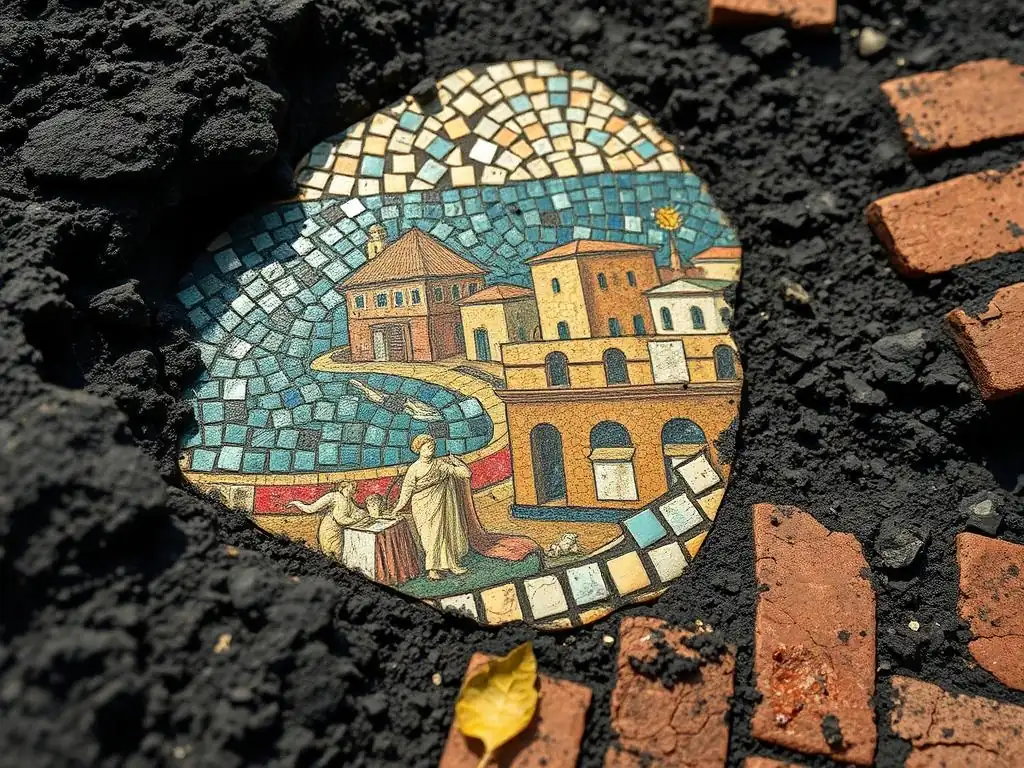
Pompeian mosaics are not simply decorative; they are sophisticated works of art that reflect the prevailing artistic styles and technical expertise of the Roman world. Classifying Pompeian mosaics involves understanding the evolution of Roman mosaic art, which is often categorized into four distinct styles, although these are not strictly chronological and can overlap.
The First Style (Incrustation Style), popular in the 2nd and early 1st centuries BC, imitated the appearance of marble revetment, using painted stucco and occasionally mosaic panels to create a sense of luxurious stone walls. The Second Style (Architectural Style), emerging in the 1st century BC, aimed to create illusionistic depth and spatial effects, often depicting architectural vistas and landscapes.
The Third Style (Ornate Style), prevalent from the late 1st century BC to the mid-1st century AD, emphasized flat, decorative surfaces with delicate linear designs and small, centrally placed mythological or idyllic scenes. Finally, the Fourth Style (Intricate Style), popular in Pompeii at the time of the eruption, combined elements of the previous styles, incorporating architectural perspectives, figural scenes, and decorative panels in complex and often theatrical compositions.
Technically, Pompeian mosaics are primarily opus tessellatum, meaning they are made of tesserae, small cubes of stone, marble, glass, or ceramic. These tesserae, typically ranging from 0.5 to 1.5 centimeters in size, were carefully cut and selected for color and material. The mosaicists, often highly skilled artisans, would first prepare a bed of mortar on the floor or wall.
They then meticulously set the tesserae into the mortar, guided by a preliminary drawing or cartone. The precision and artistry of Pompeian mosaics are evident in the fine details, subtle shading, and vibrant colors achieved with relatively simple materials.
Different techniques were employed for different effects, such as opus vermiculatum, using very small tesserae to create fine lines and detailed figures, often employed for central panels or emblemata within larger mosaic floors. The craftsmanship and artistry displayed in Pompeian mosaics underscore their importance as not just floor coverings, but as integral elements of Roman interior decoration and artistic expression.
Tesserae: The Building Blocks of Pompeian Mosaic Art
The humble tessera, a small, often cubic piece of material, is the fundamental building block of Pompeian mosaic art. These tiny components, when assembled with meticulous care and artistic vision, transform into intricate designs and captivating images. Tesserae were not simply uniform squares; they varied significantly in material, size, shape, and color, allowing mosaicists to achieve a wide range of artistic effects. The materials used for tesserae in Pompeii reflect both local availability and imported luxuries.
Common materials included various types of stone, such as limestone, marble (in different colors, often imported), and volcanic rock like basalt and pumice. Terracotta, or baked clay, was also used, particularly for red and ochre hues. For brighter colors and special effects, glass tesserae were employed, often in blues, greens, and yellows, adding vibrancy and luminosity to the mosaics.
The size of tesserae played a crucial role in the level of detail and overall effect of the mosaic. Larger tesserae, typically around 1 centimeter or more, were used for broader areas of color and simpler designs. Smaller tesserae, sometimes only a few millimeters across, were essential for creating fine lines, intricate details, and realistic shading, particularly in figural scenes and emblemata.
The arrangement and setting of tesserae were also key to the aesthetic impact. Mosaicists carefully considered the direction and spacing of tesserae to create texture, highlight contours, and enhance the overall visual appeal. The interplay of light and shadow on the tessellated surface, combined with the subtle variations in color and material, brought Pompeian mosaics to life, making them dynamic and engaging works of art underfoot.
Common Themes and Motifs in Pompeii's Mosaics
Pompeian mosaics offer a rich tapestry of themes and motifs that provide invaluable insights into Roman culture, beliefs, and daily life. The subjects depicted range from grand mythological narratives to intimate scenes of domesticity, showcasing the diverse interests and artistic tastes of Pompeian society. Recurring themes can be broadly categorized into depictions of mythology and gods, scenes of daily life and commerce, and geometric patterns and decorative designs, each category revealing different facets of Roman life and artistic preferences.
Depictions of Mythology and Gods
Mythological scenes and representations of gods and goddesses were exceedingly popular in Pompeian mosaics, reflecting the pervasive influence of Roman religion and mythology on daily life. These mosaics served not only as decoration but also as visual reminders of the gods' power and presence. Commonly depicted deities include Neptune, god of the sea, often found in bathhouses and seaside villas, Venus, goddess of love and beauty, frequently associated with themes of nature and pleasure, and Bacchus (Dionysus), god of wine and revelry, linked to themes of celebration and abundance. Mythological narratives, such as the labors of Hercules, the abduction of Europa, or scenes from the Trojan War, were also frequently represented, showcasing the Romans' familiarity with classical literature and myths. These mythological mosaics not only demonstrate the artistic skill of Pompeian mosaicists but also provide valuable insights into Roman religious beliefs, cultural values, and the stories that shaped their worldview.
Scenes of Daily Life and Commerce
Beyond the realm of mythology, Pompeian mosaics vividly capture aspects of daily Roman life and commerce. These scenes offer a unique glimpse into the activities, professions, and social interactions of Pompeian citizens. Mosaics depicting fishing scenes, hunting expeditions, and agricultural pursuits are common, reflecting the importance of these activities in the Roman economy and lifestyle.
Shop signs, often in mosaic form, advertised the goods and services offered by various establishments, such as bakeries, taverns, and workshops. One famous example is the "Cave Canem" mosaic, found at the entrance of the House of the Tragic Poet, warning visitors of a guard dog, a practical yet artistic element of Roman domestic life.
Scenes of gladiatorial combats, chariot races, and theatrical performances also appear, highlighting popular forms of Roman entertainment. These mosaics depicting daily life are particularly valuable as they provide a direct and often unidealized view of Roman society, complementing textual sources and offering a more complete picture of everyday existence in Pompeii.
Geometric Patterns and Decorative Designs
Alongside figural scenes, geometric patterns and decorative designs formed a significant component of Pompeian mosaic art. These patterns, ranging from simple borders to complex interlocking motifs, were used to create visually appealing and aesthetically pleasing surfaces. Common geometric patterns include meanders, guilloche patterns, wave patterns, and various arrangements of squares, rectangles, and triangles. Floral and vegetal motifs, such as stylized vines, leaves, and flowers, were also frequently incorporated into decorative designs, adding a touch of natural beauty and elegance.
These geometric and decorative mosaics were not merely background elements; they played a crucial role in defining spaces, creating visual rhythm, and enhancing the overall aesthetic of Roman interiors. They demonstrate the Roman appreciation for order, symmetry, and decorative refinement, even in seemingly functional elements like floor coverings. The variety and sophistication of these patterns underscore the artistic sensibility and design principles that underpinned Roman decorative arts.
Volcanic Ash Preservation: A Unique Time Capsule
How Volcanic Ash Protected Pompeii's Mosaics
The exceptional preservation of Pompeii, including its remarkable mosaics, is directly attributable to the unique properties of volcanic ash from the 79 AD eruption of Mount Vesuvius. The ash, composed of fine particles of volcanic glass, pumice, and rock fragments, descended upon Pompeii in a thick layer, effectively burying and sealing the city.
This sudden and complete burial created a unique environment that protected organic and inorganic materials alike from many of the typical agents of decay and degradation. The volcanic ash acted as a protective blanket, shielding the mosaics from the elements, including sunlight, rain, wind, and temperature fluctuations, which are normally responsible for the weathering and erosion of exposed surfaces.
Furthermore, the rapid burial by ash prevented the typical processes of biological decay. The ash effectively entombed organic materials, limiting their exposure to oxygen and moisture, both essential for microbial activity and decomposition. For inorganic materials like stone and ceramic tesserae, the ash provided a stable, chemically inert environment.
The absence of significant moisture fluctuations, combined with the consistent temperature maintained beneath the ash layer, minimized the physical stresses that can cause cracking and fragmentation in mosaics over time. In essence, the volcanic ash created a time capsule, preserving Pompeii and its artistic treasures, including the mosaics, in a remarkably pristine state for millennia.
The Role of Ash in Preventing Decay and Degradation
Volcanic ash played a multifaceted role in preventing the decay and degradation of Pompeii's mosaics, extending beyond simple physical protection. The chemical composition of the ash itself contributed to the preservation process. Vesuvian ash is known to contain pozzolanic materials, which, when mixed with water, react to form cementitious compounds.
While the ash in Pompeii was primarily dry deposition, the presence of moisture over time could have led to a weak cementation effect, further stabilizing the mosaic bedding and tesserae. This potential cementation, although not a primary factor, could have added to the structural integrity of the mosaics, helping to hold the tesserae in place and prevent their displacement or loss.
Moreover, the sheer volume of ash that buried Pompeii created a significant physical barrier against environmental factors. The thick layer of ash insulated the buried city from temperature extremes, reducing the thermal stress that can cause expansion and contraction of materials, leading to cracking and detachment of tesserae.
The ash also acted as a barrier against biological agents of decay, such as plant roots, fungi, and insects, which can damage or dislodge mosaic pavements over long periods. By effectively isolating Pompeii from the external environment, the volcanic ash arrested many of the natural processes of decay and degradation, allowing the mosaics to survive in an exceptionally well-preserved condition.
The Science Behind the Volcanic Preservation Process
The scientific understanding of volcanic ash preservation in Pompeii involves a combination of geological, chemical, and environmental factors. Geologically, the type of eruption and the characteristics of the volcanic ash are crucial. The Plinian eruption of Vesuvius produced a large volume of fine-grained ash and pumice, which settled relatively uniformly over Pompeii, creating a dense and cohesive burial layer. Chemically, the composition of Vesuvian ash, rich in silica and alumina, contributes to its inertness and potential pozzolanic properties. The absence of aggressive chemicals in the ash further minimizes chemical weathering of the mosaic materials.
Environmentally, the rapid burial and subsequent sealing of Pompeii created a stable microclimate beneath the ash layer. The consistent temperature and humidity, shielded from external fluctuations, slowed down chemical reactions and biological activity that would normally degrade materials. The lack of oxygen and light further inhibited decay processes.
Studies analyzing the ash and the preserved materials have shown that the volcanic environment, while initially destructive, ultimately created conditions that favored long-term preservation. The ongoing research into the materials science of volcanic ash and its interaction with ancient artifacts continues to refine our understanding of this remarkable preservation phenomenon, providing valuable insights for conservation strategies at Pompeii and other archaeological sites affected by volcanic eruptions.
Notable Examples of Pompeii's Mosaics
The House of the Faun: A Masterpiece of Mosaic Art
The House of the Faun, one of the largest and most opulent residences in Pompeii, is renowned for its exceptional collection of mosaics, considered among the finest examples of Roman mosaic art. Named after a bronze statue of a dancing faun found within the house, this grand villa exemplifies the wealth and artistic tastes of Pompeii's elite. The mosaics in the House of the Faun are diverse in subject matter and style, showcasing various techniques and artistic trends of the period.
The house boasts an impressive array of floor mosaics, including geometric patterns, mythological scenes, and animal depictions, reflecting the sophisticated decorative program of a luxurious Roman dwelling. The sheer scale and artistic quality of the mosaics in the House of the Faun solidify its reputation as a treasure trove of Pompeian art.
The Alexander Mosaic: A Detailed Depiction of Battle
Undoubtedly the most famous mosaic in the House of the Faun, and arguably in all of Pompeii, is the Alexander Mosaic. This monumental floor mosaic, measuring approximately 5.82 by 3.13 meters (19 by 10 feet), depicts a dramatic battle scene, widely believed to represent the Battle of Issus in 333 BC between Alexander the Great and Darius III of Persia. Composed of an estimated four million tesserae, some as small as 3-4 millimeters, the mosaic is a masterpiece of opus vermiculatum, showcasing incredible detail, dynamism, and psychological intensity.
The mosaic captures the chaotic energy of the battle, with Alexander charging fearlessly on horseback towards Darius, who looks back with a mixture of fear and resignation. The use of perspective, shading, and varied tesserae colors creates a three-dimensional effect, bringing the scene vividly to life.
The Alexander Mosaic is not only a testament to the technical skill of Roman mosaicists but also a powerful historical and artistic document, reflecting the Roman fascination with Greek history and military prowess. Today, the original Alexander Mosaic is preserved in the National Archaeological Museum of Naples, while a replica has been placed in its original location in the House of the Faun in Pompeii.
The House of the Tragic Poet: Featuring Iconic Imagery
The House of the Tragic Poet, a smaller but equally significant Pompeian residence, is famous for its finely executed mosaics, particularly those found at the entrance and in the tablinum (reception room). Despite its modest size, the house is richly decorated and provides valuable insights into Roman domestic life and artistic preferences of the less opulent but still well-to-do citizens of Pompeii. The mosaics in the House of the Tragic Poet are known for their clarity of design, narrative content, and iconic imagery, making them some of the most recognizable examples of Pompeian mosaic art.
"Cave Canem": The Famous Dog Mosaic
Perhaps the most iconic mosaic from the House of the Tragic Poet is the "Cave Canem" mosaic, meaning "Beware of the Dog" in Latin. This mosaic, located in the vestibule near the entrance of the house, depicts a chained dog, rendered in black and white tesserae, accompanied by the inscription "CAVE CANEM" in bold lettering. The mosaic served a practical purpose, warning visitors of a guard dog within the house, but it is also a charming and artistically rendered depiction of a canine.
The dog is depicted with a snarling expression and alert posture, effectively conveying the warning. The "Cave Canem" mosaic is not only a functional sign but also a testament to the Roman integration of art into everyday life, even in practical warnings. Its enduring popularity and recognizability make it a symbol of Pompeii and Roman domestic culture.
The House of the Vettii: Erotic and Mythological Scenes
The House of the Vettii, belonging to two wealthy freedmen brothers, Aulus Vettius Conviva and Aulus Vettius Restitutus, is renowned for its lavish decoration, including frescoes and mosaics that reflect the newly acquired wealth and social aspirations of its owners. The mosaics in the House of the Vettii are characterized by their vibrant colors, mythological and erotic themes, and intricate details, showcasing the opulent tastes of the late Pompeian period. The house features a variety of mosaics, from geometric patterns to elaborate figural scenes, demonstrating the diverse artistic repertoire employed in decorating a wealthy Roman home.
Mosaic Depicting Pygmy Boatmen on the Nile
One particularly notable mosaic in the House of the Vettii, located in the oecus (dining room), depicts a humorous and somewhat satirical scene of pygmy boatmen on the Nile River. This mosaic, rendered in vibrant colors, shows small-scale figures of pygmies engaged in various activities along the Nile, including hunting crocodiles, hippopotamuses, and birds. The scene is full of lively details and caricature-like representations of the pygmies, reflecting a Roman fascination with and perhaps somewhat condescending view of exotic cultures.
The "Pygmy Boatmen" mosaic is not only artistically interesting but also provides insights into Roman perceptions of the world beyond their empire and their use of humor and satire in decorative arts. It exemplifies the diverse range of themes and artistic styles found in Pompeian mosaics, extending beyond traditional mythological and historical subjects to include scenes of everyday life, humor, and exoticism.
Conservation and Restoration of Pompeii's Mosaics
Challenges in Preserving Ancient Mosaics
The preservation of Pompeii's mosaics presents significant challenges, stemming from their age, material composition, and the environmental stresses they have endured both before and after excavation. Ancient mosaics are inherently fragile, composed of thousands of individual tesserae set in a mortar bed that can degrade over time. The materials themselves, including stone, marble, glass, and ceramic, are susceptible to various forms of deterioration, such as chemical weathering, salt crystallization, and physical damage. Exposure to the elements after excavation, particularly sunlight, rain, temperature fluctuations, and air pollution, accelerates these decay processes.
Furthermore, the sheer scale and complexity of the Pompeii archaeological site pose logistical and financial challenges for conservation efforts. Maintaining thousands of square meters of mosaics in situ requires continuous monitoring, preventative conservation measures, and periodic restoration interventions. Visitor traffic, while essential for cultural heritage tourism, also contributes to the wear and tear of the mosaics, necessitating careful site management and visitor control. The ongoing need for archaeological excavation and research at Pompeii also competes for resources with conservation priorities, requiring a balanced approach to site management and resource allocation.
Techniques Used to Restore and Protect the Mosaics
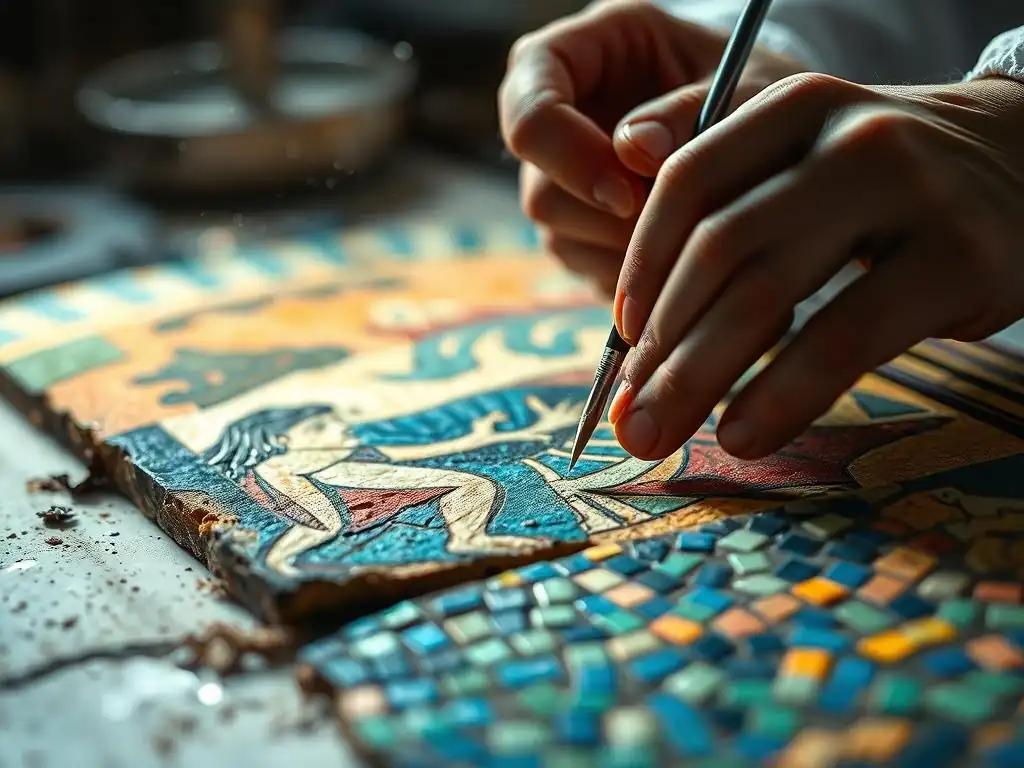
Conservation and restoration of Pompeii's mosaics employ a range of techniques, combining traditional craftsmanship with modern scientific methods. The primary goal is to stabilize the mosaics, prevent further deterioration, and, where necessary, restore damaged or deteriorated areas to their original appearance, while respecting archaeological authenticity. Initial conservation efforts often focus on cleaning the mosaics to remove surface dirt, biological growth, and previous restoration materials that may be causing harm.
Mechanical cleaning methods, such as brushing and delicate hand tools, are typically used to avoid damaging the tesserae and mortar. Consolidation techniques are employed to stabilize loose or detached tesserae and strengthen the mortar bed. This may involve injecting consolidants, such as lime-based grouts or synthetic resins, into cracks and voids to re-adhere tesserae and reinforce the mosaic structure.
Restoration, when necessary, aims to reintegrate missing or damaged areas of the mosaic, while clearly distinguishing restored sections from original material. This may involve replacing missing tesserae with new tesserae that match the original in material, color, and size, or using anastylosis, a technique of reassembling fragmented pieces of original mosaic. Protective measures are crucial for long-term preservation.
Sheltering mosaics from direct sunlight and rain is essential, often achieved through the construction of protective roofs or canopies over exposed areas. Drainage systems are implemented to divert water away from mosaic pavements and prevent waterlogging. Ongoing monitoring of environmental conditions, mosaic condition, and visitor impact is vital for proactive conservation management and timely intervention.
The Importance of Ongoing Conservation Efforts
Ongoing conservation efforts at Pompeii are of paramount importance for preserving its mosaics and ensuring their survival for future generations. The mosaics are not static artifacts but are constantly subject to environmental stresses and deterioration processes. Without continuous conservation and maintenance, these fragile works of art would inevitably degrade and be lost over time. Conservation is not a one-time intervention but an ongoing cycle of assessment, treatment, monitoring, and preventative measures. Regular inspections are necessary to identify areas of deterioration, assess the effectiveness of previous treatments, and plan for future conservation interventions.
Investing in conservation at Pompeii is not only about preserving artistic heritage but also about safeguarding a unique historical and cultural resource. Pompeii's mosaics provide invaluable insights into Roman art, society, and technology. Their preservation allows us to continue to learn from the past, appreciate the artistic achievements of ancient civilizations, and connect with human history in a tangible and meaningful way.
Furthermore, the mosaics are a significant economic asset for Italy, attracting millions of tourists each year and contributing to the local and national economy. Sustained investment in conservation is therefore essential for both cultural preservation and economic sustainability, ensuring that Pompeii's mosaics continue to inspire and educate for centuries to come.
The Legacy of Pompeii's Mosaics: Inspiration and Insight
Pompeii's Mosaics as a Window into Roman Culture
Pompeii's mosaics serve as an extraordinary window into Roman culture, offering unparalleled insights into the artistic tastes, social values, daily life, and beliefs of the ancient inhabitants of this ill-fated city. Unlike textual sources that often represent the perspectives of the elite, mosaics, found in homes, shops, and public spaces, provide a more direct and visual representation of Roman society across different social strata.
The themes depicted in the mosaics, from mythological narratives and religious symbols to scenes of commerce, entertainment, and domestic life, reveal the cultural preoccupations and values of the Pompeians. The artistic styles and techniques employed in mosaic creation reflect the evolution of Roman art and craftsmanship, showcasing the skill and ingenuity of Roman artisans.
Moreover, the placement and context of mosaics within Pompeian buildings provide valuable information about the function and social significance of different spaces. Mosaics in bathhouses, for example, often depict marine themes and mythological figures associated with water, reflecting the purpose and cultural associations of these public institutions.
Mosaics in private homes reveal the personal tastes and social aspirations of the homeowners, ranging from simple geometric patterns in modest dwellings to elaborate figural scenes in wealthy villas. By studying Pompeii's mosaics in their archaeological context, we gain a richer and more nuanced understanding of Roman culture, moving beyond grand narratives to glimpse the everyday lives and artistic expressions of the people who lived in this vibrant ancient city.
The Influence of Pompeian Art on Later Generations
The rediscovery of Pompeii in the 18th century had a profound impact on European art and design, sparking a renewed interest in classical antiquity and influencing artistic movements for centuries to come. Pompeian mosaics, along with frescoes and other artifacts, played a crucial role in shaping the Neoclassical style that dominated European art and architecture in the late 18th and early 19th centuries. The clean lines, balanced compositions, and classical themes of Pompeian art provided a direct inspiration for Neoclassical artists and designers, who sought to emulate the perceived purity and rationality of ancient Roman aesthetics.
Beyond Neoclassicism, the influence of Pompeian mosaics can be traced through various subsequent artistic movements, including Art Nouveau and Art Deco, which drew inspiration from the decorative patterns, vibrant colors, and stylized forms found in Pompeian mosaics. Modern mosaic art also owes a debt to the technical innovations and artistic achievements of Roman mosaicists, with contemporary artists continuing to explore and reinterpret the ancient techniques and aesthetic principles pioneered in Pompeii. The enduring appeal and influence of Pompeian mosaics demonstrate their timeless artistic quality and their lasting legacy as a source of inspiration for artists and designers across generations.
Visiting Pompeii: Experiencing the Mosaics Firsthand
Visiting Pompeii today offers an unparalleled opportunity to experience the mosaics firsthand and to walk in the footsteps of the ancient Romans. Strolling through the excavated streets and entering the preserved houses allows visitors to encounter the mosaics in their original context, providing a powerful and immersive experience of Roman life and art.
Seeing the mosaics in situ, underfoot in the homes and public spaces where they were originally created, offers a different perspective than viewing them in a museum setting. The play of light and shadow on the tessellated surfaces, the scale and layout of the mosaic pavements within the architecture of the buildings, and the overall atmosphere of the ancient city contribute to a unique and memorable encounter with Pompeian art.
Walking on the same floors where Roman citizens once walked, admiring the same decorative motifs and figural scenes that they would have seen daily, creates a tangible connection to the past. The mosaics, preserved by the volcanic ash, serve as a powerful reminder of the sudden and dramatic end of Pompeii, but also as a testament to the enduring beauty and artistry of Roman civilization.
A visit to Pompeii is not merely a sightseeing trip but a journey through time, allowing visitors to witness the remarkable preservation of an ancient city and to appreciate the enduring legacy of its artistic treasures, especially the captivating mosaics that lie artfully underfoot.
Conclusion: Pompeii Mosaics - A Testament to Art and Volcanic Preservation
Pompeii's mosaics stand as a remarkable testament to both the artistic achievements of the Roman world and the extraordinary preservation power of volcanic ash. These intricate floor decorations, crafted from countless tiny tesserae, offer a vibrant glimpse into Roman life, mythology, and aesthetic sensibilities. From the grand Alexander Mosaic in the House of the Faun to the iconic "Cave Canem" in the House of the Tragic Poet, and the humorous scenes in the House of the Vettii, Pompeian mosaics showcase a diverse range of themes, styles, and techniques, reflecting the rich artistic landscape of the Roman Empire.
The volcanic eruption of Mount Vesuvius in 79 AD, while catastrophic in its immediate impact, paradoxically became the agent of preservation for these artistic treasures. The thick layer of volcanic ash that buried Pompeii created a unique time capsule, shielding the mosaics from the ravages of time and environmental degradation.
This remarkable preservation allows us to appreciate the mosaics in a condition remarkably close to their original state, providing an unparalleled window into the past. Ongoing conservation efforts are crucial to ensure the continued survival of these fragile artworks for future generations, allowing Pompeii's mosaics to remain a source of inspiration, insight, and wonder, a testament to the enduring power of art and the unexpected gifts of volcanic nature.
Frequently Asked Questions
How did volcanic ash help preserve the mosaics in Pompeii?
The rapid burial by volcanic ash from Mount Vesuvius protected the mosaics from the elements and looting, creating a time capsule effect. This sealed them off, preserving their vibrant colors.
What are some common themes or subjects depicted in Pompeii's mosaics?
Pompeii mosaics often feature scenes from mythology, daily life, and nature. Common subjects include animal depictions, gladiatorial contests, and theatrical performances.
What materials were typically used to create the mosaics in Pompeii?
Pompeii mosaics were primarily made using tesserae, which are small pieces of colored stone, glass, or ceramic. These were carefully arranged and set into mortar to create the designs.
Besides mosaics, what other types of art were found preserved in Pompeii?
Beyond mosaics, Pompeii also yielded well-preserved frescoes (wall paintings), sculptures, and various artifacts. The volcanic ash preserved many aspects of daily Roman life.
What can the study of Pompeii's mosaics tell us about Roman society and culture?
The mosaics provide insights into Roman artistic preferences, social values, and everyday life. They offer valuable clues about wealth, status, and cultural beliefs of the inhabitants.
Final Reflection: Echoes of Eternity Under Ash
The story of Pompeii's mosaics, miraculously preserved by the very volcanic ash that buried the city, is more than just an archaeological marvel; it's a potent reminder of the fragility and enduring power of human creativity. These intricate artworks, frozen in time, offer a direct connection to the lives and aspirations of a civilization abruptly halted, yet eternally etched in stone.
The impact of these mosaics extends far beyond the realm of art history. They offer invaluable insights into Roman society, culture, and daily life. The sheer beauty and craftsmanship displayed in these underfoot masterpieces underscores the importance of preserving cultural heritage for future generations. The past is never dead. It's not even past.
- William Faulkner. This quote resonates deeply when considering Pompeii; its past is vividly alive in every tile, every color, every scene depicted in these stunning mosaics.
As we gaze upon these ancient artworks, unearthed from their volcanic tomb, let us not only marvel at their beauty but also reflect on our own legacy. What stories will our creations tell? What will endure beyond our time? Let the Pompeii mosaics inspire us to create with intention, to cherish the present, and to leave behind a world richer and more beautiful than we found it.
Here's a CTA for a web article titled "Pompeii's Mosaics: Art Underfoot, Preserved by Volcanic Ash" on a website called "Volcano Explorers" (volcanoexplorers.org):
Rediscover Ancient Art: Become a Mosaic Explorer!
Thank you for delving into the mesmerizing world of Pompeii's mosaics! We hope you've enjoyed uncovering these stunning snapshots of daily life, perfectly preserved by the eruption of Vesuvius. Now, let's bring that inspiration to life!
Here are a few ways you can continue your journey:
- Start your own mosaic project! Draw inspiration from Pompeii's designs and create a small mosaic artwork of your own.
- Share your favorite Pompeii mosaic image with a friend and spark a conversation about Roman art and history.
- Explore local museums for exhibits featuring Roman artifacts or mosaic art techniques.
Which Pompeii mosaic ignited your imagination the most, and what modern subject would you love to see immortalized in mosaic form?