
Mesopotamian Tablets of Ash and Fire: Did Ancient Scribes Record Volcanic Catastrophes?

Welcome to Volcano Explorers!
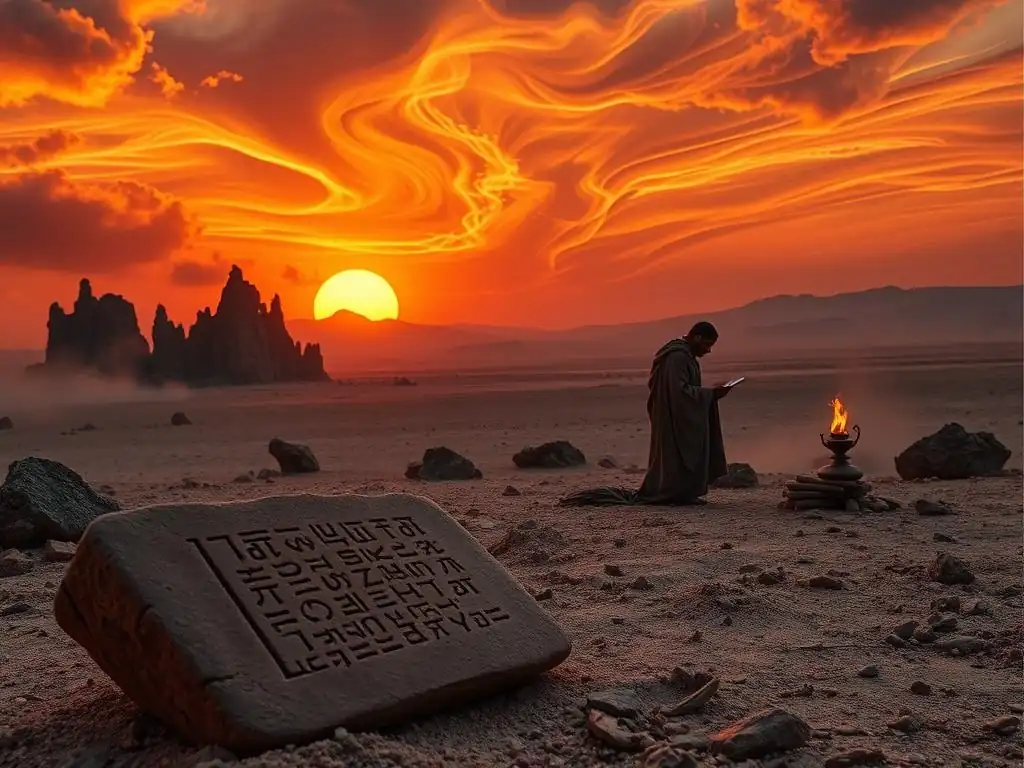
Prepare to journey back in time and unearth secrets buried beneath layers of ash. Did ancient civilizations witness volcanic events we thought lost to history? Our exploration of ancient volcanic eruption records begins here. Uncover the intriguing possibility that Mesopotamian scribes, using clay tablets, may have documented catastrophic eruptions, offering a new perspective on these powerful natural phenomena. Are you ready to decode the past and witness the fiery echoes of ancient volcanoes?
- Case Studies: Examining Specific Tablets for Evidence of Volcanic Eruptions
-
Frequently Asked Questions
- What does the website VolcanoExplorers.org primarily focus on?
- What is the central theme of the article "Mesopotamian Tablets of Ash and Fire: Did Ancient Scribes Record Volcanic Catastrophes? "?
- Why is the keyword "ancient volcanic eruptions records" important to VolcanoExplorers.org?
- Does the website offer information beyond the scientific aspects of volcanoes?
- What practical information does VolcanoExplorers.org provide for those living near volcanoes?
- Final Reflection: Echoes of Ancient Fire
- Unearth the Secrets: Become a Volcano Detective!
Case Studies: Examining Specific Tablets for Evidence of Volcanic Eruptions
The Epic of Gilgamesh: A Possible Reference to a Distant Volcanic Event?
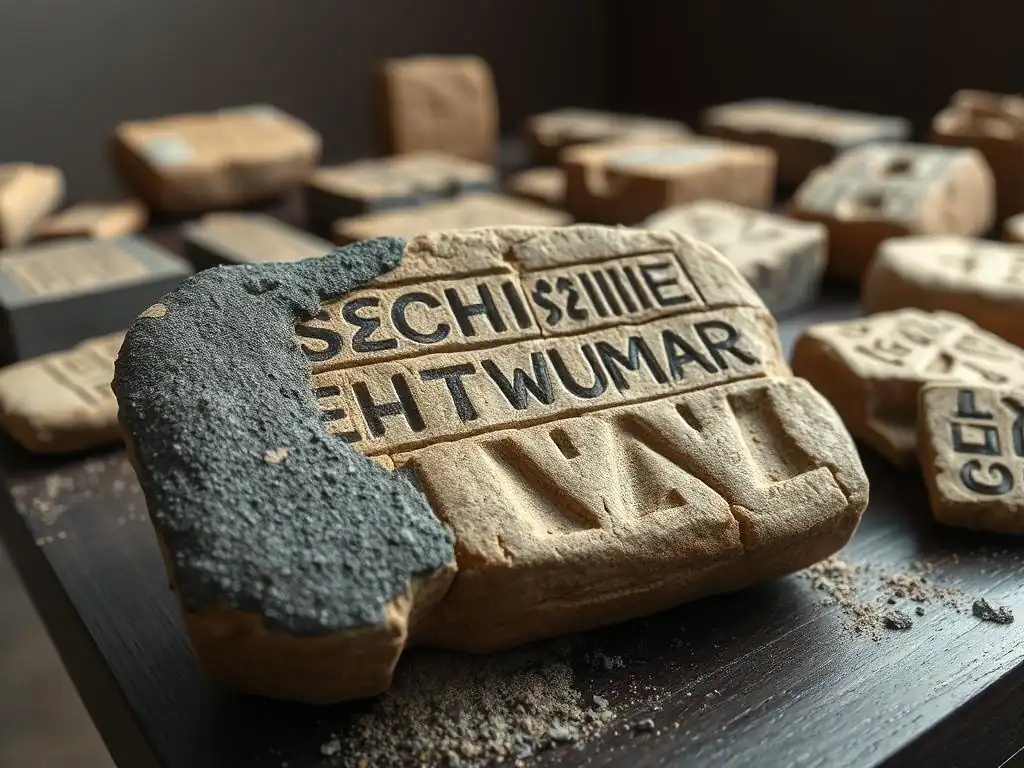
The Epic of Gilgamesh, one of the oldest known works of literature, originating in Mesopotamia, contains vivid descriptions of divine wrath and natural disasters that some scholars speculate might allude to ancient volcanic eruptions. Passages within the epic, particularly those detailing periods of intense darkness and widespread destruction, have been interpreted as potential metaphorical accounts of volcanic fallout.
For instance, the epic describes a great flood and storms unleashed by the gods, which could be symbolic representations of the environmental upheavals that accompany significant volcanic events. The darkness that shrouds the land in certain parts of the narrative might not solely be a mythical element but could reflect the real-world phenomenon of volcanic ash clouds blocking out the sun, a well-documented consequence of large eruptions.
However, it's crucial to approach interpretations of mythological texts like the Epic of Gilgamesh with caution when seeking direct historical accounts of volcanic eruptions. The epic is primarily a work of myth, legend, and moral storytelling, not a scientific or historical chronicle in the modern sense. While the narrative richness and dramatic imagery could be inspired by real environmental events experienced or passed down through generations, separating metaphorical language from literal descriptions remains a significant challenge.
Attributing specific passages definitively to volcanic eruptions requires corroborating evidence from other sources, as the epic's primary purpose was not to document geological events but to explore themes of mortality, heroism, and the human condition within a cosmic framework. The descriptions of darkness and devastation could equally be allegorical representations of societal collapse, warfare, or other forms of natural calamities familiar to ancient Mesopotamians.
The Akkadian Lamentations: Investigating Accounts of Environmental Catastrophe
The Akkadian Lamentations, a collection of poetic texts from ancient Mesopotamia, offer compelling narratives of societal collapse and environmental devastation that resonate with the potential aftermath of a large-scale volcanic eruption. These lamentations, such as the "Lament for Ur," depict widespread famine, disease, and societal breakdown, often attributing these calamities to divine displeasure or cosmic shifts.
Texts describe once-fertile lands turning barren, rivers running dry, and populations suffering from hunger and pestilence. While these texts are imbued with religious and moral interpretations of suffering, the scale and nature of the described environmental changes raise the possibility that a volcanic eruption, or a series of eruptions, could have been a contributing factor, if not the primary trigger, for the crises depicted.
Volcanic ash clouds, known to have caused years-long periods of reduced sunlight and global cooling following major eruptions, could indeed have triggered the agricultural collapse described in the Akkadian Lamentations. The fine particles of ash can blanket arable land, poisoning soil and disrupting crop growth for extended periods. Furthermore, volcanic eruptions can release gases that contribute to acid rain, further damaging vegetation and water sources.
If a significant volcanic event coincided with the period described in the Lamentations, the texts, while not explicitly naming volcanoes, could be understood as indirect, culturally filtered accounts of the devastating environmental and societal consequences of such an event. Researchers are increasingly exploring the timeline of these lamentations in comparison to known volcanic eruption chronologies to investigate potential correlations and strengthen the hypothesis that these ancient texts might preserve memories of volcanic catastrophes.
Tablets from Tell Leilan: Evidence of Environmental Change
Tell Leilan, an archaeological site in northeastern Syria, has yielded a wealth of cuneiform tablets, including administrative, religious, and literary texts that offer valuable insights into the environment and society of ancient Mesopotamia. Within the administrative texts, researchers have discovered mentions of unusual weather patterns, crop failures, and resource scarcity, which could potentially be linked to volcanic events.
For instance, records detailing drastic reductions in grain yields or unusual patterns of rainfall or drought might indicate environmental stress caused by volcanic aerosols impacting regional climate. These administrative documents, while not explicitly describing volcanic eruptions, provide a ground-level view of the practical consequences of environmental shifts that could be volcanically induced.
Furthermore, religious texts from Tell Leilan, including prayers and incantations, sometimes invoke divine wrath and natural disasters as explanations for societal suffering. While these texts are framed within a religious worldview, the descriptions of widespread devastation and environmental upheaval could be interpreted as reflections of real events, potentially including the impacts of volcanic eruptions.
Investigating specific tablets from Tell Leilan, particularly those dating to periods of known environmental stress in the region, and analyzing them for mentions of unusual atmospheric phenomena, agricultural crises, or societal disruptions, could provide further evidence supporting the theory that ancient Mesopotamian scribes, even if indirectly, documented the profound consequences of ancient volcanic eruptions through their diverse written records.
Frequently Asked Questions
What does the website VolcanoExplorers.org primarily focus on?
VolcanoExplorers.org is dedicated to exploring the dramatic world of volcanoes, covering the science behind volcanic activity, famous eruptions, and safety information. It also includes photography, travel, and the cultural significance of volcanoes.
What is the central theme of the article "Mesopotamian Tablets of Ash and Fire: Did Ancient Scribes Record Volcanic Catastrophes? "?
The article investigates whether ancient Mesopotamian scribes documented volcanic eruptions in their records, particularly on cuneiform tablets. It explores the potential link between these records and known ancient volcanic eruptions records.
Why is the keyword "ancient volcanic eruptions records" important to VolcanoExplorers.org?
The keyword helps VolcanoExplorers.org attract users interested in the historical impact of volcanoes. Ranking for this term increases the site's visibility in searches related to past volcanic events and their documentation.
Does the website offer information beyond the scientific aspects of volcanoes?
Yes, VolcanoExplorers.org includes sections on photography, travel, and the cultural significance of volcanoes. It aims to capture both the scientific and awe-inspiring aspects of these natural wonders.
What practical information does VolcanoExplorers.org provide for those living near volcanoes?
The website provides safety guides, evacuation tips, and real-time updates on volcanic activity worldwide. This aims to help people near active volcanoes stay informed and safe.
Final Reflection: Echoes of Ancient Fire
The exploration of Mesopotamian tablets, as potential ancient volcanic eruption records, reveals a profound connection between humanity and the raw power of nature, a connection that resonates even more deeply in our era of climate change awareness. The scribes of Ashur and Babylon, through their meticulous cuneiform, might have unknowingly documented events that shaped not only their own civilizations but also left echoes that continue to influence our understanding of Earth's dynamic processes.
The possibility that these clay tablets hold clues to past volcanic events underscores the enduring human need to understand and record our experiences, especially those shaped by catastrophic forces. This search for understanding, etched in clay millennia ago, mirrors our own contemporary efforts to decipher the planet's history and predict future events. The past is never dead. It's not even past.
- William Faulkner. This quote encapsulates the idea that the echoes of ancient events, like volcanic eruptions, continue to shape our present and future.
As we close this exploration into the potential volcanic narratives hidden within Mesopotamian tablets, let us remember that the quest for knowledge is a continuous journey. Consider how the lessons learned from these ancient records, if confirmed, can inform our understanding of volcanic hazards and contribute to building more resilient communities. Let us strive to be as diligent as those ancient scribes, documenting our own experiences and contributing to a collective understanding that will benefit generations to come.
Unearth the Secrets: Become a Volcano Detective!
Thank you for joining us on this fascinating journey through ancient Mesopotamia and its potential connection to volcanic events. We hope you enjoyed exploring the intriguing possibility that ancient scribes documented cataclysmic eruptions. Now, it's your turn to contribute to the ongoing investigation!
What can you do next?
- Delve Deeper: Research volcanic activity between 3500 and 1500 BCE and see if any known eruptions correlate with the descriptions found on the tablets. Share your findings in the comments!:
- Explore our website, VolcanoExplorers.org, for more articles on ancient volcanic events and their impact on civilizations. You might be surprised at what you discover!
- Discuss the implications of these potential volcanic records with your friends and fellow history buffs. Could this reshape our understanding of ancient Mesopotamian history?
What compelling evidence have you uncovered that supports or refutes the link between Mesopotamian tablets and ancient volcanic eruptions? Share your insights below!