
Nyiragongo's Lava's Long Shadow: The Lasting Psychological Impact on Goma

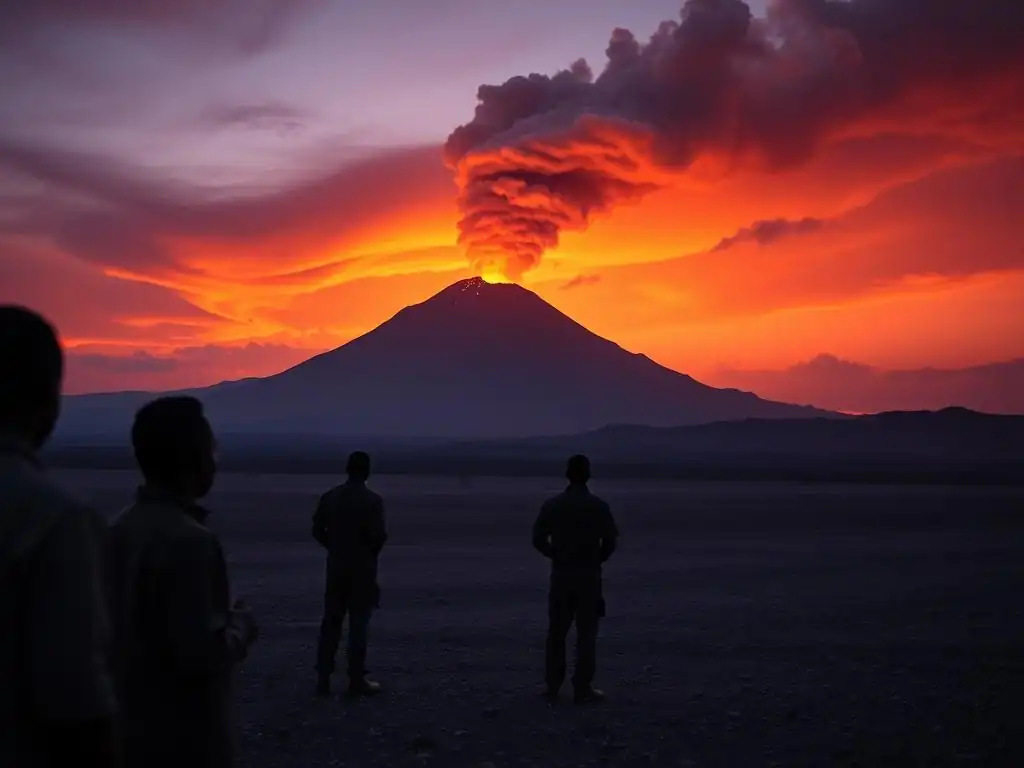
Welcome to Volcano Explorers!
Prepare to journey into the heart of Earth's fiery soul. But beyond the breathtaking power and molten beauty, lies a hidden side to these geological giants. Have you ever considered the unseen scars left behind by volcanic fury? Our feature article, "Nyiragongo's Lava's Long Shadow," delves into the often-overlooked psychological effects of volcanic eruptions, exploring how communities like Goma grapple with the aftermath long after the lava cools.
Discover the lasting impact and understand the human story behind these awe-inspiring events. What secrets does the mountain hold, and what does it reveal about the resilience of the human spirit? Dare to explore further...
- Introduction: Nyiragongo's Eruptions and Goma's Trauma
- Understanding the Psychological Effects of Volcanic Eruptions
- Nyiragongo's Eruptions: A Case Study in Psychological Trauma
- Factors Contributing to Psychological Vulnerability in Goma
- Addressing the Psychological Needs of Goma's Population
- Conclusion: Fostering Healing and Resilience in Goma After Nyiragongo's Eruptions
-
Frequently Asked Questions
- How does living near an active volcano like Nyiragongo affect the mental health of residents in Goma?
- What are some common psychological symptoms experienced by people who have survived volcanic eruptions?
- What kind of support can be offered to communities affected by volcanic eruptions to address their psychological needs?
- How can awareness of the psychological effects of volcanic eruptions be improved among the general public and policymakers?
- What long-term strategies can be implemented to mitigate the psychological impact of living in a volcanically active region like Goma?
- Final Reflection: Enduring Scars of Fire
- Rebuild Hope: Supporting Goma After Nyiragongo's Eruption
Introduction: Nyiragongo's Eruptions and Goma's Trauma
Mount Nyiragongo, an active stratovolcano looming over the city of Goma in the Democratic Republic of Congo, is as much a part of the landscape as it is a source of persistent anxiety for its inhabitants. Goma, a bustling city nestled beside Lake Kivu, has lived under the constant threat of Nyiragongo's volatile nature.
The volcano's two major eruptions in recent history, in 2002 and 2021, are not merely geological events relegated to history books; they are deeply etched into the collective psyche of Goma's residents. These eruptions, characterized by their fast-flowing lava and devastating consequences, have left an indelible mark on the mental health of the population, casting a long shadow of psychological trauma that extends far beyond the immediate physical destruction.
The narrative of Goma is intertwined with the story of Nyiragongo. The eruptions are not isolated incidents but rather defining moments that have shaped the city's identity and the well-being of its people. Understanding the psychological effects of volcanic eruptions in this context is crucial.
It is not just about the immediate aftermath of lava flows and ashfall; it is about the enduring emotional and mental scars left on individuals and communities. This article delves into the profound psychological impact of Nyiragongo’s eruptions on Goma, exploring the immediate and long-term mental health consequences, the factors that exacerbate vulnerability, and the pathways towards healing and resilience in the face of such recurrent natural disasters.
Understanding the Psychological Effects of Volcanic Eruptions
Volcanic eruptions, with their earth-shattering power and potential for widespread devastation, are inherently traumatic events. The psychological effects of volcanic eruptions are multifaceted, ranging from immediate reactions to long-lasting mental health challenges. Understanding these psychological responses is essential for providing effective support and fostering community recovery in volcanically active regions. The sudden onset, the sheer scale of destruction, and the unpredictable nature of volcanic events contribute to a unique set of psychological stressors that differentiate them from other types of disasters.
The psychological impact is not solely determined by the physical damage inflicted. Factors such as the perceived threat level, the loss of loved ones or property, displacement from homes, and the disruption of social structures all play significant roles in shaping mental health outcomes.
Moreover, pre-existing vulnerabilities, such as poverty, social inequality, and previous traumatic experiences, can amplify the psychological burden of volcanic eruptions. Studying the psychological effects of volcanic eruptions allows for the development of targeted interventions and preparedness strategies that address the mental health needs of affected populations, building resilience and promoting long-term well-being in communities living in the shadow of these powerful natural forces.
The Immediate Psychological Impact of Volcanic Disasters
In the immediate aftermath of a volcanic eruption, individuals and communities experience a range of acute psychological reactions. The initial response is often characterized by shock and disbelief, as the magnitude of the event and its consequences begin to sink in. Fear and anxiety are pervasive emotions, driven by the immediate threat to life, safety, and property.
For instance, during the 2018 Kilauea eruption in Hawaii, residents described experiencing intense fear as lava fountains erupted nearby and volcanic gases filled the air, creating a sense of immediate danger and uncertainty. This initial phase is also marked by heightened stress responses, including increased heart rate, difficulty sleeping, and intrusive thoughts related to the eruption.
Disorientation and confusion are common as people struggle to process the chaotic and often overwhelming sensory input associated with volcanic events – the rumbling sounds, the smell of sulfur, the sight of ash and lava. Panic attacks may occur, especially during moments of intense volcanic activity or evacuation. Children are particularly vulnerable during this phase, exhibiting signs of distress such as crying, clinging behavior, and regression.
The immediate psychological impact is a natural human response to a terrifying and life-threatening situation, and understanding these initial reactions is crucial for providing prompt psychological first aid and support to those affected by volcanic disasters. Providing clear information, ensuring safety, and offering basic emotional support are key interventions during this critical period.
Long-Term Psychological Consequences of Volcanic Events
While the immediate psychological responses to volcanic eruptions are intense but often transient, the long-term psychological consequences can be profound and enduring. For many individuals, the trauma of experiencing a volcanic disaster can lead to the development of post-traumatic stress disorder (PTSD).
PTSD is characterized by intrusive memories of the event, avoidance of reminders of the trauma, negative changes in mood and cognition, and hyperarousal symptoms such as exaggerated startle response and difficulty concentrating. Studies conducted after the Mount St. Helens eruption in 1980 revealed elevated rates of PTSD among affected communities, highlighting the long-lasting psychological scars of volcanic events.
Beyond PTSD, volcanic eruptions can contribute to other mental health problems, including depression, anxiety disorders, and substance abuse. The loss of homes, livelihoods, and community infrastructure can lead to chronic stress and feelings of hopelessness, increasing the risk of depression. The ongoing threat of future eruptions and the uncertainty surrounding recovery can fuel persistent anxiety.
Furthermore, the disruption of social support networks and the erosion of community cohesion can exacerbate mental health challenges. Children who experience volcanic eruptions may be at increased risk of developing long-term emotional and behavioral problems. Addressing the long-term psychological consequences of volcanic events requires sustained mental health services, community-based support programs, and efforts to rebuild not only physical infrastructure but also social and emotional well-being.
Nyiragongo's Eruptions: A Case Study in Psychological Trauma
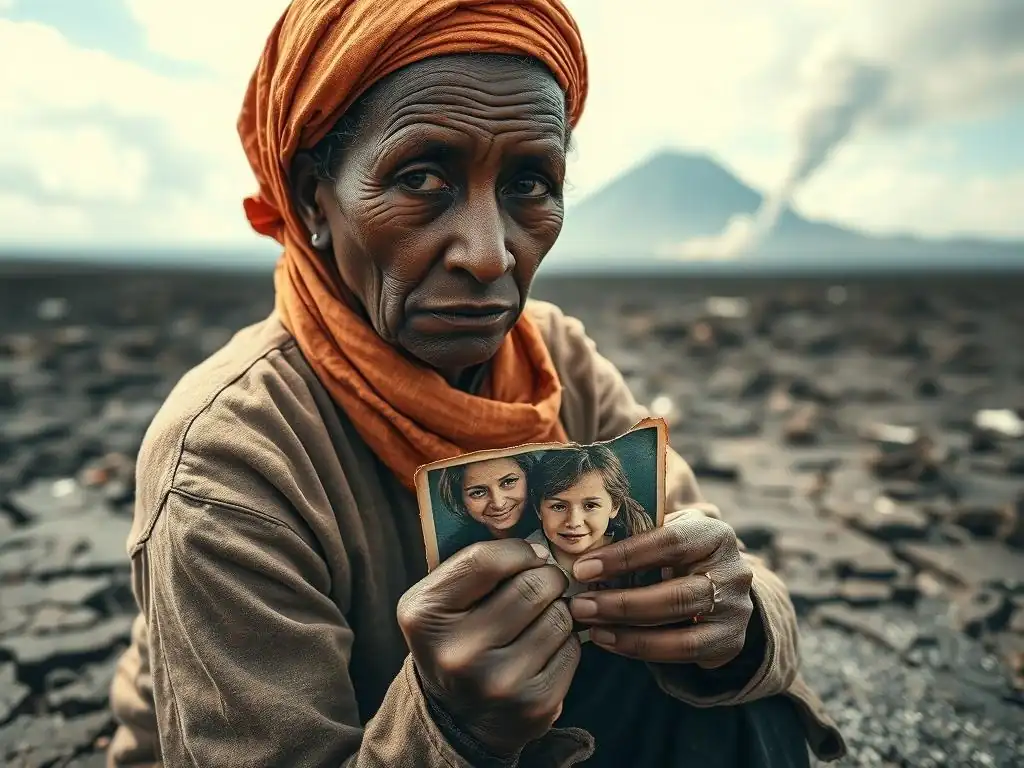
Nyiragongo's eruptions in 2002 and 2021 serve as stark case studies illustrating the profound psychological trauma inflicted upon the population of Goma. These events were not mere geological phenomena; they were deeply personal and community-wide traumas that have shaped the mental health landscape of the city.
The rapid lava flows, the widespread destruction, the displacement of hundreds of thousands, and the ever-present threat of future eruptions have created a unique context of psychological vulnerability in Goma. Understanding the specific psychological impacts of these eruptions is crucial for developing targeted interventions and promoting long-term recovery and resilience in this volcanically active region.
The experiences of Goma's residents during and after the 2002 and 2021 eruptions offer valuable insights into the specific psychological effects of living under the shadow of an active volcano. These eruptions are not isolated incidents; they are part of a continuum of stress and uncertainty that characterizes life in Goma.
The psychological scars of these events are interwoven with the daily realities of poverty, political instability, and ongoing conflict in the region, creating a complex web of challenges that impact the mental health and well-being of the population. Examining Nyiragongo's eruptions through the lens of psychological trauma highlights the urgent need for comprehensive mental health support and preparedness strategies in Goma.
The 2002 Eruption: Initial Shock and Displacement in Goma
The 2002 eruption of Nyiragongo was a cataclysmic event that plunged Goma into chaos and left lasting psychological wounds. The eruption began unexpectedly on January 17th, sending fast-moving lava flows directly through the city. The speed and intensity of the eruption were particularly traumatizing.
Residents were caught off guard, many fleeing their homes with only moments to spare as lava engulfed neighborhoods. The immediate psychological impact was profound: shock, terror, and utter disbelief were widespread. Eyewitness accounts from survivors in 2002 describe scenes of mass panic, with people running in all directions amidst smoke, ash, and the glow of molten rock.
The eruption displaced hundreds of thousands of people, forcing them into overcrowded refugee camps or into host communities with limited resources. This mass displacement was itself a significant trauma, separating families, disrupting social networks, and creating conditions of extreme hardship. The loss of homes, businesses, and livelihoods further exacerbated the psychological distress.
Studies conducted in the aftermath of the 2002 eruption indicated high rates of acute stress disorder and depression among the affected population. The sheer scale of destruction and the sudden loss of normalcy contributed to a collective trauma that resonated deeply within the community and continued to affect mental health long after the lava had cooled.
The 2021 Eruption: Re-Triggering Past Trauma and New Anxieties
Almost two decades after the devastating 2002 eruption, Nyiragongo erupted again in May 2021, re-triggering past traumas and generating new anxieties for the residents of Goma. While the 2021 eruption was less destructive in terms of lava flow extent compared to 2002, it nonetheless had a significant psychological impact. For many in Goma, the 2021 eruption served as a stark reminder of the vulnerability and the ever-present threat posed by Nyiragongo. The sounds of volcanic activity, the tremors, and the evacuation orders immediately brought back memories of the 2002 disaster, re-activating the trauma associated with that event.
The 2021 eruption triggered a wave of anxiety and fear, particularly among those who had directly experienced the 2002 eruption. Even those who were children in 2002, or who had moved to Goma since, felt the collective anxiety and the palpable sense of danger. The uncertainty surrounding the eruption – its duration and potential impact – fueled heightened stress levels.
Although the lava flow in 2021 did not reach the city center as it did in 2002, the evacuation of hundreds of thousands of people and the disruption to daily life created new stressors. The 2021 eruption underscored the long-term psychological vulnerability of Goma's population and highlighted the need for sustained mental health support and preparedness strategies to address the ongoing psychological effects of living with the threat of Nyiragongo.
Factors Contributing to Psychological Vulnerability in Goma
Goma's population exhibits heightened psychological vulnerability to volcanic eruptions due to a complex interplay of factors. These factors extend beyond the immediate physical threat of Nyiragongo and encompass socioeconomic challenges, pre-existing mental health issues, and the broader context of life in a region marked by conflict and instability. Understanding these contributing factors is essential for developing effective and culturally sensitive mental health interventions and resilience-building programs in Goma. Addressing these vulnerabilities requires a multi-faceted approach that goes beyond disaster response and considers the broader social determinants of mental health.
The psychological impact of volcanic eruptions in Goma is amplified by the chronic stressors already present in the community. These stressors include poverty, food insecurity, displacement due to ongoing conflict in eastern Congo, and limited access to healthcare and education. These pre-existing vulnerabilities create a baseline of psychological strain that makes the population more susceptible to the traumatic effects of volcanic events. Moreover, the lack of adequate mental health services and the stigma associated with mental illness further exacerbate the challenges faced by individuals struggling with the psychological consequences of volcanic eruptions.
Socioeconomic Challenges and Pre-Existing Mental Health Issues
Socioeconomic challenges in Goma significantly contribute to the psychological vulnerability of its population to volcanic eruptions. Poverty is widespread, with a significant portion of the population living in precarious economic conditions. This economic hardship means that many families lack the resources to cope effectively with disasters, including the financial means to evacuate, rebuild, or access mental health support. Food insecurity is also a persistent issue, further adding to the daily stresses faced by residents. These chronic socioeconomic stressors create a backdrop of vulnerability that amplifies the psychological impact of volcanic events.
Pre-existing mental health issues are also prevalent in Goma, although often under-addressed and under-treated. Years of conflict, displacement, and exposure to violence have taken a toll on the mental health of the population. Rates of depression, anxiety, and trauma-related disorders are likely higher than in many other regions, although data is limited due to the lack of systematic mental health surveillance.
These pre-existing mental health conditions make individuals more susceptible to the psychological trauma of volcanic eruptions. Furthermore, the stigma associated with mental illness in many communities can prevent people from seeking help, further exacerbating their vulnerability. Addressing the socioeconomic challenges and improving access to mental health services are crucial steps in reducing psychological vulnerability in Goma.
Community Resilience and Coping Mechanisms in the Face of Volcanic Threat
Despite the significant psychological challenges and vulnerabilities, the community in Goma also demonstrates remarkable resilience and employs various coping mechanisms in the face of the volcanic threat. Community resilience refers to the ability of a community to withstand, adapt to, and recover from adversity. In Goma, this resilience is evident in the strong social networks, the collective spirit of mutual support, and the cultural and religious practices that provide comfort and meaning in the face of hardship. These community-based resources play a vital role in mitigating the psychological impact of volcanic eruptions.
Coping mechanisms employed by residents of Goma include seeking support from family and friends, engaging in religious or spiritual practices, and utilizing traditional healing methods. Strong family and community bonds provide a crucial buffer against psychological distress. Religious faith offers solace and a sense of meaning in the face of unpredictable and uncontrollable events.
Traditional healers and community leaders often play a significant role in providing psychosocial support and promoting coping strategies within the community. Recognizing and building upon these existing community resources is essential for developing culturally appropriate and sustainable mental health and resilience-building programs in Goma. Supporting and strengthening these existing coping mechanisms can enhance the community's capacity to navigate the psychological challenges posed by Nyiragongo.
Addressing the Psychological Needs of Goma's Population
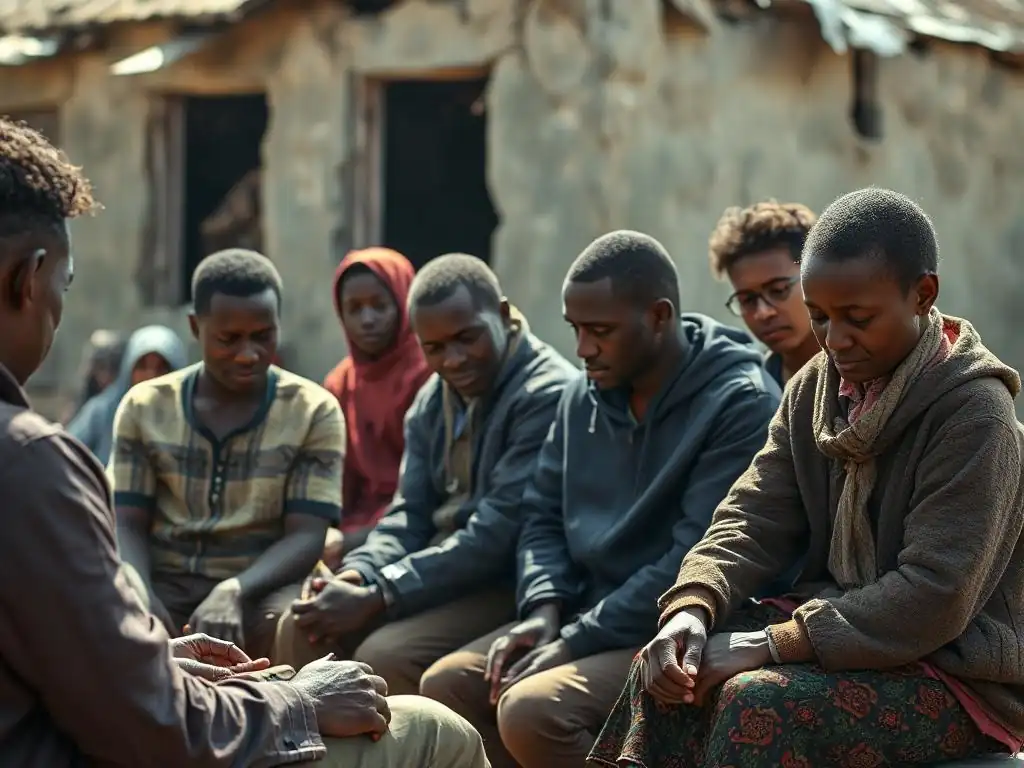
Addressing the psychological needs of Goma's population in the aftermath of Nyiragongo's eruptions, and in anticipation of future volcanic events, is a critical undertaking. It requires a comprehensive and sustained approach that integrates mental health support into disaster preparedness and recovery efforts. This approach must be culturally sensitive, community-based, and accessible to all segments of the population, particularly those most vulnerable. Investing in mental health services and promoting resilience is not only a humanitarian imperative but also essential for the long-term social and economic well-being of Goma.
Effective interventions must move beyond simply treating individual mental health problems and address the broader social and environmental factors that contribute to psychological distress. This includes strengthening community support networks, promoting economic opportunities, improving access to education and healthcare, and reducing exposure to violence and conflict.
A holistic approach that integrates mental health into all aspects of community development is essential for fostering lasting healing and resilience in Goma. Furthermore, it is crucial to involve local communities in the design and implementation of mental health programs to ensure that they are culturally appropriate and meet the specific needs of the population.
The Importance of Mental Health Support and Intervention Programs
The importance of mental health support and intervention programs in Goma cannot be overstated. Given the repeated traumas of volcanic eruptions, coupled with pre-existing vulnerabilities, the mental health needs of the population are significant and ongoing. Mental health services are not a luxury but a fundamental necessity in a context where psychological trauma is a pervasive reality. Providing access to mental health care is essential for alleviating suffering, promoting individual and community recovery, and building resilience in the face of future volcanic threats.
Intervention programs should be tailored to the specific needs of different age groups and vulnerable populations, including children, adolescents, women, and those who have experienced displacement or loss. Services should include psychological first aid in the immediate aftermath of eruptions, as well as longer-term therapies for PTSD, depression, and anxiety disorders. Community-based mental health programs, delivered by trained local professionals, are particularly effective in reaching a wider population and reducing stigma.
Integrating mental health services into existing healthcare systems and community organizations is crucial for ensuring sustainability and accessibility. Investing in mental health training for healthcare workers, educators, and community leaders can further enhance the capacity to provide psychosocial support at all levels.
Strategies for Promoting Mental Well-being and Resilience
Strategies for promoting mental well-being and resilience in Goma must be multi-faceted and long-term. Building resilience is not a quick fix but an ongoing process that requires sustained effort and community participation. These strategies should focus on strengthening individual coping skills, enhancing social support networks, and creating a more supportive and resilient community environment. Prevention is also key, involving preparedness measures to mitigate the psychological impact of future volcanic eruptions.
Promoting mental well-being can involve a range of approaches, including psychoeducation to raise awareness about mental health and reduce stigma, stress management techniques, and community-based activities that foster social connection and cohesion. Resilience can be enhanced through programs that build coping skills, problem-solving abilities, and self-efficacy. Community-based disaster preparedness initiatives should include psychological preparedness components, such as training on psychological first aid and developing community-based support systems.
Investing in education, economic opportunities, and social services can also contribute to long-term resilience by addressing the underlying socioeconomic vulnerabilities that exacerbate psychological distress. Empowering communities to take ownership of their mental health and resilience-building efforts is essential for creating lasting positive change in Goma.
Conclusion: Fostering Healing and Resilience in Goma After Nyiragongo's Eruptions
Nyiragongo's eruptions have cast a long shadow over Goma, leaving an enduring legacy of psychological trauma. The 2002 and 2021 events are not just historical occurrences but living experiences etched into the minds and hearts of the city's residents. Understanding the psychological effects of volcanic eruptions in this context is paramount for effective intervention and long-term support. The path to healing and resilience in Goma requires a sustained commitment to addressing the mental health needs of the population, recognizing the unique vulnerabilities and strengths of this community living in the shadow of an active volcano.
Fostering healing and resilience in Goma is a collective responsibility. It requires the collaboration of government agencies, international organizations, local communities, and individuals. Investing in mental health services, promoting community-based support systems, and addressing the underlying socioeconomic factors that contribute to vulnerability are essential steps.
By prioritizing mental well-being and building upon the inherent resilience of Goma's population, it is possible to move towards a future where the long shadow of Nyiragongo's eruptions is gradually replaced by the light of hope, healing, and enduring strength. The psychological effects of volcanic eruptions are a serious concern, and continuous support is needed to help communities like Goma thrive despite these natural challenges.
Frequently Asked Questions
How does living near an active volcano like Nyiragongo affect the mental health of residents in Goma?
Living near an active volcano can lead to significant psychological distress, including anxiety, depression, and post-traumatic stress disorder (PTSD). The constant threat of eruption creates a persistent state of fear and uncertainty.
What are some common psychological symptoms experienced by people who have survived volcanic eruptions?
Common symptoms include flashbacks, nightmares, hypervigilance, and a general feeling of helplessness. These symptoms can significantly impair daily functioning and overall quality of life.
What kind of support can be offered to communities affected by volcanic eruptions to address their psychological needs?
Mental health support is crucial, including counseling, trauma-informed therapy, and community-based programs that promote resilience and coping mechanisms. Psychological first aid immediately following an eruption is also vital.
How can awareness of the psychological effects of volcanic eruptions be improved among the general public and policymakers?
Educational campaigns are essential to raise awareness about the mental health consequences of volcanic disasters. This can lead to better preparedness, resource allocation, and policy changes to support affected communities.
What long-term strategies can be implemented to mitigate the psychological impact of living in a volcanically active region like Goma?
Community resilience programs, early warning systems that incorporate mental health considerations, and long-term mental healthcare infrastructure are crucial. Proactive planning and ongoing support are key to promoting well-being.
Final Reflection: Enduring Scars of Fire
The narrative of Nyiragongo's eruption and its aftermath, as detailed in this article, serves as a stark reminder that volcanic disasters leave behind more than just physical devastation. The psychological wounds inflicted on the people of Goma, often unseen and unacknowledged, continue to shape their lives and communities long after the lava has cooled. Understanding these enduring psychological effects is crucial for effective disaster relief and long-term recovery efforts.
The trauma experienced by the residents of Goma underscores the profound and lasting impact of such events on the human psyche. Witnessing the destruction, losing loved ones, and facing constant uncertainty create deep-seated anxieties and fears that can persist for generations. The emotional scars of a disaster can be as devastating as the physical ones, and often take much longer to heal.
This quote perfectly encapsulates the ongoing struggle faced by the people of Goma, highlighting the urgent need for comprehensive mental health support and community-based healing initiatives.
As we reflect on the "Psychological Effects of Volcanic Eruptions," let us not forget the human cost behind the scientific data and geological analyses. Consider how you can contribute to raising awareness about the importance of mental health support in disaster-stricken areas. Let us strive to foster empathy and understanding, ensuring that the voices of those affected are heard and that their psychological well-being is prioritized in all future disaster preparedness and response efforts.
Rebuild Hope: Supporting Goma After Nyiragongo's Eruption
Thank you for reading about the lasting psychological impact of Nyiragongo's eruption on the community of Goma. We hope this article has shed light on the resilience of the people and the continued need for support. Now, let's turn our understanding into action:
- Support local mental health initiatives in Goma by donating. This is a direct way to provide crucial help to those still coping with the trauma. You can find links to reputable organizations on our website.
- Share this article to raise awareness about the long-term mental health consequences of volcanic disasters. Let's start a conversation and encourage empathy and understanding.
- Learn more about disaster preparedness and community resilience in volcanic regions by exploring other articles on VolcanoExplorers.org. Broaden your knowledge and inspire further action.
What small act of kindness or support will you offer this week to honor the strength of the Goma community?