
Goma's Rebirth: How the City Recovered After Nyiragongo's Lava Devastation

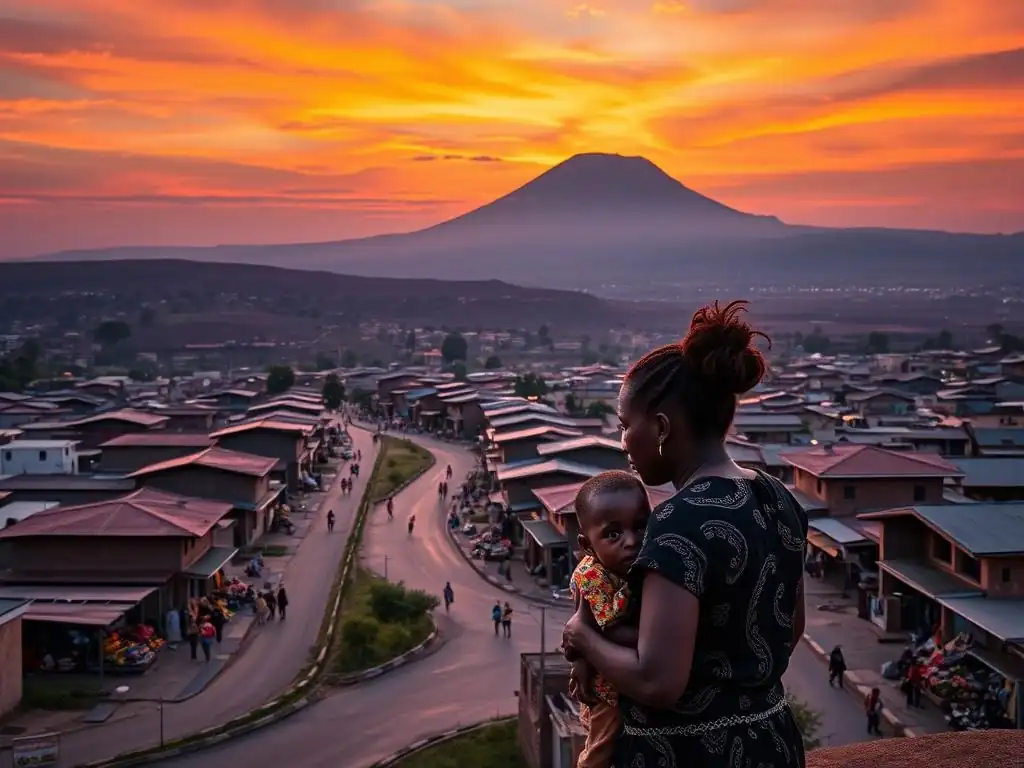
Welcome to Volcano Explorers, where the Earth breathes fire and molten rock sculpts the world! Ever wondered how life reclaims its space even after unimaginable devastation? Prepare to witness resilience in action. Our feature article, "Goma's Rebirth: How the City Recovered After Nyiragongo's Lava Devastation," plunges you into the heart of one of history's most dramatic eruptions and the incredible story of Nyiragongo lava flow recovery. What secrets does this ravaged landscape hold, and how did a city rise from the ashes? The answers await... continue your exploration!
- Nyiragongo's Fury: The 2002 Eruption and its Impact on Goma
- The Long Road to Recovery: Goma's Resilience After the Lava Flow
- Community-Led Initiatives: Goma's Response to Nyiragongo's Challenge
- Scientific Monitoring and Early Warning Systems: Protecting Goma from Future Eruptions
- Lessons Learned and Future Preparedness: Minimizing the Impact of Volcanic Eruptions in Goma
- Nyiragongo's Ongoing Threat: Goma's Continued Vigilance
-
Frequently Asked Questions
- What were the primary challenges Goma faced immediately after the Nyiragongo lava flow?
- How did the international community assist Goma in its post-eruption recovery?
- What role did local communities play in the recovery process following the Nyiragongo eruption?
- What long-term strategies were implemented to mitigate the risk of future volcanic eruptions in Goma?
- How has the economy of Goma been impacted, both positively and negatively, by the presence of Mount Nyiragongo?
- Final Reflection: The Enduring Spirit of Goma
- Unleash Your Inner Volcanologist: Continue Goma's Story!
Nyiragongo's Fury: The 2002 Eruption and its Impact on Goma
The Devastating Lava Flow of 2002: A City Under Siege
On January 17, 2002, Mount Nyiragongo, one of the world's most active and dangerous volcanoes, unleashed its fury upon the unsuspecting city of Goma in the Democratic Republic of Congo. The eruption, triggered by tectonic rifting, sent rivers of fast-moving lava flowing directly through the heart of the city.
Unlike the slow-moving, viscous lava often associated with volcanic eruptions, Nyiragongo's lava is notably fluid and fast-flowing due to its low silica content and high temperatures, reaching speeds of up to 60 miles per hour in some channels. This characteristic made the 2002 Nyiragongo lava flow exceptionally destructive and challenging to outrun, catching many residents off guard and contributing to the disaster's severity.
The fissures that opened on Nyiragongo's flanks rapidly drained the lava lake within its crater, sending an estimated 10 million cubic meters of molten rock cascading down towards Goma. Two major lava streams carved their way through the urban landscape, bisecting the city and reaching Lake Kivu. The intensity of the eruption was compounded by the region's dense population and limited infrastructure, making evacuation and emergency response incredibly difficult. The sheer volume and speed of the Nyiragongo lava flow overwhelmed Goma's defenses, leaving a trail of destruction and reshaping the city's geography in a matter of hours.
Immediate Aftermath: Loss of Life and Displacement in Goma
The immediate aftermath of the Nyiragongo eruption was marked by chaos and tragedy. While official figures are debated, it is estimated that approximately 250 people lost their lives, many directly engulfed by the fast-moving lava flow or succumbing to asphyxiation from the volcanic gases released. The eruption also triggered widespread panic, leading to a mass exodus of Goma's population.
Hundreds of thousands of residents fled their homes, seeking refuge in neighboring towns and across the border into Rwanda. Within hours, Goma, a bustling city, was largely deserted, transformed into a ghost town under a pall of volcanic ash and smoke.
The displacement crisis was immense, with estimates suggesting that over 400,000 people were displaced, placing immense strain on already stretched humanitarian resources in the region. Refugee camps quickly sprung up in surrounding areas, struggling to provide basic necessities like food, water, and shelter. The humanitarian crisis was further complicated by pre-existing challenges in the region, including ongoing conflicts and limited resources, making the provision of effective aid and support a daunting task for both local and international organizations in the wake of the Nyiragongo lava flow disaster.
Initial Damage Assessment: Infrastructure and Economic Impact of Nyiragongo's Eruption
The Nyiragongo lava flow left a scar across Goma, devastating critical infrastructure and crippling the local economy. The two major lava streams effectively cut the city in half, burying entire neighborhoods and destroying an estimated 14,000 homes. Key infrastructure was obliterated, including a large section of Goma International Airport's runway, rendering it unusable for crucial early relief efforts. The lava also severed water pipelines and power lines, plunging the city into darkness and depriving residents of access to clean water, exacerbating the already dire humanitarian situation.
Economically, the impact was catastrophic. Goma, a vital trading hub and the capital of North Kivu province, saw its commercial activities grind to a halt. Businesses were destroyed, markets were buried under lava, and livelihoods were shattered. The eruption decimated the local economy, impacting everything from small-scale traders to larger businesses. The cost of rebuilding infrastructure and revitalizing the economy was estimated to be in the hundreds of millions of dollars, presenting a monumental challenge for a region already grappling with poverty and instability after the Nyiragongo eruption.
The Long Road to Recovery: Goma's Resilience After the Lava Flow
Phase 1: Emergency Relief and Humanitarian Aid in Post-Eruption Goma
The immediate aftermath of the Nyiragongo eruption triggered a massive international humanitarian response. Organizations like the United Nations, the Red Cross, and numerous NGOs mobilized to provide emergency relief to Goma and the displaced populations. The initial phase focused on providing essential aid: food, clean water, temporary shelter, and medical assistance. Airports in neighboring cities like Kigali, Rwanda, became crucial hubs for receiving and distributing aid, as Goma's airport was initially incapacitated. The logistical challenges were immense, requiring coordinated efforts to deliver aid effectively to the affected areas and refugee camps.
Medical teams worked tirelessly to address immediate health needs, including treating injuries, preventing outbreaks of waterborne diseases, and providing psychological support to traumatized residents. The sheer scale of the disaster required a multi-faceted approach, involving international aid, local initiatives, and government support. This phase of emergency relief was critical in preventing further loss of life and alleviating the immediate suffering of the population affected by the Nyiragongo lava flow.
Rebuilding Infrastructure: Restoring Essential Services After the Nyiragongo Lava Flow
Rebuilding Goma's infrastructure after the 2002 Nyiragongo eruption was a monumental and complex undertaking. One of the first priorities was restoring Goma International Airport. Remarkably, despite a significant portion of the runway being covered in lava, engineers managed to clear and repair enough of the airstrip to allow for the resumption of flights within weeks, which was crucial for bringing in further aid and personnel. Restoring water and electricity supplies was equally critical. Water pipelines and power grids had to be rebuilt, often requiring innovative solutions to navigate the solidified lava fields.
The reconstruction effort extended beyond simply repairing what was damaged. It also involved improving and upgrading infrastructure to enhance resilience against future volcanic events. This included building new roads, bridges, and communication networks, often incorporating lessons learned from the eruption to mitigate the impact of future lava flows. The rebuilding phase was a long-term project, requiring significant financial investment and sustained effort from both national and international actors to restore essential services and improve Goma's infrastructure after the Nyiragongo lava flow.
Economic Revival: Supporting Businesses and Livelihoods in Goma
Revitalizing Goma's economy after the devastating Nyiragongo lava flow required a multi-pronged approach focusing on supporting businesses, creating employment opportunities, and fostering sustainable economic growth. Microfinance initiatives played a crucial role in providing small loans to entrepreneurs and small business owners to restart their operations. These initiatives often targeted vulnerable populations, including women and displaced individuals, empowering them to rebuild their livelihoods. Re-establishing markets and trade routes was also vital for economic recovery, allowing businesses to resume commercial activities and stimulate economic exchange.
Beyond immediate relief and microfinance, long-term economic development strategies were implemented. These included investments in sectors like agriculture, tourism, and small-scale manufacturing to diversify the local economy and reduce dependence on vulnerable sectors. Skills training programs were also established to equip residents with the necessary skills to participate in the revitalized economy. The economic recovery of Goma was a gradual process, requiring sustained effort and investment to overcome the long-term economic consequences of the Nyiragongo lava flow and build a more resilient and prosperous future.
Community-Led Initiatives: Goma's Response to Nyiragongo's Challenge
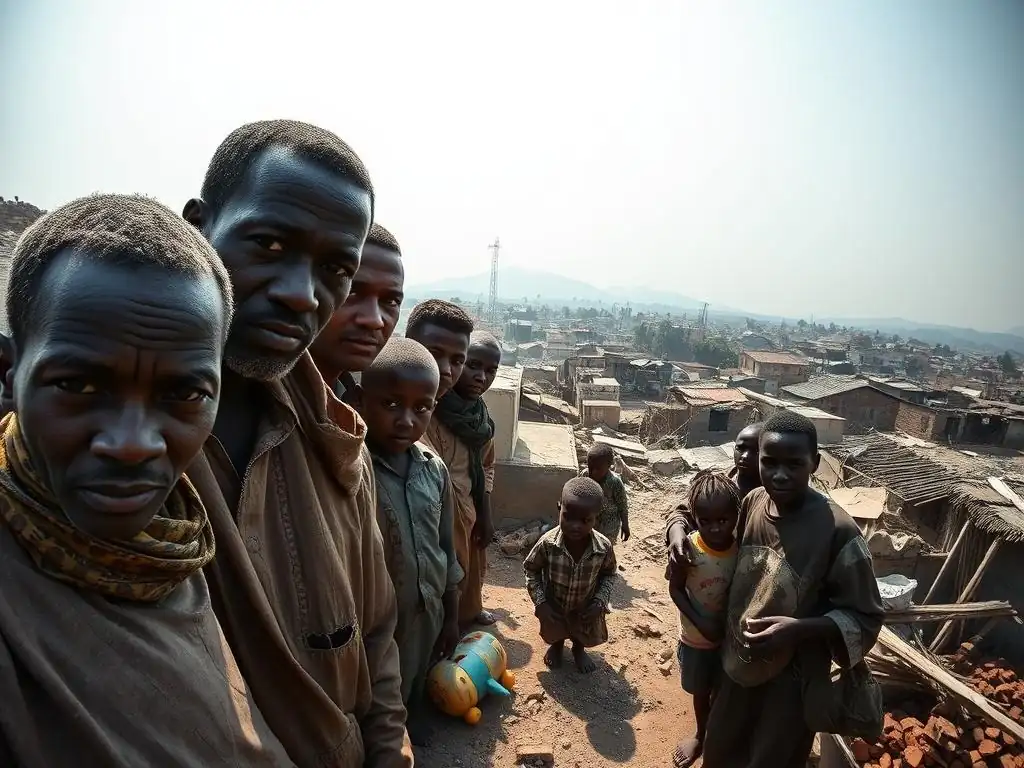
Local Organizations and Their Role in the Recovery Process
While international aid was crucial, local organizations played an indispensable role in Goma's recovery after the Nyiragongo eruption. These organizations, often deeply rooted in the community, possessed invaluable local knowledge, cultural understanding, and established networks that were essential for effective relief and rebuilding efforts. Local NGOs and community groups were often the first responders on the ground, providing immediate assistance to affected populations and bridging the gap between international aid and the needs of the community. They facilitated the distribution of aid, organized community clean-up efforts, and provided crucial psychosocial support to traumatized residents.
Furthermore, local organizations played a vital role in advocating for the needs of the community and ensuring that recovery efforts were culturally sensitive and responsive to local priorities. They acted as intermediaries between the community, government agencies, and international organizations, ensuring that the voices of the affected population were heard and that recovery initiatives were tailored to the specific context of Goma. The resilience and dedication of these local organizations were fundamental to Goma's recovery journey after the Nyiragongo lava flow.
Community Empowerment: Building Resilience Against Future Volcanic Threats
The experience of the 2002 Nyiragongo eruption underscored the importance of community empowerment in building long-term resilience to volcanic hazards in Goma. Empowerment initiatives focused on equipping communities with the knowledge, skills, and resources to prepare for, respond to, and recover from future volcanic events. This included volcano awareness programs to educate residents about volcanic risks, early warning systems, and evacuation procedures. Community-based disaster preparedness committees were established to develop local emergency plans and coordinate community-level responses.
Empowerment also extended to providing communities with the means to rebuild their lives and livelihoods in a sustainable manner. This involved supporting community-led reconstruction projects, promoting diversification of livelihoods, and strengthening local governance structures to enhance community participation in decision-making processes related to disaster risk reduction. By empowering communities to take ownership of their own resilience, Goma aimed to create a more proactive and prepared society capable of mitigating the impacts of future volcanic threats after the Nyiragongo lava flow.
The "Sangha" Microfinance Initiative: Empowering Women and Rebuilding Livelihoods
Among the notable community-led initiatives in Goma's recovery was the "Sangha" microfinance program. "Sangha," meaning "togetherness" in Swahili, aptly reflects the program's focus on collective action and community solidarity. This initiative specifically targeted women, who were disproportionately affected by the Nyiragongo eruption, often bearing the brunt of displacement and economic hardship. The Sangha program provided small loans and business training to women entrepreneurs, enabling them to restart or expand their businesses and regain their economic independence.
The program's success stemmed from its community-based approach, utilizing local women's groups to manage loan distribution and repayment, fostering a sense of ownership and accountability. Beyond financial assistance, Sangha also provided a platform for women to build social networks, share experiences, and collectively address challenges. The initiative not only contributed to the economic recovery of individual women and their families but also strengthened community bonds and empowered women to play a more active role in Goma's overall recovery process after the Nyiragongo lava flow.
Scientific Monitoring and Early Warning Systems: Protecting Goma from Future Eruptions
Enhanced Volcanic Monitoring around Mount Nyiragongo
In the wake of the 2002 Nyiragongo eruption, significant efforts were invested in enhancing volcanic monitoring around Mount Nyiragongo to better protect Goma from future threats. The Goma Volcano Observatory (GVO), despite facing resource constraints, became central to these efforts. Monitoring infrastructure was strengthened, including the installation of additional seismometers to detect ground tremors indicative of magma movement, gas sensors to measure volcanic gas emissions, and GPS stations to track ground deformation, a subtle swelling or shrinking of the volcano's surface that can precede eruptions.
International collaborations also played a crucial role, with scientific institutions from around the world providing technical expertise, equipment, and training to the GVO. Real-time data transmission systems were improved to ensure timely analysis of monitoring data and rapid detection of any signs of escalating volcanic activity. These enhanced monitoring capabilities significantly improved the ability to detect and interpret pre-eruptive signals, providing a crucial foundation for developing effective early warning systems to protect Goma from future Nyiragongo lava flow events.
Development of Early Warning Systems for Goma's Population
Building upon enhanced volcanic monitoring, the development of effective early warning systems became a priority for Goma. These systems aim to translate scientific data into actionable warnings that can be disseminated to the population in a timely and understandable manner. Early warning systems for Goma incorporate multiple components, including real-time monitoring data analysis, pre-defined alert levels based on volcanic activity, and communication channels to reach the population quickly.
Communication strategies utilize a combination of methods, including radio broadcasts, text messages, sirens, and community networks to ensure warnings reach even the most remote areas of Goma. Regular drills and public awareness campaigns are conducted to familiarize residents with evacuation procedures and ensure they understand how to respond to different alert levels. The effectiveness of these early warning systems relies on continuous improvement, incorporating feedback from past events and advancements in technology to ensure Goma's population is better protected from future Nyiragongo eruptions and lava flow hazards.
Effective communication between scientists and local authorities is paramount for ensuring that volcanic monitoring data and early warnings translate into timely and effective action to protect Goma. Regular meetings and workshops are held between volcanologists from the GVO and local government officials, disaster management agencies, and community leaders to share information, discuss risk assessments, and refine emergency response plans. These collaborations foster mutual understanding and trust, crucial for ensuring that scientific advice is effectively integrated into decision-making processes.
Joint training exercises and simulations are conducted to test communication protocols and coordination mechanisms between scientists, authorities, and communities in the event of a volcanic crisis. Memoranda of understanding and formal agreements are often established to define roles and responsibilities and ensure clear lines of communication and authority during emergency situations. This close collaboration between scientists and local authorities is essential for building a robust and responsive disaster management framework in Goma, minimizing the impact of future Nyiragongo lava flow threats.
Lessons Learned and Future Preparedness: Minimizing the Impact of Volcanic Eruptions in Goma
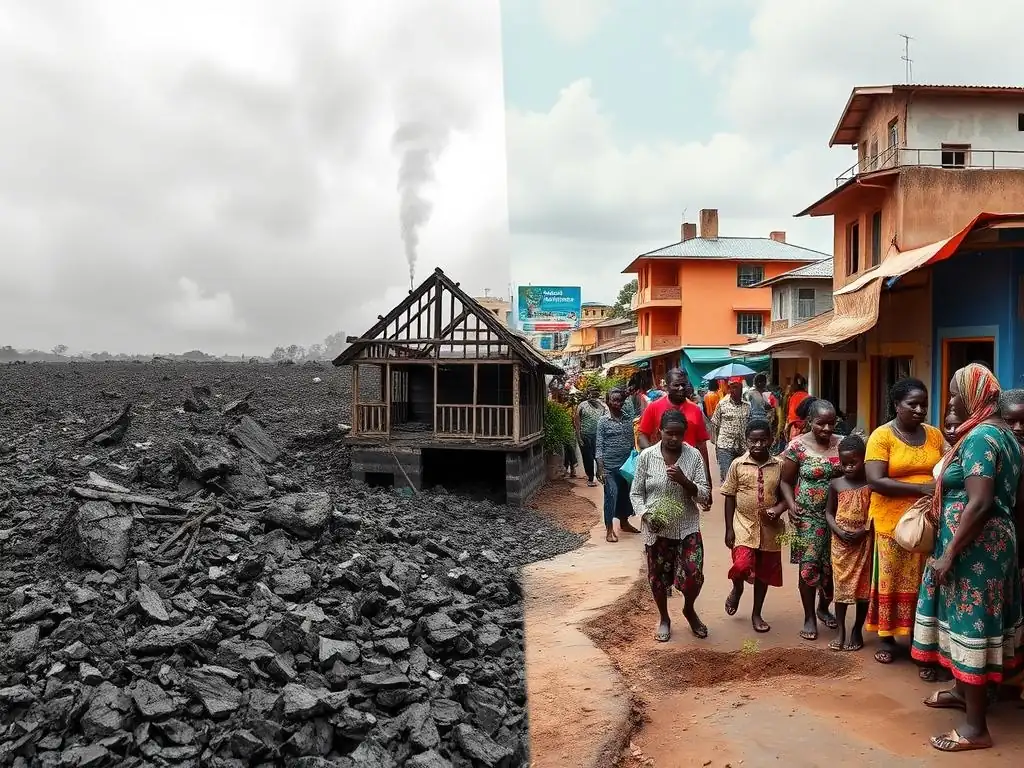
Improving Evacuation Plans and Disaster Response Strategies
The 2002 Nyiragongo eruption provided invaluable lessons for improving evacuation plans and disaster response strategies in Goma. One key lesson was the need for more proactive and pre-emptive evacuation planning. Instead of solely reacting to an eruption once it begins, pre-defined evacuation zones and routes were established based on volcanic hazard assessments. These plans are regularly updated and communicated to the population through public awareness campaigns and community drills. Improving transportation infrastructure and logistics for mass evacuations was also identified as critical, ensuring that residents can evacuate quickly and safely when necessary.
Disaster response strategies have been strengthened by enhancing coordination mechanisms between different agencies, including government departments, humanitarian organizations, and the military. Stockpiles of emergency supplies, such as food, water, and shelter materials, are strategically pre-positioned to ensure rapid deployment in the event of a volcanic crisis. Communication protocols have been refined to ensure clear and timely information sharing among all stakeholders during emergency response operations. These improvements in evacuation plans and disaster response strategies are crucial for minimizing the impact of future volcanic eruptions and Nyiragongo lava flows in Goma.
Investing in Infrastructure Resilient to Volcanic Activity
Recognizing the vulnerability of infrastructure to volcanic hazards, Goma has increasingly focused on investing in infrastructure that is more resilient to volcanic activity. This includes adopting building codes and construction techniques that are better able to withstand lava flows and earthquakes. For example, infrastructure projects are now designed to minimize obstruction to potential lava flow paths, directing flows away from critical areas where possible. Underground infrastructure, such as water pipelines and communication cables, is being prioritized in some areas to protect them from surface lava flows.
Land-use planning is also becoming more strategically informed by volcanic hazard maps, guiding development away from high-risk zones and promoting safer areas for residential and commercial construction. Investing in early warning infrastructure, such as robust communication networks and monitoring equipment, is also considered a crucial aspect of resilient infrastructure development. By prioritizing infrastructure resilience, Goma aims to reduce the vulnerability of the city and its essential services to future volcanic eruptions and minimize the long-term impact of Nyiragongo lava flow events.
Use of Satellite-Based InSAR for Ground Deformation Monitoring
Advancements in satellite technology have provided new tools for monitoring volcanic activity, particularly ground deformation, which can be a key indicator of magma movement and potential eruptions. Interferometric Synthetic Aperture Radar (InSAR) is a satellite-based technique that can detect subtle changes in the Earth's surface with millimeter-level precision over large areas. InSAR data is now being used to complement ground-based monitoring networks around Mount Nyiragongo, providing a broader spatial view of ground deformation patterns and enhancing the ability to detect pre-eruptive signals.
By analyzing InSAR data, scientists can identify areas of uplift or subsidence, which can indicate magma accumulation or withdrawal beneath the volcano. This information is valuable for refining volcanic hazard assessments, improving eruption forecasting, and informing early warning systems. The integration of satellite-based InSAR into the monitoring strategy for Nyiragongo represents a significant advancement in volcanic monitoring capabilities, providing a powerful tool for protecting Goma from future volcanic threats and Nyiragongo lava flow risks.
Nyiragongo's Ongoing Threat: Goma's Continued Vigilance
The Lingering Risk of Future Eruptions and Lava Flows
Despite the recovery and enhanced preparedness efforts, the threat of future eruptions and lava flows from Mount Nyiragongo remains a constant reality for Goma. Nyiragongo is known for its persistent activity and the potential for rapid and devastating eruptions. The volcano's unique lava composition and the region's tectonic setting contribute to the ongoing risk. Scientific monitoring consistently detects signs of activity within Nyiragongo, reminding residents of the ever-present potential for future eruptions.
The memory of the 2002 Nyiragongo lava flow serves as a stark reminder of the volcano's destructive power and the vulnerability of Goma. While significant progress has been made in enhancing monitoring and preparedness, the inherent unpredictability of volcanic activity means that the risk cannot be entirely eliminated. Goma's location in close proximity to one of the world's most dangerous volcanoes necessitates continuous vigilance and sustained efforts to mitigate the ongoing threat of future eruptions and Nyiragongo lava flow events.
Long-Term Planning for Sustainable Development in a Volcanically Active Region
Recognizing the long-term volcanic risk, sustainable development planning in Goma must integrate volcanic hazard considerations into all aspects of urban development and regional planning. This involves incorporating volcanic hazard maps into land-use planning regulations, guiding development away from high-risk zones and promoting safer areas for growth. Investing in resilient infrastructure, as previously discussed, is also crucial for ensuring long-term sustainability in a volcanically active region.
Diversifying the local economy to reduce reliance on vulnerable sectors and promote more resilient livelihoods is another key aspect of sustainable development in Goma. Education and public awareness programs play a vital role in fostering a culture of preparedness and risk awareness among the population. Long-term planning for Goma must balance the need for economic development and growth with the imperative of mitigating volcanic risks and ensuring the safety and well-being of its residents in the face of the ongoing Nyiragongo threat.
Goma's Story of Resilience: A Testament to the Human Spirit in the Face of Natural Disaster
Goma's journey after the 2002 Nyiragongo lava flow is a powerful story of resilience, demonstrating the remarkable capacity of communities to recover and rebuild in the face of devastating natural disasters. Despite immense challenges, the people of Goma, with the support of local and international partners, have shown extraordinary determination and perseverance in rebuilding their city and their lives. The recovery process has been long and complex, but Goma has emerged stronger and more prepared to face future volcanic threats.
Goma's story is not just about physical reconstruction; it is also about the resilience of the human spirit, the strength of community bonds, and the unwavering hope for a better future. The lessons learned from the Nyiragongo eruption have not only transformed Goma but also provided valuable insights for other communities living in volcanically active regions around the world. Goma stands as a testament to the human capacity to overcome adversity and build a more resilient future even in the shadow of a formidable natural force like Mount Nyiragongo.
Frequently Asked Questions
What were the primary challenges Goma faced immediately after the Nyiragongo lava flow?
The primary challenges included displacement of residents, destruction of infrastructure, and the spread of disease due to poor sanitation and lack of clean water.
How did the international community assist Goma in its post-eruption recovery?
International aid organizations provided humanitarian assistance, including shelter, food, and medical supplies. They also helped with reconstruction efforts and disease prevention.
What role did local communities play in the recovery process following the Nyiragongo eruption?
Local communities were instrumental in clearing debris, rebuilding homes, and providing support to displaced families. Their resilience and collaboration were crucial for recovery.
What long-term strategies were implemented to mitigate the risk of future volcanic eruptions in Goma?
Strategies include volcano monitoring, evacuation planning, and community education programs to raise awareness about volcanic hazards and preparedness.
How has the economy of Goma been impacted, both positively and negatively, by the presence of Mount Nyiragongo?
Negatively, eruptions cause destruction and economic disruption. Positively, tourism related to the volcano can generate revenue and employment opportunities.
Final Reflection: The Enduring Spirit of Goma
The story of Goma's recovery, as detailed in this exploration of the Nyiragongo lava flow recovery, is not just a chronicle of physical reconstruction, but a testament to the resilience of the human spirit in the face of unimaginable devastation. The lessons learned from Goma's journey are profoundly relevant today, as communities worldwide grapple with the increasing frequency and intensity of natural disasters fueled by climate change and geological activity.
The enduring spirit of Goma, forged in the crucible of volcanic fire, serves as a powerful reminder that even in the aftermath of profound loss, hope and renewal are possible. Witnessing Goma's rebirth has profoundly impacted my understanding of community strength and the importance of proactive disaster preparedness. The human spirit is not dead. It sleeps in the dark, but the light will awaken it.
- Unknown. This quote encapsulates the essence of Goma's story, a city that refused to be extinguished.
Let the story of Goma inspire you to reflect on your own community's preparedness and resilience. Consider how you can contribute to building a stronger, more supportive network, ready to face future challenges with courage and determination. The lava may have reshaped the landscape, but it also forged an unbreakable bond among the people of Goma, a bond that can serve as a model for us all.
Unleash Your Inner Volcanologist: Continue Goma's Story!
Thank you for delving into the incredible story of Goma's resilience! You've witnessed firsthand the strength of the human spirit in the face of nature's raw power. Now, let's turn that inspiration into action:
- Take the lead: Research how to donate to organizations directly supporting Goma's ongoing recovery and rebuilding efforts.: Every contribution, no matter the size, makes a difference.
- Share Goma's inspiring story! Help raise awareness by sharing this article with your friends, family, and on your social media platforms. Let's amplify their voices.
- Explore volcano-related disaster preparedness in your own community! What resources are available, and how can you become better prepared?
What one step will you take today to connect with the power and fragility of our volcanic world?