
Goma's Infrastructure at Risk: How Lava Flows Damaged the City in 2002 and 2021

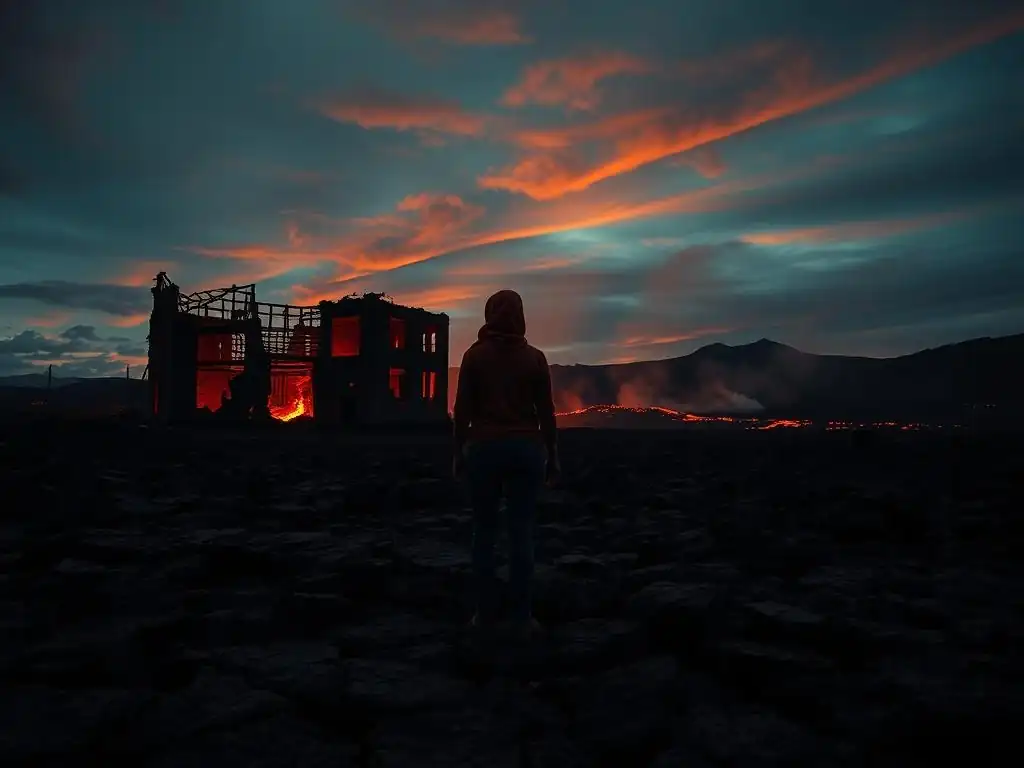
Welcome to Volcano Explorers, where the Earth breathes fire! Ever wondered how a city can be both threatened and transformed by a single, fiery force? This time, we journey to Goma, a city perpetually living in the shadow of giants. Our main article dives deep into the devastating impact of lava flows on Goma, exploring how these molten rivers reshaped the city in 2002 and again in 2021. But that's just the beginning... what secrets lie beneath the surface, and what does the future hold for this volcanically volatile region? Discover the untold story and ignite your curiosity!
- Introduction: Nyiragongo's Threat to Goma's Infrastructure
- The 2002 Nyiragongo Eruption: A Catastrophic Lava Flow Event
- The 2021 Nyiragongo Eruption: Renewed Threat to Goma
- Comparative Analysis: Infrastructure Damage in 2002 vs. 2021
- Mitigation Strategies and Future Resilience for Goma's Infrastructure
- Conclusion: Lessons Learned and the Ongoing Risk to Goma
-
Frequently Asked Questions
- What were the main sources of lava flows that impacted Goma in 2002 and 2021?
- How did the 2002 lava flows damage Goma's infrastructure?
- What was the impact of lava flows Goma on the local population during both eruptions?
- What measures have been implemented to mitigate the impact of lava flows Goma since the 2002 eruption?
- How do volcanologists study and predict potential lava flow paths in Goma?
- Final Reflection: Echoes of Fire, Lessons in Resilience
- Rediscover Goma's Resilience: Be Part of the Solution!
Introduction: Nyiragongo's Threat to Goma's Infrastructure
- Goma's Location and Proximity to Mount Nyiragongo
- Vulnerability of Goma to Volcanic Eruptions and Lava Flows
- Impact of the 2002 and 2021 Eruptions on Goma's Infrastructure
Goma, a city in the eastern Democratic Republic of Congo, lies precariously close to Mount Nyiragongo, one of the world's most active and dangerous volcanoes. This proximity is not merely geographical; it's a constant state of vulnerability. The city is nestled at the foot of the volcano, on the shores of Lake Kivu, making its landscape and development intimately intertwined with the volcanic massif. This setting, while offering fertile volcanic soils and scenic beauty, places Goma directly in the path of potential volcanic hazards, particularly lava flows.
The volcanic nature of the region renders Goma exceptionally vulnerable to eruptions, with lava flows posing the most immediate and devastating threat to its infrastructure. Unlike volcanic ash or gas emissions, lava flows are tangible, destructive forces that can physically overrun and obliterate anything in their path. Goma's relatively flat terrain towards the south and the direction of past lava flows from Nyiragongo means there are few natural barriers to impede advancing lava.
This geographical reality, combined with a history of volcanic activity, has shaped Goma's development and continues to dictate its urban planning and disaster preparedness efforts. The eruptions of 2002 and 2021 serve as stark reminders of this vulnerability, highlighting the profound impact of lava flows on Goma's infrastructure and the lives of its inhabitants.
The 2002 Nyiragongo Eruption: A Catastrophic Lava Flow Event
Precursors to the 2002 Eruption and Warning Signs
- Seismic Activity and Increased Fumarole Activity Preceding the Eruption
Leading up to the 2002 eruption, subtle yet critical signs of volcanic unrest were observed, though perhaps not fully heeded or effectively communicated to the population in time to prevent the scale of the disaster. Seismic activity around Mount Nyiragongo began to increase in the months prior to the eruption. Local volcanological observatories, though often under-resourced, recorded a rise in the frequency and intensity of earthquakes, indicating magma movement beneath the surface. This increased seismicity was a key precursor, signaling a build-up of pressure within the volcano's plumbing system.
In addition to seismic changes, there were reports of heightened fumarole activity on the volcano's summit and flanks. Fumaroles, vents releasing steam and volcanic gases, are common on active volcanoes, but changes in their intensity or location can indicate shifts in volcanic activity.
Eyewitness accounts and some scientific observations suggested an increase in the volume and temperature of gases being emitted from Nyiragongo's fumaroles in late 2001 and early 2002. While these precursors were present, the interpretation and communication of these warning signs to the vulnerable population proved to be a significant challenge, contributing to the catastrophic impact of lava flows on Goma when the eruption commenced.
The Eruption and the Advance of Lava Flows Towards Goma
- Details of the Eruption: Fissures and Lava Fountains
- Lava Flow Paths and Speed of Advance
The 2002 Nyiragongo eruption began on January 17th, with a dramatic fissure opening on the volcano's southern flank, closer to the city of Goma than previous eruptions. This fissure rapidly propagated, extending several kilometers and becoming the primary source of the devastating lava flows.
Spectacular lava fountains erupted along this fissure, sending incandescent molten rock high into the air, a clear indication of the eruption's intensity and the rapid decompression of magma within the volcano. The eruption was characterized by its effusive nature, meaning it primarily produced lava flows rather than violent explosions, but the sheer volume and speed of these flows made it exceptionally destructive.
The lava flows from the 2002 eruption were notably fast-moving due to the low viscosity of Nyiragongo's unique melilitite nephelinite lava, which is unusually fluid. These flows raced down the volcano's slopes towards Goma at speeds estimated to reach between 40 to 60 kilometers per hour in some sections. Two major lava flows emerged from the fissures.
One flow moved directly south towards the center of Goma, dividing the city in two and reaching Lake Kivu. Another flow branched off to the west, impacting the western parts of the city and Goma International Airport. The rapid advance and broad paths of these lava flows overwhelmed the city's defenses and resulted in widespread devastation.
Damage to Goma's Infrastructure Caused by the 2002 Lava Flows
- Roads, Buildings, Water Systems, and Power Grids Destroyed
- Quantifiable Data on Destruction: Buildings Destroyed, Infrastructure Disrupted
- Impact on Goma International Airport
The impact of lava flows Goma in 2002 was catastrophic, with widespread destruction of critical infrastructure. Roads, the arteries of the city, were buried under meters of solidified lava, severing transportation routes and hindering emergency response efforts. Buildings, from residential homes to commercial structures and public facilities, were engulfed and incinerated by the intense heat. Water systems, including pipelines and reservoirs, were ruptured or melted, cutting off access to clean water for a significant portion of the population. Similarly, the power grid, already fragile, was decimated as lava flows toppled pylons and destroyed substations, plunging the city into darkness.
Quantifying the destruction, approximately 14,000 homes were destroyed by the lava flows, leaving hundreds of thousands homeless. Essential infrastructure was severely disrupted; it was estimated that over 40% of Goma was directly impacted by lava coverage. The water supply infrastructure was particularly hard hit, with major pipelines and treatment facilities rendered unusable. The power grid suffered immense damage, requiring extensive and costly repairs. Perhaps one of the most symbolically and practically significant infrastructure losses was the partial destruction of Goma International Airport.
Goma International Airport, vital for connectivity and emergency aid, was bisected by a lava flow. Approximately one-third of the runway was covered in lava, rendering it unusable for larger aircraft and severely limiting air traffic. This damage hampered initial relief efforts and had long-term implications for Goma's economic recovery and accessibility. The airport's partial destruction became a powerful symbol of the devastating impact of lava flows on Goma's infrastructure and its vulnerability to future eruptions.
The Humanitarian Crisis Following the 2002 Eruption
- Displacement, Loss of Life, and Challenges of Providing Aid
- Long-Term Economic and Social Consequences
The humanitarian crisis triggered by the 2002 Nyiragongo eruption was immense. Hundreds of thousands of Goma residents were displaced, fleeing their homes ahead of the advancing lava flows and seeking refuge in neighboring towns and across the border in Rwanda.
While the relatively fast-moving nature of the lava allowed many to escape, tragically, an estimated 170 people lost their lives, some directly from the lava flows and others due to secondary effects like house collapses and gas inhalation. The immediate aftermath was characterized by chaos, fear, and a desperate need for shelter, food, water, and medical assistance for the displaced population.
Providing aid in the wake of the 2002 eruption presented enormous challenges. The damaged infrastructure, particularly roads and the partially destroyed airport, hampered the delivery of emergency supplies. The sheer scale of displacement strained resources in the region, and the influx of refugees into neighboring areas created additional logistical and humanitarian pressures.
Beyond the immediate crisis, the 2002 eruption had profound long-term economic and social consequences for Goma. The destruction of homes and businesses crippled livelihoods, and the disruption of essential services hindered recovery efforts for years. The psychological impact on the population, having witnessed such widespread devastation and loss, was also significant and long-lasting.
The 2021 Nyiragongo Eruption: Renewed Threat to Goma
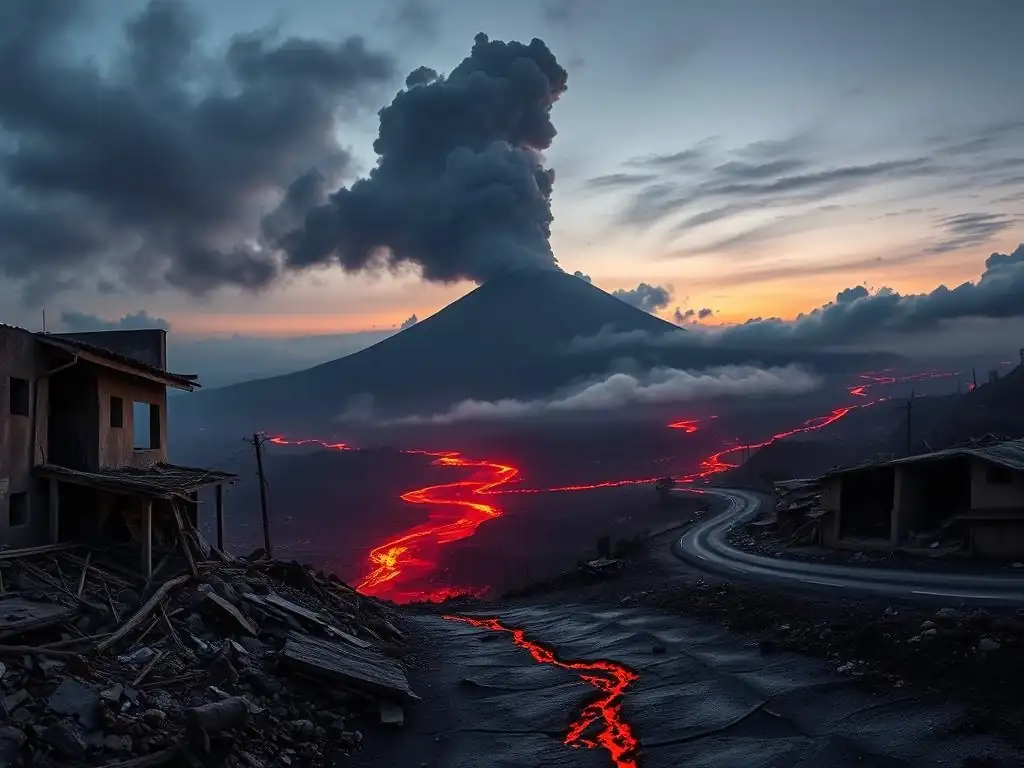
Similarities and Differences Compared to the 2002 Eruption
- Eruption Style, Lava Composition, and Flow Rates Compared
The Nyiragongo eruption of 2021, while less extensive in its lava flow coverage compared to 2002, served as a stark reminder of the volcano's persistent threat to Goma. In terms of eruption style, both the 2002 and 2021 events were primarily effusive, characterized by the outpouring of lava flows. However, the 2021 eruption involved a shorter fissure opening further to the east of Goma, and the overall volume of erupted lava was significantly less than in 2002. The lava composition, still melilitite nephelinite, remained consistent, contributing to its high fluidity and rapid flow.
Despite the smaller volume, the lava flow rates in 2021 were still alarmingly fast. Initial estimates indicated flow speeds comparable to, or even slightly faster than, some sections of the 2002 flows, although the shorter distance to populated areas meant the overall impact zone was narrower.
A key difference was the location of the fissures; in 2021, the main fissure opened on the northeastern flank, directing lava flows primarily towards the northeast and east of Goma, rather than directly bisecting the city as in 2002. This directional difference significantly influenced the areas most affected and the nature of infrastructure damage in 2021.
The 2021 Lava Flow: Path and Impact on Infrastructure
- Details of the Lava Flow's Path and Proximity to Goma
- Assessment of Infrastructure Damage in 2021
- Impact on the Electrical Grid and Water Supply
The 2021 lava flow, originating from fissures northeast of Goma, advanced in a generally eastward direction, skirting the northern edges of the city rather than directly penetrating its center like the 2002 flows. While it did not replicate the city-splitting impact of 2002, the 2021 lava flow still posed a significant threat and caused localized infrastructure damage in the areas it traversed.
The flow passed close to the Goma airport again, but this time did not directly impact the runway itself. However, it did engulf parts of the airport's periphery and access roads, causing disruption and fear of renewed airport closure.
Infrastructure damage in 2021 was less widespread than in 2002 but still substantial in affected zones. The lava flow destroyed hundreds of homes in villages and neighborhoods on the outskirts of Goma, particularly to the northeast. Critically, the flow significantly impacted the electrical grid and water supply infrastructure serving Goma.
Power lines and pylons in the path of the lava were destroyed, leading to widespread power outages across the city. Similarly, sections of the water supply network, including pipelines drawing water from Lake Kivu, were damaged or severed, causing water shortages in many areas of Goma. While the city center was largely spared direct lava inundation, the disruption to essential services underscored the ongoing vulnerability of Goma's infrastructure.
Community Response and Evacuation Efforts in 2021
- Effectiveness of Evacuation Plans and Community Resilience
The community response to the 2021 Nyiragongo eruption and the associated evacuation efforts demonstrated a degree of improved preparedness compared to 2002, though challenges remained. Learning from the past, authorities issued evacuation orders more promptly, and many residents, recalling the devastation of 2002, self-evacuated upon observing volcanic activity. The evacuation plans, while still facing logistical hurdles, were arguably more effective in 2021, with a greater emphasis on pre-identified evacuation routes and assembly points. Community resilience, built through years of living with the volcanic threat and experiencing previous crises, also played a crucial role.
However, the 2021 evacuation was not without its difficulties. The speed of the lava flow's advance still caught some communities off guard, and there were reports of confusion and delays in some areas. Logistical challenges, including transportation and communication, hampered the evacuation process for some residents.
Despite these challenges, the relatively lower death toll in 2021 compared to 2002 – officially around 32 deaths, many not directly lava related – suggests that evacuation efforts and community awareness, while needing further improvement, did contribute to mitigating the immediate human impact of the eruption. The event highlighted both progress in disaster preparedness and the continuous need for strengthening community resilience in the face of Nyiragongo's ongoing threat.
Comparative Analysis: Infrastructure Damage in 2002 vs. 2021
Quantifying the Impact: Comparing Damage Statistics
- Table Comparing Infrastructure Damage: 2002 vs. 2021
| Infrastructure Category | 2002 Eruption Impact | 2021 Eruption Impact |
|---|---|---|
| Homes Destroyed | ~14,000 | ~Hundreds (Precise figures vary, but significantly less than 2002) |
| Road Network | Extensive damage; city bisected | Localized damage in flow path; airport access roads affected |
| Water Supply | Major disruption; pipelines and facilities destroyed | Significant disruption; pipelines damaged, water shortages |
| Power Grid | Decimated; substations and pylons destroyed | Substantial disruption; power lines and pylons destroyed |
| Goma International Airport | Runway partially covered; severely limited operations | Periphery and access roads affected; runway largely spared |
| Overall Infrastructure Impact | Catastrophic and widespread | Significant but more localized compared to 2002 |
This table provides a comparative overview of the impact of lava flows Goma on infrastructure during the 2002 and 2021 eruptions. The 2002 event clearly resulted in far more widespread and severe damage across all categories of infrastructure. While the 2021 eruption still caused significant disruption and hardship, particularly to housing and essential services in affected areas, the scale of infrastructure devastation was considerably less than in 2002. This difference is primarily attributed to the different paths and volumes of the lava flows in each eruption.
Factors Influencing the Severity of Infrastructure Damage
- Lava Flow Pathways, Building Materials, and Preparedness Levels Analyzed
Several factors contributed to the varying severity of infrastructure damage between the 2002 and 2021 Nyiragongo eruptions. Crucially, the lava flow pathways differed significantly. In 2002, flows directly bisected Goma, impacting the city center where critical infrastructure was concentrated. In 2021, flows largely skirted the city's edge, reducing direct impact on central infrastructure.
Building materials also played a role. Many structures in Goma are constructed with less lava-resistant materials, making them highly vulnerable to incineration and collapse when directly contacted by lava. The rapid advance of lava flows in both eruptions left limited time for mitigating damage to vulnerable buildings.
Preparedness levels, while improved in 2021 compared to 2002, still presented limitations. Early warning systems have been enhanced since 2002, allowing for quicker evacuation orders in 2021. However, the speed and unpredictability of lava flow paths remain challenges. While evacuation efforts helped save lives, they could not prevent infrastructure damage. Furthermore, the continuous growth of Goma's population and urban sprawl increases the amount of infrastructure at risk with each volcanic event. Long-term urban planning that considers volcanic hazards and incorporates lava-resistant infrastructure is essential to reduce future vulnerability.
Mitigation Strategies and Future Resilience for Goma's Infrastructure
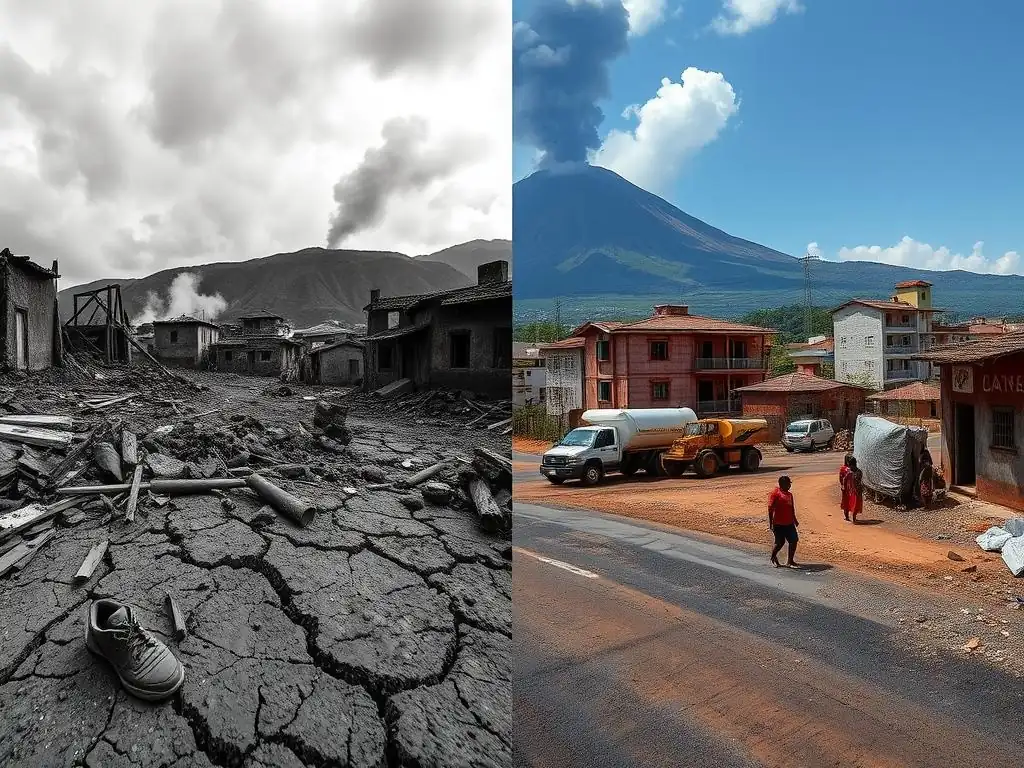
Infrastructure Reinforcement and Lava Diversion Techniques
- Engineering Solutions to Protect Infrastructure
- Feasibility of Lava Diversion Barriers or Channels
Protecting Goma's infrastructure from future lava flow impacts requires a multi-faceted approach, including infrastructure reinforcement and exploring lava diversion techniques. For critical infrastructure, such as essential buildings and power substations, constructing with more lava-resistant materials is vital. This could involve using reinforced concrete and incorporating design elements that minimize direct contact with lava. Elevating critical infrastructure on raised platforms or mounds could also offer some protection, although this is challenging for large-scale infrastructure.
The feasibility of lava diversion barriers or channels for Goma is a complex issue. Building substantial barriers to redirect lava flows requires significant engineering expertise, resources, and land area. The effectiveness of such barriers depends heavily on the specific topography and the characteristics of future lava flows, which are difficult to predict precisely.
Channels to divert lava may be more feasible in certain locations, guiding flows away from densely populated areas or critical infrastructure. However, both barriers and channels are costly, require ongoing maintenance, and can have environmental and social impacts that need careful consideration. The effectiveness of lava diversion in the Goma context needs thorough scientific assessment and community consultation.
Early Warning Systems and Disaster Preparedness
- Importance of Monitoring Volcanic Activity and Timely Warnings
- Role of Community Education and Evacuation Drills
Strengthening early warning systems and disaster preparedness is paramount for mitigating the impact of future Nyiragongo eruptions on Goma. Continuous and enhanced monitoring of volcanic activity, including seismic activity, ground deformation, gas emissions, and thermal changes, is crucial for detecting signs of unrest and providing timely warnings. Investing in advanced monitoring equipment and expert personnel at local volcanological observatories is essential. Improving communication infrastructure to rapidly disseminate warnings to the population is equally critical. This includes utilizing multiple communication channels, such as radio, mobile alerts, and community networks, to ensure warnings reach all segments of the population.
Community education and regular evacuation drills are vital components of disaster preparedness. Raising public awareness about volcanic hazards, evacuation routes, and safety procedures empowers communities to respond effectively during volcanic crises. Regular evacuation drills, conducted at the community level, help familiarize residents with evacuation plans, identify weaknesses, and improve response times. Community-based disaster preparedness initiatives, involving local leaders and residents in planning and training, are essential for building resilience and fostering a culture of preparedness in Goma.
The Role of International Aid and Investment in Goma's Infrastructure
- Need for Sustainable Development and Resilient Infrastructure
International aid and investment play a crucial role in supporting Goma's efforts to build resilient infrastructure and mitigate volcanic risks. Given the scale of the challenges and the limited resources of the Democratic Republic of Congo, international financial and technical assistance is essential for implementing long-term infrastructure improvements and disaster preparedness programs. This includes investment in upgrading monitoring equipment, strengthening early warning systems, and supporting community education initiatives.
Sustainable development and resilient infrastructure should be central to international aid efforts in Goma. This means focusing on projects that not only address immediate needs but also build long-term resilience to volcanic hazards and other environmental risks. Infrastructure projects should incorporate volcanic risk assessments, utilize lava-resistant building materials where feasible, and consider lava diversion strategies. International cooperation can also facilitate technology transfer, knowledge sharing, and capacity building in volcanology, disaster management, and resilient urban planning, empowering Goma to better manage the ongoing volcanic threat and build a more sustainable and safer future.
Conclusion: Lessons Learned and the Ongoing Risk to Goma
- Recap of the Impact of Lava Flows on Goma's Infrastructure
- Importance of Preparedness and Mitigation Strategies
- Ongoing Threat Posed by Nyiragongo and Need for Vigilance
The impact of lava flows on Goma's infrastructure during the 2002 and 2021 Nyiragongo eruptions underscores the city's extreme vulnerability to volcanic hazards. Both events caused significant damage to homes, roads, essential services like water and power, and critical infrastructure such as the airport. While the 2021 eruption was less devastating than 2002 in terms of widespread infrastructure destruction, it served as a potent reminder of the ever-present threat and the potential for future catastrophic events.
Preparedness and mitigation strategies are not merely advisable but absolutely essential for Goma's long-term survival and development. Investing in enhanced volcanic monitoring, robust early warning systems, community education, and resilient infrastructure is crucial to minimizing the impact of future eruptions. Exploring and implementing lava diversion techniques, while complex, should also be considered as part of a comprehensive risk mitigation approach. The lessons learned from the 2002 and 2021 eruptions must translate into concrete actions to strengthen Goma's resilience.
The ongoing threat posed by Mount Nyiragongo is undeniable. It remains one of the world's most dangerous volcanoes, and Goma continues to lie directly in its path. Vigilance, sustained investment in preparedness, and a commitment to building resilient infrastructure are not optional extras but fundamental necessities for safeguarding Goma's future. The city's inhabitants, authorities, and the international community must remain proactive and united in addressing this persistent volcanic risk to protect Goma and its people from the next inevitable eruption.
Frequently Asked Questions
What were the main sources of lava flows that impacted Goma in 2002 and 2021?
The 2002 eruption originated from Mount Nyiragongo, specifically from fissures that opened on its flanks. The 2021 eruption also stemmed from Nyiragongo, leading to significant lava flow towards Goma, though less extensive than in 2002.
How did the 2002 lava flows damage Goma's infrastructure?
The 2002 lava flows destroyed a significant portion of Goma, including homes, businesses, and infrastructure such as water and electricity networks. They also cut off essential transportation routes, isolating parts of the city.
What was the impact of lava flows Goma on the local population during both eruptions?
Both eruptions led to massive displacement of the population as people fled the advancing lava. In addition to the immediate threat of being engulfed by lava, the eruptions resulted in long-term health and economic consequences.
What measures have been implemented to mitigate the impact of lava flows Goma since the 2002 eruption?
Since 2002, efforts have focused on improved monitoring systems for Mount Nyiragongo and enhanced evacuation plans for Goma. Further mitigation efforts include the construction of lava barriers in some areas.
How do volcanologists study and predict potential lava flow paths in Goma?
Volcanologists use a combination of satellite imagery, ground-based monitoring equipment, and computer modeling to analyze volcanic activity and predict potential lava flow paths. This information is crucial for informing evacuation plans and risk assessments.
Final Reflection: Echoes of Fire, Lessons in Resilience
The devastation wrought by lava flows in Goma, as detailed in this article, serves as a stark reminder of nature's raw power and the enduring vulnerability of communities living in its shadow. The impact of lava flows on Goma is not just a historical event; it's a present-day reality shaping the city's development, resilience, and future preparedness. The lessons learned from the 2002 and 2021 eruptions are crucial for mitigating future risks and building a more sustainable and secure Goma.
The resilience of the people of Goma, their unwavering spirit in the face of unimaginable loss, is truly inspiring. Witnessing their determination to rebuild and adapt underscores the profound connection between humanity and the land, even when that land presents such formidable challenges. > As the saying goes, "The human spirit is one of resilience and hope that knows no end." This spirit is evident in Goma, where communities are actively working to understand and manage the risks posed by Nyiragongo, striving to create a safer future for generations to come.
Now, as you reflect on the impact of lava flows on Goma, consider your own relationship with the environment and the challenges faced by communities around the world living in areas prone to natural disasters. What can you do, in your own sphere of influence, to support sustainable development, disaster preparedness, and the resilience of vulnerable populations? Let the story of Goma inspire you to act, to advocate, and to contribute to a world where communities are better equipped to face the challenges of a changing planet.
Rediscover Goma's Resilience: Be Part of the Solution!
Thank you for exploring the challenges Goma faces with volcanic activity. You now have a deeper understanding of the city's vulnerability and its incredible resilience. Let's translate this knowledge into action and help Goma prepare for the future.
Here's how you can get involved:
- Share this article widely to raise awareness about Goma's plight! The more people understand the situation, the greater the chance of attracting support and resources.
- Explore reputable organizations providing aid to Goma and consider making a donation to support infrastructure development and disaster preparedness.
- Research local initiatives focusing on sustainable building techniques and volcanic risk mitigation in the region. Could you support or adapt these approaches in your own community?
What innovative solutions do you think could best protect Goma from future lava flows? Share your ideas in the comments below!