
Pompeii's Shops and Businesses: Commerce Before Catastrophe

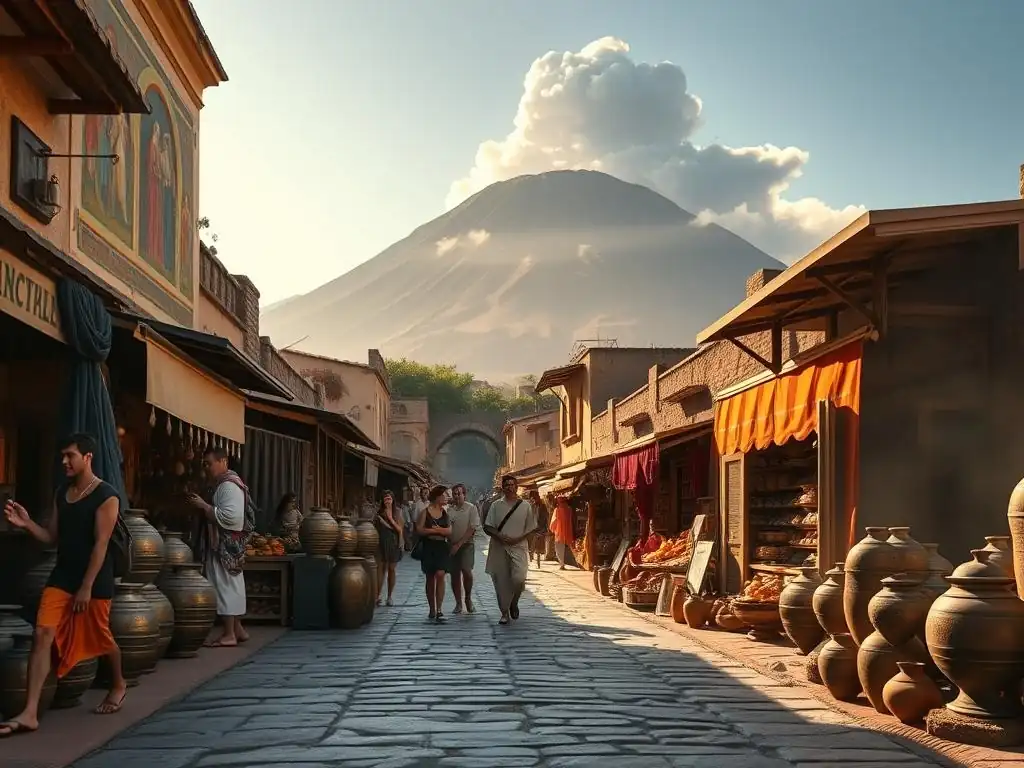
Welcome to Volcano Explorers!
Ever wondered what daily life was really like in Pompeii before Vesuvius's wrath? Unearth the secrets of Pompeii's Shops and Businesses and discover how commerce thrived in the shadow of a sleeping giant. Prepare to be captivated by a glimpse into a world frozen in time, a world far more bustling and intricate than you might imagine. What did they sell? Who were the merchants? And how did this vibrant economy ultimately meet its fiery end? The answers await...
- Introduction: A Glimpse into Pompeii's Pre-Eruption Economy
- Pompeii and Mount Vesuvius: A City Frozen in Time
- Key Industries Driving Pompeii's Commerce
- The Shops of Pompeii: A Detailed Look at Pre-Eruption Businesses
- Pompeii's Marketplace (Forum): The Center of Commercial Activity
- Trade Networks: Pompeii's Connections to the Roman World
- The Impact of the Eruption on Pompeii's Economy
- Lessons from Pompeii: Understanding Ancient Roman Commerce
- Conclusion: Pompeii, A Vibrant Commercial Center Lost to Time
-
Frequently Asked Questions
- How did the eruption of Mount Vesuvius in 79 AD affect Pompeii's commercial activities?
- What types of shops and businesses were common in Pompeii before the eruption?
- What evidence suggests Pompeii was a prosperous commercial center before the eruption?
- How did Pompeii's location contribute to its commercial success before the eruption?
- What can we learn about Roman commerce in general from studying Pompeii's shops and businesses?
- Final Reflection: Echoes of Enterprise in Ash
- Unearth Pompeii's Secrets: Become a Modern-Day Merchant!
Introduction: A Glimpse into Pompeii's Pre-Eruption Economy
Pompeii, a bustling Roman city frozen in time by the catastrophic eruption of Mount Vesuvius in 79 AD, offers an unparalleled window into the daily life and economic activities of an ancient Roman commercial hub. Before the devastating eruption, Pompeii was a thriving center of commerce, strategically located in the fertile Campania region of Italy.
Its prosperity was built upon a diverse economy fueled by agriculture, manufacturing, trade, and a vibrant entrepreneurial spirit. The remarkably preserved ruins of Pompeii provide invaluable insights into the intricate workings of its pre-eruption economy, allowing us to understand the scale and sophistication of Pompeii commerce before eruption.
This article delves into the fascinating world of Pompeii's shops and businesses, exploring the key industries, the types of commercial establishments, and the intricate trade networks that defined its economic landscape. By examining the archaeological evidence and historical accounts, we can reconstruct a detailed picture of Pompeii's vibrant commercial life, revealing how the city functioned as a crucial economic engine in the Roman world before its sudden and tragic end. Understanding Pompeii's commerce before eruption allows us to appreciate the city not just as a historical site, but as a dynamic and prosperous urban center.
Pompeii and Mount Vesuvius: A City Frozen in Time
The Impact of Vesuvius on Pompeii's Commercial Life
Mount Vesuvius, the imposing volcano that looms over Pompeii, was both a source of prosperity and ultimately, destruction for the city. The fertile volcanic soil surrounding Vesuvius was crucial for Pompeii's agricultural success, particularly in the cultivation of grapes and olives, which were essential components of Pompeii commerce before eruption. The volcanic slopes provided ideal conditions for vineyards, contributing significantly to Pompeii's renowned wine production. This agricultural bounty formed the bedrock of Pompeii's economy, allowing for surplus production that could be traded and exported, driving further commercial activity.
However, the proximity to Vesuvius also posed a constant, albeit often underestimated, threat. While Pompeiians benefited from the fertile lands enriched by volcanic ash, they were also vulnerable to the volcano's destructive power. The 79 AD eruption was not the first time Vesuvius impacted the region; historical and geological evidence suggests previous, smaller eruptions and seismic activity. Despite these risks, the economic advantages offered by the volcanic environment outweighed the perceived dangers, leading to the flourishing of Pompeii commerce before eruption, until the catastrophic event that abruptly halted its vibrant commercial life and preserved it for millennia to come.
Understanding Pompeii's Economic Structure Before the 79 AD Eruption
Pompeii's economic structure before the 79 AD eruption was multifaceted and dynamic, characterized by a blend of agriculture, manufacturing, and trade. Agriculture, particularly viticulture and olive cultivation, formed the foundation of the economy. The region's fertile volcanic soil and favorable climate allowed for high yields of grapes and olives, which were processed into wine and olive oil – key commodities in Pompeii commerce before eruption. These products were not only consumed locally but also traded extensively throughout the Mediterranean.
Beyond agriculture, craftsmanship and manufacturing played a significant role. Pompeii was known for its pottery, ceramics, textiles, and other manufactured goods. Workshops (officinae) dotted the city, producing a variety of items for local consumption and trade. Furthermore, Pompeii's coastal location facilitated fishing and the production of garum, a fermented fish sauce that was a popular Roman condiment and a valuable trade item. The combination of these sectors, coupled with a well-developed system of shops, markets, and trade networks, contributed to a robust and diversified Pompeii commerce before eruption, making it a vital economic center in the Roman Empire.
Key Industries Driving Pompeii's Commerce
Agriculture and Wine Production in Pompeii
Vineyards and Wineries: The Heart of Pompeii's Agricultural Economy
Vineyards and wineries were at the very heart of Pompeii's agricultural economy, driving a significant portion of Pompeii commerce before eruption. The fertile volcanic slopes surrounding Mount Vesuvius were ideally suited for grape cultivation, producing grapes of exceptional quality. Archaeological evidence, including numerous frescoes depicting vineyards and wine-making processes, as well as the discovery of wine presses and storage facilities, underscores the importance of viticulture in Pompeii. Studies of pollen and plant remains from Pompeii and the surrounding area further confirm the extensive cultivation of grapes.
Wineries (cellae vinariae) were integral to Pompeii's landscape, often attached to villas in the countryside and even within the city itself. These establishments processed the harvested grapes into wine, utilizing techniques that were remarkably advanced for their time. Amphorae, the terracotta containers used for transporting wine, have been found throughout Pompeii, many bearing stamps indicating the origin and type of wine. The sheer number of amphorae discovered, both in Pompeii and in other Roman settlements, testifies to the scale of Pompeii's wine production and its crucial role in Pompeii commerce before eruption.
Exporting Pompeian Wine: Reaching Markets Beyond the City
Pompeian wine was not just for local consumption; it was a prized commodity exported throughout the Roman world, significantly contributing to Pompeii commerce before eruption. Archaeological evidence, particularly the distribution of Pompeian wine amphorae, reveals the extensive reach of Pompeii's wine trade. These amphorae have been discovered in locations as far afield as Gaul (modern-day France), Spain, and North Africa, demonstrating the wide market for Pompeian wines.
The quality and reputation of Pompeian wine likely played a key role in its export success. While specific details about the varieties of Pompeian wine are still debated among scholars, it is clear that the wine was highly valued in Roman society. The export of wine generated considerable wealth for Pompeian landowners and merchants, fueling further economic growth and solidifying Pompeii's position as a major commercial center. The wine trade was a cornerstone of Pompeii commerce before eruption, connecting the city to broader Roman economic networks.
Craftsmanship and Manufacturing in Pompeii
Pottery and Ceramics: Everyday Goods and Artistic Creations
Pottery and ceramics were vital industries in Pompeii, producing both everyday goods and artistic creations that were essential to Pompeii commerce before eruption. Pompeian workshops (figlinae) crafted a wide range of ceramic products, from simple terracotta pots and pans for cooking and storage to more elaborate vases, lamps, and roof tiles. The readily available volcanic clay in the region provided a crucial raw material for this industry, fostering its growth and contributing to the city's economic self-sufficiency.
The quality of Pompeian pottery varied depending on its intended use. While utilitarian ceramics were produced in large quantities for local consumption and trade, Pompeii was also known for its finer pottery, often decorated with painted scenes or molded reliefs. These more artistic ceramic pieces were likely sold to wealthier Pompeians and perhaps even exported, adding a higher-value dimension to Pompeii commerce before eruption. Archaeological excavations have unearthed numerous pottery workshops and kilns, along with vast quantities of ceramic fragments, providing a detailed picture of this important industry.
Textile Production: Weaving a Thriving Industry
Textile production was another significant manufacturing sector in Pompeii, weaving a thriving industry that played a key role in Pompeii commerce before eruption. While less visible in the archaeological record compared to pottery, due to the perishable nature of textiles, evidence suggests a robust textile industry existed in Pompeii. Remains of spinning and weaving equipment, such as spindles and loom weights, have been found in Pompeian houses and workshops. Furthermore, depictions of textile production in frescoes and literary references point to the importance of this industry.
Pompeian textiles likely included wool, linen, and possibly silk, catering to various needs and social classes. Clothing, household linens, and sails for ships were among the textile products manufactured in Pompeii. Fullonicae (laundries), which were numerous in Pompeii, also indicate a thriving textile industry, as they were essential for cleaning and maintaining garments. Textile production, while perhaps less glamorous than wine-making, was a fundamental aspect of Pompeii commerce before eruption, providing employment and contributing to the city's economic dynamism.
Fishing and Garum Production: Pompeii's Coastal Commerce
The Importance of the Sea for Pompeii's Economy
Pompeii's coastal location was of paramount importance to its economy, underpinning a significant aspect of Pompeii commerce before eruption. The proximity to the sea provided access to abundant marine resources, supporting a thriving fishing industry. Fish was a staple food in the Roman diet, and Pompeii's fishermen would have supplied the city with fresh catches daily. Seafood was not only consumed locally but also traded inland, contributing to the city's commercial network.
Beyond fishing, the sea facilitated trade and transportation. Pompeii's port, while not as grand as Ostia (the port of Rome), was crucial for connecting the city to wider Mediterranean trade routes. Goods could be imported and exported efficiently via sea, enabling Pompeii to participate in regional and long-distance commerce. The sea was therefore not just a source of food but also a vital artery for Pompeii commerce before eruption, linking the city to the broader Roman economic system.
Garum: Pompeii's Famous Fermented Fish Sauce
Garum, a fermented fish sauce, was a particularly famous and economically significant product of Pompeii's coastal commerce before eruption. This pungent condiment was a staple in Roman cuisine, used to flavor a wide variety of dishes. Pompeii became renowned for its garum production, and it was a major export item, contributing substantially to the city's wealth. The production of garum involved fermenting fish, typically mackerel or tuna, in salt and herbs for extended periods, a process that created a strong-smelling but highly prized sauce.
Garum production facilities (cetariae) have been identified in Pompeii, often located near the coast to facilitate access to fresh fish. Amphorae specifically designed for garum transport, often bearing labels indicating Pompeian origin, have been found throughout the Roman Empire. The fame and demand for Pompeian garum underscore the sophistication and reach of Pompeii commerce before eruption, with this seemingly simple fish sauce becoming a symbol of the city's economic success and culinary prowess.
The Shops of Pompeii: A Detailed Look at Pre-Eruption Businesses
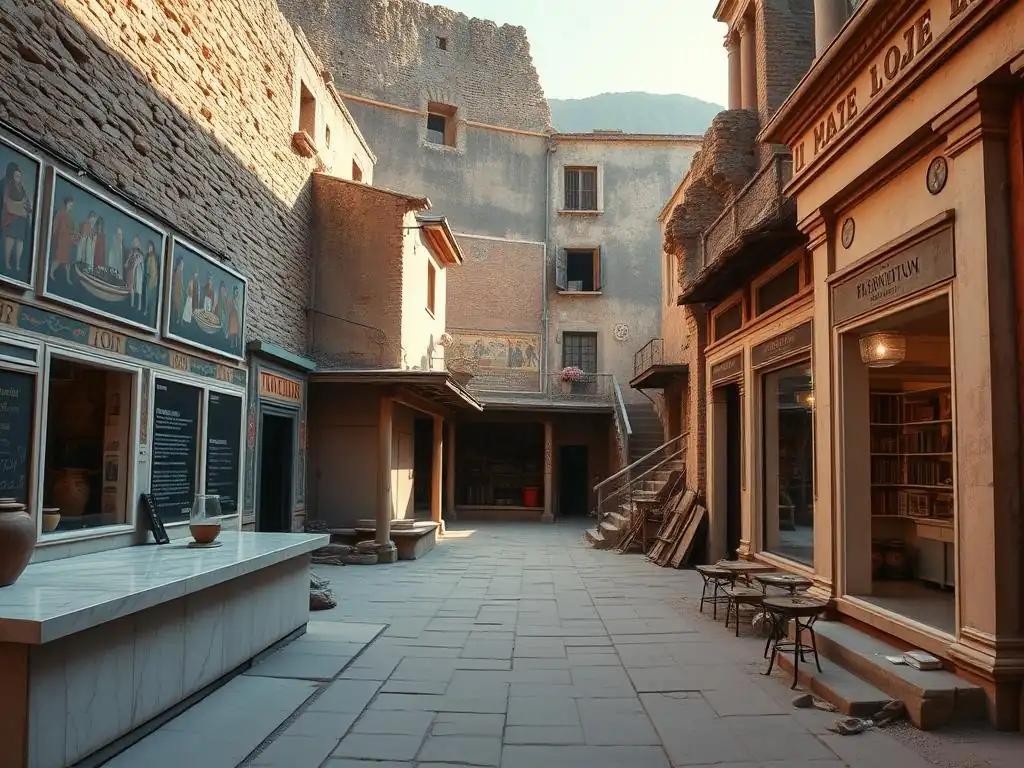
Bakeries (Pistrina): Feeding the City of Pompeii
Bakeries, known as pistrina in Latin, were essential businesses in Pompeii, playing a crucial role in feeding the city and supporting Pompeii commerce before eruption. Numerous bakeries have been excavated in Pompeii, ranging from small, family-run establishments to larger, more industrial operations. These bakeries were equipped with grain mills, kneading troughs, and ovens, often powered by donkeys or slaves. The presence of so many bakeries reflects the importance of bread as a staple food in the Roman diet and the high demand for baked goods in a bustling urban center like Pompeii.
Pompeian bakeries produced various types of bread, catering to different tastes and social classes. Carbonized loaves of bread, preserved by the volcanic eruption, have been discovered, providing direct evidence of the shapes and sizes of Pompeian bread. Some bakeries also sold other baked goods, such as cakes and pastries.
The bakeries of Pompeii were not just places to buy bread; they were also social hubs where people gathered and interacted, contributing to the vibrant street life of Pompeii commerce before eruption. The presence of mills and ovens, often in close proximity to shops selling the final product, highlights the integrated nature of these businesses within the urban fabric.
Thermopolia (Fast Food Restaurants): Quick Meals for Busy Pompeians
Thermopolia, the ancient Roman equivalent of fast food restaurants, were ubiquitous in Pompeii, offering quick and affordable meals to busy Pompeians and contributing to Pompeii commerce before eruption. These establishments, easily identifiable by their distinctive counters with built-in dolia (jars) for storing food and drinks, were located throughout the city, particularly in high-traffic areas like streets and near public buildings. Thermopolia catered to a diverse clientele, including those who lacked kitchens at home, travelers, and workers seeking a convenient meal.
Thermopolia served a variety of ready-to-eat foods and drinks, including hot and cold dishes, wine, and water. Archaeological finds from thermopolia counters include food remains such as bones, seeds, and nuts, providing insights into the typical menu. Frescoes often depict thermopolia scenes, showing people eating and drinking at counters. The sheer number of thermopolia in Pompeii, estimated to be over 80, underscores their popularity and importance in the daily life of Pompeians. They represent a key aspect of Pompeii commerce before eruption, catering to the needs of a fast-paced urban population.
Fullonicae (Laundries): Cleaning and Maintaining Pompeii's Garments
Fullonicae, the laundries of Pompeii, were essential businesses dedicated to cleaning and maintaining garments, playing a vital role in the hygiene and social fabric of the city and supporting Pompeii commerce before eruption. These establishments were more than just laundries; they were also involved in the fulling and finishing of new cloth, contributing to the textile industry. Fullonicae utilized a complex process involving urine (as a source of ammonia), fuller's earth (a type of clay), and various other cleaning agents to cleanse and whiten fabrics.
Fullonicae were often large, multi-stage operations, employing a workforce to handle the various tasks involved in laundry and textile processing. Garments were washed, rinsed, trampled in basins of urine and water, dried, and then pressed or smoothed. The presence of numerous fullonicae in Pompeii, some quite substantial in size, indicates the importance placed on cleanliness and appearance in Roman society and the scale of the textile industry. Fullonicae were not just service providers; they were also integral to Pompeii commerce before eruption, supporting both domestic needs and the textile manufacturing sector.
Cauponae (Inns): Providing Accommodation and Refreshments
Cauponae, the inns or taverns of Pompeii, provided accommodation, food, and drink to travelers and locals alike, playing a significant role in hospitality and Pompeii commerce before eruption. These establishments ranged from simple taverns serving wine and basic meals to more elaborate inns offering rooms for overnight stays. Cauponae were often located near city gates, along major roads, and in commercial districts, catering to both travelers passing through Pompeii and residents seeking social interaction and refreshment.
Cauponae served wine, often diluted with water, and a variety of simple meals, similar to thermopolia but sometimes with a greater emphasis on drink and sociability. Some cauponae may have also offered more illicit services, as suggested by some suggestive frescoes found in certain establishments. The presence of numerous cauponae in Pompeii reflects the city's role as a commercial and travel hub. They were important centers of social life and Pompeii commerce before eruption, providing essential services to both visitors and the local population.
Workshops (Officinae): The Hub of Pompeii's Artisans
Workshops, known as officinae in Latin, were the heart of Pompeii's artisan and manufacturing sector, serving as hubs for various trades and crafts and driving Pompeii commerce before eruption. These workshops were diverse, ranging from small, family-run operations to larger establishments employing multiple workers. Officinae produced a wide array of goods, including pottery, metalwork, woodwork, leather goods, and many other crafts essential to daily life in Pompeii.
Officinae were typically located along streets, often with a shop front facing the street and a workshop area behind. Archaeological excavations have revealed workshops dedicated to various crafts, identifiable by the tools, materials, and unfinished products found within them. These workshops were not just places of production; they were also often retail outlets, where artisans sold their goods directly to customers. Officinae were crucial to Pompeii commerce before eruption, representing the city's vibrant artisan economy and its capacity for local production and trade.
Pompeii's Marketplace (Forum): The Center of Commercial Activity
The Forum of Pompeii was the undisputed center of commercial, political, and social life in the city, serving as the primary marketplace and a crucial engine of Pompeii commerce before eruption. This large, open public space was surrounded by important public buildings, temples, and colonnades, creating a grand and imposing setting for trade and civic activities. The Forum was not just a place to buy and sell goods; it was also a place for social interaction, public announcements, and religious ceremonies, making it the very heart of Pompeian life.
Merchants and vendors would set up stalls and shops around the Forum, displaying and selling a wide range of goods, from foodstuffs and household items to luxury goods and imported wares. The bustling activity of the Forum reflected the vibrancy of Pompeii commerce before eruption. People from all walks of life would converge in the Forum to conduct business, exchange news, and participate in civic life. The Forum's central location and its function as the city's primary marketplace solidified its role as the core of Pompeii commerce before eruption and the focal point of urban life.
Examining Evidence of Commercial Transactions in the Forum
Archaeological excavations of the Forum in Pompeii have revealed significant evidence of commercial transactions, providing tangible insights into Pompeii commerce before eruption. While the perishable nature of many trade goods means direct evidence is limited, the structures and artifacts found in and around the Forum offer valuable clues. The presence of shops and stalls lining the Forum, the remains of weighing scales, and the discovery of coins scattered throughout the area all point to the intense commercial activity that took place here.
Furthermore, inscriptions on buildings and monuments around the Forum sometimes mention commercial activities or guilds, providing textual evidence to complement the archaeological findings. The sheer scale and layout of the Forum, designed to accommodate large crowds and facilitate trade, also speaks volumes about its importance as a commercial center. By examining the physical remains and contextual clues within the Forum, archaeologists have been able to reconstruct a detailed picture of the bustling commercial transactions that characterized Pompeii commerce before eruption in this central marketplace.
Trade Networks: Pompeii's Connections to the Roman World
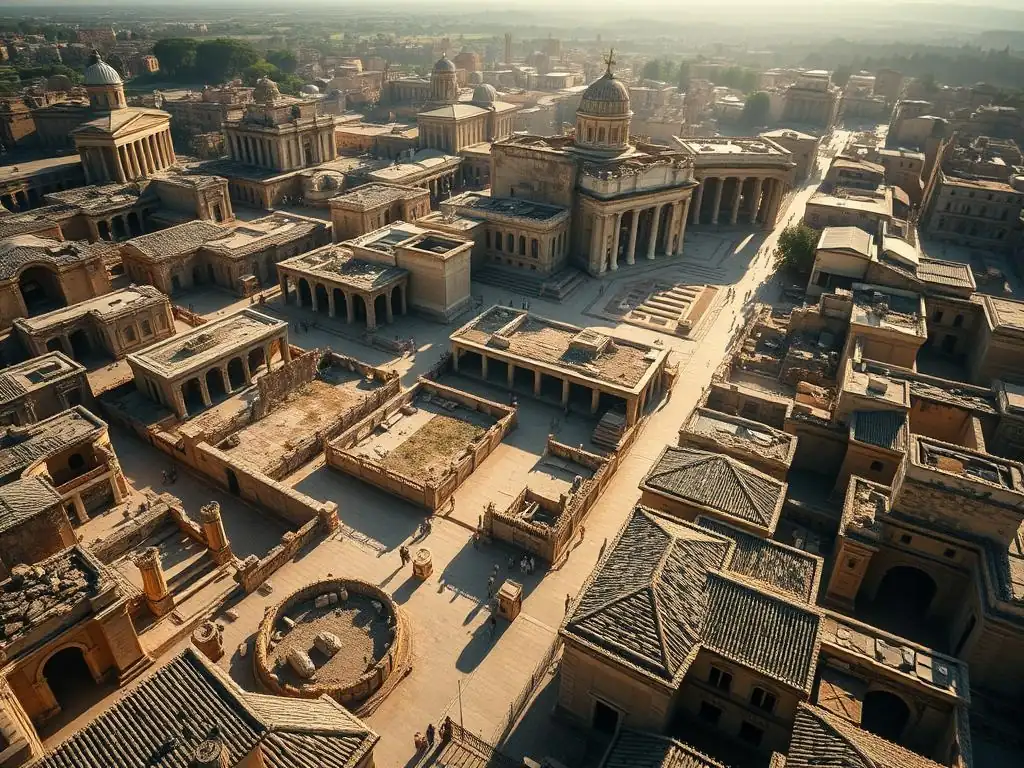
Import and Export Routes: Connecting Pompeii to Distant Lands
Pompeii was strategically situated within a network of trade routes that connected it to distant lands throughout the Roman world, making it a crucial node in Pompeii commerce before eruption. Both land and sea routes converged on Pompeii, facilitating the import of goods from across the Mediterranean and beyond, and the export of Pompeian products to wider markets. The Appian Way, a major Roman road, passed near Pompeii, providing land-based connections to Rome and other inland centers.
Sea routes were equally important, with Pompeii's port enabling maritime trade with regions across the Mediterranean. Imports to Pompeii included grain, raw materials, luxury goods, and specialized products from various parts of the Roman Empire. Exports from Pompeii primarily consisted of wine, olive oil, garum, and manufactured goods like pottery and textiles. This active participation in regional and long-distance trade networks was essential to Pompeii commerce before eruption, contributing to its economic prosperity and cultural exchange.
The Role of Pompeii's Port in Facilitating Trade
Pompeii's port played a pivotal role in facilitating trade and connecting the city to the wider Roman world, underpinning Pompeii commerce before eruption. While the exact location and extent of Pompeii's ancient port are still debated by archaeologists due to coastal changes since the eruption, its importance is undeniable. The port served as the gateway for maritime trade, allowing for the efficient import and export of goods. Through its port, Pompeii accessed markets throughout the Mediterranean, participating in a vast economic network.
The port would have been a bustling hub of activity, with ships arriving and departing, carrying cargoes of various commodities. Warehouses and storage facilities would have been located near the port to handle the flow of goods. The port's infrastructure and organization were crucial for supporting Pompeii commerce before eruption, enabling the city to thrive as a trading center and contributing to its overall economic success. The maritime access provided by its port was a key factor in Pompeii's prosperity and its integration into the Roman economic system.
The Impact of the Eruption on Pompeii's Economy
Preserving Evidence of Pompeii's Pre-Eruption Commerce
The catastrophic eruption of Mount Vesuvius in 79 AD, while devastating, ironically played a crucial role in preserving evidence of Pompeii's pre-eruption commerce, offering unparalleled insights into Pompeii commerce before eruption. The thick layers of volcanic ash and pumice that buried Pompeii sealed and protected the city, effectively freezing it in time. This preservation process has allowed archaeologists to uncover not only buildings and infrastructure but also organic materials, food remains, and everyday objects that provide a remarkably detailed picture of Pompeian life and economy.
The preservation of shops, workshops, and marketplaces, along with their contents, offers a unique opportunity to study ancient Roman commercial practices. Carbonized remains of food in bakeries and thermopolia, tools and materials in workshops, and even graffiti on walls provide tangible evidence of the daily economic activities of Pompeii. The eruption, in its destructive force, inadvertently created a time capsule, preserving a snapshot of Pompeii commerce before eruption that would otherwise have been lost to the ravages of time.
What the Excavations Reveal About Daily Business in Pompeii
Excavations in Pompeii have revealed an extraordinary wealth of information about daily business practices and the intricacies of Pompeii commerce before eruption. The discovery of account books, tax records, and business correspondence, though fragmentary, provides direct textual evidence of commercial transactions. Shop signs and advertisements on walls offer insights into the types of businesses and goods available. The layout and organization of shops and workshops reveal how businesses were structured and operated.
Furthermore, the analysis of artifacts found in commercial establishments provides details about the goods traded, the tools used, and the processes involved in various industries. For example, the discovery of amphorae stamps allows researchers to trace trade routes and identify the origins and destinations of goods. The cumulative evidence from excavations paints a vivid picture of a dynamic and sophisticated commercial system, showcasing the diverse and thriving Pompeii commerce before eruption and its integral role in the daily lives of its citizens.
Lessons from Pompeii: Understanding Ancient Roman Commerce
Applying Insights from Pompeii to Modern Economic Studies
The remarkably preserved remains of Pompeii offer valuable insights that can be applied to modern economic studies, particularly in understanding urban economies, small businesses, and consumer behavior. The detailed evidence of Pompeii commerce before eruption provides a case study for analyzing the dynamics of a pre-industrial urban economy. The diversity of businesses, the specialization of labor, and the interconnectedness of different sectors of the Pompeian economy offer lessons in economic resilience and adaptation.
Studying Pompeii's commercial landscape can also inform our understanding of small business entrepreneurship in ancient societies. The numerous family-run shops and workshops in Pompeii demonstrate the importance of small-scale enterprises in the Roman economy. Furthermore, analyzing consumer behavior in Pompeii, based on archaeological evidence of goods and consumption patterns, can provide insights into ancient market dynamics and consumer preferences. The lessons learned from Pompeii commerce before eruption are relevant even today, offering a historical perspective on fundamental economic principles.
The Enduring Legacy of Pompeii's Commercial Life
The enduring legacy of Pompeii's commercial life lies in its unparalleled preservation, offering a tangible connection to the daily realities of ancient Roman commerce before eruption. Pompeii serves as a living museum, allowing us to walk the streets, enter the shops, and witness firsthand the spaces where commerce thrived centuries ago. This direct encounter with the physical remains of Pompeian businesses provides a more profound understanding of ancient Roman economic life than textual sources alone can offer.
Pompeii's story also serves as a reminder of the cyclical nature of prosperity and catastrophe. The vibrant commercial center that was Pompeii was abruptly destroyed, yet its ruins continue to teach us about the past and inform our understanding of economic systems. The legacy of Pompeii commerce before eruption is not just about the past; it is also about the enduring human drive to engage in trade, innovation, and economic activity, lessons that resonate across time and cultures.
Conclusion: Pompeii, A Vibrant Commercial Center Lost to Time
Pompeii, before its tragic demise, was a vibrant commercial center, a bustling hub of economic activity fueled by agriculture, manufacturing, and trade. The evidence unearthed from the ruins paints a vivid picture of Pompeii commerce before eruption, revealing a sophisticated and dynamic urban economy. From the vineyards and wineries that produced prized wines to the workshops crafting everyday goods and artistic creations, Pompeii's economy was diverse and robust. The shops, bakeries, thermopolia, and other businesses that lined its streets catered to the needs of a thriving population and facilitated commerce.
The Forum served as the beating heart of Pompeian commerce, a center of trade, social interaction, and civic life. Pompeii's port and trade networks connected it to the wider Roman world, enabling the import of goods and the export of Pompeian products. While lost to time in a catastrophic eruption, Pompeii's remarkably preserved commercial landscape offers an invaluable window into ancient Roman economic life. The story of Pompeii commerce before eruption is a testament to the city's prosperity, its entrepreneurial spirit, and its vital role in the economic fabric of the Roman Empire.
Frequently Asked Questions
How did the eruption of Mount Vesuvius in 79 AD affect Pompeii's commercial activities?
The eruption preserved evidence of Pompeii's commercial life, freezing it in time. This provides invaluable insight into the daily business operations and economic activities before the disaster.
What types of shops and businesses were common in Pompeii before the eruption?
Pompeii had a thriving economy with diverse businesses, including bakeries, taverns (thermopolia), workshops producing goods like pottery and textiles, and shops selling food, clothing, and other necessities. These shops served both local residents and visiting traders.
What evidence suggests Pompeii was a prosperous commercial center before the eruption?
The discovery of well-stocked shops, numerous amphorae (storage jars) for goods, intricate mosaics, and elaborate villas indicate a high level of wealth and trade. This points to a thriving economy supported by agriculture, manufacturing, and commerce.
How did Pompeii's location contribute to its commercial success before the eruption?
Pompeii's location near the coast and its fertile volcanic soil made it ideal for agriculture and trade. Its access to the sea facilitated imports and exports, while the volcanic soil supported wine production and other agricultural ventures.
What can we learn about Roman commerce in general from studying Pompeii's shops and businesses?
Pompeii offers a snapshot of everyday Roman life and commerce, showing how goods were produced, distributed, and sold. Studying Pompeii provides insight into Roman business practices, trade networks, and the economic activities that sustained Roman society.
Okay, here's a final reflection designed to close your article, "Pompeii's Shops and Businesses: Commerce Before Catastrophe," optimized for the keyword "Pompeii commerce before eruption," and following the structure you outlined:
Final Reflection: Echoes of Enterprise in Ash
The story of Pompeii's commerce before the eruption isn't just a historical curiosity; it's a vibrant testament to the enduring human spirit of enterprise. The bustling shops, the innovative businesses, and the everyday transactions frozen in time offer a powerful reminder that even in the shadow of impending disaster, life, and the pursuit of prosperity, continued unabated. These echoes of commerce, preserved under layers of ash, resonate deeply with our own contemporary struggles and aspirations.
The sheer variety and ingenuity of Pompeii's commercial life – from bakeries and laundries to taverns and workshops – continue to influence our understanding of Roman society and the dynamism of ancient economies. Witnessing the remnants of their daily lives, their struggles, and their successes, creates a profound connection across millennia. The past is never dead. It's not even past.
- William Faulkner. This quote perfectly encapsulates the enduring relevance of Pompeii, reminding us that the human experiences of ambition, innovation, and the pursuit of a better life are timeless.
Let us not simply marvel at the ruins of Pompeii, but instead, let us reflect on the resilience and resourcefulness of its people. Consider how their entrepreneurial spirit, their dedication to their crafts, and their commitment to community mirror our own aspirations today. What lessons can we learn from their successes and failures as we navigate our own uncertain future? Let the story of Pompeii's commerce before the eruption inspire you to embrace innovation, to build meaningful connections, and to contribute to a thriving community, no matter what challenges lie ahead.
Okay, here's a CTA for the end of a web article titled "Pompeii's Shops and Businesses: Commerce Before Catastrophe," for the website "Volcano Explorers" (volcanoexplorers.org):
Unearth Pompeii's Secrets: Become a Modern-Day Merchant!
Thank you for joining us on this journey through Pompeii's bustling marketplace. We hope you've enjoyed exploring the vibrant commercial life that thrived before the eruption. Now, let's bring that spirit of discovery to life with a few actionable steps.
- Embark on a virtual expedition: Dive deeper into Pompeii's world by exploring online museum collections and virtual tours. Uncover the stories behind individual shops and the lives of the people who ran them.
- Imagine yourself setting up a shop in Pompeii! What kind of business would you open? What products or services would you offer to the community?
- Share this article with fellow history buffs and volcano enthusiasts – let's spread the word about the incredible discoveries being made at Pompeii!
What single artifact or shop from Pompeii's ruins most inspires you, and why? Let us know in the comments below!