
Mount Pelée's Fury: A Turning Point in Our Understanding of Volcanic Disasters

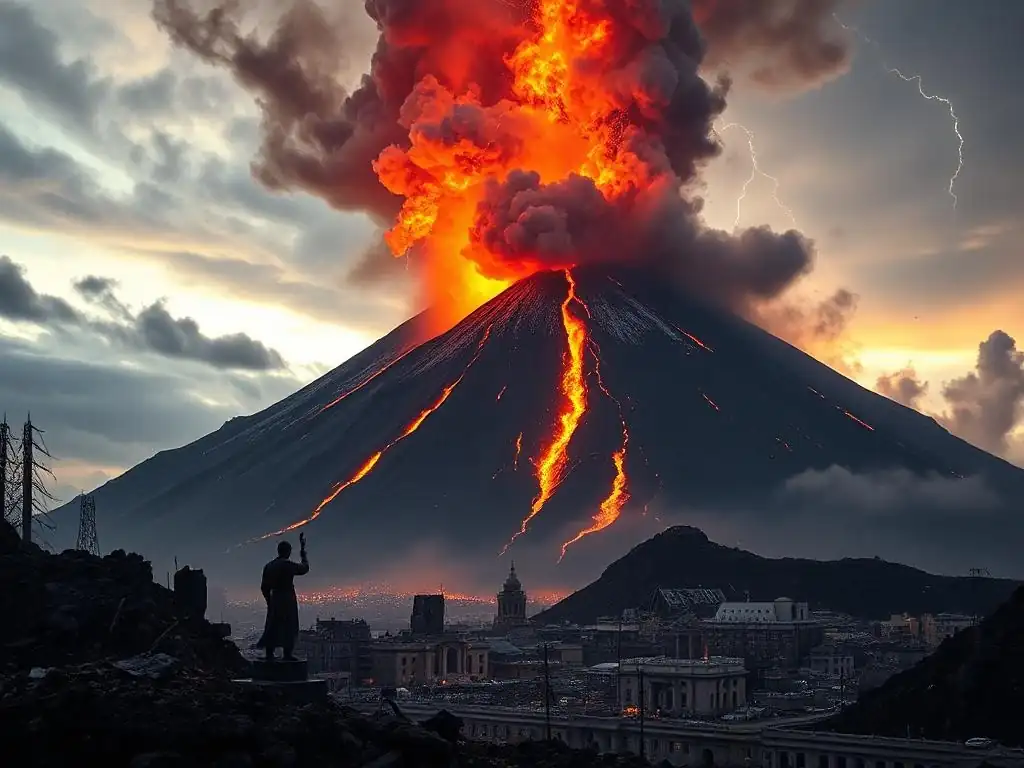
Welcome to Volcano Explorers!
Prepare to be captivated by the raw power and breathtaking beauty of Earth's fiery giants. Are you ready to unravel the mysteries hidden beneath the surface? This site is your gateway to understanding the science, history, and impact of volcanoes around the globe. Dive in now to explore our in-depth analysis of Mount Pelée's volcanic disaster, a pivotal moment that forever changed how we study and prepare for these cataclysmic events. What lessons did we learn from this devastating eruption, and how are they still relevant today? The answers await you...
Setting the Stage: Saint-Pierre, the "Paris of the Caribbean"
At the dawn of the 20th century, Saint-Pierre, Martinique, was a vibrant and prosperous port city, often lauded as the "Paris of the Caribbean." Its cobblestone streets, elegant French colonial architecture, and bustling commercial activity distinguished it as the cultural and economic heart of the French West Indies. Saint-Pierre boasted a population of approximately 30,000 inhabitants, a diverse mix of French colonists, Creoles, and people of African descent, all contributing to its rich cultural tapestry. The city was a major trading hub, exporting sugar, rum, coffee, and cacao, drawing ships and merchants from around the globe to its harbor.
Culturally, Saint-Pierre was a beacon of sophistication and refinement. It was renowned for its theaters, lively cafes, and vibrant social scene. Wealthy landowners and merchants resided in grand homes, and the city enjoyed a reputation for its cosmopolitan atmosphere and high standard of living. Education and the arts flourished, making Saint-Pierre a center of intellectual and artistic life in the Caribbean. This flourishing metropolis, nestled at the foot of the seemingly dormant Mount Pelée, was on the cusp of unimaginable devastation, oblivious to the volcanic disaster that would soon obliterate its vibrant existence.
- What exactly was the Mount Pelée volcanic disaster, and when did it occur?
- What were the primary causes of the extreme devastation caused by the Mount Pelée eruption?
- How did the Mount Pelée eruption change our understanding of volcanic hazards and risks?
- What lessons were learned from the Mount Pelée disaster regarding volcanic monitoring and evacuation procedures?
- Where can I find more information and real-time updates on active volcanoes around the world?
Frequently Asked Questions
What exactly was the Mount Pelée volcanic disaster, and when did it occur?
The Mount Pelée volcanic disaster was a devastating eruption that occurred on May 8, 1902, on the island of Martinique. It destroyed the city of Saint-Pierre and resulted in a significant loss of life.
What were the primary causes of the extreme devastation caused by the Mount Pelée eruption?
The primary cause was a pyroclastic flow, a fast-moving current of hot gas and volcanic matter. This devastating flow overwhelmed Saint-Pierre with immense heat and force.
How did the Mount Pelée eruption change our understanding of volcanic hazards and risks?
It led to the recognition of pyroclastic flows as a major volcanic hazard. This understanding improved risk assessment and mitigation strategies for future eruptions.
What lessons were learned from the Mount Pelée disaster regarding volcanic monitoring and evacuation procedures?
The disaster highlighted the need for improved volcanic monitoring systems. It also emphasized the critical importance of timely and effective evacuation plans in areas prone to volcanic activity.
Where can I find more information and real-time updates on active volcanoes around the world?
VolcanoExplorers.org provides educational content, safety guides, and real-time updates on volcanic activity worldwide, helping you stay informed about these powerful phenomena.
Final Reflection: Echoes of Pelée, Lessons for Tomorrow
The devastating eruption of Mount Pelée in 1902 serves as a stark reminder of nature's raw power and humanity's vulnerability. The insights gleaned from that tragedy continue to shape our understanding of volcanic hazards and inform modern disaster preparedness strategies. The lessons learned on Martinique, paid for in unimaginable loss, are now woven into the fabric of volcanology, influencing monitoring techniques, evacuation protocols, and risk assessment methodologies worldwide.
The impact of Mount Pelée extends beyond scientific advancements; it fundamentally altered our perception of volcanic eruptions, shifting from romanticized notions of fiery spectacle to a chilling recognition of their destructive potential. The story of Saint-Pierre, once known as the "Paris of the Caribbean," serves as a constant, sobering reminder of the importance of heeding scientific warnings and prioritizing public safety. Those who cannot remember the past are condemned to repeat it.
- George Santayana. This quote resonates deeply when we consider the preventable aspects of the Pelée disaster and the ongoing need for vigilance in volcanic regions.
As we reflect on the legacy of Mount Pelée, let us not forget the lives lost and the lessons learned. Consider how you can contribute to a world better prepared for natural disasters. Whether it's supporting scientific research, advocating for improved disaster preparedness in your community, or simply staying informed about the risks in your region, your actions can help ensure that the echoes of Pelée serve as a call to action, not a prophecy of future tragedies.
Rediscover the Power Within: Become a Volcano Guardian!
Thank you for delving into the story of Mount Pelée and its profound impact on volcanology. Now that you've learned about the devastating pyroclastic flows and the lessons they taught us, it's time to channel that knowledge into positive action and contribute to a safer future.
Here's how you can get involved:
- Become a Citizen Scientist: Contribute to our live monitoring project at VolcanoExplorers.org by reporting any unusual activity near volcanic regions.: We need your eyes on the ground (safely, of course!) to help us detect early warning signs and protect communities.
- Share this article with friends and family to raise awareness about the importance of volcanic preparedness. The more people who understand these risks, the better equipped we all are.
- Brainstorm innovative solutions with local communities to mitigate the impact of future volcanic eruptions. What practical steps can be taken to improve evacuation plans and resilience?
What innovative solutions can you think of to better prepare vulnerable communities for future volcanic eruptions? Share your ideas in the comments below!