
Roar of the Volcano, Whisper of Your Pack: Finding Harmony in Adventure Gear

Welcome!
Ever felt the raw power of the Earth rumbling beneath your feet? At Volcano Explorers, we understand that allure. Before you chase that thrill, though, consider this: the best adventure gear for volcanoes isn't just about surviving; it's about experiencing. What secrets lie hidden in choosing the right equipment, and how can it transform your volcanic journey? Prepare to discover more...
- Conquering the Peaks: Essential Backpacking Gear for Mountaineering
- The Ultimate Guide to Selecting the Best Backpacking Gear for Mountaineering Expeditions
-
Top 5 Mountaineering Backpacks: Expert Recommendations
- 1. Osprey Mutant 52: Versatile and Durable for Alpine Climbs
- 2. Black Diamond Stone Duffel 42: Hauling Gear with Ease and Durability
- 3. Arc'teryx Alpha AR 55: Lightweight and Weather-Resistant for Technical Climbs
- 4. Gregory Denali 75: Heavy-Duty Support for Extended Mountaineering Trips
- 5. Thule Guidepost 65L: Adjustable Suspension for a Comfortable Fit
- Beyond the Backpack: Essential Mountaineering Gear Checklist
- Maximizing Your Mountaineering Adventure: Tips and Considerations
- Conclusion: Gear Up and Explore the Majesty of Mountains
-
Frequently Asked Questions
- What makes adventure gear specific to volcanoes different from regular hiking gear?
- What are the essential pieces of adventure gear recommended for exploring volcanoes?
- How important is heat protection when choosing adventure gear for volcanoes?
- Where can I find reliable sources for real-time updates on volcanic activity before embarking on a volcano adventure?
- What factors should I consider when selecting a backpack for carrying adventure gear while exploring volcanoes?
- Final Reflection: Embracing the Extremes, Finding Your Center
- Ignite Your Inner Explorer: Gear Up for Unforgettable Adventures!
Conquering the Peaks: Essential Backpacking Gear for Mountaineering
The Ultimate Guide to Selecting the Best Backpacking Gear for Mountaineering Expeditions
Preparing for High Altitude: Why Specialized Mountaineering Gear Matters
Venturing into volcanic landscapes often means confronting significant altitude gains. As you ascend, the air thins, reducing oxygen availability, which can lead to altitude sickness and decreased physical performance. For instance, the summit of Mount Teide in Tenerife, Spain, reaches 3,718 meters (12,198 feet), and acclimatization and appropriate gear become crucial for safe and enjoyable exploration.
Specialized mountaineering gear is engineered to perform under these demanding conditions, providing essential support, insulation, and safety features that regular hiking equipment simply cannot match. Ignoring these needs can not only diminish your experience but also put you at serious risk in unpredictable volcanic environments.
Furthermore, volcanic regions present unique challenges beyond altitude. The terrain can be extremely varied and unforgiving, ranging from loose volcanic ash and scree to sharp, abrasive lava rocks and potentially icy or snow-covered summits, depending on the volcano and time of year.
Consider the example of climbing Mount Fuji in Japan, which, despite being a popular climb, involves navigating steep, rocky sections and variable weather conditions, especially outside of the peak summer season. Mountaineering gear is built to withstand these harsh conditions, offering superior durability, traction, and protection against the elements, ensuring you are adequately equipped to handle the diverse challenges of a volcanic ascent.
When selecting a mountaineering backpack for volcano exploration, several key features become paramount for navigating challenging terrain. A robust suspension system is crucial, designed to efficiently transfer the weight of your gear to your hips and legs, rather than straining your shoulders and back. This is particularly important when traversing uneven volcanic slopes and scrambling over boulders.
Look for backpacks with adjustable hip belts, sternum straps, and load lifters, which allow you to customize the fit and distribute weight effectively. For example, backpacks in the 50-75 liter range are often favored for multi-day volcano treks, capable of carrying essential gear like layers, safety equipment, food, and water, all while maintaining balance and stability on demanding trails.
Beyond the suspension, durability and material construction are non-negotiable in volcanic environments. Volcanic rock is notoriously abrasive, and backpacks can face significant wear and tear from scraping against sharp edges and volcanic debris. Choose backpacks made from high-denier, abrasion-resistant fabrics like ripstop nylon or Cordura. Reinforced bottom panels and durable zippers are also essential for withstanding the rigors of volcano expeditions.
Weather resistance is another vital feature. While not all volcano climbs involve rain, conditions can change rapidly at higher altitudes, and unexpected showers or snow are possible. Water-resistant or waterproof fabrics, along with integrated rain covers, will protect your gear from moisture and volcanic ash, ensuring your essentials remain dry and functional throughout your adventure.
Top 5 Mountaineering Backpacks: Expert Recommendations
1. Osprey Mutant 52: Versatile and Durable for Alpine Climbs
Features that Conquer the Summit: Osprey Mutant 52 Review
The Osprey Mutant 52 is celebrated for its adaptability and resilience, making it a strong contender for volcano exploration. Its stripped-down design focuses on essential mountaineering features without unnecessary bulk, which is advantageous when navigating narrow volcanic ridges or chimneys. The pack boasts a lightweight yet durable construction, typically using high-tenacity nylon fabrics that can withstand abrasion from volcanic rock.
A key feature is its ice tool carry system, which, while primarily designed for ice axes, can also be utilized to securely carry trekking poles, essential for stability on loose volcanic scree. The Mutant 52 also incorporates a removable top lid and frame sheet, allowing you to further reduce weight for summit pushes or shorter excursions around the volcano's base.
Another notable aspect of the Osprey Mutant 52 is its emphasis on climbing-specific features. Gear loops on the hip belt and daisy chains on the front panel provide ample attachment points for carabiners, extra layers, or even small cameras to capture the dramatic volcanic scenery.
The pack’s compression straps are strategically placed to cinch down the load, preventing gear from shifting during strenuous ascents and descents on uneven volcanic slopes. The internal hydration sleeve is compatible with most reservoir brands, enabling easy hydration on the go, a critical factor in maintaining energy levels during long days exploring volcanic landscapes where water sources may be limited.
Price and Where to Buy: Secure Your Osprey Mutant 52
The Osprey Mutant 52 typically retails between $180 and $220 USD, depending on the retailer and any ongoing sales. It is widely available from major outdoor retailers like REI, Backcountry, and Amazon, as well as specialty mountaineering shops. Checking Osprey's official website or authorized dealers will ensure you are purchasing from a reputable source and can access warranty information. Given its versatility and durability, the Osprey Mutant 52 represents a solid investment for volcano enthusiasts seeking a reliable and feature-rich backpack for various volcanic adventures, from day hikes to multi-day summit attempts.
2. Black Diamond Stone Duffel 42: Hauling Gear with Ease and Durability
Key Benefits for Mountaineers: Black Diamond Stone Duffel 42
The Black Diamond Stone Duffel 42 stands out as a robust and practical option for mountaineers, particularly those focused on gear-intensive volcano expeditions or basecamp setups. While technically a duffel, its backpack carry system transforms it into a highly portable gear hauler. Constructed from burly, abrasion-resistant materials, often heavy-duty polyester or nylon, the Stone Duffel is built to withstand the rough handling typical of travel to and around volcanic sites. Its large, zippered opening provides easy access to the entire main compartment, simplifying packing and unpacking, which is especially beneficial when organizing gear in dusty or ash-filled environments.
One of the key advantages of the Black Diamond Stone Duffel 42 is its straightforward, no-frills design. It prioritizes durability and ease of use over excessive features, making it a dependable workhorse for carrying heavier loads of mountaineering equipment. Reinforced haul handles on all sides offer multiple grab points, useful when maneuvering the duffel in and out of vehicles or tents at a volcanic basecamp.
Internal zippered pockets help organize smaller items like toiletries or first-aid supplies, preventing them from getting lost in the main compartment. While it lacks the sophisticated suspension system of dedicated mountaineering backpacks, its padded shoulder straps and hip belt, though simpler, are adequate for carrying loads over shorter distances from transportation to lodging or campsites near volcanic areas.
Why This Pack Shines: Pros and Cons for Mountain Environments
The Black Diamond Stone Duffel 42 excels in its durability and ease of access, making it ideal for transporting gear to volcano basecamps or for expeditions where ruggedness is paramount. Its spacious main compartment easily accommodates bulky items like mountaineering boots, layers, and cooking equipment.
The duffel’s robust construction ensures it can withstand being tossed around and dragged across rough volcanic terrain without significant wear and tear. However, its simple suspension system is less comfortable for long-distance carries compared to dedicated mountaineering backpacks, and the lack of external attachment points limits its versatility for carrying specialized climbing gear on the outside.
In terms of price, the Black Diamond Stone Duffel 42 is generally more affordable than technical mountaineering backpacks, typically ranging from $120 to $160 USD. This makes it an attractive option for budget-conscious volcano explorers or those needing a secondary gear hauler in addition to a dedicated backpack. While not designed for technical climbs, its durability and capacity make it an excellent choice for supporting volcano adventures, especially when combined with a smaller, more technical backpack for summit attempts or day excursions.
3. Arc'teryx Alpha AR 55: Lightweight and Weather-Resistant for Technical Climbs
Load-Bearing Champion: Arc'teryx Alpha AR 55 Features Breakdown
The Arc'teryx Alpha AR 55 is engineered for technical alpine and mountaineering pursuits, and its design translates exceptionally well to demanding volcano climbs. Renowned for its lightweight yet incredibly durable construction, the Alpha AR 55 utilizes Arc'teryx's signature materials, often including high-performance nylon fabrics with exceptional tear and abrasion resistance, crucial for navigating sharp volcanic rock and exposed ridges. Its weather-resistant design, often incorporating waterproof or highly water-resistant fabrics and taped seams in key areas, provides excellent protection against sudden weather changes and volcanic ash ingress, keeping your gear dry and functional even in challenging conditions.
A defining feature of the Arc'teryx Alpha AR 55 is its efficient load-carrying capability. The pack’s suspension system is designed to distribute weight effectively, even when carrying heavier loads of mountaineering equipment. The pivoting hip belt and ergonomic shoulder straps move with your body, enhancing comfort and stability during technical maneuvers on steep volcanic slopes. Ice axe loops and trekking pole attachments are thoughtfully integrated, allowing for secure and accessible carry of essential tools. The pack's streamlined profile minimizes snagging on rock features, a significant advantage in technical volcanic environments.
Is it Right for You? : Considerations Before Buying the Arc'teryx Alpha AR 55
The Arc'teryx Alpha AR 55 is a top-tier mountaineering backpack, ideal for serious volcano explorers undertaking technical climbs and multi-day expeditions. Its lightweight construction, weather resistance, and exceptional load-carrying capabilities make it a standout performer in demanding mountain environments. However, its premium features come at a higher price point, typically ranging from $400 to $500 USD, placing it at the higher end of the mountaineering backpack spectrum. This cost reflects the advanced materials and meticulous construction that Arc'teryx is known for.
Consider your specific needs and budget when evaluating the Arc'teryx Alpha AR 55. If you prioritize lightweight performance, durability, and weather protection for technical volcano ascents and are willing to invest in top-of-the-line gear, the Alpha AR 55 is an excellent choice. However, for less demanding volcano hikes or budget-conscious adventurers, other options might offer a more balanced value proposition. The Alpha AR 55 is best suited for those who require uncompromising performance and durability in challenging volcanic terrains and appreciate the refined design and engineering of high-end mountaineering equipment.
4. Gregory Denali 75: Heavy-Duty Support for Extended Mountaineering Trips
Shielding Your Gear: Gregory Denali 75 Durability and Capacity
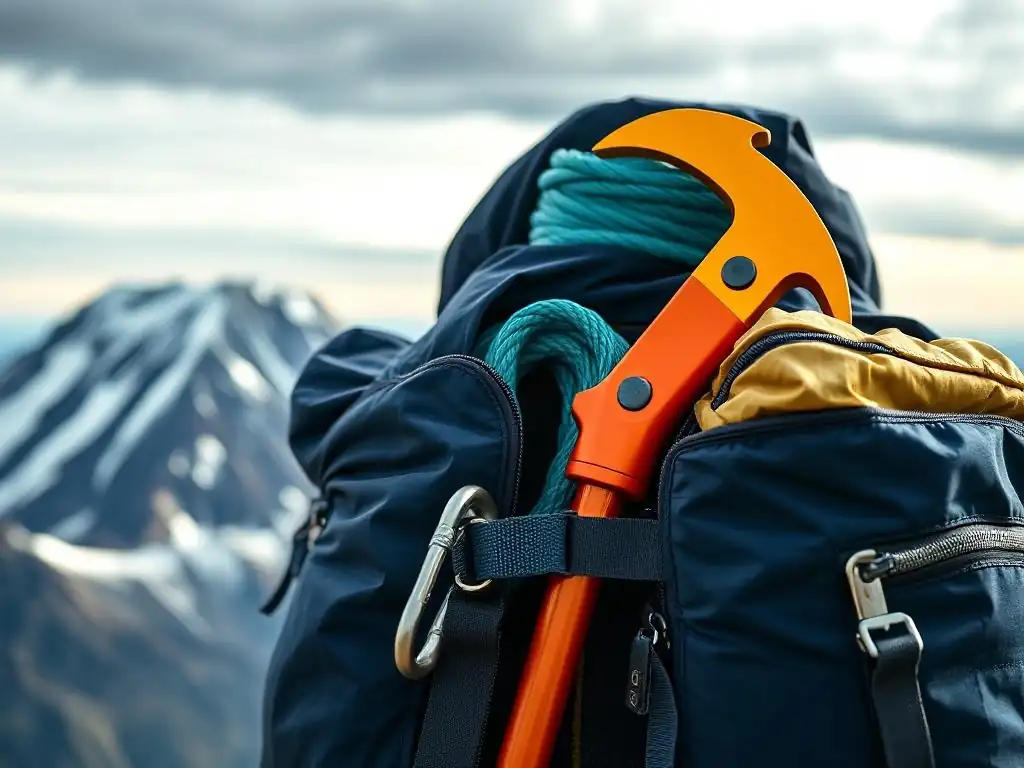
The Gregory Denali 75 is built for expeditions where carrying substantial gear is non-negotiable, making it well-suited for extended volcano basecamp setups or multi-day treks around volcanic regions. Its large 75-liter capacity provides ample space for carrying everything from tents and sleeping bags to cooking equipment and extensive layers for varying volcanic weather. Constructed from robust, high-denier nylon fabrics, the Denali 75 prioritizes durability to withstand the wear and tear of long expeditions and rough handling in remote volcanic environments. Reinforced stress points and heavy-duty zippers further enhance its resilience, ensuring it can endure demanding conditions.
A key strength of the Gregory Denali 75 is its robust suspension system, designed to comfortably manage heavy loads. The pack incorporates a rigid frame and a supportive hip belt and shoulder straps, effectively distributing weight and providing stability, even when fully loaded. This is particularly beneficial when traversing long distances with heavy gear across volcanic landscapes, reducing strain and fatigue. Multiple external pockets and lash points offer extensive organization options for gear, allowing you to separate and easily access essential items like water bottles, maps, and first-aid kits.
A Pricey Choice? : Weighing the Value of the Gregory Denali 75
The Gregory Denali 75 is positioned as a premium expedition pack, reflecting its large capacity, heavy-duty construction, and advanced features. Its retail price typically falls in the range of $350 to $450 USD, making it a significant investment. This price is justified by its durability, load-carrying capability, and features designed for extended expeditions in demanding environments, including volcanic regions. For volcano explorers planning multi-day treks or basecamp-oriented trips, the Denali 75 offers the capacity and robustness needed to carry substantial gear comfortably and reliably.
However, for shorter volcano hikes or budget-conscious adventurers, the Gregory Denali 75 might be overkill. Its large size and heavier weight can be less desirable for day trips or climbs where agility and lighter packs are preferred. Consider your typical volcano adventure style and gear requirements when evaluating the Denali 75. If you frequently undertake extended expeditions requiring extensive gear, its durability and load-carrying capacity offer excellent value. But for shorter, lighter trips, a smaller and less expensive backpack might be more appropriate.
5. Thule Guidepost 65L: Adjustable Suspension for a Comfortable Fit
Features that Won't Break the Bank: Thule Guidepost 65L
The Thule Guidepost 65L strikes a balance between performance, comfort, and value, making it an appealing option for volcano adventurers seeking a versatile and moderately priced backpack. Its adjustable suspension system is a standout feature, allowing for torso length customization to achieve a comfortable and personalized fit, crucial for long days on volcanic trails. The hip belt and shoulder straps are designed to contour to the body, enhancing comfort and load distribution, even when carrying substantial weight. The Guidepost 65L typically utilizes durable nylon fabrics, providing good abrasion resistance for general mountaineering and volcano exploration activities.
Another practical feature of the Thule Guidepost 65L is its convertibility to a smaller daypack. The top lid detaches and transforms into a functional daypack, useful for summit pushes or shorter side excursions from a volcano basecamp. This 2-in-1 design adds versatility and reduces the need for carrying a separate daypack. External attachment points, including trekking pole and ice axe loops, provide options for carrying essential tools. The pack also incorporates zippered pockets and internal organization to help keep gear sorted and accessible.
The Value Proposition: Is This Backpack Right for Your Wallet and Adventure?
The Thule Guidepost 65L generally retails in the $250 to $350 USD range, positioning it as a mid-range mountaineering backpack. This price point offers a compelling value proposition, considering its adjustable suspension, comfortable fit, and versatile features, including the convertible daypack lid. For volcano enthusiasts seeking a capable and comfortable backpack without breaking the bank, the Guidepost 65L is a strong contender. It provides a good balance of performance, durability, and features suitable for a range of volcano adventures, from multi-day treks to basecamp-supported climbs.
However, compared to higher-end packs, the Thule Guidepost 65L might not offer the same level of extreme durability or specialized features found in packs like the Arc'teryx Alpha AR 55. For very demanding technical volcano climbs or expeditions pushing gear to its limits, dedicated high-performance packs might be preferred. But for most volcano explorers seeking a reliable, comfortable, and versatile backpack for general mountaineering and volcano adventures, the Thule Guidepost 65L represents an excellent balance of price and performance.
Beyond the Backpack: Essential Mountaineering Gear Checklist
Protective Footwear: Mountaineering Boots Built for Ice and Snow
La Sportiva Nepal Evo GTX: A Classic Choice for High-Altitude Climbing
La Sportiva Nepal Evo GTX boots are a long-standing favorite among mountaineers for their robust construction, warmth, and technical performance, making them well-suited for volcano climbs that involve snow, ice, or mixed terrain. Constructed with durable leather uppers and a waterproof Gore-Tex membrane, these boots offer excellent protection from the elements and abrasion from volcanic rock. Their stiff soles provide exceptional support and stability on uneven terrain and are compatible with crampons, essential for glacier travel or icy volcanic summits. The insulated lining offers warmth in cold conditions, crucial for high-altitude volcano environments where temperatures can plummet rapidly.
The Nepal Evo GTX boots are designed for technical mountaineering, featuring a precise and supportive fit that enhances climbing performance. Their high ankle cuff provides stability and protection, while the lacing system allows for customized tightening in different zones of the foot. The Vibram outsole delivers reliable traction on a variety of surfaces, from rock and scree to snow and ice. While they are a premium boot, typically priced between $500 and $600 USD, their durability and performance make them a worthwhile investment for serious volcano adventurers tackling challenging terrain.
Scarpa Mont Blanc Pro GTX: Technical Performance for Demanding Ascents
Scarpa Mont Blanc Pro GTX boots are another top-tier option for technical mountaineering, known for their lightweight design, agility, and exceptional performance on demanding ascents, including volcano climbs with technical sections. These boots feature a durable fabric and synthetic upper with a Gore-Tex membrane for waterproof and breathable protection. Their lighter weight compared to traditional leather boots enhances agility and reduces fatigue on long climbs. The stiff carbon fiber insole provides excellent support and precision for technical footwork, while remaining relatively lightweight.
The Mont Blanc Pro GTX boots are designed with a focus on technical climbing performance. They are crampon-compatible and feature a close-fitting last that provides excellent sensitivity and control on rock and ice. The Vibram outsole offers reliable traction on varied terrain.
While slightly less warm than the Nepal Evo GTX, they are still adequately insulated for many high-altitude volcano conditions, especially when paired with appropriate socks. Priced similarly to the Nepal Evo GTX, in the $500 to $600 USD range, the Scarpa Mont Blanc Pro GTX boots are an excellent choice for mountaineers prioritizing lightweight agility and technical performance on volcano adventures.
Layering Systems: Adapting to Extreme Mountain Temperatures
Merino Wool Base Layers: Icebreaker 260 Tech Long Sleeve Crewe
Merino wool base layers, such as the Icebreaker 260 Tech Long Sleeve Crewe, are essential for regulating body temperature and managing moisture during volcano expeditions. Merino wool's natural properties make it ideal for mountain environments. It is breathable, allowing moisture vapor to escape, keeping you dry and comfortable even during strenuous activity. It also provides excellent insulation, even when damp, helping to retain warmth in cold conditions. Furthermore, merino wool is naturally odor-resistant, a significant advantage on multi-day volcano treks where washing facilities may be limited.
The Icebreaker 260 Tech Long Sleeve Crewe is a midweight merino wool base layer, offering a good balance of warmth and breathability for a range of conditions encountered on volcanoes. The 260 weight refers to the fabric density, indicating a warmer option suitable for colder temperatures or layering under other garments. Merino wool is also soft and comfortable against the skin, reducing chafing and irritation during prolonged wear. Investing in high-quality merino wool base layers is crucial for maintaining comfort and preventing hypothermia in the variable temperatures of volcanic environments.
Insulating Mid-Layers: Arc'teryx Atom LT Hoody
The Arc'teryx Atom LT Hoody is a versatile and highly popular insulating mid-layer, perfect for volcano adventures due to its lightweight warmth, breathability, and packability. It utilizes synthetic insulation, typically Coreloft by Arc'teryx, which provides excellent warmth-to-weight ratio and retains its insulating properties even when damp, a key advantage in mountain environments where moisture is often present. The Atom LT Hoody is also highly breathable, allowing excess heat and moisture to escape during activity, preventing overheating and maintaining comfort during strenuous volcano climbs.
The Atom LT Hoody's lightweight and compressible design makes it easy to pack and carry in a backpack, taking up minimal space. Its durable water repellent (DWR) finish provides some resistance to light precipitation and volcanic ash. The hood adds extra warmth and protection in windy or cold conditions. The Arc'teryx Atom LT Hoody is a versatile mid-layer that can be worn over a base layer in cooler conditions or under a waterproof shell in wet weather, making it an essential component of a layering system for volcano exploration. It typically retails between $250 and $300 USD.
Waterproof Outerwear: Outdoor Research Interstellar Jacket
Waterproof outerwear is a non-negotiable component of mountaineering gear for volcano expeditions, providing crucial protection against rain, snow, wind, and even volcanic ash. The Outdoor Research Interstellar Jacket is a highly regarded waterproof and breathable shell jacket, well-suited for demanding mountain environments. It utilizes AscentShell technology, Outdoor Research's proprietary waterproof and air-permeable membrane, offering excellent weather protection while maintaining breathability during strenuous activity. This breathability is crucial to prevent moisture buildup inside the jacket, keeping you dry and comfortable even when sweating during volcano climbs.
The Interstellar Jacket is lightweight and packable, making it easy to carry in a backpack until needed. Its durable construction can withstand abrasion from volcanic rock and exposure to harsh weather conditions. Features like a helmet-compatible hood, adjustable cuffs, and zippered pockets enhance its functionality for mountaineering. Investing in a high-quality waterproof shell jacket like the Outdoor Research Interstellar Jacket, typically priced between $300 and $400 USD, is essential for staying dry and protected in the unpredictable weather conditions often encountered on volcanoes.
Safety Gear: Protecting Yourself from Mountain Hazards
Climbing Helmet: Essential Protection from Rockfall and Icefall (e.g., Black Diamond Vector Helmet)
A climbing helmet is non-negotiable safety gear for volcano expeditions, providing critical protection against rockfall, icefall, and head injuries from slips or falls on uneven terrain. Volcanic environments are inherently prone to rockfall, especially on steep slopes and around volcanic vents. Helmets absorb impact and distribute force, significantly reducing the risk of serious head trauma. The Black Diamond Vector Helmet is a popular choice among mountaineers for its lightweight design, ventilation, and robust protection.
The Vector Helmet features a hybrid construction, combining a lightweight foam liner with a durable polycarbonate shell, offering a balance of impact absorption and durability. Ventilation ports enhance airflow, keeping your head cool and comfortable during strenuous climbs. Adjustable straps and suspension systems ensure a secure and comfortable fit. A climbing helmet is a relatively inexpensive piece of safety gear, typically ranging from $80 to $120 USD, but its importance in preventing potentially life-threatening injuries on volcano expeditions cannot be overstated. Always wear a helmet when traversing hazardous volcanic terrain.
Ice Axe: Essential for Self-Arrest and Climbing (e.g., Petzl Summit Evo)
An ice axe is a versatile tool essential for mountaineering, including volcano climbs that involve snow or ice. Its primary functions include providing balance and stability on steep slopes, self-arresting in case of a slip or fall on snow or ice, and aiding in climbing steeper snow or ice sections. The Petzl Summit Evo is a popular and reliable ice axe favored by mountaineers for its lightweight design and versatile performance. It features a curved shaft for efficient self-arrest and a steel pick and adze for secure placements in snow and ice.
Learning proper ice axe techniques, particularly self-arrest, is crucial before venturing onto snow or ice-covered volcanoes. Practice self-arrest techniques in a safe environment before relying on them in a real fall situation. The length of the ice axe should be appropriate for your height and intended use; generally, a shorter axe is preferred for steeper terrain, while a longer axe can be used for walking and balance. An ice axe, typically priced between $100 and $150 USD, is an indispensable safety tool for volcano expeditions involving snow or ice travel.
Crampons: Providing Traction on Ice and Snow (e.g., Black Diamond Contact Crampons)
Crampons are essential traction devices for walking and climbing on snow and ice, and are necessary for volcano expeditions that involve glacier travel, snowfields, or icy summits. They attach to mountaineering boots and provide multiple sharp points that bite into the ice and snow, significantly improving grip and preventing slips. Black Diamond Contact Crampons are a popular choice for general mountaineering and volcano climbs, offering a good balance of performance and ease of use. They are typically strap-on crampons, compatible with most mountaineering boots, and feature durable steel construction.
Choosing the right type of crampons depends on the intended terrain. Strap-on crampons are versatile and suitable for general mountaineering and glacier travel. Step-in crampons offer a more secure and precise fit but require boots with compatible welts. Learning how to properly attach and use crampons, as well as practicing walking techniques on snow and ice, is crucial before using them on a volcano expedition. Crampons typically range in price from $150 to $250 USD, and are essential safety gear for any volcano climb involving snow or ice.
Hydration and Nutrition: Staying Fueled on Your Mountaineering Adventure
Hydration Reservoirs: Platypus Big Zip LP Reservoir
Hydration is paramount during strenuous volcano expeditions, and hydration reservoirs, such as the Platypus Big Zip LP Reservoir, offer a convenient and efficient way to carry and access water on the go. Reservoirs allow you to drink water hands-free through a drinking tube, without having to stop and remove a water bottle from your backpack. The Platypus Big Zip LP Reservoir is a popular choice for its durable construction, leak-proof design, and easy filling and cleaning. It features a wide-mouth opening for quick filling and cleaning, and a secure zip closure to prevent leaks.
Choosing the right reservoir size depends on the length and intensity of your volcano adventure, as well as water availability along the route. For multi-day treks or climbs in arid volcanic environments, carrying 3 liters or more of water may be necessary. Staying properly hydrated is crucial for maintaining energy levels, preventing altitude sickness, and ensuring optimal performance during volcano explorations. Hydration reservoirs typically range in price from $30 to $50 USD.
Energy Gels and Snacks: Fueling Your Body for Peak Performance (e.g., GU Energy Gel)
Maintaining adequate nutrition is as important as hydration for sustaining energy levels and preventing fatigue during demanding volcano expeditions. Energy gels and snacks provide a quick and easily digestible source of carbohydrates to fuel your body during strenuous activity. GU Energy Gel is a widely used brand among endurance athletes and mountaineers, offering a variety of flavors and formulations designed to provide rapid energy. Energy gels are lightweight and compact, making them convenient to carry in pockets or backpack hip belts for easy access on the go.
In addition to energy gels, pack a variety of nutritious snacks, such as energy bars, trail mix, dried fruit, and nuts, to provide sustained energy and essential nutrients. Planning your nutrition strategy for a volcano expedition involves considering the duration and intensity of the activity, as well as your individual caloric needs.
Consuming energy gels and snacks regularly throughout the day, along with staying hydrated, will help maintain energy levels, prevent bonking, and optimize your performance during volcano explorations. The cost of energy gels and snacks varies depending on brand and quantity, but allocating a budget for sufficient nutrition is essential for a successful and enjoyable volcano adventure.
Maximizing Your Mountaineering Adventure: Tips and Considerations
Understanding Mountain Hazards: Preparing for the Unexpected
Volcanoes, while majestic, present a unique set of hazards beyond typical mountain environments. Understanding these risks is crucial for safe and responsible volcano exploration. Volcanic eruptions are the most dramatic hazard, ranging from minor steam vents to explosive events that can eject ash, rocks, and gas over vast distances.
Monitoring volcanic activity reports and heeding warnings from local authorities is paramount before and during any volcano trip. Volcanic gases, such as sulfur dioxide and carbon dioxide, can be toxic and accumulate in low-lying areas or volcanic vents. Being aware of potential gas hazards and avoiding areas with strong sulfur smells or visible gas plumes is essential.
Unstable terrain is another significant hazard on volcanoes. Volcanic ash, loose scree, and lava flows can create treacherous walking surfaces prone to slips and falls. Stick to established trails when possible, and exercise caution when traversing unstable areas. Weather conditions on volcanoes can change rapidly and dramatically, especially at higher altitudes. Be prepared for sudden shifts in temperature, wind, rain, or snow.
Hypothermia and heatstroke are both potential risks depending on the conditions and your preparation. Carry appropriate layers of clothing and be prepared to adjust your plans based on weather changes. Altitude sickness is a risk on volcanoes exceeding 2,500 meters (8,000 feet). Ascend gradually to allow your body to acclimatize, stay hydrated, and be aware of the symptoms of altitude sickness.
Choosing the Right Backpack Size: Finding the Perfect Fit
Selecting the appropriate backpack size is crucial for comfort and efficiency on volcano expeditions. Backpack size is typically measured in liters, indicating the total volume of the main compartment and pockets. Day hikes around volcanoes, or shorter summit attempts, often require backpacks in the 30-50 liter range.
These sizes are sufficient for carrying essential day gear like layers, food, water, safety equipment, and a camera. Multi-day volcano treks or basecamp-supported climbs necessitate larger backpacks, typically in the 50-75 liter range, or even larger for extended expeditions. These sizes can accommodate tents, sleeping bags, cooking equipment, extra clothing, and more substantial food and water supplies.
Consider the duration and style of your volcano adventure when choosing backpack size. Overpacking can lead to unnecessary weight and fatigue, while underpacking may leave you unprepared for changing conditions or emergencies. It's better to err on the side of slightly larger if you are unsure, but strive to pack efficiently and minimize unnecessary gear.
Properly fitting your backpack is as important as choosing the right size. Backpack torso length should match your torso length for optimal weight distribution and comfort. Most reputable outdoor retailers offer backpack fitting services to help you determine the correct size and adjust the pack for a comfortable and secure fit.
Packing Efficiently: Maximizing Space and Minimizing Weight
Efficient packing is an art that significantly enhances the enjoyment and safety of volcano expeditions. The goal is to carry everything you need without overloading your backpack or wasting space. Start by making a detailed gear list to ensure you don't forget essential items and avoid packing unnecessary ones. Lay out all your gear before packing to visualize what you are bringing and identify any redundancies. Utilize stuff sacks and compression sacks to organize gear within your backpack and compress bulky items like sleeping bags and clothing. Roll clothing instead of folding it to save space and reduce wrinkles.
Distribute weight evenly within your backpack, placing heavier items closer to your back and centered in the pack. Lighter items can be placed at the bottom and top. Keep frequently needed items, such as snacks, water, maps, and first-aid kits, in easily accessible pockets or on the top of your pack. Minimize packaging to reduce weight and bulk.
Repackage food into ziplock bags and remove unnecessary tags or packaging from gear. Consider multi-functional items to reduce the number of items you need to carry. For example, a lightweight camp towel can serve as a towel, a blanket, or a bandana. Practice packing your backpack before your volcano trip to familiarize yourself with the layout and ensure everything fits comfortably and efficiently.
Protecting Your Electronics: Waterproofing Cameras and Devices (e.g., Loksak aLOKSAK Waterproof Bags)
Protecting electronic devices from moisture, dust, and volcanic ash is crucial on volcano expeditions. Cameras, phones, GPS devices, and other electronics are vulnerable to damage from exposure to the elements. Waterproof bags, such as Loksak aLOKSAK Waterproof Bags, provide reliable protection for sensitive electronics. These bags are waterproof, airtight, and puncture-resistant, creating a barrier against moisture, dust, and ash. They come in various sizes to accommodate different devices, from smartphones to DSLR cameras.
In addition to waterproof bags, consider using hard cases for extra protection, especially for delicate cameras or lenses. Desiccant packets can be placed inside waterproof bags to absorb any moisture that may accumulate. Protecting electronics from extreme temperatures is also important. Avoid leaving devices in direct sunlight or extreme cold for extended periods.
Carry spare batteries for electronic devices, as battery life can be significantly reduced in cold temperatures. Consider a portable power bank for recharging devices on multi-day volcano treks. Taking precautions to protect your electronics will ensure they function reliably throughout your volcano adventure, allowing you to capture memories and stay connected when necessary.
Conclusion: Gear Up and Explore the Majesty of Mountains
Final Thoughts: Investing in Quality Mountaineering Gear for Unforgettable Experiences
Venturing into the realm of volcanoes, whether for a challenging summit attempt or a leisurely exploration of their dramatic landscapes, demands respect for the environment and meticulous preparation. Investing in quality mountaineering gear, specifically designed for the rigors of mountain environments, is not merely about comfort; it's about safety, performance, and ultimately, unlocking unforgettable experiences. The right backpack, protective footwear, layered clothing, and safety equipment empower you to navigate challenging terrains, adapt to unpredictable weather, and focus on the awe-inspiring beauty and raw power of volcanoes.
Choosing gear that is durable, reliable, and appropriate for the specific demands of volcano exploration ensures that you are well-equipped to handle the unexpected and minimize risks. While the initial investment in quality mountaineering gear may seem significant, it is an investment in your safety, comfort, and the longevity of your adventures.
Well-maintained gear will last for years, accompanying you on countless volcano explorations and mountain journeys. Ultimately, the memories forged amidst volcanic landscapes, the sense of accomplishment from reaching a summit, and the sheer wonder of witnessing these natural marvels are priceless, and quality mountaineering gear is the key to unlocking these unforgettable experiences safely and responsibly.
Where to Find the Best Deals on Mountaineering Gear (Affiliate Links Provided)
Frequently Asked Questions
What makes adventure gear specific to volcanoes different from regular hiking gear?
Volcanic environments present unique challenges. Specialized adventure gear protects against extreme heat, toxic gases, and abrasive volcanic rock, unlike typical hiking gear.
What are the essential pieces of adventure gear recommended for exploring volcanoes?
Essentials include a gas mask or respirator, heat-resistant clothing, sturdy hiking boots with ankle support, and a reliable GPS device.
How important is heat protection when choosing adventure gear for volcanoes?
Heat protection is paramount. Volcanic heat can cause burns and dehydration. Gear should include heat-resistant fabrics and hydration systems.
Where can I find reliable sources for real-time updates on volcanic activity before embarking on a volcano adventure?
VolcanoExplorers.org and other official geological survey websites provide real-time updates on volcanic activity, crucial for safety and planning.
What factors should I consider when selecting a backpack for carrying adventure gear while exploring volcanoes?
Consider comfort, durability, capacity, and water resistance. A backpack with multiple compartments will help organize your gear effectively.
Final Reflection: Embracing the Extremes, Finding Your Center
The journey through selecting the best adventure gear for volcanoes isn't just about conquering fiery landscapes; it's about equipping ourselves for any challenge life throws our way. The meticulous planning, the careful selection of each piece of equipment, and the understanding of the environment all translate into a broader preparedness for navigating the unpredictable terrain of our own lives. This isn't just about volcanoes; it's about resilience.
The pursuit of adventure, especially in extreme environments, has profoundly shaped our understanding of human potential and our relationship with the natural world. This exploration, this constant push beyond perceived limits, reminds us that we are capable of far more than we often believe. The best view comes after the hardest climb.
This sentiment, often attributed to unknown sources, perfectly encapsulates the spirit of adventure and the profound sense of accomplishment that comes from facing our fears and overcoming obstacles, whether they be molten rock or personal doubts.
Now, as you consider your own adventures, both literal and metaphorical, remember the lessons learned from preparing for the roar of the volcano. Equip yourself not just with the right tools, but with the right mindset. Embrace the challenges, learn from the setbacks, and find strength in your "pack," your support system. Let the spirit of adventure fuel your journey, and may you always find harmony amidst the extremes.
Ignite Your Inner Explorer: Gear Up for Unforgettable Adventures!
Thank you for delving into the heart of finding the perfect adventure gear! We hope you've uncovered the secrets to balancing performance, comfort, and connection with nature. Now, it's time to turn that knowledge into action and embark on your own epic journey.
Here are a few steps to help you get started:
- Strategically assemble your adventure gear: Prioritize the core essentials for your planned adventures and progressively build your pack as your horizons expand.
- Share your ultimate gear list: Contribute to the Volcano Explorers community by sharing your personal gear recommendations in the comments below. What has worked for you in the field?
- Go out in the wild to Reconnect with Nature: Invite a friend or family member to join you on your next adventure.
What's the first piece of gear you're upgrading, and where will it take you? Let's hear about it!