
Emergency Essentials: Gear That Could Save Your Life in a Volcanic Crisis

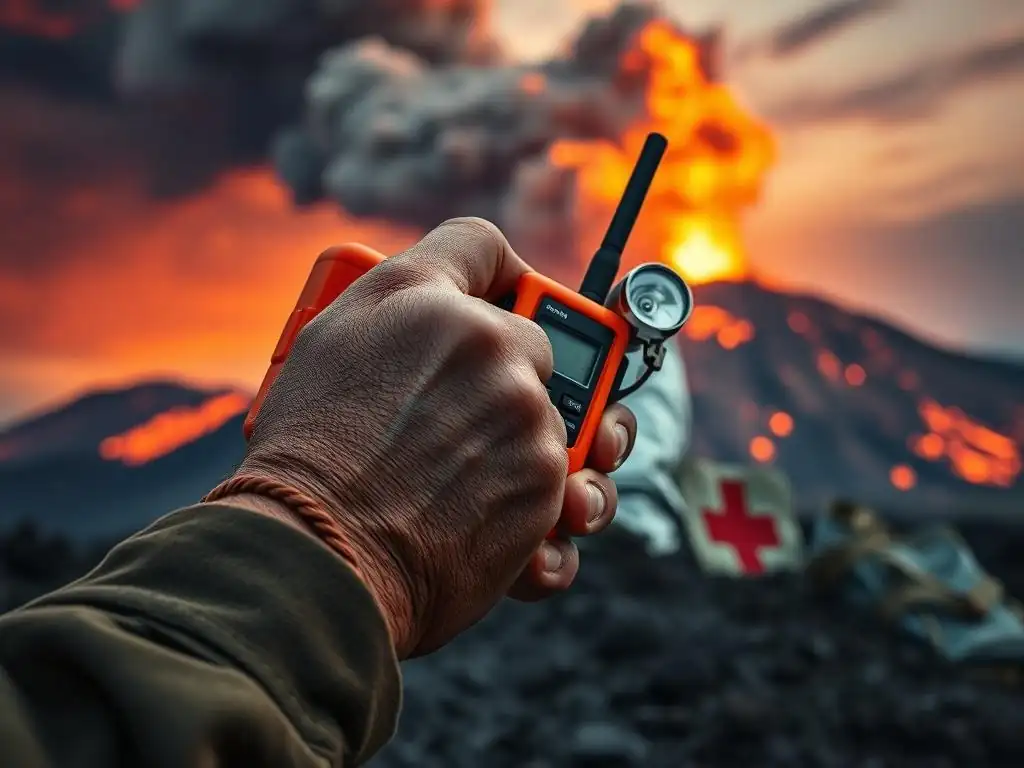
Welcome to Volcano Explorers, where we peel back the layers of Earth's fiery heart! Ever wondered what it takes to face the raw power of a volcano? This isn't just about breathtaking landscapes and scientific marvels; it's about survival. Dive into our latest article where we uncover the essential volcanic emergency preparedness gear that could be the difference between safety and disaster. Are you truly ready for nature's ultimate test? Read on and find out.
- Emergency Essentials: Gear That Could Save Your Life During a Volcanic Eruption
- The Importance of Volcanic Emergency Preparedness
-
Essential Volcanic Emergency Preparedness Checklist
- Breathing Protection: Respirators for Ash and Toxic Gases
- Eye Protection: Goggles for Ash and Debris
- Protective Clothing: Covering Skin to Minimize Exposure
- Communication Devices: Staying Informed and Connected
- First Aid Kit: Treating Injuries Common in Volcanic Events
- Navigation Tools: Finding Safe Routes in Reduced Visibility
- Water and Food: Sustaining Yourself During an Emergency
- Illumination: Navigating in Darkness or Ash Clouds
- Building Your Volcanic Emergency Preparedness Kit
- Real-World Examples: Lessons from Past Volcanic Eruptions
- Staying Informed: Monitoring Volcanic Activity
- Conclusion: Prioritizing Safety in Volcanic Environments
-
Frequently Asked Questions
- What is the most essential piece of volcanic emergency preparedness gear?
- Why is it important to have eye protection in a volcanic emergency?
- Besides a respirator, what kind of clothing is recommended for volcanic emergency preparedness?
- What kind of communication devices should be included in my volcanic emergency preparedness gear?
- Where can I find reliable information about volcanic emergency preparedness and gear recommendations?
- Final Reflection: Embracing Preparedness in the Shadow of Volcanoes
- Gear Up: Protect Yourself From Volcanic Chaos
Emergency Essentials: Gear That Could Save Your Life During a Volcanic Eruption
The Importance of Volcanic Emergency Preparedness
Understanding Volcanic Hazards: Ashfall, Lahars, Pyroclastic Flows, and Gases
Volcanic eruptions are multifaceted events, unleashing a range of hazards that can pose significant risks to life and property. Understanding these dangers is the first step in effective volcanic emergency preparedness. Ashfall, perhaps the most widespread hazard, consists of fine particles of pulverized rock, minerals, and volcanic glass expelled during an eruption.
While seemingly innocuous, even a thin layer of ash can contaminate water supplies, disrupt transportation, collapse roofs due to its weight when wet, and severely irritate the respiratory system. For instance, during the 1980 eruption of Mount St. Helens, ashfall affected areas hundreds of kilometers away, causing widespread disruption and highlighting the far-reaching impact of this hazard.
Beyond ashfall, more immediate and destructive hazards include lahars, pyroclastic flows, and volcanic gases. Lahars are volcanic mudflows or debris flows composed of a slurry of pyroclastic material, rock debris, and water. Often triggered by heavy rainfall or the melting of snow and ice during or after an eruption, lahars can travel at high speeds down river valleys, devastating everything in their path.
The 1985 Nevado del Ruiz eruption in Colombia tragically demonstrated the power of lahars when a relatively small eruption triggered a lahar that engulfed the town of Armero, resulting in over 25,000 fatalities. Pyroclastic flows are scorching avalanches of hot gas, ash, and volcanic rock that can move at speeds exceeding 700 km/h (450 mph). These flows are incredibly destructive due to their high temperature, velocity, and density, incinerating and burying everything in their path.
Volcanic gases, such as sulfur dioxide (SO2), carbon dioxide (CO2), and hydrogen sulfide (H2S), are also a significant threat. Sulfur dioxide, in particular, can cause respiratory irritation and acid rain, while carbon dioxide, being heavier than air, can accumulate in low-lying areas and displace oxygen, posing a suffocation risk.
Why Preparedness is Crucial for Residents and Scientists Near Active Volcanoes
Volcanic emergency preparedness is not merely a suggestion but a necessity for both residents living in proximity to active volcanoes and scientists who study them. For communities nestled near volcanic slopes, preparedness is a matter of survival. The unpredictability of volcanic eruptions means that even volcanoes considered dormant can reactivate, sometimes with little warning.
Having a well-stocked emergency kit and a practiced evacuation plan can drastically improve the chances of survival when an eruption occurs. Education on volcanic hazards and community-level drills are also vital components of preparedness, ensuring that residents know how to respond effectively when volcanic activity escalates.
For volcanologists and researchers who dedicate their careers to understanding these powerful forces of nature, volcanic emergency preparedness is an integral part of their fieldwork. Scientists often work in close proximity to active volcanic vents, monitoring activity, collecting samples, and deploying instruments. This inherently puts them at risk, necessitating rigorous safety protocols and specialized gear.
Their preparedness extends beyond personal safety to include the protection of valuable monitoring equipment and research data, which are crucial for understanding volcanic processes and providing timely warnings to at-risk populations. Therefore, for both residents and scientists, volcanic emergency preparedness is an ongoing process of education, planning, and equipping oneself to mitigate the risks associated with living and working in volcanic environments.
Essential Volcanic Emergency Preparedness Checklist
Breathing Protection: Respirators for Ash and Toxic Gases
N95 or P100 Respirator: Essential Protection Against Fine Volcanic Ash
Fine volcanic ash, a pervasive byproduct of eruptions, poses a significant respiratory hazard. These microscopic particles, often less than 2.5 micrometers in diameter (PM2.5), can penetrate deep into the lungs, causing irritation, inflammation, and exacerbating pre-existing respiratory conditions like asthma and bronchitis. An N95 or P100 respirator is a critical piece of volcanic emergency preparedness gear, designed to filter out at least 95% (N95) or 99.97% (P100) of airborne particles, including volcanic ash.
These respirators, when properly fitted, create a seal around the nose and mouth, preventing ash inhalation and significantly reducing respiratory distress during ashfall events. It's important to note that standard dust masks or surgical masks are not effective against fine volcanic ash particles and should not be considered adequate substitutes for certified respirators.
For effective protection, the respirator must be correctly fitted to the wearer's face. A proper fit ensures that air is drawn through the filter material and not around the edges of the mask. Fit-testing, often conducted in occupational settings, helps determine the right size and model of respirator for each individual. In emergency situations, ensuring a tight seal is paramount.
Users should familiarize themselves with the proper donning and doffing procedures for their respirator model and practice putting it on and taking it off quickly. Furthermore, respirators have a limited lifespan and should be replaced after prolonged use, if they become damaged, or if breathing resistance increases significantly. Having a supply of replacement respirators is therefore a crucial part of volcanic emergency preparedness gear.
Gas Masks with Appropriate Filters: Protection Against Sulfur Dioxide and Other Gases
While ash is a widespread concern, certain volcanic eruptions release significant amounts of toxic gases, such as sulfur dioxide (SO2), hydrogen sulfide (H2S), and carbon dioxide (CO2). These gases can pose immediate health risks, ranging from respiratory irritation to asphyxiation. For protection against these gaseous hazards, a gas mask equipped with appropriate chemical filters is necessary volcanic emergency preparedness gear. Unlike respirators designed for particulate matter, gas masks utilize specialized filter cartridges that chemically remove or neutralize specific gases. The type of filter required depends on the gases expected to be present.
For volcanic environments, filters designed to protect against acid gases, such as sulfur dioxide, are particularly important. These filters often contain activated charcoal or other chemical adsorbents that react with and remove the target gases from the inhaled air. Multi-gas filters, offering protection against a broader range of gases, are also available and can provide a more versatile option.
It is crucial to select filters that are certified for the specific gases anticipated in a volcanic emergency and to replace them according to the manufacturer's instructions or after exposure to significant gas concentrations. Gas masks, like respirators, require a proper face seal to be effective, and users must be trained on their correct use and maintenance. In situations where both ash and volcanic gases are present, a full-face gas mask offers combined protection, shielding both the respiratory system and the eyes from irritants.
Eye Protection: Goggles for Ash and Debris
Sealed Goggles: Preventing Ash and Irritants from Entering the Eyes
Volcanic ash and other airborne debris are not only respiratory hazards but also significant irritants to the eyes. Exposure to ash can cause corneal abrasion, conjunctivitis (inflammation of the conjunctiva), and other eye injuries, leading to discomfort, blurred vision, and potential long-term damage if not properly addressed. Sealed goggles are essential volcanic emergency preparedness gear for protecting the eyes in ashfall and volcanic eruption scenarios. Unlike regular glasses or open-frame safety glasses, sealed goggles create a complete barrier around the eyes, preventing ash, fine particles, and irritating gases from entering.
The effectiveness of sealed goggles relies on a snug and comfortable fit against the face. Adjustable straps and soft facial seals help ensure a secure fit for various face shapes and sizes. Look for goggles made of durable, impact-resistant materials that can withstand the harsh conditions often associated with volcanic events.
Some goggles also feature anti-fog coatings, which are particularly beneficial in humid or rapidly changing weather conditions, preventing vision obstruction due to condensation. Ventilation systems in some sealed goggles can help reduce fogging while still maintaining a barrier against ash and debris. Properly fitted and well-maintained sealed goggles are a simple yet crucial component of volcanic emergency preparedness, safeguarding vision and preventing potentially debilitating eye injuries.
Prescription Eyewear Considerations: Ensuring Clear Vision with Protection
Individuals who wear prescription eyeglasses face additional considerations for eye protection during volcanic emergencies. Simply wearing contact lenses during an ashfall event is strongly discouraged, as ash particles can easily become trapped behind the lenses, causing severe irritation and potentially scratching the cornea. Therefore, prescription eyeglass wearers need to plan for how to maintain clear vision while also protecting their eyes from volcanic hazards. One option is to wear sealed goggles over prescription eyeglasses. Many manufacturers produce goggles specifically designed to accommodate eyeglasses, offering a larger frame and deeper lens cavity to comfortably fit over standard eyewear.
Another approach is to obtain prescription safety goggles. These goggles are custom-made with the wearer's specific prescription lenses built directly into the goggle frame, providing both vision correction and impact and particulate protection in a single unit. While prescription safety goggles offer an integrated solution, they may require more advance planning and ordering.
Regardless of the chosen method, it is crucial that individuals who rely on prescription eyewear ensure they have a reliable and effective way to maintain clear vision while using sealed eye protection as part of their volcanic emergency preparedness gear. Having a backup pair of prescription eyeglasses readily accessible in an emergency kit is also a prudent measure.
Protective Clothing: Covering Skin to Minimize Exposure
Long Sleeves and Pants: Protecting Against Ash and Sunburn
Volcanic ash, while primarily a respiratory and eye irritant, can also cause skin irritation and dryness. Furthermore, volcanic eruptions often occur in environments with intense sun exposure, especially at higher altitudes common around volcanoes. Protective clothing, specifically long sleeves and pants, is a fundamental aspect of volcanic emergency preparedness, offering a barrier against both ash and sunburn. Covering exposed skin minimizes direct contact with abrasive ash particles, reducing skin irritation and potential allergic reactions. Long sleeves and pants made of tightly woven fabrics provide a physical shield, preventing ash from settling directly on the skin and causing discomfort.
In addition to ash protection, long sleeves and pants offer crucial protection against sunburn. Volcanic landscapes are often sparsely vegetated, providing little natural shade, and the altitude can intensify UV radiation. Prolonged exposure to the sun without adequate protection can lead to severe sunburn, dehydration, and heat exhaustion, especially during physically demanding situations like evacuation.
Choosing lightweight, breathable, but tightly woven fabrics for long sleeves and pants maximizes protection while minimizing discomfort in warmer climates. Darker colors offer better UV protection than lighter colors. Incorporating long sleeves and pants into volcanic emergency preparedness gear is a simple yet effective way to protect the skin from both ash and the sun's harmful rays.
Sturdy Boots: Protecting Feet from Rough Terrain and Hot Surfaces
Foot protection is often overlooked but is critically important volcanic emergency preparedness gear. Volcanic terrain is notoriously rugged, often characterized by uneven ground, sharp rocks, and potential hazards like hot surfaces or newly deposited ash. Sturdy boots provide essential ankle support, protect feet from punctures and abrasions, and offer insulation against heat. Ankle support is crucial for navigating uneven volcanic landscapes, reducing the risk of sprains and injuries, especially during evacuation or search and rescue efforts. Boots with thick, durable soles protect the feet from sharp rocks, volcanic glass fragments, and other debris commonly found in volcanic areas.
Furthermore, in some volcanic scenarios, the ground surface can become heated due to subsurface volcanic activity or the deposition of hot ash or pyroclastic material. Sturdy boots with insulated soles can provide a degree of protection from these hot surfaces, reducing the risk of burns. Leather or other heat-resistant boot materials are preferable to synthetic fabrics in such environments. Boots should also offer good traction on loose ash and volcanic rock, preventing slips and falls. Well-fitting, broken-in sturdy boots are essential for safe movement and foot protection in the challenging and potentially hazardous conditions associated with volcanic eruptions.
Communication Devices: Staying Informed and Connected
NOAA Weather Radio: Receiving Emergency Alerts and Weather Updates
In a volcanic emergency, staying informed is paramount. Reliable communication devices are therefore crucial volcanic emergency preparedness gear. A NOAA Weather Radio, specifically a model with Specific Area Message Encoding (SAME) capability, is an invaluable tool for receiving official emergency alerts and weather updates directly from the National Weather Service. NOAA Weather Radio broadcasts are available across the United States and provide continuous weather information, hazard forecasts, and emergency warnings. SAME technology allows users to program the radio to receive alerts only for their specific geographic area, filtering out irrelevant alerts and ensuring timely and targeted warnings.
During a volcanic crisis, NOAA Weather Radio can broadcast alerts about volcanic ashfall, lahar warnings, evacuation orders, and other critical emergency information. Battery-operated or hand-crank NOAA Weather Radios are particularly useful in power outages, which are common during volcanic eruptions due to ashfall or infrastructure damage. Having a NOAA Weather Radio as part of a volcanic emergency preparedness kit ensures access to official information, enabling informed decision-making and timely responses to evolving volcanic hazards. Regularly testing the radio and ensuring fresh batteries are available are essential maintenance steps.
Satellite Messenger: Communicating When Cell Service is Unavailable
Cell phone service can become unreliable or completely unavailable during volcanic eruptions due to infrastructure damage, power outages, or network congestion. In situations where terrestrial communication networks fail, a satellite messenger provides a vital backup communication option and is therefore essential volcanic emergency preparedness gear, especially for those venturing into remote volcanic areas or living in regions prone to communication disruptions. Satellite messengers utilize satellite networks to send and receive text messages, share location data, and, in some models, initiate SOS emergency signals, even when cell service is absent.
These devices are particularly useful for hikers, researchers, and residents in isolated volcanic areas where cell coverage is already limited. In an emergency, a satellite messenger can be used to contact family members, report injuries, request assistance, or communicate with emergency responders. Many satellite messengers offer two-way messaging capabilities, allowing for back-and-forth communication.
SOS functions typically connect users to a 24/7 emergency response center, which can coordinate rescue efforts. Satellite messengers require a subscription service for satellite access, and users should familiarize themselves with their device's operation and subscription plan before venturing into volcanic environments. Having a satellite messenger in a volcanic emergency preparedness kit provides a critical lifeline when conventional communication methods fail.
First Aid Kit: Treating Injuries Common in Volcanic Events
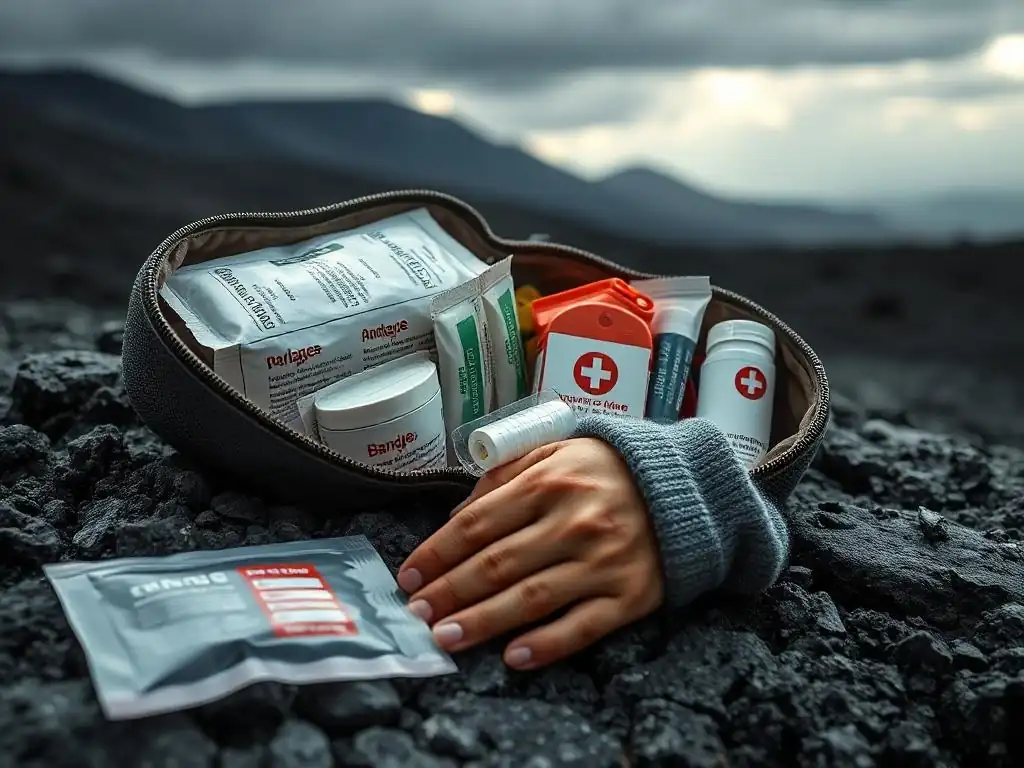
Comprehensive First Aid Kit: Addressing Cuts, Burns, and Respiratory Issues
A well-stocked first aid kit is an indispensable component of volcanic emergency preparedness gear. Volcanic eruptions can lead to various injuries, including cuts, abrasions, burns (from hot ash or pyroclastic flows), eye irritation, and respiratory problems. A comprehensive first aid kit should be equipped to address these common injuries, enabling immediate on-site treatment and preventing minor injuries from escalating into more serious conditions. The kit should contain a range of supplies, including bandages of various sizes, antiseptic wipes, antibiotic ointment, pain relievers, burn cream, adhesive tape, gauze pads, and tweezers.
For volcanic specific concerns, the first aid kit should also include items to address respiratory irritation and eye issues caused by ash and volcanic gases. Items like saline solution for rinsing eyes, cough drops, and potentially a bronchodilator inhaler (for individuals with asthma, prescribed by a doctor) should be included. Knowledge of basic first aid procedures is crucial to effectively utilize the kit's contents.
Consider taking a wilderness first aid course to learn how to treat injuries in challenging environments. Regularly check the first aid kit to ensure supplies are not expired and to replenish used items. A well-maintained and comprehensive first aid kit is a critical resource for managing injuries during a volcanic emergency.
Eye Wash Solution: Flushing Irritants from the Eyes
Eye irritation from volcanic ash is a common and often immediate consequence of ashfall. Even with sealed goggles, fine ash particles can sometimes find their way into the eyes, or individuals may need to remove goggles briefly, exposing their eyes to irritants. Eye wash solution, specifically sterile saline solution, is an essential item within a volcanic emergency preparedness kit, dedicated to flushing out ash and other irritants from the eyes. Promptly irrigating the eyes with saline solution can help alleviate discomfort, prevent corneal abrasions, and reduce the risk of infection.
Eye wash solution should be readily accessible in the first aid kit and easy to use in emergency situations. Single-use vials or bottles of sterile saline solution are ideal for portability and hygiene. Instructions for proper eye irrigation should be included in the first aid kit or readily available.
It's important to flush the eyes thoroughly and gently, directing the saline solution across the eye from the inner corner to the outer corner to effectively remove irritants. Eye wash solution is a simple yet highly effective tool for mitigating eye irritation and preventing more serious eye injuries during volcanic ashfall events.
GPS Device: Navigating in Ash-Covered Terrain
Volcanic ashfall can dramatically reduce visibility, sometimes to near whiteout conditions. Roads and landmarks can become obscured, making navigation extremely challenging and increasing the risk of getting lost, especially in unfamiliar volcanic terrain. A GPS (Global Positioning System) device is a valuable piece of volcanic emergency preparedness gear, aiding navigation in ash-covered and low-visibility environments. GPS devices utilize satellite signals to pinpoint the user's location and provide real-time navigation guidance, even when visual landmarks are obscured.
Pre-loading maps of the volcanic area and marking important locations, such as evacuation routes, shelters, or rendezvous points, into the GPS device is crucial preparation. Many GPS devices offer features like route planning, track recording, and waypoint marking, which are highly beneficial for navigating in complex terrain. Ensure the GPS device is rugged, waterproof, and has sufficient battery life for extended use. Familiarize yourself with the device's operation and practice using it in advance. While GPS devices are powerful navigation tools, they rely on battery power and satellite signals, so backup navigation methods are essential.
Physical Map and Compass: Backup Navigation in Case of Electronic Failure
Electronic devices, including GPS devices, can fail due to battery depletion, damage, or signal interference. Therefore, relying solely on electronic navigation in a volcanic emergency is unwise. A physical map and compass are essential backup navigation tools and are critical volcanic emergency preparedness gear, providing a reliable means of navigation even when electronics fail. A topographic map of the volcanic area provides a visual representation of the terrain, including elevation changes, trails, roads, and landmarks. A compass, when used in conjunction with a map, allows for direction finding and orientation.
Proficiency in map and compass navigation is crucial for effective use in an emergency. Learn basic map reading skills, including understanding map symbols, contour lines, and scales. Practice using a compass to take bearings and orient the map. Carry the map in a waterproof case to protect it from ash and moisture. While map and compass navigation requires practice and skill, it offers a dependable and independent navigation method when electronic devices are unavailable, ensuring safe navigation even in the event of technological failures during a volcanic emergency.
Water and Food: Sustaining Yourself During an Emergency
Bottled Water or Water Filter: Ensuring Access to Safe Drinking Water
Access to safe drinking water is a fundamental survival need in any emergency, including a volcanic eruption. Volcanic ash can contaminate water sources, making them unsafe to drink due to the presence of fine particles and potential chemical contaminants. Therefore, having a reliable source of safe drinking water is critical volcanic emergency preparedness gear. Bottled water provides an immediately accessible source of clean water. Store a sufficient supply of bottled water in your emergency kit, aiming for at least one gallon per person per day for several days.
Alternatively, or as a backup to bottled water, a portable water filter or water purification tablets are essential. Water filters can remove sediment, bacteria, and protozoa from contaminated water sources, making it safer to drink. Water purification tablets or drops utilize chemicals like iodine or chlorine dioxide to kill viruses and bacteria.
Choose a water filter or purification method that is effective against the contaminants likely to be present in volcanic environments. Familiarize yourself with the operation of your chosen water filter or purification method and practice using it beforehand. Ensuring access to safe drinking water is paramount for survival and health during a volcanic emergency.
Non-Perishable Food: Maintaining Energy Levels During an Emergency
Maintaining energy levels is crucial during a volcanic emergency, especially if evacuation or shelter-in-place situations are prolonged. Non-perishable food items are essential volcanic emergency preparedness gear, providing sustenance when regular food supplies are disrupted or unavailable. Stock your emergency kit with a supply of non-perishable foods that require minimal preparation and have a long shelf life. Examples of suitable non-perishable foods include energy bars, granola bars, canned goods (with a manual can opener), dried fruits, nuts, and ready-to-eat meals.
Choose food items that are calorie-dense and provide a good balance of carbohydrates, protein, and fats for sustained energy. Consider individual dietary needs and preferences when selecting non-perishable food. Store food items in airtight containers to protect them from moisture and pests. Regularly check the expiration dates of non-perishable food and replace items as needed to maintain a fresh and usable food supply in your volcanic emergency preparedness kit. Having readily available non-perishable food ensures sustenance and helps maintain physical and mental resilience during a volcanic crisis.
Headlamp with Extra Batteries: Keeping Hands Free for Other Tasks
Power outages are a common consequence of volcanic eruptions, and ash clouds can significantly reduce natural light, creating dark and potentially hazardous conditions. Reliable illumination is therefore essential volcanic emergency preparedness gear, enabling safe navigation and task completion in darkness or reduced visibility. A headlamp is a highly practical choice for emergency illumination as it provides hands-free lighting, allowing you to keep your hands free for other tasks, such as navigating rough terrain, carrying equipment, or providing first aid. Choose a headlamp that is lightweight, durable, and provides sufficient light output for your needs.
LED headlamps are energy-efficient and offer long battery life. Select a headlamp with adjustable brightness levels to conserve battery power when maximum illumination is not needed. Ensure the headlamp is waterproof or water-resistant for use in wet conditions. Crucially, include extra batteries for the headlamp in your emergency kit. Regularly check the batteries and replace them as needed to ensure the headlamp is ready for use when required. A headlamp with extra batteries provides essential hands-free illumination, enhancing safety and functionality during a volcanic emergency.
High-Lumen Flashlight: Providing Strong Illumination in Poor Visibility
While headlamps are excellent for hands-free illumination, a high-lumen flashlight provides a more powerful and focused beam of light, which can be beneficial in situations requiring stronger illumination or longer-distance visibility. A high-lumen flashlight is a valuable addition to volcanic emergency preparedness gear, complementing a headlamp and offering versatile lighting options. Choose a flashlight with a high lumen output for strong illumination, especially useful for signaling, searching, or navigating in dense ash clouds.
LED flashlights are generally more energy-efficient and durable than traditional bulb flashlights. Select a flashlight that is rugged, waterproof, and has a comfortable grip. Consider flashlights with adjustable beam focus, allowing you to switch between a wide flood beam for area illumination and a focused spot beam for long-distance visibility. Like headlamps, flashlights require batteries, so include extra batteries in your emergency kit. Regularly check battery levels and replace batteries as needed. A high-lumen flashlight provides a powerful and focused light source, enhancing visibility and safety in challenging volcanic emergency conditions.
Building Your Volcanic Emergency Preparedness Kit
Tailoring Your Kit to Specific Volcanic Hazards
Volcanic emergency preparedness is not a one-size-fits-all approach. The specific volcanic hazards and risks vary depending on the type of volcano, its eruption history, proximity to populated areas, and local environmental conditions. Tailoring your volcanic emergency preparedness kit to address these specific hazards is crucial for maximizing its effectiveness. For instance, communities located in valleys downstream from volcanoes prone to lahars should prioritize lahar awareness and evacuation planning in their preparedness efforts. Their emergency kits might include items specific to lahar safety, such as whistles for signaling and sturdy footwear for rapid evacuation.
Regions frequently affected by heavy ashfall should emphasize respiratory and eye protection in their preparedness plans and ensure their kits contain ample supplies of respirators, sealed goggles, and eye wash solution. Areas where volcanic gas emissions are a known hazard should prioritize gas masks with appropriate filters in their emergency gear.
Researching the specific volcanic hazards associated with your location and consulting local emergency management agencies are essential steps in tailoring your volcanic emergency preparedness kit. Understanding the unique risks in your area allows you to prioritize the most relevant gear and develop a preparedness plan that is specifically suited to your needs.
Assembling a Home Emergency Kit vs. a Go-Bag
Volcanic emergency preparedness involves two key types of kits: a home emergency kit and a go-bag (or evacuation kit). A home emergency kit is a larger collection of supplies designed to sustain you and your household for several days to a week in case of an extended emergency where sheltering in place is necessary.
This kit should be stored in a readily accessible location at home and contain ample quantities of essential items, such as water, food, first aid supplies, medications, sanitation items, and tools. The home emergency kit is intended for situations where evacuation is not immediately required or possible, and you need to be self-sufficient at home for an extended period.
A go-bag, on the other hand, is a smaller, portable kit designed for rapid evacuation. It should contain only the essential items needed to sustain you for the first 24-72 hours away from home. The go-bag should be lightweight and easy to carry, ideally a backpack, and stored in a location where you can quickly grab it when evacuation is necessary.
The contents of a go-bag should prioritize survival essentials, such as water, food, a first aid kit, a respirator, goggles, a flashlight, a weather radio, and essential medications. Having both a well-stocked home emergency kit and a readily accessible go-bag ensures comprehensive volcanic emergency preparedness, covering both shelter-in-place and evacuation scenarios.
Regularly Inspecting and Replenishing Supplies
Volcanic emergency preparedness is not a one-time effort but an ongoing process. Emergency supplies can degrade over time, batteries lose charge, and food and medications expire. Regularly inspecting and replenishing your volcanic emergency preparedness kits is essential to ensure that the gear is ready and functional when needed. Establish a schedule for kit inspections, ideally every few months, or at least twice a year. During inspections, check expiration dates on food, water, medications, and batteries. Replace expired items with fresh supplies.
Test battery-operated devices, such as flashlights, headlamps, and weather radios, and replace batteries if necessary. Inspect respirators and gas mask filters for damage or degradation and replace them if needed. Review the contents of your first aid kit and replenish any used or expired items. Update any maps or emergency contact information in your kits. Regularly inspecting and replenishing your volcanic emergency preparedness supplies ensures that your kits remain effective and reliable, providing peace of mind and enhancing your ability to respond effectively in a volcanic emergency.
Real-World Examples: Lessons from Past Volcanic Eruptions
The 1980 Mount St. Helens Eruption: The Importance of Early Warning Systems
The 1980 eruption of Mount St. Helens in Washington State, USA, serves as a stark reminder of the destructive power of volcanoes and the crucial role of early warning systems in mitigating volcanic hazards. While the eruption was ultimately devastating, the weeks of precursory activity, including earthquakes and steam explosions, provided valuable warnings.
Scientists from the United States Geological Survey (USGS) closely monitored the volcano's activity, issuing warnings and advisories to local authorities and the public. This early warning period, although initially met with some skepticism, allowed for the evacuation of many residents from the immediate danger zone, significantly reducing the potential death toll.
The Mount St. Helens eruption underscored the importance of continuous volcanic monitoring, effective communication of scientific information to the public and emergency managers, and public education on volcanic hazards and appropriate responses. The event highlighted the need for robust volcano monitoring networks, rapid assessment of volcanic activity, and clear and timely dissemination of warnings to at-risk communities. The lessons learned from the 1980 Mount St. Helens eruption have significantly shaped volcano monitoring and hazard mitigation strategies worldwide, emphasizing the life-saving potential of early warning systems in volcanic crises.
The 1991 Mount Pinatubo Eruption: The Devastating Impact of Ashfall
The 1991 eruption of Mount Pinatubo in the Philippines stands as one of the largest volcanic eruptions of the 20th century and vividly illustrates the widespread and devastating impact of volcanic ashfall. The eruption produced an enormous ash cloud that blanketed vast areas of the Philippines and beyond, affecting air travel globally and causing significant infrastructural damage and health problems. The heavy ashfall collapsed roofs, disrupted transportation networks, contaminated water supplies, and caused widespread respiratory illnesses. The eruption deposited ash hundreds of kilometers away, demonstrating the far-reaching effects of this volcanic hazard.
The Mount Pinatubo eruption emphasized the need for effective volcanic ashfall preparedness, including public education on ashfall hazards, distribution of respiratory protection (respirators), and guidance on mitigating ashfall impacts on buildings and infrastructure. The event highlighted the importance of community-level preparedness measures, such as ash cleanup procedures, water protection strategies, and public health advisories for managing respiratory and eye irritation caused by ash. The experiences from the 1991 Mount Pinatubo eruption have informed ashfall preparedness planning in volcanic regions around the world, emphasizing the need for proactive measures to minimize the disruptive and hazardous consequences of widespread ashfall.
Staying Informed: Monitoring Volcanic Activity
Subscribing to USGS Volcano Notifications
Staying informed about volcanic activity is a continuous process, particularly for those living in or visiting volcanic regions. Subscribing to volcano notifications from the United States Geological Survey (USGS) Volcano Hazards Program is a proactive step in volcanic emergency preparedness. The USGS provides various notification services, including email alerts, SMS text message alerts, and social media updates, disseminating information about volcanic activity, changes in alert levels, and potential hazards. Subscribing to these notifications ensures you receive timely and official information directly from the primary source of volcano monitoring in the United States.
The USGS Volcano Hazards Program website (www.usgs.gov/volcanoes) is a valuable resource for information on volcano monitoring, current volcanic activity, and volcano hazards. The website provides real-time data from volcano monitoring networks, updates on volcanic alert levels, and educational materials on volcanic hazards. Subscribing to USGS volcano notifications and regularly checking the USGS Volcano Hazards Program website are essential practices for staying informed about volcanic activity and enhancing your volcanic emergency preparedness. Being proactive in seeking out reliable information empowers you to make informed decisions and take appropriate actions during volcanic events.
Understanding Volcanic Alert Levels
Volcanic alert levels are standardized systems used by volcanologists and emergency management agencies to communicate the current status of a volcano and the associated level of risk. Understanding volcanic alert levels is crucial for interpreting official warnings and advisories and taking appropriate preparedness actions. The USGS Volcano Hazards Program uses a four-level alert system for ground-based hazards (Normal, Advisory, Watch, Warning) and a four-color code system for aviation hazards (Green, Yellow, Orange, Red). Each alert level corresponds to a specific level of volcanic activity and associated hazards.
"Normal" indicates typical background activity at a volcano. "Advisory" signifies elevated unrest, with potential for eruption but low probability. "Watch" denotes escalating unrest with a heightened probability of eruption. "Warning" indicates that a hazardous eruption is imminent, underway, or suspected.
The aviation color codes similarly progress from "Green" (volcano in quiescent state) to "Red" (eruption is imminent or in progress, with significant ash cloud). Familiarizing yourself with the volcanic alert level system used in your area and understanding the implications of each alert level is a critical component of volcanic emergency preparedness. Volcanic alert levels provide a standardized and easily understandable framework for communicating volcanic risk and guiding preparedness actions.
Conclusion: Prioritizing Safety in Volcanic Environments
Investing in Preparedness for Peace of Mind
Volcanic environments, while awe-inspiring and scientifically fascinating, inherently present risks. Living, working, or recreating in volcanic regions requires a proactive approach to safety, with volcanic emergency preparedness as a cornerstone. Investing in volcanic emergency preparedness gear is not merely about acquiring equipment; it's about investing in peace of mind.
Knowing that you have taken steps to prepare for potential volcanic emergencies can significantly reduce anxiety and enhance your ability to respond calmly and effectively in a crisis. The financial investment in preparedness gear is relatively small compared to the potential costs and consequences of being unprepared in a volcanic eruption.
Beyond the tangible gear, investing time in developing a volcanic emergency plan, practicing evacuation routes, and educating yourself and your family about volcanic hazards is equally crucial. Preparedness is a holistic approach that encompasses knowledge, planning, and equipment. The peace of mind that comes from being prepared is invaluable, allowing you to enjoy the unique beauty and wonder of volcanic landscapes with a greater sense of security and resilience.
Practicing Emergency Drills and Evacuation Plans
Having volcanic emergency preparedness gear and a plan on paper is only the first step. Regularly practicing emergency drills and evacuation plans is essential to ensure that preparedness measures are effective and that everyone knows what to do in a real volcanic emergency. Conducting drills at home, work, or school allows you to identify potential weaknesses in your plan, refine procedures, and build muscle memory for critical actions. Practice using your emergency gear, such as respirators, goggles, and communication devices, to ensure you are familiar with their operation and can use them effectively under pressure.
Evacuation drills should involve practicing evacuation routes, identifying meeting points, and ensuring everyone understands their roles and responsibilities. Time your drills to assess the efficiency of your evacuation plan and identify areas for improvement. Regular drills reinforce preparedness behaviors, build confidence, and ensure that your volcanic emergency plan is not just a document but a living, practiced response strategy. Consistent practice transforms preparedness from a theoretical concept into a practical and effective safety measure, significantly enhancing your ability to respond effectively and safely in a volcanic crisis.
Frequently Asked Questions
What is the most essential piece of volcanic emergency preparedness gear?
A high-quality respirator is arguably the most essential. It protects you from inhaling harmful volcanic ash and gases, which can cause serious respiratory problems.
Why is it important to have eye protection in a volcanic emergency?
Volcanic ash is abrasive and can cause severe irritation or damage to your eyes. Goggles or safety glasses provide crucial protection from this hazard.
Besides a respirator, what kind of clothing is recommended for volcanic emergency preparedness?
Wear long sleeves and pants to protect your skin from ash and heat. Choose durable, fire-resistant materials where possible for added safety.
What kind of communication devices should be included in my volcanic emergency preparedness gear?
Include a battery-powered or hand-crank radio to receive emergency broadcasts. A satellite phone or a personal locator beacon (PLB) can be vital if cell service is unavailable.
Where can I find reliable information about volcanic emergency preparedness and gear recommendations?
Consult official sources like VolcanoExplorers.org, your local emergency management agency, and the USGS (United States Geological Survey) for up-to-date guidelines and advice.
Final Reflection: Embracing Preparedness in the Shadow of Volcanoes
The stark reality is that volcanic eruptions are unpredictable and devastating forces of nature, and this article has highlighted the critical importance of proactive preparation. While we hope never to face such a crisis, understanding and assembling the right volcanic emergency preparedness gear is not just about survival; it's about empowering ourselves with agency in the face of potential disaster.
The impact of volcanic eruptions extends far beyond immediate destruction, leaving lasting scars on communities and ecosystems. This underscores the profound responsibility we have to ourselves, our families, and our neighbors to be informed and ready. By failing to prepare, you are preparing to fail.
- Benjamin Franklin. This quote resonates deeply, reminding us that preparedness is not paranoia, but a fundamental act of self-preservation and community resilience.
As you reflect on the information presented in this article, consider the steps you can take today to enhance your own volcanic emergency preparedness. Don't wait for the rumble of the earth or the plume of ash to remind you of the importance of these essentials. Take action now, equip yourself with knowledge and gear, and contribute to a safer, more resilient future for yourself and your community.
Gear Up: Protect Yourself From Volcanic Chaos
Thanks for exploring essential safety gear for volcanic emergencies. You now understand what to pack and how to prepare. Ready to take the next step and ensure your safety?
Here's how to act now:
- Prioritize your safety: Start assembling your emergency kit today.: Don't wait for a warning; preparedness is your best defense against unpredictable volcanic activity.
- Download our comprehensive volcanic emergency preparedness checklist to ensure you haven't missed anything vital.
- Share this information with loved ones and your community. Use the hashtag #VolcanoPrepared to share experiences and tips on social media and encourage others to prepare.
What will you prioritize this week to improve your preparedness? Let us know in the comments!