
Volcanoes and Prophecy: Predicting the Future Through Fiery Omens

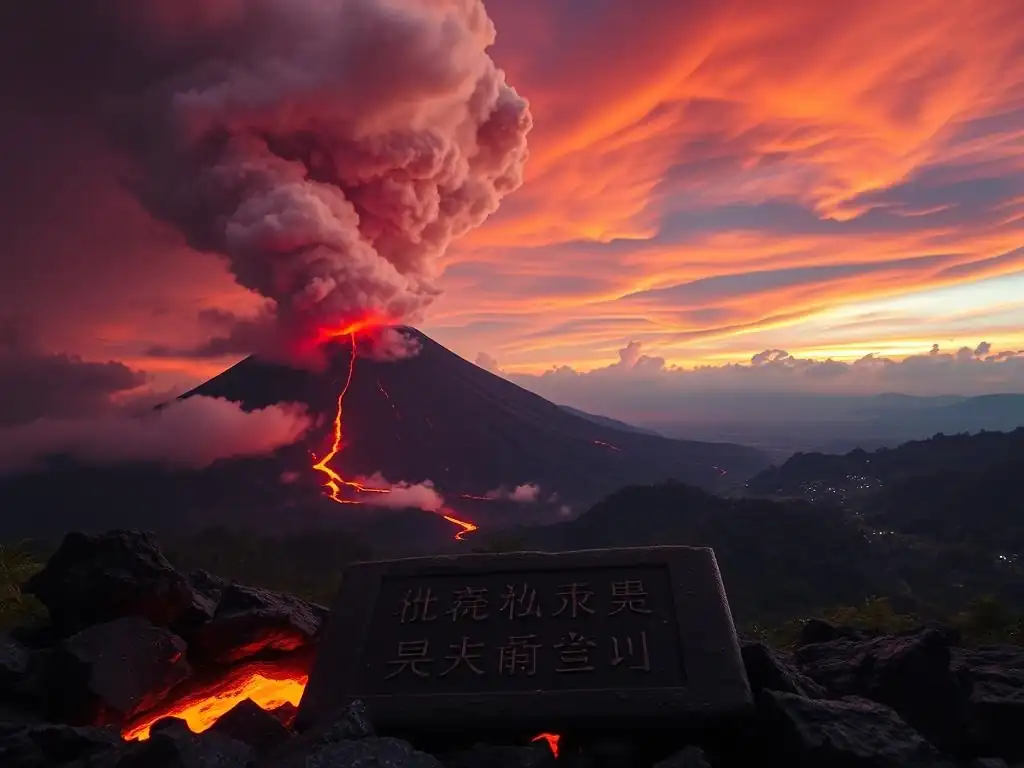
Welcome to Volcano Explorers, where the Earth breathes fire and secrets lie simmering beneath the surface. Ever wondered if we can truly foresee the next eruption? Our latest exploration dives into the fascinating, and often perilous, world of predicting volcanic eruptions signs, examining how ancient wisdom and modern science converge to decipher the fiery prophecies hidden within these magnificent giants. Prepare to be amazed, and perhaps a little unnerved, as we uncover the clues… the Earth is speaking, are you listening?
- Introduction: The Mystical Connection Between Volcanoes and Prophecy
- Volcanoes as Harbingers of Change: A Historical Perspective
- Deciphering the Language of Fire: Predicting Volcanic Eruptions Signs Through Folklore
- Modern Science Meets Ancient Wisdom: Can Folklore Enhance Eruption Forecasting?
- The Dangers of Misinterpretation: Separating Fact from Fiction in Volcanic Prophecy
- Predicting Volcanic Eruptions: Scientific Approaches and Their Limitations
- Conclusion: The Enduring Power of Volcanoes in Shaping Our Understanding of the Future
-
Frequently Asked Questions
- How accurately can volcanologists predict volcanic eruptions?
- What are some common signs that a volcano might be about to erupt?
- How do scientists use gas emissions to predict eruptions?
- What role does ground deformation play in predicting volcanic eruptions?
- What should people living near volcanoes do to prepare for a potential eruption?
- Final Reflection: Echoes of Fire and Foresight
- Ignite Your Inner Seer: Delve Deeper into Volcanic Prophecy!
Introduction: The Mystical Connection Between Volcanoes and Prophecy
Volcanoes: More Than Just Geological Phenomena
Volcanoes, in their raw and untamed power, have captivated humanity since the dawn of civilization. Far beyond their scientific classification as geological formations resulting from the Earth's internal heat, volcanoes have been imbued with profound cultural and spiritual significance.
Across diverse societies and throughout history, these fiery mountains have been seen as more than just landforms; they are living entities, portals to the underworld, and powerful oracles capable of communicating with the divine. Their dramatic eruptions, spewing ash, lava, and gases into the sky, have been interpreted not merely as natural events, but as messages, warnings, and prophecies etched in fire and stone.
The sheer scale and unpredictable nature of volcanic activity have contributed to this mystical perception. Imagine early humans witnessing a volcano erupt for the first time – the earth trembling, the sky darkening, and molten rock flowing like rivers of fire. Such events would have been terrifying and awe-inspiring, easily interpreted as displays of supernatural forces.
This primal fear and respect laid the foundation for associating volcanoes with deities, spirits, and the very fabric of destiny. Thus, understanding volcanoes extends beyond geology; it delves into the realms of mythology, folklore, and the enduring human quest to decipher the signs of the future.
Ancient Beliefs: Interpreting Volcanic Activity as Divine Messages
In ancient cultures around the world, volcanic eruptions were rarely viewed as random geological occurrences. Instead, they were meticulously interpreted as deliberate acts of gods or spirits, carrying messages of either divine favor or impending doom. For many civilizations, volcanoes were considered sacred mountains, dwelling places of powerful deities. The fiery displays were seen as manifestations of these deities' emotions – eruptions signaling anger, displeasure, or pronouncements of future events. These beliefs were deeply ingrained in societal structures, influencing religious practices, political decisions, and even daily life.
Consider the Roman god Vulcan, after whom volcanoes are named. He was the god of fire, metalworking, and the forge, and his workshop was believed to be beneath volcanic islands like Mount Etna. Eruptions were seen as Vulcan working at his forge, a powerful and potentially dangerous activity.
Similarly, in Hawaiian mythology, Pele, the volatile goddess of fire and volcanoes, resided in the Kīlauea volcano. Her eruptions were understood as expressions of her passions, both creative and destructive. These examples illustrate a common thread: ancient societies sought to understand and appease the volcanic deities, believing that predicting volcanic eruptions signs and interpreting their meaning was crucial for their survival and prosperity.
Volcanoes as Harbingers of Change: A Historical Perspective
Ancient Civilizations and Volcanic Omens: Roman, Greek, and Icelandic Societies
Across the ancient world, from the Mediterranean to the North Atlantic, societies meticulously observed volcanic phenomena, seeking omens within the fiery displays. Roman historians documented numerous instances where volcanic activity was interpreted as portents of political upheaval or military success.
For example, Pliny the Younger's detailed account of the eruption of Mount Vesuvius in 79 AD not only described the catastrophic event but also subtly implied a connection between the eruption and the preceding reign of Emperor Domitian, suggesting a divine judgment. In Greek mythology, volcanic regions like Thera (modern Santorini) were steeped in mythical narratives, with eruptions often linked to divine interventions and the reshaping of the world.
Icelandic sagas, rich with accounts of early Norse life, also reveal a deep-seated belief in volcanic omens. The volcanic landscape of Iceland was a constant presence, and eruptions were woven into their understanding of fate and the will of the gods. Sagas often depict volcanic events preceding significant historical shifts, such as periods of hardship or societal change.
These societies, separated by geography and culture, shared a common thread: viewing volcanic eruptions not as isolated natural disasters, but as integral parts of a larger cosmic order, capable of predicting future events and reflecting the balance of the world. The interpretation of predicting volcanic eruptions signs was thus deeply embedded in their cultural and historical narratives.
Volcanic Eruptions as Predictors of Famine and Disease
Beyond immediate destruction, ancient societies recognized the long-term consequences of volcanic eruptions, often interpreting these as prophetic warnings of famine and disease. The massive Tambora eruption of 1815, though distant from many European societies, led to the "Year Without a Summer" in 1816. This event, characterized by widespread crop failures and unusual weather patterns, demonstrated the global reach of volcanic impacts. While modern science explains this phenomenon through the dispersal of volcanic aerosols affecting global climate, ancient societies interpreted such widespread hardship through a prophetic lens.
Volcanic ash clouds could block sunlight, leading to reduced crop yields and subsequent famines. Furthermore, volcanic eruptions can release gases that contribute to acid rain and contaminate water sources, potentially leading to disease outbreaks. Observing these cascading effects, ancient communities logically connected volcanic eruptions with ensuing hardship. They saw the initial fiery omen followed by predictable environmental and societal disruptions. Thus, predicting volcanic eruptions signs was not just about anticipating immediate danger but also about preparing for the long-term consequences of famine and disease that were believed to follow.
The Role of Shamans and Priests in Interpreting Volcanic Signs
In many ancient societies, shamans, priests, or other religious figures held the crucial role of interpreting volcanic signs and communicating their prophetic meaning to the community. These individuals were believed to possess a special connection to the divine realm and the ability to decipher the often-enigmatic language of volcanoes. They acted as intermediaries between the human world and the volcanic deities, translating eruptions, seismic activity, and other volcanic phenomena into messages relevant to the community's future.
These interpreters often developed complex systems of divination and ritual practices centered around volcanoes. They might observe the color of the smoke, the direction of lava flows, the sounds emanating from the volcano, or even changes in animal behavior around the volcanic region. Their interpretations could influence decisions ranging from agricultural practices and resource management to social and political actions.
For example, if an eruption was interpreted as a sign of divine displeasure, priests might prescribe specific rituals or sacrifices to appease the deity and avert further disaster. Therefore, understanding predicting volcanic eruptions signs through the lens of prophecy was not just a matter of observation, but a deeply ritualized and socially embedded practice guided by specialized religious figures.
Deciphering the Language of Fire: Predicting Volcanic Eruptions Signs Through Folklore
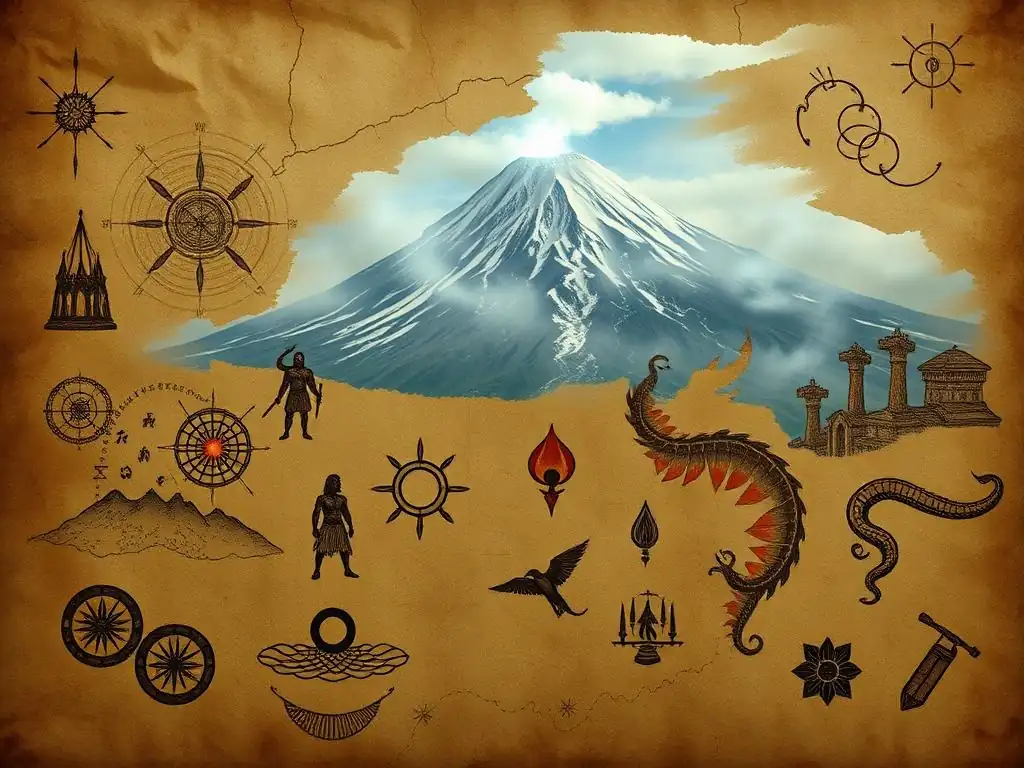
Unusual Animal Behavior as a Warning Sign: Birds Migrating Early, Snakes Leaving Their Dens
Folklore worldwide is replete with accounts of unusual animal behavior preceding volcanic eruptions, suggesting that observing these changes could be a form of predicting volcanic eruptions signs. For centuries, communities living near volcanoes have reported instances of birds migrating earlier than usual, wild animals becoming agitated or fleeing volcanic areas, and even snakes and reptiles abandoning their dens in unusual numbers before an eruption. These observations, passed down through generations, represent a form of traditional ecological knowledge deeply intertwined with predicting volcanic eruptions signs.
While modern science acknowledges that animals can indeed sense subtle environmental changes that might precede volcanic activity, such as ground deformation, changes in gas emissions, or seismic tremors imperceptible to humans, folklore often attributes these behaviors to a more mystical sensitivity to the Earth's energies or impending doom. For example, anecdotal accounts from various volcanic regions describe birds flying away en masse days or even weeks before an eruption.
Similarly, stories of snakes and other ground-dwelling creatures leaving their burrows and moving to higher ground are common. While not always scientifically verifiable in each instance, these recurring themes in folklore highlight the potential for animal behavior to serve as a valuable, if not always reliable, indicator of impending volcanic activity, particularly when integrated with other observations.
Changes in Water Sources: Hot Springs Increasing in Temperature, Wells Becoming Sulphurous
Another recurring theme in folklore related to predicting volcanic eruptions signs involves changes in water sources, particularly hot springs and wells. Traditional knowledge often points to alterations in water temperature, taste, color, or even the appearance of new springs as potential precursors to volcanic activity. These observations are grounded in the reality that volcanic unrest can indeed affect hydrothermal systems, leading to measurable changes in groundwater and surface water.
For example, an increase in the temperature of hot springs or fumaroles near a volcano can be a sign of increased heat flow from magma rising beneath the surface. Similarly, changes in the chemical composition of water sources, such as an increase in sulfurous smells or changes in mineral content, can indicate degassing from magma.
Wells becoming sulphurous or even drying up have also been reported in folklore as warnings. While modern volcanology utilizes sophisticated instruments to monitor these changes, traditional communities relied on their senses and accumulated knowledge to interpret these alterations in water sources as potential signs of an impending eruption, effectively using them as a natural method for predicting volcanic eruptions signs.
Atmospheric Phenomena Associated with Impending Eruptions
Folklore also incorporates atmospheric phenomena as indicators of predicting volcanic eruptions signs. Unusual cloud formations, strange smells in the air, and even peculiar sounds emanating from the volcano have been interpreted as omens. These observations, while sometimes less tangible than animal behavior or changes in water sources, reflect a holistic approach to understanding the environment and its potential warnings.
For instance, lenticular clouds, which can form downwind of mountains, have sometimes been associated in folklore with volcanic activity, though the connection is not always direct. Similarly, the smell of sulfur, often detectable before an eruption due to degassing, has been recognized as a warning sign in many volcanic regions.
Unusual rumbling or booming sounds coming from the volcano, even if not immediately preceding a major eruption, can indicate increased internal activity. While modern science uses specialized instruments to detect volcanic gases and infrasonic sounds, folklore demonstrates an awareness of these atmospheric changes and their potential link to predicting volcanic eruptions signs, relying on human senses to perceive and interpret these subtle environmental cues.
Modern Science Meets Ancient Wisdom: Can Folklore Enhance Eruption Forecasting?
Bridging the Gap: Combining Scientific Data and Local Knowledge
In the realm of predicting volcanic eruptions signs, a growing movement advocates for bridging the gap between modern scientific data and the wealth of traditional knowledge accumulated by communities living near volcanoes. While sophisticated monitoring instruments provide invaluable quantitative data, local knowledge, rooted in generations of observation and experience, offers a complementary perspective, potentially enhancing our ability to forecast eruptions and mitigate volcanic risks. This approach recognizes that both scientific and traditional methods have unique strengths and limitations, and that their integration can lead to a more holistic and effective understanding of volcanic behavior.
Local communities often possess intimate knowledge of their surrounding environment, including subtle changes in animal behavior, water sources, and atmospheric phenomena that might escape purely scientific monitoring. This knowledge, often encoded in folklore and oral traditions, can provide valuable context and early warning signals that complement scientific data. By actively engaging with local communities, volcanologists can tap into this rich source of information, potentially refining eruption forecasts and improving early warning systems. Combining scientific instruments with traditional observations represents a powerful synergy in predicting volcanic eruptions signs and enhancing community resilience.
The Potential for Early Warning Systems Based on Traditional Observations
The integration of traditional observations into modern volcanology holds significant potential for developing more effective and community-centered early warning systems for volcanic eruptions. In many remote volcanic regions, access to sophisticated monitoring equipment may be limited, and local communities often serve as the first line of observation. By empowering these communities to contribute their knowledge systematically, early warning systems can become more localized, responsive, and culturally appropriate. This approach moves beyond top-down, technology-driven systems to embrace a more participatory and inclusive model of volcanic hazard management.
For example, training local residents to recognize and report specific animal behaviors, changes in water sources, or atmospheric signs that have historically preceded eruptions can create a network of community-based observers. This information, when combined with even basic scientific monitoring, can significantly enhance the timeliness and accuracy of early warnings, particularly in regions with limited resources.
Furthermore, incorporating traditional knowledge into early warning systems can increase community trust and ownership, leading to greater preparedness and more effective evacuation strategies. Harnessing the power of local observation is thus a crucial step in strengthening early warning systems for predicting volcanic eruptions signs and protecting vulnerable populations.
Mount Agung Eruption (2017): Local Knowledge Informing Evacuation Strategies
The 2017 eruption of Mount Agung in Bali, Indonesia, provides a compelling example of how local knowledge can inform and enhance evacuation strategies during volcanic crises. Balinese communities, deeply connected to Mount Agung both culturally and spiritually, possess a rich body of traditional knowledge about the volcano's behavior, including predicting volcanic eruptions signs. During the heightened volcanic unrest in 2017, local wisdom played a significant role in guiding community responses and complementing scientific assessments.
Balinese Hindu cosmology views Mount Agung as a sacred axis of the universe, and traditional priests and community leaders closely observed the volcano for signs of impending eruption, drawing upon generations of accumulated knowledge. While scientific monitoring provided crucial data on seismic activity and ground deformation, local interpretations of natural signs, combined with spiritual guidance, influenced community decisions regarding evacuation and religious ceremonies.
This case highlights the importance of respecting and integrating local knowledge alongside scientific expertise in volcanic hazard management. The Mount Agung eruption demonstrated that predicting volcanic eruptions signs and responding effectively is not solely a scientific endeavor but also a socio-cultural process where traditional wisdom can play a vital and complementary role.
The Dangers of Misinterpretation: Separating Fact from Fiction in Volcanic Prophecy
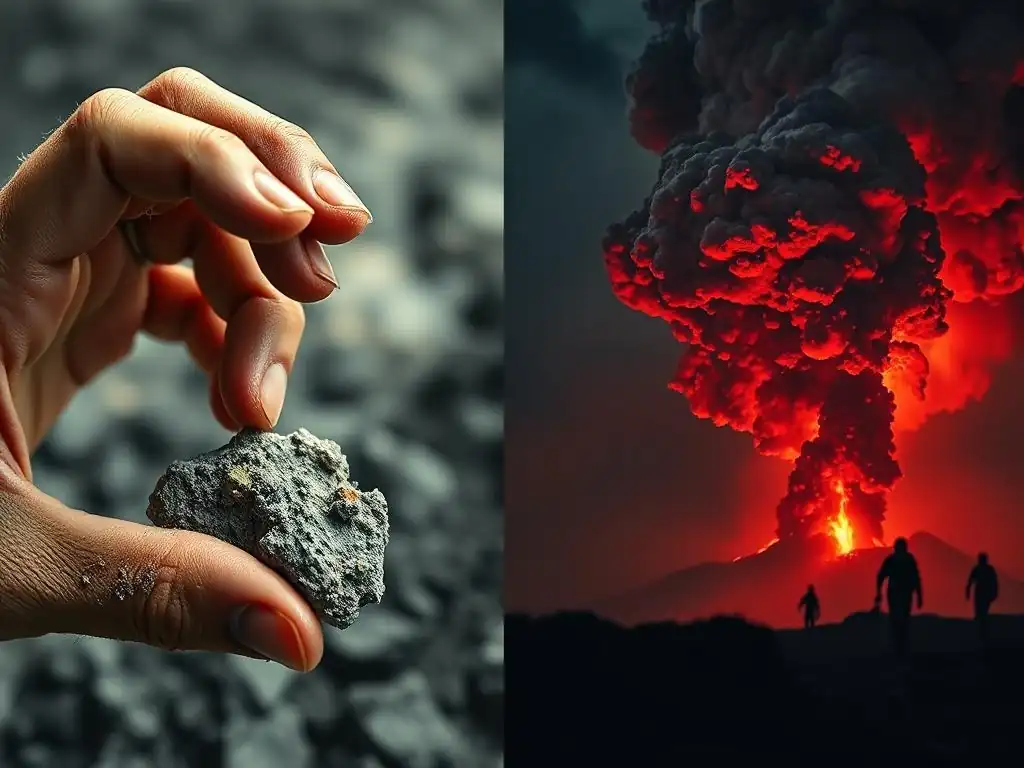
Superstition vs. Observation: Identifying Credible Signs
While folklore and traditional knowledge can offer valuable insights into predicting volcanic eruptions signs, it is crucial to distinguish between credible observations rooted in empirical experience and mere superstition or unfounded beliefs. Not all signs interpreted as prophetic are reliable indicators of volcanic activity, and misinterpreting these signs can lead to either complacency in the face of real danger or unnecessary panic and disruption. A critical approach is essential to separate potentially useful traditional knowledge from purely superstitious interpretations.
Credible signs are typically those based on repeated observations and correlations between specific phenomena and subsequent volcanic eruptions. For instance, consistent reports of certain animal behaviors preceding eruptions in a particular region over time may warrant further investigation. Similarly, patterns in changes in water sources or atmospheric phenomena, if documented and consistently observed, can be considered potentially useful indicators.
However, attributing volcanic eruptions to purely mystical causes or interpreting unrelated events as omens without empirical basis falls into the realm of superstition. A balanced approach involves critically evaluating traditional claims, seeking scientific validation where possible, and prioritizing evidence-based decision-making in volcanic hazard management while still acknowledging the potential value of carefully vetted local knowledge in predicting volcanic eruptions signs.
The Psychological Impact of Volcanic Prophecies on Communities
Volcanic prophecies, whether rooted in folklore or misinterpreted scientific information, can have a significant psychological impact on communities living near volcanoes. While accurate warnings can promote preparedness and save lives, misinterpreted or sensationalized prophecies can induce fear, anxiety, and even panic, potentially leading to maladaptive responses and undermining community resilience. Understanding the psychological dimensions of volcanic prophecies is crucial for responsible risk communication and community engagement.
On one hand, a sense of shared understanding of predicting volcanic eruptions signs, whether through traditional or scientific means, can empower communities and foster a sense of agency in the face of volcanic hazards. However, if prophecies are presented in a fatalistic or alarmist manner, they can create a sense of helplessness and despair. Misinformation and rumors, particularly in the digital age, can amplify these negative psychological effects.
Therefore, responsible communication about volcanic risks must carefully balance the need to inform and warn with the imperative to avoid unnecessary fear and panic. Promoting accurate information, fostering community dialogue, and emphasizing preparedness and resilience are key strategies to mitigate the potentially negative psychological impacts of volcanic prophecies, whether scientifically or traditionally derived, related to predicting volcanic eruptions signs.
Responsible Communication of Volcanic Risk: Avoiding Panic and Misinformation
In the context of volcanic prophecy and predicting volcanic eruptions signs, responsible communication is paramount. This involves accurately conveying scientific information, acknowledging the potential value of credible traditional knowledge, and actively combating misinformation and sensationalism that can fuel panic and undermine effective risk management. Clear, consistent, and culturally sensitive communication strategies are essential for building trust, promoting informed decision-making, and ensuring community safety during volcanic crises.
Effective risk communication should prioritize clarity and avoid jargon, ensuring that information is accessible and understandable to the general public. It should also acknowledge uncertainties inherent in volcanic eruption forecasting and avoid making definitive predictions that cannot be scientifically substantiated. When incorporating traditional knowledge, it is crucial to present it responsibly, distinguishing between validated observations and purely superstitious beliefs.
Furthermore, actively addressing misinformation and rumors through proactive outreach and public education campaigns is essential to prevent panic and ensure that communities receive accurate and reliable information for predicting volcanic eruptions signs and responding appropriately to volcanic threats. Responsible communication is the cornerstone of building resilient communities capable of living safely with volcanoes.
Predicting Volcanic Eruptions: Scientific Approaches and Their Limitations
Monitoring Volcanic Activity: A Modern Perspective
Modern volcanology relies on a sophisticated array of scientific instruments and techniques to monitor volcanic activity and improve our ability to predict eruptions. These methods represent a significant advancement from relying solely on folklore or anecdotal observations for predicting volcanic eruptions signs. Volcano observatories around the world continuously monitor various parameters, providing real-time data on volcanic unrest and contributing to more informed eruption forecasts.
Seismometers are used to detect and measure earthquakes, which often precede volcanic eruptions as magma moves beneath the surface. Ground deformation is monitored using GPS and satellite radar (InSAR) to detect subtle changes in the shape of the volcano, indicating magma accumulation or movement. Gas sensors measure the release of volcanic gases, such as sulfur dioxide and carbon dioxide, which can increase significantly before an eruption.
Thermal monitoring, using infrared cameras and satellite data, detects changes in heat output from the volcano, another potential precursor to eruption. By integrating data from these diverse monitoring networks, volcanologists can gain a more comprehensive understanding of volcanic processes and improve their ability to predict volcanic eruptions signs and assess eruption probabilities.
Limitations of Current Predictive Models: Difficulty Predicting Eruption Timing and Style
Despite significant advancements in volcanic monitoring and modeling, predicting volcanic eruptions with perfect accuracy remains a major scientific challenge. Current predictive models have limitations, particularly in precisely forecasting the timing, magnitude, and style of eruptions. Volcanic systems are complex and dynamic, and the processes leading to eruption are not always fully understood or easily observable. While scientists can often detect signs of increasing volcanic unrest and assess the likelihood of an eruption, predicting the exact moment and nature of the event remains an ongoing area of research.
One of the key challenges is the inherent variability of volcanic behavior. Each volcano is unique, and even within a single volcano, eruptive patterns can change over time. Predicting the precise timing of magma ascent, the triggering mechanisms for eruption, and the style of eruption (explosive or effusive) are complex tasks. Furthermore, some eruptions are preceded by clear warning signs, while others occur with little or no detectable precursory activity. These limitations highlight the need for continued research, improved monitoring techniques, and a cautious approach to communicating eruption forecasts, acknowledging the inherent uncertainties in predicting volcanic eruptions signs.
The Importance of Long-Term Monitoring and Research
To overcome the limitations of current predictive models and enhance our ability to predict volcanic eruptions signs, long-term monitoring and sustained research are essential. Continuous, high-quality monitoring provides the data necessary to understand long-term volcanic behavior, identify patterns, and refine predictive models. Research efforts focused on improving our understanding of magmatic processes, eruption triggers, and volcanic system dynamics are crucial for advancing the science of eruption forecasting.
Long-term monitoring allows volcanologists to establish baseline levels of volcanic activity and detect subtle deviations that might signal impending unrest. Building comprehensive datasets over decades or even centuries is essential for identifying long-term trends and improving our ability to recognize precursors to eruptions. Furthermore, investing in fundamental research into volcanic processes, including laboratory experiments, numerical modeling, and field studies, is crucial for developing more sophisticated predictive models and reducing uncertainties in eruption forecasting. Sustained investment in monitoring and research is the foundation for improving our ability to predict volcanic eruptions signs and mitigate volcanic hazards in the long term.
Conclusion: The Enduring Power of Volcanoes in Shaping Our Understanding of the Future
Volcanoes: A Reminder of Nature's Power and Our Place Within It
Volcanoes, in their awe-inspiring power and unpredictable nature, serve as a constant reminder of the immense forces shaping our planet and our place within the natural world. From their fiery eruptions that reshape landscapes to their subtle degassing that influences global climate, volcanoes exert a profound influence on Earth's systems and human societies.
Throughout history, they have been both feared and revered, understood as sources of destruction and creation, and interpreted as powerful oracles capable of revealing glimpses into the future. Their enduring presence challenges our sense of control and underscores the dynamic and often unpredictable nature of the planet we inhabit.
The study of volcanoes, encompassing both scientific investigation and cultural understanding, offers a unique perspective on the interplay between humanity and nature. It compels us to confront the limits of our predictive capabilities, acknowledge the power of natural forces, and appreciate the resilience of communities living in volcanic regions.
Volcanoes are not merely geological hazards; they are integral components of the Earth system, shaping landscapes, influencing climate, and inspiring both fear and wonder. Their enduring power continues to shape our understanding of the past, present, and future, urging us to learn from their lessons and adapt to their dynamic presence.
The Continuing Relevance of Understanding Both Scientific and Cultural Perspectives on Volcanic Activity
In our quest to understand and coexist with volcanoes, both scientific and cultural perspectives remain profoundly relevant. Modern volcanology provides the tools and methodologies to monitor volcanic activity, model eruption processes, and assess volcanic hazards with increasing sophistication. However, traditional knowledge, rooted in centuries of observation and experience, offers valuable complementary insights, particularly in understanding local volcanic behavior and community responses. Ignoring either perspective would be to diminish our capacity to effectively predict volcanic eruptions signs and mitigate volcanic risks.
A holistic approach that integrates scientific data with local knowledge, respects cultural interpretations of volcanic phenomena, and fosters community participation is essential for building resilient societies in volcanic regions. By acknowledging the strengths and limitations of both scientific and traditional approaches, we can develop more comprehensive and culturally sensitive strategies for volcanic hazard management. The ongoing dialogue between volcanologists and local communities, the integration of traditional observations into monitoring efforts, and the respectful consideration of cultural beliefs are all crucial steps towards a more holistic and effective understanding of volcanic activity and predicting volcanic eruptions signs.
Future Directions: Exploring the Intersection of Volcanology and Indigenous Knowledge
Looking towards the future, exploring the intersection of volcanology and indigenous knowledge holds immense promise for advancing our understanding of volcanoes and improving eruption forecasting. Indigenous communities around the world possess a wealth of traditional ecological knowledge about their environments, including volcanoes, often accumulated over generations of close observation and interaction. Collaborative research initiatives that partner volcanologists with indigenous communities can unlock valuable insights and lead to more effective and culturally appropriate volcanic hazard management strategies.
Future research should focus on systematically documenting and validating traditional observations related to predicting volcanic eruptions signs. This could involve ethnographic studies, participatory research projects, and the integration of indigenous knowledge into scientific monitoring programs.
Exploring the potential scientific basis for traditional indicators, such as animal behavior or changes in water sources, could lead to new avenues of research and potentially enhance our ability to detect subtle precursors to eruptions. By fostering genuine partnerships between volcanologists and indigenous communities, we can unlock the full potential of combining scientific rigor with traditional wisdom, paving the way for a more holistic and effective approach to living safely with volcanoes and predicting volcanic eruptions signs in the future.
Frequently Asked Questions
How accurately can volcanologists predict volcanic eruptions?
Currently, perfect prediction is impossible. However, volcanologists use a variety of monitoring techniques to assess the likelihood of an eruption.
What are some common signs that a volcano might be about to erupt?
Common precursors include increased seismicity (earthquakes), changes in gas emissions (especially sulfur dioxide), and ground deformation (swelling).
How do scientists use gas emissions to predict eruptions?
Changes in the type and amount of gases released from a volcano can indicate magma movement and increasing pressure beneath the surface, signalling a potential eruption.
What role does ground deformation play in predicting volcanic eruptions?
Ground swelling or deformation indicates magma accumulation beneath the volcano. This is measured using various techniques, including satellite radar and GPS.
What should people living near volcanoes do to prepare for a potential eruption?
Follow local evacuation plans, create an emergency kit, and stay informed about the volcano's activity through official sources like local authorities and VolcanoExplorers.org.
Final Reflection: Echoes of Fire and Foresight
The exploration of volcanic omens, as detailed throughout this article, is not merely an academic exercise in historical superstition; it's a reminder that humanity has always sought to understand and anticipate the power of nature. Today, as we strive to improve our methods of predicting volcanic eruptions signs, we stand on the shoulders of those who, lacking scientific instruments, looked to the earth itself for clues. The urgency of this pursuit remains paramount, as volcanic activity continues to pose a significant threat to communities worldwide.
The enduring fascination with volcanoes, both as destructive forces and sources of creation, has profoundly shaped our cultural narrative. From ancient myths to modern disaster films, the volcano serves as a potent symbol of both fear and awe. The lessons learned from past interpretations of volcanic activity, even those rooted in prophecy, underscore the importance of attentive observation and respect for the earth's signals. We cannot command nature except by obeying her.
- Francis Bacon. This quote resonates deeply, reminding us that true understanding comes not from domination, but from careful listening and learning from the natural world.
As you reflect on the historical and scientific perspectives presented here, consider how you might apply the principles of observation and critical thinking to your own life. Are you attuned to the subtle signs around you, both in the natural world and in your own internal landscape? Let the lessons of predicting volcanic eruptions signs inspire you to cultivate a deeper awareness, a greater respect for the power of nature, and a commitment to using knowledge to protect and preserve our shared future.
Ignite Your Inner Seer: Delve Deeper into Volcanic Prophecy!
Thank you for exploring the fascinating connection between volcanoes and prophecy with us. We hope you've gained a new appreciation for how ancient cultures interpreted volcanic activity and its potential impact on the future. Now, it's time to put that knowledge into action!
- Become a Volcanic Forecaster: Research a historically significant volcanic eruption and document the prophecies associated with it.: Share your findings with friends or family – you might be surprised at how relevant some ancient predictions still feel today!
- Explore Local Volcanic Folklore: Research if your region, or a region you are interested in, has folklore about volcanoes or similar geological phenomena.
- Engage with our community and share your interpretations. What do you think the volcanoes are trying to tell us?
What omens have you noticed in the world around you? Share your observations in the comments below!