
Unlock Earth's Mysteries: The Educational Power of Volcano Toys for Young Explorers

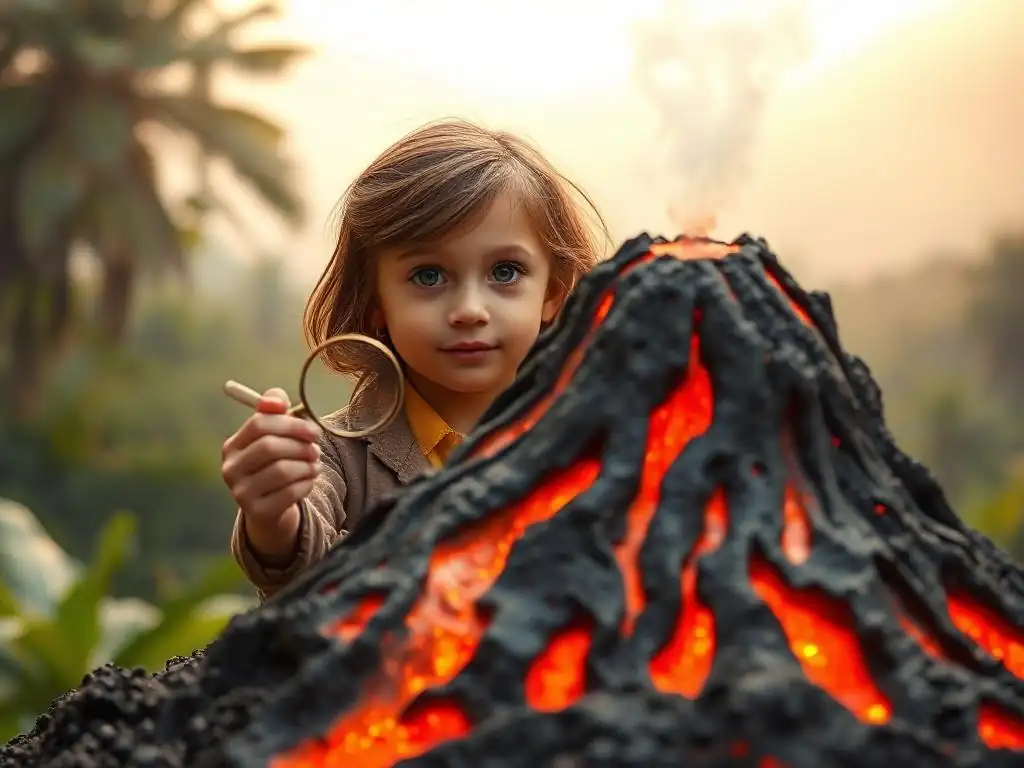
Welcome to Volcano Explorers!
Dive into the molten heart of learning! Ever wondered how to ignite a passion for science in young minds? Our latest exploration unearths the surprising educational power of volcano toys for kids. Prepare to be amazed as we reveal how these miniature mountains can unlock Earth's deepest mysteries and spark a lifelong fascination with the planet's fiery wonders. What secrets will you discover?
- Why Volcano Toys for Kids are More Than Just Fun: A Gateway to Earth Science
- Building Your Own Erupting Volcano: A Step-by-Step Guide with Volcano Toys
- Level Up Your Volcano Learning: Interactive Volcano Toys and Augmented Reality
- Safety First: Choosing Safe and Non-Toxic Volcano Toys for Your Child
- Extending the Volcano Learning Experience: Books, Documentaries, and Real-World Connections
- Maximizing the Educational Impact of Volcano Toys: Tips for Parents and Educators
- Frequently Asked Questions
- Final Reflection: Igniting Curiosity, Shaping Futures
- Ignite Your Child's Curiosity: Embark on a Volcanic Adventure!
Why Volcano Toys for Kids are More Than Just Fun: A Gateway to Earth Science
Sparking Curiosity: How Volcano Toys Introduce Core Scientific Concepts
Volcano toys for kids are far more than just playthings; they are powerful educational tools that can ignite a child's curiosity about the natural world. By replicating the dramatic eruptions of real volcanoes, these toys introduce fundamental scientific concepts in an engaging and accessible way. Children interacting with volcano toys begin to grasp complex ideas such as cause and effect as they observe how mixing certain substances leads to a simulated eruption. This initial hands-on experience can be the spark that ignites a lifelong interest in science, technology, engineering, and mathematics (STEM) fields.
Moreover, playing with volcano toys introduces children to the concept of Earth science, specifically volcanology. They learn about the different parts of a volcano – the crater, the cone, and the magma chamber (albeit in a simplified model). This early exposure can lead to questions about what causes volcanoes to erupt, where real volcanoes are located around the world, and the impact of volcanic eruptions on the environment.
For example, a child might ask, "Is the 'lava' in my toy the same as real lava?" or "Are there volcanoes near where we live?". These questions are the starting points for deeper learning and exploration of geological phenomena.
Beyond the Eruption: Developing STEM Skills with Educational Volcano Kits
Educational volcano kits go beyond simply demonstrating an eruption; they are designed to foster crucial STEM skills in children. Many kits incorporate elements of chemistry, as children learn about the chemical reactions that cause the simulated eruption, typically involving baking soda (sodium bicarbonate) and vinegar (acetic acid). This hands-on chemistry experiment is a safe and fun introduction to chemical reactions, demonstrating concepts like acids, bases, and gas production. The process of measuring ingredients for the eruption mixture also subtly introduces mathematical concepts like volume and ratios.
Furthermore, assembling a volcano model from a kit enhances spatial reasoning and problem-solving skills. Children need to follow instructions, identify different components, and fit them together correctly to build the volcano structure. Some kits even require painting and decorating the model, fostering creativity and artistic expression alongside scientific learning. The entire process, from assembly to eruption, encourages a systematic approach to experimentation and observation, laying the foundation for scientific thinking and the scientific method. By actively participating in these activities, children develop a deeper understanding and appreciation for scientific inquiry and discovery.
Building Your Own Erupting Volcano: A Step-by-Step Guide with Volcano Toys
Step 1: Assembling the Volcano Model - Choosing the Right Volcano Toy Kit
Selecting the right volcano toy kit is the first step in creating an engaging and educational experience. The market offers a variety of kits, catering to different age groups and learning styles. When choosing a kit, consider the child's age and developmental stage, the complexity of assembly, and the educational value of the included activities. Some kits are designed for younger children with easy-to-assemble models and simple eruption experiments, while others are more advanced, incorporating detailed volcano models and more complex scientific explorations.
Another important factor is the materials used in the kit. Opt for kits made from durable and non-toxic materials to ensure safety and longevity. Many reputable brands prioritize safety and educational value, offering kits that are both fun and informative. Reading reviews and comparing features of different kits can help you make an informed decision and choose a volcano toy kit that best suits your child's interests and learning needs.
Recommendations: Exploring the National Geographic Volcano Science Kit vs. the Discover with Dr. Cool Volcano Kit
When considering volcano science kits, two popular and highly-rated options are the National Geographic Volcano Science Kit and the Discover with Dr. Cool Volcano Kit. Both offer excellent educational value and engaging experiences, but they cater to slightly different preferences and age groups.
National Geographic Volcano Science Kit: Easy Assembly for Younger Explorers
The National Geographic Volcano Science Kit is particularly well-suited for younger explorers due to its focus on ease of assembly and immediate engagement. The kit typically includes a pre-molded volcano model, making assembly straightforward and less frustrating for younger children. This allows them to quickly move on to the exciting eruption experiments.
The kit often comes with additional learning materials, such as volcanic rock specimens and learning guides, which enhance the educational experience beyond just the eruption itself. It's a great option for parents or educators looking for a user-friendly kit that provides a quick and satisfying introduction to volcano science for younger children.
Discover with Dr. Cool Volcano Kit: Engaging Experiment Cards for Guided Learning
The Discover with Dr. Cool Volcano Kit, on the other hand, often emphasizes guided learning through experiment cards and more detailed instructions. While assembly might be slightly more involved than the National Geographic kit, it's still manageable for most children, especially with adult supervision.
The strength of this kit lies in its focus on scientific exploration and learning. The included experiment cards typically guide children through various eruption experiments, encouraging them to observe, record data, and draw conclusions. This kit is ideal for children who are ready for a more structured and in-depth learning experience, promoting scientific inquiry and critical thinking skills through hands-on experimentation.
Step 2: Creating the Eruption Mixture - Safe and Engaging Science Experiments
The heart of the volcano toy experience is the eruption, and creating the eruption mixture is a crucial step in this process. Most volcano toy kits utilize a safe and readily available combination of household ingredients to simulate a volcanic eruption. Understanding the science behind this mixture adds another layer of educational value to the activity.
The Classic Vinegar and Baking Soda Eruption: Ingredients and Proportions
The most common and safest eruption mixture for volcano toys involves vinegar (acetic acid) and baking soda (sodium bicarbonate). This classic science experiment demonstrates a simple acid-base reaction. When vinegar and baking soda are mixed, they react to produce carbon dioxide gas, water, and sodium acetate. The carbon dioxide gas is what creates the eruption effect, as it rapidly expands and forces its way out of the volcano model, mimicking a volcanic eruption.
For a typical volcano toy, a good starting proportion is usually around 2-3 tablespoons of baking soda and approximately half a cup of vinegar. However, it's always best to refer to the specific instructions provided with your volcano toy kit, as proportions may vary slightly depending on the model size and design. Experimentation is also encouraged – children can try varying the amounts of baking soda and vinegar to observe how it affects the eruption's intensity and duration.
Enhancing the Eruption: Adding Dish Soap and Food Coloring for a Realistic Effect
To make the volcano eruption even more visually appealing and realistic, you can enhance the mixture with a few simple additions. Adding a squirt of dish soap to the baking soda and vinegar mixture helps to create more foam and bubbles during the eruption, making it look more like flowing lava. The dish soap acts as a surfactant, reducing the surface tension of the water and trapping the carbon dioxide gas in bubbles, resulting in a foamy eruption.
Food coloring can also be added to the vinegar to give the "lava" a more realistic color. Red and orange food coloring are the most common choices to simulate the appearance of molten lava. A few drops of food coloring are usually sufficient to achieve a vibrant and visually striking eruption. These simple additions not only make the eruption more exciting but also provide opportunities to discuss the properties of liquids and the effects of adding different substances.
Step 3: Triggering the Eruption - Observing and Learning About Volcanic Processes
Once the volcano model is assembled and the eruption mixture is prepared, the final and most exciting step is triggering the eruption. This is the moment when children get to witness the simulated volcanic activity they have been preparing for, solidifying their understanding of the processes involved.
Documenting the Eruption: Encouraging Scientific Observation and Recording Data
The eruption of a volcano toy is a perfect opportunity to encourage scientific observation and data recording. Before triggering the eruption, ask children to make predictions about what they think will happen. Will the eruption be big or small? How long will it last? These predictions encourage them to think critically and form hypotheses.
During the eruption, guide children to observe carefully and document their observations. This can be done through simple drawings, written descriptions, or even taking photos or videos of the eruption. Encourage them to note details such as the height of the eruption, the color and texture of the "lava," and the duration of the eruption. Older children can even measure the volume of vinegar and baking soda used and record the time it takes for the eruption to occur and how long it lasts, introducing basic data collection skills.
Expanding the Experiment: Exploring Different Eruption Styles and Intensities
The learning doesn't have to stop after just one eruption. Volcano toys offer opportunities for repeated experimentation and exploration of different eruption styles and intensities. By varying the proportions of baking soda and vinegar, children can investigate how the amount of reactants affects the eruption. For example, using more baking soda might lead to a more vigorous eruption, while using less vinegar might result in a smaller or shorter eruption.
Furthermore, you can introduce variations to the experiment by changing the shape of the volcano's opening or adding obstacles to the flow of "lava." These modifications can help children understand how different factors, such as vent shape and topography, can influence the style and intensity of real volcanic eruptions. By experimenting with these variables, children develop a deeper understanding of the complex processes that drive volcanic activity and learn the importance of controlled experimentation in scientific inquiry.
Level Up Your Volcano Learning: Interactive Volcano Toys and Augmented Reality
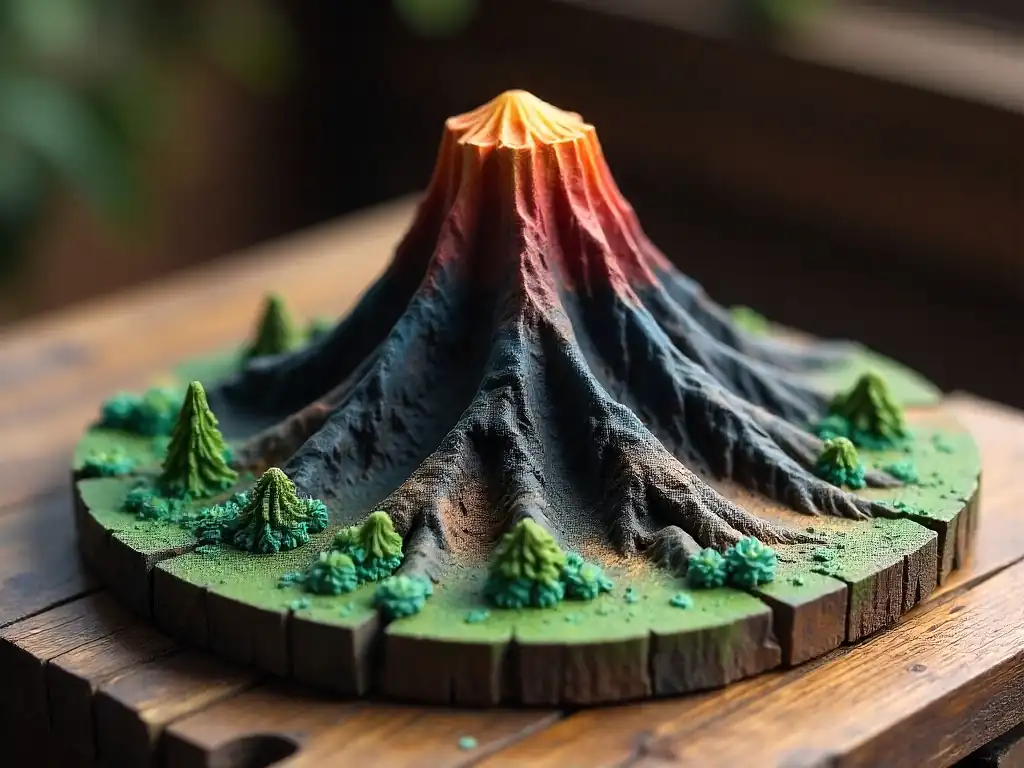
Exploring Augmented Reality Volcano Models: Volcano 4D+ by Octagon Studio
For a truly immersive and technologically advanced volcano learning experience, consider exploring augmented reality (AR) volcano models. The Volcano 4D+ by Octagon Studio is a prime example of how AR technology can enhance educational toys. This product typically consists of flashcards or a physical model that, when viewed through a smartphone or tablet app, comes to life with interactive 3D animations and information.
Using the Volcano 4D+ app, children can point their device at the cards or model and see a virtual volcano erupt on their screen, often with realistic lava flows, smoke, and sound effects. The app usually provides detailed information about different types of volcanoes, volcanic eruptions, and related geological concepts, making learning interactive and engaging. AR volcano models like Volcano 4D+ bridge the gap between physical toys and digital learning, offering a modern and captivating way to explore volcano science. While specific features and availability may vary, AR volcano models represent a cutting-edge approach to educational play.
Interactive Volcano Globes: A Hands-On Geography Lesson
Interactive volcano globes offer another engaging way to expand volcano learning, particularly focusing on the geographical distribution of volcanoes around the world. These globes often feature raised relief to represent mountains and volcanoes, and some even incorporate lights or interactive elements to highlight the locations of active and dormant volcanoes.
Using an interactive volcano globe, children can visually explore the Ring of Fire, a major area in the basin of the Pacific Ocean where a large number of earthquakes and volcanic eruptions occur. They can learn about the relationship between plate tectonics and volcano distribution, understanding why volcanoes are often found along plate boundaries. Some interactive globes come with accompanying books or apps that provide additional information about specific volcanoes and volcanic regions, turning geography lessons into exciting explorations of Earth's dynamic landscapes. These tools help connect the abstract concept of volcanoes to real-world locations and geographical patterns.
Safety First: Choosing Safe and Non-Toxic Volcano Toys for Your Child
Identifying Certified Safe Volcano Toys: Look for ASTM F963 Compliance
Safety should always be a top priority when choosing toys for children, and volcano toys are no exception. To ensure you are selecting safe products, look for volcano toys that meet established safety standards. One of the most important certifications to look for is ASTM F963, the Standard Consumer Safety Specification for Toy Safety in the United States.
Toys that comply with ASTM F963 have undergone rigorous testing to ensure they meet safety requirements related to various hazards, including flammability, toxicity, and small parts that could pose a choking risk for young children. Manufacturers often indicate ASTM F963 compliance directly on the toy packaging or in product descriptions. Choosing volcano toys that bear this certification mark provides reassurance that the product has been evaluated for safety and is designed to minimize potential risks. Prioritizing certified safe toys helps create a worry-free and enjoyable learning experience for children.
Safe Disposal of Eruption Materials: Best Practices for a Clean and Eco-Friendly Experiment
After conducting volcano eruption experiments, it's important to dispose of the eruption materials safely and responsibly. The typical baking soda and vinegar mixture is generally considered safe for disposal down the drain, as the reaction products are non-toxic and biodegradable. However, it's always a good practice to dilute the mixture with plenty of water when rinsing it down the drain.
If you have added food coloring to the eruption mixture, be mindful that some food colorings can stain surfaces. Clean up any spills promptly with water and soap to prevent staining. For volcano models and other reusable components of the kit, clean them according to the manufacturer's instructions, usually with mild soap and water. By following these simple best practices for disposal and cleanup, you can ensure a clean, safe, and eco-friendly volcano experiment experience.
Extending the Volcano Learning Experience: Books, Documentaries, and Real-World Connections
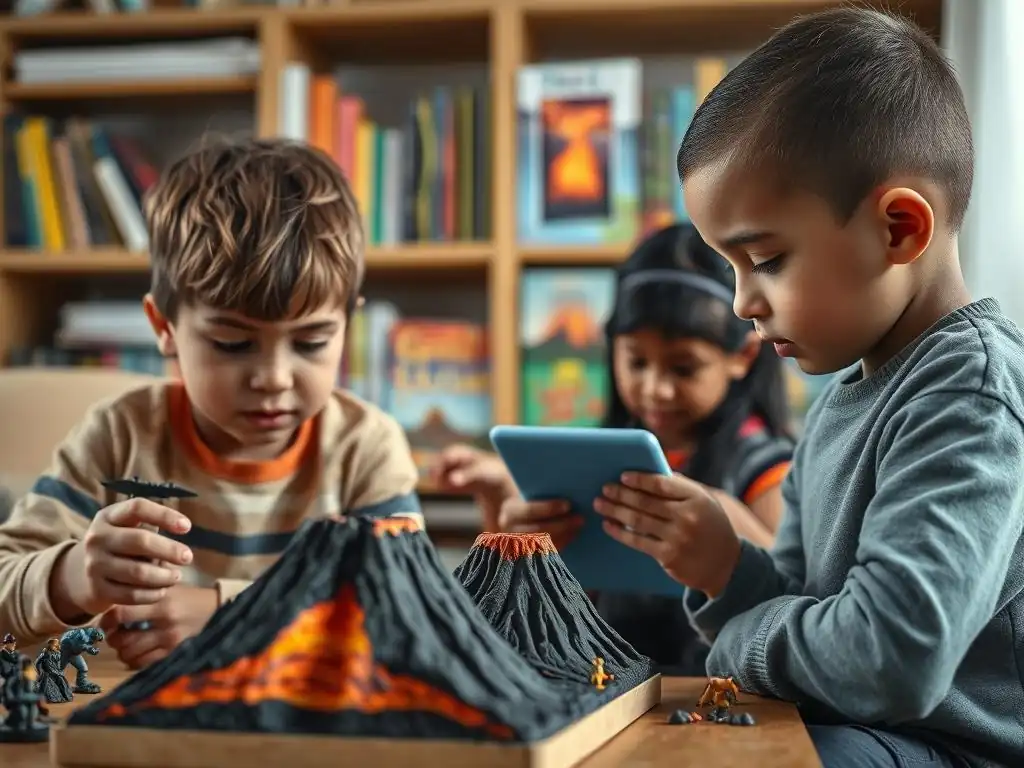
Recommended Volcano Books for Young Readers: "Volcanoes" by Anne Schreiber
To further enrich a child's understanding of volcanoes beyond the toy experience, consider incorporating age-appropriate books. "Volcanoes" by Anne Schreiber is an excellent example of a book designed for young readers that provides a comprehensive and engaging introduction to volcanology. This book, often part of educational series for children, typically uses clear language, vivid illustrations, and photographs to explain the science behind volcanoes, different types of eruptions, and famous volcanoes around the world.
Books like "Volcanoes" by Anne Schreiber can expand on the concepts introduced by volcano toys, providing more detailed information and real-world examples. They can also foster literacy skills and encourage a love of reading while reinforcing scientific learning. Look for books that are specifically written for the child's age group and reading level, ensuring they are both informative and enjoyable. Libraries and online booksellers offer a wide selection of volcano-themed books for children of all ages.
Captivating Volcano Documentaries: "Into the Inferno" on Netflix
For older children and families interested in delving deeper into the world of volcanoes, documentaries offer a visually stunning and informative way to learn. "Into the Inferno," available on Netflix, is a highly acclaimed documentary by Werner Herzog that explores the power and mystique of volcanoes around the globe. This documentary takes viewers on a journey to active volcanoes in various locations, showcasing breathtaking footage of eruptions and interviewing volcanologists and local communities living near volcanoes.
"Into the Inferno" provides a captivating and thought-provoking look at volcanoes, blending scientific information with cultural perspectives and stunning visuals. Watching documentaries like this can broaden understanding of the global impact of volcanoes, the work of volcanologists, and the awe-inspiring forces of nature. While "Into the Inferno" is just one example, there are numerous other excellent volcano documentaries available through streaming services and educational platforms, catering to different age groups and levels of scientific interest.
Planning a Volcano-Themed Field Trip: Exploring the Mount St. Helens National Volcanic Monument
Connecting volcano learning to real-world experiences can significantly enhance its impact and create lasting memories. If you live near a volcanic area or are planning a trip to one, consider visiting a volcano-themed location like the Mount St. Helens National Volcanic Monument in Washington State, USA. Mount St. Helens is famous for its catastrophic eruption in 1980, and the National Volcanic Monument offers a unique opportunity to witness the aftermath of a major volcanic event and learn about volcanic processes firsthand.
Visiting Mount St. Helens or similar volcanic sites allows children to see volcanic landscapes up close, observe geological features like lava flows and volcanic ash deposits, and learn about the ongoing recovery of the ecosystem after the eruption. Many volcanic monuments and parks offer visitor centers, guided tours, and educational programs that cater to families and school groups, making learning interactive and engaging. A volcano-themed field trip can transform abstract concepts into tangible realities, fostering a deeper appreciation for the power and dynamism of the Earth.
Maximizing the Educational Impact of Volcano Toys: Tips for Parents and Educators
Encouraging Critical Thinking: Asking Open-Ended Questions About Volcanic Processes
To maximize the educational value of volcano toys, parents and educators should actively engage with children during playtime and learning activities. One effective strategy is to encourage critical thinking by asking open-ended questions about volcanic processes. Instead of simply providing answers, pose questions that prompt children to think for themselves, explore possibilities, and formulate their own explanations.
For example, after an eruption, ask questions like, "Why do you think the 'lava' came out of the top of the volcano?" or "What would happen if we used more baking soda?". These types of questions encourage children to think about cause and effect, make predictions, and analyze their observations. Open-ended questions stimulate curiosity and promote deeper understanding compared to simply receiving factual information. By fostering a questioning mindset, you empower children to become active learners and critical thinkers.
Connecting Volcano Learning to Other STEM Fields: Geology, Chemistry, and Physics
Volcano learning naturally connects to various STEM fields, providing opportunities for interdisciplinary exploration. Emphasize these connections to broaden children's understanding and show them how different scientific disciplines are interconnected. For instance, the chemical reaction in the volcano eruption directly relates to chemistry concepts like acids, bases, and chemical reactions. Discussing the composition of lava and volcanic gases can further explore chemistry principles.
Geology is obviously central to volcano science, encompassing the study of rocks, Earth's structure, and geological processes. Volcano toys can be a starting point for learning about plate tectonics, magma formation, and different types of volcanic rocks. Physics also plays a role, particularly in understanding the forces behind volcanic eruptions, the flow of lava, and the mechanics of volcano formation. By highlighting these connections, you can demonstrate the interdisciplinary nature of science and encourage children to see how different STEM fields work together to explain natural phenomena.
Creating a Volcano-Themed Learning Center: Resources and Activities for Continuous Exploration
To foster sustained interest and deeper learning about volcanoes, consider creating a dedicated volcano-themed learning center at home or in the classroom. This center can be a designated area stocked with volcano-related resources and activities, encouraging continuous exploration and discovery. Include volcano toys, books about volcanoes, maps showing volcano locations, and art supplies for volcano-themed creative projects.
Add hands-on activities to the learning center, such as rock and mineral samples (if available and safe), materials for building different types of volcano models (using clay, playdough, or even building blocks), and experiment supplies for exploring different eruption mixtures. Include worksheets or activity sheets that guide further learning, such as volcano labeling exercises, eruption observation logs, or research prompts about famous volcanoes. A well-equipped volcano-themed learning center provides a stimulating and accessible environment for children to independently explore volcano science and deepen their understanding at their own pace.
Frequently Asked Questions
What are the main benefits of giving volcano toys to kids?
Volcano toys offer a fun and engaging way for children to learn about geology and earth science. They can spark curiosity and encourage hands-on learning, making complex concepts easier to grasp.
How do volcano toys help children understand volcanic eruptions?
These toys provide a visual and interactive demonstration of how eruptions occur, allowing children to understand concepts like magma flow and lava formation. This experiential learning aids comprehension and retention.
Are volcano toys safe for young children?
Yes, most volcano toys are designed with child safety in mind, using non-toxic materials and featuring age-appropriate designs. Always check the manufacturer's recommendations for age suitability.
Where can I find reliable information about volcanoes beyond just toys?
Websites like VolcanoExplorers.org offer comprehensive information on volcanic activity, types of volcanoes, and safety guides. They provide a deeper understanding beyond the toy itself.
Can volcano toys inspire a future career in volcanology?
Absolutely! By sparking an early interest in volcanoes, these toys can potentially inspire children to pursue careers in geology, volcanology, or other related scientific fields. It can be a gateway to lifelong learning.
Final Reflection: Igniting Curiosity, Shaping Futures
The journey through the world of volcano toys reveals more than just playthings; it unveils a powerful tool for igniting a lifelong passion for science and discovery. The ability of these toys to transform complex geological processes into engaging, hands-on experiences is profoundly relevant in a world increasingly reliant on scientific understanding. By fostering curiosity and critical thinking from a young age, we empower the next generation to tackle the challenges facing our planet.
The impact of fostering scientific curiosity through play extends far beyond the classroom. It shapes how children perceive the world, encouraging them to question, explore, and seek answers. This early engagement with scientific concepts can lead to a deeper appreciation for the Earth's dynamic systems and a greater sense of responsibility towards its preservation. The important thing is not to stop questioning. Curiosity has its own reason for existing.
- Albert Einstein. This quote perfectly encapsulates the spirit of exploration that volcano toys can inspire.
As we conclude this exploration of volcano toys for kids, let us remember that education is not merely the acquisition of facts, but the cultivation of a curious and informed mind. Consider how you can further nurture this spirit of discovery in the young explorers around you. Encourage their questions, support their experiments, and celebrate their passion for learning. By doing so, you are not just providing them with toys; you are equipping them with the tools they need to unlock Earth's mysteries and shape a brighter future.
Ignite Your Child's Curiosity: Embark on a Volcanic Adventure!
Thank you for exploring the exciting world of volcano toys and discovering how they can spark a child's love for science. Now, let's turn that knowledge into action and fuel their passion for discovery!
Here are a few ways to keep the learning erupting:
- Build Your Own Volcano! Gather some simple materials and create a hands-on volcano experiment at home. It's a fantastic way to reinforce their understanding of volcanic processes.
- Join our community of parents and educators passionate about STEM learning through play at volcanoexplorers.org. Share your volcanic creations and get inspired!
- Explore our carefully curated list of age-appropriate books and documentaries about volcanoes. Expand your child's knowledge beyond the toy and into the real world.
What thrilling volcanic experiment will you and your young explorer try first? Share your plans in the comments below!