
Capturing the Unseen: Documentaries That Reveal the Hidden Beauty of Volcanoes

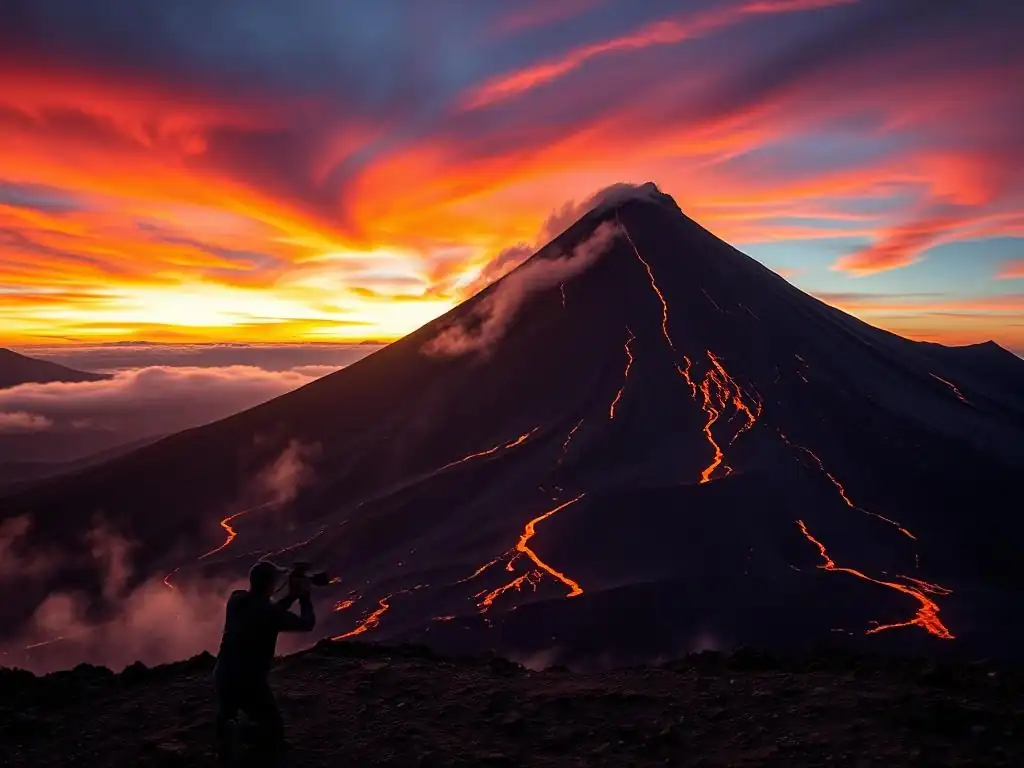
Welcome to Volcano Explorers, where the Earth's raw power meets human curiosity. Have you ever wondered how filmmakers manage to capture the breathtaking, yet perilous, beauty of erupting volcanoes? Prepare to be mesmerized. Our featured article, "Capturing the Unseen: Documentaries That Reveal the Hidden Beauty of Volcanoes," unveils the secrets behind some of the most stunning documentaries about volcano beauty. What risks do they take, and what untold stories do they bring to light? Dare to explore the fiery depths and uncover the artistry behind these cinematic masterpieces...
- Unveiling Volcanic Majesty: Exploring the Best Documentaries
- Why Watch Documentaries About Volcano Beauty?
-
Top Documentaries Showcasing Volcanoes' Hidden Beauty
- Fire of Love (2022): A Poetic Exploration of Volcanic Passion
- Into the Inferno (2016): Werner Herzog's Philosophical Journey into Volcanoes
- Volcanoes: The Fires of Creation (IMAX): Immersive Volcanic Experiences
- National Geographic: Volcanoes: Life on the Edge: Scientific Exploration and Human Resilience
- Tools for Volcano Documentaries: Filming the Unseen
- Conclusion: Witnessing the Beauty and Power of Volcanoes Through Film
-
Frequently Asked Questions
- What makes documentaries about volcano beauty so compelling?
- Where can I find documentaries that specifically highlight the beauty of volcanoes?
- Do these documentaries only focus on aesthetics, or do they also cover the science of volcanoes?
- Are there any documentaries that explore the cultural significance of volcanoes for communities living nearby?
- Do documentaries about volcano beauty provide any information about safety precautions for those living near active volcanoes?
- Final Reflection: Embracing the Fiery Heart of the Earth
- Ignite Your Inner Explorer: Discover Volcanoes Up Close!
Unveiling Volcanic Majesty: Exploring the Best Documentaries
Volcanoes, often perceived as agents of destruction and chaos, possess a stark and mesmerizing beauty that captivates the human imagination. While eruptions and lava flows represent the raw power of nature, the landscapes sculpted by volcanic forces, the intricate geological formations, and the vibrant ecosystems they foster reveal a hidden world of wonder. Documentaries about volcano beauty offer a unique window into this realm, allowing us to witness the awe-inspiring spectacle and understand the complex processes shaping our planet. These films go beyond sensationalism, delving into the science, art, and human stories intertwined with these fiery giants.
This article explores some of the most compelling documentaries that capture the unseen beauty of volcanoes. From poetic explorations of volcanic passion to immersive IMAX experiences and scientific expeditions, we will journey through films that reveal the diverse facets of volcanic landscapes and phenomena. We will also examine the techniques and technologies used to film in these extreme environments, showcasing the dedication and ingenuity of filmmakers who venture into the heart of volcanic activity to bring these stunning visuals to audiences worldwide.
Why Watch Documentaries About Volcano Beauty?
Beyond the Eruption: Understanding Volcanic Landscapes
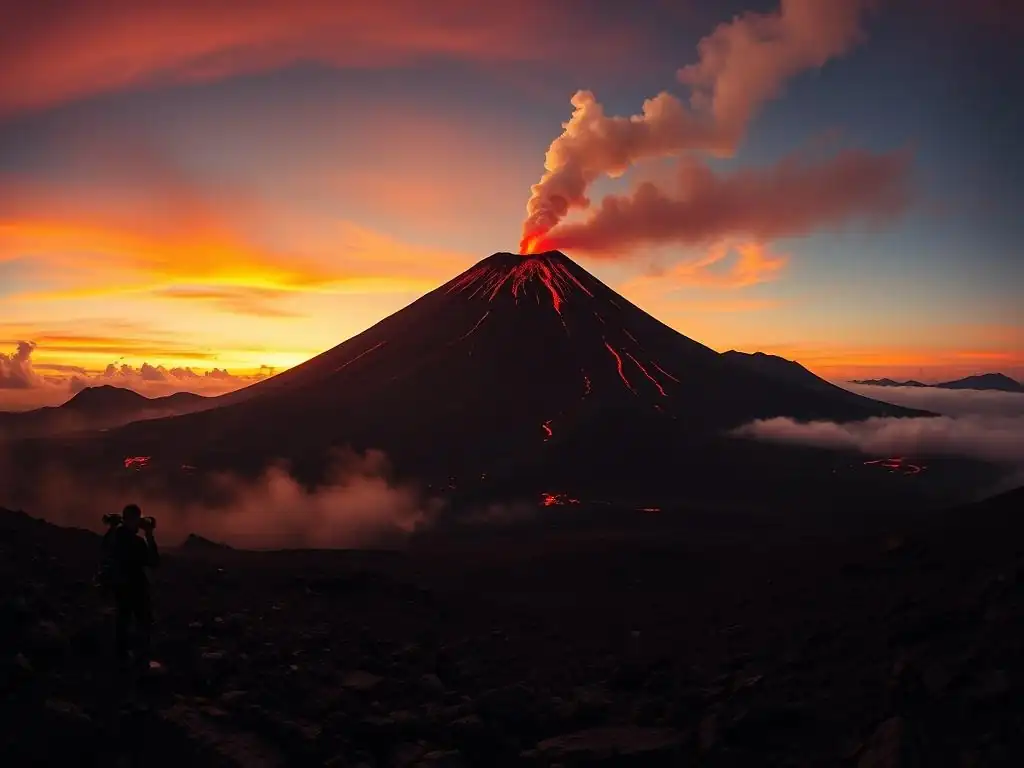
Documentaries about volcano beauty offer a perspective that goes beyond the dramatic imagery of eruptions. They delve into the geological processes that create volcanic landscapes, showcasing the artistry of nature in sculpting mountains, valleys, and coastlines. These films reveal the intricate details often missed in news reports focused solely on volcanic hazards.
For instance, documentaries often highlight the unique rock formations like basalt columns, obsidian flows, and fumaroles, explaining their formation and significance. They explore the diverse ecosystems that thrive in volcanic regions, from the hardy plant life adapting to mineral-rich soils to the specialized animal species that call these seemingly barren landscapes home.
Furthermore, these documentaries often provide crucial context, explaining the long-term impact of volcanic activity on shaping the Earth's surface and influencing climate patterns. By showcasing the gradual processes of erosion, weathering, and ecological succession in volcanic areas, they paint a comprehensive picture of the dynamic interplay between volcanic forces and the environment. Viewers gain a deeper appreciation for the cyclical nature of geological processes and the role volcanoes play in the broader Earth system. For example, some documentaries illustrate how volcanic ash, initially destructive, eventually enriches the soil, fostering fertile agricultural lands in the long run.
The Artistic Lens: Capturing Volcanic Beauty on Film
Documentaries about volcano beauty are not just educational tools; they are also works of art. Filmmakers employ various techniques to capture the aesthetic grandeur of volcanic landscapes, transforming scientific observation into visual poetry. Time-lapse photography reveals the slow, yet powerful, geological changes occurring over days, months, or even years, compressing vast timescales into captivating sequences. Aerial cinematography, often utilizing drones, provides breathtaking perspectives of caldera lakes, lava fields stretching to the horizon, and the intricate patterns formed by volcanic vents and fissures.
The use of specialized cameras and lenses allows filmmakers to capture the subtle nuances of light and color in volcanic environments. The ethereal blue glow of volcanic gases, the fiery orange of molten lava contrasting with the black volcanic rock, and the dramatic silhouettes of volcanoes against sunset skies are all captured with stunning clarity and artistry.
Many documentaries incorporate evocative musical scores and thoughtful narration to enhance the emotional impact of the visuals, creating a truly immersive and awe-inspiring viewing experience. Through the artistic lens of documentary filmmaking, the raw power of volcanoes is not just observed but also interpreted and presented in a way that evokes wonder and reverence for the natural world.
Fire of Love (2022): A Poetic Exploration of Volcanic Passion
Fire of Love, directed by Sara Dosa, is a critically acclaimed documentary that tells the extraordinary story of volcanologists Katia and Maurice Krafft. This film is not just about volcanoes; it is a love story – a passionate and sometimes tumultuous relationship between two individuals and their shared devotion to understanding volcanoes. Using stunning archival footage shot by the Kraffts themselves over decades, Fire of Love offers an intimate and poetic exploration of their lives, their scientific discoveries, and their unwavering fascination with these geological giants.
The documentary stands out for its unique visual style, primarily composed of vibrant 16mm footage that captures the raw beauty and destructive power of volcanoes with an almost dreamlike quality. The film is narrated with excerpts from the Kraffts' writings and interviews, revealing their deep scientific curiosity and their philosophical reflections on the nature of life and death, often intertwined with their volcanic explorations. Fire of Love transcends the typical nature documentary, becoming a poignant meditation on love, obsession, and the human desire to understand the forces shaping our planet.
The Kraffts' Legacy: Scientific Discovery and Visual Poetry
Katia and Maurice Krafft were pioneers in volcanology, renowned for their daring fieldwork and their exceptional ability to capture volcanic phenomena on film and camera. They were not just scientists; they were also storytellers and visual artists, recognizing the power of imagery to communicate the wonders and dangers of volcanoes to a wider audience. Their extensive archive of footage, meticulously preserved and now showcased in Fire of Love, is a testament to their dedication and their unique approach to scientific exploration.
Their scientific contributions were significant, ranging from understanding pyroclastic flows to documenting the behavior of different types of volcanic eruptions. However, their legacy extends beyond scientific papers and data. The Kraffts' images and films have inspired generations of scientists, filmmakers, and nature enthusiasts. They demonstrated that science and art could be powerfully combined to foster a deeper appreciation for the natural world and to advocate for volcano monitoring and safety measures. Fire of Love beautifully encapsulates this legacy, presenting their scientific work within the context of their passionate lives and their artistic vision.
Rent or Buy: Accessing Fire of Love Online
Fire of Love is widely available for streaming and purchase online. Viewers can rent or buy the documentary on major platforms such as Amazon Prime Video, Apple TV, and YouTube Movies. The film is also often available for streaming on subscription services like Hulu and Disney+, depending on regional availability and current licensing agreements. Checking these platforms directly is recommended for the most up-to-date streaming options.
Physical copies of Fire of Love on Blu-ray and DVD are also available for purchase from online retailers like Amazon and major movie retailers. Owning a physical copy provides a high-quality viewing experience and allows viewers to revisit this captivating documentary at any time. For those interested in delving deeper into the Kraffts' work, searching for "Fire of Love documentary watch online" will provide a comprehensive list of current viewing options.
Into the Inferno (2016): Werner Herzog's Philosophical Journey into Volcanoes
Directed by the acclaimed filmmaker Werner Herzog, Into the Inferno is a documentary that transcends the typical nature film, becoming a philosophical exploration of volcanoes and their significance to both the natural world and human cultures. Herzog, known for his distinctive narrative style and his fascination with extreme environments, takes viewers on a global journey to active volcanoes in Indonesia, Ethiopia, Iceland, and North Korea. The film interweaves stunning volcanic imagery with interviews with volcanologists, local communities living near volcanoes, and even shamans, creating a rich tapestry of perspectives on these powerful forces of nature.
Into the Inferno is not just about the science of volcanoes; it delves into the cultural and spiritual dimensions of these geological phenomena. Herzog explores how different societies have interpreted volcanoes throughout history, from seeing them as sources of creation and destruction to venerating them as sacred sites. The film is characterized by Herzog's signature voiceover narration, which is both informative and deeply reflective, prompting viewers to contemplate humanity's place in the face of immense natural forces. Into the Inferno offers a unique and thought-provoking perspective on volcanoes, blending scientific inquiry with philosophical musings and cultural anthropology.
Volcanoes as Sacred Sites: Cultural Perspectives
Into the Inferno dedicates significant time to exploring the cultural significance of volcanoes in various societies. In Indonesia, the film visits Mount Merapi, a highly active volcano considered sacred by local communities. Herzog interviews Javanese shamans who perform rituals to appease the volcano spirit and maintain harmony with the natural world. These sequences highlight the deep-rooted spiritual connection between people and volcanoes, where eruptions are not just geological events but also have profound cultural and religious meanings.
In Ethiopia, the documentary explores the Erta Ale volcano and its lava lake, a site revered by the Afar people. They view the volcano as a gateway to the underworld and a place of immense power. Herzog's interviews with local residents reveal how their lives are intertwined with the volcano, both materially and spiritually.
These examples illustrate how different cultures around the world have developed unique cosmologies and traditions around volcanoes, reflecting both the awe and the fear inspired by these powerful natural phenomena. Into the Inferno effectively showcases this diverse range of cultural perspectives, broadening our understanding of volcanoes beyond purely scientific terms.
Stream Into the Inferno on Netflix
Into the Inferno is readily available for streaming on Netflix. As a Netflix original documentary, it is accessible to subscribers worldwide through the Netflix platform. Simply searching for "Into the Inferno" on Netflix will quickly locate the film and allow viewers to begin streaming. Netflix offers various streaming quality options, depending on internet speed and subscription plan, ensuring a convenient and accessible way to watch this compelling documentary.
Netflix's global reach makes Into the Inferno easily available to a vast audience, contributing to its impact and influence in shaping public perception of volcanoes. The documentary's presence on a major streaming platform ensures that Werner Herzog's unique vision and philosophical exploration of volcanoes can be experienced by viewers around the world with ease. For those interested in documentaries about volcano beauty and the cultural significance of volcanoes, Into the Inferno on Netflix is a readily accessible and highly recommended option.
Volcanoes: The Fires of Creation (IMAX): Immersive Volcanic Experiences
Volcanoes: The Fires of Creation is an IMAX documentary designed to deliver a truly immersive and visually spectacular experience of volcanoes on the giant screen format. This film utilizes the power of IMAX technology to transport viewers to the heart of volcanic activity, showcasing stunning footage of eruptions, lava flows, and volcanic landscapes from around the globe. Produced by National Geographic, Volcanoes: The Fires of Creation combines breathtaking visuals with informative narration, offering both entertainment and educational value.
The IMAX format allows for unprecedented detail and scale, making viewers feel as if they are standing on the rim of a caldera or flying over a river of molten lava. The documentary features footage from locations such as Indonesia, Iceland, and Hawaii, highlighting the diversity of volcanic environments and eruption styles.
Volcanoes: The Fires of Creation is designed to be a visceral and awe-inspiring experience, engaging viewers on an emotional level while simultaneously providing insights into the science behind volcanic phenomena. It is a prime example of how large-format filmmaking can enhance our appreciation for the beauty and power of the natural world.
3D Volcanic Wonders: A Visual Feast
Many IMAX theaters offer screenings of Volcanoes: The Fires of Creation in 3D, further amplifying the immersive experience. The 3D format adds depth and dimension to the already stunning visuals, making volcanic landscapes appear to leap off the screen. Lava flows seem to surge towards the audience, volcanic plumes rise into the sky with dramatic立体感, and the intricate details of volcanic rock formations are rendered with remarkable clarity.
The use of 3D technology in Volcanoes: The Fires of Creation is not just a gimmick; it is a deliberate choice to enhance the viewer's sense of presence and engagement. By creating a more realistic and immersive environment, the 3D format allows audiences to connect with the power and beauty of volcanoes in a way that traditional 2D films cannot replicate. For those seeking the most visually impactful experience of volcano documentaries, seeing Volcanoes: The Fires of Creation in IMAX 3D is highly recommended. It transforms the act of watching a documentary into a thrilling and unforgettable adventure.
Find Showtimes and Locations for Volcanoes: The Fires of Creation
To find showtimes and locations for Volcanoes: The Fires of Creation, viewers should check the websites of local IMAX theaters or utilize online movie ticket platforms such as Fandango or IMAX's official website. These platforms typically provide up-to-date listings of IMAX films playing in theaters near the user's location, including showtimes and ticketing information. Searching for "IMAX Volcanoes showtimes" online will also yield relevant results.
Volcanoes: The Fires of Creation may have limited theatrical runs, especially as IMAX films often rotate based on new releases. Therefore, checking showtimes in advance is advisable to avoid missing the opportunity to see this documentary on the giant screen.
IMAX theaters are often located in major cities and entertainment complexes, so viewers may need to travel to a nearby city to experience Volcanoes: The Fires of Creation in its intended format. The immersive and visually stunning nature of this documentary makes the effort to see it in IMAX worthwhile for volcano enthusiasts and anyone seeking a captivating cinematic experience.
National Geographic: Volcanoes: Life on the Edge: Scientific Exploration and Human Resilience
National Geographic: Volcanoes: Life on the Edge is a documentary that embodies the renowned National Geographic approach to filmmaking: combining scientific exploration with compelling human stories. This film follows volcanologists as they study active volcanoes around the world, providing insights into the science of volcanology while also highlighting the lives of communities living in close proximity to these potentially dangerous geological features. The documentary emphasizes both the destructive and creative forces of volcanoes, showcasing their impact on both the environment and human societies.
Volcanoes: Life on the Edge features stunning footage of volcanic eruptions and landscapes captured with National Geographic's signature high production quality. The film explores various aspects of volcanology, from magma formation and eruption forecasting to the monitoring of volcanic activity and the assessment of volcanic hazards. It also delves into the human side of volcanoes, showcasing the resilience and adaptability of communities who have learned to coexist with these powerful forces of nature. National Geographic: Volcanoes: Life on the Edge offers a balanced and informative perspective, appealing to both scientific curiosity and human interest.
Studying Volcanic Activity: Scientific Insights
National Geographic: Volcanoes: Life on the Edge provides valuable insights into the scientific methods used to study volcanic activity. The documentary showcases volcanologists deploying various monitoring instruments, such as seismometers, gas sensors, and GPS stations, to track changes in volcanic behavior and predict potential eruptions. It explains the principles behind these technologies and how they contribute to our understanding of volcanic processes.
The film also features interviews with leading volcanologists who discuss their research, their findings, and the challenges of working in hazardous volcanic environments. Viewers gain an appreciation for the dedication and expertise required to study these complex geological systems. Volcanoes: Life on the Edge effectively demystifies the science of volcanology, making it accessible and engaging for a general audience while still providing accurate and informative content. It highlights the importance of scientific research in mitigating volcanic risks and improving our ability to live safely alongside volcanoes.
Communities Living with Volcanoes: Stories of Resilience
Beyond the science, National Geographic: Volcanoes: Life on the Edge dedicates significant attention to the human stories of communities living near active volcanoes. The documentary visits villages and towns situated in volcanic regions, showcasing how people have adapted their lives and livelihoods to coexist with the constant threat of eruptions. It highlights the unique cultures and traditions that have developed around volcanoes, often incorporating elements of respect, resilience, and a deep understanding of the natural environment.
The film portrays the challenges faced by these communities, including the risks of volcanic hazards, the disruptions caused by evacuations, and the long-term impacts of eruptions on their lives. However, it also emphasizes their remarkable resilience and their ability to rebuild and thrive in the face of adversity. Volcanoes: Life on the Edge provides a human perspective on volcanoes, reminding viewers that these geological forces are not just abstract scientific phenomena but also have profound and direct impacts on people's lives. It celebrates the strength and adaptability of communities living on the edge of volcanic activity.
Purchase National Geographic: Volcanoes: Life on the Edge on DVD
National Geographic: Volcanoes: Life on the Edge is available for purchase on DVD from various online retailers, including Amazon, the National Geographic Store, and major movie retailers. Purchasing the DVD provides a physical copy of the documentary for home viewing and allows viewers to add it to their personal film collections. Searching for "National Geographic Volcanoes Life on the Edge DVD" online will provide a list of purchasing options and current prices.
While streaming options for National Geographic: Volcanoes: Life on the Edge may vary depending on platform availability and licensing agreements, purchasing the DVD ensures permanent access to the documentary. DVDs also often include bonus features, such as behind-the-scenes footage or additional interviews, which can enhance the viewing experience. For those who prefer physical media or wish to own a copy of this informative and visually compelling documentary, purchasing the DVD is a convenient option.
Tools for Volcano Documentaries: Filming the Unseen
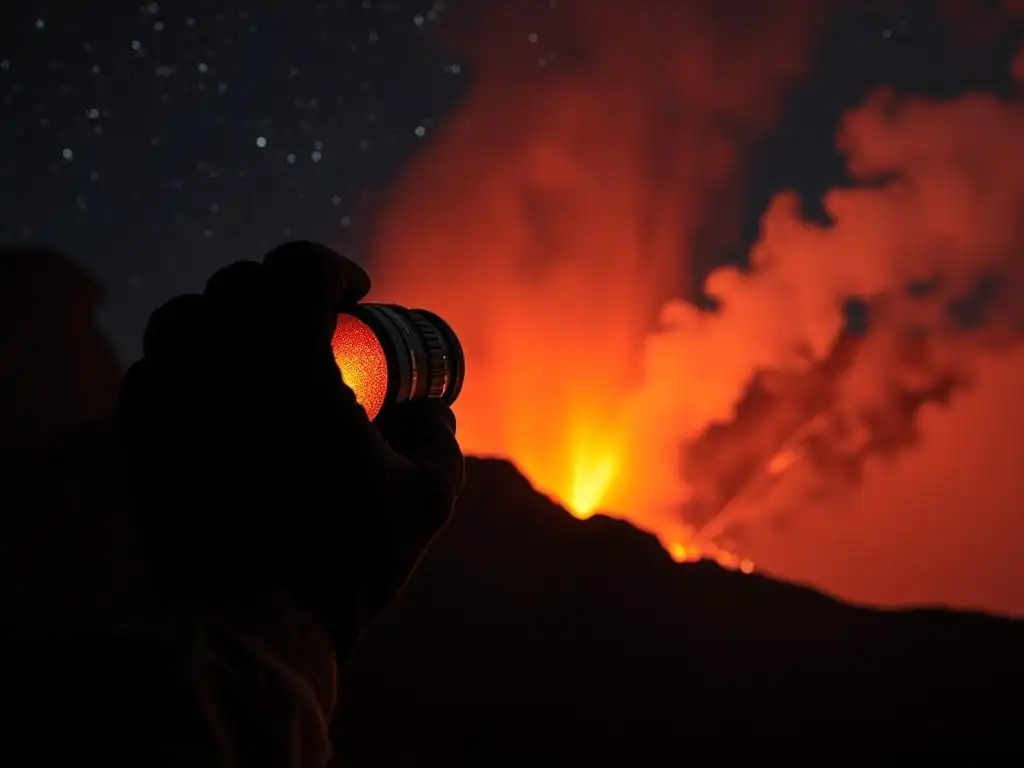
DJI Drones: Capturing Aerial Views of Volcanic Landscapes
DJI drones have revolutionized the way volcano documentaries are filmed, providing filmmakers with unprecedented access to aerial perspectives of volcanic landscapes. These unmanned aerial vehicles (UAVs) are equipped with high-resolution cameras and sophisticated stabilization systems, allowing for smooth and cinematic aerial shots that were previously difficult or impossible to obtain. Drones can fly over craters, lava fields, and volcanic plumes, capturing breathtaking views from angles that would be too dangerous or inaccessible for manned aircraft.
The portability and maneuverability of DJI drones make them ideal for filming in remote and challenging volcanic environments. They can be quickly deployed and operated by a small crew, reducing the logistical complexity and cost of aerial filming.
Drones also allow filmmakers to capture dynamic shots, such as tracking lava flows from above or circling erupting vents, providing viewers with a sense of scale and immersion that is difficult to achieve with ground-based cameras alone. The use of DJI drones has significantly enhanced the visual storytelling capabilities of volcano documentaries, allowing for more comprehensive and awe-inspiring depictions of volcanic beauty.
GoPro Cameras: Recording Extreme Volcanic Environments
GoPro cameras, known for their ruggedness, compact size, and high-definition recording capabilities, are essential tools for filming in the extreme environments often encountered in volcano documentaries. These action cameras are designed to withstand harsh conditions, including heat, dust, and vibrations, making them ideal for capturing close-up footage of volcanic activity. GoPros can be mounted on helmets, tripods, or even robotic platforms, allowing filmmakers to place cameras in precarious locations and capture unique perspectives from within volcanic environments.
GoPro's wide-angle lenses and ability to shoot in high frame rates are particularly useful for filming dynamic volcanic events, such as eruptions and lava flows. The small size and lightweight nature of GoPros also make them less intrusive and easier to deploy in sensitive or restricted areas. Filmmakers often use GoPros to capture point-of-view shots, immersing viewers in the experience of being close to volcanic activity. The affordability and versatility of GoPro cameras have made them indispensable tools for capturing the raw and unfiltered beauty of volcanoes in documentary filmmaking.
Thermal Imaging Cameras: Revealing Subsurface Volcanic Activity
Thermal imaging cameras, also known as infrared cameras, are specialized devices that detect and visualize heat radiation, allowing filmmakers to reveal subsurface volcanic activity that is invisible to the naked eye. These cameras capture infrared radiation emitted by objects and convert it into visual images, with different colors representing varying temperatures. In volcano documentaries, thermal imaging cameras are used to map heat signatures on volcanic landscapes, identify hotspots, and track the flow of magma beneath the surface.
Thermal imaging can reveal subtle changes in ground temperature that may indicate increased volcanic activity or the presence of underground lava tubes and fumaroles. This technology is particularly useful for filming at night or in low-visibility conditions, where visual observation may be limited.
Thermal imaging cameras provide a unique perspective on volcanic processes, allowing viewers to "see" the heat emanating from volcanoes and understand the dynamics of subsurface thermal activity. The integration of thermal imaging footage into volcano documentaries enhances the scientific accuracy and visual richness of these films, providing a deeper understanding of the hidden world beneath the volcanic surface.
Conclusion: Witnessing the Beauty and Power of Volcanoes Through Film
Documentaries about volcano beauty offer a powerful and captivating way to witness the unseen wonders of these geological giants. Through stunning visuals, scientific insights, and human stories, these films transport viewers to the heart of volcanic activity, revealing both the destructive power and the breathtaking beauty of volcanoes. From poetic explorations of personal passion to immersive IMAX experiences and scientific expeditions, the documentaries highlighted in this article showcase the diverse approaches filmmakers have taken to capture the essence of these fiery landscapes.
By utilizing advanced filming technologies and artistic storytelling techniques, these documentaries not only educate audiences about the science of volcanology but also inspire a sense of awe and respect for the natural world. They remind us of the dynamic forces shaping our planet and the intricate interplay between geological processes, ecosystems, and human societies. Whether you are a seasoned volcanology enthusiast or simply curious about the wonders of nature, exploring documentaries about volcano beauty provides an enriching and unforgettable cinematic journey into a realm of fire and wonder.
Frequently Asked Questions
What makes documentaries about volcano beauty so compelling?
These documentaries often showcase stunning visuals of lava flows, volcanic landscapes, and geothermal features, revealing the raw power and artistry of nature. They capture scenes that most people would never witness firsthand.
Where can I find documentaries that specifically highlight the beauty of volcanoes?
Many streaming services like Netflix, Amazon Prime Video, and Disney+ offer nature documentaries, and you can often find volcano-focused content by searching for keywords like "volcano beauty" or "volcanic landscapes". Also, check specialized documentary platforms for independent productions.
Do these documentaries only focus on aesthetics, or do they also cover the science of volcanoes?
While the primary focus is often on visual appeal and aesthetic qualities, many documentaries also incorporate scientific explanations about volcanic processes and the geological forces at play. This creates a balance between visual spectacle and educational content.
Are there any documentaries that explore the cultural significance of volcanoes for communities living nearby?
Yes, some documentaries delve into the cultural and spiritual importance of volcanoes for indigenous populations and communities that have coexisted with them for centuries. They showcase traditions, beliefs, and ways of life intimately connected to these geological features.
Do documentaries about volcano beauty provide any information about safety precautions for those living near active volcanoes?
While the main focus is on beauty, some documentaries may briefly touch upon the potential dangers of volcanoes and the importance of safety measures and evacuation plans. However, for detailed safety information, it's best to consult resources from volcanological observatories and emergency management agencies.
Final Reflection: Embracing the Fiery Heart of the Earth
The documentaries explored throughout this article have revealed that volcanoes are far more than just destructive forces; they are breathtaking landscapes of dynamic beauty. This revelation is profoundly relevant today as we grapple with understanding and respecting the power of nature, especially in an era defined by climate change and environmental awareness.
The impact of these documentaries extends beyond mere entertainment; they shape our perception of the natural world. They remind us that even in the face of immense power, there exists an undeniable artistry, a raw and untamed beauty that deserves our attention and protection. The earth has music for those who listen.
- William Shakespeare. This quote encapsulates the essence of these films, urging us to tune into the subtle symphonies of our planet, even within its most volatile regions.
Now, as you close this article, I invite you to reflect on your own relationship with the natural world. How can you cultivate a deeper appreciation for the hidden beauty that surrounds you, even in the most unexpected places? Let the fiery landscapes captured in these documentaries inspire you to seek out and celebrate the raw, untamed wonders of our planet, and to become a steward of its preservation for generations to come.
Ignite Your Inner Explorer: Discover Volcanoes Up Close!
Thank you for exploring the captivating world of volcanoes with us through these stunning documentaries. We hope you've gained a deeper appreciation for their raw power and hidden beauty. Now, it's time to take your fascination further!
Here's how you can continue your volcanic adventure:
- Dive Deeper: Watch one of the documentaries featured in this article and reflect on how it changed your perspective on volcanoes. Immerse yourself in their power and wonder.
- Share the Wonder: Share this article with friends and family who you think would appreciate these incredible films.
- Join the Conversation: Share your own experiences exploring volcanoes on our website forum, or become a member of our community.
Which documentary most captivated you, and what questions did it leave you pondering?