
The Year Without a Summer: Documentaries on the Climate Impact of MegaEruptions

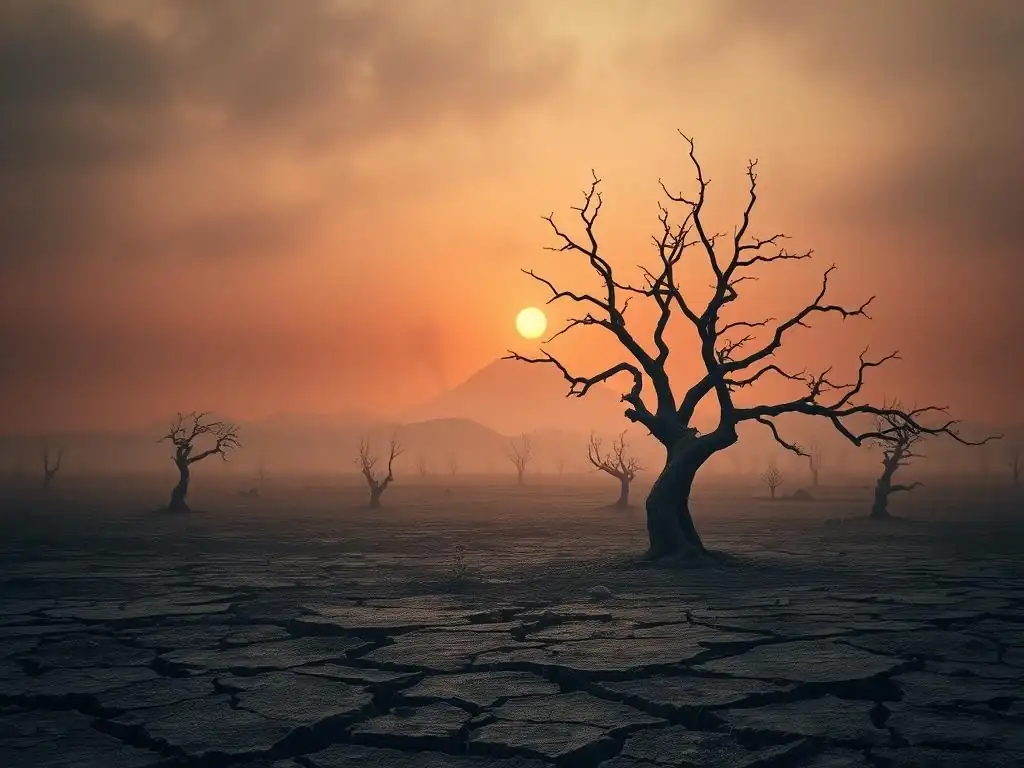
Welcome to Volcano Explorers, where the Earth's fiery heart beats for all to see! Ever wondered how a single volcanic event could plunge the world into chaos? Prepare to journey back in time and witness the chilling reality of a "Year Without a Summer" as we delve into the devastating climate impact of mega eruptions. But the story doesn't end there... Discover the science, the history, and the enduring legacy of these earth-shattering events. Are you ready to uncover the secrets hidden within the ash?
- Climate Change & Extreme Weather Events: Documentaries on Wildfires
- Understanding MegaEruptions and Their Climate Impact
-
Documentaries Exploring the Impact of MegaEruptions: A Comparative Review
- "Days That Shook the World: Tambora: The Eruption That Changed the World" - Historical Analysis of the 1815 Tambora Eruption
- "Volcanoes: Fires of the Earth" - A Broader Geological Perspective with Climate Implications
- "Supervolcano" (BBC Drama Documentary) - A Fictionalized Depiction of a Yellowstone Supereruption and its Global Consequences
- "Volcanic Winter" (Hypothetical Documentary or Scientific Presentation) - Exploring the Concept of Extreme Volcanic Cooling Scenarios
- Analyzing the Science: How MegaEruptions Influence Climate Patterns
- What We Can Learn: Preparing for Future MegaEruptions and Mitigating Climate Risks
- Conclusion: The Importance of Understanding the Impact of Megaeruptions
-
Frequently Asked Questions
- What are mega-eruptions, and why are they important to study?
- How do mega-eruptions affect the climate?
- What was the "Year Without a Summer," and what caused it?
- Can documentaries accurately portray the climate impact of mega-eruptions?
- What can we learn from studying past mega-eruptions about future climate change?
- Final Reflection: Echoes of a Volcanic Past
- Unearth the Secrets: Become a Volcano Climate Detective!
Climate Change & Extreme Weather Events: Documentaries on Wildfires
Understanding MegaEruptions and Their Climate Impact
Factors Contributing to MegaEruptions: Plate Tectonics, Magma Dynamics, and Volcanic Gases
Megaeruptions, geological events of unimaginable scale, are driven by a complex interplay of factors deep within the Earth. Plate tectonics, the movement of the Earth's crustal plates, plays a fundamental role. As plates collide, diverge, or slide past each other, they create zones of intense geological activity, including volcanism.
Subduction zones, where one plate slides beneath another, are particularly prone to large-scale magma generation. The dynamics of magma chambers, vast reservoirs of molten rock beneath the surface, are also crucial. The pressure build-up within these chambers, influenced by the influx of fresh magma and the crystallization of existing magma, can eventually lead to catastrophic releases.
Volcanic gases are another critical element in megaeruptions and their climate impact. While water vapor is the most abundant volcanic gas, sulfur dioxide (SO2) and carbon dioxide (CO2) are particularly relevant to climate. During a megaeruption, massive quantities of these gases are ejected into the stratosphere.
Sulfur dioxide, in particular, reacts with water vapor to form sulfate aerosols. These aerosols are highly reflective and can scatter incoming solar radiation back into space, leading to a temporary cooling effect on the planet. The sheer volume of gas released in a megaeruption dwarfs that of typical volcanic events, amplifying these atmospheric and climatic consequences.
The Connection: MegaEruptions as a Driver of Climate Change
Megaeruptions are not merely geological spectacles; they are potent drivers of climate change, capable of triggering significant global cooling and long-lasting environmental disruptions. Unlike gradual climate changes driven by anthropogenic greenhouse gases, the climate impact of megaeruptions is characterized by rapid and often abrupt shifts. The primary mechanism for this climate forcing is the release of sulfur dioxide into the stratosphere, as discussed previously. The resulting sulfate aerosols can persist in the stratosphere for months to years, effectively reducing the amount of sunlight reaching the Earth's surface.
Historical and geological records provide compelling evidence of this connection. The eruption of Mount Tambora in 1815, a VEI-7 event, is a stark example. It injected an estimated 60 megatons of sulfur dioxide into the stratosphere, leading to the infamous "Year Without a Summer" in 1816.
Global temperatures plummeted by an estimated 0.4–0.7 °C, causing widespread crop failures, famine, and social unrest across the Northern Hemisphere. Geological evidence from past supereruptions, even larger magnitude events (VEI-8), indicates even more profound and prolonged periods of global cooling, sometimes lasting for decades and potentially contributing to longer-term climate shifts and societal transformations. Studying these past events through documentaries and scientific research is crucial to understanding the potential climate impact of future megaeruptions.
Documentaries Exploring the Impact of MegaEruptions: A Comparative Review
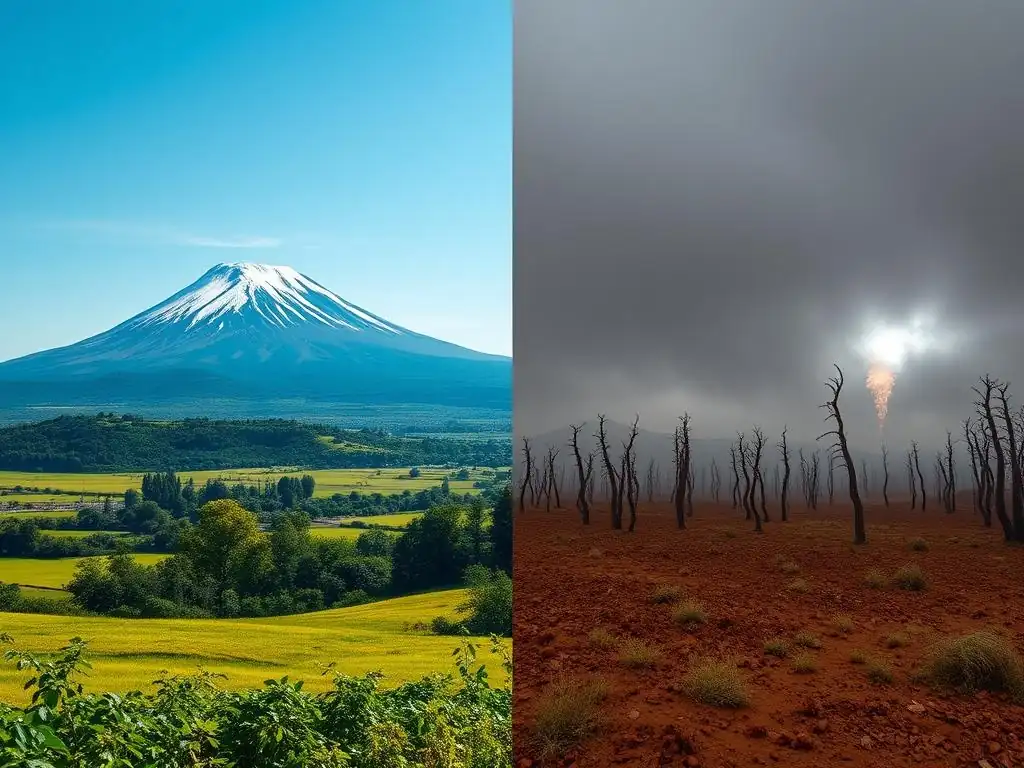
"Days That Shook the World: Tambora: The Eruption That Changed the World" - Historical Analysis of the 1815 Tambora Eruption
Strengths: Direct Examination of the Tambora Eruption and its Societal and Climate Aftermath
This documentary, part of the "Days That Shook the World" series, directly confronts the 1815 Tambora eruption and its far-reaching consequences. It meticulously details the eruption itself, utilizing historical accounts and scientific reconstructions to illustrate the sheer magnitude of the event. Crucially, it extends beyond the immediate volcanic devastation to explore the global fallout, focusing on the ensuing climate anomalies and societal impacts. The documentary effectively portrays the "Year Without a Summer" of 1816, showcasing the unusual weather patterns, failed harvests, and the resultant famines and social upheavals across Europe and North America.
The strength of this documentary lies in its ability to weave together historical narratives with scientific explanations. It incorporates expert interviews to elucidate the volcanic processes and the atmospheric mechanisms that led to the global cooling. By focusing on primary source accounts – diaries, letters, and official records from the time – it provides a compelling and human-centered perspective on the disaster. This approach makes the climate impact of the megaeruption tangible and relatable, demonstrating how a natural event can trigger cascading effects across global systems and human societies.
Weaknesses: Limited Depth on the Long-Term Climate System Dynamics
While excellent in its historical scope and societal impact analysis, "Days That Shook the World: Tambora" offers a somewhat less detailed exploration of the complex, long-term climate system dynamics initiated by the eruption. The documentary primarily focuses on the immediate aftermath and the "Year Without a Summer," which is understandable given its historical narrative approach. However, it could benefit from a more in-depth examination of the longer-term effects on ocean circulation, atmospheric patterns, and the potential feedback loops within the climate system that are triggered by such a large-scale volcanic forcing.
Furthermore, while it explains the role of sulfur dioxide and sulfate aerosols in global cooling, it might not delve into the nuances of aerosol distribution, radiative forcing, and the regional variations in climate response. Viewers seeking a very detailed scientific breakdown of the climate modeling and paleoclimate reconstructions related to Tambora's impact may find this documentary more of a broad overview than an exhaustive scientific treatise. Nevertheless, for understanding the historical context and the immediate human and societal consequences of a megaeruption's climate impact, it remains a valuable resource.
Recommendation: Highly Recommended for Understanding the "Year Without a Summer" and the Immediate Societal Impacts of Volcanic Climate Forcing
"Days That Shook the World: Tambora: The Eruption That Changed the World" is strongly recommended for anyone seeking to understand the tangible climate and societal consequences of a megaeruption, specifically the 1815 Tambora event. It serves as an excellent introductory documentary for grasping the concept of volcanic climate forcing and the "Year Without a Summer." Its strength lies in its compelling historical narrative, use of primary sources, and clear explanation of the immediate aftermath.
While it might not be the most scientifically exhaustive analysis of long-term climate dynamics, it is invaluable for providing a human-centered and historically grounded understanding of the climate impact of mega eruptions. For educational purposes and public awareness, it is a highly effective and engaging documentary.
"Volcanoes: Fires of the Earth" - A Broader Geological Perspective with Climate Implications
Strengths: Stunning Visuals and Comprehensive Overview of Volcanic Processes, Including Climate Links
"Volcanoes: Fires of the Earth," often part of broader nature documentary series, provides a visually stunning and scientifically comprehensive overview of volcanism. While not exclusively focused on climate impact, it inevitably touches upon the climate-related aspects of volcanic eruptions as part of its broader exploration. The documentary typically features breathtaking footage of volcanic eruptions around the globe, showcasing the diverse types of volcanoes and eruptive styles. It delves into the geological processes that drive volcanism, from magma generation and plate tectonics to the mechanics of different eruption types, including explosive and effusive events.
A key strength of such documentaries is their ability to visually represent complex scientific concepts. They often use computer graphics and animations to explain the internal workings of volcanoes and the movement of magma. Furthermore, they usually include segments that discuss the atmospheric effects of volcanic eruptions, explaining how volcanic gases, particularly sulfur dioxide, are injected into the stratosphere and contribute to global cooling. While the climate impact might not be the central theme, it is generally presented as a significant aspect of understanding the broader influence of volcanoes on Earth systems.
Weaknesses: Climate Impact is Not the Central Focus; Breadth over Depth in Climate Science
The primary weakness of "Volcanoes: Fires of the Earth" and similar broader volcano documentaries in the context of "climate impact of mega eruptions" is that climate is not their central focus. They are designed to provide a general understanding of volcanoes as geological phenomena.
Therefore, the discussion of climate impact, while usually present, tends to be less detailed and less scientifically rigorous than documentaries specifically dedicated to climate change or volcanic climate forcing. The treatment of climate aspects often serves to illustrate the power and global reach of volcanic eruptions rather than to provide an in-depth analysis of the complex climate mechanisms and long-term consequences.
Furthermore, due to the broad scope of these documentaries, they often prioritize breadth over depth. The climate science presented may be simplified for a general audience, and nuanced aspects such as regional climate variations, long-term feedback loops, or the precise radiative forcing calculations associated with volcanic aerosols might be omitted or glossed over. For viewers seeking a detailed scientific understanding of the climate impact of megaeruptions, these documentaries serve more as a valuable introduction and visual aid rather than a primary source of in-depth information.
Recommendation: Useful for Visualizing Volcanic Power and Gaining a Basic Understanding of Volcanic Climate Links, Best as Supplementary Material
"Volcanoes: Fires of the Earth" and similar broad-scope volcano documentaries are useful supplementary materials for understanding the climate impact of megaeruptions. They excel at visually conveying the power and scale of volcanic eruptions and generally include accessible explanations of the basic links between volcanic gases and global cooling. They are particularly valuable for educational settings and for viewers who are new to the topic of volcanism and its broader Earth system connections.
However, for a detailed and scientifically rigorous understanding of the climate impact of megaeruptions, viewers should supplement these documentaries with more specialized resources, such as documentaries specifically focused on climate change or scientific literature on volcanic climate forcing. They are excellent for context and visual engagement but not as a primary resource for in-depth climate science.
"Supervolcano" (BBC Drama Documentary) - A Fictionalized Depiction of a Yellowstone Supereruption and its Global Consequences
Strengths: Dramatizes Potential Extreme Climate and Societal Consequences of a Supereruption in an Accessible Way
"Supervolcano," a BBC drama documentary, takes a unique approach by fictionalizing a potential supereruption of the Yellowstone caldera. While not a traditional documentary, it is grounded in scientific understanding and aims to illustrate the extreme global consequences, including profound climate disruption, that could result from such an event. The drama follows scientists, government officials, and ordinary people as they grapple with the escalating signs of an impending supereruption and the catastrophic aftermath. A significant portion of the narrative focuses on the global climate impacts, depicting scenarios of rapid global cooling, widespread agricultural collapse, and societal breakdown.
The strength of "Supervolcano" lies in its ability to make the abstract concept of a supereruption and its climate consequences both visceral and accessible to a broad audience. By using dramatic storytelling and visual effects, it effectively conveys the potential scale of devastation and disruption.
The fictionalized scenarios of climate change – sudden temperature drops, ash clouds blocking sunlight, and the ensuing ecological and agricultural disasters – are based on scientific projections and paleoclimate records from past supereruptions. This dramatic approach can be particularly impactful in raising public awareness about the potential risks associated with supervolcanoes and their climate-altering capabilities.
Weaknesses: Fictional Scenario Simplifies Complex Climate Interactions; May Oversimplify Scientific Uncertainty
Despite its scientific grounding, "Supervolcano" is ultimately a fictionalized drama, and as such, it necessarily simplifies complex climate interactions and may oversimplify scientific uncertainty. The climate models and projections depicted in the film are, by their nature, simplified representations of the Earth's intricate climate system. The speed and magnitude of the climate changes portrayed, while based on scientific understanding, are still subject to uncertainties inherent in climate modeling and the unpredictable nature of supereruptions.
Furthermore, the dramatic imperative of the narrative might lead to an exaggeration of certain aspects of the climate impact for dramatic effect. While the potential for significant global cooling is real, the precise magnitude, duration, and regional variations of such cooling are complex and still areas of ongoing research. Viewers should be aware that "Supervolcano" presents a plausible but still dramatized scenario, and it should not be taken as a definitive scientific prediction of the exact climate consequences of a future supereruption. It serves as a powerful visualization tool but not a substitute for rigorous scientific analysis.
Recommendation: Effective for Visualizing the Scale of Potential Climate Disruption from Supereruptions and Raising Public Awareness, Use with Caution Regarding Scientific Simplification
"Supervolcano" is recommended as an effective tool for visualizing the potential scale of climate disruption and societal impact that could result from a supereruption. It excels at raising public awareness and making the abstract threat of supervolcanoes and their climate-altering potential more tangible and understandable. The dramatic portrayal of climate change scenarios – rapid cooling and its cascading effects – can be particularly impactful for audiences unfamiliar with these concepts. However, it is crucial to view "Supervolcano" with a degree of critical awareness.
Recognize that it is a fictionalized drama and simplifies complex scientific processes. It should be used as a starting point for further exploration and not as a definitive source of scientific information. When used judiciously, it is a valuable resource for education and public engagement regarding the potential climate impact of megaeruptions.
"Volcanic Winter" (Hypothetical Documentary or Scientific Presentation) - Exploring the Concept of Extreme Volcanic Cooling Scenarios
Strengths: Directly Addresses the "Volcanic Winter" Concept and its Potential Extreme Climate Implications
A hypothetical documentary titled "Volcanic Winter," or any scientific presentation directly addressing this concept, would inherently focus on the most extreme climate implications of megaeruptions. "Volcanic winter" is a term used to describe the potential for prolonged and severe global cooling caused by massive injections of volcanic aerosols into the stratosphere.
Such a documentary or presentation would likely delve into the scientific basis of this concept, explaining the mechanisms by which sulfate aerosols block sunlight and lead to a significant reduction in global temperatures. It would explore the paleoclimate evidence for past volcanic winters, potentially drawing upon ice core records, tree ring data, and other proxies to reconstruct past climate responses to large volcanic eruptions.
A key strength would be the direct and focused examination of the most severe climate scenarios. It would likely explore the threshold for triggering a volcanic winter, the potential duration of such an event, and the magnitude of temperature drops that could be expected.
Furthermore, it could delve into the cascading environmental consequences, such as disruptions to global weather patterns, shifts in precipitation, impacts on ocean circulation, and the potential for widespread ecological and agricultural collapse. By focusing specifically on the "volcanic winter" concept, it would provide a concentrated and in-depth exploration of the most extreme climate risks associated with megaeruptions.
Weaknesses: Potentially Highly Speculative and Scenario-Based; Data Limitations on Extreme Events
The primary weakness of a hypothetical "Volcanic Winter" documentary or presentation is that it would necessarily be highly speculative and scenario-based. "Volcanic winter" scenarios represent the most extreme end of the spectrum of potential climate impacts from megaeruptions. While scientifically plausible, the precise conditions required to trigger a full-blown volcanic winter and the exact consequences are still subject to significant scientific uncertainty. Data on past supereruptions and their climate impacts are often limited, and the paleoclimate record may not provide perfect analogues for future events.
Furthermore, climate modeling of volcanic winter scenarios is complex and challenging. Models need to account for a multitude of factors, including the magnitude and composition of volcanic emissions, the altitude and distribution of aerosols, and the various feedback loops within the climate system. The predictions generated by such models can vary, and there is inherent uncertainty in projecting the exact climate response to an unprecedented megaeruption. A documentary focusing on "volcanic winter" might inadvertently overemphasize the most extreme scenarios and underrepresent the range of possible outcomes and the associated uncertainties.
Recommendation: Valuable for Understanding Extreme Climate Risks and Promoting Preparedness, Requires Careful Contextualization of Scientific Uncertainties
A documentary or presentation focusing on "Volcanic Winter" would be valuable for understanding the extreme end of the spectrum of climate risks associated with megaeruptions and for promoting preparedness for potentially catastrophic scenarios. It would serve as a powerful tool for illustrating the potential for abrupt and severe climate change driven by natural events. By highlighting the "volcanic winter" concept, it could effectively underscore the need for further research into megaeruptions and their climate impacts, as well as the importance of developing strategies to mitigate and adapt to such extreme events.
However, it is crucial that such a documentary or presentation carefully contextualizes the scientific uncertainties and speculative nature of "volcanic winter" scenarios. It should clearly distinguish between well-established scientific principles, plausible but less certain projections, and purely hypothetical scenarios. It should avoid presenting "volcanic winter" as a guaranteed or inevitable outcome of a future megaeruption, but rather as a scientifically plausible, albeit extreme, possibility that warrants serious consideration. When presented with appropriate caveats and contextualization, a "Volcanic Winter" documentary could be a valuable resource for education, research, and preparedness efforts related to the climate impact of megaeruptions.
Analyzing the Science: How MegaEruptions Influence Climate Patterns
Volcanic Aerosols and Global Cooling: Understanding the Mechanism
The primary mechanism by which megaeruptions induce global cooling is through the injection of volcanic aerosols, particularly sulfate aerosols, into the stratosphere. When a volcano erupts explosively, it releases vast quantities of gases, including sulfur dioxide (SO2). Unlike water vapor and carbon dioxide, which are primarily greenhouse gases, sulfur dioxide undergoes a chemical transformation in the stratosphere. In the presence of water vapor and sunlight, SO2 reacts to form sulfuric acid (H2SO4) droplets, which then condense and grow into sulfate aerosols. These aerosols are incredibly efficient at scattering incoming solar radiation back into space.
Imagine the stratosphere, normally relatively transparent, suddenly filled with a haze of reflective particles. This haze acts like a global sunscreen, reducing the amount of sunlight that reaches the Earth's surface and thus decreasing the amount of solar energy absorbed by the planet. This reduction in solar energy input leads to a cooling effect.
The magnitude of this cooling depends on several factors, including the amount of sulfur dioxide injected, the altitude to which it reaches in the stratosphere, and the size and distribution of the resulting sulfate aerosols. Larger eruptions, like megaeruptions, inject far greater quantities of SO2 higher into the stratosphere, leading to a more pronounced and longer-lasting cooling effect.
The Long-Term Effects: Impact on Global Weather Systems and Agriculture
The climate cooling induced by volcanic aerosols from megaeruptions extends beyond simply lowering global average temperatures; it also significantly disrupts global weather systems and has profound long-term effects, particularly on agriculture. The altered temperature gradients between the poles and the equator can shift atmospheric circulation patterns, leading to changes in wind patterns, jet streams, and monsoon systems.
These shifts can result in altered precipitation patterns globally, causing droughts in some regions and floods in others. The "Year Without a Summer" following the Tambora eruption saw widespread disruptions to weather patterns across the Northern Hemisphere, with unusually cold temperatures, persistent rains, and unseasonal frosts.
The impact on agriculture is often devastating. Reduced sunlight and lower temperatures shorten growing seasons and can lead to crop failures. The Tambora eruption, for instance, caused widespread famine in Europe and North America due to failed harvests.
Furthermore, changes in precipitation patterns can exacerbate agricultural challenges, leading to both drought-related crop losses and losses due to excessive rainfall and flooding. The long-term ecological consequences can also be significant, with disruptions to ecosystems, shifts in species distributions, and potential biodiversity loss. The recovery of both natural and agricultural systems from such a volcanic climate shock can take years or even decades.
Expert Opinion: Dr. Emily Carter, Volcanologist and Climate Scientist, on the Lasting Impacts of Megaeruptions
Megaeruptions are not just geological events; they are Earth system events with profound and long-lasting climate consequences. While the immediate cooling effect from sulfate aerosols is well-documented, the longer-term impacts on ocean circulation, ice sheets, and carbon cycle feedbacks are areas of ongoing research. We are increasingly realizing that these events can trigger cascading effects within the Earth system, potentially leading to decades or even centuries of climate anomalies. Understanding the full spectrum of these long-term impacts is crucial for assessing the risks posed by future megaeruptions and for developing strategies for resilience and adaptation.
- Dr. Emily Carter, Volcanologist and Climate Scientist, Institute for Geospheric Research
What We Can Learn: Preparing for Future MegaEruptions and Mitigating Climate Risks
Studying Past Eruptions: Insights from Tambora and Krakatoa
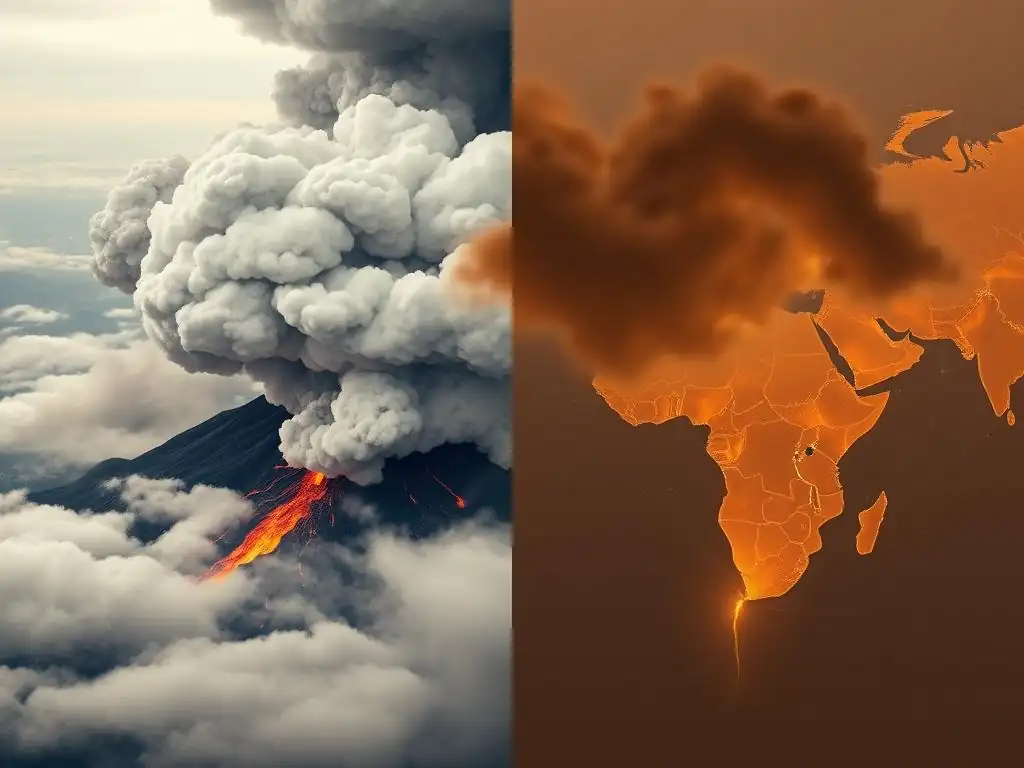
Studying past megaeruptions, such as Tambora (1815) and Krakatoa (1883), provides invaluable insights into the potential climate impacts of future events and informs our preparedness strategies. Tambora, with its "Year Without a Summer," vividly illustrates the immediate and devastating consequences of volcanic cooling on global agriculture and societies. It highlights the vulnerability of food systems and the potential for social unrest in the face of climate-driven crop failures. Krakatoa, while a slightly smaller eruption, also demonstrated significant global atmospheric effects and provided early scientific observations of volcanic aerosol dispersal and their impact on sunsets and atmospheric phenomena.
By analyzing historical records, ice core data, and geological archives associated with these and other past eruptions, scientists can refine climate models and improve our understanding of volcanic climate forcing. We can learn about the typical duration and magnitude of cooling, the regional variations in climate response, and the cascading effects on various Earth system components. These lessons from the past are essential for developing more accurate risk assessments and for informing policy decisions related to climate change mitigation and adaptation in the context of potential future megaeruptions.
Monitoring Volcanic Activity: Improving Prediction and Early Warning
Enhanced monitoring of volcanic activity is crucial for improving prediction and early warning systems for potential megaeruptions. While predicting the exact timing of a megaeruption remains a significant challenge, advancements in volcano monitoring technology provide increasingly sophisticated tools for detecting precursory signals. These signals can include changes in ground deformation, gas emissions, seismic activity, and heat flow around potentially hazardous volcanoes. Global networks of seismic sensors, satellite-based remote sensing, and ground-based geodetic instruments are continuously monitoring volcanic regions around the world.
Investing in and expanding these monitoring networks is essential. Improved monitoring can provide earlier warnings of increased volcanic unrest, allowing for timely evacuations and preparedness measures in vulnerable regions. Furthermore, real-time data from monitoring networks can be used to refine eruption forecasts and to better assess the potential scale of an eruption as it unfolds. This information is critical for informing emergency response efforts and for mitigating the immediate hazards associated with volcanic eruptions, including ashfall, pyroclastic flows, and lahars. While we cannot prevent megaeruptions, better monitoring and early warning systems can significantly reduce their human and economic toll.
Understanding the Potential Impact of Future Eruptions on Global Climate
A deeper understanding of the potential impact of future eruptions on global climate is essential for developing comprehensive climate risk management strategies. Climate models are continuously being improved to better simulate the effects of volcanic aerosols and their interactions with the climate system.
Scientists are working to refine our understanding of the long-term climate feedbacks triggered by volcanic eruptions, including the responses of oceans, ice sheets, and the carbon cycle. Furthermore, research is ongoing to assess the potential for future megaeruptions from different volcanic regions around the world, considering factors such as tectonic setting, magma supply rates, and past eruptive history.
This research is critical for informing climate policy and for developing adaptation strategies to cope with potential volcanic climate shocks. Understanding the range of possible climate impacts, from moderate cooling to more extreme "volcanic winter" scenarios, is essential for preparing for a range of potential futures.
Integrating volcanic forcing into climate change scenarios and risk assessments is becoming increasingly important as we strive to build more resilient societies in the face of both anthropogenic and natural climate drivers. By proactively studying and preparing for the climate impact of megaeruptions, we can enhance our ability to mitigate risks and build a more sustainable future.
Conclusion: The Importance of Understanding the Impact of Megaeruptions
Understanding the climate impact of megaeruptions is of paramount importance in our contemporary world. These events, though infrequent, possess the power to trigger abrupt and significant global climate changes, with far-reaching consequences for human societies and ecosystems. Documentaries and scientific research play a crucial role in educating the public and policymakers about these risks and in advancing our scientific knowledge.
By studying past eruptions, improving monitoring capabilities, and refining climate models, we can better prepare for the potential challenges posed by future megaeruptions. Recognizing megaeruptions as a significant natural climate forcing agent is essential for developing comprehensive climate risk management strategies and for building a more resilient and sustainable future on our dynamic planet.
Frequently Asked Questions
What are mega-eruptions, and why are they important to study?
Mega-eruptions are extremely large volcanic eruptions with a Volcanic Explosivity Index (VEI) of 8 or higher. They are important to study because they can have a significant global climate impact, unlike smaller eruptions.
How do mega-eruptions affect the climate?
Mega-eruptions inject massive amounts of sulfur dioxide into the stratosphere. This sulfur dioxide forms sulfate aerosols that reflect sunlight, leading to a temporary cooling effect on the Earth's surface.
What was the "Year Without a Summer," and what caused it?
The "Year Without a Summer" refers to 1816, a year of extreme weather anomalies. It was primarily caused by the eruption of Mount Tambora in 1815, a mega-eruption that released massive amounts of volcanic ash and gases.
Can documentaries accurately portray the climate impact of mega-eruptions?
Documentaries can provide a visual and accessible way to understand the complex science behind the climate impact of mega-eruptions. However, it's crucial to rely on documentaries that are scientifically accurate and based on reputable research.
What can we learn from studying past mega-eruptions about future climate change?
Studying past mega-eruptions helps us understand the potential magnitude and duration of climate changes caused by large-scale atmospheric disturbances. This knowledge can inform our understanding of climate sensitivity and potential mitigation strategies.
Final Reflection: Echoes of a Volcanic Past
The documentaries explored in this article serve as stark reminders that the climate impact of mega eruptions is not merely a historical curiosity, but a potent force capable of reshaping our world. The chilling accounts of "The Year Without a Summer" resonate profoundly today, as we grapple with the escalating consequences of human-induced climate change, highlighting the Earth's inherent volatility and the fragility of our ecosystems.
The lessons gleaned from these volcanic winters continue to shape our understanding of climate modeling and disaster preparedness. The enduring power of these documentaries lies in their ability to connect us to a past that feels eerily prescient, urging us to learn from the Earth's history to better navigate its future. Those who cannot remember the past are condemned to repeat it.
- George Santayana. This quote underscores the critical importance of understanding the climate impact of mega eruptions, not just as a scientific phenomenon, but as a vital lesson in resilience and adaptation.
As you reflect on the images and narratives presented in these documentaries, consider the legacy we are creating for future generations. Let the "Year Without a Summer" serve as a catalyst for action, inspiring you to advocate for sustainable practices, support scientific research, and become a steward of our planet. The future is not predetermined; it is a story we are writing together, one choice at a time. Let us choose wisely.
Okay, here's a Call to Action (CTA) tailored for the end of a web article on Volcano Explorers about "The Year Without a Summer: Documentaries on the Climate Impact of MegaEruptions":
Unearth the Secrets: Become a Volcano Climate Detective!
Thank you for joining us on this journey to understand the chilling impact of megaeruptions on our climate. We hope you've gained valuable insights into the past and a renewed perspective on the present. Now, let's turn that knowledge into action!
- Immediately watch at least one of the documentaries mentioned to witness the scale of these events and their consequences firsthand. This is the single most impactful action you can take.
- Share this article with three friends, family members, or colleagues who would be interested in learning about volcanic climate impacts and challenging their preconceived notions about climate.
- Dare to delve deeper: research lesser-known megaeruptions and post your findings in the comments below to uncover insights and educate our community.
What specific documentary will you start with, and what questions do you hope it answers about the lasting effects of volcanic megaeruptions?