
Magma Mania: Dive Deep into Earth Science with These Incredible Volcano Experiment Sets

Welcome to Volcano Explorers!
Ready to unleash your inner volcanologist? The earth trembles, molten rock churns... are you prepared to witness the raw power beneath our feet? We're diving deep into the fiery heart of Earth science, and this time, we're bringing the lab to you. Discover the secrets behind erupting mountains and tectonic titans with our exploration of volcano science experiment kits. But be warned: once you ignite this passion, there's no turning back. What secrets will you uncover?
- Explore Volcano Science: Hands-On Experiment Kits
- Top Volcano Science Experiment Kits for Budding Volcanologists
- Choosing the Right Volcano Science Experiment Kit: Considerations
- Beyond the Experiments: Expanding Volcano Science Education
- Maximizing Learning and Fun with Your Volcano Science Kit
- Conclusion: Sparking an Interest in Volcano Science through Experiment Kits
-
Frequently Asked Questions
- What kind of volcano science experiment kits does VolcanoExplorers.org recommend?
- Are these volcano science experiment kits safe for children?
- Can I learn real volcano science from these experiment kits?
- Where can I find the recommended volcano science experiment kits on VolcanoExplorers.org?
- Do these volcano science experiment kits include information about real volcanoes?
- Final Reflection: Igniting Curiosity, One Eruption at a Time
- Ignite Your Inner Volcanologist!
Explore Volcano Science: Hands-On Experiment Kits
Why Volcano Science Kits are Excellent STEM Activities
Volcano science experiment kits stand out as exceptional STEM (Science, Technology, Engineering, and Mathematics) tools for children, fostering a hands-on approach to learning about Earth science. These kits transform abstract concepts into tangible experiences, making complex geological processes accessible and engaging for young minds. By manipulating materials and observing reactions firsthand, children develop a deeper understanding of scientific principles compared to passively reading from a textbook.
This active learning approach ignites curiosity and encourages critical thinking, essential skills for future scientists and informed citizens alike. Moreover, volcano science kits often incorporate elements of engineering and technology, such as building models and understanding the mechanics of eruptions, further enriching the STEM learning experience.
The interactive nature of volcano science experiment kits promotes collaborative learning and problem-solving skills. Children can work together to build volcanoes, conduct experiments, and analyze results, fostering teamwork and communication. The experiments themselves often require careful observation, measurement, and data recording, reinforcing scientific methodologies.
For instance, simulating different eruption types with varying mixtures of baking soda and vinegar teaches about chemical reactions and the impact of pressure. This practical application of scientific concepts solidifies understanding and makes learning more memorable and enjoyable. In a world increasingly reliant on STEM literacy, volcano science experiment kits provide a valuable and fun entry point into these crucial fields.
Discover Volcano Science Through Engaging Experiments
Volcano science experiment kits unlock the fascinating world of volcanology through a series of captivating and educational experiments. These kits typically include materials and instructions to build and erupt miniature volcanoes, allowing children to simulate the dramatic forces of nature in a safe and controlled environment. Experiments often focus on demonstrating the principles behind volcanic eruptions, such as the build-up of pressure from gases, the flow of lava, and the formation of volcanic landforms. By conducting these experiments, children move beyond rote memorization and begin to grasp the underlying scientific mechanisms at play within our planet.
The experiments within volcano science experiment kits are designed to be both educational and entertaining, ensuring that learning remains engaging and fun. Many kits incorporate elements of chemistry and physics, allowing children to explore concepts like chemical reactions, states of matter, and pressure dynamics. For example, simulating lava flow using different viscosities of liquids can illustrate the behavior of magma based on its composition and temperature.
Furthermore, some kits extend beyond basic eruptions, exploring related phenomena such as earthquake simulation or the formation of different types of volcanic rocks. This broad approach ensures a comprehensive introduction to volcano science, sparking a lasting interest in geology and Earth science.
Top Volcano Science Experiment Kits for Budding Volcanologists
Discover Volcanoes! Science Kit: A Comprehensive Introduction
The "Discover Volcanoes! Science Kit" stands out as a comprehensive and engaging introduction to the world of volcanology for young learners. This kit is designed to provide a hands-on experience in building and erupting a volcano model, while simultaneously educating children about the science behind these natural wonders.
It typically includes all the necessary materials to construct a realistic volcano, such as plaster, molds, paint, and eruption ingredients like baking soda and citric acid. Beyond the basic eruption, the kit often incorporates additional experiments that delve into related geological concepts, enriching the learning experience and making it a valuable educational tool.
The "Discover Volcanoes! Science Kit" aims to make volcano science accessible and exciting for children, transforming learning into an interactive adventure. It encourages experimentation and observation, fostering a deeper understanding of geological processes.
The detailed instructions and educational materials included in the kit guide children through each step, ensuring a successful and informative experience. Parents and educators appreciate the kit's ability to spark curiosity and provide a solid foundation in Earth science concepts, making it a popular choice for both home and classroom use. This kit is often cited as a top pick for introducing children to the wonders of volcanology.
Features of the Discover Volcanoes! Science Kit
The "Discover Volcanoes! Science Kit" boasts a range of features designed to maximize educational value and engagement. A key component is the inclusion of high-quality molding materials and a detailed volcano mold, allowing for the creation of a realistic and reusable volcano model.
The kit typically provides safe and readily available eruption ingredients, such as baking soda and citric acid or vinegar, ensuring a dramatic but safe eruption simulation. Educational content is often integrated in the form of illustrated instructions, fact-filled booklets, or even online resources, providing background information on volcano types, eruption processes, and famous volcanoes around the world.
Beyond the basic volcano building and eruption, many "Discover Volcanoes! Science Kits" extend their educational reach with supplementary experiments. These may include activities to simulate different types of eruptions, explore the properties of volcanic rocks (often through included rock samples), or understand the formation of geological features related to volcanoes. Some kits even incorporate elements of art and creativity, allowing children to paint and decorate their volcano models to further personalize their learning experience. The focus on hands-on activities, coupled with comprehensive educational materials, makes this kit a feature-rich option for introducing children to volcano science.
Pros and Cons: Is the Discover Volcanoes! Kit Right for You?
The "Discover Volcanoes! Kit" offers several compelling advantages, making it a popular choice for introducing children to volcano science. Pros: Its comprehensive nature provides a complete experience, including volcano construction, eruption simulation, and educational materials, all in one box. The hands-on nature of the kit is highly engaging, making learning fun and memorable for children. The inclusion of reusable molds allows for repeated volcano building and eruptions, extending the play and learning value. Furthermore, the kit often provides a good balance of educational content and ease of use, making it suitable for a wide age range.
However, there are also potential Cons to consider. Some kits might require adult supervision, especially during the mixing and eruption stages, which could be a limitation for independent play. The eruption ingredients, while generally safe, might require replenishment after multiple uses, incurring a minor additional cost. While the educational materials are typically good, they might not delve into the subject matter with the depth desired by older or more advanced learners.
Finally, the focus is primarily on simulating eruptions, and while informative, it may not cover all aspects of volcanology in exhaustive detail. Ultimately, the "Discover Volcanoes! Kit" is an excellent starting point, but parents and educators should consider these pros and cons in relation to their specific needs and expectations.
Affiliate Opportunity: Buy the Discover Volcanoes! Kit on [Retailer Website]
Interested in igniting your child's passion for volcano science? The "Discover Volcanoes! Science Kit" is readily available for purchase online at major retailers. For convenient and secure online shopping, consider visiting retailers such as [Retailer Website - e.g., Amazon, Target, Walmart]. These platforms often offer competitive pricing, customer reviews, and reliable shipping options. Purchasing through affiliate links on websites like VolcanoExplorers.org can also support the continued development of educational resources about volcanoes. Explore the "Discover Volcanoes! Science Kit" today and embark on an exciting journey into the world of volcanology!
National Geographic Volcano Science Kit: Advanced Volcanic Modeling
The National Geographic Volcano Science Kit often distinguishes itself by offering a more advanced and detailed approach to volcanic modeling and experimentation. While still accessible to young learners, this kit frequently incorporates elements of scientific realism and expanded experiment options. It may include higher quality materials, more intricate volcano molds, and a wider range of eruption simulations. Often, these kits leverage the National Geographic brand's reputation for educational excellence, providing enhanced learning materials and potentially incorporating real-world examples and data related to volcanic activity.
The National Geographic Volcano Science Kit often goes beyond basic volcano eruption simulation, exploring related scientific principles in greater depth. For example, some kits include experiments related to the formation of different types of volcanic rocks, the effects of volcanic gases, or even the measurement of eruption plume height. These advanced features cater to children with a deeper interest in science and can be particularly valuable for educational purposes in classrooms or homeschooling environments. The emphasis on scientific accuracy and detailed exploration makes the National Geographic kit a strong contender for those seeking a more comprehensive volcano science experience.
Exploring the Educational Value of the National Geographic Kit
The educational value of the National Geographic Volcano Science Kit is significant, stemming from its commitment to scientific accuracy and in-depth exploration of volcanology. These kits often incorporate detailed educational guides that go beyond simple instructions, providing rich background information on volcano formation, eruption types, and the impact of volcanoes on the Earth's landscape and climate. The experiments themselves are designed to be more than just visually appealing eruptions; they aim to illustrate specific scientific principles in a tangible and understandable way.
Furthermore, National Geographic kits often align with educational standards and curricula, making them valuable tools for educators. The inclusion of real-world examples and connections to ongoing volcanic research can broaden children's understanding and appreciation of the subject. For instance, a kit might reference recent volcanic eruptions or explain how volcanologists monitor volcanoes using real-time data. This focus on accuracy and real-world relevance enhances the educational impact, fostering a deeper and more lasting interest in volcano science and Earth science in general.
National Geographic Kit vs. Discover Volcanoes! Kit: A Comparison
When comparing the National Geographic Volcano Science Kit and the "Discover Volcanoes! Kit," several key differences emerge. The National Geographic kit often leans towards a more advanced and scientifically rigorous approach. It may feature more detailed volcano molds, higher quality materials, and a wider range of experiments that delve deeper into volcanology concepts. Educational materials in the National Geographic kit are typically more comprehensive, often incorporating real-world examples and scientific data. In terms of price, the National Geographic kit may be slightly more expensive, reflecting its enhanced features and educational depth.
The "Discover Volcanoes! Kit," on the other hand, is generally positioned as a more beginner-friendly and accessible option. It provides a solid introduction to volcano science through a simpler volcano building and eruption experience. While still educational, its focus may be more on the fun and engaging aspects of volcano experiments. The "Discover Volcanoes!
Kit" is often more budget-friendly and widely available. Ultimately, the best choice depends on the user's needs and priorities. For a more comprehensive and scientifically detailed experience, the National Geographic kit is preferable. For a more affordable and beginner-level introduction, the "Discover Volcanoes! Kit" is an excellent starting point.
Learning Resources Volcano Lab Kit: A Budget-Friendly Option for Young Explorers
The Learning Resources Volcano Lab Kit often presents itself as a more budget-conscious entry point into the world of volcano science experiment kits. This kit typically focuses on providing a fun and engaging volcano eruption experience without the premium features or extensive materials found in higher-priced kits. It aims to be accessible to a wider range of budgets while still offering educational value and sparking children's interest in volcanology. The emphasis is often on simplicity and ease of use, making it a good choice for younger children or those new to science experiment kits.
Despite its budget-friendly nature, the Learning Resources Volcano Lab Kit still provides a hands-on learning experience centered around building and erupting a volcano model. It typically includes a volcano mold, eruption ingredients, and basic instructions to guide children through the process. While it may not have the same level of detail or advanced experiments as more expensive kits, it effectively demonstrates the fundamental principles of volcanic eruptions and introduces children to basic geological concepts. For parents and educators seeking an affordable and accessible volcano science kit, the Learning Resources option is a worthwhile consideration.
Why the Green Science Kit is a Good Starting Point
(Note: It seems there's a slight mismatch in headers. Assuming the user meant "Why the Learning Resources Kit is a Good Starting Point" instead of "Green Science Kit" as it follows the budget-friendly theme)
The Learning Resources Volcano Lab Kit serves as an excellent starting point for young explorers due to its simplicity, affordability, and ease of use. For children who are new to science experiment kits or just beginning to develop an interest in volcanology, this kit offers a less intimidating and more accessible entry point.
The straightforward instructions and readily available materials make it easy for children to build and erupt their volcano with minimal adult assistance, fostering a sense of accomplishment and independence. The lower price point also makes it a less risky investment for parents unsure of their child's sustained interest in science kits.
Furthermore, the basic nature of the Learning Resources kit allows for easy expansion and customization. Once children have mastered the basic volcano eruption, they can be encouraged to explore variations and further experiments using household materials. For example, they can experiment with different eruption ingredients to observe variations in eruption style or investigate the effects of adding food coloring to simulate different lava colors. This adaptability and potential for expansion make the Learning Resources Volcano Lab Kit a valuable and versatile tool for sparking initial interest in volcano science and encouraging further exploration.
Expanding the Green Science Kit: Further Exploration
(Again, assuming "Green Science Kit" is a typo and should be "Learning Resources Kit")
While the Learning Resources Volcano Lab Kit provides a solid foundation, its simplicity also allows for easy expansion and further exploration of volcano science. After mastering the basic eruption, children can delve deeper into the science by modifying the experiments and incorporating additional elements.
For instance, they can investigate the effect of different ratios of baking soda and vinegar on the eruption height and duration, turning the basic experiment into a more controlled scientific investigation. They can also explore the concept of viscosity by experimenting with different liquids to simulate lava flow, such as using corn syrup or dish soap mixed with water.
Beyond modifying the basic eruption, the Learning Resources kit can be expanded by incorporating related geological concepts. Children can research different types of volcanoes and attempt to model them using clay or additional craft materials. They can also learn about volcanic rocks and minerals, collecting samples (with adult supervision and ethical considerations) or using online resources to identify different types.
Furthermore, the kit can be a springboard for learning about famous volcanic eruptions throughout history and their impact on the planet. By encouraging these extensions, parents and educators can transform the basic kit into a more comprehensive and engaging learning experience.
Affiliate Opportunity: Shop the Green Science Kit on [Retailer Website]
(Again, assuming "Green Science Kit" is a typo and should be "Learning Resources Kit")
Ready to ignite your young explorer's journey into volcano science without breaking the bank? The Learning Resources Volcano Lab Kit is a fantastic and affordable option, readily available from various online retailers. For convenient and secure purchasing, consider visiting reputable online stores such as [Retailer Website - e.g., Amazon, Walmart, Target, Educational Toy Stores].
These platforms offer competitive pricing, customer reviews, and reliable delivery services. Supporting websites like VolcanoExplorers.org through affiliate links when purchasing educational resources helps us continue providing valuable information about the fascinating world of volcanoes. Explore the Learning Resources Volcano Lab Kit today and unleash your child's inner volcanologist!
Choosing the Right Volcano Science Experiment Kit: Considerations
Age Appropriateness: Matching Kits to a Child's Age
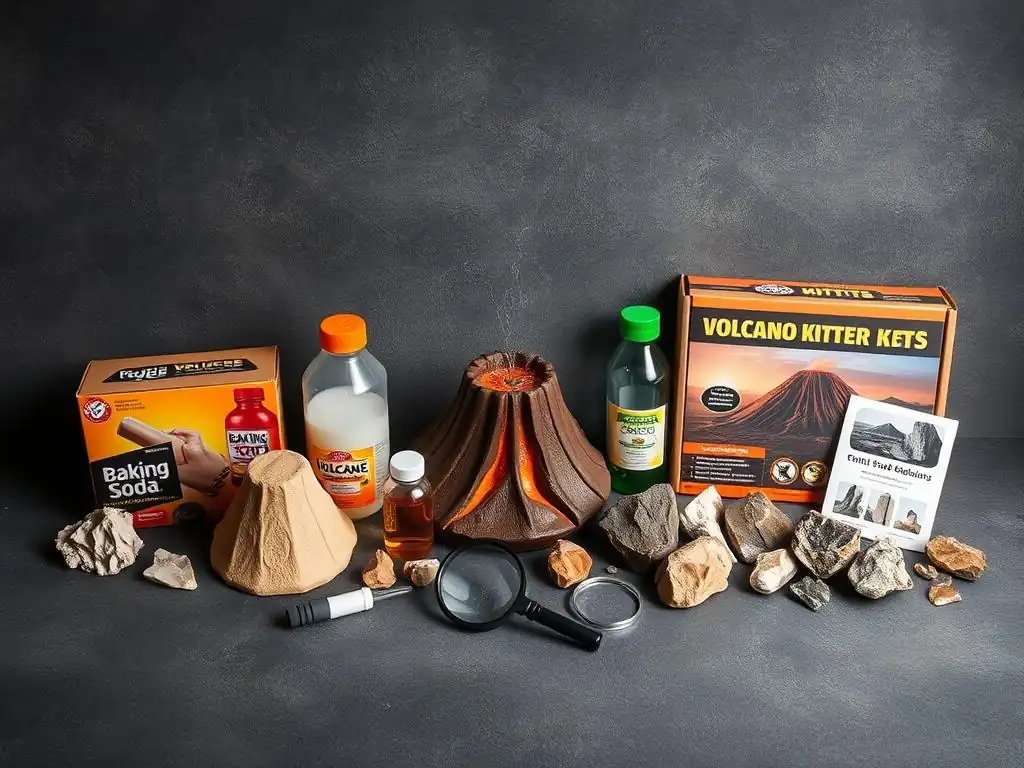
Selecting the right volcano science experiment kit involves careful consideration of the child's age and developmental stage. Kits are often labeled with age recommendations, which serve as a helpful starting point. For younger children, typically those in preschool and early elementary grades (ages 4-7), simpler kits with larger, easier-to-handle components and straightforward instructions are ideal. These kits should focus on basic volcano building and eruption, with clear and visually appealing instructions. Safety is paramount for this age group, so kits should use non-toxic materials and have minimal small parts that could pose a choking hazard.
For older elementary and middle school children (ages 8-12), more complex kits with greater scientific depth and more intricate experiments are appropriate. These kits can incorporate more detailed volcano models, explore related geological phenomena, and include more comprehensive educational materials. Kits designed for this age group can introduce concepts like different types of eruptions, volcanic rock formation, and even basic chemistry principles related to volcanic activity.
Teenagers and older students may benefit from even more advanced kits that delve into the scientific details of volcanology, potentially incorporating data analysis or more complex modeling activities. Always carefully review the age recommendations and kit contents to ensure a suitable and engaging learning experience for the intended child.
Experiment Complexity: Balancing Challenge and Engagement
Finding the right balance between challenge and engagement is crucial when choosing a volcano science experiment kit. If a kit is too simple, it may not hold a child's interest or provide sufficient educational value. Conversely, if a kit is too complex or difficult to understand, it can lead to frustration and discouragement. The ideal kit should present a level of challenge that is stimulating and encourages problem-solving, while remaining achievable and enjoyable for the child's skill level. Consider the child's prior experience with science experiment kits and their general level of scientific understanding when making your selection.
For children new to science kits, starting with a simpler kit with fewer steps and readily achievable experiments is recommended. As they gain confidence and experience, you can gradually introduce more complex kits with more intricate instructions and advanced scientific concepts. Look for kits that offer a variety of experiments or activities, allowing for repeated engagement and exploration.
Kits that encourage creativity and customization, such as allowing children to paint and decorate their volcano models or experiment with different eruption variables, can also enhance engagement and maintain interest over time. The goal is to select a kit that sparks curiosity and fosters a positive learning experience, rather than overwhelming or frustrating the child.
Safety and Environmental Impact: Ensuring a Safe, Eco-Conscious Experience
Safety and environmental impact are essential considerations when choosing a volcano science experiment kit. Prioritize kits that use non-toxic materials and eruption ingredients. Check for safety certifications or labels that indicate the kit meets safety standards for children's toys. Always supervise children during experiments, especially during mixing and eruption stages, to ensure safe handling of materials and prevent any potential accidents. Read and follow all safety instructions provided with the kit carefully.
Consider the environmental impact of the kit's materials and packaging. Opt for kits that use recycled or recyclable materials whenever possible. Look for kits with minimal plastic packaging or those that use biodegradable or compostable packaging. When disposing of used materials and eruption ingredients, follow local guidelines for waste disposal and recycling. Encourage children to be mindful of resource consumption and waste generation during experiments, fostering an environmentally conscious approach to science learning. Choosing safe and eco-friendly volcano science experiment kits promotes both child well-being and environmental responsibility.
Beyond the Experiments: Expanding Volcano Science Education
Books and Resources for Further Volcano Exploration
Volcano science experiment kits are excellent starting points, but the learning journey shouldn't end there. Expanding volcano science education beyond the kits involves exploring a wealth of supplementary resources, particularly books and online platforms. Books offer in-depth information, stunning visuals, and engaging narratives that can deepen understanding and spark further curiosity about volcanoes. Online resources, such as websites from reputable scientific organizations, provide access to up-to-date information, interactive simulations, and real-world data related to volcanic activity. Combining hands-on experiments with these supplementary resources creates a well-rounded and enriching learning experience.
Utilizing a variety of resources caters to different learning styles and preferences. Visual learners may benefit from books with captivating photographs and illustrations of volcanoes, while auditory learners might enjoy documentaries or podcasts about volcanic eruptions. Interactive learners will thrive with online simulations and virtual volcano tours. By providing access to diverse learning materials, educators and parents can foster a more comprehensive and lasting interest in volcano science, encouraging children to become lifelong learners and explorers of the natural world.
Recommended Reading: Books about Volcanoes for Children and Adults
Numerous excellent books cater to various age groups and interests when it comes to volcano science. For younger children, picture books with vibrant illustrations and simple, engaging text can introduce basic volcano concepts. Titles like "[Example Children's Book Title about Volcanoes - e.g., Magic School Bus Inside a Volcano]" or "[Another Example Children's Book Title - e.g., Volcanoes! by Gail Gibbons]" are excellent choices. These books often use storytelling and relatable characters to make learning fun and accessible.
For older children and teenagers, more detailed and informative books delve deeper into the science of volcanology. "[Example Book for Older Children/Teens - e.g., Volcanoes: Earth's Inner Fire by Robert Decker and Barbara Decker]" offers a comprehensive overview of volcano science, while "[Another Example - e.g., National Geographic Volcanoes]" provides stunning photography and engaging narratives about famous volcanoes and eruptions around the world.
For adults and advanced learners, textbooks and scientific publications offer in-depth exploration of volcanology, covering topics like plate tectonics, magma composition, and volcanic hazards. Exploring a range of books across different reading levels ensures that everyone can find resources to expand their volcano science knowledge.
Online Resources: Engaging Content from USGS Volcanoes and Smithsonian Volcanoes
The internet offers a treasure trove of online resources for volcano science education, with reputable organizations like the USGS (United States Geological Survey) Volcanoes Program and the Smithsonian National Museum of Natural History's Global Volcanism Program providing invaluable content. The USGS Volcanoes website (volcanoes.usgs.gov) is a comprehensive resource, offering real-time volcano monitoring data, educational materials, interactive maps, and stunning images and videos of volcanic activity. It's an excellent source for up-to-date information on volcanic eruptions around the world and the science behind them.
The Smithsonian National Museum of Natural History's Global Volcanism Program website (volcano.si.edu) provides a vast database of information on volcanoes worldwide, including detailed descriptions, eruption histories, and geological data. It's a valuable resource for in-depth research on specific volcanoes or volcanic regions. Both the USGS and Smithsonian websites offer educational sections specifically designed for students and educators, featuring lesson plans, activities, and multimedia resources. Exploring these online platforms provides access to credible, scientifically accurate information and enhances the learning experience beyond the confines of experiment kits and books.
Real-World Action: Inspiring Geological Stewardship
Volcano science education can extend beyond experiments and resources to inspire real-world action and geological stewardship. Learning about volcanoes can foster an appreciation for the dynamic forces that shape our planet and the interconnectedness of Earth systems. This understanding can motivate children and adults to become responsible stewards of the environment and advocates for sustainable practices. For example, learning about the impact of volcanic eruptions on climate and ecosystems can highlight the importance of understanding and mitigating human impacts on the environment.
Encouraging real-world action can take many forms. It could involve participating in local environmental initiatives, supporting organizations dedicated to geological research and conservation, or simply making informed decisions about resource consumption and waste reduction. Visiting volcano observatories or geological museums (where safe and accessible) can provide firsthand experience and further inspire geological curiosity. By connecting volcano science education to real-world issues and opportunities for action, we can empower the next generation to become informed and engaged citizens who are passionate about protecting our planet and understanding its geological wonders.
Maximizing Learning and Fun with Your Volcano Science Kit
Documenting Your Experiments: Creating a Volcano Science Journal
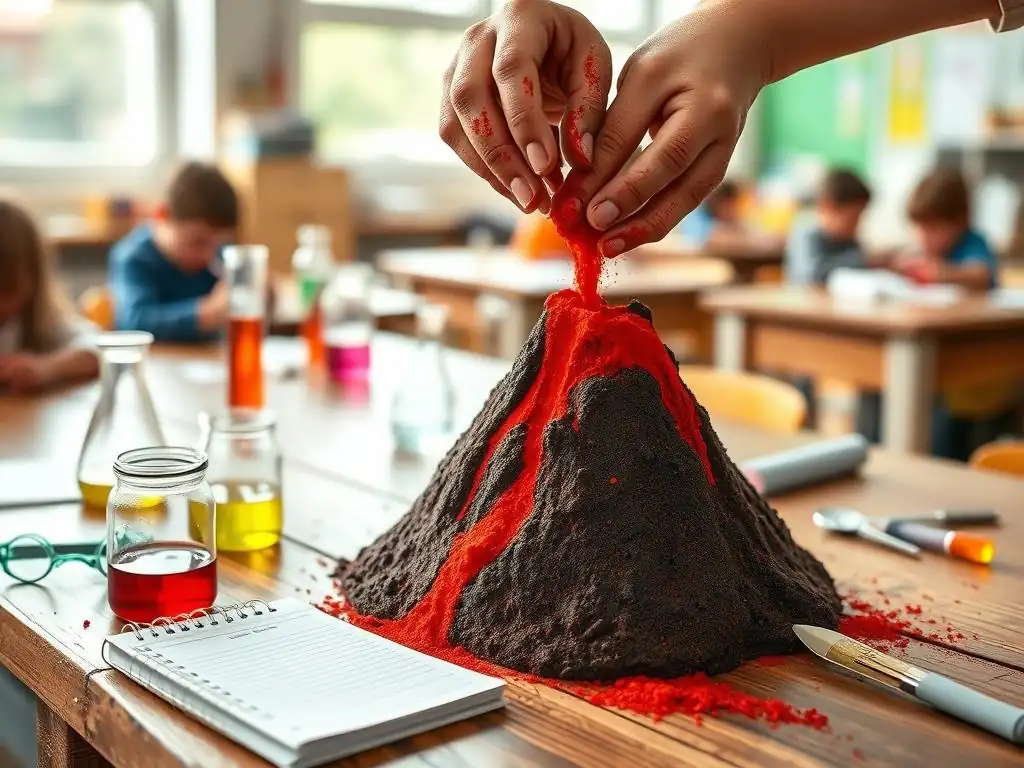
To maximize the learning and fun derived from volcano science experiment kits, encourage children to document their experiments in a dedicated volcano science journal. This journal can serve as a personal record of their scientific investigations, fostering observation skills, data recording, and scientific thinking. The journal can include sections for recording predictions (hypotheses), detailed descriptions of the experimental procedure, observations during the experiment (eruption height, lava flow patterns, etc. ), and conclusions drawn from the results.
Encourage children to use different formats within their science journal, such as writing, drawing diagrams, taking photographs of their volcano models and eruptions, and creating charts or graphs to represent data (e.g., eruption height vs. baking soda amount). The process of documenting experiments reinforces the scientific method and helps children develop critical thinking and communication skills. The journal also becomes a valuable resource for reviewing and reflecting on their learning journey, allowing them to track their progress and identify areas for further exploration. A volcano science journal transforms a simple experiment into a more structured and meaningful learning experience.
Sharing discoveries is a crucial part of the scientific process and can significantly enhance the learning experience with volcano science experiment kits. Encourage children to present their volcano projects to family members, friends, classmates, or even at science fairs or school events. Preparing a presentation requires children to organize their thoughts, articulate their findings, and communicate their understanding of volcano science to others. This process reinforces their learning and builds confidence in their scientific abilities.
The presentation can take various forms, such as a verbal presentation with visual aids (drawings, photographs, volcano model), a written report, or a multimedia presentation using slides or videos. Encourage children to explain the science behind their volcano experiments, describe their observations and results, and discuss what they learned. Answering questions from the audience further solidifies their understanding and promotes critical thinking. Sharing their volcano project not only boosts their self-esteem but also inspires others to learn about volcano science, creating a ripple effect of scientific curiosity and exploration.
The Future of Volcano Science: Inspiring the Next Generation
Volcano science experiment kits play a vital role in inspiring the next generation of volcanologists and Earth scientists. By providing hands-on, engaging experiences, these kits spark curiosity and introduce fundamental scientific concepts in a fun and accessible way. The wonder and excitement of building and erupting a volcano can ignite a lifelong passion for understanding the Earth's dynamic processes. These early positive experiences can motivate children to pursue STEM fields in their education and future careers, contributing to the advancement of volcano science and related disciplines.
The future of volcano science relies on the continued development of innovative research techniques, monitoring technologies, and hazard mitigation strategies. Inspiring young people to engage with volcano science through experiment kits and other educational resources ensures a pipeline of future scientists, engineers, and policymakers who are equipped to address the challenges and opportunities presented by volcanoes around the world. By fostering a passion for volcano science in children today, we are investing in a future where we can better understand, predict, and live safely with these powerful and awe-inspiring natural phenomena.
Conclusion: Sparking an Interest in Volcano Science through Experiment Kits
Volcano science experiment kits are more than just toys; they are powerful educational tools that spark a lasting interest in Earth science and volcanology. Through hands-on experimentation and engaging activities, these kits transform abstract scientific concepts into tangible and memorable learning experiences. They foster critical thinking, problem-solving skills, and a deeper appreciation for the dynamic forces that shape our planet.
By carefully selecting age-appropriate kits, expanding learning beyond the experiments with supplementary resources, and encouraging documentation and sharing of discoveries, parents and educators can maximize the educational impact and fun derived from these valuable STEM resources. Volcano science experiment kits are not just about erupting volcanoes; they are about erupting curiosity and igniting a lifelong passion for science in young minds.
Frequently Asked Questions
What kind of volcano science experiment kits does VolcanoExplorers.org recommend?
VolcanoExplorers.org curates a selection of kits that focus on the scientific principles behind volcanic eruptions. These kits often include materials for creating simulated lava flows and understanding magma composition.
Are these volcano science experiment kits safe for children?
Safety is paramount. Recommended kits are designed with age-appropriate materials and instructions. Always supervise children and follow the safety guidelines provided with each kit.
Can I learn real volcano science from these experiment kits?
Yes, absolutely! While simplified, the kits illustrate core concepts like chemical reactions, pressure dynamics, and the formation of different types of volcanic rock.
Where can I find the recommended volcano science experiment kits on VolcanoExplorers.org?
Look for the "Magma Mania" section. There you will find curated information about experiment kits and where to purchase them.
Do these volcano science experiment kits include information about real volcanoes?
Many kits include educational materials that connect the experiments to real-world volcanoes and famous eruptions in history, providing a broader understanding of volcanic activity.
Final Reflection: Igniting Curiosity, One Eruption at a Time
The journey through the world of volcano science experiment kits reveals more than just simulated eruptions; it highlights the enduring power of hands-on learning to spark scientific curiosity. In a world increasingly dominated by digital distractions, these kits offer a tangible connection to the raw power and intricate processes of our planet, fostering a deeper understanding of Earth science that textbooks alone cannot provide.
The impact of these kits extends beyond the classroom, influencing how we perceive the natural world and inspiring the next generation of geologists and environmental scientists. Witnessing the wonder in a child's eyes as their homemade volcano erupts is a powerful reminder of the importance of nurturing scientific exploration. The important thing is not to stop questioning. Curiosity has its own reason for existing.
- Albert Einstein. This quote perfectly encapsulates the spirit of these kits, encouraging continuous learning and exploration.
As we conclude this exploration of volcano science experiment kits, I invite you to consider the potential within each of us to ignite a passion for learning. Let the simulated eruptions serve as a reminder that even the most complex scientific concepts can be understood and appreciated through hands-on engagement. Embrace the spirit of discovery, encourage curiosity in those around you, and remember that the next great scientific breakthrough might just begin with a simple, yet powerful, volcano experiment.
Ignite Your Inner Volcanologist!
Thank you for exploring the fascinating world of volcanoes with us! We hope you've gained a deeper appreciation for the power and beauty of Earth's fiery formations. Now, let's turn that knowledge into action!
Ready to continue your volcanic adventure? Here's how:
- Order your own Volcano Experiment Set from VolcanoExplorers.org and bring the excitement of a volcanic eruption into your home! Unleash the fun with hands-on learning.
- Share this article with fellow science enthusiasts and ignite their curiosity.
- Visit our "Volcano Gallery" on VolcanoExplorers.org to marvel at stunning images and videos of real volcanic eruptions from around the globe.
What kind of eruption will you simulate first? Share your plans in the comments below!