
Our Fiery Neighbors: Volcanoes as Central Figures in Local and Regional Psyche

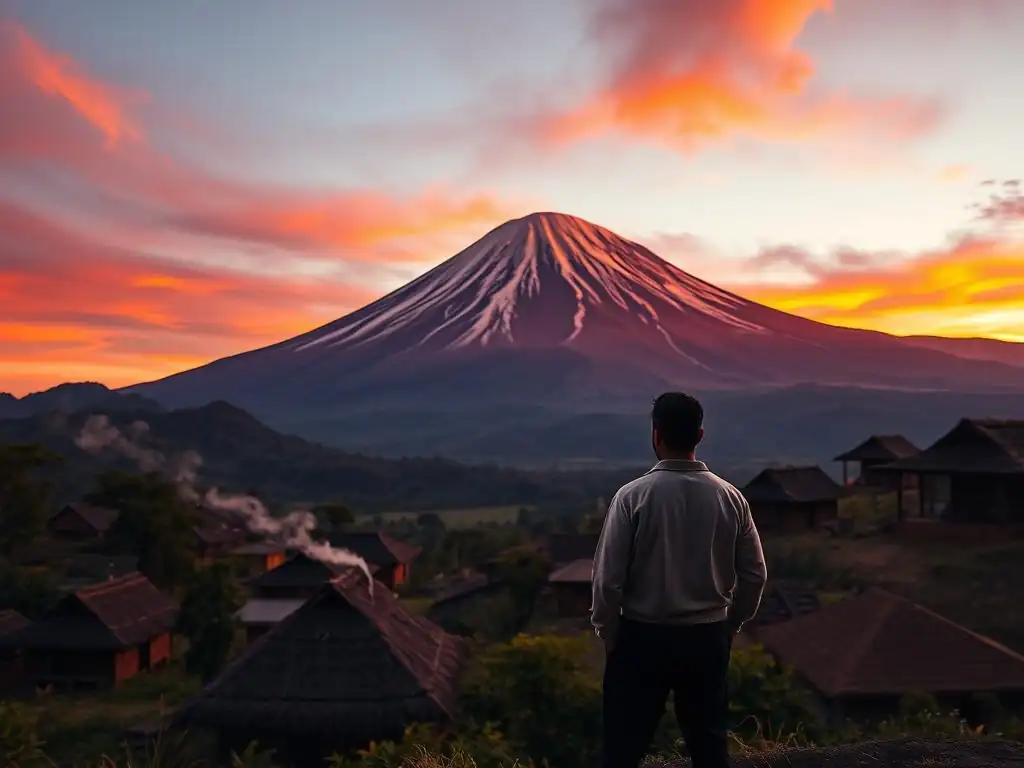
Welcome to Volcano Explorers!
Prepare to journey into a realm where fire meets myth. Our Fiery Neighbors: Volcanoes as Central Figures in Local and Regional Psyche explores how these majestic mountains have shaped not just landscapes, but entire cultures. But what secrets do they hold within the stories whispered around their glowing peaks? Dare to delve deeper and discover the profound connection between humanity and the earth's most volatile wonders.
- Volcanoes in Local Culture: An Introduction
- The Psychological Impact of Volcanoes on Culture: A Volcano Explorers Perspective
- Volcanoes as Deities and Spirits: Mythological Roots
- Volcanoes as Symbols: Fear, Respect, and Awe
- Volcanoes in Art and Literature: Reflecting Cultural Perceptions
- Living Near Volcanoes: Adapting to Volcanic Environments
- Volcanoes and Identity: Shaping Local and Regional Psyche
- The Future of Volcano Culture: Maintaining Traditions in a Changing World
- Conclusion: The Enduring Influence of Volcanoes on the Human Spirit
-
Frequently Asked Questions
- What role do volcanoes often play in local myths and legends?
- How can living near a volcano influence a community's cultural identity?
- In what ways are volcanoes depicted in local art and storytelling?
- How do local communities balance the dangers of living near a volcano with its benefits?
- Can the presence of a volcano impact the spiritual beliefs of a local population?
- Final Reflection: The Enduring Power of Volcanic Presence
- Ignite Your Inner Explorer: Answer the Call of the Volcano!
Volcanoes in Local Culture: An Introduction
Exploring the Cultural Significance of Volcanoes Worldwide
Volcanoes, majestic and often menacing geological features, are not merely natural phenomena; they are deeply interwoven into the cultural fabric of societies around the globe. From the fiery peaks of Italy to the snow-capped cones of Japan and the lush landscapes of Indonesia, volcanoes have profoundly shaped human civilizations. Their presence extends beyond the physical realm, influencing mythology, spirituality, art, and daily life in communities that live in their shadow. Understanding volcanoes in local culture requires exploring the diverse ways different societies perceive, interact with, and are defined by these powerful forces of nature.
The cultural significance of volcanoes is a global phenomenon, manifested in myriad forms. In some cultures, volcanoes are revered as sacred mountains, homes of deities, or gateways to the underworld. In others, they are viewed with a mixture of fear and respect, representing both destruction and creation. This duality is central to the human experience of living alongside volcanoes. Across continents, from the Americas to Asia, Africa, and Europe, the stories, rituals, and traditions surrounding volcanoes reveal a complex and enduring relationship between humanity and these dynamic geological entities.
The Deep Connection Between People and Volcanic Landscapes
The connection between people and volcanic landscapes is profound and multifaceted, rooted in both the tangible and intangible aspects of human life. For communities living near volcanoes, these geological giants are not distant, abstract concepts; they are immediate, powerful forces that shape their environment, livelihoods, and identities. Volcanic soils, for instance, are often incredibly fertile, supporting agriculture and drawing populations to these potentially hazardous areas. This practical benefit creates an intimate link between the people and the volcano, as their sustenance is directly tied to its geological activity.
Beyond the material benefits, volcanic landscapes possess a striking visual and sensory impact. Towering peaks, steaming fumaroles, and the dramatic aftermath of eruptions – these elements evoke a sense of awe, wonder, and sometimes fear. This powerful sensory experience contributes to the development of cultural narratives and symbolic meanings associated with volcanoes. The very landscape becomes imbued with cultural significance, acting as a constant reminder of the earth's power and humanity's place within it. This deep connection fosters a unique cultural identity shaped by the presence and influence of volcanoes.
The Psychological Impact of Volcanoes on Culture: A Volcano Explorers Perspective
Understanding the Subcategory: Volcanoes and the Human Psyche
The psychological impact of volcanoes extends far beyond the immediate fear and disruption caused by eruptions. It delves into the deeper realms of human perception, belief systems, and emotional responses to these powerful natural forces. From a Volcano Explorers perspective, understanding this psychological dimension is crucial because it reveals how volcanoes shape not just the physical landscape, but also the inner landscapes of individuals and communities. This subcategory explores how the constant presence or looming threat of volcanic activity influences human psychology, shaping cultural narratives and coping mechanisms.
The human psyche is profoundly affected by the scale and drama of volcanic events. Volcanoes are reminders of forces much larger than ourselves, capable of altering landscapes and disrupting lives in an instant. This awareness can evoke feelings of vulnerability, awe, and even existential contemplation. The unpredictability of volcanic eruptions further amplifies these psychological impacts, creating a unique environment where communities must constantly negotiate the balance between fear and adaptation. Exploring this psychological interplay offers valuable insights into the resilience and adaptability of human cultures in the face of natural forces.
Setting the Stage: How Volcanoes Shape Beliefs and Traditions
Volcanoes, with their dramatic displays of power and unpredictable nature, have played a pivotal role in shaping belief systems and traditions across cultures. In many societies, the earth itself is considered a living entity, and volcanoes, as vents to the planet's interior, are seen as sacred or spiritually charged locations. The eruptions, with their fire, smoke, and earth-shattering sounds, are interpreted as messages from the gods or manifestations of supernatural forces. This has led to the development of intricate mythologies, religious practices, and social structures centered around volcanoes.
The traditions that emerge in volcanic regions are often aimed at understanding, appeasing, or coexisting with these powerful geological entities. Rituals, ceremonies, and festivals dedicated to volcano deities are common, reflecting a desire to maintain harmony with the natural world and seek protection from volcanic hazards. These traditions are not static; they evolve over time, adapting to new experiences and knowledge about volcanoes. However, the underlying psychological need to make sense of and cope with these awe-inspiring and sometimes destructive forces remains a constant thread throughout the cultural history of volcanic regions.
Volcanoes as Deities and Spirits: Mythological Roots
Volcano Gods and Goddesses: Examples from Around the World
Across diverse cultures, volcanoes are often personified as deities or dwelling places of powerful spirits, reflecting humanity's attempt to understand and interact with these formidable forces of nature. In Hawaiian mythology, Pele is the fiery goddess of volcanoes, known for her passionate and volatile nature, mirroring the unpredictable eruptions of Kilauea and Mauna Loa. The ancient Romans revered Vulcan, the god of fire and blacksmithing, whose forge was believed to be located beneath volcanoes like Mount Etna.
Similarly, in Japanese Shinto beliefs, mountains, including volcanic Mount Fuji, are considered sacred and inhabited by Kami, or spirits. These examples highlight a global pattern: societies facing the raw power of volcanoes often interpret them through a spiritual lens, imbuing them with divine agency. These volcano gods and goddesses are not merely abstract figures; they are active participants in the lives of the people, capable of bestowing blessings or unleashing wrath, thereby shaping the moral and ritual landscape of these communities.
Rituals and Offerings: Appeasing the Volcanic Powers
The belief in volcano deities or spirits naturally leads to the development of rituals and offerings designed to appease these powerful entities and ensure their favor or at least mitigate their wrath. Historically, in many cultures, offerings ranging from food and precious objects to, in some extreme cases, human sacrifices were made to volcano gods.
While human sacrifice is no longer practiced, the tradition of offerings persists in various forms. For instance, during the Bromo Yadnya ceremony in Indonesia, the Tenggerese people offer rice, vegetables, flowers, and even livestock into the crater of Mount Bromo to maintain harmony and prosperity.
These rituals are not simply acts of appeasement; they are also expressions of respect, gratitude, and a recognition of the volcano's life-giving and life-taking potential. They serve as communal activities that reinforce social bonds and cultural identity, uniting communities in their shared relationship with the volcano. The continuity of these rituals, even in modern times, underscores the enduring psychological and cultural significance of volcanoes in local culture, demonstrating a persistent need to engage with these natural forces on a spiritual level.
The Role of Volcanoes in Creation Myths and Legends
Volcanoes frequently feature prominently in creation myths and legends across the world, often as agents of creation, destruction, or transformation. In some narratives, volcanic eruptions are depicted as primordial acts of creation, shaping the land and giving birth to new landscapes. For example, certain Polynesian myths describe islands being formed by volcanic deities who either vomited them up from the sea or pulled them from the depths. These stories link the very origins of the world to volcanic activity.
Conversely, volcanoes also play a role in legends of destruction and cataclysm. Myths of world-ending floods or fires are sometimes associated with volcanic eruptions, reflecting the destructive potential of these natural events. However, even in these destructive narratives, there is often an element of renewal. The volcanic destruction can be seen as a necessary precursor to rebirth, a clearing of the old to make way for the new. This dualistic role in creation myths and legends reinforces the symbolic complexity of volcanoes in local culture, representing both beginnings and endings, life and death.
Volcanoes as Symbols: Fear, Respect, and Awe
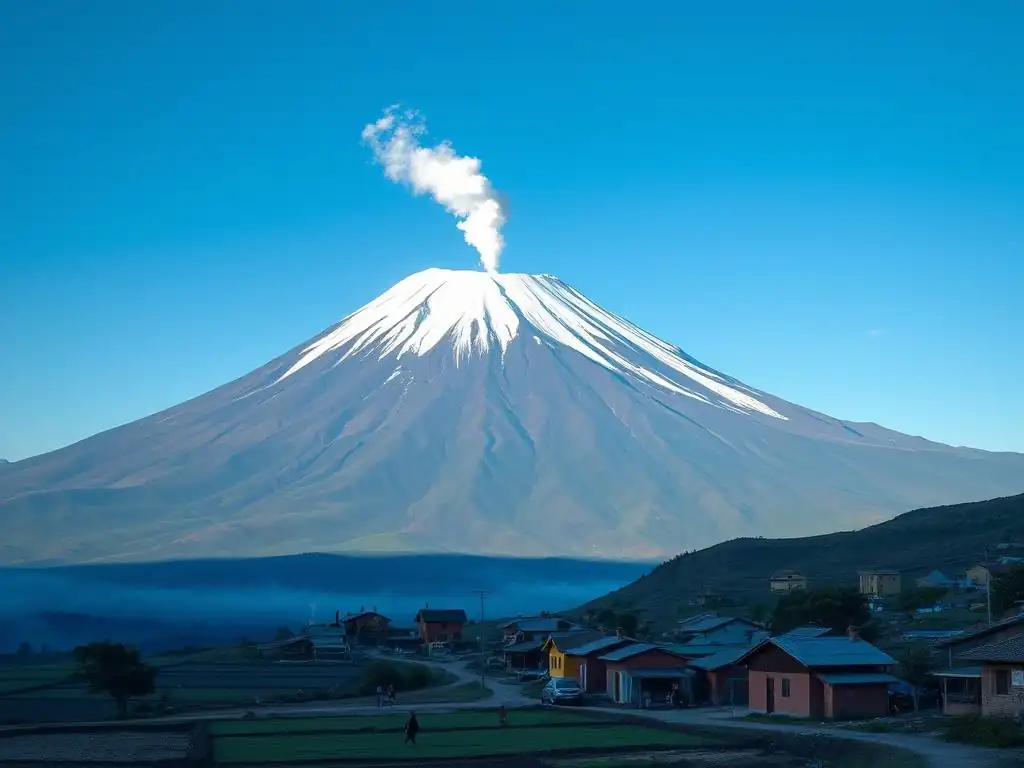
Volcanoes as Symbols of Destruction and Renewal
Volcanoes are potent symbols, embodying a complex range of human emotions and experiences, most prominently destruction and renewal. The destructive power of volcanic eruptions is undeniable, capable of obliterating landscapes, burying settlements, and causing widespread devastation. Pyroclastic flows, lava flows, and ashfalls are stark reminders of nature's capacity for violent change. This destructive aspect is deeply ingrained in the symbolic representation of volcanoes across cultures, often associated with wrath, chaos, and punishment.
However, volcanoes are not solely symbols of destruction; they are also agents of renewal. Volcanic ash enriches the soil, creating fertile lands that support agriculture and ecosystems. New land is formed through volcanic activity, expanding territories and creating opportunities for new life. In this sense, volcanoes symbolize cycles of death and rebirth, mirroring natural processes of decay and regeneration. This duality makes them powerful and multifaceted symbols in local cultures, reflecting the dynamic and ever-changing nature of the world.
Volcanoes as Embodiments of Power and Untamed Nature
Volcanoes stand as powerful embodiments of untamed nature, forces that are beyond human control and comprehension. Their immense size, unpredictable eruptions, and raw energy evoke a sense of awe and respect, but also fear and vulnerability. In a world increasingly shaped by human intervention, volcanoes represent the primal power of the Earth, a reminder of the natural world's dominance. This symbolism is particularly relevant in modern contexts where human societies are grappling with environmental challenges and the consequences of disrupting natural systems.
The untamed nature of volcanoes is further emphasized by their inaccessibility and inherent danger. Climbing into a volcanic crater or venturing too close to an active eruption is a risky undertaking, underscoring the limits of human power in the face of these geological giants. This inherent danger contributes to the symbolic representation of volcanoes as forces that demand respect and caution. They serve as potent reminders of the power and unpredictability of nature, shaping human attitudes and behaviors in volcanic regions.
The Dual Nature of Volcanoes: Life-Giver and Destroyer
The enduring symbolic power of volcanoes in local culture stems from their inherent dual nature: they are both life-givers and destroyers. This duality is central to understanding the complex relationship between humans and volcanoes. On one hand, volcanic eruptions can bring devastation, loss of life, and long-term disruption. The immediate aftermath of an eruption is often characterized by destruction and hardship.
On the other hand, volcanoes are also responsible for creating fertile landscapes, supporting unique ecosystems, and providing valuable resources such as geothermal energy and mineral deposits. The long-term benefits of volcanic activity are often overlooked in the face of immediate hazards, but they are crucial to the sustainability and prosperity of many volcanic regions. This dual nature – the capacity for both creation and destruction – makes volcanoes uniquely powerful symbols, reflecting the complex and often contradictory forces that shape human existence.
Volcanoes in Art and Literature: Reflecting Cultural Perceptions
Volcanic Landscapes in Painting and Photography
Volcanic landscapes have long captivated artists, serving as powerful subjects in painting and photography. The dramatic scenery of volcanic regions, with their stark contrasts, steaming vents, and imposing peaks, provides rich visual material for artistic expression. From classical landscape paintings to contemporary photography, volcanoes have been depicted in diverse styles, reflecting evolving cultural perceptions and aesthetic sensibilities. Early landscape painters often focused on the sublime and awe-inspiring aspects of volcanoes, emphasizing their grandeur and power.
In the 19th century, the Romantic movement embraced volcanic landscapes as symbols of untamed nature and emotional intensity. Painters like Frederic Edwin Church captured the dramatic beauty of volcanic eruptions in South America, conveying both the terror and magnificence of these events. Modern photographers continue to explore volcanic regions, often focusing on the intricate details of lava flows, ash deposits, and geothermal features. These visual representations in art and photography provide valuable insights into how different cultures perceive and interpret volcanic landscapes across time.
Volcanoes as Metaphors in Literature and Poetry
Beyond visual arts, volcanoes serve as potent metaphors in literature and poetry, representing a wide range of human emotions, experiences, and societal themes. The fiery nature of volcanoes is often used to symbolize passion, anger, destruction, and transformation. Volcanic eruptions can represent sudden outbursts of emotion, societal upheavals, or moments of profound change. Conversely, the dormant volcano can symbolize repressed emotions or latent potential, waiting to be unleashed.
In literature, volcanoes have been used to explore themes of human hubris, the power of nature, and the fragility of civilization. From ancient myths to contemporary novels, volcanoes provide a rich symbolic landscape for exploring the complexities of the human condition. Poetry, in particular, often utilizes volcanic imagery to evoke powerful emotions and create vivid sensory experiences for the reader, drawing upon the shared cultural understanding of volcanoes as forces of both destruction and creation.
Mount Vesuvius in the "Eruption" Painting by J.M.W. Turner
J.M.W. Turner's painting "The Eruption of Vesuvius" (1817) is a powerful example of how volcanic landscapes have been interpreted in art, reflecting the cultural anxieties and fascinations of the time. Painted in the aftermath of the Napoleonic Wars, the artwork depicts the fiery eruption of Mount Vesuvius, not as a scientifically accurate depiction, but as a dramatic and emotionally charged scene. The painting emphasizes the overwhelming power of nature and the vulnerability of human civilization in the face of such forces.
Turner's "Eruption" is not just a depiction of a volcanic event; it is a metaphorical representation of societal upheaval and the potential for both destruction and renewal. The fiery imagery and dramatic composition evoke a sense of both terror and awe, reflecting the Romantic sensibility of the era. The painting serves as a compelling example of how artists have used volcanoes to explore broader themes about human existence and the relationship between humanity and the natural world, contributing to the volcano's symbolic weight in culture.
Living Near Volcanoes: Adapting to Volcanic Environments
Cultural Adaptations: Building Techniques and Agricultural Practices
Living near volcanoes necessitates a range of cultural adaptations in building techniques and agricultural practices to mitigate risks and leverage the unique resources offered by volcanic environments. Traditional building methods in volcanic regions often incorporate materials like volcanic rock, which is readily available, durable, and provides good insulation. For example, in areas around Mount Etna in Sicily, houses are often constructed from black basalt, a volcanic rock, providing resilience against earthquakes and volcanic ashfall.
Agricultural practices are also adapted to volcanic conditions. Terracing is common in volcanic slopes to prevent soil erosion and maximize arable land. Farmers in volcanic regions have learned to utilize the fertile volcanic soils, often planting crops that thrive in these mineral-rich environments. In Indonesia, for instance, the slopes of volcanoes are extensively cultivated for coffee, tea, and vegetables, taking advantage of the fertile volcanic ash. These adaptations demonstrate human ingenuity in coexisting with volcanic hazards and harnessing the benefits of volcanic landscapes.
Community Resilience: Coping with Volcanic Hazards
Communities living near volcanoes have developed remarkable resilience in coping with volcanic hazards, drawing upon social structures, traditional knowledge, and modern technologies. Strong community bonds and social support networks are crucial for disaster preparedness and response. Traditional knowledge about volcanic activity, passed down through generations, plays a vital role in understanding local volcanic risks and adapting to them. This knowledge often includes warning signs, safe zones, and evacuation strategies.
Modern technologies, such as volcano monitoring systems and early warning systems, are increasingly integrated into community resilience strategies. Education and public awareness campaigns are essential to ensure that residents understand volcanic hazards and know how to respond effectively. The combination of traditional wisdom and modern advancements enhances community resilience, enabling people to live safely and sustainably in volcanic regions, minimizing the impact of eruptions and fostering a culture of preparedness.
Use of Lahar Warning Systems in Communities Near Mount Rainier
Communities situated in the valleys surrounding Mount Rainier in Washington State, USA, exemplify the crucial role of lahar warning systems in enhancing safety and resilience. Mount Rainier is considered one of the most dangerous volcanoes in the Cascade Range, primarily due to the potential for large, fast-moving lahars (volcanic mudflows). The U.S. Geological Survey (USGS) and local authorities have implemented a sophisticated lahar detection system that monitors seismic activity and river levels, providing early warnings to downstream communities.
This system utilizes sensors placed on the volcano and in river valleys to detect the initiation of lahars. When a lahar is detected, sirens are activated, and emergency alerts are broadcast to warn residents in affected areas. These warning systems are regularly tested and maintained, and community drills are conducted to ensure preparedness. The lahar warning system around Mount Rainier serves as a model for other volcanic regions worldwide, demonstrating the effectiveness of technology in mitigating volcanic hazards and protecting communities living in their path.
Volcanoes and Identity: Shaping Local and Regional Psyche
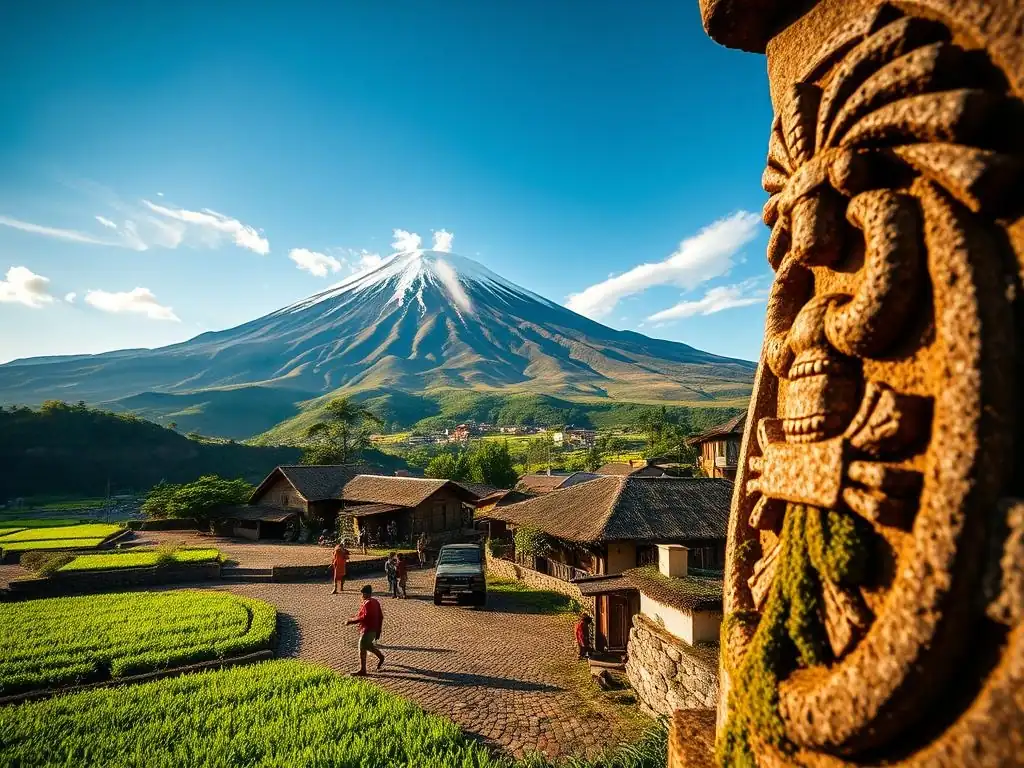
How Volcanic Activity Influences Community Identity
Volcanic activity profoundly influences community identity, shaping a shared sense of place, history, and cultural distinctiveness among people living near volcanoes. The constant presence or periodic eruptions of a volcano become integral to the collective memory and identity of a community. Stories of past eruptions, both destructive and beneficial, are passed down through generations, forming a narrative that binds people together. This shared history creates a unique cultural identity that is inextricably linked to the volcano.
The challenges and adaptations required to live near a volcano also contribute to a strong sense of community resilience and shared experience. Facing volcanic hazards together fosters cooperation, mutual support, and a collective identity rooted in their relationship with the volcano. This shared experience distinguishes communities living near volcanoes from those in non-volcanic regions, creating a distinct cultural identity that is shaped by the volcanic environment.
The Sense of Place: Connecting to Volcanic Landscapes
The sense of place in volcanic regions is deeply intertwined with the volcanic landscape itself. Volcanoes become landmarks, focal points, and sources of identity for local communities. The visual dominance of a volcano in the landscape creates a strong sense of place attachment, where people feel a deep connection to their surroundings. This connection is not just physical; it is also emotional and spiritual, rooted in the cultural significance and symbolic meanings associated with the volcano.
For many communities, the volcano is not just a geological feature; it is a living entity, a sacred mountain, or a source of both sustenance and potential danger. This deep sense of place is often expressed through cultural practices, rituals, and artistic expressions that celebrate and honor the volcano. The volcanic landscape becomes an integral part of their identity, shaping their worldview and their relationship with the natural world.
The Bromo Yadnya Ceremony of the Tenggerese People
The Bromo Yadnya ceremony of the Tenggerese people in East Java, Indonesia, provides a compelling example of how volcanic activity shapes community identity and sense of place. Mount Bromo, an active volcano, is central to the Tenggerese cultural and religious life. The Yadnya Kasada ceremony, held annually, is a major religious festival where offerings are made into the crater of Mount Bromo to appease the gods and ensure prosperity and safety.
This ceremony is not just a religious ritual; it is a reaffirmation of Tenggerese identity and their connection to the volcanic landscape. It brings the community together, reinforcing social bonds and cultural traditions. The Bromo Yadnya ceremony is a visible and powerful expression of the Tenggerese people's unique cultural identity, which is deeply intertwined with the presence and power of Mount Bromo. It exemplifies how volcanic activity can be a central element in shaping and maintaining local and regional psyche.
The Future of Volcano Culture: Maintaining Traditions in a Changing World
Preserving Volcanic Heritage: Challenges and Opportunities
Preserving volcanic heritage in a rapidly changing world presents both significant challenges and unique opportunities. Volcanic regions are increasingly facing pressures from globalization, modernization, and climate change. Traditional cultural practices and knowledge related to volcanoes are at risk of being lost as younger generations migrate to urban areas and adopt modern lifestyles. Preserving this intangible heritage requires conscious efforts to document, revitalize, and transmit traditional knowledge and practices.
However, there are also opportunities to leverage modern technologies and approaches to enhance volcanic heritage preservation. Digital documentation, community-based tourism initiatives, and educational programs can help raise awareness and promote the value of volcanic heritage. Collaborations between local communities, researchers, and cultural institutions are crucial for developing sustainable strategies to preserve volcanic heritage for future generations, ensuring that the cultural significance of volcanoes is not lost in the face of global change.
Volcano Tourism: Balancing Economic Benefits and Cultural Sensitivity
Volcano tourism offers economic benefits to volcanic regions, but it also presents challenges in balancing economic gains with cultural sensitivity and environmental sustainability. Volcanoes are popular tourist destinations, attracting visitors from around the world who are drawn to their dramatic landscapes and geological wonders. Tourism can generate revenue, create jobs, and support local economies in volcanic areas.
However, uncontrolled tourism can also have negative impacts on volcanic environments and local cultures. Environmental degradation, disruption of traditional lifestyles, and the commodification of cultural practices are potential risks associated with volcano tourism. Sustainable volcano tourism requires careful planning, community involvement, and respect for local cultures and environments. Finding the right balance between economic benefits and cultural and environmental preservation is crucial for the long-term sustainability of volcano tourism.
Discussion on the ethical considerations of volcano tourism
Ethical considerations are paramount in volcano tourism, requiring careful attention to the rights and needs of local communities, the preservation of cultural heritage, and the protection of volcanic environments. Volcano tourism should be developed and managed in a way that respects the cultural values and traditions of local communities, ensuring that they benefit from tourism activities and are not negatively impacted. Free, prior, and informed consent of local communities should be sought before developing tourism projects in volcanic areas.
Environmental ethics also demand responsible practices in volcano tourism. Minimizing environmental impacts, protecting fragile ecosystems, and promoting sustainable resource management are essential considerations. Volcano tourism should not contribute to the degradation of volcanic landscapes or the disruption of natural processes. Ethical volcano tourism requires a holistic approach that considers the interconnectedness of cultural, environmental, and economic factors, ensuring that tourism benefits all stakeholders in a sustainable and responsible manner.
Conclusion: The Enduring Influence of Volcanoes on the Human Spirit
Reflecting on the Power of Volcanoes to Shape Culture
Reflecting on the multifaceted influence of volcanoes, it becomes clear that these geological forces have profoundly shaped human culture across millennia. From mythology and religion to art, literature, and daily life, volcanoes have left an indelible mark on the human spirit. They have inspired awe, fear, respect, and resilience, shaping belief systems, social structures, and cultural identities in communities around the world. The enduring presence of volcanoes in local culture is a testament to their power to influence human imagination and experience.
The cultural significance of volcanoes is not static; it is a dynamic and evolving phenomenon, adapting to changing times and new understandings of the natural world. While modern science has demystified many aspects of volcanic activity, the psychological and cultural impact of volcanoes remains potent. They continue to be sources of wonder, inspiration, and reminders of the earth's raw power, shaping human perceptions and behaviors in profound ways.
Volcanoes in Local Culture: A Continuing Story
The story of volcanoes in local culture is a continuing narrative, unfolding in real-time as societies grapple with the challenges and opportunities of living alongside these dynamic geological features. As we move into the future, understanding the cultural significance of volcanoes becomes increasingly important in promoting sustainable development, disaster preparedness, and cultural preservation in volcanic regions. Volcanoes are not just geological phenomena; they are integral parts of human history, culture, and identity.
By exploring the diverse ways in which volcanoes are perceived, interpreted, and integrated into local cultures, we gain valuable insights into the complex relationship between humanity and the natural world. The ongoing story of volcanoes in local culture is a reminder of the enduring power of nature to shape human societies and the remarkable adaptability of human spirit in the face of both beauty and danger. Volcanoes will continue to be our fiery neighbors, and their cultural significance will undoubtedly continue to evolve and inspire for generations to come.
Frequently Asked Questions
What role do volcanoes often play in local myths and legends?
Volcanoes are frequently seen as sacred sites or homes of deities in many cultures. They often represent powerful forces of nature, both destructive and creative.
How can living near a volcano influence a community's cultural identity?
Proximity to volcanoes can shape a community's economic activities (like agriculture using volcanic soil), its architectural style (using volcanic rock), and its celebrations/rituals centered around the volcano.
In what ways are volcanoes depicted in local art and storytelling?
Volcanoes are often portrayed as symbols of strength, fertility, or destruction in local art. Stories may revolve around the volcano's creation, its moods, or its impact on the people.
How do local communities balance the dangers of living near a volcano with its benefits?
Communities often develop coping mechanisms like early warning systems and evacuation plans, while also benefiting from the rich soil and geothermal energy provided by the volcano, leading to a complex relationship.
Can the presence of a volcano impact the spiritual beliefs of a local population?
Yes, volcanic activity can significantly influence spiritual beliefs, often leading to rituals intended to appease the volcano or to ensure the community's safety and prosperity, viewing the volcano as a living entity.
Final Reflection: The Enduring Power of Volcanic Presence
The exploration of volcanoes as central figures in local and regional psyche, as we've seen, isn't just an academic exercise; it's a vital understanding of how natural forces shape human identity. From shaping landscapes to influencing mythology and even dictating economic activities, volcanoes are far more than geological features – they are living, breathing components of the cultures that surround them.
The profound impact of volcanoes on our collective consciousness is undeniable. Living near these fiery giants fosters a unique blend of respect, fear, and even reverence. This relationship, often passed down through generations, colors everything from art and folklore to daily routines and long-term planning. We are shaped by the landscapes we inhabit, and no landscape is more formative than one dominated by the raw power of a volcano.
This quote encapsulates the enduring influence that these geological behemoths exert on the human spirit.
As we conclude this journey into the heart of volcanic cultures, let us not forget the lessons learned. Consider the ways in which your own environment, be it volcanic or otherwise, has shaped your perceptions, beliefs, and values. Embrace the power of nature, respect its forces, and strive to understand the intricate dance between humanity and the world around us. Only then can we truly appreciate the profound and lasting legacy of our fiery neighbors.
Ignite Your Inner Explorer: Answer the Call of the Volcano!
Thanks for joining us on this journey into the heart of volcanic lore! We hope you’ve gained a newfound appreciation for the profound impact these fiery neighbors have on local culture and identity. Ready to take that knowledge and turn it into action?
Here's how you can further explore the mesmerizing connection between volcanoes and the human spirit:
- Embark on a Volcano-Inspired Creative Project: Channel your newfound understanding into a painting, poem, story, or song that captures the essence of the volcano's influence. This is a fantastic way to internalize the cultural and psychological impact of these geological wonders!
- Delve deeper into the oral traditions surrounding your local volcanoes (or one you are interested in!) and share your findings with the Volcano Explorers community. You might be surprised at the stories waiting to be unearthed!
- Reconnect with nature by volunteering at a local park or conservation effort near a volcanic area. Helping to preserve these beautiful landscapes directly contributes to keeping the stories and legacies alive!
What's one thing you're inspired to create or explore now that you've learned about the deep connection between volcanoes and local cultures? Share your ideas below!