
Rousseau's Nightmare? Volcanoes and the Romantic Sublime in the 1700s

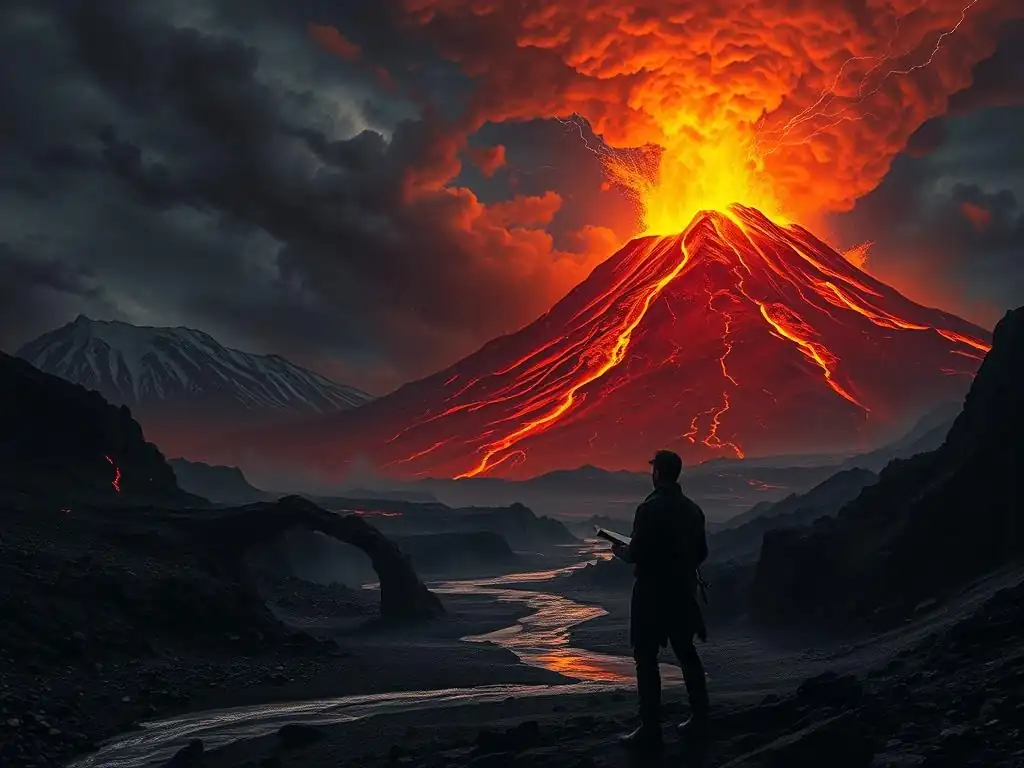
Welcome to Volcano Explorers, where the earth breathes fire and history is written in molten rock. Ever wondered what the 18th-century Romantics really thought about these fiery giants? Prepare to have your perspective challenged. Dive in to discover how volcanoes, far from being purely terrifying forces, ignited the imagination and shaped artistic expression, particularly in relation to the Romantic views of volcanoes. But be warned: the beauty is as captivating as the danger is real. What secrets do these fiery landscapes hold? Let's explore...
- Introduction: Volcanoes and the Dawn of Romanticism
-
Frequently Asked Questions
- How did the concept of the "Romantic Sublime" influence perceptions of volcanoes in the 1700s?
- Were volcanoes primarily viewed as destructive forces during the Romantic era, or was there a more nuanced appreciation?
- How did artists and writers of the 1700s depict volcanoes in their work?
- Did people travel to see volcanoes during the 1700s, and if so, what motivated them?
- How did the scientific understanding of volcanoes develop alongside their romanticized portrayal in the 1700s?
- Final Reflection: The Enduring Glow of Volcanic Awe
- Ignite Your Inner Explorer!
Introduction: Volcanoes and the Dawn of Romanticism
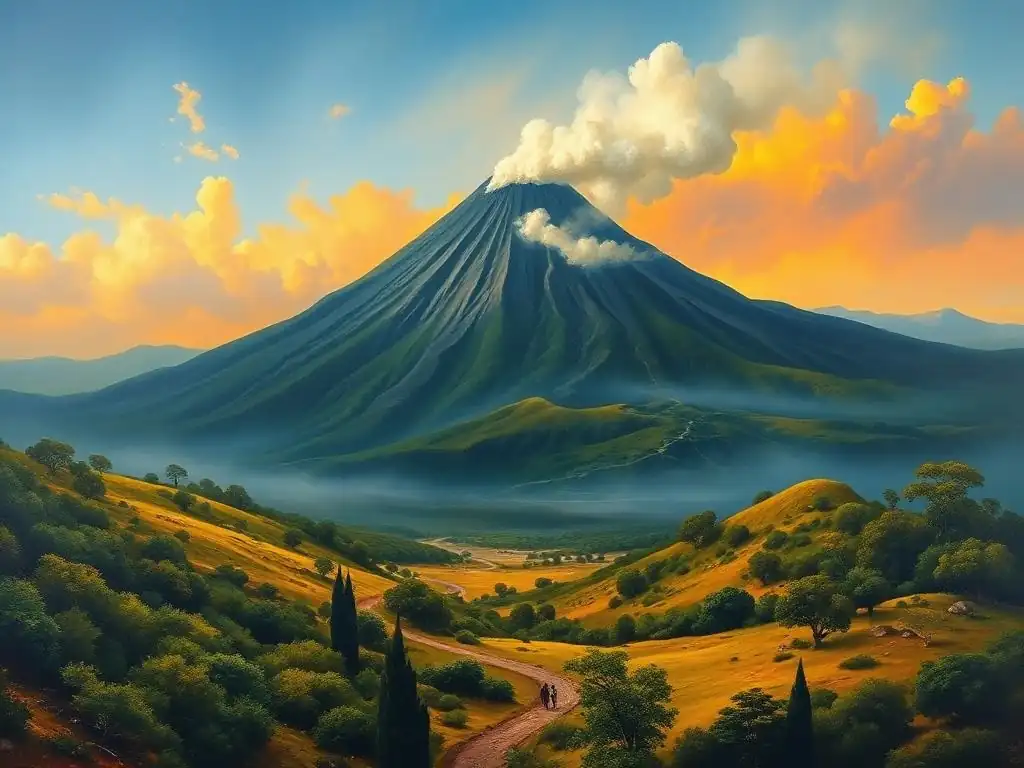
Exploring 18th-Century Perceptions of Volcanic Eruptions
The 18th century witnessed a fascinating transformation in how people perceived the natural world, and volcanoes, in particular, became potent symbols in this evolving worldview. Initially, the Enlightenment era emphasized rational inquiry and scientific observation. Volcanic eruptions, while undeniably awe-inspiring, were often viewed through a lens of fear and divine punishment, legacies from earlier centuries.
Accounts from travelers and early scientific expeditions often described volcanic events with a mixture of terror and curiosity, struggling to reconcile the destructive power with the burgeoning scientific understanding of natural phenomena. Before the full embrace of Romanticism, volcanoes were primarily regarded as destructive forces, phenomena to be explained and potentially controlled by rational means.
However, as the century progressed, a shift in sensibility began to emerge, subtly at first, then with increasing force. The rigid confines of pure reason started to yield to the allure of emotion, intuition, and the untamed aspects of nature. Volcanoes, with their dramatic displays of power and unpredictable nature, became focal points for this changing perspective.
No longer merely objects of scientific study or sources of dread, they began to embody something more profound: the sublime. This evolving perception laid the groundwork for the Romantic views of volcanoes that would flourish in the late 18th and early 19th centuries.
The Interplay of Enlightenment and Romantic Sensibilities
The 18th century was not a monolithic era of thought but rather a dynamic period where Enlightenment rationality and nascent Romantic sensibilities coexisted and often intertwined. While the Enlightenment championed reason, order, and empirical observation as the keys to understanding the world, Romanticism, emerging towards the latter half of the century, emphasized emotion, individual experience, and the grandeur of nature. In the context of volcanoes, this interplay is particularly evident.
Early volcanologists, driven by the Enlightenment spirit, began to methodically study volcanic activity, seeking to understand its geological processes and predict eruptions. Figures like Sir William Hamilton, with his meticulous observations of Vesuvius, exemplify this scientific approach.
Simultaneously, the sheer spectacle of volcanic eruptions began to captivate artists, writers, and philosophers in a different way. The sublime terror and awe evoked by these natural cataclysms resonated deeply with the burgeoning Romantic emphasis on intense emotions and the power of nature to overwhelm human understanding.
Volcanoes became potent symbols of untamed forces beyond human control, inspiring both fear and a strange fascination. This period thus represents a crucial juncture where the scientific gaze of the Enlightenment began to merge with the emotional and aesthetic appreciation of nature that characterized the Romantic views of volcanoes, setting the stage for their iconic status in Romantic art and thought.
Frequently Asked Questions
How did the concept of the "Romantic Sublime" influence perceptions of volcanoes in the 1700s?
The Romantic Sublime emphasized awe and terror experienced when confronting nature's power. Volcanoes, with their destructive potential and spectacular displays, perfectly embodied this powerful and terrifying beauty.
Were volcanoes primarily viewed as destructive forces during the Romantic era, or was there a more nuanced appreciation?
While the destructive potential was undeniable, the Romantic era fostered a nuanced appreciation for volcanoes. Their power was seen as both frightening and a source of inspiration.
How did artists and writers of the 1700s depict volcanoes in their work?
Artists and writers frequently depicted volcanoes as symbols of untamed nature and raw power. They often used imagery of darkness, fire, and smoke to evoke feelings of awe and terror in their audience.
Did people travel to see volcanoes during the 1700s, and if so, what motivated them?
Yes, some people did travel to see volcanoes, motivated by a desire to experience the sublime spectacle firsthand. These "volcano tourists" sought to be awed by the power and beauty of these natural wonders.
How did the scientific understanding of volcanoes develop alongside their romanticized portrayal in the 1700s?
While romanticized portrayals were prevalent, scientific understanding was also developing. Observations of eruptions and geological formations contributed to a growing scientific knowledge of volcanic processes, though often intertwined with romantic ideals.
Okay, here's a final reflection crafted to close your article, optimized for the keyword "Romantic views of volcanoes" and following the structure you provided:
Final Reflection: The Enduring Glow of Volcanic Awe
The exploration of Romantic views of volcanoes, as illuminated throughout this article, isn't merely a historical exercise; it speaks directly to our contemporary fascination with nature's raw power and the sublime. From the anxieties of Rousseau to the artistic renderings of volcanic eruptions, the 18th-century grappling with these forces of nature resonates deeply in an era grappling with climate change and a renewed awareness of our planet's volatile potential. The Romantic era's fascination with volcanoes, therefore, serves as a potent reminder of humanity's complex relationship with the natural world.
The enduring influence of these Romantic views of volcanoes is undeniable, shaping not only artistic expression but also our understanding of environmental vulnerability. The awe and terror inspired by volcanic landscapes continue to inform our cultural narratives, reminding us of the delicate balance between beauty and destruction. Nature, to be commanded, must be obeyed
– a sentiment echoed throughout the Romantic period, highlighting the need for respect and understanding in our interactions with the natural world, especially in the face of its most formidable displays.
As we conclude this exploration of Romantic views of volcanoes, I invite you to reflect on your own relationship with the sublime. Consider the forces of nature that inspire both awe and trepidation within you. How can we, like the Romantics, find meaning and inspiration in the face of overwhelming power? Let us strive to cultivate a deeper understanding and appreciation for the natural world, embracing its beauty and acknowledging its inherent volatility, so that we may navigate the future with wisdom and respect.
Ignite Your Inner Explorer!
Thank you for exploring the fiery world of volcanoes and the Romantic Sublime. Hopefully, you've gained a newfound appreciation for the awe-inspiring power of nature. Now, let's turn that inspiration into action!
Here's how you can continue your volcanic journey:
- Visit a local museum or science center to learn more about volcanoes and the geological forces that shape our planet.
- Share this article with a friend or family member who might appreciate the intersection of art, history, and natural wonders.
- Join the "Volcano Explorers" forum and share your thoughts on the Sublime and your experiences with volcanoes or other awe-inspiring natural phenomena.
What other historical or artistic perspectives can deepen our understanding and appreciation of the volcanic world? Share your thoughts in the comments below!