
Ice Age Enigma: Did Volcanoes Plunge the World into a Little Ice Age?

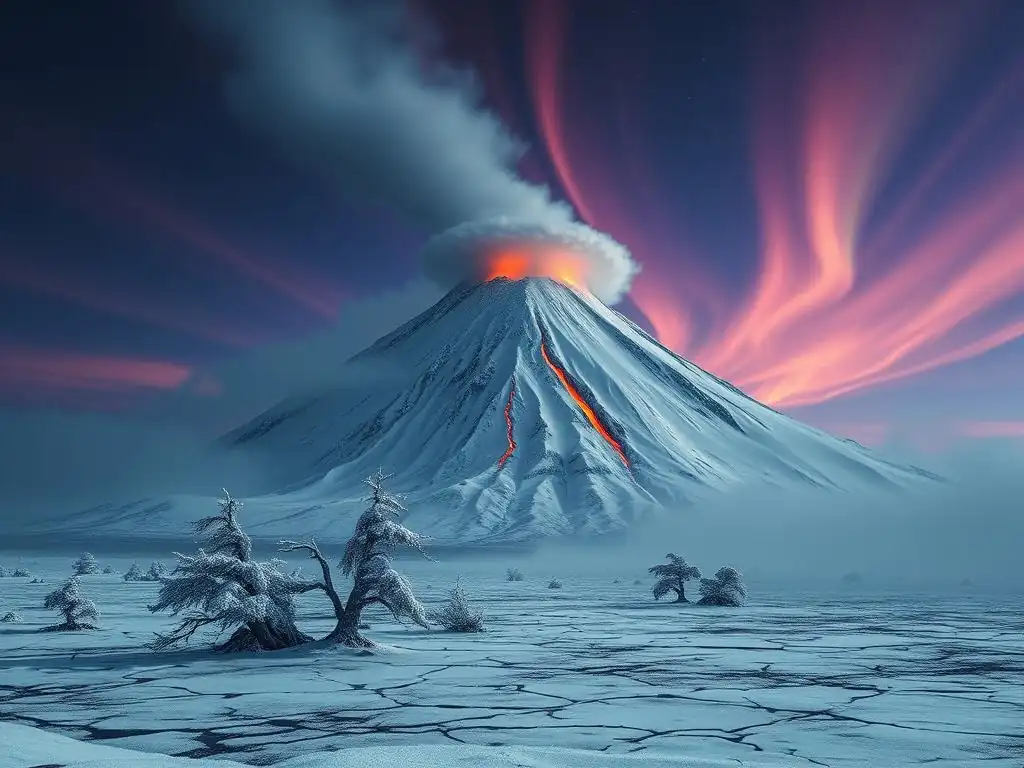
Welcome to Volcano Explorers, where the Earth's fiery heart meets human curiosity! Ever wondered if the chilling grip of the Little Ice Age was more than just a quirk of climate? Prepare to uncover a potentially explosive connection. Delve into our latest exploration of Volcanoes and the Little Ice Age, and discover how colossal eruptions may have dramatically altered the course of history. What secrets lie buried beneath the ash? The answer might surprise you...
- Introduction: Unraveling the Volcanoes and Little Ice Age Connection
- The Little Ice Age: A Period of Global Cooling
- Volcanic Eruptions and Climate Forcing: The Science Explained
- Evidence Linking Volcanoes to the Little Ice Age
- Case Studies: Specific Volcanic Eruptions and the Little Ice Age
- Challenging the Volcano-Driven Little Ice Age Theory
- The Role of Volcanoes in Modern Climate Change
- Conclusion: Volcanoes and the Little Ice Age - A Complex Relationship
-
Frequently Asked Questions
- How did volcanic eruptions potentially contribute to the Little Ice Age?
- What evidence links volcanic activity to the onset of the Little Ice Age?
- Were volcanoes the sole cause of the Little Ice Age?
- How long did the cooling effect from volcanic eruptions typically last?
- What are the implications of understanding the link between volcanoes and climate change today?
- Final Reflection: Echoes of Fire and Ice
- Unearth Your Inner Volcanologist!
Introduction: Unraveling the Volcanoes and Little Ice Age Connection
Setting the Stage: The Little Ice Age and its Mysteries
The Little Ice Age, a period of regional cooling, particularly pronounced in the North Atlantic region, has long puzzled scientists and historians alike. Spanning roughly from the 14th to the mid-19th centuries, this era witnessed colder winters, shorter growing seasons, and significant glacial expansion in many parts of the globe. While the term "Little Ice Age" might suggest a planet-wide deep freeze, the reality was more nuanced, with regional variations in temperature and climate impacts.
Nevertheless, the effects were undeniably felt across Europe, North America, and other regions, leading to societal changes, agricultural challenges, and even influencing artistic and cultural expressions. Understanding the drivers of this notable climatic shift remains a crucial endeavor in climate science, as it offers valuable insights into the Earth's climate system and its sensitivity to various forcing factors.
The quest to understand the Little Ice Age involves exploring a range of potential causes, from solar variability to changes in ocean currents. Among these, the role of volcanic eruptions has emerged as a compelling and increasingly supported theory. Volcanoes, with their capacity to inject massive amounts of gases and particles into the stratosphere, possess a demonstrated ability to alter the Earth's radiative balance and induce global cooling.
The sheer scale and frequency of volcanic activity during certain periods of the Little Ice Age have led researchers to investigate whether these natural events could have been a primary or significant contributor to the observed cooling. This article will delve into the scientific evidence and explore the intriguing link between volcanoes and the climatic conditions of the Little Ice Age.
Introducing the Theory: Volcanic Forcing as a Climate Driver
The theory of volcanic forcing posits that large volcanic eruptions can exert a significant influence on global climate, particularly by causing temporary cooling. This climate forcing mechanism operates primarily through the release of sulfur dioxide gas into the stratosphere, the layer of the atmosphere above the troposphere. Once in the stratosphere, sulfur dioxide undergoes a series of chemical reactions, ultimately forming sulfate aerosols, tiny particles that reflect incoming solar radiation back into space. This process effectively reduces the amount of sunlight reaching the Earth's surface, leading to a decrease in global average temperatures.
The impact of volcanic eruptions on climate is not a uniform, long-lasting effect. Sulfate aerosols have a relatively short residence time in the stratosphere, typically lasting for one to two years after a major eruption. Consequently, the cooling effect is most pronounced in the immediate aftermath of an eruption and gradually diminishes as the aerosols are removed from the atmosphere.
However, a series of large eruptions occurring in relatively short succession could prolong the cooling effect and potentially contribute to longer-term climatic shifts. The Little Ice Age, with its extended period of cooler temperatures, presents a scenario where the cumulative impact of multiple volcanic events could have played a crucial role, making volcanic forcing a key area of investigation in understanding this historical climate anomaly.
The Little Ice Age: A Period of Global Cooling
Defining the Little Ice Age: Timeline and Characteristics
The Little Ice Age (LIA) is conventionally defined as a period of regional cooling that occurred after the Medieval Warm Period and before the onset of modern industrial-era warming. While the exact start and end dates are debated and vary regionally, a commonly accepted timeframe spans from approximately the 14th century to the mid-19th century.
This period is not characterized by a continuous, uniform cold across the globe, but rather by episodes of colder temperatures, particularly in the North Atlantic region, interspersed with periods of relative warmth. The LIA is best understood as a series of climatic fluctuations rather than a single, continuous cold spell.
Key characteristics of the Little Ice Age include glacial advances in mountain ranges worldwide, particularly in Europe and North America. Historical records and proxy data, such as ice cores and tree rings, reveal evidence of colder winters, expanded sea ice in the North Atlantic, and shifts in precipitation patterns in various regions. In Europe, for example, winters were often more severe, leading to frozen rivers and harbors that were typically ice-free.
Agricultural practices were affected by shorter growing seasons and increased frost frequency, impacting crop yields and food availability. The LIA was a period of significant climatic variability and stress, especially in regions sensitive to temperature changes.
The Impact of the Little Ice Age: Societal and Environmental Changes
The Little Ice Age had profound impacts on both human societies and the natural environment. In Europe, the colder temperatures and shorter growing seasons contributed to agricultural crises, including crop failures and famines. Historical records document periods of widespread hardship and social unrest linked to these climate-related challenges. The vulnerability of agrarian societies to climatic fluctuations became acutely apparent during the LIA. For instance, the Great Famine of 1315-1317, occurring at the onset of the LIA, resulted in widespread mortality across Europe and highlighted the precariousness of food security in a cooling climate.
Beyond agriculture, the Little Ice Age influenced various aspects of human life. Changes in sea ice extent impacted maritime activities, including fishing and trade routes. Extreme weather events, such as severe storms and floods, may have become more frequent or intense in some regions.
The environmental consequences were equally significant, with glacial expansion reshaping landscapes, altering river systems, and influencing ecosystems. Tree lines shifted to lower altitudes, and changes in vegetation patterns were observed in response to the altered climate. The Little Ice Age serves as a historical example of how even relatively small shifts in global climate can have far-reaching and multifaceted consequences for both human societies and the natural world.
Volcanic Eruptions and Climate Forcing: The Science Explained
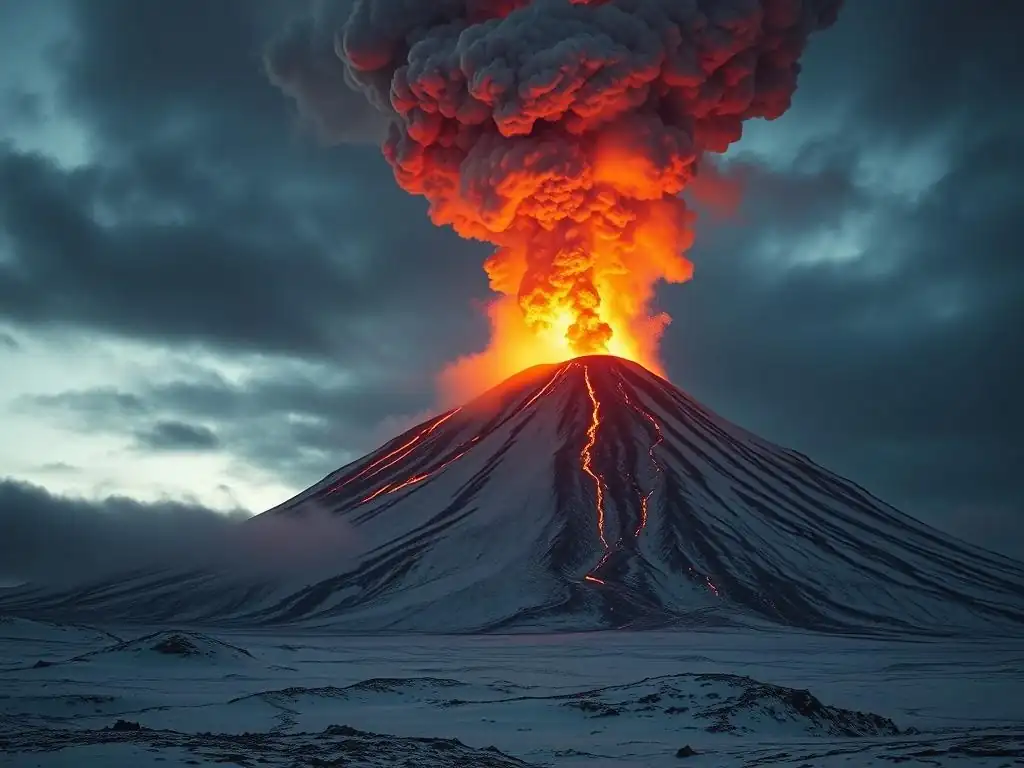
How Volcanoes Affect Global Temperatures: Aerosols and Solar Radiation
Volcanoes influence global temperatures primarily through the injection of sulfur dioxide (SO2) gas into the stratosphere during explosive eruptions. While volcanic ash is visually dramatic, it is relatively heavy and falls out of the atmosphere within days or weeks, having a limited long-term climate impact. It is the sulfur dioxide that plays the critical role in volcanic climate forcing. Upon reaching the stratosphere, SO2 undergoes a process called oxidation, reacting with water vapor and other atmospheric constituents to form sulfate aerosols.
These sulfate aerosols are incredibly small particles, typically in the sub-micrometer range. Their small size allows them to remain suspended in the stratosphere for extended periods, ranging from months to a few years. Crucially, sulfate aerosols are highly reflective of sunlight.
They scatter incoming solar radiation back into space, reducing the amount of solar energy that reaches the Earth's surface and is absorbed by the planet. This reduction in solar energy input leads to a net cooling effect on global temperatures. The magnitude of the cooling depends on the amount of sulfur dioxide injected into the stratosphere and the resulting concentration of sulfate aerosols.
Major Volcanic Eruptions and their Climatic Impact
Throughout history, several exceptionally large volcanic eruptions have demonstrably impacted global climate. The eruption of Mount Tambora in Indonesia in 1815 is perhaps the most famous example. It injected vast quantities of sulfur dioxide into the stratosphere, leading to the infamous "Year Without a Summer" in 1816. Global average temperatures dropped by an estimated 0.4 to 0.7°C, causing widespread crop failures, famine, and social unrest in many parts of the world. This event vividly illustrates the potent climate-altering capacity of major volcanic eruptions.
Another significant eruption was that of Huaynaputina in Peru in 1600. This eruption is linked to a period of colder temperatures in the early 17th century and is considered a potential contributor to the Little Ice Age cooling. More recently, the eruption of Mount Pinatubo in the Philippines in 1991, while smaller than Tambora, still injected a substantial amount of sulfur dioxide into the stratosphere.
Pinatubo led to a measurable global cooling of approximately 0.5°C for one to two years following the eruption, confirming the ongoing relevance of volcanic forcing in the modern climate system. These examples underscore the consistent relationship between large volcanic eruptions and transient global cooling.
Sulfate Aerosols: The Key to Volcanic Cooling Effects
Sulfate aerosols are the linchpin in the mechanism of volcanic cooling. Their unique properties make them highly effective at scattering solar radiation. Unlike larger particles, sulfate aerosols are of a size range that efficiently interacts with sunlight, maximizing their reflective capacity. Furthermore, their longevity in the stratosphere is crucial. The stratosphere is a relatively stable atmospheric layer with limited vertical mixing, allowing sulfate aerosols to persist for longer durations compared to aerosols in the lower troposphere, which are more readily removed by precipitation.
The effectiveness of sulfate aerosols in cooling the planet is also related to their impact on cloud formation. While the primary cooling mechanism is direct reflection of sunlight, sulfate aerosols can also indirectly influence climate by acting as condensation nuclei for cloud droplets. Depending on the specific conditions, this can lead to changes in cloud reflectivity and cloud lifetime, further modulating the Earth's radiative balance.
Therefore, sulfate aerosols are not merely passive reflectors of sunlight but active agents in altering atmospheric processes that ultimately contribute to volcanic cooling. Understanding the complex microphysics and radiative properties of sulfate aerosols is essential for accurately modeling and predicting the climate impacts of volcanic eruptions.
Evidence Linking Volcanoes to the Little Ice Age
Historical Records: Correlating Eruptions with Cold Periods
Historical records offer valuable qualitative evidence suggesting a link between volcanic eruptions and periods of colder climate during the Little Ice Age. Accounts from past centuries describe unusually cold winters, late frosts, and failed harvests following documented volcanic eruptions. For example, following the massive, still not fully located, eruption of Kuwae in 1452-1453, historical chronicles from Europe and Asia report widespread cold conditions, crop failures, and famines.
Wine harvests were delayed, rivers froze earlier and remained frozen longer, and grain prices soared. These anecdotal accounts, while not providing precise temperature measurements, align temporally with known volcanic events and lend support to the idea that eruptions triggered or exacerbated cold periods.
Furthermore, detailed records of weather observations, such as temperature and precipitation, albeit less systematic than modern data, become more available from the 17th century onwards. Analysis of these historical weather diaries and logbooks has revealed correlations between specific volcanic eruptions and subsequent periods of cooler temperatures in regional climates, particularly in Europe. While isolating the volcanic signal from other climate influences in historical records can be challenging, the recurring pattern of cold anomalies following major eruptions strengthens the case for a causal link between volcanoes and climate variability during the Little Ice Age.
Ice Core Data: Tracing Volcanic Ash and Sulfate Deposits
Ice cores retrieved from glaciers and ice sheets in Greenland and Antarctica provide crucial quantitative evidence for the role of volcanoes in the Little Ice Age. These ice cores act as archives of past atmospheric composition, trapping layers of snow and ice that contain volcanic ash (tephra) and sulfate aerosols deposited from past eruptions. By analyzing the chemical composition of ice layers, scientists can identify the timing and magnitude of past volcanic events with remarkable precision. The presence of volcanic sulfate spikes in ice core records is a direct indicator of stratospheric volcanic injections.
Studies of ice cores spanning the Little Ice Age period reveal a notable increase in volcanic sulfate deposition compared to earlier and later periods. These sulfate spikes are often clustered in time, suggesting periods of heightened volcanic activity. Furthermore, detailed analysis of ice core records has allowed researchers to identify specific volcanic eruptions, even those for which there are limited historical records.
By correlating the timing of volcanic sulfate spikes in ice cores with climate proxies, such as temperature reconstructions derived from the same ice cores or other archives, scientists can establish a robust temporal link between volcanic eruptions and periods of colder climate during the Little Ice Age. The ice core data provides compelling evidence for the frequency and intensity of volcanic forcing during this period.
Tree Ring Analysis: Reconstructing Past Climate and Volcanic Activity
Tree ring analysis, or dendroclimatology, offers another independent line of evidence supporting the volcano-Little Ice Age connection. Tree rings are sensitive to climatic conditions, with wider rings typically indicating favorable growing conditions (warmer temperatures, sufficient moisture) and narrower rings indicating stressful conditions (colder temperatures, drought). By analyzing the width and density of tree rings from long-lived trees, scientists can reconstruct past temperature variations with annual resolution, going back centuries or even millennia.
Tree ring chronologies from various regions, particularly in the Northern Hemisphere, show evidence of suppressed tree growth during periods associated with the Little Ice Age. Notably, some tree ring studies have identified "frost ring" events, years in which unusually cold temperatures led to frost damage within the tree rings, indicating exceptionally cold summers. Intriguingly, some of these frost ring years coincide with known major volcanic eruptions, such as the Tambora eruption of 1815.
Furthermore, statistical analyses of long-term tree ring records have revealed a statistically significant relationship between periods of reduced tree growth and periods of inferred increased volcanic activity, as indicated by ice core sulfate records. This convergence of evidence from tree rings and ice cores strengthens the case for volcanoes as a significant driver of climate variability during the Little Ice Age.
Case Studies: Specific Volcanic Eruptions and the Little Ice Age
The Tambora Eruption of 1815: The "Year Without a Summer"
The 1815 eruption of Mount Tambora on the island of Sumbawa, Indonesia, stands as a stark example of a volcanic eruption's profound and immediate impact on global climate. Rated a VEI 7 (Volcanic Explosivity Index), it was one of the largest eruptions in recorded history, ejecting an estimated 100-150 cubic kilometers of volcanic material and releasing massive amounts of sulfur dioxide into the stratosphere. The climatic consequences were felt worldwide in the following year, 1816, famously known as the "Year Without a Summer."
Global average temperatures in 1816 dropped by approximately 0.4 to 0.7°C, a significant cooling event on a global scale. In many parts of the Northern Hemisphere, particularly North America and Europe, summer temperatures were abnormally low. Frosts occurred in June, July, and August, devastating crops and leading to widespread agricultural failures.
New England experienced snow in June, and killing frosts continued throughout the summer. Europe suffered from torrential rains, flooding, and failed harvests, resulting in widespread famine and social unrest. The Tambora eruption and the "Year Without a Summer" serve as a compelling case study demonstrating the immediate and devastating potential of volcanic eruptions to disrupt global climate and impact human societies.
The Kuwae Eruption of 1452-1453: A Possible Trigger?
The eruption of Kuwae, a submarine volcano in the Vanuatu archipelago, around 1452-1453, is increasingly recognized as a potentially pivotal event in the onset of the Little Ice Age. While historical records of this eruption are scarce in Europe, ice core data from both Greenland and Antarctica show a massive volcanic sulfate spike dating to this period, indicating a very large stratospheric sulfur injection, possibly comparable to or even larger than Tambora. However, the exact location and magnitude of the Kuwae eruption were only identified relatively recently through detailed tephra (volcanic ash) analysis and ice core studies.
Climate reconstructions based on tree rings, ice cores, and other proxy data suggest that the mid-15th century experienced a significant shift towards colder temperatures, particularly in the Northern Hemisphere. Some researchers propose that the Kuwae eruption, with its large stratospheric sulfate injection, could have acted as a trigger or significant contributing factor to this climate shift, initiating or amplifying the cooling trend that characterized the early Little Ice Age.
While the precise role of Kuwae in the complex climate dynamics of the 15th century is still under investigation, it highlights the potential for large, even poorly documented, volcanic eruptions to exert long-lasting influence on global climate and potentially act as tipping points in climate transitions.
Lesser-Known Eruptions and their Potential Contribution
Beyond the well-known examples of Tambora and Kuwae, a multitude of other volcanic eruptions occurred during the Little Ice Age period. While individually smaller than Tambora, the cumulative effect of these lesser-known eruptions could have been substantial in sustaining or amplifying the overall cooling trend. Ice core records reveal numerous sulfate spikes throughout the LIA, indicating a period of heightened volcanic activity. Many of these volcanic events are not well-documented in historical archives, particularly those from remote or less-studied volcanic regions.
Recent research efforts are focused on identifying and characterizing these "background" volcanic eruptions during the Little Ice Age. Tephra layers in ice cores are being analyzed to pinpoint the source volcanoes of these eruptions, and geochemical fingerprinting techniques are used to match volcanic ash found in ice cores with specific volcanic centers around the globe.
By reconstructing a more complete picture of volcanic activity during the LIA, scientists aim to assess the overall contribution of volcanic forcing to the prolonged cooling of this period. It is increasingly recognized that the Little Ice Age may not have been solely driven by one or two mega-eruptions, but rather by a more sustained period of enhanced volcanic activity, with numerous eruptions of varying magnitudes contributing to the overall climate forcing.
Challenging the Volcano-Driven Little Ice Age Theory
Alternative Climate Forcing Mechanisms: Solar Activity and Orbital Changes
While volcanic forcing is a strong contender in explaining the Little Ice Age, it is crucial to consider other potential climate forcing mechanisms that could have contributed to or even dominated the observed cooling. Solar variability is one such factor. The Sun's energy output is not constant and fluctuates on various timescales.
Periods of reduced solar activity, such as the Maunder Minimum (roughly 1645 to 1715), a period of very low sunspot activity, have been proposed as a potential driver of colder temperatures during the LIA. Reduced solar irradiance would directly decrease the amount of energy reaching the Earth, leading to cooling.
Changes in Earth's orbital parameters, known as Milankovitch cycles, are another long-term climate forcing mechanism. These cycles involve subtle variations in Earth's orbit and axial tilt, influencing the distribution of solar radiation across the planet over thousands of years. While Milankovitch cycles primarily drive glacial-interglacial cycles on long timescales, they can also contribute to smaller climatic variations over centuries.
It is conceivable that orbital changes could have played a background role in predisposing the Earth towards cooler conditions during the Little Ice Age, making the climate system more susceptible to other forcing factors like volcanic eruptions or solar variability. Therefore, a comprehensive understanding of the LIA requires considering the interplay of multiple climate forcing mechanisms, not just volcanoes in isolation.
Internal Climate Variability: The Role of Ocean Currents
Beyond external forcing factors like volcanoes and solar activity, internal climate variability, particularly changes in ocean circulation patterns, can also play a significant role in decadal to centennial-scale climate fluctuations. Ocean currents redistribute heat around the globe, and shifts in these currents can lead to regional and even global temperature changes.
For example, changes in the Atlantic Meridional Overturning Circulation (AMOC), a major ocean current system in the Atlantic Ocean, have been implicated in past climate variability. A slowdown in the AMOC, which transports warm water northward, could lead to cooling in the North Atlantic region and potentially influence global climate patterns.
The Little Ice Age period may have been influenced by changes in ocean circulation, possibly triggered or amplified by external forcing factors or arising from internal climate system dynamics. Paleoceanographic records, such as sediment cores from the ocean floor, provide information about past ocean temperatures and circulation patterns.
Analysis of these records is ongoing to assess the role of ocean variability in the LIA and to disentangle the relative contributions of internal variability and external forcing factors like volcanoes. Understanding the complex interactions between the atmosphere, oceans, and ice sheets is crucial for a complete picture of the Little Ice Age and its driving mechanisms.
Debates and Controversies within the Scientific Community
The relative importance of volcanoes in driving the Little Ice Age remains a subject of ongoing debate and research within the scientific community. While the evidence for volcanic forcing is strong, particularly for transient cooling events following major eruptions, the extent to which volcanoes were the primary driver of the prolonged cooling of the LIA is still debated. Some researchers emphasize the role of solar variability and internal climate variability as potentially more dominant factors, while others argue for a more prominent role for volcanoes, especially considering the cumulative effect of multiple eruptions over centuries.
One of the challenges in resolving this debate is the complexity of the climate system and the difficulty in precisely quantifying the individual contributions of different forcing factors. Climate models are used to simulate the effects of volcanic eruptions, solar variability, and other forcing mechanisms, but these models are simplifications of the real world and have limitations. Furthermore, proxy data records, while invaluable, have their own uncertainties and limitations in terms of temporal resolution and spatial coverage.
Ongoing research, incorporating new data and improved climate models, is continually refining our understanding of the Little Ice Age and the intricate interplay of factors that shaped this period of climatic cooling. The debate itself is a healthy aspect of scientific inquiry, driving further investigation and leading to a more nuanced and comprehensive understanding of past climate change.
The Role of Volcanoes in Modern Climate Change
Lessons from the Little Ice Age: Understanding Present-Day Climate Forcing
Studying the Little Ice Age and the potential role of volcanoes in its climate dynamics offers valuable lessons for understanding present-day climate change and the complexities of climate forcing. The LIA demonstrates that natural climate forcing mechanisms, such as volcanic eruptions, can exert significant influence on global and regional climates, causing measurable temperature changes and impacting human societies. While the current dominant driver of climate change is anthropogenic greenhouse gas emissions, understanding natural climate variability and forcing is essential for placing human-induced changes in context and for improving climate predictions.
The Little Ice Age also highlights the importance of considering multiple climate forcing factors and their interactions. It is unlikely that any single factor, whether volcanoes, solar variability, or ocean changes, acted in isolation to cause the LIA. Instead, it was likely a combination of factors, potentially amplifying or modulating each other. Similarly, present-day climate change is influenced by a complex interplay of anthropogenic and natural factors. Understanding the relative contributions and interactions of these different forcing agents is crucial for developing effective climate mitigation and adaptation strategies.
Could a Major Eruption Trigger Another Cooling Event?
Given the demonstrated cooling effect of volcanic eruptions, a pertinent question arises: could a major volcanic eruption trigger another cooling event in the context of ongoing global warming? The answer is yes, a large volcanic eruption could certainly cause a temporary global cooling, even in a warming world. The physics of volcanic forcing, through sulfate aerosol injection and solar radiation reflection, remains unchanged. A Tambora-scale or larger eruption today would undoubtedly lead to a measurable drop in global average temperatures for a period of one to two years, potentially offsetting some of the warming caused by greenhouse gases.
However, it is crucial to recognize that volcanic cooling is a transient effect. The cooling would be temporary, lasting only as long as the sulfate aerosols remain in the stratosphere. Once the aerosols are removed, the warming trend driven by greenhouse gas emissions would resume.
Furthermore, the magnitude of volcanic cooling, while significant in the short term, is unlikely to reverse the long-term warming trend caused by the accumulation of greenhouse gases in the atmosphere. Therefore, while a major volcanic eruption could provide a temporary respite from warming, it is not a solution to climate change and would not alter the fundamental need to reduce greenhouse gas emissions to address long-term warming.
Volcanoes as a Factor in Climate Models and Predictions
Volcanoes are increasingly recognized as an important factor to include in climate models and predictions, particularly for decadal-scale climate projections. While long-term climate change is primarily driven by greenhouse gases, volcanic eruptions can introduce significant year-to-year and decadal-scale variability. Accurately representing volcanic forcing in climate models is essential for improving the accuracy of climate predictions, especially for near-term climate projections.
Climate models now routinely incorporate volcanic forcing, using historical records of volcanic eruptions and projections of future volcanic activity. However, predicting the timing and magnitude of future volcanic eruptions remains a significant challenge. Volcanic eruptions are inherently unpredictable events, and there is no reliable way to forecast when and where the next large eruption will occur.
Climate models often rely on statistical representations of volcanic activity, based on past eruption records, to incorporate volcanic forcing into climate projections. Improving our understanding of volcanic processes and developing better ways to represent volcanic forcing in climate models are ongoing areas of research aimed at enhancing the accuracy and reliability of climate predictions.
Conclusion: Volcanoes and the Little Ice Age - A Complex Relationship
Summarizing the Evidence: Volcanoes as a Significant Climate Driver during the Little Ice Age
The evidence strongly suggests that volcanoes played a significant role in the climate dynamics of the Little Ice Age. Ice core records reveal periods of enhanced volcanic activity coinciding with colder periods. Historical accounts document cold years and climate anomalies following major eruptions. Tree ring analysis provides further independent support for reduced tree growth and frost events associated with volcanic events. Case studies of eruptions like Tambora and Kuwae highlight the immediate and potentially long-lasting climate impacts of large volcanic injections of sulfate aerosols into the stratosphere.
While the precise contribution of volcanoes relative to other forcing factors like solar variability and internal climate variability is still debated, the cumulative effect of multiple volcanic eruptions over centuries likely contributed to the overall cooling trend of the Little Ice Age. Volcanic forcing, through the mechanism of sulfate aerosol-induced solar radiation reflection, emerges as a crucial factor in understanding the climate variability of this historical period. The Little Ice Age serves as a compelling example of how natural climate forcing mechanisms, particularly volcanoes, can shape global and regional climates and impact human societies.
Future Research: Unanswered Questions and Ongoing Investigations
Despite significant progress, many unanswered questions remain regarding the precise role of volcanoes in the Little Ice Age and their broader influence on climate. Future research directions include improving the reconstruction of past volcanic eruptions, particularly lesser-known events, and refining the estimates of their sulfur dioxide emissions.
Further analysis of ice cores, tree rings, and other proxy archives is needed to develop more detailed and spatially resolved climate reconstructions for the LIA period. Paleoclimate modeling efforts are ongoing to simulate the climate response to volcanic forcing and to disentangle the relative contributions of different forcing factors and internal climate variability.
Understanding the long-term effects of volcanic eruptions on ocean circulation and ice sheet dynamics is another important area of investigation. The complex interactions between volcanic forcing and other components of the Earth system need further exploration to fully grasp the climate impacts of volcanoes on various timescales. Continued research in these areas will undoubtedly refine our understanding of the volcano-climate connection and provide valuable insights for interpreting past climate changes and improving future climate predictions.
Further Exploration: Resources on Volcanoes and Climate
For readers interested in delving deeper into the fascinating world of volcanoes and their influence on climate, numerous resources are available. Websites like the Smithsonian Institution's Global Volcanism Program (volcano.si.edu) offer comprehensive databases and information on volcanoes worldwide, including eruption histories and characteristics. Organizations such as the National Oceanic and Atmospheric Administration (NOAA) and NASA provide educational materials and data related to climate change and volcanic aerosols.
Scientific journals like "Nature," "Science," and "Geophysical Research Letters" publish cutting-edge research on volcanology and climate science. Exploring these resources will provide a more in-depth understanding of the complex and dynamic relationship between volcanoes and Earth's climate system, and the ongoing quest to unravel the enigmas of past climate events like the Little Ice Age.
Frequently Asked Questions
How did volcanic eruptions potentially contribute to the Little Ice Age?
Volcanic eruptions release large amounts of sulfur dioxide into the atmosphere. This forms sulfate aerosols that reflect sunlight, leading to a temporary cooling effect on the Earth.
What evidence links volcanic activity to the onset of the Little Ice Age?
Scientists analyze ice core samples to find traces of volcanic eruptions. A cluster of large eruptions coincides with the beginning stages of the Little Ice Age.
Were volcanoes the sole cause of the Little Ice Age?
No, while volcanic eruptions played a significant role, they were likely not the only factor. Solar activity fluctuations and changes in ocean circulation patterns also contributed.
How long did the cooling effect from volcanic eruptions typically last?
The immediate cooling effect from a single major eruption usually lasted for a few years. However, a series of eruptions could have maintained a longer-term cooling trend, contributing to the Little Ice Age.
What are the implications of understanding the link between volcanoes and climate change today?
Studying past volcanic impacts helps us better understand the Earth's climate system and the potential consequences of future volcanic eruptions in the context of modern climate change.
Final Reflection: Echoes of Fire and Ice
The evidence presented undeniably links volcanic activity to the onset and perpetuation of the Little Ice Age, highlighting the profound and often underestimated power of natural forces to shape global climate. This connection isn't just a historical curiosity; it serves as a stark reminder of the Earth's delicate balance and the potential for seemingly isolated events to trigger widespread and long-lasting consequences, a lesson acutely relevant in our era of accelerated climate change.
The impact of the Little Ice Age on societies across the globe was profound, from agricultural shifts and economic hardship to artistic inspiration and cultural adaptation. Understanding this historical interplay between volcanic eruptions and climate change is crucial for navigating our present climate challenges, offering valuable insights into the complex systems that govern our planet. The past is never dead. It's not even past.
- William Faulkner. This quote resonates deeply when considering the Little Ice Age, a period whose echoes continue to inform our understanding of climate vulnerability and resilience.
As we grapple with the complexities of modern climate change, let the lessons of the Little Ice Age serve as both a warning and an inspiration. Consider the profound impact of natural events on human civilization and reflect on the interconnectedness of our planet's systems. How can we, as individuals and as a society, learn from the past to mitigate the risks of the future and build a more sustainable and resilient world? The answer, perhaps, lies in acknowledging the power of nature and embracing our responsibility to protect it.
Unearth Your Inner Volcanologist!
Thanks for exploring the fascinating link between volcanoes and the Little Ice Age. We hope you found this article insightful and are ready to learn more. Here's how you can continue your volcanic journey:
- Dive Deeper: Research specific volcanic eruptions, like the 1815 eruption of Mount Tambora, and their impact on global temperatures. Consider exploring the scientific literature on this topic.
- Explore the Volcano Explorers archive for more articles on climate change and volcanic activity. You'll find a wealth of information there.
- Share this article with friends interested in earth science or climate mysteries – sparking discussion helps everyone learn!
What lesser-known volcanic event do you think significantly impacted past climates? Share your thoughts in the comments below!