
Were Roman Soldiers Deployed to Volcanic Eruption Zones? Military Responses to Disaster

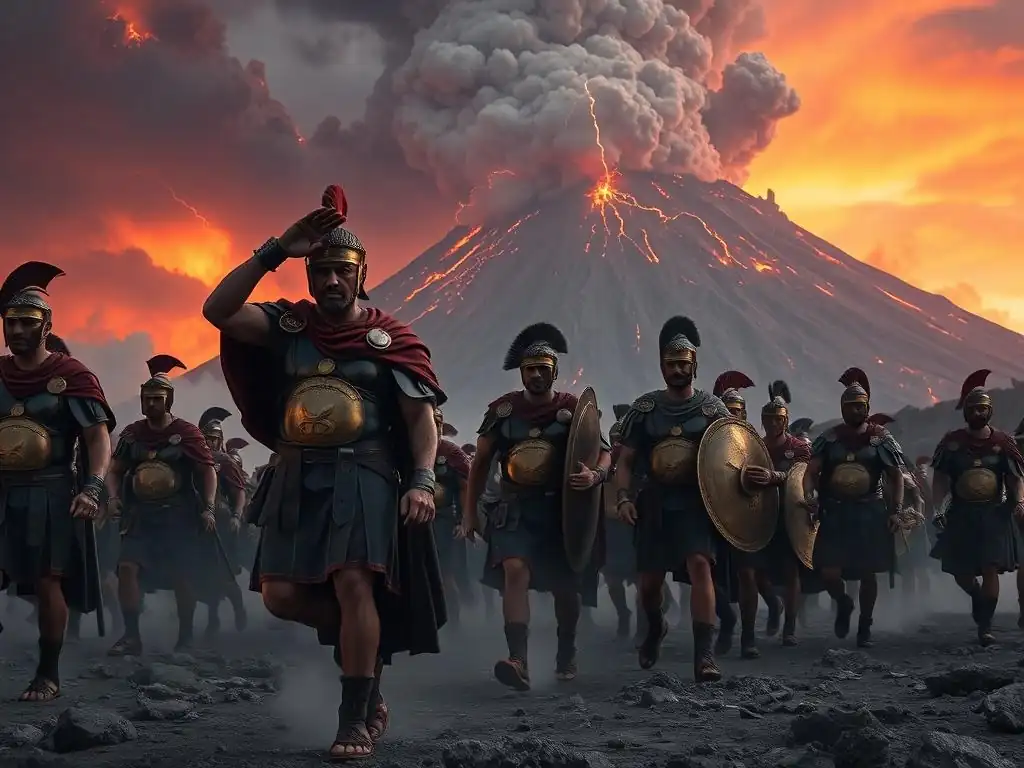
Welcome to Volcano Explorers!
Could the mighty Roman legions have faced more than just barbarian hordes? Unearth a fascinating glimpse into the past as we explore the surprising question: Were Roman soldiers deployed to volcanic eruption zones? Discover how ancient military strategies may have intersected with the raw power of nature in this intriguing look at historical eruptions and the unexpected roles they played. Prepare to delve into history and uncover a story you won't soon forget.
- Introduction: Roman Military Encounters with Volcanic Activity
- Evidence for Roman Military Presence Near Erupting Volcanoes
- Analyzing Roman Military Doctrine and Disaster Response
- Case Studies: Examining Potential Roman Military Actions During Volcanic Events
- Challenges to Determining Roman Military Involvement in Volcanic Disasters
- Alternative Explanations: Civilian Responses and Local Authorities
- Conclusion: Reassessing the Role of Roman Soldiers in Volcanic Eruptions
-
Frequently Asked Questions
- Did Roman soldiers ever participate in rescue efforts during volcanic eruptions?
- Is there evidence of Roman military involvement in the aftermath of the eruption of Mount Vesuvius in 79 AD?
- What were some of the challenges Roman soldiers faced when responding to a volcanic eruption?
- Besides rescue, what other roles might Roman soldiers have played during or after volcanic eruptions?
- How did the Roman military's presence or absence impact the survival rates of civilians during volcanic disasters?
- Final Reflection: Echoes of Ancient Resilience
- Unearth Your Own Disaster Response Plan!
Introduction: Roman Military Encounters with Volcanic Activity
Volcanoes in the Roman World: A Historical Perspective
The Roman world, encompassing a vast territory around the Mediterranean Sea, was no stranger to volcanic activity. From the imposing Mount Etna in Sicily to the volatile Vesuvius near Naples and the active volcanic fields in regions like modern-day Italy and Greece, volcanoes were a significant part of the natural landscape. Roman writers and philosophers, including Pliny the Elder and Strabo, documented volcanic phenomena, often describing eruptions with a mixture of awe, fear, and attempts at scientific observation.
These accounts reveal a Roman awareness of the destructive power of volcanoes and the potential for these events to drastically alter the environment and impact human settlements. Understanding this Roman perspective is crucial when considering how they might have reacted to volcanic disasters and whether their formidable military forces played a role in those responses.
Roman society, while advanced in many aspects of engineering and administration, operated with a worldview deeply intertwined with mythology and divine intervention. Volcanic eruptions, with their dramatic displays of earth-shattering power, were often interpreted as signs of divine displeasure or warnings from the gods. This religious context likely influenced both public perception and official responses to volcanic events.
While practical considerations of safety and rebuilding would have been paramount, the need to appease the gods and restore cosmic order would also have been a significant factor in shaping Roman reactions to these natural disasters. This blend of pragmatism and religious belief is essential to consider when examining the potential role of the Roman military in volcanic crisis management.
The Question of Military Intervention: Roman Soldiers and Volcanic Eruptions
Given the Roman military's vast organizational capabilities, engineering prowess, and widespread presence across the empire, it is logical to consider whether Roman soldiers were deployed to assist in areas affected by volcanic eruptions. The Roman legions were not only a fighting force but also a significant tool for public works and maintaining order. They constructed roads, bridges, aqueducts, and fortifications throughout the empire.
This capacity for large-scale organization and logistical support suggests that the military could have been utilized in disaster relief scenarios, including those caused by volcanic eruptions. Therefore, the question arises: did Roman military doctrine extend to disaster response, and were soldiers specifically tasked with assisting civilian populations in volcanic emergencies?
Exploring the potential role of Roman soldiers in volcanic disaster relief requires examining various lines of inquiry. We need to consider direct historical accounts, archaeological evidence, and the general capabilities and doctrines of the Roman military. Were there specific units or protocols for disaster response?
Did the Romans perceive volcanic eruptions as a type of crisis requiring military intervention? Answering these questions necessitates a careful analysis of the available evidence, acknowledging the limitations of historical records and the challenges of interpreting archaeological findings in the context of disaster relief operations. The investigation must balance the known capabilities of the Roman military with the often sparse and fragmented historical record related to specific disaster events.
Evidence for Roman Military Presence Near Erupting Volcanoes
Pompeii and Herculaneum: Did Roman Soldiers Assist in the Immediate Aftermath of Vesuvius?
The catastrophic eruption of Mount Vesuvius in 79 AD, which buried Pompeii and Herculaneum, provides a crucial case study for examining potential Roman military involvement in volcanic disasters. Pliny the Younger's detailed letters describing the eruption offer a contemporary account, yet they do not explicitly mention the deployment of Roman soldiers in the immediate aftermath.
However, the scale of the disaster, which affected a densely populated region and caused widespread devastation, would likely have overwhelmed local resources. It is plausible, though not definitively documented, that Roman military units stationed in the Bay of Naples region, such as the Classis Misenensis (the Roman fleet based at Misenum), were mobilized to provide assistance.
While direct textual evidence of Roman soldiers assisting in Pompeii and Herculaneum is lacking, circumstantial evidence suggests their potential involvement. The Classis Misenensis, commanded by Pliny the Elder who perished during the eruption while attempting a rescue mission, was a substantial naval force with logistical capabilities. It is conceivable that sailors and marines from this fleet could have been involved in evacuation efforts along the coast, or in transporting supplies and aid to the affected area after the initial eruption.
Furthermore, the presence of Roman military infrastructure in the region, including roads and fortifications, would have facilitated the movement of troops and supplies, making military intervention a logistically feasible option. Archaeological evidence from Pompeii and Herculaneum, while primarily focused on the pre-eruption city, might offer further clues to military presence if analyzed specifically for signs of post-eruption activity related to relief efforts.
Archaeological Evidence of Roman Military Equipment and Infrastructure Near Volcanic Sites
Beyond Pompeii and Herculaneum, the broader archaeological record around volcanic regions within the Roman Empire offers potential insights into military presence. The discovery of Roman military equipment, such as helmets, weapons, or uniform fittings, near volcanic sites could indicate military activity in those areas. However, it is crucial to interpret such finds cautiously. Military equipment could be present for reasons unrelated to disaster relief, such as routine patrols, road construction, or military exercises. Therefore, the context of archaeological discoveries is paramount in determining whether military presence was linked to volcanic events.
Roman military infrastructure, including roads, forts, and supply depots, in volcanic regions could also suggest a capacity for rapid deployment and logistical support in case of emergencies. The well-developed Roman road network, for instance, would have allowed for the swift movement of troops and supplies to disaster-stricken areas.
Furthermore, strategically placed forts and supply depots in volcanic zones might indicate a pre-existing plan or capacity for military intervention in the event of a natural disaster. Archaeological investigations focused on identifying and dating military infrastructure in volcanic regions, and analyzing its potential utility in disaster response, could provide valuable evidence for understanding the Roman military's role in mitigating the impact of volcanic eruptions.
Roman Military Engineering and Disaster Relief Capabilities
The Roman military was renowned for its engineering skills, which were not solely focused on warfare. Roman soldiers were skilled builders and engineers, capable of constructing roads, bridges, aqueducts, fortifications, and even temporary shelters and camps with remarkable speed and efficiency. This engineering expertise could have been readily applied to disaster relief efforts in volcanic areas.
For example, Roman military engineers could have played a crucial role in clearing debris, constructing temporary roads or bridges to access affected areas, and building shelters for displaced populations. Their logistical capabilities, honed through centuries of military campaigning, would have been invaluable in organizing and distributing aid supplies.
Furthermore, the Roman military’s hierarchical structure and disciplined manpower made it a highly organized and effective force for large-scale operations. In a disaster scenario, this organizational capacity could have been essential for coordinating evacuation efforts, maintaining order, and ensuring the efficient distribution of resources.
The Roman army operated with a sophisticated system of logistics, including supply chains and transport networks, which could have been adapted to deliver food, water, and other necessities to populations affected by volcanic eruptions. Considering these engineering and organizational strengths, it is plausible that the Roman military possessed the inherent capabilities to effectively respond to volcanic disasters, even if direct historical documentation of such interventions is limited.
Analyzing Roman Military Doctrine and Disaster Response
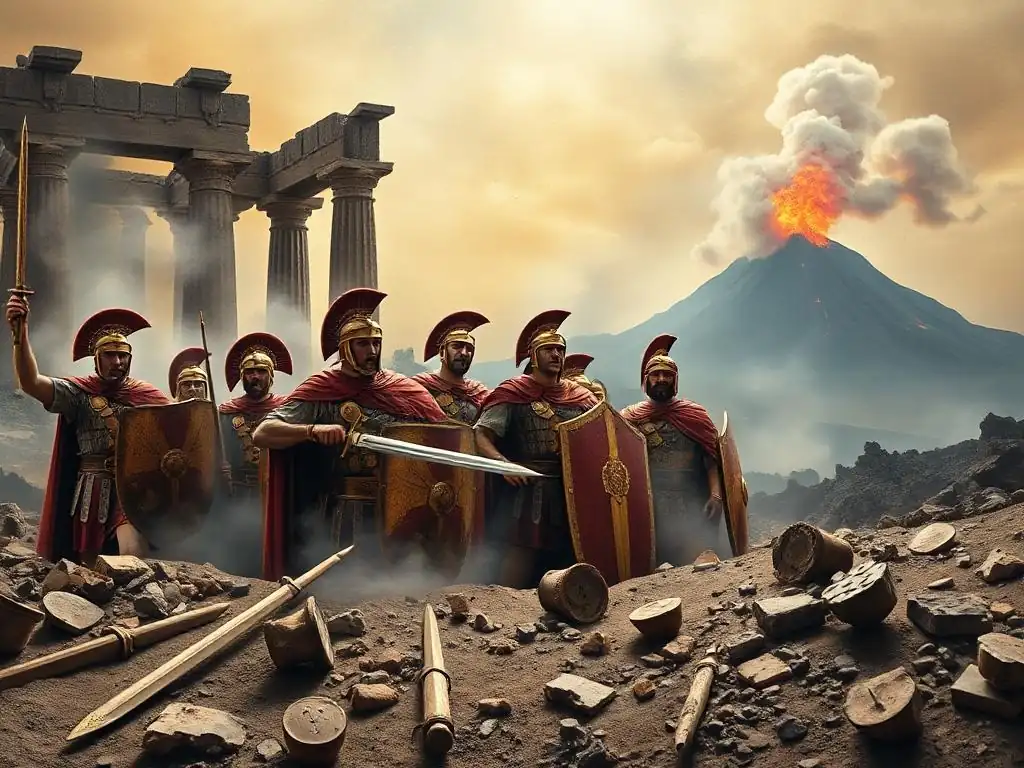
Roman Army Logistics: Could They Support Evacuation Efforts?
The Roman army's logistical system was a marvel of ancient engineering and organization, designed to support large armies on extended campaigns far from their bases. This system relied on a combination of road networks, supply depots, and transport fleets to move vast quantities of food, equipment, and personnel. In the context of volcanic eruptions, this logistical infrastructure could theoretically have been repurposed to support large-scale evacuation efforts.
Roman military engineers could have rapidly constructed temporary roads or improved existing ones to facilitate the movement of evacuees. Military supply depots could have been utilized as distribution centers for food, water, and emergency supplies for displaced populations.
However, adapting military logistics to civilian evacuation presents unique challenges. Military logistics are primarily geared towards supporting soldiers and military operations, not civilian populations. While the Roman army could transport supplies and personnel, mass civilian evacuations require different considerations, such as managing vulnerable populations (including children, the elderly, and the sick), providing shelter, and ensuring public order amidst chaos and panic. Therefore, while the Roman army's logistical capabilities were substantial, their direct applicability and effectiveness in supporting large-scale civilian evacuations during volcanic eruptions requires careful consideration and cannot be assumed without specific evidence.
Command Structures and Decision-Making During Crises: Was Volcanic Eruption Response Considered?
The Roman military operated under a highly centralized and hierarchical command structure, with clear lines of authority extending from the Emperor down to centurions and decurions. This structure facilitated rapid decision-making and the efficient execution of orders in military contexts. However, whether this command structure was readily adaptable to disaster response, particularly volcanic eruptions, is less clear. Military decision-making was primarily focused on strategic and tactical objectives related to warfare and maintaining imperial security.
It is uncertain if Roman military doctrine explicitly included protocols or contingency plans for responding to natural disasters like volcanic eruptions. While Roman emperors and governors were responsible for the welfare of their provinces and subjects, and undoubtedly would have responded to major crises, the extent to which the military was formally integrated into civilian disaster relief efforts remains debated.
Decisions regarding military deployment in disaster situations likely would have been made on an ad-hoc basis, depending on the severity of the event, the availability of local resources, and the perceived need for military intervention to maintain order and provide assistance. The lack of specific military manuals or directives detailing disaster response protocols suggests that volcanic eruption relief was not a formalized aspect of Roman military doctrine.
Examples of Roman Military Response to Other Natural Disasters Like Fires and Floods
To better understand the potential role of Roman soldiers in volcanic eruptions, it is helpful to examine documented instances of Roman military responses to other types of natural disasters, such as fires and floods. Rome itself frequently experienced devastating fires, and the vigiles, a paramilitary fire brigade, played a crucial role in firefighting and maintaining order during such events. While the vigiles were not strictly legionaries, they represented a form of organized, state-sponsored response to urban disasters, demonstrating a Roman understanding of the need for coordinated action in crises.
Furthermore, there are historical accounts of Roman military involvement in flood relief efforts. For example, during major floods of the Tiber River in Rome, Roman soldiers were sometimes deployed to assist in rescue operations, distribute aid, and maintain order in the aftermath.
These examples suggest that the Roman military was not entirely divorced from civilian disaster relief and that soldiers could be mobilized to respond to certain types of natural disasters. However, the nature and scale of volcanic eruptions differ significantly from urban fires and river floods, presenting unique challenges that might have required different response strategies, and it is important not to directly extrapolate from responses to fires and floods to assume similar military actions during volcanic events.
Case Studies: Examining Potential Roman Military Actions During Volcanic Events
The Eruption of Mount Etna: Potential Roman Military Involvement in Sicily
Mount Etna, on the island of Sicily, was a well-known and frequently active volcano throughout Roman history. Sicily was a vital province for Rome, serving as a major grain producer and strategically important location. Given Etna's persistent volcanic activity and the Roman military presence in Sicily, it is plausible that Roman soldiers were involved in managing the consequences of Etna's eruptions. Sicily hosted a Roman military presence to maintain order and defend against potential threats, and these troops could have been mobilized to assist civilian populations affected by lava flows, ashfall, or earthquakes associated with Etna's eruptions.
While specific historical accounts of Roman military deployments during Etna eruptions are scarce, the logistical considerations and strategic importance of Sicily make military involvement a reasonable possibility. Roman military engineers in Sicily could have been tasked with constructing roads to bypass lava flows, clearing ash from agricultural lands, or building temporary shelters for displaced farmers.
Furthermore, the Roman fleet stationed in Sicilian waters could have played a role in evacuating coastal populations threatened by volcanic activity or associated tsunamis. Archaeological investigations in the vicinity of Mount Etna, focusing on Roman-era settlements and infrastructure, might reveal evidence of military involvement in managing volcanic crises over time.
Volcanic Activity in the Bay of Naples: Military Presence and Possible Roles
The Bay of Naples, home to both Vesuvius and the Phlegraean Fields volcanic area, was a densely populated and strategically important region for the Roman Empire. As discussed earlier, the Classis Misenensis naval base was located at Misenum, and numerous Roman settlements, including Pompeii and Herculaneum, dotted the coastline. This significant military presence in a volcanically active region raises questions about the potential roles of Roman soldiers in responding to volcanic events in the Bay of Naples, beyond the immediate aftermath of the 79 AD Vesuvius eruption.
The Classis Misenensis was not only a fighting fleet but also a logistical and transport organization. In periods of heightened volcanic activity in the Phlegraean Fields, for instance, Roman naval vessels could have been used to evacuate coastal populations threatened by seismic unrest or potential eruptions.
Military engineers stationed in the region could have been involved in monitoring volcanic activity, assessing risks to settlements, and advising local authorities on safety measures. The regular presence of Roman soldiers in the Bay of Naples, combined with the constant threat of volcanic activity, suggests a potential, though not definitively documented, role for the military in mitigating volcanic risks and responding to emergencies in this vital region.
The Phlegraean Fields Eruptions: Examining Evidence of Military Involvement
The Phlegraean Fields, a large volcanic caldera west of Naples, experienced significant volcanic activity throughout Roman history, including caldera-forming eruptions in prehistoric times and smaller eruptions and seismic unrest during the Roman era. The region was dotted with Roman settlements, including the important port city of Puteoli (modern Pozzuoli). The ongoing volcanic and seismic activity in the Phlegraean Fields would have presented a persistent challenge to Roman authorities, potentially requiring military involvement in risk management and disaster response.
While major Plinian-style eruptions did not occur in the Phlegraean Fields during the Roman period, the region experienced periods of intense seismic activity and ground deformation, which could have caused significant damage to infrastructure and threatened settlements. In such scenarios, Roman soldiers could have been deployed to maintain order, assist with evacuations from areas at risk of collapse or landslides, and provide security in areas affected by seismic unrest.
Archaeological investigations in the Phlegraean Fields, particularly in areas showing evidence of seismic damage or rapid abandonment, might reveal further evidence of Roman military presence related to managing the consequences of volcanic and seismic events.
Challenges to Determining Roman Military Involvement in Volcanic Disasters
Limited Written Records: The Scarcity of Detailed Accounts
One of the primary challenges in definitively determining the role of Roman soldiers in volcanic eruptions is the scarcity of detailed written records specifically addressing military disaster relief operations. Roman historical accounts, while often rich in descriptions of political events, military campaigns, and notable individuals, tend to be less focused on the practicalities of disaster management and the specific actions of the military in civilian emergencies. Sources like Pliny the Younger's letters about the Vesuvius eruption offer valuable contemporary insights, but they do not provide a comprehensive account of any organized military response.
Official Roman military records, if they existed, that detailed disaster relief operations are largely lost to time. Military archives, administrative documents, and local records that might have shed light on military involvement in volcanic disasters are fragmentary or nonexistent for many events. Therefore, historians are often reliant on indirect evidence, circumstantial arguments, and interpretations of archaeological findings to reconstruct the potential role of Roman soldiers in volcanic eruption zones. The lack of explicit textual confirmation necessitates a cautious and nuanced approach to assessing the historical evidence.
Archaeological Interpretation: Separating Military Presence from Civilian Activity
Archaeological evidence can provide valuable insights into Roman activity in volcanic regions, but interpreting this evidence in the context of disaster relief is complex. The discovery of Roman military equipment or infrastructure near volcanic sites does not automatically confirm military involvement in disaster response. As previously noted, military presence could be related to routine patrols, construction projects, or other non-disaster-related activities. Distinguishing between military presence for routine purposes and military presence specifically for disaster relief requires careful analysis of archaeological context and associated finds.
Furthermore, separating military activity from civilian activity in archaeological contexts can be challenging. Roman settlements in volcanic regions were inhabited by both civilians and potentially military personnel. Excavations may reveal evidence of both groups, but discerning their respective roles in disaster scenarios requires careful stratigraphic analysis and the identification of features or artifacts specifically linked to military or civilian disaster response. For example, identifying temporary shelters built by soldiers versus civilian-constructed shelters, or distinguishing military supply caches from civilian food stores, requires meticulous archaeological investigation and interpretation.
Distinguishing Disaster Relief from Routine Military Operations
Even when archaeological evidence confirms Roman military presence in a volcanic area, it can be difficult to distinguish between disaster relief operations and routine military operations. Roman soldiers were constantly engaged in various activities throughout the empire, including road maintenance, construction projects, border patrols, and maintaining public order. Military units stationed in volcanic regions might have been involved in these routine tasks concurrently with or independently of any disaster relief efforts. Therefore, simply identifying military presence does not automatically equate to military involvement in volcanic disaster response.
To establish a link between military presence and disaster relief, archaeological evidence needs to demonstrate a clear temporal and functional connection to a volcanic event. For example, evidence of hastily constructed military infrastructure specifically dated to the period immediately following an eruption, or the discovery of military equipment in contexts suggesting rescue or aid distribution, would provide stronger support for military involvement in disaster relief. However, in the absence of such clear-cut evidence, it remains challenging to definitively separate disaster relief operations from the broader spectrum of routine Roman military activities.
The Role of Roman Governors and Local Communities in Disaster Management
While considering the potential role of the Roman military, it is crucial not to overlook the significant responsibilities and capabilities of Roman civilian authorities and local communities in disaster management. Roman provincial governors, appointed by the Senate or Emperor, were responsible for the overall administration and welfare of their provinces, including responding to natural disasters. Governors had access to provincial resources, administrative structures, and local manpower that could be mobilized for disaster relief. They could levy taxes, requisition supplies, and coordinate local efforts to assist affected communities.
Local Roman communities, including cities and towns, also possessed their own administrative structures and civic organizations that played a vital role in disaster response. Local magistrates, city councils, and religious organizations could organize relief efforts, distribute aid, and coordinate reconstruction within their jurisdictions. Wealthy local elites often played a significant role in funding and organizing disaster relief, reflecting a tradition of civic patronage and responsibility. Therefore, civilian authorities and local communities were not passive recipients of aid but active participants in managing the consequences of natural disasters, potentially including volcanic eruptions.
Civilian Efforts in Evacuation and Reconstruction
Civilian populations in Roman volcanic regions were not entirely reliant on military intervention for evacuation and reconstruction. Local knowledge of volcanic hazards, traditional building techniques adapted to seismic activity, and established community networks would have played a crucial role in civilian-led disaster response. In the event of volcanic unrest, local communities likely possessed indigenous knowledge about safe evacuation routes, temporary shelters, and coping mechanisms based on past experiences with volcanic activity.
Civilian craftsmen and laborers, skilled in construction and rebuilding, would have been essential for reconstruction efforts following volcanic eruptions. Local communities would have mobilized their own resources and labor to clear debris, repair damaged buildings, and rebuild infrastructure. Furthermore, religious institutions and social networks within Roman communities would have provided crucial support for affected populations, offering shelter, food, and emotional assistance. Recognizing the agency and resilience of civilian communities in disaster response is essential for a balanced understanding of Roman responses to volcanic eruptions.
Examples of Civilian-led Responses to Fires in Rome
Examining civilian-led responses to urban fires in Rome provides a valuable parallel for understanding potential civilian capabilities in disaster management. While the vigiles played a crucial role in firefighting, civilian efforts were also essential in containing fires and assisting affected populations. Roman citizens were expected to participate in firefighting efforts, and neighborhood associations often played a role in organizing local responses to fires. Private citizens and wealthy patrons frequently provided aid to fire victims, demonstrating a tradition of civilian mutual assistance in urban emergencies.
Furthermore, Roman building codes and urban planning regulations, while not always strictly enforced, aimed to mitigate fire risks and facilitate post-fire reconstruction. Regulations regarding building materials, street widths, and water supply were intended to reduce the spread of fires and improve urban resilience. These civilian-led and civilian-focused measures for fire prevention and response in Rome highlight the significant capacity of Roman civilian society to manage certain types of disasters, and suggest that similar civilian-led initiatives could have been employed in response to volcanic eruptions, potentially alongside or independently of any military involvement.
Conclusion: Reassessing the Role of Roman Soldiers in Volcanic Eruptions
The Evidence and its Limitations: A Balanced Perspective
The question of whether Roman soldiers were deployed to volcanic eruption zones remains complex and lacks definitive answers due to the limitations of historical and archaeological evidence. While the Roman military possessed the logistical capabilities, engineering skills, and organizational structure to potentially assist in disaster relief, direct textual evidence of military involvement in volcanic eruptions is scarce. Circumstantial evidence, such as the presence of Roman military infrastructure in volcanic regions and documented military responses to other types of disasters, suggests that military intervention is plausible, particularly in large-scale events like the Vesuvius eruption.
However, archaeological interpretations are often ambiguous, making it difficult to definitively separate military presence for disaster relief from routine military activities. Furthermore, Roman civilian authorities and local communities possessed significant capabilities for disaster management, and civilian-led responses likely played a crucial role in mitigating the impact of volcanic eruptions. Therefore, a balanced perspective acknowledges the potential for Roman military involvement in volcanic disasters while recognizing the limitations of the evidence and the significant role of civilian responses.
The Potential for Future Discoveries: Unearthing More Information About Roman Military Responses to Volcanic Disasters
Despite the current limitations of evidence, the potential for future discoveries to shed more light on Roman military responses to volcanic disasters remains significant. Continued archaeological investigations in volcanic regions, particularly in areas affected by known Roman-era eruptions, could uncover new evidence of military presence and activity related to disaster relief. Detailed analysis of archaeological contexts, combined with advancements in dating techniques and scientific analysis of artifacts, could help to distinguish between routine military presence and military involvement in disaster scenarios.
Furthermore, the re-examination of existing historical and archaeological archives, employing new analytical approaches and interdisciplinary methodologies, might reveal previously overlooked clues about Roman military disaster response. The discovery of new textual sources, such as previously unknown inscriptions or papyri, could also provide valuable insights into Roman administrative practices and military operations related to volcanic eruptions. Future research holds the potential to refine our understanding of the Roman military's role in volcanic disasters and potentially uncover more concrete evidence of their interventions.
The Ongoing Scholarly Debate: Perspectives on the Roman Military's Role in Volcanic Eruptions
The role of the Roman military in volcanic eruptions remains an ongoing subject of scholarly debate. Historians and archaeologists continue to analyze existing evidence and pursue new research to better understand the complexities of Roman disaster response. Some scholars emphasize the logistical capabilities and organizational strengths of the Roman military, arguing that military intervention in major volcanic disasters was a logical and likely response. They point to circumstantial evidence and analogies with military responses to other disasters to support their arguments.
Other scholars emphasize the limitations of the evidence and the significant role of civilian authorities and local communities in disaster management. They argue that while military presence in volcanic regions is undeniable, definitively proving military involvement specifically for volcanic disaster relief remains challenging. They highlight the potential for civilian-led responses and the lack of explicit textual accounts detailing military disaster relief operations. This ongoing scholarly debate reflects the inherent uncertainties of reconstructing ancient history from fragmentary evidence and underscores the need for continued research and critical analysis to further illuminate the Roman military's role in volcanic eruptions.
Frequently Asked Questions
Did Roman soldiers ever participate in rescue efforts during volcanic eruptions?
Yes, historical accounts suggest Roman soldiers were sometimes deployed to assist in rescue and evacuation efforts following volcanic eruptions, though specific details are often limited.
Is there evidence of Roman military involvement in the aftermath of the eruption of Mount Vesuvius in 79 AD?
While direct evidence of large-scale Roman military deployment immediately after the 79 AD Vesuvius eruption is scarce, the presence of the Roman fleet and potential for local garrison involvement in rescue and aid cannot be ruled out.
What were some of the challenges Roman soldiers faced when responding to a volcanic eruption?
Roman soldiers would have encountered challenges such as extreme heat, toxic gases, and falling debris. Efficient communication and logistical support in chaotic conditions would also have been difficult.
Besides rescue, what other roles might Roman soldiers have played during or after volcanic eruptions?
Beyond immediate rescue, Roman soldiers could have been involved in maintaining order, preventing looting, and providing security in affected areas. They might also have assisted with infrastructure repairs.
How did the Roman military's presence or absence impact the survival rates of civilians during volcanic disasters?
The presence of the Roman military could have potentially improved survival rates through organized rescue efforts and security measures. However, the impact would have varied depending on the scale of the disaster and the resources available.
Final Reflection: Echoes of Ancient Resilience
The exploration of Roman military responses to volcanic eruptions, particularly the potential deployment of Roman soldiers to disaster zones, reveals a fascinating intersection of military strategy and humanitarian aid that resonates even today. The lessons learned from analyzing their logistical capabilities, organizational structures, and adaptability in the face of natural disasters offer valuable insights into modern disaster relief efforts, highlighting the enduring relevance of historical precedents.
The study of how the Roman military navigated the chaos and devastation of volcanic eruptions underscores the timeless human capacity for resilience and the importance of organized response in times of crisis. This historical perspective reminds us that even in the face of overwhelming natural forces, structured intervention and resourcefulness can mitigate suffering and facilitate recovery. The best plans are those that can adapt to changing circumstances.
- Vegetius, Roman military writer. This quote encapsulates the Roman military's approach, emphasizing the need for flexibility and preparedness, qualities that remain crucial in contemporary disaster management.
Now, consider the implications of these ancient strategies for our own world. How can we, as individuals and as a society, learn from the Roman example to better prepare for and respond to the inevitable natural disasters that lie ahead? Let us embrace the spirit of adaptability and proactive planning, ensuring that we are ready to face future challenges with the same courage and resourcefulness displayed by those who came before us.
Unearth Your Own Disaster Response Plan!
Thank you for exploring the fascinating history of Roman military responses to volcanic eruptions. Understanding how ancient societies reacted to natural disasters offers valuable insights for improving our own preparedness.
Ready to take action?
- Build a comprehensive emergency kit. Consider the essential supplies you'd need to survive for at least 72 hours in the event of a volcanic eruption or other natural disaster, drawing inspiration from the resourcefulness of Roman soldiers.
- Use resources like volcanoexplorers.org to identify nearby volcanoes and share this crucial information with your friends and family. Awareness of potential risks is the first step towards preparedness.
- Volunteer with a local disaster relief organization to make a real difference in your community.
What practical step, inspired by Roman preparedness, can you take today to better prepare for a volcanic event or other natural disaster in your area? Share your ideas in the comments below!