
The Economic Spectacle of Spatter Cones: Even Smaller Volcanoes Can Draw Tourist Dollars

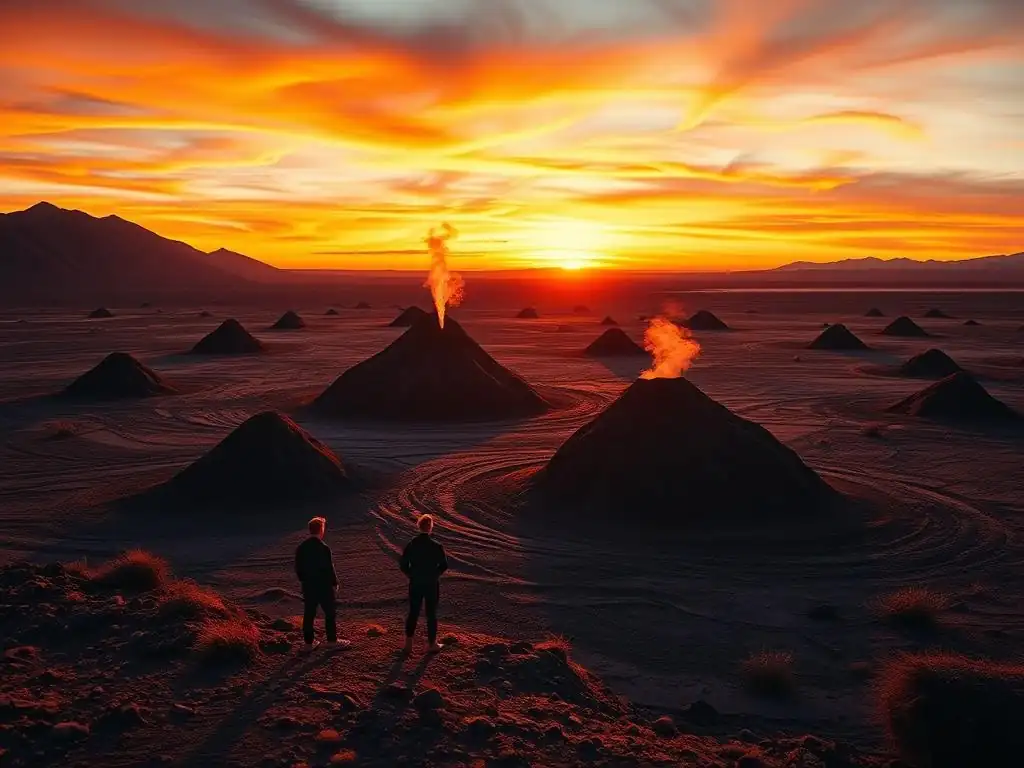
Welcome to Volcano Explorers, where the earth breathes fire and molten rock paints the landscape. Have you ever considered that even the smallest volcanic features could fuel local economies? Dive in to discover the surprising economic spectacle of spatter cones and their potential as tourist attractions. Prepare to be amazed by how these seemingly insignificant formations can draw tourist dollars, and unlock the secrets hidden within their fiery origins.
- The Economic Spectacle of Craters of the Moon National Monument: How Volcanic Landscapes Draw Tourist Dollars
- Introduction: Unveiling the Craters of the Moon's Tourist Attraction Potential
- Understanding Craters of the Moon: Formation and Characteristics
- The Allure of Craters of the Moon: Why Tourists Visit
- Case Studies: Craters of the Moon as a Successful Tourist Destination
- Maximizing Craters of the Moon Tourist Attraction Potential
- Overcoming Challenges in Craters of the Moon Tourism
- The Future of Craters of the Moon Tourism: Trends and Opportunities
- Conclusion: Craters of the Moon - A Volcanic Landscape, Big Economic Impact
-
Frequently Asked Questions
- What exactly is a spatter cone, and why are they relevant to tourism?
- How can spatter cones be developed as tourist attractions?
- What are some potential economic benefits of promoting spatter cones for tourism?
- What are the safety considerations when visiting or developing a spatter cone tourist attraction?
- What other types of volcanoes have proven successful as tourist destinations, and what lessons can be learned from them?
- Final Reflection: Igniting Potential from Volcanic Ash
- Unearth Your Inner Volcanologist!
The Economic Spectacle of Craters of the Moon National Monument: How Volcanic Landscapes Draw Tourist Dollars
Introduction: Unveiling the Craters of the Moon's Tourist Attraction Potential
Beyond Active Volcanoes: Recognizing the Appeal of Volcanic Landscapes
Volcano tourism often conjures images of fiery eruptions and steaming craters, but the allure of volcanic landscapes extends far beyond active sites. Places like Craters of the Moon National Monument in Idaho demonstrate that even dormant volcanic fields, characterized by vast lava flows and unique geological formations, can hold significant tourist attraction potential.
These landscapes, often stark and seemingly desolate, possess a unique beauty and scientific interest that captivates visitors from around the globe. The quiet grandeur of these volcanic remnants offers a different, yet equally compelling, experience compared to the dramatic spectacle of an active volcano, proving that the economic benefits of volcano tourism are diverse and geographically widespread.
The appeal of these landscapes lies in their ability to transport visitors to another world. The otherworldly terrain of solidified lava, sculpted by time and geological processes, offers a tangible connection to Earth's powerful forces. Unlike the immediate thrill of witnessing an eruption, these volcanic monuments invite contemplation and exploration.
They offer a chance to understand the deep history of our planet, the processes that shaped it, and the resilience of life in even the most seemingly inhospitable environments. This intrinsic educational and experiential value forms a strong foundation for the tourist attraction potential of volcanic landscapes like Craters of the Moon.
Volcano Tourism: A Growing Market Segment
Volcano tourism is a niche but increasingly popular segment within the broader tourism industry. Driven by a growing interest in adventure travel, geotourism, and educational experiences, more and more people are seeking out volcanic destinations. This trend is not solely focused on active volcanoes; sites showcasing past volcanic activity, such as lava fields, volcanic caves, and unique rock formations, are also gaining traction. The global geotourism market, of which volcano tourism is a significant component, has seen consistent growth, reflecting a shift towards experiences that are both enriching and environmentally conscious.
The economic impact of volcano tourism can be substantial, particularly for regions that might otherwise lack major industries. From local businesses providing guided tours and accommodations to national parks generating revenue and employment, the benefits can ripple through communities. Furthermore, the seasonality often associated with traditional tourism can be less pronounced in volcano tourism, as many volcanic landscapes offer year-round appeal, whether for summer hiking or winter snowshoeing. Craters of the Moon National Monument serves as a prime example of how a volcanic landscape, strategically managed and promoted, can become a cornerstone of a regional economy.
Understanding Craters of the Moon: Formation and Characteristics
What are Craters of the Moon? A Volcanological Overview
Craters of the Moon National Monument and Preserve, located in south-central Idaho, is a vast and remarkably preserved volcanic landscape. Despite its name, it is not a collection of impact craters but rather a volcanic rift zone. This zone is part of the Snake River Plain, a large volcanic province created by the movement of the North American plate over a stationary mantle plume, often referred to as the Yellowstone hotspot track. The monument showcases diverse volcanic features resulting from multiple eruptive episodes over thousands of years.
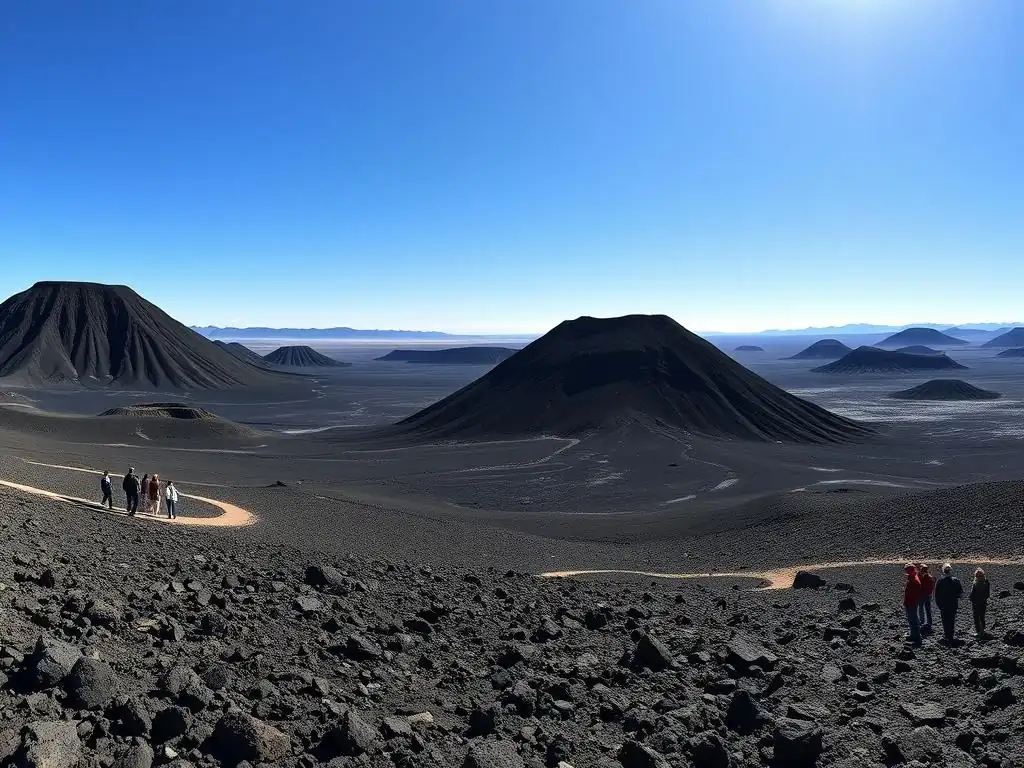
The landscape is characterized by vast fields of basaltic lava flows, cinder cones, lava tubes (caves), and spatter cones, though the latter are not the dominant feature. The black, solidified lava contrasts sharply with the surrounding sagebrush steppe, creating a visually striking and otherworldly environment. The volcanic rocks are primarily basalt, a dark-colored, fine-grained igneous rock rich in iron and magnesium, typical of shield volcanoes and lava flows. Craters of the Moon offers a textbook example of basaltic volcanism and the landforms it creates.
Formation Process: How the Landscape Was Created
The formation of Craters of the Moon began approximately 15,000 years ago and continued through eight major eruptive periods, the most recent occurring around 2,000 years ago. These eruptions were primarily effusive, meaning they involved the outpouring of lava rather than violent explosions. Fissure eruptions, where lava emerges from long cracks in the Earth's crust, were common, creating the extensive lava flows that define the landscape. As lava flowed across the plain, it cooled and solidified, forming different types of lava flows such as pahoehoe (smooth, ropy lava) and aa (rough, blocky lava).
Cinder cones, conical hills of volcanic ash and cinders, formed during periods of more explosive activity, although still relatively mild compared to stratovolcanoes. These cones are created when gas-rich lava is ejected into the air, cooling and solidifying into fragments that accumulate around the vent. Lava tubes, another prominent feature, formed when the surface of a lava flow cooled and solidified, while molten lava continued to flow beneath, eventually draining away and leaving behind hollow tunnels. The interplay of these different eruptive styles and lava flow types sculpted the unique and varied terrain of Craters of the Moon.
Key Features: Lava Flows, Caves, and Unique Formations
Craters of the Moon is renowned for its exceptional variety and accessibility of volcanic features. The lava flows are perhaps the most visually dominant aspect, covering vast stretches of the monument. Visitors can easily observe the distinct textures of pahoehoe and aa lava, sometimes even within the same flow. These flows demonstrate the fluidity and immense scale of basaltic eruptions.
The lava caves, or tubes, are a major attraction, offering a chance to explore subterranean volcanic features. Indian Tunnel, Boy Scout Cave, and Beauty Cave are among the most popular, providing relatively easy access to these underground worlds. These caves were formed by flowing lava and often feature unique formations like lava columns and benches.
Beyond lava flows and caves, the landscape includes cinder cones like Inferno Cone and North Crater, offering panoramic views of the volcanic field. Spatter cones, though present, are less prominent compared to other features, and are smaller, steeper-sided cones formed by the accumulation of molten lava spatters near a vent. The combination of these diverse volcanic features makes Craters of the Moon a geologist's paradise and a captivating destination for any visitor interested in Earth science and natural wonders.
The Allure of Craters of the Moon: Why Tourists Visit
Unique Geological Formations: A Draw for Geotourism
Craters of the Moon National Monument stands as a significant draw for geotourism, a form of tourism focused on experiencing and appreciating geological features and landscapes. The monument's unique and well-preserved volcanic formations are a major attraction for both casual visitors and serious geology enthusiasts. The sheer scale and variety of basaltic lava flows, cinder cones, and lava tubes offer an unparalleled opportunity to witness and understand volcanic processes in action, albeit in a landscape shaped by past eruptions.
For geologists and students, Craters of the Moon is a living outdoor laboratory. The accessible nature of the volcanic features allows for close examination and study of different lava types, volcanic structures, and the effects of weathering and erosion on volcanic landscapes. The park's interpretive programs and visitor center further enhance this educational aspect, providing context and deeper understanding of the geological significance of the site. Beyond the scientific community, the dramatic and otherworldly beauty of the volcanic landscape appeals to a broad spectrum of tourists seeking unique and memorable experiences.
Accessibility and Safety: Advantages for Casual Visitors
Compared to active volcanic sites, Craters of the Moon offers significant advantages in terms of accessibility and safety, making it appealing to a wider range of casual visitors and families. The monument is easily accessible by road, with well-maintained trails and designated viewing areas. This infrastructure allows visitors of varying fitness levels to explore and appreciate the volcanic landscape without requiring specialized equipment or strenuous hikes.
Safety is paramount in any tourist destination, and Craters of the Moon excels in providing a safe environment for exploration. The absence of active volcanic hazards, such as eruptions and toxic gas emissions, eliminates many of the risks associated with visiting active volcanoes. Park rangers provide information and guidance, and trails are clearly marked, minimizing the chances of getting lost or encountering unforeseen dangers. The combination of accessibility and safety makes Craters of the Moon an ideal destination for families with children, elderly visitors, and anyone seeking a less physically demanding but still enriching volcanic experience.
Craters of the Moon as Educational Sites: Learning About Volcanism
Craters of the Moon National Monument serves as an exceptional outdoor classroom for learning about volcanism and Earth science. The park’s interpretive programs, visitor center exhibits, and self-guided trails are designed to educate visitors of all ages about the geological processes that shaped the landscape. Ranger-led talks and guided walks offer in-depth explanations of volcanic formations, lava flow types, and the history of eruptions in the area.
The visitor center features interactive exhibits, geological samples, and detailed maps that help visitors visualize and understand the complex geological history of the region. Educational materials are readily available, including brochures, trail guides, and online resources, further enhancing the learning experience. Schools and educational groups frequently visit Craters of the Moon for field trips, taking advantage of the park's resources to provide hands-on learning about geology and environmental science. By combining stunning scenery with readily accessible educational opportunities, Craters of the Moon effectively fosters a deeper appreciation for Earth's dynamic processes and the importance of geological conservation.
Case Studies: Craters of the Moon as a Successful Tourist Destination
Economic Impact: Revenue Generation and Job Creation in South Central Idaho
Craters of the Moon National Monument plays a significant role in the economy of south-central Idaho. Tourism to the monument generates substantial revenue for local businesses and supports job creation in the region. While precise, publicly available, yearly figures solely for Craters of the Moon’s direct economic impact are not readily compiled separately from broader National Park Service reports, we can infer significant contributions based on visitation numbers and general NPS economic impact studies. National Park Service visitor spending generates billions of dollars in economic output nationally, and parks like Craters of the Moon are integral to this.
Visitor spending at Craters of the Moon and in surrounding communities supports a variety of businesses, including hotels, restaurants, gas stations, and souvenir shops. These businesses rely on tourist traffic, particularly during peak season, to sustain their operations and employ local residents. The monument itself also provides employment opportunities for park rangers, maintenance staff, and administrative personnel. The ripple effect of tourism extends further, benefiting suppliers and service providers in the broader regional economy. Tourism related to Craters of the Moon is a crucial economic driver in an area where other major industries might be less prevalent.
Community Involvement: Local Benefits of Tourism for Nearby Towns
The towns surrounding Craters of the Moon National Monument, such as Arco and Carey, directly benefit from the tourism generated by the park. These communities serve as gateways to the monument, providing essential services and amenities for visitors. Local businesses in these towns cater to the needs of tourists, offering lodging, dining, supplies, and information. The influx of tourists contributes to the economic vitality of these smaller communities, helping to sustain local businesses and services that might otherwise struggle.
Community involvement in tourism initiatives is also evident in the region. Local residents often participate in tourism-related businesses, guiding services, and cultural events that cater to visitors. The presence of Craters of the Moon helps to foster a sense of local pride and identity, with the monument becoming a central feature of the region's cultural and economic landscape. The relationship between Craters of the Moon and its surrounding communities is symbiotic, with the park providing economic opportunities and the communities offering essential support and services to visitors.
Maximizing Craters of the Moon Tourist Attraction Potential
Strategic Planning: Managing Resources and Visitor Flow
To maximize the tourist attraction potential of Craters of the Moon, strategic planning is essential for managing resources and visitor flow effectively. This involves balancing the desire to attract more tourists with the need to protect the fragile volcanic environment and ensure a quality visitor experience. Park management must continuously assess visitor numbers, trail usage, and infrastructure capacity to identify potential bottlenecks and areas of overuse.
Implementing strategies such as timed entry systems during peak seasons, developing alternative trail routes to disperse visitors, and investing in infrastructure improvements like parking expansions and trail maintenance can help manage visitor flow. Resource management also involves protecting natural resources, such as minimizing impacts on vegetation, wildlife, and geological formations. Sustainable tourism practices, such as promoting responsible trail use, waste reduction, and water conservation, are crucial for long-term preservation and visitor satisfaction. Strategic planning ensures that Craters of the Moon can continue to attract tourists while safeguarding its unique environment for future generations.
Marketing and Promotion: Reaching the Right Audience Through National Park Services
Effective marketing and promotion are vital for reaching the right audience and maximizing the tourist attraction potential of Craters of the Moon. Leveraging the resources of the National Park Service (NPS) is a key component of this strategy. The NPS has a robust marketing infrastructure, including websites, social media platforms, and visitor information centers, which can be utilized to promote Craters of the Moon to a national and international audience.
Highlighting the unique features of Craters of the Moon, such as its diverse volcanic formations, lava caves, and dark sky opportunities, in marketing materials is crucial. Targeting specific segments of the tourism market, such as geotourists, adventure travelers, and families, can ensure that marketing efforts are focused and effective. Collaborating with tourism agencies and organizations at the state and local levels can further amplify promotional reach. Utilizing digital marketing strategies, including search engine optimization (SEO) and online advertising, can increase visibility and attract potential visitors actively searching for volcanic destinations or national park experiences.
Safety Measures and Risk Management: Protecting Visitors and the Environment
Maintaining a safe environment for visitors and protecting the natural environment are paramount for the sustainable tourism at Craters of the Moon. Comprehensive safety measures and risk management strategies are essential components of park operations. This includes regular trail maintenance, clear signage, and visitor education about potential hazards, such as uneven terrain, lava caves, and weather conditions.
Emergency response plans and trained park rangers are crucial for handling medical emergencies, search and rescue operations, and other unforeseen incidents. Environmental protection measures, such as minimizing trail erosion, preventing pollution, and controlling invasive species, are also integral to risk management. Implementing fire prevention strategies is particularly important in arid environments like Craters of the Moon. By prioritizing safety and environmental protection, park management can ensure a positive and sustainable visitor experience, minimizing risks and preserving the monument's natural integrity.
Overcoming Challenges in Craters of the Moon Tourism
Environmental Concerns: Preserving Fragile Ecosystems
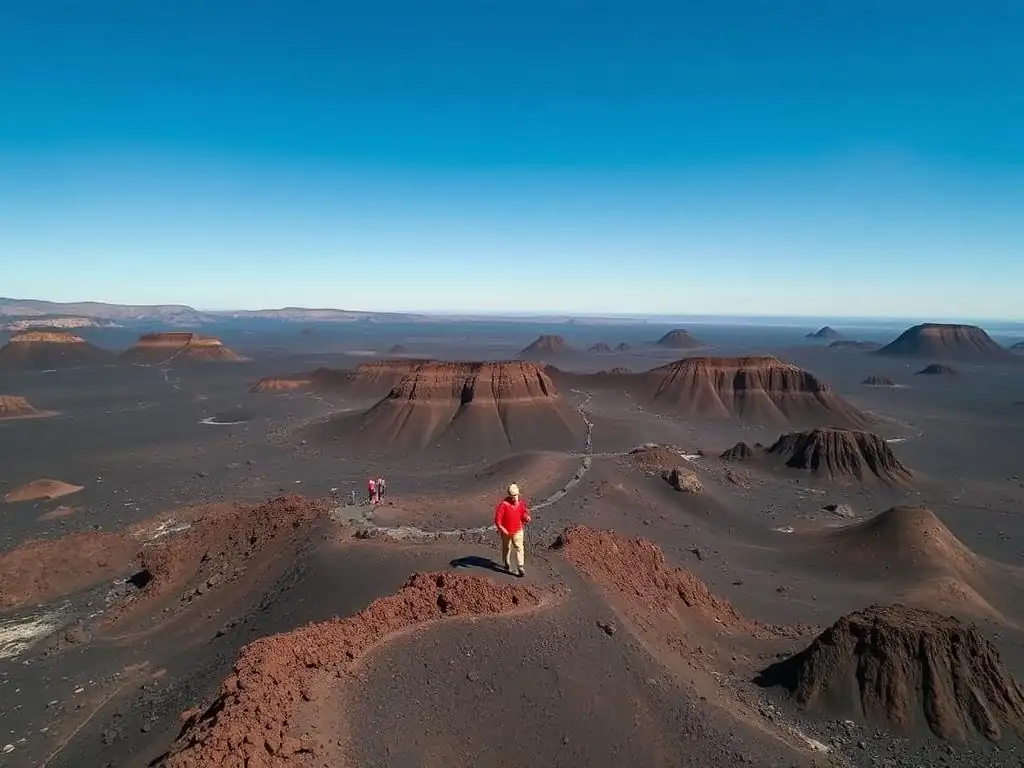
Tourism, while beneficial economically, also presents environmental challenges for Craters of the Moon National Monument. Preserving the fragile ecosystems within the park requires careful management and mitigation of potential negative impacts. The volcanic landscape, while seemingly barren, supports unique plant and animal communities adapted to harsh conditions. Increased visitor traffic can lead to soil erosion, vegetation damage, and disturbance of wildlife habitats if not managed responsibly.
Trail erosion from foot traffic and off-trail hiking is a significant concern. Compaction of soil can inhibit plant growth and alter water runoff patterns. Litter and waste disposal can also pollute the environment and harm wildlife. Air and noise pollution from vehicles and visitor activities can further impact the natural environment. Implementing sustainable tourism practices, promoting responsible visitor behavior, and investing in environmental restoration projects are crucial for mitigating these environmental concerns and ensuring the long-term health of Craters of the Moon's ecosystems.
Accessibility Issues: Providing Access for All Visitors
While Craters of the Moon is generally accessible, there are still challenges in providing access for all visitors, particularly those with disabilities or mobility limitations. The uneven terrain, unpaved trails, and lava caves can present obstacles for visitors using wheelchairs, walkers, or with other physical limitations. Ensuring inclusivity and accessibility is an important aspect of responsible park management.
Improving accessibility involves upgrading trails to meet accessibility standards, providing accessible restrooms and facilities, and offering alternative ways to experience the park for visitors with limited mobility. Virtual tours, accessible overlooks, and ranger-led programs with accommodations for diverse needs can enhance inclusivity. Addressing accessibility issues not only ensures equitable access for all visitors but also broadens the potential tourist market for Craters of the Moon, making it a more welcoming and inclusive destination.
Funding and Investment: Securing Resources for Development
Sustaining and enhancing the tourist attraction potential of Craters of the Moon requires ongoing funding and investment in infrastructure, maintenance, and visitor services. National parks often face funding constraints, and securing adequate resources for development can be a challenge. Funding is needed for trail maintenance, facility upgrades, visitor center operations, ranger staffing, and environmental protection initiatives.
Seeking diverse funding sources, including federal appropriations, grants, partnerships with private organizations, and visitor fees, is essential for ensuring financial sustainability. Demonstrating the economic benefits of tourism and the value of Craters of the Moon as a national treasure can help justify funding requests and attract investment. Strategic financial planning and efficient resource allocation are crucial for overcoming funding challenges and enabling the continued development and improvement of Craters of the Moon as a premier tourist destination.
The Future of Craters of the Moon Tourism: Trends and Opportunities
Emerging Trends: Dark Sky Tourism and Sustainable Practices
The future of tourism at Craters of the Moon National Monument is likely to be shaped by emerging trends such as dark sky tourism and a growing emphasis on sustainable practices. Craters of the Moon is recognized as an International Dark Sky Park, offering exceptional opportunities for stargazing and astronomical observation due to its minimal light pollution. Dark sky tourism is a growing niche market, attracting visitors interested in experiencing pristine night skies. Promoting and developing dark sky viewing areas and programs can further enhance the monument's appeal.
Sustainable tourism practices are becoming increasingly important to environmentally conscious travelers. Craters of the Moon can capitalize on this trend by further emphasizing its commitment to environmental stewardship and promoting responsible visitor behavior. Implementing green initiatives, such as renewable energy sources, water conservation measures, and waste reduction programs, can enhance the monument's sustainability profile and attract visitors who prioritize eco-friendly travel options.
Technological Advancements: Virtual Reality and Interactive Exhibits
Technological advancements offer exciting opportunities to enhance the visitor experience at Craters of the Moon. Virtual reality (VR) and augmented reality (AR) technologies can be used to create immersive and interactive exhibits at the visitor center or even on trails. VR experiences could allow visitors to virtually explore lava caves that are not easily accessible or witness simulated volcanic eruptions, providing educational and engaging content.
Interactive exhibits at the visitor center can utilize touchscreens, multimedia displays, and gamification to enhance learning and engagement. Mobile apps with AR features could provide visitors with real-time information about geological features, plant and animal life, and trail conditions as they explore the park. Integrating technology thoughtfully can enhance the educational and recreational aspects of visiting Craters of the Moon, attracting a tech-savvy generation of tourists.
The Untapped Potential: Exploring New Areas Within the Monument
Craters of the Moon National Monument and Preserve encompasses a vast area, and there may be untapped potential for developing new areas and experiences within the monument. Exploring opportunities to expand trail networks, develop new interpretive sites, or offer unique guided tours can help diversify visitor offerings and attract repeat visitors. Identifying areas with unique geological features or scenic vistas that are currently underutilized could open up new avenues for tourism development.
Careful consideration must be given to environmental impacts and resource management when developing new areas. Sustainable development practices and thorough environmental assessments are essential to ensure that expansion is done responsibly and minimizes negative impacts. Exploring the untapped potential within Craters of the Moon can further enhance its tourist attraction potential and contribute to the long-term economic viability of the region.
Conclusion: Craters of the Moon - A Volcanic Landscape, Big Economic Impact
Recap: The Economic Benefits of Craters of the Moon Tourism
Craters of the Moon National Monument demonstrates the significant economic benefits that volcanic landscape tourism can bring to a region. From generating revenue for local businesses and supporting job creation in south-central Idaho to attracting visitors from around the world, the monument serves as a vital economic engine. The unique geological formations, accessibility, educational opportunities, and safe environment of Craters of the Moon contribute to its appeal as a tourist destination.
Strategic planning, effective marketing, and responsible management are crucial for maximizing the tourist attraction potential of Craters of the Moon. Overcoming challenges related to environmental concerns, accessibility, and funding requires ongoing effort and collaboration. Emerging trends such as dark sky tourism and sustainable practices, along with technological advancements, offer exciting opportunities for the future of tourism at Craters of the Moon.
The Importance of Sustainable and Responsible Tourism Practices
The long-term success of Craters of the Moon as a tourist destination hinges on the adoption of sustainable and responsible tourism practices. Protecting the fragile volcanic environment, ensuring a quality visitor experience, and contributing to the well-being of local communities are essential components of sustainable tourism.
Balancing economic benefits with environmental and social responsibility is crucial for preserving the unique character and appeal of Craters of the Moon for generations to come. By embracing sustainable tourism principles, Craters of the Moon can continue to be a source of both economic prosperity and natural wonder, showcasing the remarkable economic spectacle of even seemingly desolate volcanic landscapes.
Frequently Asked Questions
What exactly is a spatter cone, and why are they relevant to tourism?
A spatter cone is a small, steep-sided volcano formed by the accumulation of molten lava spatters. Their relatively unique shape and accessibility makes them a potential tourist attraction.
How can spatter cones be developed as tourist attractions?
Development involves creating safe viewing areas, providing educational materials about their formation, and potentially offering guided tours. This minimizes risk while maximizing visitor engagement.
What are some potential economic benefits of promoting spatter cones for tourism?
Increased tourism can generate revenue for local businesses, create job opportunities, and boost the overall economy of the surrounding region.
What are the safety considerations when visiting or developing a spatter cone tourist attraction?
Safety measures include monitoring volcanic activity, establishing exclusion zones, and providing clear evacuation plans in case of an eruption or other hazards.
What other types of volcanoes have proven successful as tourist destinations, and what lessons can be learned from them?
Volcanoes like Mount Vesuvius and Kilauea have demonstrated that accessibility, educational opportunities, and spectacular scenery can attract tourists and provide valuable insight for spatter cone development.
Final Reflection: Igniting Potential from Volcanic Ash
The journey through the economic landscape of spatter cones reveals that even the smallest geological wonders possess the power to ignite local economies. What began as an exploration of overlooked volcanic formations has culminated in a compelling argument for their untapped potential as tourist attractions, demonstrating that value can be found in the most unexpected places.
The enduring allure of volcanoes, even in their miniature spatter cone form, underscores humanity's fascination with the raw power and beauty of nature. This fascination, coupled with strategic investment and sustainable tourism practices, can transform these seemingly insignificant geological features into thriving economic engines. In the end, we will conserve only what we love; we will love only what we understand; and we will understand only what we are taught.
- Baba Dioum. This quote perfectly encapsulates the need for education and appreciation to unlock the true potential of these natural assets.
Now, consider the spatter cones in your own backyard, both literally and figuratively. What overlooked resources, what untapped potential, lies dormant, waiting for a spark of ingenuity and a commitment to sustainable development? Let this exploration of spatter cones serve as a reminder that opportunity often hides in plain sight, and that with vision and dedication, we can transform the ordinary into the extraordinary, creating a brighter future for ourselves and the communities around us.
Unearth Your Inner Volcanologist!
Thanks for diving into the fascinating world of spatter cones with us! We hope you've gained a new appreciation for these miniature marvels and their surprising economic impact. Ready to take your volcano exploration to the next level?
Here are a few ways to keep the lava flowing:
- Plan a trip to see spatter cones firsthand! Research lesser-known volcanic regions near you or around the world – you might be surprised at what you discover.
- Share this article with fellow geology enthusiasts to spark their curiosity about these unique formations.
- Contribute to citizen science by documenting and photographing spatter cones you encounter on your travels, helping scientists track their characteristics and distribution.
What's the most unexpected volcanic feature you've ever stumbled upon, and what did you learn from the experience?