
The Allure of Ash and the Appeal of Affluence: Decoding the Economic Magnetism of Volcanoes

Welcome!
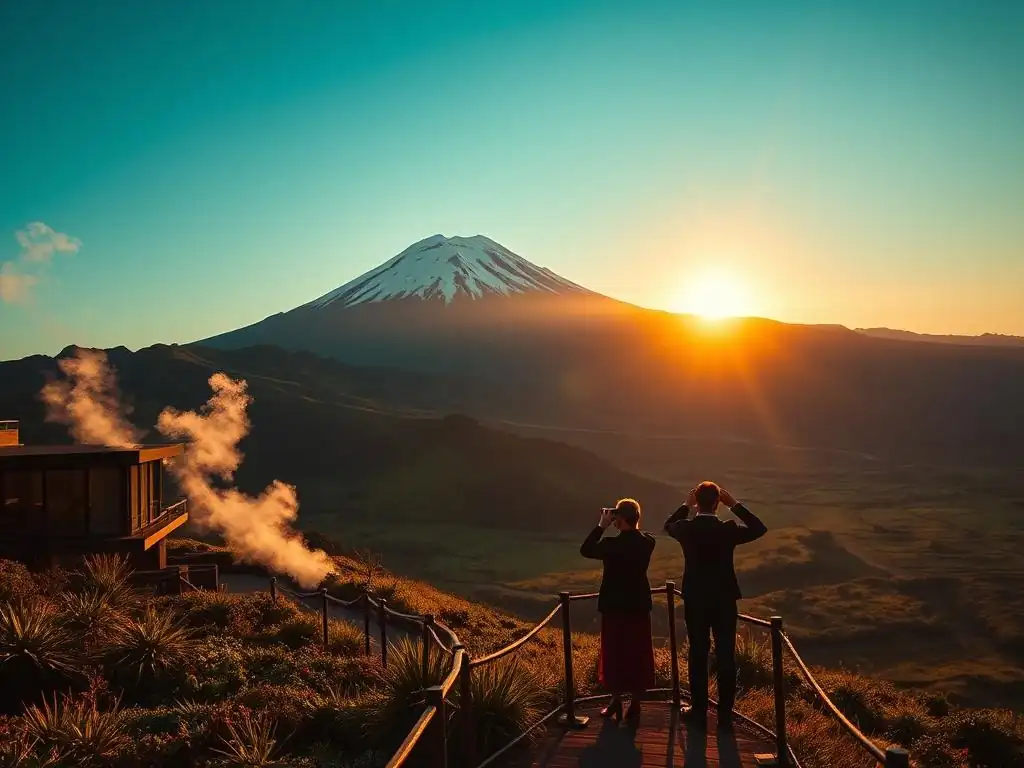
Dare to witness the raw power and breathtaking beauty of Earth's fiery giants? VolcanoExplorers.org unlocks the secrets of these dynamic landscapes, from the science that fuels them to the stories they etch across the globe. But have you ever considered the hidden economic forces at play in these volcanic regions? Our latest article, "The Allure of Ash and the Appeal of Affluence," delves into the surprising economic impact of volcano tourism, revealing how these often-destructive forces can also generate unexpected prosperity. Prepare to be astonished by the magnetism of magma and its influence on local economies!
- Volcano Tourism: An Unexpected Economic Driver
- Unveiling the Economic Benefits of Volcano Tourism
- The Dark Side: Economic Risks and Challenges of Volcano Tourism
-
Case Studies: Examining the Economic Impact of Volcanoes in Different Regions
- Iceland: Harnessing Volcanic Energy and Tourism (Eyjafjallajökull's Impact on Air Travel and Subsequent Tourism Boom)
- Hawaii: Volcanoes National Park and its Contribution to the Local Economy (Visitor Statistics, Revenue Generated, and Employment Figures)
- Mount Vesuvius, Italy: Balancing Tourism with Preservation and Safety (Archaeological Site Management, Tourism Revenue, and Risk Mitigation Strategies)
- Sustainable Volcano Tourism: Balancing Economic Growth with Environmental Protection
- The Future of Volcano Tourism: Trends and Opportunities
- Conclusion: Volcanoes as Economic Engines - A Delicate Balance
-
Frequently Asked Questions
- How does volcano tourism contribute to local economies?
- What are the potential downsides of relying heavily on volcano tourism?
- How can volcano tourism be managed sustainably?
- What role do volcanologists and local communities play in promoting safe and responsible volcano tourism?
- What are some examples of destinations that have successfully leveraged volcano tourism for economic gain?
- Final Reflection: Embracing Risk, Cultivating Resilience
- Ignite Your Curiosity: Explore the Economic Volcano Within!
Volcano Tourism: An Unexpected Economic Driver
Understanding the Economic Impact of Volcano Tourism Globally
Volcano tourism, a niche yet increasingly significant sector within the global tourism industry, demonstrates a fascinating paradox: destinations marked by natural hazards can simultaneously become powerful economic magnets. Globally, regions with active or dormant volcanoes are experiencing a surge in visitor numbers, drawn by the dramatic landscapes, geological wonders, and the inherent thrill of witnessing nature's raw power.
Countries like Iceland, Indonesia, Italy, and Japan, among others, are prime examples where volcanic areas contribute substantially to their national and regional economies. While precise global figures for volcano tourism are challenging to aggregate due to its integration within broader tourism statistics, industry reports and regional studies indicate a consistent upward trend in visitor arrivals to volcanic destinations, translating into billions of dollars in revenue annually.
This economic impact of volcano tourism is not merely confined to direct spending by tourists; it encompasses a wider spectrum of benefits, from infrastructure development to job creation and the promotion of local cultures.
The economic influence of volcano tourism extends beyond simple revenue generation; it acts as a catalyst for regional development, particularly in areas that may otherwise lack diverse economic opportunities. Consider the Canary Islands in Spain, a volcanic archipelago in the Atlantic Ocean. Tourism, largely driven by the volcanic landscapes of islands like Tenerife and Lanzarote, accounts for approximately 35% of the Canary Islands' GDP. Similarly, in countries like Costa Rica and Ecuador, volcano-centric national parks attract hundreds of thousands of international and domestic tourists each year, bolstering local economies in often rural and remote areas. These examples highlight how the economic impact of volcano tourism can transform regions, providing sustainable livelihoods and driving economic growth in areas where traditional industries might be limited. The allure of volcanoes, therefore, transcends mere sightseeing; it represents a tangible economic force with the potential to reshape regional economies and contribute significantly to national GDPs.
Why are Volcanoes Tourist Magnets? The Allure of Volcanic Landscapes
The magnetic appeal of volcanoes to tourists is multifaceted, stemming from a potent combination of awe, scientific curiosity, and the primal human fascination with powerful natural forces. Volcanic landscapes, often characterized by stark contrasts of black lava fields against vibrant geothermal areas, offer a visual spectacle unlike any other. The dramatic silhouettes of cone-shaped peaks, the steaming fumaroles, and the bubbling mud pools create a surreal, almost otherworldly environment that captivates the imagination.
Beyond the visual drama, volcanoes represent a tangible connection to the Earth's inner workings, offering a unique opportunity to witness geological processes in action. For many, standing at the rim of a volcanic crater or walking through a lava tube is akin to stepping back in time, experiencing the planet in its formative stages.
Furthermore, the element of perceived risk and adventure associated with volcanoes adds to their allure. While safety is paramount in managed volcano tourism, the awareness of the potential for eruptions and the raw power of these geological giants creates an undeniable sense of excitement. Guided tours to volcanic areas often incorporate elements of adventure, such as hiking on lava flows, exploring caves formed by volcanic activity, or even helicopter tours offering breathtaking aerial views of active craters.
This combination of natural beauty, scientific intrigue, and adventurous exploration makes volcanoes irresistible tourist magnets. The desire to witness these powerful forces of nature firsthand, to capture the perfect photograph of a volcanic sunrise, or simply to experience the unique atmosphere of a volcanic landscape drives millions to seek out these destinations, fueling the economic impact of volcano tourism worldwide.
Unveiling the Economic Benefits of Volcano Tourism
Direct Revenue Generation: Hotels, Tours, and Local Businesses
The most immediate and visible economic benefit of volcano tourism is the direct revenue generated through a network of interconnected businesses catering to visitors. Accommodation, ranging from budget-friendly guesthouses in volcanic villages to luxury resorts overlooking caldera lakes, forms a significant part of this revenue stream. In regions like Lake Atitlán in Guatemala, the villages surrounding the volcanic lake thrive on tourism, with hotels and hostels providing livelihoods for countless families. Similarly, tour operators specializing in volcano excursions, guided hikes, and geological tours play a crucial role.
These tours often involve local guides, further channeling revenue into the community and providing employment opportunities. Beyond accommodation and tours, a wide array of local businesses flourishes in volcano tourism destinations. Restaurants serving local cuisine, souvenir shops selling volcanic rock crafts and regional products, and transportation services, all contribute to the direct economic impact of volcano tourism.
The revenue generated extends beyond large corporations and hotel chains; it permeates the local economy, supporting small businesses and individual entrepreneurs. Consider the case of volcanic hot springs, a popular attraction in many volcanic regions. These natural spas often become hubs for local businesses, with nearby restaurants, massage parlors, and shops benefiting from the influx of visitors.
Furthermore, local artisans and craftspeople often find a ready market for their products among tourists seeking authentic souvenirs and mementos of their volcanic experiences. This direct revenue generation is not just about immediate profits; it fosters the growth of a diverse and resilient local economy, less reliant on traditional industries and more adaptable to the evolving demands of the tourism sector. The economic impact of volcano tourism, therefore, is deeply interwoven with the fabric of local economies, providing tangible and immediate financial benefits.
Volcano tourism acts as a significant engine for job creation, generating employment opportunities across a wide spectrum of skills and sectors. The most obvious area is within the hospitality industry, with hotels, resorts, and guesthouses requiring staff for management, reception, housekeeping, and food service. In areas like the Azores archipelago in Portugal, where volcanic landscapes are a primary tourist draw, a substantial portion of the local workforce is employed in tourism-related accommodations and services.
Tour operators specializing in volcano tours and activities create jobs for guides, drivers, and administrative personnel. These roles often require specialized knowledge of volcanology, local geography, and safety protocols, leading to the development of skilled local workforces. Furthermore, national parks and protected areas surrounding volcanoes employ park rangers, conservation officers, and visitor center staff, contributing to both job creation and environmental stewardship.
Beyond direct tourism jobs, volcano tourism fosters employment in supporting industries. Transportation services, including taxi drivers, bus companies, and rental car agencies, benefit from the increased visitor traffic. Local restaurants, cafes, and bars hire chefs, waiters, and bartenders to cater to tourists.
Even the agricultural sector can indirectly benefit, as local farmers and producers find a market for their goods in restaurants and hotels serving tourists. The economic impact of volcano tourism, therefore, extends far beyond the immediate tourism sector, creating a ripple effect of job creation throughout the local economy. This employment generation is particularly crucial in rural and remote volcanic regions, where alternative employment opportunities may be limited, providing livelihoods and contributing to the socio-economic well-being of local communities.
Indirect Economic Impacts: Infrastructure Development and Regional Growth near Volcanoes
The economic impact of volcano tourism extends beyond direct revenue and job creation to encompass significant indirect benefits, particularly in infrastructure development and regional growth. To accommodate the influx of tourists, volcanic regions often witness improvements in transportation infrastructure. Roads leading to volcano sites are upgraded, airports are expanded or built in nearby areas, and public transportation networks are enhanced.
The development of Keflavik International Airport in Iceland, serving as a major gateway for tourists visiting the country's volcanic wonders, exemplifies this indirect economic impact. Furthermore, tourism demand often necessitates improvements in utilities and services. Water and sanitation systems are upgraded, electricity grids are expanded, and communication networks are strengthened to support the needs of both tourists and the local population.
This infrastructure development, initially driven by tourism, often has long-term benefits for the wider regional economy. Improved roads and transportation networks facilitate trade and commerce, connecting previously isolated volcanic regions to larger markets. Enhanced utilities and services improve the quality of life for local residents and attract other businesses and investments. The economic impact of volcano tourism, therefore, acts as a catalyst for broader regional development.
Consider the case of Arenal Volcano in Costa Rica. The growth of volcano tourism in the Arenal region has spurred the development of La Fortuna town, transforming it from a small agricultural village into a thriving tourism hub with improved infrastructure, services, and a diversified economy. This indirect economic impact highlights the transformative potential of volcano tourism, contributing to sustainable regional growth and improved living standards beyond the immediate tourism sector.
The Dark Side: Economic Risks and Challenges of Volcano Tourism
Volcanic Eruptions: The Threat to Tourism and Local Economies
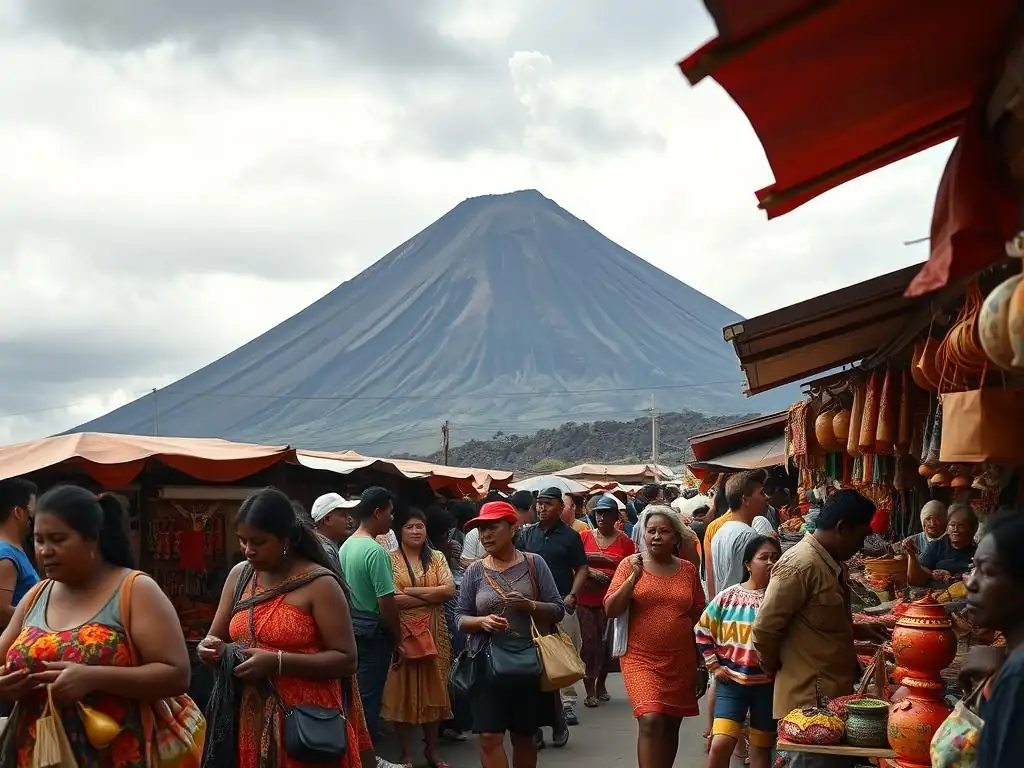
While volcano tourism offers significant economic benefits, it also carries inherent risks, most notably the threat of volcanic eruptions. A volcanic eruption, even a relatively minor one, can have a devastating impact on tourism and local economies. The immediate aftermath of an eruption often involves travel disruptions, with airspace closures and road blockages preventing tourists from reaching or leaving affected areas.
The 2010 eruption of Eyjafjallajökull in Iceland, despite being relatively small in volcanic terms, caused widespread air travel chaos across Europe, highlighting the vulnerability of tourism to volcanic events. Beyond travel disruptions, eruptions can directly damage tourism infrastructure, destroying hotels, roads, and visitor facilities located near active volcanoes. The eruption of Mount Mayon in the Philippines has repeatedly forced the evacuation of nearby resorts and businesses, causing significant economic losses.
Furthermore, volcanic eruptions can damage the reputation of a destination, deterring future tourists even after the immediate crisis has subsided. Negative media coverage of volcanic eruptions can create perceptions of danger and instability, leading to a decline in visitor numbers for months or even years. The long-term economic impact of volcano tourism, therefore, is intrinsically linked to the unpredictable nature of volcanic activity.
While destinations can benefit greatly from volcano tourism during periods of volcanic quiescence, they remain vulnerable to sudden economic shocks triggered by eruptions. This inherent risk necessitates careful planning, robust emergency preparedness measures, and strategies for mitigating the economic consequences of volcanic events.
Economic Vulnerability: Dependence on a Single, Unpredictable Resource
Over-reliance on volcano tourism as the primary economic driver can create economic vulnerability for regions. When a local economy becomes heavily dependent on a single sector, particularly one as unpredictable as volcano tourism, it becomes susceptible to significant economic fluctuations. Changes in volcanic activity, even minor increases in unrest, can lead to cancellations and a decline in visitor numbers, impacting businesses that rely on tourism revenue.
Furthermore, external factors unrelated to volcanic activity, such as global economic downturns or changes in travel trends, can also disproportionately affect economies heavily reliant on tourism. The economic impact of volcano tourism, while potentially substantial, can be precarious if not managed with diversification in mind.
This economic vulnerability underscores the importance of diversification in volcanic tourism destinations. Regions should strive to develop alternative economic sectors alongside tourism, reducing their dependence on a single, potentially volatile source of income. This diversification can involve promoting other forms of tourism, such as cultural tourism, adventure tourism (beyond volcanoes), or eco-tourism focused on non-volcanic natural attractions.
Furthermore, investing in other industries, such as agriculture, renewable energy (geothermal being a natural fit in volcanic areas), or technology, can create a more resilient and balanced local economy. The economic impact of volcano tourism, therefore, should be viewed within the context of broader economic development strategies that prioritize diversification and reduce vulnerability to external shocks and natural hazards.
Managing Risk and Ensuring Sustainable Volcano Tourism
Mitigating the risks associated with volcano tourism and ensuring its long-term sustainability requires a multi-faceted approach encompassing risk management, preparedness, and sustainable tourism practices. Effective volcano monitoring and early warning systems are crucial for minimizing the impact of eruptions. Investing in scientific infrastructure, volcano observatories, and real-time monitoring technologies allows for early detection of volcanic unrest and timely warnings to be issued to tourists and local communities.
Evacuation plans and emergency response protocols are essential components of risk management. Clear communication channels, designated evacuation routes, and well-trained emergency personnel are necessary to ensure the safety of tourists and residents in the event of an eruption.
Sustainable tourism practices are equally important for long-term economic benefits. This includes responsible tourism development that minimizes environmental impact, protects natural resources, and respects local cultures. Controlling visitor numbers, managing waste effectively, and promoting eco-friendly tourism activities are essential for preserving the volcanic environment and ensuring its continued appeal to tourists.
Furthermore, engaging local communities in tourism planning and ensuring equitable distribution of tourism benefits is crucial for fostering local support and long-term sustainability. The economic impact of volcano tourism can be maximized and its risks minimized through a holistic approach that prioritizes safety, environmental protection, and community involvement, ensuring that volcano tourism remains a beneficial and sustainable economic driver for generations to come.
Case Studies: Examining the Economic Impact of Volcanoes in Different Regions
Iceland: Harnessing Volcanic Energy and Tourism (Eyjafjallajökull's Impact on Air Travel and Subsequent Tourism Boom)
Iceland stands as a compelling case study in harnessing both volcanic energy and volcano tourism for economic benefit. Geothermally active, Iceland utilizes its volcanic resources to generate a significant portion of its energy, contributing to its economy and sustainability efforts. Beyond energy, Iceland's dramatic volcanic landscapes, including glaciers overlaying volcanoes, black sand beaches, and geothermal areas, have become major tourist attractions.
Prior to the 2010 eruption of Eyjafjallajökull, Iceland's tourism sector was already growing, but the eruption, paradoxically, acted as a catalyst for a tourism boom. While the eruption caused significant air travel disruption across Europe, costing airlines an estimated \$1.7 billion, it simultaneously put Iceland on the global map in an unprecedented way.
The dramatic imagery of the erupting volcano, widely broadcast across international media, sparked global curiosity about Iceland. Following the eruption, Iceland experienced a surge in tourist arrivals, with visitor numbers increasing by approximately 20% in the year after the eruption and continuing to grow rapidly in subsequent years. This "Eyjafjallajökull effect" demonstrated the power of volcanic events, even disruptive ones, to generate tourism interest.
By 2019, tourism accounted for over 10% of Iceland's GDP and employed a significant portion of its workforce. The economic impact of volcano tourism in Iceland is undeniable, transforming the nation into a premier global destination and showcasing the potential for volcanoes to be powerful economic assets when managed effectively and marketed strategically.
Hawaii: Volcanoes National Park and its Contribution to the Local Economy (Visitor Statistics, Revenue Generated, and Employment Figures)
Hawaii Volcanoes National Park on the Big Island of Hawaii provides another exemplary case study of the sustained economic impact of volcano tourism. Home to two active volcanoes, Kīlauea and Mauna Loa, the park attracts millions of visitors annually, making it one of the most visited national parks in the United States. In 2019, prior to the COVID-19 pandemic, Hawaii Volcanoes National Park welcomed over 1.8 million visitors.
These visitors contribute significantly to the local economy through park entrance fees, spending on accommodation, food, tours, and souvenirs in surrounding communities. A 2019 National Park Service report estimated that visitor spending in communities near Hawaii Volcanoes National Park generated \$166 million in economic output, supported 2,070 jobs, and contributed \$102 million in labor income.
The economic impact of Hawaii Volcanoes National Park extends beyond direct visitor spending. The park serves as a major employer in the region, providing jobs for park rangers, maintenance staff, scientists, and administrative personnel. Furthermore, the park's presence stimulates the growth of tourism-related businesses in nearby towns like Volcano Village and Hilo, creating a vibrant tourism ecosystem.
The park's focus on conservation and education also contributes to long-term sustainability, ensuring the continued appeal of the volcanic landscape for future generations of tourists. Hawaii Volcanoes National Park exemplifies how a well-managed volcanic protected area can be a consistent and significant contributor to the local and regional economy, demonstrating the enduring economic impact of volcano tourism when integrated with conservation and community development.
Mount Vesuvius, Italy: Balancing Tourism with Preservation and Safety (Archaeological Site Management, Tourism Revenue, and Risk Mitigation Strategies)
Mount Vesuvius in Italy presents a unique case study, where volcano tourism is intertwined with historical and archaeological significance, demanding a careful balance between tourism promotion, preservation, and safety. Vesuvius, infamous for its eruption that buried Pompeii and Herculaneum in 79 AD, attracts millions of tourists annually drawn by the volcano itself and the remarkably preserved archaeological sites at its base. Pompeii and Herculaneum are UNESCO World Heritage sites and major tourist destinations, generating substantial revenue for the Italian economy.
In 2019, Pompeii alone attracted nearly 4 million visitors, making it one of Italy's most visited archaeological sites. The combined tourism revenue from Vesuvius and the archaeological sites contributes significantly to the regional economy of Campania.
However, the proximity of Vesuvius to densely populated areas, including the city of Naples, necessitates stringent safety measures and risk mitigation strategies. Vesuvius is considered an active volcano, and the potential for future eruptions is a constant concern. Italian authorities maintain a comprehensive volcano monitoring system and evacuation plans for the surrounding population.
Tourism management around Vesuvius and Pompeii involves balancing visitor access with the need to protect the archaeological sites and ensure visitor safety. This includes managing visitor flow, implementing preservation measures to protect the fragile ruins, and providing clear safety guidelines for tourists visiting the volcano and archaeological areas. Mount Vesuvius exemplifies the complexities of volcano tourism in densely populated areas with significant historical and cultural heritage, requiring a delicate balance between economic benefits, preservation imperatives, and paramount safety considerations.
Sustainable Volcano Tourism: Balancing Economic Growth with Environmental Protection
Minimizing Environmental Impact: Responsible Tourism Practices around Volcanoes
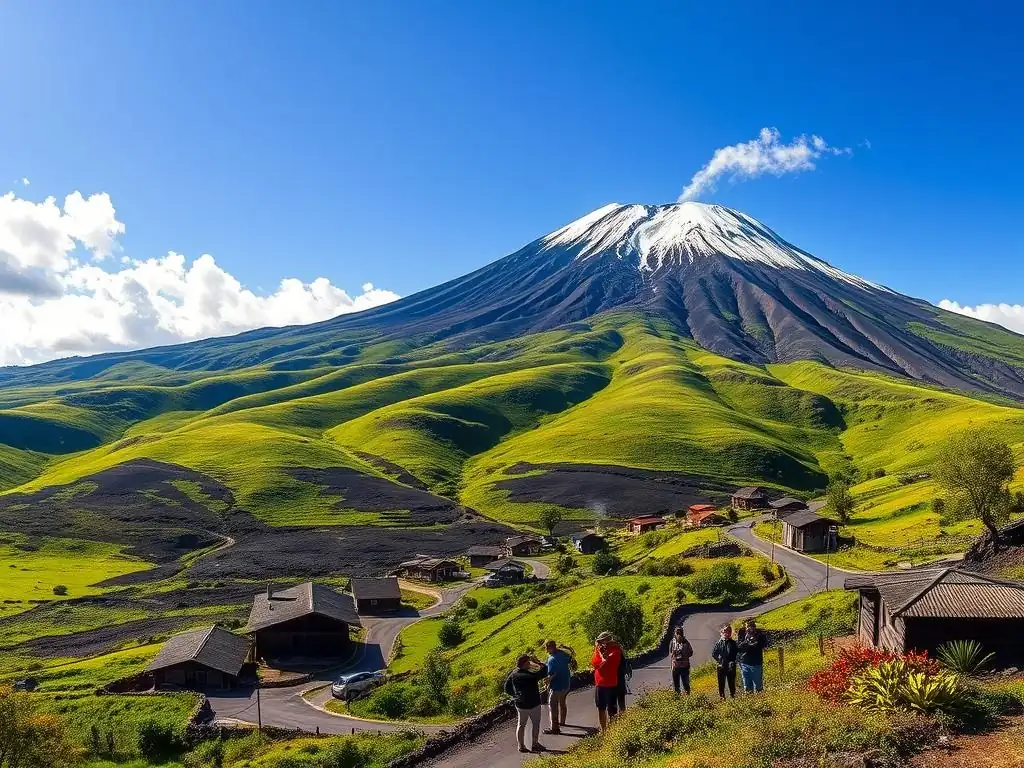
Sustainable volcano tourism hinges on minimizing environmental impact through the adoption of responsible tourism practices. Volcanic environments are often fragile ecosystems, home to unique flora and fauna adapted to harsh conditions. Uncontrolled tourism can lead to habitat degradation, soil erosion, and pollution. Implementing responsible tourism practices is crucial for preserving these sensitive environments and ensuring the long-term sustainability of volcano tourism.
This includes measures such as establishing designated trails and viewing platforms to prevent trampling of vegetation and soil erosion. Waste management is paramount, with proper disposal systems and encouraging visitors to reduce waste and practice "leave no trace" principles. Controlling visitor numbers in sensitive areas and implementing permits or reservation systems can help prevent overcrowding and minimize environmental stress.
Promoting eco-friendly transportation options, such as hiking, cycling, or using electric vehicles within volcanic areas, reduces carbon emissions and air pollution. Encouraging tourists to choose accommodation and tour operators committed to sustainable practices further minimizes the environmental footprint of volcano tourism.
Educating visitors about the fragility of volcanic environments and the importance of responsible behavior is essential for fostering a culture of environmental stewardship. The economic impact of volcano tourism can be sustained over the long term only if it is managed responsibly, minimizing its environmental footprint and ensuring the preservation of the natural attractions that draw tourists in the first place.
Supporting Local Communities: Ensuring Equitable Distribution of Economic Benefits
For volcano tourism to be truly sustainable, it must benefit local communities and ensure an equitable distribution of economic gains. Often, tourism development can displace local populations, disrupt traditional livelihoods, and exacerbate social inequalities if not managed inclusively. Supporting local communities involves actively engaging them in tourism planning and decision-making processes.
This ensures that tourism development aligns with local needs and priorities and that communities have a voice in shaping the future of tourism in their region. Prioritizing local employment in tourism-related businesses, from hotels and restaurants to tour guiding and souvenir production, is crucial for channeling economic benefits directly into the community. Fair wages, decent working conditions, and opportunities for skills development are essential for ensuring that tourism jobs provide sustainable livelihoods for local residents.
Promoting community-based tourism initiatives, where local communities own and manage tourism businesses, empowers communities and ensures that tourism revenue directly benefits them. This can include community-run guesthouses, guided tours led by local guides, and sales of locally made crafts and products.
Investing a portion of tourism revenue in community development projects, such as schools, healthcare facilities, and infrastructure improvements, further ensures that tourism contributes to the overall well-being of local communities. The economic impact of volcano tourism should be viewed not just in terms of financial gains but also in its contribution to social equity and community empowerment, ensuring that local populations are not only beneficiaries but also active participants in the tourism sector.
Educating Visitors: Promoting Awareness and Respect for Volcanic Environments
Educating visitors is a cornerstone of sustainable volcano tourism, fostering awareness, respect, and responsible behavior in volcanic environments. Many tourists may lack a deep understanding of volcanic processes, the fragility of volcanic ecosystems, and the potential risks associated with volcanic areas. Providing educational resources and interpretive programs is essential for enhancing visitor understanding and promoting responsible tourism practices.
Visitor centers at volcano sites can serve as hubs for education, offering exhibits, displays, and information about volcanology, local ecology, and safety guidelines. Guided tours led by knowledgeable guides can provide in-depth insights into volcanic landscapes, geological processes, and the cultural significance of volcanoes.
Informational signage along trails and viewing platforms can educate visitors about specific volcanic features, flora, and fauna, and responsible behavior guidelines. Developing educational materials in multiple languages ensures accessibility for international tourists. Promoting awareness of volcanic hazards and safety protocols is crucial for visitor safety.
Educational programs can also highlight the importance of environmental conservation and responsible tourism practices, encouraging visitors to minimize their impact and respect the natural environment. By investing in visitor education, volcano tourism destinations can cultivate a more informed, responsible, and appreciative visitor base, contributing to the long-term sustainability of both the tourism sector and the volcanic environments themselves.
The Future of Volcano Tourism: Trends and Opportunities
Emerging Destinations: Exploring New Volcanic Regions for Tourism
The future of volcano tourism is likely to see the emergence of new destinations as travelers seek out novel and less-crowded volcanic experiences. While established volcano tourism hotspots like Iceland and Hawaii will continue to attract visitors, there is growing potential in less-explored volcanic regions around the world. Countries in South America, such as Chile, Argentina, and Colombia, possess stunning volcanic landscapes with untapped tourism potential.
The Andes Mountains are dotted with numerous active and dormant volcanoes, offering diverse volcanic experiences from high-altitude volcanic peaks to geothermal hot springs. Regions in Africa, such as Ethiopia, Tanzania, and the Democratic Republic of Congo, also offer unique volcano tourism opportunities, including active lava lakes and dramatic volcanic craters.
Southeast Asia, with countries like Indonesia, the Philippines, and Japan, is a volcanically active region with a rich volcanic heritage and growing tourism infrastructure. Exploring these emerging destinations can offer travelers more authentic and off-the-beaten-path volcano tourism experiences. Developing tourism infrastructure in these regions, while ensuring sustainability and community involvement, can unlock new economic opportunities and diversify the global volcano tourism landscape. The future of volcano tourism lies in expanding its geographical reach, showcasing the diversity of volcanic phenomena across the globe, and bringing the economic benefits of volcano tourism to new regions and communities.
Technological Innovations: Enhancing the Volcano Tourism Experience (Geothermal Energy Utilization, Volcanic Ash Applications)
Technological innovations are poised to transform the volcano tourism experience and unlock new opportunities for economic and environmental benefits. Virtual reality (VR) and augmented reality (AR) technologies can enhance visitor engagement and understanding of volcanic processes. VR experiences can allow tourists to virtually explore volcanic craters or witness eruptions from a safe distance, while AR applications can overlay real-time data and information onto volcanic landscapes, enriching the visitor experience.
Geothermal energy utilization, already well-established in some volcanic regions like Iceland, can be further integrated with tourism infrastructure. Geothermal heating for hotels and visitor centers, geothermal spas and wellness facilities, and geothermal power plants as tourist attractions can enhance sustainability and diversify tourism offerings.
Volcanic ash, often considered a nuisance during eruptions, is being explored for its potential applications in construction and other industries. Developing sustainable uses for volcanic ash, such as in concrete production or soil amendment, can turn a volcanic byproduct into a valuable resource, creating new economic opportunities in volcanic regions. Scientific tourism, focused on educational and research-oriented travel to volcanic areas, is also a growing trend.
Volcano tourism can be further enhanced by incorporating scientific elements, such as volcano monitoring stations, research facilities, and opportunities for citizen science participation, appealing to a niche market of scientifically curious travelers. Technological innovations offer exciting possibilities for enhancing the volcano tourism experience, promoting sustainability, and unlocking new economic opportunities in volcanic regions.
The Role of Volcanologists in Promoting Safe and Sustainable Volcano Tourism
Volcanologists play a crucial role in promoting safe and sustainable volcano tourism. Their expertise in understanding volcanic processes, assessing volcanic hazards, and monitoring volcanic activity is essential for ensuring visitor safety and mitigating risks. Volcanologists contribute to risk assessments for volcano tourism sites, identifying potential hazards and recommending safety measures.
They provide scientific data and interpretations to inform evacuation plans and emergency response protocols. Volcanologists also play a vital role in communicating volcanic risks to tourists and local communities, ensuring that visitors are aware of potential hazards and responsible behavior guidelines. Furthermore, volcanologists contribute to sustainable tourism planning by providing scientific input on environmental impact assessments and conservation strategies.
They can educate tourism operators and guides about volcanic environments, responsible tourism practices, and safety protocols. Volcanologists can also engage with tourists directly through public lectures, guided tours, and educational programs, enhancing visitor understanding and appreciation of volcanoes. Collaboration between volcanologists, tourism operators, local communities, and government agencies is crucial for ensuring that volcano tourism is developed and managed sustainably and safely. The future of responsible volcano tourism relies heavily on the ongoing involvement of volcanologists, providing scientific expertise, promoting safety, and contributing to the long-term sustainability of this unique and economically significant sector.
Conclusion: Volcanoes as Economic Engines - A Delicate Balance
The Enduring Appeal and Economic Significance of Volcanoes
Volcanoes, with their awe-inspiring power, dramatic landscapes, and scientific intrigue, hold an enduring appeal for travelers worldwide. This allure has transformed volcanoes into significant economic engines for numerous regions globally. The economic impact of volcano tourism is multifaceted, encompassing direct revenue generation through tourism businesses, job creation in related industries, and indirect benefits such as infrastructure development and regional growth.
From Iceland's geothermal wonders to Hawaii's volcanic national park and Italy's historical Vesuvius, case studies demonstrate the substantial and diverse economic contributions of volcano tourism. Volcanoes, once perceived solely as natural hazards, are increasingly recognized as valuable economic assets, capable of driving regional development and providing sustainable livelihoods.
However, the economic magnetism of volcanoes is intertwined with inherent risks and challenges. Volcanic eruptions pose a direct threat to tourism and local economies, highlighting the vulnerability of regions reliant on this unpredictable natural resource. Managing this risk and ensuring long-term sustainability requires a delicate balance.
Responsible tourism practices, effective risk management strategies, community engagement, and visitor education are crucial for maximizing the economic benefits of volcano tourism while minimizing its negative impacts. The economic impact of volcano tourism is not simply about exploiting a natural resource; it is about harnessing the allure of volcanoes in a way that is both economically beneficial and environmentally and socially responsible.
The Importance of Responsible and Sustainable Volcano Tourism Practices for Long-Term Economic Benefits
The long-term economic benefits of volcano tourism are inextricably linked to the adoption of responsible and sustainable practices. Short-sighted tourism development that prioritizes immediate profits over environmental protection and community well-being can undermine the very attractions that draw tourists in the first place. Degraded volcanic landscapes, damaged ecosystems, and disenfranchised local communities will ultimately diminish the appeal of volcano tourism destinations, eroding their economic potential. Sustainable volcano tourism, on the other hand, ensures the preservation of volcanic environments, protects natural resources, and empowers local communities, creating a virtuous cycle of economic growth and environmental and social well-being.
Responsible tourism practices, including minimizing environmental impact, supporting local communities, and educating visitors, are not just ethical imperatives; they are essential for safeguarding the long-term economic viability of volcano tourism. Investing in volcano monitoring and risk mitigation measures, promoting diversification within tourism offerings and the broader economy, and fostering collaboration among stakeholders are crucial for building resilience and ensuring that volcano tourism remains a sustainable economic engine for generations to come.
The future of volcano tourism depends on embracing a holistic and responsible approach, recognizing that the allure of ash and the appeal of affluence can coexist harmoniously through careful planning, sustainable practices, and a commitment to preserving the natural wonders and local communities that make volcano tourism so unique and economically significant.
Frequently Asked Questions
How does volcano tourism contribute to local economies?
Volcano tourism generates revenue through increased tourism spending on accommodation, food, transportation, and souvenirs. This influx of cash can boost local businesses and create job opportunities. The economic benefits are not always evenly distributed.
What are the potential downsides of relying heavily on volcano tourism?
Over-reliance can make local economies vulnerable to volcanic activity disruptions. A major eruption or increased seismic activity can severely impact tourism, leading to economic hardship. Diversification of the economy is key for long-term resilience.
How can volcano tourism be managed sustainably?
Sustainable management involves balancing economic benefits with environmental protection and cultural preservation. This includes limiting tourist numbers, investing in responsible infrastructure, and educating visitors about volcano safety and conservation.
What role do volcanologists and local communities play in promoting safe and responsible volcano tourism?
Volcanologists provide crucial information about volcanic hazards and risk assessment, informing safety protocols. Local communities contribute to the tourism experience and ensure cultural sensitivity, promoting responsible practices.
What are some examples of destinations that have successfully leveraged volcano tourism for economic gain?
Hawaii Volcanoes National Park and Iceland are prime examples. They attract millions of visitors annually, generating significant revenue while also prioritizing conservation efforts and visitor safety measures.
Final Reflection: Embracing Risk, Cultivating Resilience
The allure of volcanic landscapes, as we've explored, transcends mere aesthetic appreciation; it represents a complex interplay of risk and reward, a potent economic force driven by the very elements that threaten its existence. The enduring fascination with volcanoes, despite their inherent dangers, underscores humanity's capacity to find opportunity even in the face of adversity, transforming potential devastation into thriving tourism economies. This paradox is not just a geographical anomaly, but a testament to our adaptive spirit and entrepreneurial drive.
The economic magnetism of volcanoes, fueled by tourism, continues to reshape communities, offering both prosperity and precariousness. Witnessing firsthand the resilience of those who live in the shadow of these giants has been profoundly humbling, highlighting the deep connection between people and place, and the innovative ways they harness nature's power. The volcano is both destroyer and creator, a force of nature that shapes not only the land but also the lives of those who dwell near it.
This duality reminds us that progress often comes with inherent risks, and that sustainable development requires a delicate balance between economic gain and environmental stewardship.
As you reflect on the economic impact of volcano tourism, consider the broader implications for your own life. How can you embrace calculated risks to unlock new opportunities? How can you cultivate resilience in the face of uncertainty? Let the enduring spirit of those who thrive in volcanic regions inspire you to find strength in adversity, to see potential where others see only danger, and to build a future that is both prosperous and sustainable.
Ignite Your Curiosity: Explore the Economic Volcano Within!
Thank you for delving into the fascinating world where fiery eruptions meet surprising economic opportunities! You've discovered how volcanic landscapes, despite their destructive potential, can be powerful engines of growth and innovation. Now, let's turn that newfound knowledge into action!
Here's how you can further explore the economic impact of volcanoes:
- Delve deeper into the geological goldmine beneath your feet: Research the unique minerals and resources associated with volcanic regions in your area – you might be surprised by the hidden wealth they hold.
- Unleash your inner economist:Share this article with your network and spark a conversation about sustainable development in volcanic areas. Let's explore how we can harness the power of these natural wonders responsibly.
- Challenge conventional wisdom: Investigate the role of volcanically-influenced tourism in a developing country beyond the typical examples. Could Iceland's success be replicated elsewhere?
Ready to become a proactive "Volcano Economist"? What specific volcanic region intrigues you most, and how do you think its economic potential could be unlocked sustainably?