
Montserrat's Ongoing Crisis: Soufrière Hills and the Evolution of LongTerm Volcanic Management

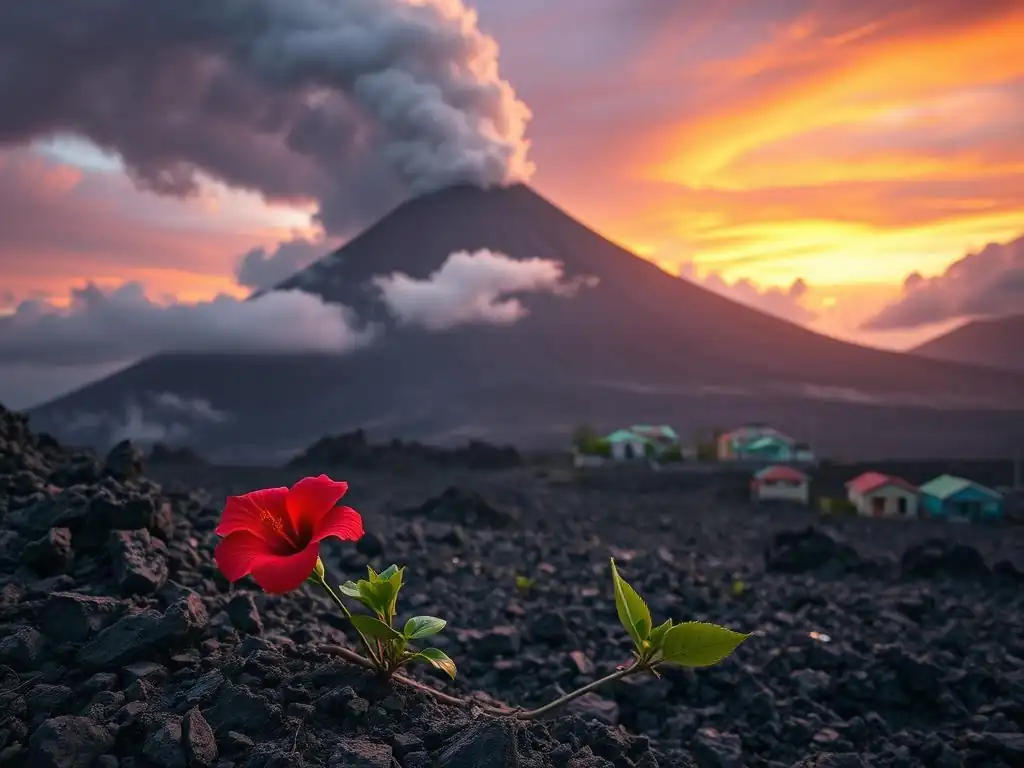
Welcome to Volcano Explorers, where we uncover the Earth's fiery secrets. Dare to venture into the heart of volcanic power? Today, we're grappling with a critical question: How do we truly plan for the longterm volcanic management strategies needed when a volcano refuses to rest? Our journey begins with Montserrat's Soufrière Hills, a stark reminder that the Earth's raw power demands innovative and enduring solutions. Prepare to explore the complexities of coexisting with a restless giant... and discover what the future holds.
- Introduction: Understanding the Soufrière Hills Eruption and its Lasting Impact
- Historical Context: The Pre-Eruption Landscape of Montserrat
- The 1995 Eruption and Initial Disaster Response
- The Evolution of Long-Term Volcanic Management Strategies in Montserrat
- Key Components of Montserrat's Long-Term Volcanic Management Plan
- Socioeconomic Impacts and Community Resilience
- International Collaboration and Support
- Lessons Learned: Implications for Volcanic Management Globally
- Future Challenges and Opportunities in Montserrat
- Conclusion: Montserrat as a Case Study in Sustainable Volcanic Risk Reduction and Long-Term Volcanic Management Strategies.
-
Frequently Asked Questions
- What made the Soufrière Hills eruption on Montserrat so challenging to manage in the long term?
- What are some examples of longterm volcanic management strategies employed in Montserrat?
- How has the Soufrière Hills eruption influenced the development of longterm volcanic management strategies globally?
- What role does technology play in longterm monitoring and management of volcanoes like Soufrière Hills?
- What are the key factors to consider when developing longterm evacuation plans for communities near active volcanoes?
- Final Reflection: Embracing Resilience in the Face of Volcanic Fury
- Champion Resilient Communities: Become a Volcano Preparedness Advocate!
Introduction: Understanding the Soufrière Hills Eruption and its Lasting Impact
The eruption of the Soufrière Hills volcano on the Caribbean island of Montserrat, which began in 1995, stands as a stark reminder of the long-term challenges posed by volcanic activity. Unlike short-lived eruptions that quickly subside, Soufrière Hills has exhibited a prolonged eruptive episode, profoundly reshaping the island's landscape, economy, and society.
This ongoing crisis has necessitated the development and implementation of innovative long-term volcanic management strategies, transforming Montserrat into a living laboratory for how communities can adapt and coexist with persistent volcanic hazards. The eruption serves as a critical case study in understanding the complexities of managing volcanic risk over decades, rather than just responding to immediate emergencies.
The eruption's impact extends beyond the immediate physical destruction. It has forced a fundamental rethinking of land use, infrastructure development, and community planning in volcanic regions worldwide. Montserrat's experience offers valuable lessons in sustainable volcanic risk reduction, highlighting the need for adaptive governance, robust scientific monitoring, and resilient community engagement. This article will explore the evolution of long-term volcanic management strategies in Montserrat, from the initial emergency response to the development of a comprehensive plan for living with an active volcano, providing insights applicable to other volcanic regions facing similar protracted crises.
Historical Context: The Pre-Eruption Landscape of Montserrat
Montserrat's Economy and Society Before 1995
Prior to 1995, Montserrat was a verdant and relatively prosperous British Overseas Territory, often referred to as the "Emerald Isle of the Caribbean." Its economy was largely dependent on agriculture, particularly sea island cotton and market gardening, and a burgeoning tourism sector. The island's tranquil beauty and relaxed pace of life attracted visitors seeking an escape from the more developed Caribbean destinations.
The population of Montserrat hovered around 11,000, largely concentrated in Plymouth, the capital, and surrounding areas, predominantly in the southern and western parts of the island. A strong sense of community and cultural identity characterized Montserratian society, with a rich heritage rooted in African and European traditions.
Life in Montserrat before the eruption was characterized by a close relationship with the land and sea. Small-scale farming and fishing were common livelihoods, and community life revolved around villages and local churches. While volcanic activity was not entirely unknown – small fumaroles and hot springs hinted at the island's volcanic nature – there was no recent history of major eruptions.
The Soufrière Hills volcano, dormant for centuries, was perceived as a scenic backdrop rather than an imminent threat. This lack of recent volcanic experience contributed to a sense of complacency regarding volcanic hazards, which would be dramatically shattered by the events of the mid-1990s.
Early Signs of Volcanic Unrest and Initial Monitoring Efforts
In 1992, subtle signs of volcanic unrest began to emerge at Soufrière Hills, marking the end of a long period of quiescence. These early indicators included increased fumarolic activity and minor seismic tremors, largely unnoticed by the general population. Recognizing the potential for escalating volcanic activity, the Montserrat government, with support from international geological agencies, initiated basic monitoring efforts. Seismic stations were established to track earthquake activity, and gas measurements were taken at fumarole sites. However, the scale of monitoring was limited, and the understanding of the volcano's behavior was still in its nascent stages.
The initial phase of monitoring was crucial in establishing a baseline understanding of Soufrière Hills' activity. Scientists began to analyze the seismic data and gas compositions, looking for patterns that might indicate an impending eruption. While the early signs were not immediately alarming, they were sufficient to raise concerns and trigger a gradual increase in monitoring intensity.
This period of early observation was essential in preparing for the possibility of a volcanic crisis, even though the long-term and devastating nature of the eruption was not yet fully anticipated. The groundwork laid during these initial monitoring efforts would prove invaluable as the volcanic unrest escalated in the following years.
The 1995 Eruption and Initial Disaster Response
The First Explosions and Mass Evacuations
July 18, 1995, marked a turning point for Montserrat, as Soufrière Hills entered an eruptive phase after centuries of dormancy. The first explosions were phreatic, driven by the heating and flashing of groundwater into steam, sending ash plumes high into the atmosphere. These initial explosions, while not immediately devastating, served as a clear warning that the volcano was reawakening. Recognizing the escalating threat, the Montserrat government, in consultation with scientific advisors, initiated the first phase of evacuations, primarily from villages closest to the volcano in the southern part of the island.
As the eruption intensified, the nature of the volcanic activity shifted from phreatic to magmatic, with the eruption of lava and the generation of pyroclastic flows and surges. These flows, fast-moving currents of hot gas and volcanic debris, posed a significantly greater threat to life and property. Mass evacuations became necessary, with the majority of the population being relocated to the north of the island, considered relatively safer from the immediate volcanic hazards.
Plymouth, the capital city, was eventually abandoned and subsequently buried under volcanic deposits, becoming a poignant symbol of the eruption's destructive power. The initial disaster response was focused on saving lives through rapid evacuation and providing emergency shelter and aid to the displaced population.
Challenges of Emergency Management in a Volcanic Crisis
Managing the emergency phase of the Soufrière Hills eruption presented numerous and complex challenges. Evacuating a significant portion of the island's population required logistical planning, coordination, and resource mobilization. Providing temporary housing, food, water, and healthcare for thousands of displaced people strained the island's infrastructure and resources. Communication was critical, but disseminating accurate and timely information to the public in a rapidly evolving crisis was difficult. Rumors and misinformation often spread, adding to public anxiety and complicating evacuation efforts.
Beyond the immediate logistical challenges, the psychological impact of the eruption and displacement was profound. People lost their homes, livelihoods, and a sense of security. The uncertainty surrounding the eruption's duration and intensity created chronic stress and anxiety within the community. Emergency managers had to address not only the physical needs of the displaced population but also their emotional and psychological well-being. Furthermore, the long duration of the eruption meant that emergency response could not be a short-term fix; it had to evolve into a more sustained and adaptable approach to managing a long-term crisis.
Initial Scientific Assessments of the Eruption's Potential
In the early stages of the eruption, scientists faced the daunting task of assessing the eruption's potential trajectory and providing forecasts to guide emergency response and long-term planning. Initial assessments were based on monitoring data, including seismicity, gas emissions, and ground deformation, as well as the volcano's past eruptive history. However, predicting the behavior of Soufrière Hills, a volcano with limited historical records of recent activity, was inherently uncertain. Scientists had to grapple with incomplete data and evolving volcanic activity to provide the best possible advice to decision-makers.
Early scientific assessments recognized the potential for a prolonged eruptive episode, but the full extent and duration of the eruption were difficult to predict. Different eruptive scenarios were considered, ranging from a relatively short-lived eruption to a more sustained period of activity. The uncertainty in these assessments highlighted the need for continuous monitoring, research, and adaptive management strategies.
Scientists played a crucial role in communicating the uncertainties associated with volcanic forecasting to the public and policymakers, emphasizing the need for preparedness and flexibility in the face of evolving volcanic hazards. These initial scientific assessments laid the foundation for the development of more sophisticated monitoring and forecasting capabilities as the eruption progressed.
The Evolution of Long-Term Volcanic Management Strategies in Montserrat
From Emergency Response to Sustainable Volcanic Risk Management
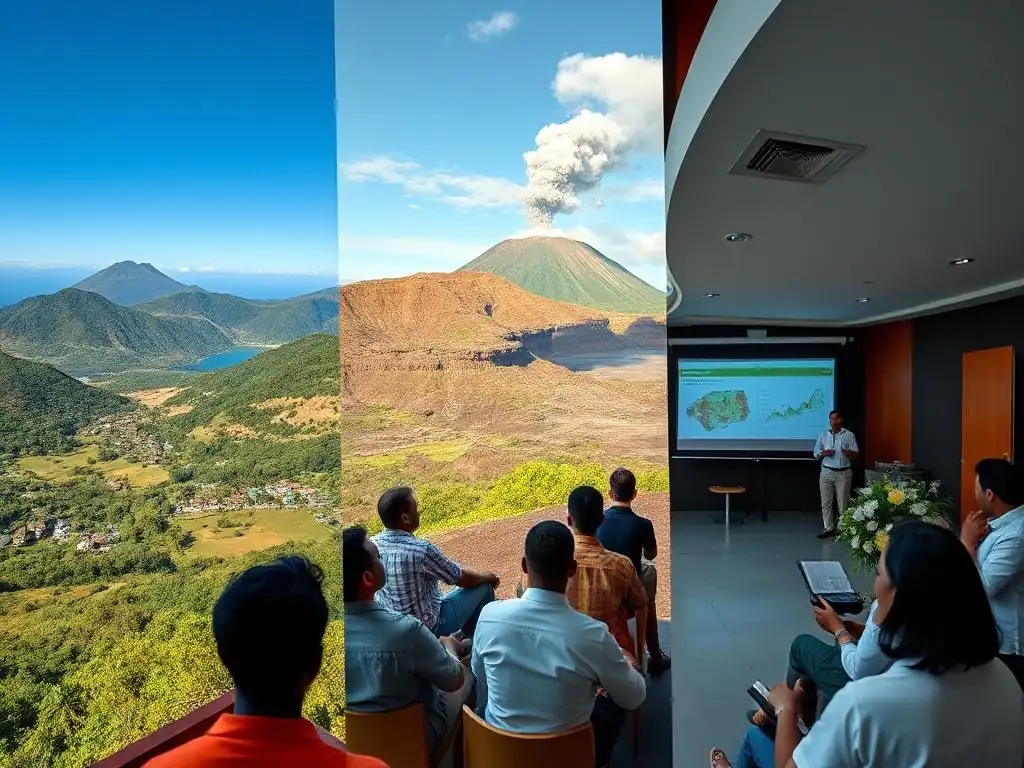
The prolonged nature of the Soufrière Hills eruption necessitated a shift in approach from short-term emergency response to long-term volcanic risk management. It became clear that the eruption was not a temporary crisis but rather a new reality that Montserrat had to adapt to. This transition involved moving beyond immediate evacuation and relief efforts to developing sustainable strategies for living with an active volcano.
Long-term volcanic management in Montserrat focused on minimizing risk, fostering community resilience, and enabling sustainable development in the face of ongoing volcanic hazards. This shift required a fundamental change in mindset, from reacting to emergencies to proactively managing volcanic risk over decades.
This evolution involved several key components, including establishing a permanent volcanic observatory, developing comprehensive hazard assessments and risk maps, implementing land-use planning and zoning restrictions, investing in infrastructure resilience, and fostering public education and community engagement. The focus shifted from simply evacuating people during crises to creating conditions that allowed communities to live safely and productively in a volcanic environment. This transformation required strong collaboration between scientists, policymakers, emergency managers, and the community, emphasizing the importance of integrated and participatory approaches to long-term volcanic risk management.
The Role of the Montserrat Volcano Observatory (MVO) in Monitoring and Research
The establishment of the Montserrat Volcano Observatory (MVO) in 1995 was a pivotal development in the long-term volcanic management strategy. The MVO became the central institution responsible for monitoring Soufrière Hills, conducting research on its behavior, and providing scientific advice to the government and the public. Staffed by volcanologists, seismologists, and other scientific experts, the MVO operates a sophisticated monitoring network, including seismic stations, GPS instruments, gas sensors, and remote sensing technologies. This continuous monitoring provides crucial data on the volcano's activity, enabling the MVO to detect changes, assess hazards, and issue warnings.
Beyond monitoring, the MVO plays a vital role in conducting research to better understand Soufrière Hills and volcanic processes in general. MVO scientists have published numerous scientific papers on various aspects of the eruption, contributing to global knowledge of volcano behavior. The MVO also plays a crucial role in public education, communicating volcanic risk information to the community through regular bulletins, public meetings, and educational programs.
The MVO's work is essential for informed decision-making in all aspects of volcanic management, from short-term emergency response to long-term land-use planning and infrastructure development. It serves as a cornerstone of Montserrat's long-term volcanic management strategies.
Integrating Scientific Data into Public Safety Policies
A key aspect of Montserrat's long-term volcanic management is the effective integration of scientific data and advice into public safety policies and decision-making processes. The MVO's monitoring data and hazard assessments directly inform government policies related to evacuation zones, access restrictions, infrastructure development, and land-use planning. Regular consultations between MVO scientists and government officials ensure that policy decisions are based on the best available scientific understanding of volcanic risk. This close collaboration between science and policy is crucial for effective volcanic risk reduction.
The integration of scientific data extends beyond government policies to community preparedness and individual decision-making. The MVO's public education efforts aim to empower residents with the knowledge they need to understand volcanic hazards and make informed decisions about their safety. Volcanic hazard maps, evacuation plans, and public awareness campaigns are all based on scientific assessments provided by the MVO. This evidence-based approach to public safety, grounded in robust scientific monitoring and research, is a hallmark of Montserrat's long-term volcanic management strategy and a model for other volcanic regions.
Key Components of Montserrat's Long-Term Volcanic Management Plan
Volcanic Hazard Assessment and Risk Mapping
Comprehensive volcanic hazard assessment and risk mapping are foundational components of Montserrat's long-term volcanic management plan. The MVO continuously updates hazard assessments based on the evolving eruption dynamics and the latest scientific understanding of Soufrière Hills. These assessments identify areas at different levels of volcanic hazard, considering various potential events such as pyroclastic flows, ashfall, lahars (volcanic mudflows), and volcanic gas emissions. Risk maps are developed to visually represent these hazard zones, providing a crucial tool for land-use planning, emergency preparedness, and public awareness.
These hazard maps are not static; they are regularly revised and updated as the eruption progresses and scientific knowledge improves. Different hazard zones are delineated based on the probability and potential impact of various volcanic phenomena. For example, areas closest to the volcano are designated as high-hazard zones, subject to strict access restrictions, while areas further away may be classified as moderate or low hazard. These maps are essential for guiding development decisions, ensuring that new infrastructure and residential areas are located in areas of lower volcanic risk, contributing significantly to effective longterm volcanic management strategies.
Land Use Planning and Zoning Restrictions in High-Risk Areas
Based on volcanic hazard assessments and risk maps, Montserrat has implemented stringent land-use planning and zoning restrictions, particularly in high-risk areas. Areas within designated exclusion zones are uninhabitable and off-limits to permanent development. Land-use policies regulate the type and density of development permitted in different hazard zones, aiming to minimize exposure to volcanic hazards. These policies recognize that in certain areas, the risk is simply too high for permanent habitation, and restricting development is the most effective way to reduce risk.
Land-use planning is a critical aspect of proactive volcanic risk management. It involves making difficult decisions about where development is allowed and where it is not, often requiring relocation of communities and businesses from high-risk zones. In Montserrat, this has meant the abandonment of large parts of the southern island, including the former capital Plymouth. While these measures have significant socioeconomic impacts, they are essential for ensuring long-term public safety and reducing vulnerability to volcanic hazards, demonstrating a commitment to longterm volcanic management strategies.
Infrastructure Development and Resilience Strategies
Montserrat's long-term volcanic management plan emphasizes infrastructure development and resilience strategies to mitigate the impacts of ongoing volcanic activity. New infrastructure, such as roads, schools, and hospitals, has been constructed in the safer northern part of the island, away from the highest volcanic hazard zones. Infrastructure design incorporates resilience measures to withstand volcanic hazards, such as ashfall and seismic shaking. For example, buildings may be constructed with stronger roofs to resist ash loading, and critical facilities may have backup power systems to ensure continued operation during volcanic crises.
Investing in resilient infrastructure is crucial for ensuring the long-term functionality of essential services and minimizing disruption during volcanic events. This includes not only physical infrastructure but also communication networks, emergency response systems, and essential supplies. Montserrat has also invested in monitoring infrastructure, such as the MVO's monitoring network, to provide early warnings and inform emergency response. These investments in infrastructure resilience are vital for enabling the island to function effectively and recover quickly from volcanic events, and are key to effective longterm volcanic management strategies.
Public Education and Community Engagement for Volcanic Preparedness
Public education and community engagement are integral to Montserrat's long-term volcanic management approach. Recognizing that volcanic risk management is a shared responsibility, the MVO and other agencies conduct ongoing public education campaigns to raise awareness about volcanic hazards, preparedness measures, and evacuation procedures. Community engagement initiatives involve local residents in the development and implementation of volcanic risk management plans, ensuring that these plans are tailored to local needs and contexts.
These public education efforts utilize various channels, including radio broadcasts, public meetings, school programs, and online resources, to reach diverse segments of the population. Community drills and exercises are regularly conducted to test evacuation plans and enhance community preparedness. Empowering communities with knowledge and involving them in decision-making processes fosters a culture of preparedness and resilience, essential for long-term coexistence with volcanic hazards, and a core element of successful longterm volcanic management strategies.
Socioeconomic Impacts and Community Resilience
The Economic Costs of the Eruption and Long-Term Volcanic Activity
The Soufrière Hills eruption has had profound and long-lasting socioeconomic impacts on Montserrat. The destruction of Plymouth, the former capital and economic center, resulted in significant economic losses. Agriculture and tourism, key sectors of the pre-eruption economy, were severely disrupted. The ongoing volcanic activity continues to impact economic development, deterring investment and limiting land use in affected areas. The economic costs of the eruption extend beyond immediate damages to include long-term impacts on livelihoods, infrastructure, and economic growth.
Estimates of the economic costs are substantial. Reconstruction efforts, relocation of infrastructure, and ongoing volcanic monitoring and management require significant financial resources. The loss of productive land and economic opportunities has resulted in a smaller economy and a greater reliance on external aid. Despite these challenges, Montserrat has demonstrated resilience in adapting its economy and seeking new avenues for sustainable development in the face of volcanic constraints. Longterm volcanic management strategies must consider these significant economic impacts and strive for sustainable economic recovery.
Displacement and Migration Patterns in Montserrat
The Soufrière Hills eruption has dramatically altered population distribution and migration patterns in Montserrat. Mass evacuations in the early stages of the eruption led to the abandonment of the southern part of the island and the concentration of population in the north. Many Montserratians have migrated overseas, seeking safety and economic opportunities elsewhere. The island's population has significantly decreased since the eruption began, from around 11,000 to approximately 5,000 currently. Displacement and migration have had profound social and cultural consequences, disrupting communities and family structures.
While some migration has been permanent, some Montserratians have returned or maintained strong ties to the island. The diaspora community plays an important role in supporting Montserrat's recovery and development. Understanding and addressing the long-term social and demographic impacts of displacement is crucial for building community resilience and fostering a sense of place in the face of volcanic risk. Longterm volcanic management strategies must consider these complex social and demographic shifts.
Community-Based Initiatives for Recovery and Resilience
Despite the challenges posed by the ongoing volcanic crisis, Montserrat has witnessed the emergence of numerous community-based initiatives for recovery and resilience. Local organizations and community groups have played a vital role in providing social support, promoting economic recovery, and fostering community cohesion. These initiatives range from small business development projects to cultural preservation efforts and community-led disaster preparedness programs. Community resilience is strengthened by these grassroots efforts that empower local residents and build social capital.
Community-based initiatives are essential for sustainable recovery because they are rooted in local needs and knowledge. They foster a sense of ownership and agency within the community, promoting self-reliance and reducing dependency on external aid. These initiatives contribute to building social resilience, enabling communities to cope with adversity, adapt to change, and recover from shocks. Supporting and strengthening community-based initiatives is a key aspect of promoting long-term resilience in volcanic environments, and an important part of effective longterm volcanic management strategies.
Balancing Economic Development with Volcanic Risk
A significant challenge for Montserrat is balancing economic development aspirations with the realities of living with ongoing volcanic risk. While the volcanic eruption has presented significant obstacles, it has also created opportunities for innovation and diversification. Montserrat is exploring new economic sectors, such as geothermal energy, eco-tourism focused on the volcanic landscape, and niche agriculture, to reduce reliance on traditional industries and build a more resilient economy. Sustainable development strategies aim to harness the island's unique volcanic environment while mitigating risks and ensuring long-term prosperity.
Balancing economic development with volcanic risk requires careful planning and risk-informed decision-making. Development projects must be located and designed to minimize exposure to volcanic hazards. Economic diversification is crucial to reduce vulnerability to volcanic impacts on specific sectors. Investing in education and skills development is essential to create a workforce capable of adapting to a changing economy. Sustainable economic development in Montserrat requires a long-term perspective, integrating volcanic risk management into all aspects of economic planning and policy, and is a key component of successful longterm volcanic management strategies.
International Collaboration and Support
The Role of International Aid Agencies and Scientific Partners
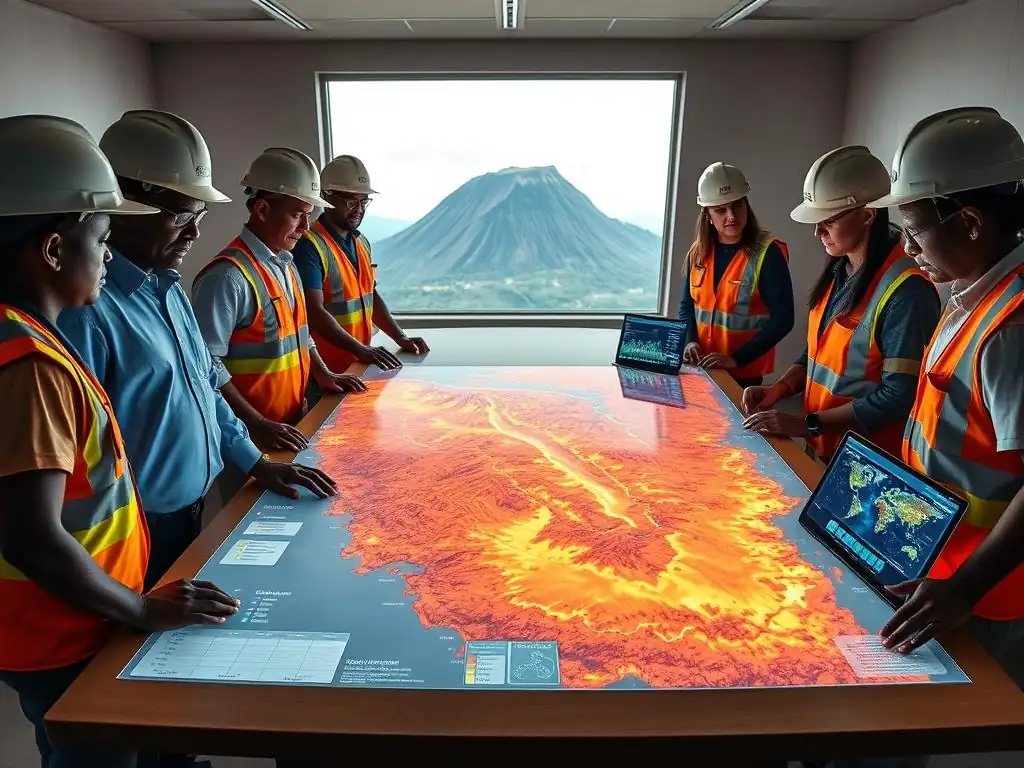
International collaboration and support have been crucial for Montserrat throughout the Soufrière Hills eruption. International aid agencies, including the UK Department for International Development (DFID) and various UN agencies, have provided significant financial and technical assistance for emergency response, humanitarian aid, and long-term recovery efforts. Scientific partners, such as the British Geological Survey (BGS) and universities worldwide, have collaborated with the MVO in monitoring, research, and capacity building. This international support has been essential for Montserrat's ability to manage the volcanic crisis and build long-term resilience.
International aid has provided critical resources for immediate relief efforts, such as shelter, food, and medical supplies, as well as for longer-term projects, such as infrastructure reconstruction and economic development initiatives. Scientific partnerships have enhanced the MVO's monitoring and research capabilities, providing access to expertise and technology that would otherwise be unavailable. This international collaboration highlights the importance of global solidarity and knowledge sharing in addressing volcanic crises, particularly in small island developing states like Montserrat, and is a crucial element in the success of longterm volcanic management strategies.
Knowledge Sharing and Best Practices in Volcanic Risk Management
Montserrat's experience with the Soufrière Hills eruption has become a valuable case study for volcanic risk management globally. The MVO and other Montserratian institutions actively engage in knowledge sharing and dissemination of best practices in volcanic monitoring, hazard assessment, community preparedness, and long-term volcanic risk reduction. International workshops, conferences, and training programs have been organized to share Montserrat's experiences and lessons learned with other volcanic regions around the world. This knowledge sharing contributes to improving volcanic risk management practices globally.
The lessons learned from Montserrat are particularly relevant to other volcanic regions facing long-duration eruptions or complex volcanic hazards. The Montserrat model of integrating science into policy, fostering community engagement, and developing sustainable risk management strategies provides valuable insights for other communities living with volcanoes. By sharing its experiences, Montserrat contributes to building global capacity for volcanic risk reduction and promoting safer and more resilient volcanic communities worldwide, demonstrating leadership in longterm volcanic management strategies.
Long-Term Funding and Resource Allocation Challenges
Despite international support, long-term funding and resource allocation remain significant challenges for Montserrat's volcanic management efforts. Sustaining the MVO's monitoring and research activities, maintaining infrastructure resilience, and implementing long-term development plans require consistent and predictable funding. Competition for international aid resources and shifting global priorities can create uncertainty in long-term funding streams. Ensuring adequate and sustained resource allocation is crucial for the continued success of Montserrat's volcanic management strategy.
Long-term volcanic risk management requires a sustained commitment of resources over decades. Funding mechanisms need to be flexible and adaptable to the evolving needs of volcanic regions. Exploring innovative financing mechanisms, such as dedicated volcanic risk reduction funds or insurance schemes, may be necessary to ensure long-term financial sustainability. Addressing long-term funding challenges is essential for maintaining momentum in volcanic risk reduction efforts and ensuring the continued safety and well-being of communities living with volcanoes, and is a critical consideration for the sustainability of longterm volcanic management strategies.
Lessons Learned: Implications for Volcanic Management Globally
Applying Montserrat's Experience to Other Volcanic Regions
Montserrat's experience with the Soufrière Hills eruption offers valuable lessons and insights applicable to volcanic management in other regions around the globe. The prolonged nature of the eruption and the comprehensive long-term volcanic management strategies developed in Montserrat provide a model for other communities facing similar protracted volcanic crises. The emphasis on science-based decision-making, community engagement, and sustainable risk reduction is relevant to diverse volcanic contexts, from densely populated urban areas to remote island communities.
The Montserrat case study highlights the importance of proactive volcanic risk management, shifting from reactive emergency response to long-term planning and preparedness. The integrated approach adopted in Montserrat, encompassing monitoring, hazard assessment, land-use planning, infrastructure resilience, and public education, provides a framework for comprehensive volcanic risk reduction. Adapting and applying these lessons to other volcanic regions can enhance their capacity to manage volcanic risk effectively and build more resilient communities, showcasing the global significance of Montserrat's longterm volcanic management strategies.
The Importance of Long-Term Monitoring and Research
The Soufrière Hills eruption underscores the critical importance of long-term volcanic monitoring and research. Continuous monitoring by the MVO has been essential for tracking the volcano's activity, detecting changes, and providing timely warnings. Research has improved understanding of the volcano's behavior and volcanic processes in general, enhancing forecasting capabilities and informing risk assessments. Long-term investment in monitoring and research is fundamental for effective volcanic risk management and for protecting communities from volcanic hazards.
The Montserrat experience demonstrates that volcanic eruptions can be long-lived and complex. Long-term monitoring provides the data needed to understand evolving eruption dynamics and adjust management strategies accordingly. Research advances scientific knowledge, improving the accuracy and reliability of volcanic hazard assessments and forecasts. Sustained investment in monitoring and research infrastructure and expertise is a prerequisite for effective volcanic risk management in any volcanic region, and is a core component of successful longterm volcanic management strategies.
Adapting Volcanic Management Strategies to Changing Eruption Styles
The Soufrière Hills eruption has exhibited various eruptive styles over time, from dome growth and collapse to explosive eruptions and pyroclastic flows. This variability highlights the need for adaptive volcanic management strategies that can be adjusted to changing eruption styles and evolving volcanic hazards. Flexibility and adaptability are key principles of effective long-term volcanic management, allowing for adjustments in response measures and risk reduction strategies as the eruption progresses and volcanic behavior changes.
Volcanic eruptions are dynamic and unpredictable. Management strategies must be designed to accommodate uncertainty and adapt to changing circumstances. This requires continuous monitoring, regular reassessment of hazards, and flexible response plans. The Montserrat experience demonstrates the importance of building adaptive capacity within volcanic management institutions and communities, enabling them to respond effectively to the evolving challenges posed by a long-duration eruption, and is a key lesson for the development of robust longterm volcanic management strategies.
The Need for Integrated Risk Management Approaches
Montserrat's volcanic management experience emphasizes the need for integrated risk management approaches that consider the interconnectedness of volcanic hazards, socioeconomic impacts, and community resilience. Effective volcanic risk management requires collaboration across multiple disciplines and sectors, including volcanology, emergency management, land-use planning, infrastructure development, public health, and community development. Integrated approaches ensure that risk management strategies are comprehensive, sustainable, and tailored to local contexts.
Volcanic risk is not solely a geophysical phenomenon; it is also a social, economic, and political issue. Integrated risk management approaches recognize the complexity of volcanic risk and address it holistically. This involves engaging diverse stakeholders, fostering inter-agency cooperation, and mainstreaming volcanic risk reduction into broader development planning. The Montserrat case study provides a compelling example of the benefits of integrated risk management approaches in building long-term resilience to volcanic hazards, and demonstrates the effectiveness of comprehensive longterm volcanic management strategies.
Future Challenges and Opportunities in Montserrat
Adapting to Continued Volcanic Activity and Potential Future Eruptions
Montserrat continues to live with the reality of ongoing volcanic activity at Soufrière Hills. While the intensity of the eruption has fluctuated over time, the volcano remains active, and the potential for future eruptions and changes in eruptive style persists. Adapting to this continued volcanic activity is a long-term challenge. This requires ongoing monitoring, hazard assessment updates, and preparedness planning to ensure that Montserrat remains resilient in the face of potential future volcanic events.
The long-term nature of the Soufrière Hills eruption necessitates a sustained commitment to volcanic risk management. This includes maintaining the MVO's monitoring capacity, investing in infrastructure resilience, and continuing public education efforts. Adapting to continued volcanic activity also requires flexibility and innovation in risk management strategies, recognizing that volcanic hazards may evolve in unpredictable ways. Longterm volcanic management strategies must be dynamic and adaptable to address these ongoing and future challenges.
Developing Sustainable Livelihoods in a Volcanic Environment
Developing sustainable livelihoods in a volcanic environment is a key priority for Montserrat's long-term recovery and development. Exploring economic diversification opportunities, such as geothermal energy, eco-tourism, and niche agriculture, can create new sources of income and reduce reliance on traditional sectors vulnerable to volcanic impacts. Sustainable livelihood strategies must be risk-informed, taking into account volcanic hazards and incorporating resilience measures. Building a diverse and resilient economy is essential for Montserrat's long-term prosperity in a volcanic environment.
Harnessing the island's volcanic resources, such as geothermal energy and volcanic landscapes for tourism, can turn volcanic hazards into economic opportunities. Eco-tourism, in particular, can capitalize on the unique appeal of volcanic environments while promoting sustainable development. Supporting small businesses, developing local skills, and fostering entrepreneurship are crucial for creating sustainable livelihoods and building economic resilience in Montserrat's volcanic context, and are important considerations for longterm volcanic management strategies.
Fostering Resilience and a Sense of Place in the Face of Volcanic Risk
Beyond physical and economic resilience, fostering social and cultural resilience and maintaining a sense of place are crucial for Montserrat's long-term well-being. Despite the challenges of living with volcanic risk, Montserratians have demonstrated remarkable resilience and a strong sense of community. Preserving cultural heritage, promoting community cohesion, and fostering a sense of belonging are essential for building social resilience and enabling communities to thrive in the face of adversity. Maintaining a sense of place, even in a dramatically changed landscape, is vital for community identity and long-term recovery.
Community-based initiatives, cultural events, and social support networks play a critical role in fostering social resilience and maintaining a sense of place. Empowering local communities, celebrating cultural traditions, and promoting social cohesion strengthen community bonds and enhance collective resilience. Recognizing and nurturing the social and cultural dimensions of resilience is essential for holistic long-term volcanic management strategies that aim to create not only safe but also thriving and vibrant communities in volcanic environments.
Conclusion: Montserrat as a Case Study in Sustainable Volcanic Risk Reduction and Long-Term Volcanic Management Strategies.
Montserrat's ongoing crisis with the Soufrière Hills volcano serves as a compelling and enduring case study in sustainable volcanic risk reduction and the evolution of longterm volcanic management strategies. From the initial emergency response to the development of a comprehensive, long-term management plan, Montserrat's experience provides invaluable lessons for volcanic regions worldwide. The island's journey highlights the importance of science-based decision-making, community engagement, adaptive governance, and international collaboration in effectively managing protracted volcanic crises.
The Montserrat model demonstrates that living safely and sustainably with an active volcano is possible, even in the face of prolonged and complex eruptions. By prioritizing long-term planning, investing in monitoring and research, implementing robust land-use policies, and fostering community resilience, Montserrat has transformed itself into a living laboratory for volcanic risk management.
The lessons learned from Montserrat are not only relevant to other volcanic regions but also offer broader insights into managing long-term environmental risks and building resilient communities in the face of persistent natural hazards. Montserrat's story is a testament to human adaptability, scientific innovation, and the enduring power of community in navigating the challenges of living in a dynamic and volcanically active world.
Frequently Asked Questions
What made the Soufrière Hills eruption on Montserrat so challenging to manage in the long term?
The Soufrière Hills eruption presented unique challenges due to its prolonged and intermittent nature. This resulted in ongoing ashfall, pyroclastic flows, and dome collapses, requiring a constantly evolving management strategy. The unpredictability of the volcano also complicated planning efforts.
What are some examples of longterm volcanic management strategies employed in Montserrat?
Strategies included the establishment of exclusion zones to restrict access to high-risk areas, detailed monitoring systems to track volcanic activity, and the construction of infrastructure for ash management and emergency response. Community education and preparedness programs were also crucial.
How has the Soufrière Hills eruption influenced the development of longterm volcanic management strategies globally?
The Montserrat experience highlighted the need for flexible and adaptive management plans, recognizing that volcanic crises can last for years or even decades. It also emphasized the importance of interdisciplinary collaboration between scientists, policymakers, and local communities.
What role does technology play in longterm monitoring and management of volcanoes like Soufrière Hills?
Technology is vital for real-time monitoring of volcanic activity, using instruments like seismometers, GPS, and gas sensors. This data informs risk assessments and helps predict future eruptions. Drone technology is also increasingly used for visual monitoring and mapping.
What are the key factors to consider when developing longterm evacuation plans for communities near active volcanoes?
Evacuation plans must account for various eruption scenarios, including ashfall, pyroclastic flows, and lahars. Clear communication strategies, well-defined evacuation routes, and designated shelters are essential. Regular drills and community involvement are also critical for success.
Okay, here's a final reflection designed to close your article on Montserrat's volcanic crisis, optimized for emotional impact and keyword relevance, using the structure you provided:
Final Reflection: Embracing Resilience in the Face of Volcanic Fury
The story of Montserrat, etched in ash and resilience, serves as a stark reminder that longterm volcanic management strategies are not merely academic exercises, but vital lifelines for communities living under the shadow of geological power. The island's ongoing struggle, decades after the initial eruption, underscores the enduring need for adaptive, community-centered approaches to mitigate risk and foster sustainable recovery.
The enduring impact of Soufrière Hills extends far beyond Montserrat's shores, shaping our understanding of how societies can navigate prolonged periods of uncertainty and displacement. The lessons learned from this crisis, particularly the importance of community engagement and flexible governance, are invaluable as we face increasingly complex environmental challenges globally. The future is not something to be predicted, it is something to be achieved.
- Bill Gates (While not directly about volcanoes, this quote speaks to the proactive approach needed in longterm management).
As we reflect on Montserrat's journey, let us not only admire its resilience, but also internalize the critical importance of proactive planning and community empowerment. Consider how you can contribute to fostering a more resilient future in your own community, whether through supporting scientific research, advocating for responsible land-use policies, or simply engaging in informed conversations about the challenges we face. The future of volcanic management, and indeed, the future of our planet, depends on our collective commitment to learning from the past and building a more sustainable and equitable world.
Champion Resilient Communities: Become a Volcano Preparedness Advocate!
Thank you for exploring the evolving story of Montserrat and the remarkable efforts in long-term volcanic management. We hope you've gained valuable insights into the challenges and triumphs of living alongside an active volcano. Now, let's turn that knowledge into action.
Here are some ways you can contribute to volcano preparedness and community resilience:
- Become a Citizen Scientist: Join our citizen science program at VolcanoExplorers.org and help monitor volcanic activity around the globe! Your observations can contribute to crucial research.
- Share this article to spread awareness about the complexities of living with active volcanoes and the importance of preparedness.
- Explore our "Volcano Preparedness Toolkit" section on VolcanoExplorers.org and equip yourself with the knowledge needed to support communities at risk.
What small step will you take today to contribute to a more resilient future for communities living near active volcanoes? Let us know in the comments below!