
BudgetFriendly Eruptions: Affordable Volcano Kits That Don't Skimp on Science

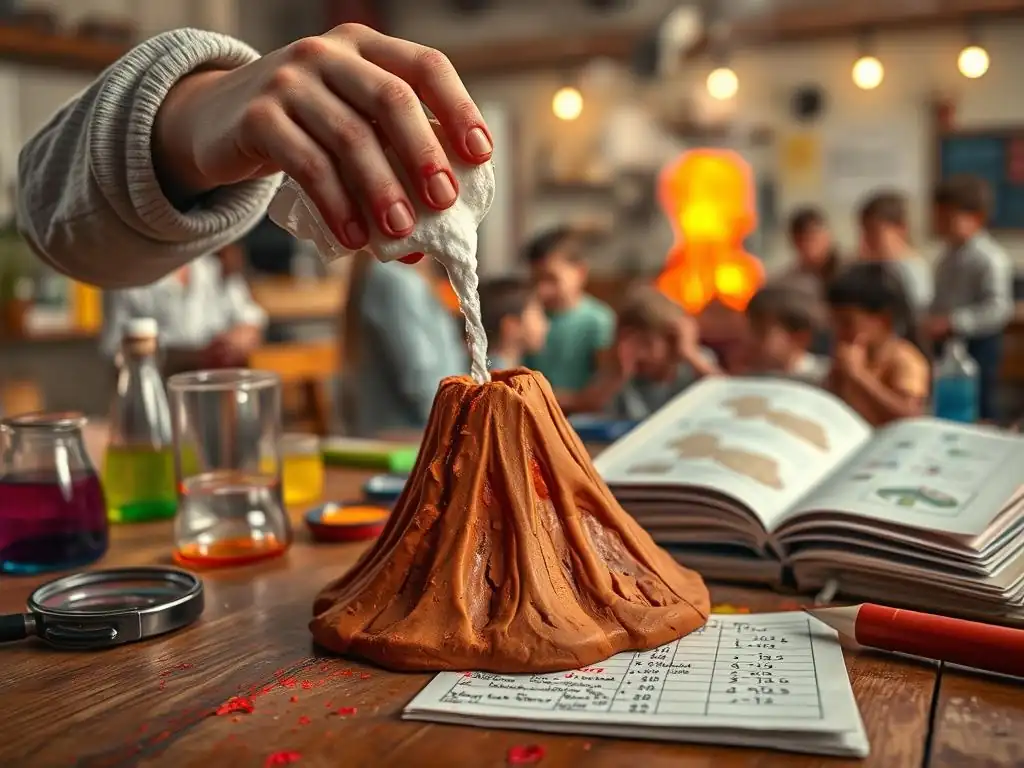
Welcome to Volcano Explorers, where the Earth breathes fire! Ever dreamt of commanding your own geological spectacle? You might think exploring the science of volcanoes requires a hefty investment, but what if you could ignite your passion without emptying your wallet? This week, we're diving deep into the world of affordable volcano science kits, proving that explosive learning doesn't have to break the bank. But what makes a truly great, budget-friendly kit? Discover the answer and unleash your inner volcanologist!
- Unleashing Scientific Exploration: Discovering Affordable Volcano Science Kits
-
The Top 5 Affordable Volcano Science Kits for Budding Volcanologists
- 1. Dancing Bear Science Volcano Kit: A Classic Choice for Young Scientists
- 2. National Geographic Volcano Science Kit: Unleash the Power of Learning on a Budget
- 3. Klutz LEGO Chain Reactions Craft Kit: A Two-in-One Science Adventure
- 4. Thames & Kosmos Kids First Chemistry Set: A Hands-On Approach to Volcanic Science
- 5. 4M Crystal Growing Experiment: An In-Depth Look Inside a Volcano
- Key Features to Consider When Choosing Affordable Volcano Kits
- Maximizing Your Volcano Science Kit Experience
- Beyond the Kit: Expanding Your Volcano Education
-
Frequently Asked Questions
- What are the benefits of using affordable volcano science kits for learning?
- Are affordable volcano kits safe for children to use?
- What kind of scientific concepts can be learned through affordable volcano kits?
- Where can I find affordable volcano science kits that still offer good educational value?
- Do affordable volcano kits provide real-time updates on volcanic activity?
- Final Reflection: Igniting Curiosity on a Budget
- Ignite Your Curiosity: Build Your Own Volcano!
Unleashing Scientific Exploration: Discovering Affordable Volcano Science Kits
Why Choose a Volcano Science Kit? Spark Curiosity with Hands-On Learning
Volcano science kits are more than just toys; they are dynamic educational tools designed to ignite a passion for science in children and adults alike. These kits offer a hands-on approach to learning about geology, chemistry, and earth science, transforming abstract concepts into tangible, erupting realities.
By building and experimenting with a volcano kit, learners actively engage with scientific principles, fostering a deeper understanding and retention of the material compared to passive learning methods like reading or watching videos alone. The tactile experience of mixing ingredients, constructing the volcano model, and observing the eruption creates a memorable and impactful learning moment, turning scientific exploration into an exciting adventure.
Moreover, volcano kits encourage critical thinking and problem-solving skills. Following instructions to assemble the volcano and conduct the eruption requires careful reading, sequencing, and attention to detail. When things don't go exactly as planned – perhaps the eruption isn't as vigorous as expected – it presents an opportunity for experimentation and troubleshooting.
Learners can adjust variables like the amount of baking soda or vinegar, or the volcano's structure, to understand how different factors influence the eruption. This process of experimentation and adjustment is fundamental to the scientific method, teaching valuable skills that extend far beyond the realm of volcano science.
Understanding the Importance of Quality in Budget Volcano Kits
While affordability is a key consideration when choosing a volcano science kit, quality should not be sacrificed for price. A poorly designed or cheaply made kit can lead to frustration and disillusionment, potentially hindering rather than fostering a love for science. Quality in a budget volcano kit encompasses several factors, including the durability of the materials, the clarity of the instructions, and the educational value of the included experiments and information.
A well-designed kit should be made from sturdy materials that can withstand repeated use, allowing for multiple eruptions and extended play. The instructions should be clear, concise, and age-appropriate, guiding users through the assembly and experiment process without confusion.
Furthermore, a quality affordable volcano science kit should prioritize educational content. Beyond simply creating an eruption, the kit should provide insights into the science behind volcanic activity. This might include explanations of chemical reactions, geological processes, and the different types of volcanoes. Some kits even incorporate lessons on famous volcanic eruptions in history or the work of volcanologists. By selecting a budget-friendly kit that emphasizes both hands-on fun and educational value, parents and educators can ensure that children are not only entertained but also genuinely learning and developing a lasting appreciation for the wonders of science.
The Top 5 Affordable Volcano Science Kits for Budding Volcanologists
1. Dancing Bear Science Volcano Kit: A Classic Choice for Young Scientists
Key Features of the Dancing Bear Science Kit: Eruption Power and Educational Value
The Dancing Bear Science Volcano Kit is a popular choice among educators and parents seeking an engaging and educational science experience for children. This kit is known for its reliable eruption power, creating a visually impressive and satisfying volcanic display that captivates young scientists. The kit typically includes a pre-molded plastic volcano, eruption powder (usually baking soda and citric acid), and sometimes coloring tablets to enhance the visual appeal of the lava flow.
Beyond the eruption itself, the Dancing Bear kit often incorporates educational materials such as fact sheets about volcanoes, eruption explanations, and safety guidelines. This focus on both the exciting eruption and the underlying science makes it a well-rounded option for introducing children to volcanology.
Moreover, the Dancing Bear Science Volcano Kit is designed with ease of use in mind, making it suitable for younger children to operate with minimal adult supervision. The instructions are generally straightforward, and the components are simple to assemble and use. This ease of use encourages independent exploration and experimentation, allowing children to take ownership of their scientific investigation.
Many users appreciate the reusability of the volcano mold, enabling multiple eruptions with readily available household ingredients like baking soda and vinegar once the initial eruption powder is depleted. This reusability adds to the kit's value and extends the learning experience beyond a single eruption.
Pros and Cons: Is This Kit Right for Your Little Volcanologist?
The Dancing Bear Science Volcano Kit offers several advantages, particularly its ease of use and reliable eruption. It's generally affordable and widely available, making it an accessible option for many families and classrooms. The inclusion of basic educational materials is a definite plus, providing a starting point for learning about volcanoes. However, some users might find the pre-molded plastic volcano somewhat basic in appearance compared to more elaborate kits. The educational content, while present, may be introductory and might not delve into the science as deeply as some more advanced kits.
Another potential drawback is the limited reusability of the specialized eruption powder if the kit relies on proprietary chemicals instead of common household ingredients. While the volcano mold itself can be reused, the need to repurchase specific eruption powder might add to the long-term cost. For families seeking a simple, reliable, and budget-friendly introduction to volcano science with a strong emphasis on the eruptive spectacle, the Dancing Bear Science Volcano Kit is a solid choice. However, those looking for more in-depth scientific exploration or a more realistic volcano model might consider exploring other options.
2. National Geographic Volcano Science Kit: Unleash the Power of Learning on a Budget
Exploring the Science Behind the Eruption: Educational Resources Included
The National Geographic Volcano Science Kit leverages the reputable brand's commitment to education and exploration, offering an affordable volcano kit that prioritizes learning alongside fun. This kit often goes beyond a simple eruption demonstration by including detailed learning guides and experiment booklets. These resources typically delve into the geological processes behind volcanic eruptions, explaining concepts like plate tectonics, magma formation, and the different types of volcanic eruptions. The educational materials are designed to be engaging and age-appropriate, often featuring colorful illustrations, real-world examples, and fascinating facts about volcanoes around the globe.
Furthermore, National Geographic volcano kits often incorporate multiple experiments beyond just the classic baking soda and vinegar eruption. These might include simulations of lava flows using different materials, explorations of volcanic rock formation, or even activities related to earthquake science, given the close relationship between volcanic and seismic activity.
By expanding the scope of learning beyond a single eruption, National Geographic aims to provide a more comprehensive introduction to earth science and inspire a deeper curiosity about the natural world. The inclusion of genuine volcanic rock specimens in some kits further enhances the hands-on learning experience, allowing children to directly examine and interact with real geological samples.
Why National Geographic? A Trusted Brand for Science Education
National Geographic's long-standing reputation as a trusted source of scientific information and educational content adds significant value to their volcano science kits. Parents and educators can be confident that the information presented in the kit is accurate, up-to-date, and aligned with educational standards. The brand's association with exploration and discovery naturally resonates with children's innate curiosity, making learning about volcanoes feel like an exciting adventure rather than a chore. National Geographic's commitment to quality extends to the materials used in their kits, often employing durable components designed for repeated use and long-lasting educational value.
Choosing a National Geographic volcano science kit also supports the organization's broader mission of promoting scientific literacy and environmental stewardship. A portion of the proceeds from National Geographic products often goes towards funding research and conservation efforts around the world. This connection to a larger purpose can be a motivating factor for socially conscious consumers who want to support organizations that are making a positive impact on the planet. For parents and educators seeking an affordable volcano science kit that combines engaging experiments with reliable, high-quality educational content from a respected brand, National Geographic is an excellent option.
3. Klutz LEGO Chain Reactions Craft Kit: A Two-in-One Science Adventure
Engineering and Physics: A Unique Learning Experience
The Klutz LEGO Chain Reactions Craft Kit offers a distinctive approach to science education, cleverly blending the fun of building with LEGOs and the principles of physics and engineering. While not exclusively a volcano kit, it can be adapted to create volcano-themed chain reactions, demonstrating scientific concepts in a highly engaging and interactive way.
This kit focuses on teaching fundamental physics principles like gravity, momentum, and energy transfer through the construction and manipulation of chain reaction machines. By building ramps, levers, pendulums, and other contraptions with LEGO bricks, children learn about cause and effect and how different forces interact to create motion and movement.
The Klutz LEGO Chain Reactions kit encourages creativity and problem-solving as children are challenged to design and build their own chain reactions to achieve specific goals. The included instruction book provides clear, step-by-step guidance and inspiration, but also encourages experimentation and customization. This hands-on building process fosters spatial reasoning, fine motor skills, and critical thinking as children troubleshoot design flaws and refine their creations. The open-ended nature of LEGOs allows for endless possibilities and encourages children to think outside the box, making learning a playful and iterative process.
Budget-Friendly Fun: Is the Klutz LEGO Chain Reactions Craft Kit Worth It?
Although slightly different from traditional volcano kits, the Klutz LEGO Chain Reactions Craft Kit offers exceptional value for its price, providing a wealth of learning and play opportunities. LEGOs are renowned for their durability and reusability, ensuring that this kit can be enjoyed for years and potentially integrated with existing LEGO collections.
The focus on engineering and physics principles provides a different but equally valuable scientific learning experience compared to kits solely focused on chemistry or geology. The versatility of LEGOs allows for countless chain reaction designs, extending the play and learning potential far beyond the initial projects outlined in the instruction book.
For families already invested in LEGOs or seeking a science kit that emphasizes engineering and physics concepts, the Klutz LEGO Chain Reactions Craft Kit is a highly worthwhile investment. While it may require a bit more creativity to directly link it to volcano science, the underlying principles of cause and effect and energy transfer are relevant to understanding volcanic eruptions as dynamic natural phenomena. The kit's budget-friendly price, combined with its long-lasting play value and educational depth, makes it an attractive option for parents and educators seeking to foster STEM skills in a fun and engaging way.
4. Thames & Kosmos Kids First Chemistry Set: A Hands-On Approach to Volcanic Science
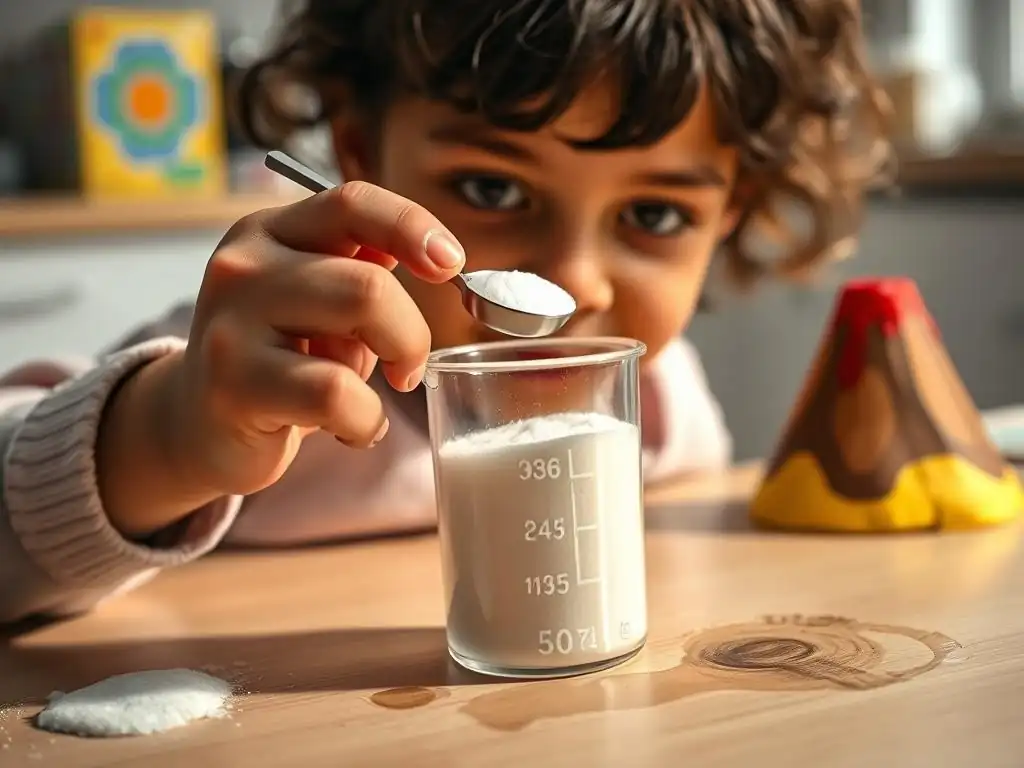
Building Your Own Volcano: Chemistry and Scientific Principles Combined
The Thames & Kosmos Kids First Chemistry Set is a comprehensive introduction to chemistry designed for young learners, and many variations of this set include experiments specifically related to volcano science. These sets often provide the materials and instructions to build a volcano model from scratch, typically using plaster or clay, offering a more hands-on and customizable construction experience compared to pre-molded plastic volcanoes. This building process itself is educational, teaching children about mixing materials, shaping structures, and following instructions.
The chemistry experiments within these sets go beyond a simple baking soda and vinegar eruption, often exploring more complex chemical reactions that mimic volcanic activity. These might involve using different acids and bases to observe variations in eruption intensity or exploring the role of catalysts in chemical reactions.
The Thames & Kosmos kits are known for their well-structured experiments, clear instructions, and emphasis on safety, making them suitable for guided learning at home or in the classroom. By combining the construction of a volcano with hands-on chemistry experiments, these kits provide a deeper and more scientifically rigorous exploration of volcanic eruptions.
Thames & Kosmos: Quality Science Education at an Affordable Price
Thames & Kosmos is a well-respected brand in educational science kits, known for its commitment to quality, accuracy, and age-appropriate learning. Their Kids First Chemistry Sets are designed to introduce fundamental chemistry concepts in a safe and engaging way, often incorporating storytelling and playful characters to enhance the learning experience.
Despite their high educational value and quality materials, Thames & Kosmos kits are often available at relatively affordable prices, making them accessible to a wide range of families and educators. The detailed instruction manuals and experiment guides are a hallmark of Thames & Kosmos kits, providing clear explanations of the scientific principles behind each experiment and encouraging further exploration and learning.
Choosing a Thames & Kosmos Kids First Chemistry Set for volcano science offers a step up in scientific depth compared to basic eruption kits. The focus on chemistry principles and the hands-on volcano building process provide a more comprehensive and enriching learning experience.
While potentially requiring a bit more adult guidance, these kits are ideal for parents and educators who want to foster a deeper understanding of science and encourage critical thinking skills in young learners. The combination of quality, educational rigor, and relative affordability makes Thames & Kosmos a strong contender in the realm of budget-friendly volcano science kits.
5. 4M Crystal Growing Experiment: An In-Depth Look Inside a Volcano
Understanding Crystal Formation: A Visual Learning Experience
The 4M Crystal Growing Experiment offers a unique perspective on volcano science by focusing on the geological processes that occur within and around volcanoes, specifically crystal formation. While not a traditional eruption kit, it allows children to grow their own crystals inside a volcano-shaped container, visually representing the mineral formation processes that are crucial to understanding volcanic rocks and geological formations.
This kit typically includes crystal growing compounds, a volcano-shaped mold, and instructions to guide users through the crystal growing process. The experiment takes several days to complete, teaching patience and observation skills as children monitor the crystal growth over time.
This type of kit emphasizes visual learning and the beauty of geological processes. Observing the crystals slowly form and grow within the volcano provides a tangible and fascinating example of how minerals are created in nature. The resulting crystal-filled volcano can be a visually appealing display and a reminder of the scientific principles learned during the experiment. While it doesn't involve an eruption, the 4M Crystal Growing Experiment offers a different but equally valuable learning experience, focusing on the often-overlooked but essential aspect of mineralogy within volcanology.
Perfect for Visual Learners: Exploring the Interior of a Volcano
The 4M Crystal Growing Experiment is particularly well-suited for visual learners who benefit from hands-on activities and tangible results. The process of growing crystals is inherently visual, and the volcano-shaped container provides a thematic context for understanding where and how crystals form in volcanic environments. The kit often includes educational materials that explain the science behind crystal formation, linking it to geological processes and the composition of volcanic rocks. For children who are fascinated by rocks, minerals, and the visual aspects of science, this kit offers a captivating and engaging learning experience.
While it might not satisfy the desire for an erupting volcano, the 4M Crystal Growing Experiment provides a valuable complement to traditional volcano kits. It broadens the understanding of volcano science beyond just eruptions, introducing the fascinating world of mineralogy and the geological processes that shape our planet. For parents and educators seeking a budget-friendly science kit that offers a unique and visually stimulating learning experience focused on the interior processes of a volcano, the 4M Crystal Growing Experiment is an excellent choice, especially when paired with other volcano-related learning resources.
Key Features to Consider When Choosing Affordable Volcano Kits
Eruption Power: How High Can Your Volcano Erupt?
Eruption power is often a primary factor for children (and let's be honest, adults too!) when choosing a volcano science kit. The height and vigor of the eruption can significantly impact the wow factor and overall enjoyment of the experiment. Kits vary in their eruption capabilities, depending on the type and quantity of reactants used, as well as the volcano's design.
Some kits are designed for dramatic, high-reaching eruptions, while others prioritize a gentler, more controlled flow. Consider the age and expectations of the user when evaluating eruption power. Younger children might be thrilled by any eruption, while older children or those with prior volcano kit experience might seek a more impressive and dynamic display.
To assess eruption power, look for clues in product descriptions and reviews. Some kits explicitly state the expected eruption height or describe the eruption as "powerful" or "realistic." User reviews can provide valuable real-world feedback on eruption performance, often including videos or photos of actual eruptions.
Keep in mind that eruption power can also be influenced by user technique and the freshness of ingredients. Following instructions carefully and using fresh baking soda and vinegar (or the kit's recommended reactants) can help maximize eruption potential. For those seeking truly spectacular eruptions, consider kits that utilize larger quantities of reactants or incorporate design features that enhance eruption height, such as a narrow volcano opening to increase pressure.
Educational Value: What Science Concepts Are Covered?
Beyond the thrill of the eruption, the educational value of a volcano science kit is paramount. A good kit should not only entertain but also teach fundamental scientific concepts related to volcanology, chemistry, and earth science. Consider what specific scientific principles the kit aims to explain.
Does it focus primarily on the chemical reaction between baking soda and vinegar, or does it delve into broader geological concepts like plate tectonics, magma formation, or different types of volcanoes? Look for kits that include informative booklets, fact sheets, or experiment guides that clearly explain the science behind the eruption and related phenomena.
The educational value can also be assessed by the types of experiments included in the kit. Does it offer just a single eruption demonstration, or does it incorporate multiple experiments that explore different aspects of volcano science? Kits that include activities like simulating lava flows, examining volcanic rock samples, or learning about famous eruptions provide a more comprehensive and enriching learning experience.
Consider the age-appropriateness of the educational content. Kits designed for younger children might focus on basic concepts and simplified explanations, while kits for older children or teens might delve into more complex scientific details. Prioritize kits that align with the learner's age and learning objectives, ensuring that the scientific concepts are presented in an engaging and understandable manner.
Safety First: Ensuring a Safe and Fun Eruption Experience
Safety is a crucial consideration when selecting any science kit, especially one involving chemical reactions and potential messiness like a volcano kit. Look for kits that prioritize safety features and provide clear safety instructions. These instructions should outline any necessary precautions, such as wearing safety goggles, performing experiments in a well-ventilated area, and handling chemicals responsibly. Check if the kit includes safety goggles or other protective gear; if not, ensure you have them readily available.
Consider the types of chemicals used in the eruption. Most affordable volcano kits rely on household ingredients like baking soda and vinegar, which are generally safe for children to handle under adult supervision. However, some kits might use other chemicals, so carefully review the ingredient list and safety warnings.
Ensure that all chemicals are non-toxic and safe for children to use. Supervision is always recommended, especially for younger children, to ensure experiments are conducted safely and according to instructions. Choose kits from reputable brands that have a proven track record of safety and quality, and always prioritize safety over eruption spectacle when making your selection.
Material Quality and Durability: Will Your Volcano Kit Stand the Test of Time?
The material quality and durability of a volcano science kit directly impact its longevity and overall value. A well-made kit from sturdy materials can withstand repeated use and provide years of educational fun, while a cheaply made kit might break easily or wear out quickly. Consider the materials used to construct the volcano model itself. Is it made from durable plastic, plaster, or other robust materials? A sturdy volcano model is essential for repeated eruptions and handling by children. Check reviews to see if users report issues with the volcano cracking, breaking, or being flimsy.
Evaluate the quality of other components in the kit, such as measuring tools, containers, and any included accessories. Are they made from durable materials that can withstand repeated use? Look for kits that are designed for reusability. Can the volcano mold be reused for multiple eruptions?
Are refill packs of eruption powder or chemicals readily available and affordable? A reusable kit with readily available refills offers greater long-term value and extends the learning experience beyond a single use. Investing in a slightly more expensive kit made from higher-quality materials can often be more cost-effective in the long run, as it will last longer and provide more sustained educational enjoyment.
Maximizing Your Volcano Science Kit Experience
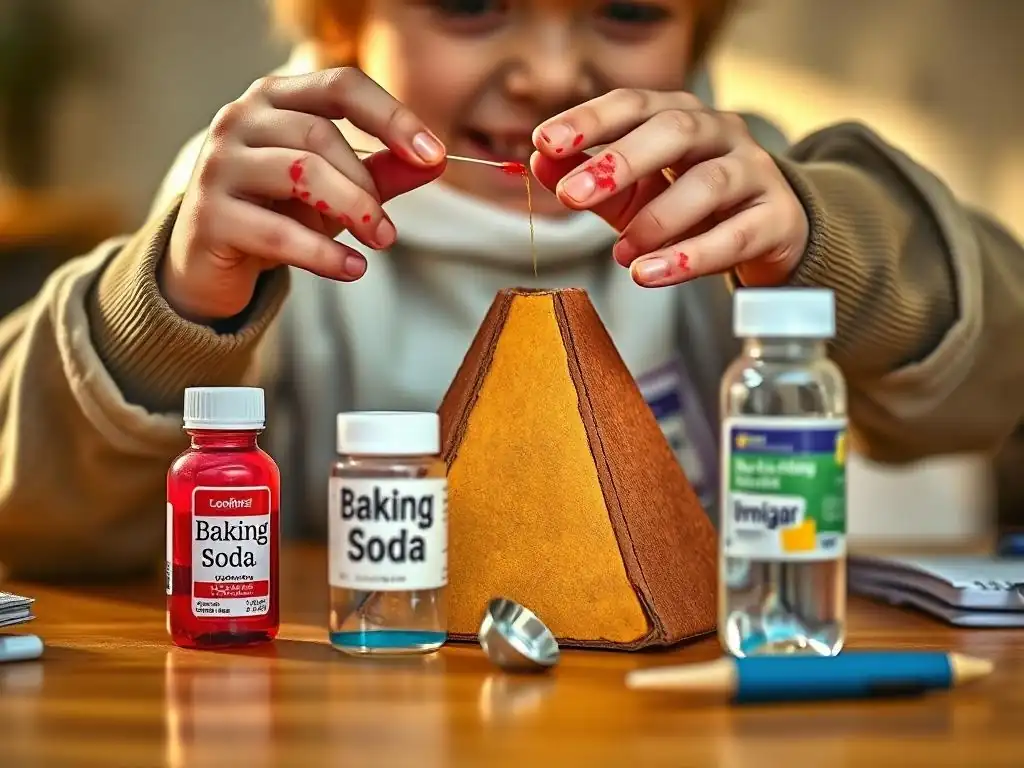
Simple Tips for a Spectacular Eruption: Achieving the Perfect Flow
Achieving a truly spectacular volcano eruption with your affordable science kit often comes down to a few key techniques and attention to detail. Firstly, ensure you are using fresh ingredients. Baking soda, in particular, can lose its potency over time if exposed to air and moisture. Using fresh baking soda will maximize the chemical reaction and eruption force.
Secondly, pay close attention to the proportions of reactants recommended in the kit's instructions. Using too little or too much of either baking soda or vinegar (or the kit's specified reactants) can affect the eruption's intensity and duration. Accurate measurements are key.
Another tip for a more visually impressive eruption is to use warm water when mixing your reactants. Warm water can slightly accelerate the chemical reaction, leading to a quicker and more vigorous eruption. Consider adding a few drops of dish soap to the volcano's crater before adding the vinegar. Dish soap creates bubbles, resulting in a foamier and more lava-like eruption flow, enhancing the visual effect.
Experiment with adding food coloring to the vinegar (or water) to create colorful lava streams. Red, orange, and yellow food coloring are classic choices for a realistic lava appearance, but you can also get creative with other colors for a more fantastical eruption. Finally, ensure the volcano is placed on a stable surface and in a location where spills are easily cleaned up. A large tray or plastic sheet underneath the volcano can contain any overflowing lava and simplify cleanup after the eruption.
Enhancing the Educational Value: Incorporating Volcano Facts and History
To elevate the educational value of your volcano science kit experience beyond just the eruption, actively incorporate volcano facts and historical context. Before conducting the eruption, engage children in a discussion about real volcanoes. Show them pictures or videos of different types of volcanoes, such as shield volcanoes like Mauna Loa in Hawaii, or stratovolcanoes like Mount Fuji in Japan.
Explain the different parts of a volcano, including the crater, vent, and magma chamber, and how these features contribute to eruptions. Share fascinating facts about volcanoes, such as the fact that there are active volcanoes on every continent, even Antarctica, or that volcanic eruptions have shaped the Earth's landscape and atmosphere over millions of years.
Introduce famous volcanic eruptions throughout history, like the eruption of Mount Vesuvius in 79 AD that buried Pompeii and Herculaneum, or the 1980 eruption of Mount St. Helens in Washington State. Discuss the impact of these eruptions on the surrounding environment and human populations. Use the volcano kit as a springboard for further learning.
After the eruption, encourage children to research specific volcanoes that interest them, explore online resources like VolcanoExplorers.org, or read books about volcanoes from the library. Turn the volcano kit experiment into a broader science project by having children document their observations, record eruption data (like height and duration), and present their findings. By integrating volcano facts, history, and further research, you can transform a simple science experiment into a rich and engaging learning experience.
Safety Precautions: Keeping Your Young Scientist Safe During Experiments
While most affordable volcano science kits utilize safe household ingredients, it's crucial to prioritize safety during all experiments. Always read and carefully follow the safety instructions provided with the kit. These instructions are designed to minimize risks and ensure a safe and enjoyable learning experience. Supervise children closely throughout the experiment, especially younger children, to ensure they are following instructions and handling materials appropriately. Adult supervision is essential for mixing chemicals, conducting the eruption, and cleaning up afterwards.
Always wear safety goggles to protect eyes from splashes or projectiles during the eruption. Even though the reactants are generally safe, eye protection is a crucial safety precaution in any science experiment. Perform the volcano eruption experiment in a well-ventilated area. While baking soda and vinegar reactions are generally harmless, good ventilation prevents any potential build-up of carbon dioxide gas, especially in enclosed spaces.
Avoid inhaling any fumes directly from the volcano during the eruption. Teach children about safe chemical handling practices, such as not tasting or smelling chemicals, and washing hands thoroughly after the experiment. Have a first-aid kit readily available in case of minor spills or accidents. By adhering to safety precautions and emphasizing responsible experimentation, you can ensure a safe and positive volcano science kit experience for your young scientist.
Beyond the Kit: Expanding Your Volcano Education
Volcano Explorers: Dive Deeper into Volcanic Science
Your affordable volcano science kit is just the starting point for a fascinating journey into the world of volcanology. To truly expand your volcano education, explore resources like VolcanoExplorers.org, a website dedicated to providing in-depth information about volcanoes, volcanic processes, and related scientific concepts. VolcanoExplorers.org offers a wealth of educational content, including articles, explanations of volcanic phenomena, and profiles of different types of volcanoes around the globe. Delve into the science behind magma formation, plate tectonics, and the various types of eruptions, from gentle lava flows to explosive pyroclastic flows.
Explore the website's sections on famous volcanic eruptions throughout history, learning about the causes, impacts, and scientific significance of events like the eruption of Krakatoa in 1883 or the ongoing activity of Kilauea in Hawaii. Discover the work of volcanologists and how they monitor volcanoes, predict eruptions, and study volcanic rocks to understand Earth's internal processes. VolcanoExplorers.org also provides resources for volcano safety, including evacuation tips and guidelines for living near active volcanoes.
For those interested in the cultural aspects of volcanoes, the website may feature sections on the role of volcanoes in mythology, art, and literature across different cultures. By utilizing resources like VolcanoExplorers.org, you can transform your initial curiosity sparked by a volcano kit into a deeper and more comprehensive understanding of volcanic science.
Exploring Real-World Volcanoes: Virtual Tours and Online Resources
Take your volcano education beyond the tabletop by exploring real-world volcanoes through virtual tours and online resources. Many national parks and geological organizations offer virtual tours of volcanic landscapes, allowing you to experience the grandeur and geological features of volcanoes from the comfort of your home.
Websites like the United States Geological Survey (USGS) and the National Park Service (NPS) provide a wealth of information, maps, and virtual tours of volcanic areas like Yellowstone National Park, Lassen Volcanic National Park, and Hawai'i Volcanoes National Park. These virtual tours often include panoramic views, interactive maps, and detailed explanations of the geological formations and volcanic history of these locations.
Utilize online mapping tools like Google Earth to explore volcanic regions around the world. Zoom in on volcanic craters, lava flows, and other volcanic features to visualize the scale and impact of volcanic activity. Many volcano observatories and research institutions also maintain websites with real-time data on volcanic activity, including seismic readings, gas emissions, and webcam views of active volcanoes.
These resources provide a dynamic and up-to-date perspective on volcanic processes and the ongoing work of volcanologists. For a more immersive experience, explore online virtual reality (VR) volcano tours, which can provide a 360-degree perspective and a more realistic sense of being at a volcanic site. By leveraging virtual tours and online resources, you can expand your volcano education beyond the confines of a kit and explore the vast and fascinating world of real volcanoes.
Volcano Books and Documentaries: Furthering Your Understanding of Volcanoes
Supplement your hands-on volcano kit experiments and online explorations with books and documentaries to further deepen your understanding of volcanoes. Numerous books, ranging from children's picture books to in-depth scientific texts, explore the topic of volcanoes from various angles. For younger children, look for visually engaging books with colorful illustrations and simplified explanations of volcanic concepts. For older children and adults, explore books that delve into the science of volcanology, the history of volcanic eruptions, and the impact of volcanoes on society and the environment. Biographies of famous volcanologists can also provide inspiring stories and insights into the field.
Documentaries offer another engaging way to learn about volcanoes, often featuring stunning footage of volcanic eruptions, interviews with volcanologists, and explorations of volcanic landscapes. Look for documentaries produced by reputable organizations like National Geographic, the BBC, or PBS, which often prioritize scientific accuracy and educational content. Documentaries can bring the dramatic power and beauty of volcanoes to life, making learning a visually captivating experience.
Consider exploring documentaries that focus on specific volcanoes, volcanic eruptions, or the broader science of volcanology. By incorporating books and documentaries into your volcano education, you can gain a more comprehensive and nuanced understanding of these powerful and fascinating natural phenomena.
Frequently Asked Questions
What are the benefits of using affordable volcano science kits for learning?
Affordable volcano science kits provide a hands-on and engaging way to learn about volcanology. They make complex scientific concepts more accessible and easier to understand through practical experimentation.
Are affordable volcano kits safe for children to use?
Yes, when used under adult supervision. Most kits contain non-toxic materials and come with clear instructions. Always prioritize safety and follow the guidelines provided.
What kind of scientific concepts can be learned through affordable volcano kits?
These kits teach about chemical reactions, geology, and the formation of volcanoes. They also demonstrate concepts like pressure and eruption dynamics in a visually appealing way.
Where can I find affordable volcano science kits that still offer good educational value?
VolcanoExplorers.org recommends checking online retailers and educational toy stores for budget-friendly options. Look for kits that emphasize scientific accuracy and include detailed instructions.
Do affordable volcano kits provide real-time updates on volcanic activity?
No, the kits themselves do not. For real-time updates, you should consult websites like VolcanoExplorers.org or official geological survey websites that monitor volcanic activity worldwide.
Final Reflection: Igniting Curiosity on a Budget
The exploration of scientific principles shouldn't be confined by financial constraints. Affordable volcano science kits provide a tangible and engaging way for children and adults alike to grasp the fundamentals of geology, chemistry, and physics, proving that impactful learning experiences don't require breaking the bank. The accessibility of these kits democratizes scientific exploration, empowering future generations of scientists and curious minds, regardless of their socioeconomic background.
The enduring appeal of the erupting volcano speaks to our innate fascination with the power and dynamism of the natural world. This fascination, nurtured by accessible and affordable tools, can spark a lifelong passion for scientific discovery. The important thing is not to stop questioning. Curiosity has its own reason for existing.
- Albert Einstein. This quote encapsulates the essence of what these kits offer: a gateway to endless questioning and exploration, fueled by hands-on experience.
Now, consider the potential impact of fostering scientific curiosity in your own life and the lives of those around you. How can you further support accessible science education? Perhaps by donating a kit to a local school, volunteering at a science fair, or simply encouraging a child's natural inquisitiveness. The power to ignite a passion for science lies within each of us; let's use it to build a brighter, more informed future.
Ignite Your Curiosity: Build Your Own Volcano!
Thanks for exploring the world of affordable volcano kits! We hope you've discovered that exciting science experiments don't have to be expensive. Now, let's put your newfound knowledge into action and create some amazing eruptions!
Here are a few ideas to keep the fun going:
- Start building! Choose one of the budget-friendly volcano kits we featured and experience the thrill of creating your own erupting volcano at home.
- Share your creation! Post a video or photo of your volcano's eruption on social media using #VolcanoExplorers and inspire others to explore the wonders of geology.
- Learn more! Research real-life volcanoes near you and learn about their history, eruptions, and impact on the local environment.
What creative ingredient will you use to make your volcano's eruption truly spectacular? Share your secret recipe in the comments below!