
Beyond the Textbook: Exploring Volcano Science Through Gripping Narratives

Welcome to Volcano Explorers. Ever wondered if the fiery heart of our planet could be unlocked through captivating stories? Prepare to journey beyond dusty textbooks as we ignite your curiosity with volcano science storytelling. Dare to discover the secrets hidden within molten rock and explosive eruptions. Your adventure starts now...
Engaging with Volcanoes: The Limitations of Textbooks
Textbooks are essential tools for laying the groundwork in any scientific discipline, and volcano science is no exception. They provide structured information, definitions, and fundamental principles about plate tectonics, magma composition, eruption types, and volcanic landforms. However, the very nature of textbooks, with their concise and often detached style, can sometimes fall short in fully capturing the dynamic and awe-inspiring nature of volcanoes. For many learners, especially those new to the subject, textbooks can feel dense and abstract, presenting volcano science as a collection of facts and figures rather than a vibrant and interconnected field of study.
The challenge with relying solely on textbooks for volcano education lies in their inherent limitations in conveying the sheer scale and impact of volcanic events. While they can describe the pyroclastic flow of Mount Vesuvius in 79 AD, they often struggle to evoke the terror and devastation experienced by the inhabitants of Pompeii and Herculaneum. Similarly, textbooks can explain the science behind the Tambora eruption of 1815 and its global cooling effect, but they may not fully convey the resulting famines and societal upheavals across continents. This is where the power of narrative in volcano science storytelling becomes crucial.
Why Gripping Volcano Stories Enhance Understanding
Gripping volcano stories, whether found in books or documentaries, possess the unique ability to bridge the gap between scientific concepts and human experience. They transform abstract data into relatable narratives, making volcano science more accessible and engaging for a wider audience. By weaving together scientific facts with personal accounts, historical events, and compelling visuals, these narratives create a more immersive and memorable learning experience. Instead of simply memorizing the VEI (Volcanic Explosivity Index) scale, a well-told story can illustrate the devastating power of a VEI 7 eruption through the eyes of those who lived through it.
Furthermore, narratives excel at highlighting the interdisciplinary nature of volcano science. They naturally incorporate aspects of geology, chemistry, physics, geography, history, and even sociology and anthropology, demonstrating how volcanic events are not isolated phenomena but are deeply intertwined with the Earth's systems and human societies. For instance, a story about the volcanic eruptions in Iceland can explore not only the geological processes involved but also the impact on Icelandic culture, economy, and renewable energy sources. This holistic approach fosters a deeper and more nuanced understanding of volcano science than textbooks alone can provide.
Benefits of Learning Volcano Science Through Narratives
Learning volcano science through narratives offers a multitude of benefits that extend beyond mere information acquisition. Firstly, stories enhance memory retention. Facts and figures embedded within a compelling narrative are far more likely to stick in our minds compared to isolated data points in a textbook. The emotional engagement and contextual richness provided by stories create stronger neural pathways, making learning more effective and long-lasting. Studies in cognitive psychology have repeatedly shown that information presented in a narrative format is easier to recall and understand.
Secondly, narratives cultivate empathy and a sense of connection to the subject matter. By hearing the stories of volcanologists venturing into hazardous environments or reading accounts of communities grappling with volcanic threats, learners develop a deeper appreciation for the human dimension of volcano science. This emotional connection can spark a genuine interest in the field and motivate further exploration.
Moreover, exposure to diverse perspectives and experiences through storytelling promotes critical thinking and a more nuanced understanding of the complex relationship between humans and volcanoes. Ultimately, volcano science storytelling not only educates but also inspires, fostering a lifelong curiosity about the dynamic Earth beneath our feet.
- Engaging with Volcanoes: The Limitations of Textbooks
- Why Gripping Volcano Stories Enhance Understanding
- Benefits of Learning Volcano Science Through Narratives
- "Volcanoes in Human History: The Far-Reaching Effects of Major Eruptions" by Jelle Zeilinga de Boer and Donald Theodore Sanders: A Historical Perspective on Volcano Science
- "Krakatoa: The Day the World Exploded: August 27, 1883" by Simon Winchester: A Classic Volcano Science Story
- "Fire Mountains of the West: The Cascade and Mono Lake Volcanoes" by Stephen L. Harris: Regional Volcano Science Storytelling
- "Magic Tree House #13: Vacation Under the Volcano" by Mary Pope Osborne: Engaging Young Minds with Volcano Narratives
- How does VolcanoExplorers.org use storytelling to teach volcano science?
- What types of volcano science topics are covered using storytelling techniques?
- Why is volcano science storytelling important for understanding volcanic hazards?
- How does VolcanoExplorers.org incorporate volcano science storytelling into its educational resources?
- Does VolcanoExplorers.org use volcano science storytelling to promote responsible volcano tourism?
Top Volcano Books That Tell a Story: Our Recommendations
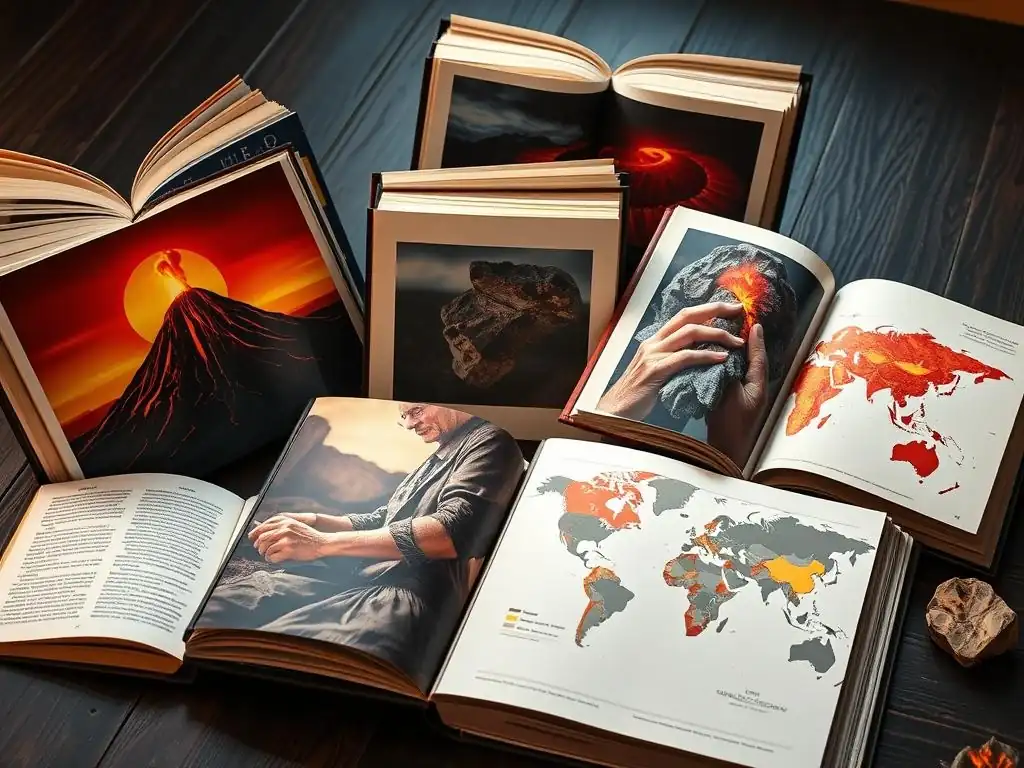
"Volcanoes in Human History: The Far-Reaching Effects of Major Eruptions" by Jelle Zeilinga de Boer and Donald Theodore Sanders: A Historical Perspective on Volcano Science
Features of the Book
This book, authored by experienced geologists, takes a unique approach by examining the impact of major volcanic eruptions on human civilizations throughout history. It meticulously details significant eruptions, ranging from Vesuvius to Krakatoa and beyond, not just from a purely geological standpoint but also through the lens of their social, economic, and political consequences. The book is richly illustrated with historical maps, diagrams, and photographs, enhancing the reader's understanding of both the volcanic events and their historical contexts. It is written in an accessible style, making complex scientific concepts understandable for a broad audience while maintaining scientific rigor.
Price and Where to Buy (Affiliate Link)
The price of "Volcanoes in Human History" typically ranges from $20 to $35 USD depending on the format (paperback, hardcover, or ebook) and retailer. It is widely available at major online booksellers such as Amazon and Barnes & Noble, as well as in many physical bookstores. Used copies can often be found at lower prices.
Unique Benefits: Connecting Volcanic Events to Human History
The standout feature of this book is its ability to seamlessly integrate volcano science with historical narratives. It doesn't just present volcanic eruptions as isolated geological events but rather as pivotal moments in human history that have shaped societies, influenced migrations, and even contributed to the rise and fall of empires.
By exploring the long-term consequences of volcanic activity, the book provides a broader and more meaningful understanding of volcano science, demonstrating its relevance to human civilization across millennia. This historical perspective makes the science more relatable and underscores the importance of studying volcanoes for understanding our past and preparing for the future.
"Krakatoa: The Day the World Exploded: August 27, 1883" by Simon Winchester: A Classic Volcano Science Story
Features of the Book
Simon Winchester's "Krakatoa: The Day the World Exploded" is a masterful example of volcano science storytelling. It vividly recounts the catastrophic 1883 eruption of Krakatoa in Indonesia, one of the loudest and most devastating volcanic events in recorded history. Winchester expertly blends scientific explanation with compelling narrative, detailing the geological processes leading to the eruption, the horrifying events of August 27th, and the global repercussions that followed, including tsunamis and atmospheric disturbances felt worldwide. The book is meticulously researched, drawing upon historical accounts, scientific reports, and eyewitness testimonies to create a gripping and immersive reading experience.
Price and Where to Buy (Affiliate Link)
"Krakatoa: The Day the World Exploded" is widely available in various formats, with prices ranging from $15 to $30 USD depending on the edition. It can be purchased from major online retailers like Amazon and independent bookstores, as well as in ebook and audiobook formats. Its popularity ensures that used copies are often available at discounted prices.
Unique Benefits: Detailed Account of a Catastrophic Eruption
The book's strength lies in its incredibly detailed and dramatic portrayal of a single, monumental volcanic event. Winchester's narrative skill brings the eruption of Krakatoa to life, allowing readers to experience the event almost firsthand. Beyond the immediate destruction, the book explores the far-reaching scientific and societal impacts of the eruption, including its contribution to our understanding of tsunamis and atmospheric science.
"Krakatoa" serves as a powerful case study in volcano science, illustrating the immense power of nature and the importance of understanding and preparing for volcanic hazards. It is a classic example of how effective volcano science storytelling can be.
"Fire Mountains of the West: The Cascade and Mono Lake Volcanoes" by Stephen L. Harris: Regional Volcano Science Storytelling
Features of the Book
Stephen L. Harris's "Fire Mountains of the West" offers a focused exploration of volcano science within a specific geographic region: the Cascade and Mono Lake volcanic chains in the western United States. This book provides a comprehensive overview of the geology, history, and hazards associated with iconic volcanoes like Mount Rainier, Mount St. Helens, and Lassen Peak, as well as the fascinating Mono-Inyo Craters.
It combines detailed scientific information with engaging descriptions of the landscapes and the human stories connected to these volcanic regions. The book is well-regarded for its scientific accuracy and its accessible writing style, making it suitable for both general readers and those with a deeper interest in geology.
Price and Where to Buy (Affiliate Link)
"Fire Mountains of the West" is typically priced between $25 and $40 USD depending on the edition and retailer. It can be found at online booksellers such as Amazon and university presses, as well as in bookstores specializing in natural history and regional guides. Ebook versions are also usually available.
Unique Benefits: Focus on Specific Volcanic Regions in the US
The unique benefit of this book is its regional focus. By concentrating on the Cascade and Mono Lake volcanoes, it provides an in-depth understanding of the specific geological context, volcanic processes, and hazards relevant to this area. This regional approach allows readers to develop a more intimate knowledge of these volcanoes and their impact on the surrounding environment and communities.
For those living in or planning to visit the western United States, "Fire Mountains of the West" offers valuable insights into the volcano science of their region, enhancing their appreciation for the dramatic landscapes and the forces that shaped them. It showcases how volcano science storytelling can be particularly effective when focused on local examples.
"Magic Tree House #13: Vacation Under the Volcano" by Mary Pope Osborne: Engaging Young Minds with Volcano Narratives
Features of the Book
"Magic Tree House #13: Vacation Under the Volcano" by Mary Pope Osborne is part of a popular children's book series that introduces young readers to various historical periods and geographical locations through engaging adventures. In this installment, siblings Jack and Annie travel back in time to Pompeii just before the eruption of Mount Vesuvius in 79 AD.
The book blends fictional adventure with historical and scientific elements, introducing children to the basic concepts of volcanoes and the devastating impact of eruptions in an age-appropriate and exciting way. The narrative is fast-paced and accessible, making it ideal for young readers beginning to explore volcano science.
Price and Where to Buy (Affiliate Link)
As a children's book, "Vacation Under the Volcano" is very affordable, typically priced between $5 and $8 USD in paperback. It is widely available wherever children's books are sold, including online retailers like Amazon, Barnes & Noble, and Target, as well as in school book fairs and libraries. It is also available in ebook and audiobook formats.
Unique Benefits: Introduces Volcano Science to Children in a Fun Way
The key benefit of this book is its ability to introduce volcano science to children in a fun and accessible manner. Through the exciting adventures of Jack and Annie, young readers are exposed to the concept of volcanoes, eruptions, and the Roman city of Pompeii in a way that sparks their curiosity and imagination.
While simplified for a younger audience, the book accurately portrays the basic scientific principles of volcanic eruptions and the historical context of the Vesuvius disaster. "Vacation Under the Volcano" demonstrates the power of volcano science storytelling to engage young minds and lay the foundation for a lifelong interest in science and natural history.
Must-See Volcano Documentaries: Visualizing Volcano Science
"Into the Inferno" (Netflix): A Gripping Visual Exploration of Volcanoes
Features of the Documentary
"Into the Inferno," directed by Werner Herzog, is a visually stunning documentary that takes viewers on a global journey to some of the world's most active volcanoes. Herzog, known for his unique and philosophical approach to filmmaking, explores not only the scientific aspects of volcanoes but also their cultural and mythological significance for communities living near them. The documentary features breathtaking footage of volcanic eruptions, lava flows, and volcanic landscapes, interspersed with interviews with volcanologists and local people. It offers a compelling blend of scientific exploration and human storytelling, making volcano science both visually captivating and emotionally resonant.
Where to Watch (Affiliate Link - Netflix Subscription/Rental)
"Into the Inferno" is a Netflix original documentary and is primarily available for streaming on the Netflix platform. Access requires a Netflix subscription. It may also be available for rental or purchase through other online video platforms depending on region and availability.
Unique Benefits: Stunning Visuals and Expert Interviews
The documentary's primary strength lies in its spectacular visual presentation of volcanoes. The high-quality cinematography captures the raw power and beauty of volcanic eruptions in a way that textbooks simply cannot. Furthermore, the inclusion of interviews with leading volcanologists provides expert insights into the science behind these phenomena, while the exploration of cultural perspectives adds another layer of depth. "Into the Inferno" demonstrates how visual volcano science storytelling can create a powerful and immersive learning experience, leaving a lasting impression on viewers and fostering a deeper appreciation for the forces shaping our planet.
"Fire of Love" (National Geographic): A Love Story Told Through Volcano Science
Features of the Documentary
"Fire of Love" is a critically acclaimed documentary that tells the extraordinary story of French volcanologists Katia and Maurice Krafft. Using archival footage shot by the Kraffts themselves over decades of volcano exploration, the film portrays their passionate love affair with each other and with volcanoes. The documentary is narrated with poetic and evocative language, creating an emotionally engaging narrative that intertwines personal biography with stunning volcano footage. It showcases the Kraffts' groundbreaking scientific work and their unwavering dedication to understanding and documenting volcanic eruptions, ultimately leading to their tragic deaths on Mount Unzen in Japan.
Where to Watch (Affiliate Link - Disney+/Rental)
"Fire of Love" is a National Geographic documentary and is available for streaming on Disney+. Access requires a Disney+ subscription. It is also available for rental or purchase through various online platforms such as Apple TV and Amazon Prime Video.
Unique Benefits: Emotional Connection to Volcanic Exploration
The documentary's unique benefit is its ability to forge an emotional connection between viewers and volcano science through the compelling love story of the Kraffts. By focusing on their personal passion and dedication, "Fire of Love" humanizes volcano science and makes it deeply relatable. The breathtaking footage captured by the Kraffts themselves is scientifically valuable and emotionally powerful, showcasing the beauty and danger of volcanoes through the eyes of those who devoted their lives to studying them. This emotional resonance enhances the learning experience, making volcano science not just intellectually stimulating but also deeply moving.
"Nova: Volcano on Fire": Educational and Accessible Volcano Science
Features of the Documentary
"Nova: Volcano on Fire" is an episode from the long-running PBS science documentary series "Nova." It takes a more traditional educational approach, focusing on explaining the scientific principles behind volcanic eruptions in a clear and accessible manner. The documentary explores various aspects of volcano science, including plate tectonics, magma formation, eruption prediction, and volcanic hazards. It features interviews with volcanologists, computer animations, and real-world examples to illustrate complex scientific concepts. "Nova: Volcano on Fire" is designed to be informative and engaging for a broad audience, making volcano science understandable and captivating for viewers of all backgrounds.
Where to Watch (Affiliate Link - PBS Website/Streaming)
"Nova: Volcano on Fire," like other "Nova" episodes, is often available for free streaming on the PBS website and through the PBS Video app. It may also be accessible through PBS Passport, a member benefit that provides extended access to PBS content. Additionally, it may be available for rental or purchase through online video platforms.
Unique Benefits: Focus on Scientific Accuracy and Educational Value
The documentary's primary strength is its commitment to scientific accuracy and its educational focus. "Nova" is known for its rigorous scientific reporting and its ability to explain complex topics in an understandable way. "Volcano on Fire" excels at breaking down the science of volcanoes into digestible segments, using clear explanations, visuals, and expert commentary.
It is an excellent resource for those seeking a solid foundation in volcano science, providing a reliable and informative overview of the key concepts and processes. This educational approach makes it particularly valuable for students and anyone seeking a scientifically sound introduction to the world of volcanoes.
Choosing the Right Volcano Science Narrative: Factors to Consider
Age and Interest Level of the Learner
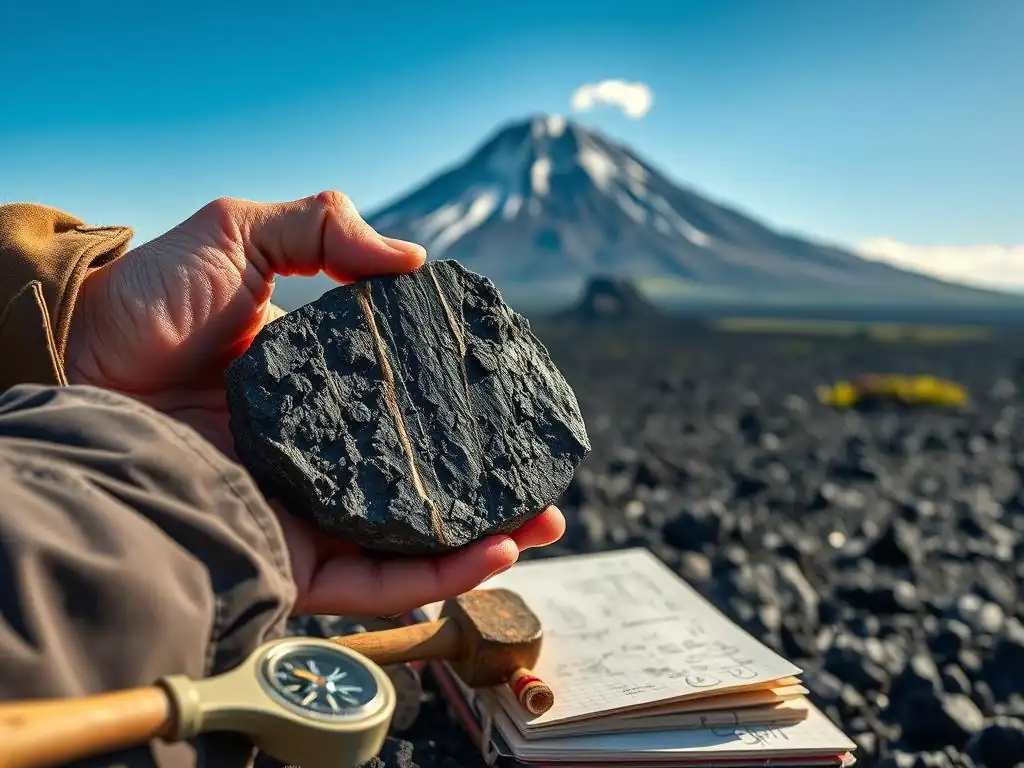
When selecting a volcano science narrative, whether it's a book or documentary, the age and interest level of the learner are crucial factors. For younger children, engaging and age-appropriate options like "Magic Tree House #13: Vacation Under the Volcano" are ideal for sparking initial curiosity without overwhelming them with complex scientific details. For teenagers and adults with a general interest in science, books like "Krakatoa: The Day the World Exploded" or documentaries like "Into the Inferno" offer a compelling blend of narrative and scientific information.
For those seeking a more in-depth scientific understanding, resources like "Nova: Volcano on Fire" or "Volcanoes in Human History" provide more detailed explanations and analysis. Matching the narrative to the learner's age and existing knowledge ensures a more effective and enjoyable learning experience.
Scientific Accuracy vs. Storytelling Appeal
Another important consideration is the balance between scientific accuracy and storytelling appeal. While all recommended resources strive for scientific accuracy, some prioritize narrative engagement more than others. Documentaries like "Fire of Love" excel in storytelling and emotional impact, while "Nova: Volcano on Fire" emphasizes scientific explanation and educational content.
Books like "Volcanoes in Human History" strike a balance by integrating historical narratives with rigorous scientific analysis. Depending on the learner's goals, one might prioritize a resource that is highly engaging even if it simplifies some scientific details, or opt for a more scientifically dense resource that may be less narratively driven. It's important to be mindful of this balance and choose resources that align with individual learning preferences and objectives.
Budget and Accessibility
Budget and accessibility are practical factors to consider when choosing volcano science narratives. Books generally range in price from affordable paperbacks to more expensive hardcovers. Documentaries may require subscriptions to streaming services like Netflix, Disney+, or PBS Passport, or may be available for rental or purchase.
Free resources, such as "Nova: Volcano on Fire" episodes often available on the PBS website, offer excellent educational content without any cost. Libraries are also invaluable resources, providing free access to a wide range of books and sometimes documentaries. Considering budget constraints and accessibility options ensures that volcano science storytelling is available to everyone, regardless of their financial situation or access to specific platforms.
Enhancing Your Volcano Science Learning Experience: Further Exploration
Visiting Volcano Observatories and National Parks
To truly enhance your volcano science learning experience beyond narratives, consider visiting volcano observatories and national parks. Volcano observatories, such as the Hawaiian Volcano Observatory or the Cascades Volcano Observatory, often offer visitor centers with exhibits, educational programs, and opportunities to speak with volcanologists.
National parks located in volcanic regions, like Hawai'i Volcanoes National Park, Lassen Volcanic National Park, or Crater Lake National Park, provide firsthand encounters with volcanic landscapes, hiking trails through volcanic features, and ranger-led programs that explain the local volcano science. These immersive experiences bring volcano science to life, allowing you to witness the power and beauty of volcanoes firsthand.
Participating in Volcano Science Workshops and Lectures
Engaging in volcano science workshops and lectures offers another avenue for deeper learning. Many universities, geological surveys, and science museums host workshops and lectures led by volcanologists and earth scientists. These events provide opportunities to learn from experts, ask questions, and interact with others who share an interest in volcanoes.
Workshops might involve hands-on activities, data analysis, or field trips to volcanic sites. Lectures often cover cutting-edge research, recent volcanic events, or specific aspects of volcano science. Participating in these events can significantly expand your knowledge and provide a more interactive and engaging learning experience compared to passive consumption of narratives.
For those seeking to stay updated on the latest developments in volcano science, subscribing to relevant journals and newsletters is highly recommended. Journals like the Journal of Volcanology and Geothermal Research and the Bulletin of Volcanology publish peer-reviewed scientific articles on cutting-edge volcano research. While these journals may be more technical, they offer the most in-depth and current information.
Newsletters from volcano observatories, geological surveys, and science organizations often provide more accessible summaries of recent volcanic activity, research findings, and educational resources. Subscribing to these publications ensures continuous learning and keeps you informed about the dynamic field of volcano science.
Conclusion: Embrace the Power of Volcano Science Storytelling
Volcano science storytelling, through books and documentaries, provides a powerful and engaging way to learn about these awe-inspiring natural phenomena. By moving beyond the confines of textbooks and embracing narratives, we can unlock a deeper understanding and appreciation for the science behind volcanoes. Whether through historical accounts of past eruptions, personal stories of volcanologists, or visually stunning depictions of volcanic landscapes, these narratives make volcano science accessible, memorable, and emotionally resonant. Embrace the power of volcano science storytelling to ignite your curiosity, expand your knowledge, and connect with the dynamic forces that shape our planet.
Frequently Asked Questions
How does VolcanoExplorers.org use storytelling to teach volcano science?
VolcanoExplorers.org uses gripping narratives of famous eruptions and the work of volcanologists to make volcano science more engaging. This approach helps to humanize the science and create a more memorable learning experience.
What types of volcano science topics are covered using storytelling techniques?
The website covers a wide range of topics, including magma formation, eruption dynamics, and the impact of volcanic activity on the environment and human populations, all through compelling stories.
Why is volcano science storytelling important for understanding volcanic hazards?
By presenting real-life accounts of volcanic eruptions and their consequences, storytelling helps people understand the risks associated with living near active volcanoes and the importance of safety measures.
How does VolcanoExplorers.org incorporate volcano science storytelling into its educational resources?
The site features historical accounts, personal anecdotes from volcanologists, and interactive narratives that bring the volcano science to life, making it easier for visitors to learn and retain information.
Does VolcanoExplorers.org use volcano science storytelling to promote responsible volcano tourism?
Yes, by sharing stories of responsible exploration and the cultural significance of volcanoes, the site encourages visitors to appreciate these natural wonders while respecting the environment and local communities.
Final Reflection: The Enduring Power of Volcanic Tales
The exploration of volcano science through storytelling, as we've seen, isn't just about memorizing facts; it's about igniting a passion for understanding the Earth's raw power. The ability to connect scientific concepts with compelling narratives is more crucial than ever in an age where information overload threatens to drown out genuine understanding. By weaving together scientific accuracy with human experiences, we transform complex geological processes into accessible and unforgettable lessons.
The impact of these volcanic narratives extends far beyond the classroom. They shape our understanding of risk, resilience, and the interconnectedness of humanity and the natural world. They remind us that even in the face of immense destructive forces, there is beauty, innovation, and the enduring spirit of those who live in the shadow of these fiery giants. We are all children of volcanoes.
- Unknown, but reflective of the deep connection humans have with volcanic landscapes.
Now, consider the stories you tell, the narratives you embrace. How can you infuse your own understanding of the world with the power of storytelling? Let the lessons learned from these volcanic tales inspire you to seek deeper connections, to bridge the gap between knowledge and experience, and to share your own stories in ways that ignite curiosity and foster a greater appreciation for the planet we call home.
Ignite Your Inner Volcanologist!
Thank you for joining us on this journey into the fiery heart of volcano science! We hope this article has shown you how narratives can make learning about these geological wonders truly captivating. Ready to take your exploration even further?
Here's how to keep the volcanic adventure alive:
- Share your own volcano story! Write about a personal experience or create a fictional tale inspired by what you've learned. Submit it to our "Volcano Tales" section for a chance to be featured!
- Explore our extensive database at volcanoexplorers.org. Discover in-depth profiles and fascinating facts about active and dormant volcanoes around the globe.
- Join the discussion! Share this article with a friend and discuss your favorite volcano narrative.
What captivating volcano story will you tell next?