
Magma, Mountains, and Master's Degrees: Charting Your Volcanology Path

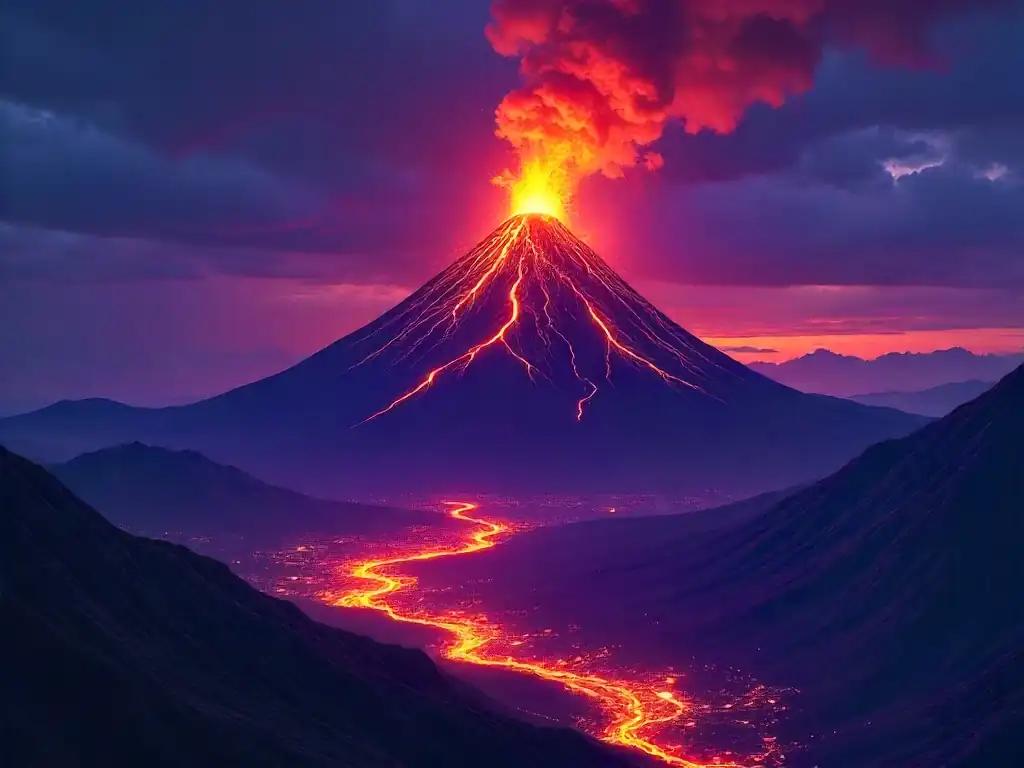
Welcome to Volcano Explorers!
Are you drawn to the fiery heart of our planet? Ever wondered how you could turn that fascination into a career? Then prepare to ignite your future. Delve into the world of volcanology degree career opportunities and discover how a passion for magma can lead to a truly explosive career. But be warned, the path isn't always clear... What skills are essential? What research opportunities await? Explore our featured article and uncover the secrets to forging your own volcanological adventure!
- Unveiling Volcanology Degree Career Opportunities: A Comprehensive Guide
- Choosing the Right Volcanology Program: Bachelor's, Master's, and Beyond
- Mastering Volcanic Processes: Key Courses & Skills for a Volcanology Career
- Real-World Volcanology: Case Studies and Career Examples
- Funding Your Volcanology Dream: Scholarships and Grants for Aspiring Volcanologists
-
Frequently Asked Questions
- What are some potential career paths I can pursue with a volcanology degree?
- What specific skills are emphasized in a volcanology degree program to prepare me for the workforce?
- How does VolcanoExplorers.org support aspiring volcanologists in exploring career opportunities?
- Beyond scientific research, are there other career opportunities that a volcanology degree can lead to?
- What is the typical salary range for individuals working in volcanology based on their experience and education level?
- Final Reflection: Embracing the Fiery Heart of Volcanology
- Ignite Your Passion: Dive Deeper into Volcanoes!
Unveiling Volcanology Degree Career Opportunities: A Comprehensive Guide
Exploring Career Paths with a Volcanology Degree: From Research to Remediation
A volcanology degree opens doors to a diverse spectrum of career opportunities, far beyond the stereotypical image of a scientist perched precariously on a volcano's rim. While fieldwork remains a crucial aspect, the skills and knowledge acquired through a volcanology degree are highly transferable to various sectors. Graduates with a volcanology background are sought after in academia and research institutions, contributing to our fundamental understanding of volcanic processes.
For example, universities and research centers globally employ volcanologists to conduct studies on magma genesis, eruption dynamics, and the long-term evolution of volcanic systems. These positions often involve a combination of laboratory work, computational modeling, and field investigations, pushing the boundaries of volcanological science.
Beyond academia, numerous governmental and intergovernmental organizations rely on volcanologists to monitor volcanic activity and mitigate hazards. The United States Geological Survey (USGS), for instance, employs volcanologists at its Volcano Science Center, continuously monitoring volcanoes across the US, assessing risks, and providing crucial information to public safety agencies.
Similar organizations exist worldwide, such as the Istituto Nazionale di Geofisica e Vulcanologia (INGV) in Italy and the Volcanic Survey of Indonesia (PVMBG), demonstrating the global demand for experts in volcanic hazard assessment and mitigation. Furthermore, the growing field of geothermal energy also offers career avenues for volcanologists, as their understanding of subsurface heat flow and volcanic plumbing systems is vital for developing and managing geothermal resources, contributing to sustainable energy solutions.
Choosing the Right Volcanology Program: Bachelor's, Master's, and Beyond
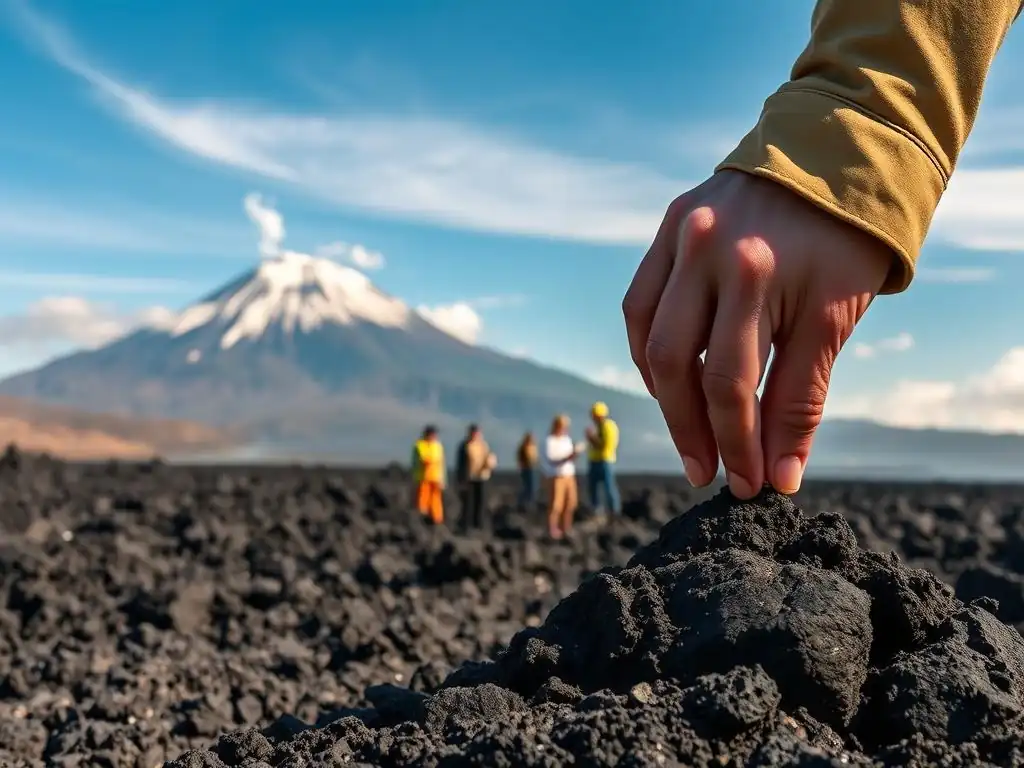
Embarking on a career path in volcanology requires a carefully considered educational journey. Typically, aspiring volcanologists start with a strong foundation in Earth Sciences or Geology at the Bachelor's level. These undergraduate programs provide essential knowledge in areas like mineralogy, petrology, structural geology, and geophysics, which are fundamental building blocks for advanced volcanology studies.
Many universities offer specialized Bachelor's degrees in Geology with a concentration or focus on volcanology or geophysics, providing a more direct route. For instance, institutions like the University of Hawai'i at Mānoa and Oregon State University are renowned for their undergraduate geology programs with strong volcanology components, leveraging their proximity to active volcanic regions for field-based learning.
However, for specialized roles and research-oriented careers within volcanology degree career opportunities, a Master's degree is often considered the standard entry point. Master's programs in Volcanology, Geophysics, or Geochemistry delve deeper into the specific processes related to volcanoes. These programs typically involve advanced coursework, independent research projects, and often, significant fieldwork components. The duration of a Master's program is usually between one to two years full-time.
For those seeking leadership positions in research or academia, or aiming for highly specialized roles, a PhD is frequently necessary. PhD programs in volcanology are research-intensive, typically lasting 3 to 5 years, culminating in a dissertation that represents original and significant contributions to the field. The choice between a Master's and PhD depends heavily on individual career goals and aspirations within the volcanology field.
Key Factors to Consider When Choosing a Volcanology Master's Program
Selecting the right Master's program in volcanology is a crucial step towards a fulfilling career. Several factors should be carefully evaluated to ensure the program aligns with your specific interests and career aspirations. Firstly, consider the program's research focus and faculty expertise.
Does the program specialize in areas that resonate with you, such as eruption forecasting, magma chamber dynamics, volcanic hazards, or geothermal energy? Investigate the faculty profiles and their research publications to gauge their expertise and the program's strengths. For example, if you are interested in volcanic gas studies, programs with faculty actively researching volcanic plumes and gas emissions, perhaps using advanced spectroscopic techniques, would be highly beneficial.
Secondly, evaluate the program's location and access to volcanic field areas. Hands-on experience in volcanic environments is invaluable for volcanology students. Programs located near active volcanic regions, or those with established fieldwork opportunities in such areas, offer a significant advantage. Universities situated in countries like Italy, Iceland, Japan, or the United States (particularly in Hawai'i, Alaska, and the Pacific Northwest) often provide exceptional access to diverse volcanic settings.
Furthermore, consider the program's resources and facilities. Are there well-equipped laboratories for geochemical analysis, petrology, and geophysics? Is there access to advanced computational resources for numerical modeling of volcanic processes? The availability of state-of-the-art equipment and software can greatly enhance your research capabilities and overall learning experience, shaping your future volcanology degree career opportunities.
Mastering Volcanic Processes: Key Courses & Skills for a Volcanology Career
Essential Skills and Courses for a Successful Volcanology Career
A successful career in volcanology demands a robust skillset encompassing both theoretical knowledge and practical abilities. The curriculum of a strong volcanology program is designed to cultivate these essential skills. Core coursework typically includes advanced Petrology and Mineralogy, providing a deep understanding of rock and mineral formation, crucial for deciphering volcanic histories and magma origins.
Structural Geology and Tectonics are equally important, enabling volcanologists to interpret the geological framework in which volcanoes develop and understand the forces shaping volcanic landscapes. Geochemistry is another cornerstone, equipping students with the tools to analyze the chemical composition of rocks, gases, and fluids, providing insights into magma sources and volcanic processes. Furthermore, Geophysics is vital for understanding subsurface volcanic structures and monitoring volcanic activity using techniques like seismology, geodesy, and remote sensing.
Beyond these core geological disciplines, specific skills are increasingly important in modern volcanology. Data analysis and interpretation are paramount, given the vast datasets generated by volcano monitoring networks and research projects. Proficiency in statistical methods and programming languages like Python or R is highly advantageous for analyzing and visualizing complex datasets.
Numerical modeling and computational skills are also becoming increasingly critical, allowing volcanologists to simulate volcanic processes, forecast eruptions, and assess hazards. Moreover, effective communication skills, both written and oral, are essential for disseminating research findings, communicating risks to the public and policymakers, and collaborating with interdisciplinary teams. Courses focusing on scientific writing, presentation skills, and public outreach are therefore invaluable for aspiring volcanologists seeking diverse volcanology degree career opportunities.
Tools of the Trade: Essential Equipment for Volcanologists
Volcanologists rely on a diverse array of sophisticated equipment to study volcanoes, from field instruments deployed in harsh environments to advanced laboratory facilities. In the field, Global Positioning System (GPS) receivers are indispensable for precise location measurements, tracking ground deformation associated with magma movement beneath volcanoes. Seismometers, deployed in networks around volcanoes, are crucial for detecting and analyzing earthquakes, which are often precursors to volcanic eruptions.
Gas sensors are used to measure volcanic gas emissions, providing insights into magma degassing and potential eruption triggers. Thermal cameras, both handheld and mounted on drones or aircraft, are used to map thermal anomalies, identifying areas of increased heat flow that may indicate unrest or lava flows.
Back in the laboratory, volcanologists utilize a range of analytical instruments. Electron microscopes allow for detailed examination of rock textures and mineral compositions at microscopic scales. Mass spectrometers are used for precise isotopic and elemental analysis of rocks, minerals, and volcanic gases, providing information about magma sources and processes. X-ray diffraction (XRD) and X-ray fluorescence (XRF) instruments are employed for mineral identification and bulk chemical analysis of volcanic materials.
Furthermore, computational resources and specialized software are integral tools. Geographic Information Systems (GIS) software is used for spatial data analysis and mapping of volcanic features and hazards. Numerical modeling software allows volcanologists to simulate magma flow, eruption dynamics, and lava flow paths, enhancing our understanding of volcanic processes and improving hazard assessments, all crucial for advancing volcanology degree career opportunities.
Real-World Volcanology: Case Studies and Career Examples
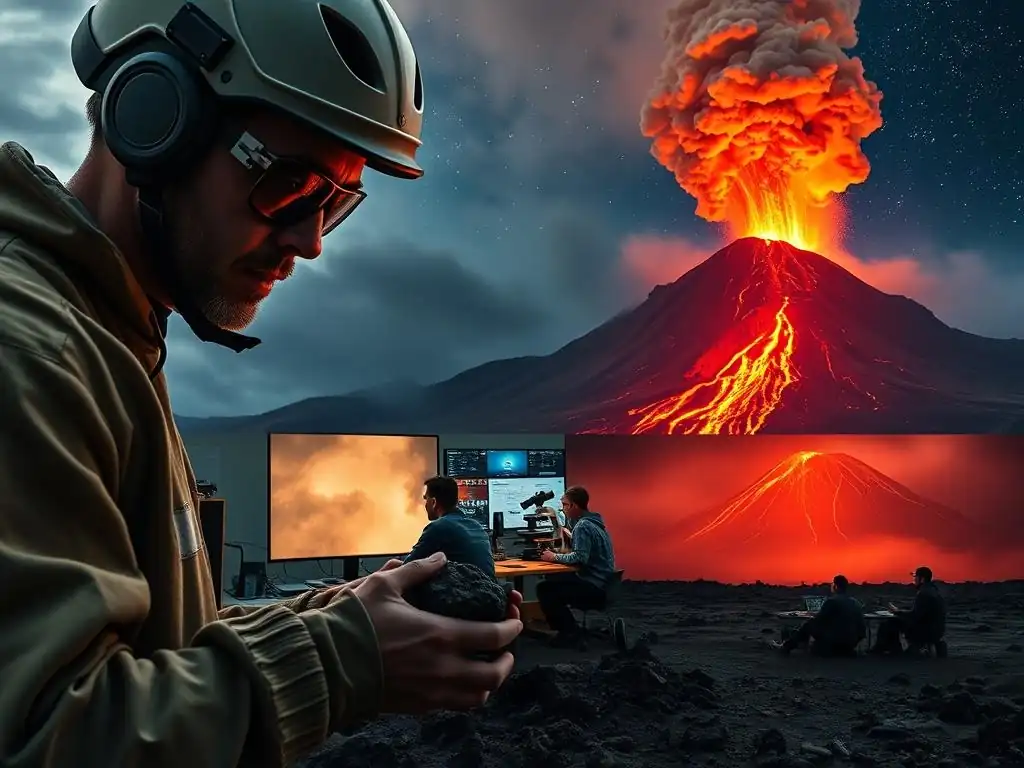
Volcanology in Action: Examining Success Stories and Notable Projects
The impact of volcanology extends far beyond academic research, playing a vital role in mitigating volcanic hazards and informing public safety. The successful prediction and management of the 1991 eruption of Mount Pinatubo in the Philippines stands as a landmark example. Volcanologists from the Philippine Institute of Volcanology and Seismology (PHIVOLCS) and the USGS meticulously monitored the volcano, detecting escalating unrest and providing timely warnings.
Their accurate forecasts and effective communication with authorities led to the evacuation of tens of thousands of people, significantly reducing casualties despite the eruption being one of the largest of the 20th century. This case highlights the critical role of volcanologists in saving lives and protecting communities through effective volcano monitoring and hazard assessment, core aspects of many volcanology degree career opportunities.
Another compelling example is the ongoing work at Unzen volcano in Japan. Following a major eruption in the early 1990s that produced devastating pyroclastic flows and lahars, a dedicated volcano observatory was established. Japanese volcanologists, in collaboration with international scientists, have implemented advanced monitoring techniques and developed sophisticated hazard maps.
Their continuous monitoring and research have significantly improved the understanding of Unzen's complex eruptive behavior, enabling better preparedness and mitigation strategies for the surrounding communities. Furthermore, volcanologists are increasingly involved in interdisciplinary projects addressing volcanic risk in densely populated areas, such as the cities surrounding Mount Vesuvius in Italy and Popocatépetl in Mexico. These projects involve collaboration with urban planners, civil engineers, and social scientists to develop comprehensive strategies for risk reduction and resilience in volcanically active regions, showcasing the broad societal relevance of volcanology degree career opportunities.
Funding Your Volcanology Dream: Scholarships and Grants for Aspiring Volcanologists
Securing Financial Support for Your Volcanology Education
Pursuing a volcanology degree, particularly at the Master's and PhD levels, often requires significant financial investment. Fortunately, numerous scholarships, grants, and funding opportunities exist to support aspiring volcanologists. Many universities offer merit-based scholarships and assistantships to outstanding graduate students in Earth Sciences and related fields.
These assistantships often involve teaching or research responsibilities, providing valuable experience alongside financial support. For example, the National Science Foundation (NSF) in the United States offers Graduate Research Fellowships (GRFP) that provide substantial funding for graduate students pursuing research in STEM fields, including volcanology. Similar government funding agencies exist in other countries, such as the Natural Environment Research Council (NERC) in the UK and the Deutsche Forschungsgemeinschaft (DFG) in Germany, offering research grants and fellowships relevant to volcanology studies.
Professional organizations and geological societies also provide scholarships and grants to support students in geosciences. The Geological Society of America (GSA), the American Geophysical Union (AGU), and the Volcanic and Magmatic Studies Group (VMSG) are examples of organizations that offer funding opportunities specifically for volcanology students. These scholarships may be based on academic merit, research potential, or financial need.
Furthermore, some industry sectors, particularly geothermal energy and mineral exploration companies, offer scholarships or internships to students pursuing degrees in geosciences, including volcanology. Exploring these industry-related funding sources can be particularly beneficial for students interested in applied volcanology and resource exploration aspects of volcanology degree career opportunities. Thorough research and proactive application to these diverse funding sources are crucial steps in making a volcanology education financially accessible.
Frequently Asked Questions
What are some potential career paths I can pursue with a volcanology degree?
A volcanology degree opens doors to diverse career opportunities, including roles as a volcanologist with geological surveys, researchers in academic institutions, or consultants in the geothermal energy sector.
What specific skills are emphasized in a volcanology degree program to prepare me for the workforce?
Volcanology degree programs emphasize critical thinking, data analysis, and fieldwork experience, all crucial for assessing volcanic hazards and conducting research.
How does VolcanoExplorers.org support aspiring volcanologists in exploring career opportunities?
VolcanoExplorers.org provides educational resources on volcanic activity, historical eruptions, and volcanologist roles, fostering a deeper understanding of the field and its potential.
Beyond scientific research, are there other career opportunities that a volcanology degree can lead to?
Yes, a volcanology degree can also lead to careers in science communication, where you can educate the public about volcanoes, or in disaster risk management, focusing on volcanic hazard mitigation.
What is the typical salary range for individuals working in volcanology based on their experience and education level?
Salaries in volcanology vary greatly based on experience, education (especially advanced degrees), and employer, but generally range from entry-level positions around $60,000 to more senior roles exceeding $100,000.
Final Reflection: Embracing the Fiery Heart of Volcanology
The journey through the world of volcanology, as explored in this article, reveals more than just scientific principles; it illuminates a path paved with passion, dedication, and the burning desire to understand our planet’s most powerful forces. The pursuit of a volcanology degree is not merely an academic endeavor, but a commitment to unraveling the mysteries of Earth's dynamic processes and mitigating the risks they pose to communities worldwide.
This commitment resonates deeply in our current era, where understanding and predicting volcanic activity is more crucial than ever in the face of climate change and increasing global populations near volcanic regions.
The allure of volcanology lies not only in the scientific rigor it demands but also in the profound connection it fosters with the natural world. Witnessing the raw power of a volcanic eruption, even through research and data analysis, instills a sense of awe and responsibility. It reminds us of our place within a larger, more complex system. As the renowned volcanologist Katia Krafft once said, Volcanoes are the cathedrals of the Earth.
This quote encapsulates the reverence and respect that volcanologists hold for these geological wonders, a sentiment that fuels their dedication to understanding and protecting against their potential hazards.
Now, as you stand at the crossroads of your academic and professional journey, consider the profound impact you can make by embracing the fiery heart of volcanology. Let the knowledge and insights gained from this exploration ignite your passion and guide your path. Whether you choose to research the depths of magma chambers, monitor volcanic activity in real-time, or educate future generations about the wonders and dangers of volcanoes, remember that your contribution is vital. Embrace the challenge, pursue your dreams, and become a steward of our planet, one eruption at a time.
Ignite Your Passion: Dive Deeper into Volcanoes!
Thank you for exploring the exciting path to a Master's Degree in Volcanology! We hope this article has inspired you and provided a clearer roadmap. Now, it's time to turn that knowledge into action and fuel your volcanic journey.
Here are a few next steps:
- Begin your volcanology education by exploring Master's programs at volcanoexplorers.org. This is a crucial first step!
- Share this article with fellow enthusiasts or aspiring volcanologists. Collaboration fosters innovation!
- Visit a local geological museum or contact a volcanologist to learn more about real-world research.
What volcano-related topic are you most eager to research for your Master's thesis, and what questions do you have about it?