
Geothermal Innovation Hubs: Volcanoes as Centers for Green Technology

Welcome to Volcano Explorers!
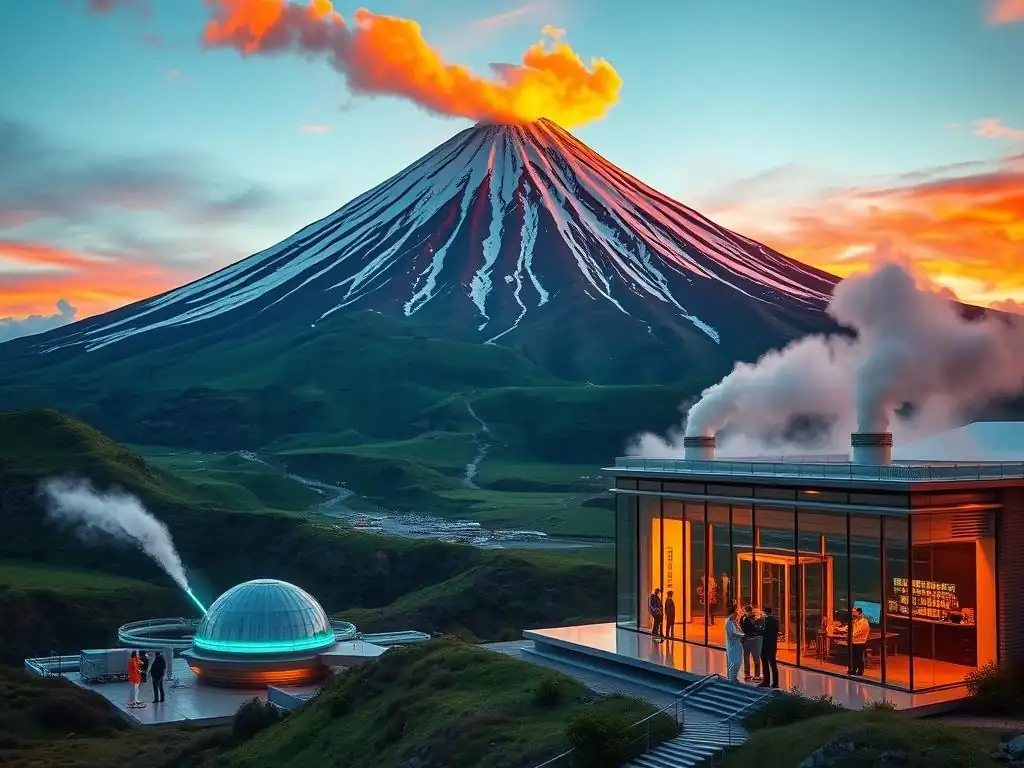
Prepare to be captivated. Beneath the surface of fiery mountains lies a surprising secret: volcanoes and green technology are becoming inextricably linked. We invite you to explore how geothermal innovation hubs are harnessing the Earth's raw power, transforming these geological marvels into centers for sustainable energy. Intrigued? Uncover the potential lurking within these dramatic landscapes and discover how we're learning to live harmoniously with the power of volcanoes.
- Volcanoes and Green Technology: An Untapped Resource
- Economic Opportunities in Volcanic Regions: Geothermal Innovation
- The Science Behind Volcanic Geothermal Energy
- Developing Geothermal Innovation Hubs: Case Studies
- Benefits of Geothermal Innovation Hubs
-
Challenges and Considerations for Geothermal Development
- Environmental Impact Assessments: Mitigating Risks to Volcanic Environments
- Community Engagement and Social Acceptance: Ensuring Equitable Benefits
- Technological and Infrastructure Challenges: Overcoming Geothermal Development Hurdles
- Regulatory Frameworks and Investment Incentives: Fostering Geothermal Innovation
- The Future of Volcanoes and Green Technology
- Geothermal Energy and Sustainable Volcanic Tourism
-
Frequently Asked Questions
- What exactly is a "Geothermal Innovation Hub" in the context of volcanoes?
- How can volcanoes contribute to green technology, specifically?
- What are some potential benefits of establishing Geothermal Innovation Hubs near volcanoes?
- Are there any risks associated with developing Geothermal Innovation Hubs in volcanic areas?
- What role does VolcanoExplorers.org play in promoting the use of volcanoes for green technology?
- Final Reflection: Harnessing Volcanic Power for a Sustainable Future
- Unearth Geothermal's Potential!
Volcanoes and Green Technology: An Untapped Resource
Exploring the Potential of Geothermal Energy near Active Volcanoes
Active volcanoes, often perceived as symbols of destruction and hazard, are also potent sources of immense energy residing beneath the Earth's surface. This energy, known as geothermal energy, is essentially the Earth's internal heat, continuously generated by the decay of radioactive elements in the planet's core and mantle. In volcanically active regions, this heat is significantly concentrated and closer to the surface, making it a readily accessible and incredibly valuable resource.
The proximity of magma chambers to the surface in volcanic zones creates exceptionally high geothermal gradients, meaning the temperature increases rapidly with depth. This natural phenomenon dramatically reduces the drilling depth required to reach usable temperatures for power generation or direct heat applications, making geothermal energy near volcanoes a highly efficient and economically viable option compared to other locations with lower geothermal gradients.
The geological characteristics of volcanic areas further enhance the potential of geothermal energy. Volcanic landscapes are typically fractured and permeable, due to past tectonic activity and volcanic eruptions. These geological formations act as natural reservoirs for hot water and steam, facilitating the extraction of geothermal fluids.
For instance, regions within the Pacific Ring of Fire, known for their intense volcanic and seismic activity, hold some of the world's most promising geothermal resources. Countries like Iceland and Indonesia, heavily reliant on their volcanic landscapes, are prime examples of nations that have successfully tapped into this green technology, showcasing the immense potential that lies dormant beneath and around active volcanoes, ready to be harnessed for sustainable energy production.
The Intersection of Volcanic Activity and Renewable Energy Sources
Volcanic activity, while seemingly chaotic and destructive, is fundamentally driven by the Earth's internal renewable energy. Geothermal energy, directly linked to this volcanic dynamism, stands as a truly renewable resource because the Earth's heat is continuously replenished by natural processes. Unlike fossil fuels, which are finite and contribute significantly to greenhouse gas emissions, geothermal energy offers a sustainable alternative that leverages the planet's inherent energy systems. This intersection of volcanic activity and renewable energy sources presents a unique opportunity to transition towards cleaner energy systems, particularly in regions where volcanoes are a prominent geological feature.
The connection between volcanoes and green technology extends beyond just geothermal power plants. The heat from volcanic sources can also be used for direct heat applications such as district heating, agricultural greenhouses, and industrial processes, significantly reducing reliance on fossil fuels for heating and industrial needs.
In Iceland, for example, geothermal energy not only powers homes and industries but also heats greenhouses that allow for year-round cultivation of produce in a subarctic climate. This integrated approach, utilizing volcanic geothermal resources for both electricity generation and direct heat applications, exemplifies the potential for a holistic and sustainable energy ecosystem centered around volcanoes, effectively transforming these geological powerhouses into cornerstones of green technology and renewable energy infrastructure.
Economic Opportunities in Volcanic Regions: Geothermal Innovation
Beyond Tourism and Agriculture: The Rise of Geothermal Technology
Historically, volcanic regions have often relied on tourism, drawn by the dramatic landscapes and natural hot springs, and agriculture, benefiting from fertile volcanic soils. While these sectors remain important, geothermal technology presents a transformative economic opportunity, diversifying the economic base and creating higher-value jobs in volcanic communities. The development of geothermal power plants and related industries requires skilled labor in engineering, geology, construction, and operations, offering new career paths beyond traditional sectors. This diversification is crucial for building resilient local economies that are less susceptible to fluctuations in tourism or agricultural markets.
The rise of geothermal technology in volcanic areas is not just about electricity generation; it's about fostering innovation and creating a cluster of related industries. Geothermal energy can support data centers requiring stable and affordable power, advanced manufacturing facilities benefiting from consistent energy supply, and research and development in renewable energy technologies.
Furthermore, the co-production of valuable minerals from geothermal brines, such as lithium and silica, adds another layer of economic opportunity, transforming geothermal operations into multi-faceted resource hubs. This shift towards geothermal technology-driven economies in volcanic regions represents a significant step beyond traditional economic models, paving the way for sustainable and technologically advanced local development.
Geothermal Innovation Hubs: A New Economic Paradigm for Volcanic Communities
Geothermal innovation hubs represent a new economic paradigm for volcanic communities, transforming them from potentially vulnerable areas into centers of green technology and sustainable development. These hubs are not just about individual geothermal power plants; they are integrated ecosystems that encompass research institutions, technology companies, manufacturing facilities, and skilled workforce development programs, all centered around the utilization of geothermal resources. By fostering collaboration and knowledge sharing, these hubs accelerate innovation in geothermal technologies, drive down costs, and enhance the efficiency and sustainability of geothermal energy production.
The creation of geothermal innovation hubs in volcanic regions can attract significant investment, both public and private, stimulating economic growth and creating high-quality jobs. These hubs can serve as testbeds for emerging geothermal technologies, such as Enhanced Geothermal Systems (EGS) and supercritical geothermal, attracting researchers and entrepreneurs from around the world.
Moreover, they can become centers of excellence for geothermal education and training, equipping local communities with the skills needed to participate in and benefit from the geothermal economy. This holistic approach, fostering innovation, investment, and skills development, positions geothermal innovation hubs as engines of sustainable economic transformation for volcanic communities, turning a natural hazard into an economic asset and a driver of green technology advancement.
The Science Behind Volcanic Geothermal Energy
Understanding Geothermal Gradients and Heat Flow in Volcanic Areas
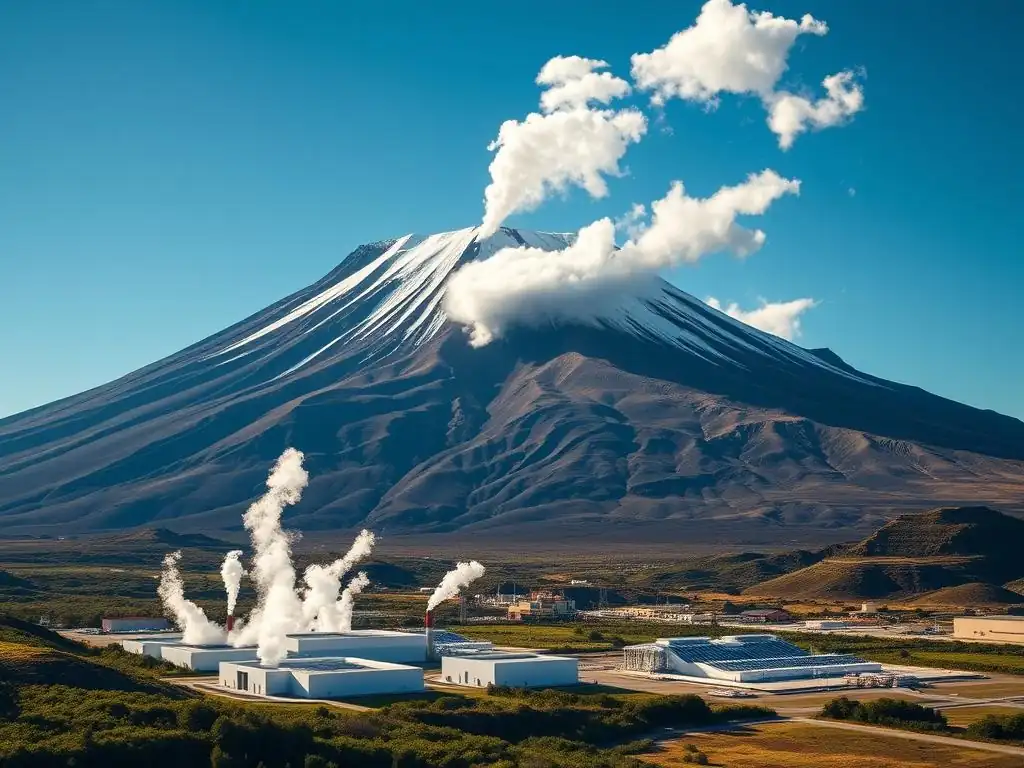
Geothermal gradients describe the rate at which the Earth's temperature increases with depth. In volcanically active areas, these gradients are significantly higher than the global average, meaning temperatures rise much more rapidly as you descend beneath the surface. Typical geothermal gradients in non-volcanic regions are around 25-30 degrees Celsius per kilometer of depth.
However, in volcanic zones, especially near active magma chambers, gradients can exceed 50, or even 100 degrees Celsius per kilometer. This elevated geothermal gradient is the fundamental reason why volcanic areas are so promising for geothermal energy development, as usable temperatures for power generation can be reached at shallower, more accessible depths.
Heat flow refers to the amount of heat energy escaping from the Earth's interior per unit area per unit time. Volcanic regions exhibit significantly higher heat flow compared to other areas due to the upwelling of magma and the presence of active hydrothermal systems. Measurements of heat flow in volcanic zones can be several times higher than the global average.
For example, in some volcanic areas of Iceland, heat flow values can reach over 200 milliwatts per square meter, compared to a global average of around 65 milliwatts per square meter. This intense heat flow is a direct consequence of the volcanic activity and provides a continuous and substantial source of energy that can be harnessed through geothermal technologies. Understanding these geothermal gradients and heat flow patterns is crucial for accurately assessing the geothermal potential of a volcanic region and designing efficient and sustainable geothermal energy projects.
Types of Geothermal Resources Associated with Volcanoes: Hydrothermal, Magmatic, Supercritical
Volcanic regions host diverse types of geothermal resources, each with unique characteristics and technological requirements for exploitation. Hydrothermal resources are the most commonly utilized type, involving reservoirs of hot water and steam trapped in permeable rock formations. These resources are heated by underlying magma bodies and are characterized by temperatures ranging from relatively low (below 150°C) to high (above 225°C).
Examples include vapor-dominated systems, which primarily produce steam, and liquid-dominated systems, which produce hot water and steam mixtures. The Geysers geothermal field in California, though not directly volcanic today, is associated with past volcanic activity and is a vapor-dominated hydrothermal system.
Magmatic geothermal resources are directly linked to magma bodies themselves. These resources involve extracting heat directly from magma or utilizing the heat from solidified but still hot intrusions. Temperatures in magmatic systems can be extremely high, potentially exceeding 500°C. While technologically more challenging to access and utilize, magmatic resources represent a vast untapped potential, especially in regions with shallow magma intrusions. Supercritical geothermal resources represent another frontier in geothermal energy. These resources involve fluids at supercritical conditions – temperatures and pressures above the critical point of water (374°C and 22.1 MPa). Supercritical fluids have properties of both liquids and gases, carrying significantly more energy than ordinary steam or hot water. Harnessing supercritical geothermal resources, often found at depths of 3-5 kilometers in volcanic regions, promises to revolutionize geothermal energy production by significantly increasing power output per well, though technologies for accessing and managing these extreme conditions are still under development.
Advancements in Geothermal Drilling and Extraction Technologies
The efficient and cost-effective extraction of geothermal energy relies heavily on advancements in drilling and extraction technologies. Traditional geothermal drilling, adapted from oil and gas drilling, faces unique challenges in volcanic environments, including high temperatures, corrosive fluids, and fractured rock formations. However, significant progress is being made in developing technologies tailored for these conditions. High-temperature drilling tools and materials are being developed to withstand the extreme heat and corrosive chemicals encountered in deep geothermal wells. Advanced drilling techniques, such as slim-hole drilling and coiled tubing drilling, are being explored to reduce drilling costs and environmental impact.
Extraction technologies are also evolving to enhance geothermal energy production. Enhanced Geothermal Systems (EGS) represent a major advancement, allowing geothermal energy to be harnessed in areas lacking naturally permeable and saturated hydrothermal reservoirs. EGS involves creating artificial reservoirs by hydraulically fracturing hot, dry rocks and injecting water to create steam.
Another promising technology is closed-loop geothermal systems, which circulate working fluids within a closed loop underground, minimizing water usage and environmental risks associated with conventional geothermal systems. Furthermore, advancements in reservoir characterization techniques, such as seismic imaging and geochemical analysis, are improving our ability to locate and manage geothermal resources more effectively, leading to increased efficiency and sustainability of geothermal energy production in volcanic and other geothermal regions.
Developing Geothermal Innovation Hubs: Case Studies
Iceland: A Leader in Geothermal Energy Utilization Near Volcanoes
Iceland stands as a global leader in geothermal energy utilization, a testament to the successful integration of green technology within a volcanically active nation. Positioned atop the Mid-Atlantic Ridge, Iceland benefits from abundant geothermal resources fueled by active volcanism. Approximately 90% of Iceland's heating needs and around 30% of its electricity generation are met by geothermal energy. This extensive utilization has been achieved through decades of strategic investment in research, infrastructure, and policy frameworks that prioritize renewable energy. Iceland's success is not just about harnessing the resource; it's about creating a comprehensive geothermal ecosystem.
Iceland's geothermal sector encompasses research institutions like the Iceland GeoSurvey (ÍSOR), which conducts extensive geothermal exploration and research, and companies like Reykjavik Energy, which operates geothermal power plants and district heating systems. The country has also fostered a thriving geothermal industry, exporting expertise and technology worldwide. Furthermore, Iceland's geothermal resources support diverse industries, including aluminum smelting, aquaculture, and tourism, demonstrating the broad economic benefits of geothermal energy.
The Blue Lagoon, a world-renowned geothermal spa, exemplifies how geothermal resources can be integrated with tourism and recreation, creating unique and sustainable attractions. Iceland's comprehensive approach, from research and development to industry and tourism, serves as a model for developing geothermal innovation hubs in other volcanic regions.
Italy: Leveraging Volcanic Geothermal Resources in Tuscany
Italy, particularly the Tuscany region, boasts a long history of geothermal energy utilization, dating back to the early 20th century. The Larderello geothermal field in Tuscany, located within a volcanically active area, is one of the oldest industrial geothermal power plants in the world, continuously operating since 1913. Italy's geothermal sector, while smaller than Iceland's in terms of overall energy contribution, represents a significant and established green technology industry within a European context. Tuscany's geothermal resources have been instrumental in powering local industries and communities for generations, showcasing the long-term viability and sustainability of geothermal energy.
Italy's geothermal development in Tuscany has fostered a specialized industrial cluster, including companies focused on geothermal drilling, power plant construction, and component manufacturing. Research institutions and universities in the region contribute to ongoing geothermal research and development, focusing on optimizing power plant efficiency and exploring new geothermal resources. The Italian experience highlights the importance of long-term policy support and public-private partnerships in developing and sustaining a geothermal industry.
Furthermore, Tuscany's geothermal landscape is also integrated with agritourism and cultural heritage, attracting visitors interested in learning about geothermal energy and its historical significance in the region. This blend of industrial heritage, ongoing innovation, and tourism integration demonstrates another model for leveraging volcanic geothermal resources for sustainable regional development.
Indonesia: Emerging Geothermal Markets in Volcanic Regions
Indonesia, situated within the Pacific Ring of Fire, possesses the world's largest geothermal potential, estimated at over 29 gigawatts. With hundreds of volcanoes scattered across its archipelago, Indonesia is actively developing its geothermal resources to meet its growing energy demand and reduce reliance on fossil fuels.
While still in a phase of rapid development compared to Iceland or Italy, Indonesia is emerging as a major player in the global geothermal market, driven by government policies promoting renewable energy and increasing private sector investment. The country's vast geothermal potential represents a significant opportunity to power its economy sustainably and reduce its carbon footprint.
Indonesia's geothermal development is focused on various volcanic regions, including Java, Sumatra, and Sulawesi. Large-scale geothermal power plants are being constructed and commissioned, contributing significantly to the country's electricity grid. The Indonesian government is actively promoting geothermal exploration and development through feed-in tariffs, risk mitigation mechanisms, and streamlined permitting processes.
Furthermore, Indonesia is fostering international collaborations and technology transfer to accelerate its geothermal sector's growth. Challenges remain, including infrastructure development in remote volcanic areas and community engagement, but Indonesia's commitment to harnessing its geothermal wealth positions it as a key emerging market for green technology and a significant contributor to global geothermal energy capacity.
Benefits of Geothermal Innovation Hubs
Sustainable Energy Production: Reducing Carbon Footprint in Volcanic Areas
Geothermal innovation hubs, centered around volcanoes, offer a pathway to sustainable energy production, significantly reducing the carbon footprint of volcanic areas. Geothermal energy is a clean, renewable resource with minimal greenhouse gas emissions compared to fossil fuels. Geothermal power plants typically emit only water vapor and small amounts of non-condensable gases, such as carbon dioxide and hydrogen sulfide, which are naturally occurring and released in far smaller quantities than from fossil fuel combustion. By transitioning to geothermal energy, volcanic communities can drastically reduce their reliance on carbon-intensive energy sources, contributing to national and global climate change mitigation efforts.
The localized nature of geothermal resources also enhances sustainability by reducing transmission losses associated with long-distance electricity transport. Geothermal power plants are typically located close to the energy demand centers in volcanic regions, minimizing the need for extensive power grids and associated energy losses. Furthermore, geothermal energy provides a stable and baseload power supply, unlike some other renewable sources like solar and wind, which are intermittent.
This reliability ensures a consistent and dependable source of green energy for volcanic communities and industries, supporting sustainable economic development and reducing reliance on fluctuating fossil fuel prices. The development of geothermal innovation hubs therefore represents a strategic approach to achieving energy sustainability and decarbonization in volcanic regions, leveraging a naturally abundant resource for a cleaner energy future.
Economic Growth and Job Creation in Volcanic Communities
Geothermal innovation hubs act as catalysts for economic growth and job creation in volcanic communities, transforming these areas into centers of sustainable economic activity. The development and operation of geothermal facilities create a range of employment opportunities, from skilled engineers and geologists to technicians, operators, and maintenance personnel.
Furthermore, the establishment of geothermal industries attracts supporting businesses, such as manufacturing, construction, and service providers, creating a multiplier effect on job creation and economic diversification. These jobs are often higher-paying and more stable than those in traditional sectors like tourism or agriculture, contributing to improved livelihoods and economic resilience in volcanic regions.
The economic benefits of geothermal innovation hubs extend beyond direct employment in the geothermal sector. The availability of affordable and reliable geothermal energy can attract energy-intensive industries to volcanic regions, such as data centers, greenhouses, and manufacturing facilities, further stimulating economic growth and diversification.
Moreover, geothermal resources can support local businesses and communities through direct heat applications, such as district heating, agricultural heating, and industrial process heating, reducing energy costs and enhancing competitiveness. The development of geothermal innovation hubs therefore represents a strategic investment in the economic future of volcanic communities, creating sustainable jobs, attracting new industries, and fostering a more diversified and resilient local economy based on green technology.
Energy Independence and Security: Harnessing Local Geothermal Resources
Harnessing local geothermal resources through innovation hubs enhances energy independence and security for volcanic communities and nations. Reliance on imported fossil fuels makes economies vulnerable to price fluctuations and geopolitical instability. Geothermal energy, as a domestically available resource, reduces this dependence and strengthens energy security. Volcanic regions with geothermal resources can become self-sufficient in energy, reducing their exposure to external energy market volatility and ensuring a stable and reliable energy supply for their communities and industries.
Geothermal energy also contributes to national energy security by diversifying the energy mix and reducing reliance on a single energy source. Countries with significant geothermal potential can strategically develop these resources to lessen their dependence on fossil fuel imports and enhance their overall energy resilience. Furthermore, geothermal power plants provide a baseload power supply, ensuring grid stability and reliability, which is crucial for maintaining energy security. Investing in geothermal innovation hubs and developing domestic geothermal resources is therefore a strategic approach to strengthening energy independence and security, particularly for volcanic nations and regions with abundant geothermal potential.
Environmental Conservation: Minimizing Impacts on Volcanic Ecosystems
Geothermal development, when implemented responsibly through innovation hubs, can be aligned with environmental conservation, minimizing impacts on volcanic ecosystems. Modern geothermal technologies and best practices prioritize environmental sustainability, focusing on minimizing land use, water consumption, and emissions. Closed-loop geothermal systems, for example, significantly reduce water usage and wastewater discharge compared to conventional geothermal systems. Furthermore, advancements in drilling and extraction techniques minimize land disturbance and habitat fragmentation associated with geothermal development.
Environmental impact assessments (EIAs) are a crucial component of responsible geothermal development, ensuring that potential environmental risks are identified and mitigated. EIAs evaluate potential impacts on biodiversity, water resources, air quality, and landscape aesthetics, and guide the implementation of mitigation measures.
Geothermal innovation hubs can play a key role in promoting environmentally sound geothermal practices, fostering research and development of technologies that minimize environmental impacts, and sharing best practices with the geothermal industry and local communities. By integrating environmental considerations into all stages of geothermal development, innovation hubs can ensure that geothermal energy is harnessed in a way that is both sustainable and environmentally responsible, preserving the unique ecosystems of volcanic regions while providing clean energy.
Challenges and Considerations for Geothermal Development
Environmental Impact Assessments: Mitigating Risks to Volcanic Environments
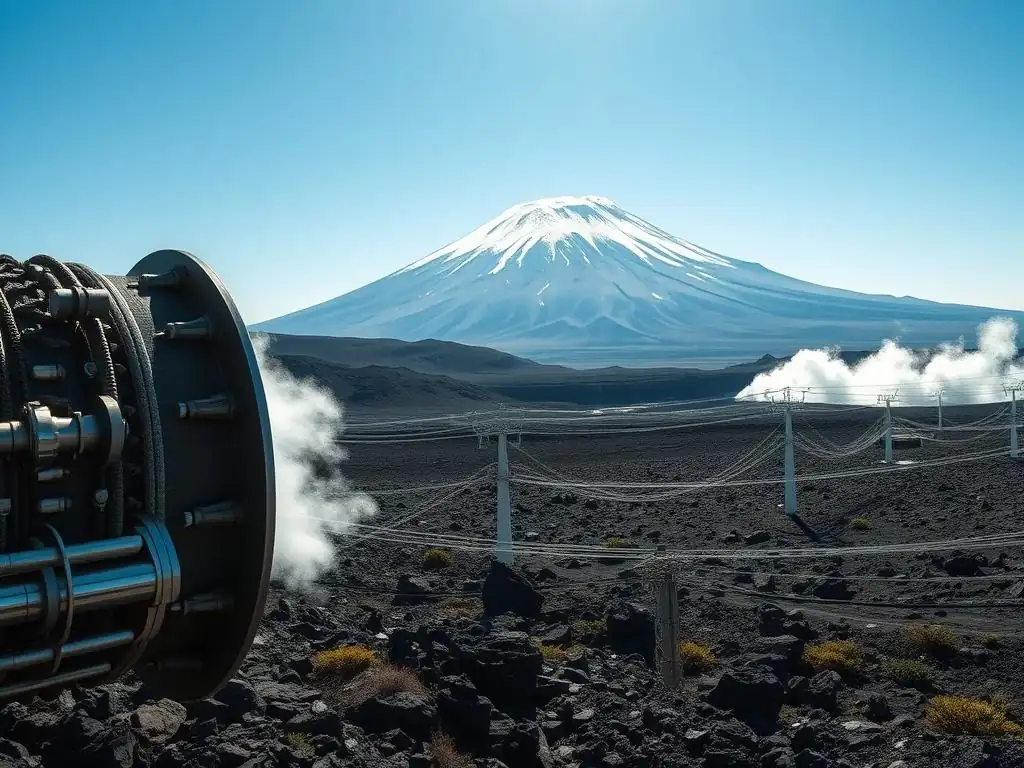
Environmental Impact Assessments (EIAs) are crucial for responsible geothermal development in volcanic environments, serving as a systematic process to identify, predict, and mitigate potential environmental risks. Volcanic ecosystems are often sensitive and unique, requiring careful consideration of potential impacts on biodiversity, water resources, air quality, and geological stability. EIAs should be conducted at the early stages of geothermal projects, involving thorough baseline studies, stakeholder consultations, and rigorous scientific analysis to assess potential environmental consequences. These assessments should not only identify risks but also propose specific and effective mitigation measures to minimize negative impacts.
EIAs for geothermal projects in volcanic regions should consider a wide range of potential impacts, including habitat loss and fragmentation, disturbance to wildlife, potential effects on geothermal features like hot springs and geysers, water resource depletion or contamination, air emissions, and seismic activity. The assessment process should also evaluate cumulative impacts, considering the combined effects of multiple geothermal projects in a region.
Furthermore, EIAs should be adaptive and iterative, allowing for adjustments to project design and mitigation measures based on ongoing monitoring and new scientific information. Robust and transparent EIAs are essential for ensuring that geothermal development in volcanic areas is environmentally sustainable and minimizes risks to these valuable and often fragile ecosystems.
Community engagement and social acceptance are paramount for the successful and equitable development of geothermal innovation hubs in volcanic regions. Geothermal projects can have significant social and economic impacts on local communities, and ensuring their support and participation is crucial for long-term sustainability and social harmony. Community engagement should be initiated early in the project development process, involving open and transparent communication, consultation, and participatory decision-making. This process should provide opportunities for communities to voice their concerns, share their knowledge, and contribute to project design and implementation.
Ensuring equitable benefits for local communities is a key aspect of social acceptance. Geothermal projects can generate revenues and create jobs, and mechanisms should be established to ensure that these benefits are shared fairly with local communities. This can include community benefit agreements, revenue sharing schemes, local employment preferences, and investment in community development projects.
Furthermore, addressing potential social concerns, such as land use changes, visual impacts, and cultural heritage protection, is essential for building trust and fostering positive relationships between geothermal developers and local communities. Meaningful community engagement and equitable benefit sharing are fundamental principles for ensuring the social sustainability and long-term success of geothermal innovation hubs in volcanic regions.
Technological and Infrastructure Challenges: Overcoming Geothermal Development Hurdles
Geothermal development in volcanic regions faces technological and infrastructure challenges that need to be overcome to unlock the full potential of this green technology. Drilling in high-temperature, corrosive, and fractured volcanic formations presents significant engineering hurdles, requiring specialized drilling equipment, materials, and techniques. Maintaining well integrity and preventing corrosion in harsh geothermal environments are critical for ensuring long-term well performance and safety. Furthermore, accessing deep and high-enthalpy geothermal resources, such as supercritical geothermal, requires advanced drilling and extraction technologies that are still under development.
Infrastructure development in often remote volcanic regions can also be a significant challenge. Constructing power plants, transmission lines, and access roads in rugged terrain and seismically active areas requires careful planning and robust engineering solutions. Grid infrastructure may need to be upgraded or expanded to accommodate the integration of geothermal power into existing electricity grids.
Furthermore, developing water supply infrastructure for geothermal operations, particularly in water-scarce regions, can be a constraint. Addressing these technological and infrastructure challenges requires ongoing research and development, innovation in engineering solutions, and strategic investments in infrastructure development to facilitate the widespread deployment of geothermal energy in volcanic regions.
Regulatory Frameworks and Investment Incentives: Fostering Geothermal Innovation
Effective regulatory frameworks and investment incentives are essential for fostering geothermal innovation and accelerating the development of geothermal innovation hubs in volcanic regions. Clear and predictable regulatory frameworks are needed to streamline permitting processes, reduce bureaucratic hurdles, and provide certainty for geothermal developers. These frameworks should address key aspects such as resource ownership, environmental regulations, land access, and power purchase agreements. Furthermore, regulations should be designed to encourage sustainable geothermal practices and minimize environmental impacts.
Investment incentives are crucial for attracting private sector investment in geothermal projects, which often involve high upfront costs and long lead times. These incentives can include feed-in tariffs, tax credits, risk mitigation mechanisms, and government grants or subsidies. Public-private partnerships can also play a vital role in sharing risks and mobilizing investment for geothermal development.
Furthermore, policies that support research and development in geothermal technologies, promote technology transfer, and foster workforce development are essential for driving innovation and building a skilled geothermal workforce. Supportive regulatory frameworks and attractive investment incentives are key policy instruments for creating an enabling environment for geothermal innovation and accelerating the transition to a sustainable energy future in volcanic regions.
The Future of Volcanoes and Green Technology
Emerging Geothermal Technologies: Enhanced Geothermal Systems (EGS), Supercritical Geothermal
The future of volcanoes and green technology is being shaped by emerging geothermal technologies such as Enhanced Geothermal Systems (EGS) and supercritical geothermal, promising to unlock vast untapped geothermal resources. EGS technology expands the reach of geothermal energy to areas without naturally occurring hydrothermal reservoirs. By creating artificial reservoirs in hot, dry rocks, EGS significantly increases the geographical availability of geothermal energy, potentially making it accessible in many more volcanic and non-volcanic regions. Ongoing research and development are focused on improving EGS efficiency, reducing drilling costs, and optimizing reservoir creation techniques.
Supercritical geothermal represents another transformative technology, aiming to harness the immense energy contained in supercritical fluids found at great depths in volcanic areas. Supercritical fluids offer significantly higher energy content compared to conventional steam, potentially doubling or tripling the power output of geothermal wells. However, accessing and managing supercritical geothermal resources presents significant technological challenges due to extreme temperatures and pressures.
Research and development efforts are focused on developing high-temperature drilling technologies, corrosion-resistant materials, and innovative well designs to safely and efficiently extract energy from supercritical geothermal reservoirs. These emerging technologies hold the promise of revolutionizing geothermal energy production and significantly expanding the contribution of volcanoes to a sustainable energy future.
Integrating Geothermal Energy with Other Renewable Sources
The future of volcanoes and green technology lies in the intelligent integration of geothermal energy with other renewable energy sources, creating hybrid renewable energy systems that enhance reliability, efficiency, and sustainability. Geothermal energy, with its baseload power capability, complements intermittent renewable sources like solar and wind, providing a stable and consistent energy supply.
Hybrid systems can combine geothermal power plants with solar photovoltaic arrays, wind farms, or hydropower facilities to create a diversified and resilient renewable energy portfolio. For example, solar energy can be used during peak daytime hours, while geothermal energy provides continuous power throughout the day and night.
Energy storage technologies, such as batteries and pumped hydro storage, can further enhance the integration of geothermal and other renewables, smoothing out fluctuations in renewable energy supply and demand. Smart grids and advanced energy management systems are also crucial for optimizing the operation of hybrid renewable energy systems and ensuring efficient energy distribution.
Furthermore, geothermal energy can be used to produce hydrogen through electrolysis, creating a clean and versatile energy carrier that can be used for transportation, industry, and energy storage. The integration of geothermal energy with other renewable sources, coupled with energy storage and smart grid technologies, represents a holistic and synergistic approach to building a fully sustainable and resilient energy system in volcanic and other regions.
Building Resilient and Sustainable Volcanic Communities Through Geothermal Innovation
Ultimately, the future of volcanoes and green technology is about building resilient and sustainable volcanic communities through geothermal innovation. By harnessing the power of volcanoes for clean energy, volcanic regions can transform themselves from areas of potential hazard into centers of sustainable development and economic opportunity. Geothermal innovation hubs play a central role in this transformation, fostering technological advancements, driving economic growth, creating jobs, and enhancing energy security. These hubs can also serve as centers for community engagement, education, and capacity building, empowering local communities to participate in and benefit from the geothermal economy.
Building resilient volcanic communities requires a holistic and integrated approach, encompassing not only energy production but also sustainable agriculture, eco-tourism, and disaster risk reduction. Geothermal energy can support sustainable agriculture through greenhouse heating and irrigation, enhancing food security and local economies. Eco-tourism centered around geothermal features and volcanic landscapes can generate revenue and create jobs while promoting environmental awareness.
Furthermore, geothermal resources can contribute to disaster preparedness and resilience by providing a reliable energy supply during and after volcanic eruptions or other natural disasters. Through geothermal innovation and integrated sustainable development strategies, volcanic communities can build a future that is both economically prosperous and environmentally resilient, transforming the challenges of living with volcanoes into opportunities for sustainable development and green technology leadership.
Geothermal Energy and Sustainable Volcanic Tourism
Eco-Tourism centered around geothermal energy.
Eco-tourism centered around geothermal energy offers a unique and sustainable approach to tourism in volcanic regions, combining the allure of dramatic volcanic landscapes with the educational and experiential aspects of green technology. Volcanic areas are inherently attractive to tourists due to their geothermal features like hot springs, geysers, and fumaroles, and by showcasing geothermal power plants and related infrastructure, eco-tourism can add another layer of interest and education.
Tourists can learn about the science behind geothermal energy, the technology involved in harnessing it, and the benefits of renewable energy for mitigating climate change. Geothermal eco-tourism can create a positive feedback loop, where tourism revenues support the development and maintenance of geothermal facilities and contribute to local economies.
Geothermal eco-tourism can take various forms, including guided tours of geothermal power plants, educational centers explaining geothermal processes, hiking trails through geothermal areas, and spa experiences utilizing geothermal waters. Sustainable tourism practices are crucial to minimize environmental impacts and ensure that tourism benefits local communities. This includes responsible waste management, minimizing disturbance to natural habitats, supporting local businesses, and respecting local cultures. Geothermal eco-tourism can also promote community-based tourism initiatives, empowering local communities to manage and benefit from tourism activities, ensuring that tourism revenues contribute to local development and conservation efforts.
Geothermal facilities as education centers.
Geothermal facilities, beyond their primary function of energy production, can serve as valuable education centers, raising public awareness about renewable energy, climate change, and the science of volcanoes. Geothermal power plants and related infrastructure can be designed to incorporate visitor centers, interactive exhibits, and educational programs that explain the principles of geothermal energy, the technology used, and the environmental and economic benefits. These centers can cater to a wide range of audiences, from school groups and students to tourists and the general public, promoting STEM education and fostering a greater understanding of sustainable energy solutions.
Geothermal education centers can offer guided tours, interactive displays, videos, and hands-on activities to engage visitors and make learning fun and accessible. They can showcase the different types of geothermal resources, the drilling and extraction processes, the power generation technologies, and the various applications of geothermal energy beyond electricity, such as heating and industrial uses.
Furthermore, these centers can highlight the role of geothermal energy in mitigating climate change, reducing carbon emissions, and transitioning to a sustainable energy future. By integrating education into geothermal facilities, these sites can become powerful tools for public outreach and engagement, inspiring the next generation of scientists, engineers, and sustainability advocates, while simultaneously contributing to the tourism appeal of volcanic regions.
Frequently Asked Questions
What exactly is a "Geothermal Innovation Hub" in the context of volcanoes?
It refers to areas located near active volcanoes being developed as centers for geothermal energy research and application, leveraging the heat from the Earth. These hubs aim to drive innovation in green technology.
How can volcanoes contribute to green technology, specifically?
Volcanoes provide a readily available source of geothermal energy, which can be harnessed to generate electricity, heat homes, and power industries. This reduces reliance on fossil fuels and lowers carbon emissions.
What are some potential benefits of establishing Geothermal Innovation Hubs near volcanoes?
Besides clean energy production, these hubs can create economic opportunities for local communities through job creation and investment in research and development. They can also advance scientific understanding of volcanoes.
Are there any risks associated with developing Geothermal Innovation Hubs in volcanic areas?
Yes, there are risks. Volcanic eruptions and seismic activity pose a threat to infrastructure and human safety. Careful planning, monitoring, and mitigation strategies are crucial for ensuring safety.
What role does VolcanoExplorers.org play in promoting the use of volcanoes for green technology?
VolcanoExplorers.org aims to educate the public about the potential of geothermal energy, provide resources for understanding volcanic activity, and showcase the benefits and challenges of developing geothermal innovation hubs.
Final Reflection: Harnessing Volcanic Power for a Sustainable Future
The exploration of geothermal energy, particularly through the establishment of Geothermal Innovation Hubs near volcanic regions, is not merely an academic exercise; it's a critical imperative for a world grappling with the urgent need for sustainable energy solutions. The potential to harness the immense power simmering beneath our feet, transforming volcanic landscapes into centers of green technology, represents a paradigm shift in how we approach energy production and environmental stewardship.
This journey into the earth's fiery heart has profoundly shaped my understanding of the interconnectedness between geological forces and human ingenuity. The realization that volcanoes, often perceived as destructive forces, can be harnessed for clean energy production is a testament to our capacity for innovation and adaptation. We are at a turning point in history where the choices we make today will determine the future of our planet. Geothermal energy offers a powerful pathway towards a cleaner, more sustainable future.
- (Hypothetical Geothermal Energy Expert Quote). This quote encapsulates the urgency and potential that drives the exploration of geothermal resources.
As we stand on the precipice of a new era in energy production, I urge you to reflect on the transformative potential of geothermal energy and its role in shaping a more sustainable future. Consider how you can support the development of Geothermal Innovation Hubs, advocate for policies that promote renewable energy sources, and embrace the vision of a world powered by the earth's natural heat. Let us collectively strive to unlock the boundless energy hidden beneath our feet and build a future where volcanoes and green technology coexist in harmony.
Unearth Geothermal's Potential!
Thank you for diving into the fascinating world of geothermal energy and discovering how volcanoes can be cradles of green technology! Now that you've learned about the innovative hubs springing up around these powerful natural resources, it's time to take the next step.
- Investigate local geothermal projects and contact project managers directly. Learn about volunteering or even investment opportunities. This is your chance to directly contribute to a sustainable future.
- Share this article with your network and spark conversations about the possibilities of geothermal energy. Let's amplify awareness and drive innovation.
- Explore VolcanoExplorers.org for more hidden gems about volcano-powered solutions and the communities embracing this green energy revolution.
What's one small step you can take this week to support or learn more about geothermal energy in your community or beyond?