
Lighting the Lava: Stagecraft Techniques to Emulate Volcanic Glow

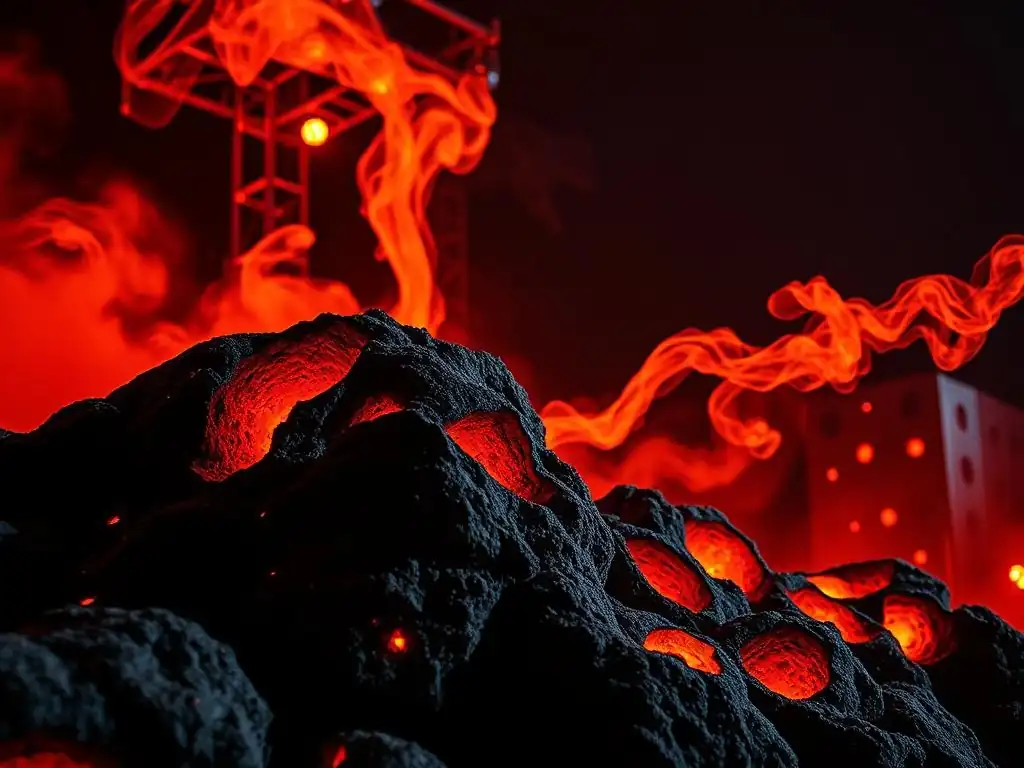
Welcome to Volcano Explorers!
Ever wondered how the raw, untamed power of a volcanic eruption can be captured and brought to life, even without real lava? Prepare to be captivated as we unveil the secrets behind volcanic glow stagecraft techniques. Dive into the mesmerizing world where art and science collide, and discover how theatrical magic recreates the fiery heart of a volcano. Are you ready to learn how light and shadow can conjure the illusion of molten rock? Let the spectacle begin...
- Introduction: Capturing the Essence of Volcanic Glow On Stage
- Understanding Volcanic Glow: A Primer for Stage Designers
- Core Stagecraft Techniques for Emulating Volcanic Glow
- Creating Dynamic Volcanic Effects Through Lighting
- Advanced Stagecraft Techniques for Volcanic Glow
- Safety Considerations When Working with Stage Lighting and Heat Effects
- Case Studies: Successful Volcanic Glow Stagecraft Examples
- Tips and Tricks for Budget-Friendly Volcanic Glow Stagecraft
- Conclusion: Mastering the Art of Volcanic Glow in Theatre
-
Frequently Asked Questions
- How can stage lighting create the illusion of molten lava?
- What materials are best for creating realistic lava flows on stage?
- What are some safe methods for creating a "volcanic explosion" effect on stage?
- How can sound effects be incorporated to enhance the realism of a volcanic scene?
- What considerations should be made for audience safety when using stagecraft to emulate volcanic activity?
- Final Reflection: Igniting Imagination Through Stagecraft
- Ignite Your Imagination: Create Volcanic Brilliance!
Introduction: Capturing the Essence of Volcanic Glow On Stage
Volcanoes, with their fiery displays of raw power and molten beauty, have captivated audiences for centuries. From ancient myths to modern blockbusters, the imagery of volcanic eruptions holds a profound dramatic weight. In the realm of stagecraft, recreating the mesmerizing volcanic glow is a compelling challenge, demanding a blend of artistic vision and technical expertise.
This article delves into the essential stagecraft techniques that lighting designers employ to convincingly emulate the intense luminosity and fiery hues of lava, transforming theatrical spaces into breathtaking volcanic landscapes. We will explore various methods, from foundational color theory and instrument selection to advanced projection and special effects, providing a comprehensive guide to achieving a truly impactful volcanic glow on stage.
Understanding Volcanic Glow: A Primer for Stage Designers
To effectively recreate volcanic glow on stage, a fundamental understanding of its characteristics is crucial. This involves grasping the science behind lava's luminescence and identifying the key visual elements that define volcanic light. By dissecting the real-world phenomenon, stage designers can make informed choices about color palettes, lighting instruments, and techniques to achieve authentic and impactful stage representations. This section will lay the groundwork for practical application, bridging the gap between geological phenomena and theatrical artistry.
The Science Behind Lava's Luminescence
The intense glow emanating from lava is primarily a result of black-body radiation. Molten rock, heated to temperatures ranging from approximately 700°C to 1200°C (1292°F to 2192°F), emits light across the electromagnetic spectrum, with a significant portion falling within the visible range. The specific color of lava's glow is directly related to its temperature.
Lower temperature lava, around 700-800°C, typically appears a deep, dull red. As the temperature increases, the color shifts towards brighter oranges and yellows, culminating in a brilliant, almost white-hot glow at the highest temperatures. This temperature-dependent color shift is a critical aspect to understand when aiming for realistic volcanic stage lighting.
Furthermore, the composition of the lava also influences its appearance. Basaltic lava, common in shield volcanoes like those in Hawaii, tends to be more fluid and produces a brighter, more orange-yellow glow due to its higher temperatures and lower silica content.
Andesitic and rhyolitic lavas, often associated with stratovolcanoes like Mount St. Helens, are more viscous and may exhibit a slightly redder, less intense glow as they tend to be cooler and richer in silica. Understanding these nuances of temperature and composition informs the selection of appropriate color gels and lighting intensities to accurately portray different types of volcanic activity.
Identifying Key Characteristics of Volcanic Light for Accurate Stage Representation
Beyond the color spectrum, several key characteristics define volcanic light and are essential for stage emulation. Firstly, the intensity of volcanic glow is remarkable. Lava is a self-luminous source, casting a powerful and radiant light that can be seen for miles. Stage lighting needs to convey this intense brightness, often contrasting it with surrounding darker areas to enhance the dramatic impact. Secondly, volcanic light is dynamic and fluid. Molten lava flows, sputters, and pools, creating a constantly shifting and flickering light source. Stage lighting should incorporate movement and variation to capture this dynamism, avoiding static or uniform illumination.
Thirdly, the texture of volcanic light is crucial. Lava isn't a smooth, even light source. It has a fiery, almost granular texture, with bright hotspots and darker crevices within the flow. Gobos, textured gels, and strategic lighting angles can be used to recreate this complex texture on stage.
Finally, consider the ambient light created by volcanic glow. The intense light from lava illuminates the surrounding environment, casting a warm, reddish or orange hue on rocks, smoke, and the sky. Ambient lighting, using washes of color and subtle backlight, can extend the volcanic effect beyond the immediate lava representation, immersing the entire stage in a volcanic atmosphere.
Core Stagecraft Techniques for Emulating Volcanic Glow
With a solid understanding of volcanic glow, stage designers can employ various core techniques to bring this fiery spectacle to life. These techniques form the foundation of volcanic stage lighting, focusing on color, instrumentation, and basic manipulation to create convincing lava effects. From selecting the right gel colors to choosing appropriate lighting fixtures, these fundamental practices are essential for any successful volcanic stage production.
Gel Selection for Authentic Lava Colors: Reds, Oranges, and Yellows
The cornerstone of emulating volcanic glow lies in the strategic use of color gels. Gels are transparent colored filters placed in front of lighting instruments to modify the color of the light beam. For lava effects, the color palette primarily revolves around reds, oranges, and yellows.
Deep reds, like Roscolux #26 Dark Red or Lee Filters #027 Medium Red, are excellent for representing cooler, deeper lava flows or the edges of a lava field. Moving towards oranges, Roscolux #23 Orange or Lee Filters #021 Golden Amber capture the vibrant glow of hotter, more active lava. Finally, yellows, such as Roscolux #12 Yellow or Lee Filters #009 Pale Yellow, can be used sparingly to represent the hottest, almost white-hot points within the lava flow or to add highlights and intensity.
The key to effective gel selection is layering and blending. Using a single gel color can often appear flat and artificial. Instead, layering multiple gels, perhaps a deep red as a base with orange and yellow highlights, creates depth and realism.
For instance, a wash of deep red could represent the overall lava field, while spotlights with orange and yellow gels are used to create brighter, more intense areas suggesting active flows or vents. Experimentation with different combinations and densities of gels is crucial to achieve the desired nuance and authenticity in the volcanic color palette. Remember to consider the specific type of volcanic glow you want to portray; a slow-moving, viscous lava flow might emphasize deeper reds and oranges, while a more explosive eruption might incorporate brighter yellows and even hints of white.
Lighting Instruments: Choosing the Right Fixtures for Volcanic Effects
Selecting the appropriate lighting instruments is as critical as gel choice in achieving a convincing volcanic glow. Different fixtures offer varying degrees of control, intensity, and beam characteristics, each suited for different aspects of lava emulation. For broad washes of color representing the overall lava field or ambient volcanic light, fixtures like LED wash lights or conventional PAR cans are effective.
These instruments provide a wide, even spread of light, ideal for establishing a base color and atmosphere. For creating more focused and intense areas of lava glow, ellipsoidal reflector spotlights (ERS) or profile spotlights are valuable. These fixtures allow for precise beam control and can be used to highlight specific areas, create pools of "molten lava," or project gobo patterns.
Moving head fixtures, both LED and conventional, offer dynamic movement and color mixing capabilities, essential for simulating the fluid and flickering nature of lava. These versatile instruments can pan and tilt, change colors seamlessly, and project rotating gobos, allowing for complex and dynamic volcanic effects. For creating intensely bright, almost blinding flashes of volcanic eruption or the white-hot core of lava, powerful fixtures like Xenon searchlights or high-output strobe lights can be employed sparingly.
The choice of instrument ultimately depends on the specific stage design, budget, and desired level of realism. Often, a combination of different fixture types, strategically positioned and programmed, yields the most compelling and dynamic volcanic glow stagecraft.
LED Lighting for Volcanic Simulation: Advantages and Considerations
LED lighting has revolutionized stagecraft, offering significant advantages for emulating volcanic glow. LED fixtures excel in color mixing, allowing for a vast palette of reds, oranges, and yellows, and smooth transitions between them. This capability is crucial for realistically representing the subtle shifts in color and intensity within a lava flow. Furthermore, LEDs are energy-efficient and generate significantly less heat than conventional lighting, a critical factor in stage productions, especially when simulating heat-intensive phenomena like volcanoes. The lower heat output reduces the risk of overheating gels and equipment, and creates a more comfortable working environment for performers and crew.
LED fixtures also offer precise dimming control and fast response times, enabling intricate and dynamic lighting cues that mimic the flickering and movement of lava. Programmable LED systems allow for complex sequences of color changes and intensity variations, creating highly realistic and captivating volcanic effects. However, there are considerations when using LEDs.
While their color mixing is excellent, the quality of red and orange hues in some LED fixtures can sometimes appear less saturated or "true" compared to traditional tungsten lighting filtered with gels. Careful selection of high-quality LED fixtures with robust color rendering capabilities is essential for achieving truly authentic volcanic colors. Additionally, the initial cost of LED fixtures can be higher than conventional lighting, although the long-term energy savings and reduced maintenance can often offset this initial investment.
Conventional Lighting for Lava Effects: Techniques and Best Practices
Despite the rise of LED technology, conventional lighting instruments still hold significant value and remain widely used for creating volcanic effects. Tungsten-halogen fixtures, such as PAR cans and ellipsoidal spotlights, produce a warm, rich light that, when filtered with appropriate gels, can create incredibly convincing lava colors. The broad spectrum output of tungsten lighting often renders reds, oranges, and yellows with a depth and saturation that some find more visually appealing than certain LED sources. Conventional lighting is also generally more budget-friendly in terms of initial purchase cost, making it a viable option for productions with limited resources.
When using conventional lighting for lava effects, careful gel selection and layering are paramount. Due to the heat generated by tungsten fixtures, it's crucial to use high-quality, heat-resistant gels like those made from polyester rather than acetate, to prevent fading or melting. Proper ventilation and spacing between the fixture and the gel frame are also important for heat management.
To create dynamic effects with conventional lighting, techniques like manual dimming, using color scrollers (devices that hold multiple gels and can quickly switch between them), and employing simple mechanical flicker effects (like fans or vibrating plates) can effectively simulate lava movement and variation. While conventional lighting may require more hands-on manipulation and potentially higher energy consumption, its inherent warmth and color rendering capabilities, combined with skillful application of gels and techniques, can produce stunning and impactful volcanic glow on stage.
Creating Dynamic Volcanic Effects Through Lighting
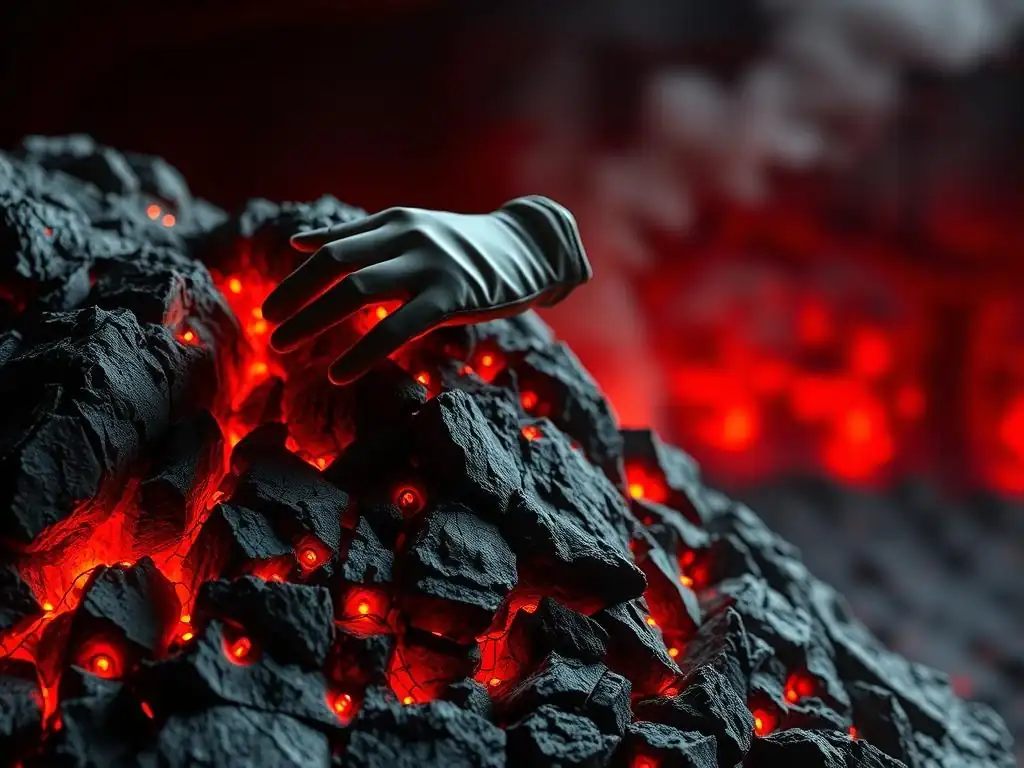
Beyond static color and intensity, dynamic movement and texture are crucial for truly bringing volcanic glow to life on stage. Simulating the flow of molten rock, projecting lava textures, and employing advanced color mixing techniques all contribute to a more immersive and believable volcanic environment. These techniques elevate the stagecraft from simply showing "red light" to creating a dynamic and captivating representation of volcanic activity.
Movement and Flicker: Simulating Molten Rock Flow
The essence of lava is its fluidity and constant motion. Static lighting, no matter how well-colored, will lack the dynamism of real volcanic glow. Introducing movement and flicker into the lighting design is essential for simulating molten rock flow.
One effective technique is to use moving head fixtures, programmed to slowly pan and tilt across the stage or scenic elements representing lava flows. Subtle, undulating movements, combined with gradual color and intensity shifts, can effectively mimic the slow, viscous flow of lava. For faster, more energetic movement, perhaps representing lava fountains or eruptions, faster pan and tilt speeds, along with abrupt changes in color and intensity, can be employed.
Flicker effects are equally important. Real lava is not a steady light source; it flickers and dances due to the bubbling gases and uneven flow of molten rock. This flickering can be simulated using lighting consoles with built-in flicker generators or by manually programming random intensity fluctuations into the lighting cues.
For conventional lighting, simple mechanical flicker effects, such as attaching small fans or vibrating plates to the fixtures, can create a more organic and unpredictable flicker. Combining movement and flicker, perhaps with moving heads slowly panning while simultaneously incorporating a subtle flicker effect, creates a much more convincing illusion of flowing, living lava. The speed and intensity of the movement and flicker should be carefully calibrated to match the desired type of volcanic activity, from a slow, oozing lava flow to a rapid, explosive eruption.
Utilizing Gobos to Project Lava Textures and Patterns
To further enhance the realism of volcanic glow, gobos – stencils placed in front of lighting instruments to project patterns – are invaluable. Gobos can be used to project intricate textures and patterns that mimic the surface of lava, adding depth and visual interest to the lighting effect. Abstract gobo patterns, resembling cracked earth, swirling flames, or molten rock formations, are particularly effective. These patterns, when projected onto the stage floor, scenic elements, or even scrims, can create the illusion of a textured lava field or flowing lava streams.
Rotating gobos, used in moving head fixtures or gobo rotators for conventional lights, further enhance the dynamic nature of the effect. A slowly rotating gobo pattern can simulate the subtle shifting and churning of lava, adding another layer of realism. Combining gobo projection with color gels and movement techniques creates a rich and visually complex volcanic glow.
For example, projecting a swirling flame gobo in orange and red onto a cyc or backdrop, while simultaneously using moving heads with abstract lava texture gobos on the stage floor, can create a fully immersive and textured volcanic environment. Experimentation with different gobo patterns, rotation speeds, and projection angles is key to finding the most effective combinations for a specific stage design.
Color Mixing Techniques for Realistic Volcanic Hues
Achieving truly realistic volcanic hues often requires advanced color mixing techniques beyond simply layering gels. Modern lighting consoles and LED fixtures offer sophisticated color mixing capabilities, allowing for precise control over hue, saturation, and intensity. Using these tools, designers can create subtle gradations and shifts in color that mimic the temperature variations within a lava flow. For example, a color palette ranging from deep red to bright orange to pale yellow can be programmed and seamlessly transitioned across different lighting zones or over time, representing the cooling and heating of lava.
Color mixing can also be used to create more nuanced and complex volcanic colors. Instead of relying solely on pure reds, oranges, and yellows, slightly desaturated versions of these colors, or even subtle hints of magenta or brown, can add depth and realism. For instance, a slightly desaturated orange, mixed with a touch of red and yellow, might create a more "earthy" and less artificial lava glow.
Experimentation with color palettes and mixing ratios is crucial. Using color pickers on lighting consoles or color mixing software allows designers to fine-tune the volcanic hues and create custom color palettes that perfectly match their artistic vision. Furthermore, programming subtle color shifts over time, perhaps a slow drift from a brighter orange to a deeper red as lava "cools," adds another layer of dynamic realism to the volcanic glow stagecraft.
Advanced Stagecraft Techniques for Volcanic Glow
For productions aiming for a truly spectacular and immersive volcanic experience, advanced stagecraft techniques can elevate the lighting design to new heights. Rear projection, special effects projectors, and fiber optics offer sophisticated methods for creating depth, dynamic lava flows, and intricate details that go beyond basic lighting techniques. These advanced methods often require specialized equipment and expertise, but the resulting visual impact can be transformative.
Rear Projection: Creating Depth and Atmosphere in Volcanic Scenes
Rear projection is a powerful technique for creating depth and atmosphere in volcanic scenes. Projecting imagery onto a translucent screen from behind allows for seamless integration of dynamic visuals with the stage lighting and scenic elements in front. For volcanic glow, rear projection can be used to create vast, fiery backdrops, dynamic lava flows that appear to extend beyond the stage, or even animated volcanic eruptions.
High-resolution projectors and carefully chosen imagery are crucial for effective rear projection. Video loops of flowing lava, animated fire effects, or even time-lapse footage of volcanic eruptions can be projected onto a large screen or scrim behind the stage, creating a sense of immense scale and depth.
The translucent screen material is key to achieving a convincing effect. Scrim, a loosely woven fabric, is often used for rear projection as it allows light to pass through while maintaining a degree of opacity. The projected image appears to float in space, creating a three-dimensional effect.
By layering rear projection with front lighting, designers can create complex visual compositions. For example, actors and scenic elements can be lit from the front with traditional stage lighting, while a dynamic lava flow is projected behind them, creating a sense of depth and immersion. Rear projection is particularly effective for large-scale productions or scenes requiring expansive volcanic landscapes.
Utilizing Special Effects Projectors for Dynamic Lava Flows
Special effects projectors, designed specifically for creating dynamic lighting effects, offer another advanced technique for simulating lava flows. These projectors often use dichroic filters, rotating wheels, and specialized optics to project moving patterns of light and color that convincingly mimic flames, water, or in this case, lava. Liquid effect projectors, for example, use a rotating wheel submerged in oil or water to create swirling, organic patterns that can be colored with gels to resemble molten lava. Fire effect projectors use similar principles but are optimized for flame-like patterns, often incorporating flickering and intensity variations.
These projectors can be used to create dynamic lava flows on stage floors, walls, or scenic elements. By carefully positioning and focusing the projectors, designers can "paint" moving lava patterns onto the stage, adding a layer of dynamic texture and realism. Special effects projectors are particularly effective for creating localized lava effects, such as lava flowing down a volcano slope or erupting from a fissure.
They can be used in combination with traditional stage lighting and rear projection to create a multi-layered and visually rich volcanic environment. The key to effective use of special effects projectors is to integrate them seamlessly with the overall lighting design, ensuring that the projected effects complement and enhance the other lighting elements rather than appearing isolated or artificial.
Fiber Optics and Small-Scale Lighting for Detailed Lava Effects
For productions requiring intricate details and small-scale lava effects, fiber optics and miniature LED lighting offer precision and flexibility. Fiber optic cables can transmit light from a remote source to tiny points, allowing for the creation of pinpoints of light that can simulate small lava vents, glowing cracks in rocks, or intricate lava textures. By embedding fiber optic strands within scenic elements or costumes, designers can create subtle but impactful lava details. For example, fiber optics can be used to create glowing cracks in a volcano model or to illuminate lava veins within a prop.
Miniature LED lights, often battery-powered and extremely small, offer another option for detailed lava effects. These tiny LEDs can be easily concealed within scenery or costumes, providing localized points of light to simulate small lava glows or embers. They are particularly useful for creating detailed textures and highlights on lava props or costumes.
Combining fiber optics and miniature LEDs allows for a high degree of control and precision in creating small-scale lava effects. While these techniques may be more time-consuming and require meticulous installation, the resulting level of detail and realism can significantly enhance the overall volcanic glow stagecraft, particularly for close-up scenes or productions emphasizing intricate scenic design.
Safety Considerations When Working with Stage Lighting and Heat Effects
While creating a visually stunning volcanic glow is paramount, safety must always be the top priority when working with stage lighting and heat effects. Simulating intense heat and bright light requires careful planning and adherence to safety protocols to protect performers, crew, and audience members. Proper heat management, ventilation, and fire safety protocols are essential components of any volcanic stage production.
Heat Management and Ventilation
Stage lighting, especially conventional tungsten fixtures, generates significant heat. When simulating volcanic heat, it's crucial to manage this heat effectively to prevent overheating of equipment, discomfort for performers, and potential fire hazards. Proper ventilation is paramount. Ensure adequate airflow around lighting fixtures to dissipate heat. This may involve using fans to circulate air or designing the stage setup to allow for natural convection. When using gels, especially with high-wattage conventional fixtures, ensure that heat-resistant gels are used and that there is sufficient space between the fixture and the gel frame to prevent overheating and melting.
Consider the heat output of different lighting instruments when designing the volcanic glow. LED lighting, with its significantly lower heat output, can be a safer alternative to conventional lighting in heat-sensitive environments. For scenes requiring intense heat effects, consider using specialized heat-generating devices like heat guns or infrared lamps, but always with strict safety protocols in place. Performers should be briefed on heat safety procedures and provided with appropriate cooling measures, such as water breaks and ventilated costumes. Regular monitoring of equipment temperature and ambient temperature on stage is essential to ensure safe operating conditions.
Fire Safety Protocols for Volcanic Stage Productions
Simulating volcanic fire and heat inherently carries fire risks. Strict fire safety protocols are essential for any volcanic stage production to prevent accidents and ensure the safety of everyone involved. Firstly, all scenic materials, costumes, and props used in volcanic scenes should be flame-retardant. Treating materials with fire retardant sprays or using inherently flame-resistant fabrics is crucial. Regularly inspect flame-retardant treatments and reapply as necessary. Ensure that all electrical wiring and connections are in good condition and properly grounded to prevent electrical fires.
A fire suppression system, such as fire extinguishers or a sprinkler system, should be readily accessible and properly maintained. All personnel involved in the production, including performers, crew, and stage management, should be trained in basic fire safety procedures, including how to use fire extinguishers and emergency evacuation protocols. When using open flame effects, such as gas flames or pyrotechnics, extremely rigorous safety protocols must be followed, including obtaining necessary permits, using qualified pyrotechnicians, maintaining safe distances, and having fire safety personnel on standby.
Even when simulating fire with lighting alone, it's prudent to have fire safety measures in place as a precaution. A thorough fire safety risk assessment should be conducted before any volcanic stage production, and all protocols should be strictly adhered to throughout rehearsals and performances.
Case Studies: Successful Volcanic Glow Stagecraft Examples
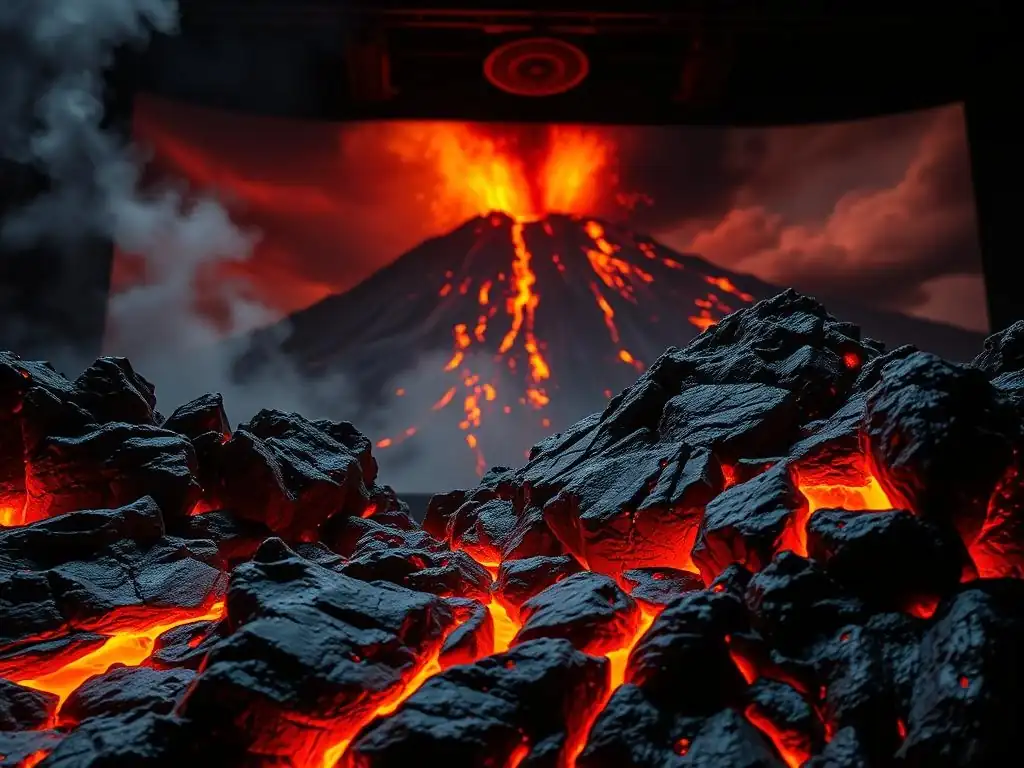
Examining real-world examples of successful volcanic glow stagecraft provides valuable insights and inspiration. Analyzing how professional productions have tackled the challenge of emulating volcanic light reveals effective techniques and innovative approaches. This section dissects two case studies: a major stage production and a theme park attraction, showcasing different scales and approaches to volcanic glow stagecraft.
Analyzing The Lord of the Rings Stage Production: Utilizing Rear Projection and Intelligent Lighting
The Lord of the Rings stage productions, known for their epic scale and visual spectacle, frequently employ volcanic imagery, particularly in scenes depicting Mount Doom and Mordor. These productions often utilize rear projection extensively to create vast and immersive volcanic landscapes. Massive screens or scrims at the back of the stage are used to project dynamic video content of lava flows, volcanic eruptions, and fiery skies. High-resolution projections, often custom-created or sourced from nature documentaries, provide a sense of immense depth and scale.
Intelligent lighting, including moving head fixtures with advanced color mixing and gobo projection capabilities, plays a crucial role in integrating the rear projection with the stage action. Moving lights are used to wash the stage with warm, volcanic hues, extending the color palette from the rear projection into the foreground. Gobo patterns, mimicking lava textures and flame shapes, are projected onto the stage floor and scenic elements, creating a textured and dynamic environment that complements the projected imagery.
By carefully synchronizing the intelligent lighting with the rear projection content, these productions achieve a seamless and immersive volcanic world. The lighting design often emphasizes contrast, with intensely bright lava glows juxtaposed against darker, shadowy areas, enhancing the dramatic impact and sense of danger associated with volcanic environments. The use of smoke and fog effects further enhances the atmospheric depth, creating a hazy, volcanic air that visually unifies the stage space.
Dissecting a Theme Park Volcano Simulation: Employing Programmable LEDs and Fog Effects
Theme park volcano simulations, such as those found in Universal Studios' Volcano Bay or Disney's Polynesian Village Resort, offer another fascinating case study in volcanic glow stagecraft. These large-scale attractions often employ programmable LEDs extensively to create dynamic and energy-efficient lava effects. Massive structures representing volcanoes are often adorned with thousands of individually addressable LEDs, allowing for complex and highly customizable lighting patterns. These LEDs can be programmed to simulate flowing lava, flickering flames, and even eruptive sequences with precise color control and timing.
Fog effects are often integrated with the LED lighting to enhance the sense of heat and atmosphere. Fog machines, strategically placed around the volcano structure, release plumes of fog that are illuminated by the LEDs, creating a hazy, volcanic environment. The fog also diffuses the LED light, creating a more volumetric and less point-source appearance, further enhancing the realism of the lava glow.
Water effects, such as simulated lava waterfalls or steam vents, are often incorporated to add another layer of visual dynamism. Programmable control systems allow for synchronized lighting, fog, and water effects, creating elaborate "eruption" shows that captivate audiences. The scale and immersive nature of theme park volcano simulations demonstrate the potential of LED technology and integrated effects to create truly spectacular and engaging volcanic experiences.
Tips and Tricks for Budget-Friendly Volcanic Glow Stagecraft
Creating convincing volcanic glow doesn't always require expensive equipment or complex techniques. Numerous budget-friendly tips and tricks can help achieve impressive results even with limited resources. DIY lighting solutions and repurposing existing stage equipment are valuable strategies for productions working within tight budgets.
DIY Lighting Solutions for Volcano-Themed Productions
For smaller productions or those with limited budgets, DIY lighting solutions can provide effective volcanic glow without breaking the bank. Simple and affordable fixtures like LED strip lights or fairy lights can be modified and adapted to create lava effects. LED strip lights, when covered with red, orange, and yellow gels or cellophane, can be used to create linear lava flows or to outline volcanic shapes.
Fairy lights, with their small and flexible nature, can be embedded within scenic elements or props to create subtle points of lava glow. Battery-powered LED tea lights, placed strategically and partially concealed, can simulate flickering embers or small lava vents.
DIY gobo projection can be achieved using cardboard or aluminum foil stencils placed in front of basic spotlights or even flashlights. Simple abstract patterns cut into these materials can project textured light patterns onto the stage. For flicker effects, simple mechanical methods, such as attaching small battery-operated fans to lighting fixtures or manually dimming and brightening lights, can be implemented.
Experimentation with readily available materials like colored cellophane, reflective tape, and household lamps can yield surprisingly effective and budget-friendly volcanic glow solutions. The key to successful DIY lighting is creativity and resourcefulness, finding innovative ways to adapt simple materials and techniques to achieve the desired volcanic effect.
Repurposing Existing Stage Equipment for Volcanic Effects
Many theatre groups and schools already possess basic stage lighting equipment that can be repurposed and creatively utilized to create volcanic glow. Existing PAR cans, spotlights, and even basic house lights can be transformed with gels and simple modifications. Instead of purchasing new moving head fixtures, static PAR cans or spotlights can be manually panned and tilted to simulate lava movement. Color scrollers, if available, can be used with existing fixtures to create dynamic color changes. If dedicated gobo projectors are not available, simple homemade gobos can be used with existing spotlights.
Consider repurposing existing scenic elements. A painted backdrop or cyclorama can be transformed into a dynamic volcanic landscape using rear projection or projected lighting effects. Existing smoke machines or foggers can be utilized to create atmospheric haze and enhance the volcanic effect. By thinking creatively and strategically repurposing existing equipment, productions can maximize their resources and achieve impressive volcanic glow stagecraft without incurring significant additional costs. The focus should be on utilizing available tools and materials in innovative ways, rather than solely relying on expensive or specialized equipment.
Conclusion: Mastering the Art of Volcanic Glow in Theatre
Emulating volcanic glow on stage is a compelling blend of science, art, and technical skill. From understanding the physics of lava luminescence to mastering stagecraft techniques, creating a convincing volcanic environment requires a multifaceted approach. By combining foundational principles with creative experimentation, lighting designers can transform theatrical spaces into breathtaking volcanic landscapes, captivating audiences with the fiery beauty and dramatic power of volcanoes.
The Enduring Appeal of Volcanoes in Performance
Volcanoes hold a unique and enduring appeal in performance. They represent raw power, primal forces, and the dramatic intersection of creation and destruction. Their fiery displays evoke awe, fear, and fascination, providing a rich source of dramatic imagery for theatre, dance, and other performance arts. The visual spectacle of volcanic eruptions, the mesmerizing glow of lava, and the sheer scale of volcanic landscapes offer unparalleled opportunities for stagecraft to create impactful and emotionally resonant experiences.
From ancient myths depicting volcanic gods to modern narratives exploring themes of environmental power and human vulnerability, volcanoes continue to inspire and captivate audiences. The challenge of recreating this natural wonder on stage pushes the boundaries of stagecraft, encouraging innovation and creativity in lighting, scenic design, and special effects. The successful emulation of volcanic glow is not merely a technical achievement; it is an artistic endeavor that taps into the deep-seated human fascination with these powerful and awe-inspiring forces of nature, ensuring the volcano's enduring presence on the stage.
Further Resources for Stage Lighting and Volcanic Research
For those seeking to further explore stage lighting techniques and deepen their understanding of volcanic phenomena, numerous resources are available. Books on stage lighting design, such as "Stage Lighting Design: A Practical Guide" by Richard Palmer or "The Lighting Art: The Aesthetics of Stage Lighting Design" by Jean Rosenthal and Lael Rubin, offer comprehensive guidance on lighting principles, techniques, and equipment.
Websites like Lighting&Sound America (www.lightingandsoundamerica.com) and Live Design (www.livedesignonline.com) provide industry news, articles, and resources on stage lighting and technology. Online forums and communities dedicated to stage lighting, such as the ControlBooth forums (www.controlbooth.com), offer platforms for discussion, advice, and knowledge sharing among lighting professionals and enthusiasts.
For those interested in the science of volcanoes, websites like the United States Geological Survey (USGS) Volcano Hazards Program (www.usgs.gov/volcanoes) and the Smithsonian Institution's Global Volcanism Program (volcano.si.edu) provide extensive information on volcanic activity, research, and educational resources. Books like "Volcanoes" by Robert Decker and Barbara Decker or "Fire of Life: The Smithsonian Book of Volcanoes" by Richard E. Fiske offer in-depth explorations of volcanic science and geology.
By combining artistic exploration of stage lighting techniques with a solid understanding of volcanic science, stage designers can continue to refine and innovate the art of emulating volcanic glow, bringing the dramatic power and beauty of volcanoes to life on stage for generations to come.
Frequently Asked Questions
How can stage lighting create the illusion of molten lava?
Stage lighting emulates molten lava by using a combination of intense red, orange, and yellow lights. Techniques like flickering effects and projected textures can further enhance the illusion.
What materials are best for creating realistic lava flows on stage?
Materials like opaque cloth or plastic sheeting can be sculpted and lit from behind to simulate lava flows. Strategic placement of lighting is key to giving the illusion of depth and movement.
What are some safe methods for creating a "volcanic explosion" effect on stage?
Safe volcanic explosions can be achieved through controlled use of pyrotechnics by trained professionals. Alternatively, compressed air and theatrical smoke can create impressive visual effects without fire.
How can sound effects be incorporated to enhance the realism of a volcanic scene?
Sound effects can greatly enhance realism by including rumbling, crackling, and explosive sounds. These sounds should be carefully synchronized with the visual effects to maximize impact.
What considerations should be made for audience safety when using stagecraft to emulate volcanic activity?
Audience safety is paramount; any pyrotechnics must be handled by qualified technicians. Ensuring adequate ventilation and clear emergency exits are also crucial safety measures.
Final Reflection: Igniting Imagination Through Stagecraft
The techniques explored within this article, detailing the nuances of volcanic glow stagecraft techniques, are more than just methods for creating visual effects; they represent a powerful means of transporting audiences to the heart of raw, untamed power. In a world increasingly reliant on digital spectacle, the tangible artistry of stagecraft offers a vital connection to the visceral and the real, reminding us of the enduring magic of human ingenuity.
The ability to conjure the illusion of molten rock, the very essence of creation and destruction, continues to resonate deeply within the cultural landscape. This fascination with the primal forces of nature speaks to our inherent curiosity and our desire to understand the world around us, both its beauty and its terror. The theatre is a machine for empathy.
- Roger Ebert. This quote encapsulates the power of stagecraft to not only entertain but also to foster a deeper understanding of the human condition by allowing us to experience simulated realities.
Now, as you consider the potential of these techniques, I urge you to embrace the spirit of innovation and experimentation. Let the principles of light, color, and texture guide your creative journey, and dare to push the boundaries of what is possible. How can you use these lessons to ignite the imagination of your audience, to transport them to worlds both real and imagined? The stage awaits, ready to be illuminated by your unique vision.
Ignite Your Imagination: Create Volcanic Brilliance!
Thank you for exploring the fiery world of stagecraft with us! We hope you've discovered exciting techniques to create realistic volcanic glows. Now, let's put that inspiration into action!
- Experiment with layering gels and diffusion filters to achieve the depth and intensity of real lava. The perfect glow is within your reach!
- Share your newfound expertise by collaborating with local theater groups or participating in community workshops to create stunning volcanic stage designs.
- Share your work! Post a picture of your first attempt at recreating volcanic light on social media using #VolcanoExplorersGlow, and let's build a community of lighting artists!
What stagecraft technique excites you most, and how will you adapt it to create your unique volcanic eruption on stage? Let's discuss in the comments!