
Whispers of Pele: Uncover Hawaii's Volcanic Goddess Legends


Welcome to Volcano Explorers!
Prepare to be captivated by the raw power and mesmerizing beauty of volcanoes. Ever felt the earth tremble beneath your feet and wondered about the forces at play? Then journey with us into a world where science and myth collide. This time, we're diving deep into the heart of Hawaiian lore, exploring the powerful and enigmatic legends surrounding the islands' volcanic goddess, Pele. Are you ready to uncover the secrets whispered on the winds of Kilauea and discover the profound impact these stories have on Hawaiian culture and the very land itself? The fiery tales await...
- Introduction to Pele: The Hawaiian Volcano Goddess
- Pele's Domain: Volcanoes and Sacred Sites in Hawaii
- Legends of Pele: Stories of Creation, Destruction, and Transformation
- Experiencing Pele's Presence: Cultural Practices and Traditions
- Volcanic Activity and Pele's Influence: A Modern Perspective
- Volcano Tourism and Pele: Responsible Exploration
- Preserving the Legends: Protecting Hawaiian Cultural Heritage
- Conclusion: Embracing the Power and Mystery of Pele
-
Frequently Asked Questions
- How is Pele, the Hawaiian volcano goddess, traditionally portrayed?
- What is Pele's connection to the Hawaiian Islands?
- Where can I learn more about Pele's impact on Hawaiian culture?
- Are there any specific sites in Hawaii considered sacred to Pele?
- What are some common legends or stories about Pele's interactions with other figures?
- Final Reflection: Embracing the Fire Within
- Ignite Your Inner Explorer: Connect with Pele's Spirit!
Introduction to Pele: The Hawaiian Volcano Goddess
Who is Pele? Exploring the Origins of the Volcanic Deity
Pele, in Hawaiian traditions, is more than just a deity; she is the embodiment of volcanic power, fire, lightning, and wind. Her origins are steeped in ancient Polynesian cosmology, tracing back to Haumea, a primordial earth mother figure. Pele is considered one of the most significant and revered figures in Hawaiian mythology, representing both the creative and destructive forces of nature.
Oral traditions depict her journey from Kahiki (believed to be a distant land, possibly Tahiti) to the Hawaiian Islands, driven by conflicts with her siblings, particularly her water-goddess sister, Namakaokahaʻi. This migration narrative is not merely a story but a symbolic representation of volcanic activity itself, as new land is formed through fiery eruptions pushing back against the ocean.
The stories surrounding Pele are rich with symbolism and meaning, reflecting the deep connection Hawaiians have with their volcanic landscape. She is often described as a beautiful yet formidable woman, capable of both immense generosity and terrifying wrath. Her physical manifestations are diverse, ranging from a fiery old woman leaning on a staff to a youthful, vibrant dancer.
These different forms reflect the multifaceted nature of volcanic phenomena – from the slow, steady flow of lava to the explosive, sudden eruptions. Understanding Pele requires appreciating her complexity, recognizing her as a force of nature that shapes not only the land but also the cultural and spiritual identity of Hawaii.
The Enduring Significance of Pele in Hawaiian Culture
Even in modern Hawaii, Pele's presence is deeply felt and acknowledged. She is not relegated to the realm of ancient myths but remains a living, breathing part of Hawaiian cultural identity. Her influence permeates art, music, dance, and daily life. For many Native Hawaiians, Pele is not just a legend but a spiritual entity, a kupuna (ancestor) whose power is manifest in the volcanic activity that continues to shape the islands. The deep respect for Pele is evident in the customs and traditions that persist today, influencing how people interact with the land, particularly volcanic areas.
The significance of Pele extends beyond spiritual beliefs; it shapes environmental consciousness and cultural practices. The understanding that Pele is the source of both creation and destruction fosters a profound respect for the delicate balance of nature.
Traditional Hawaiian land management practices, ahupua'a, were deeply intertwined with understanding natural forces like volcanic activity, and Pele's stories provided a framework for interpreting and living in harmony with these powerful forces. This enduring significance ensures that the Hawaii volcanic goddess legends surrounding Pele are not just tales of the past but vital guides for navigating the present and future relationship between people and the dynamic volcanic landscape of Hawaii.
Pele's Domain: Volcanoes and Sacred Sites in Hawaii
Kilauea: Pele's Primary Residence and Active Volcano
Kilauea, one of the world's most active volcanoes, is widely regarded as the home of Pele. Located on the southeastern slope of Mauna Loa on the Big Island of Hawaii, Kilauea has been in a near-constant state of eruption for decades, particularly from the Puʻuʻōʻō vent which was active from 1983 to 2018. This persistent activity has solidified Kilauea's association with Pele as her primary dwelling place. The fiery glow emanating from the Halemaʻumaʻu crater, situated within Kilauea's summit caldera, is often interpreted as the visible presence of Pele, her fiery spirit breathing life and power into the volcano.
The landscape surrounding Kilauea is dramatically shaped by Pele's activity, a testament to her power. Vast lava fields, steam vents, and the ever-changing caldera are constant reminders of the volcanic forces at play. The very name Kilauea means "spewing" or "much spreading," aptly describing the volcano's eruptive nature and Pele's dynamic influence.
Visitors to Hawaii Volcanoes National Park, which encompasses Kilauea, are often told stories of Pele, emphasizing the cultural significance of this volcanic landscape. For many, witnessing an eruption at Kilauea is not just a geological spectacle but a spiritual experience, a direct encounter with the power of the Hawaii volcanic goddess legends.
Halemaʻumaʻu Crater: The Heartbeat of Pele's Power
Within the summit caldera of Kilauea lies Halemaʻumaʻu crater, considered the most sacred part of Kilauea and deeply connected to Pele. Translated as "house of the ʻāmaʻu fern," Halemaʻumaʻu is more than just a geological feature; it is the spiritual heart of Pele's domain, the place where her presence is most intensely felt. Historically, Halemaʻumaʻu was known for its persistent lava lake, a mesmerizing and awe-inspiring spectacle that reinforced its sacred status. Even after periods of inactivity, the crater retains its spiritual significance, representing the potent, albeit sometimes dormant, power of Pele.
The fluctuations within Halemaʻumaʻu crater are often interpreted through the lens of Pele's moods and actions. Changes in lava levels, steam emissions, and volcanic gases are seen by some as indicators of Pele's activity, her whispers and sighs emanating from the depths of the earth.
Offerings to Pele are traditionally left at the crater's edge, expressions of respect and supplication to the volcanic goddess. The deep connection between Halemaʻumaʻu and Pele is so profound that even scientific observations of the crater are often interwoven with cultural narratives, demonstrating the enduring strength of Hawaii volcanic goddess legends in shaping perceptions of this powerful volcanic feature.
Other Sacred Sites Associated with Pele Across the Hawaiian Islands
While Kilauea and Halemaʻumaʻu are central to Pele's domain, her presence is felt across the Hawaiian archipelago, and numerous other sites are associated with her legends. Maui's Haleakala volcano, meaning "house of the sun," is also linked to Pele in some narratives, particularly stories of her journey and establishment in Hawaii. The volcanic landscapes of all the main Hawaiian Islands bear the marks of Pele's fiery touch, and specific locations often hold localized legends and significance related to her.
Beyond volcanoes themselves, other natural features are also connected to Pele. Lava tubes, steam vents, and even certain rock formations are sometimes considered sacred sites, places where Pele's mana (spiritual power) is particularly concentrated. For instance, the black sand beaches of Punalu'u on the Big Island, formed from volcanic basalt, are often associated with Pele's transformative power. These diverse sites across the islands demonstrate that the Hawaii volcanic goddess legends are not confined to a single location but are woven into the very fabric of the Hawaiian landscape, reflecting Pele's pervasive influence throughout the archipelago.
Legends of Pele: Stories of Creation, Destruction, and Transformation
Pele's Journey to Hawaii: A Tale of Fire and Displacement
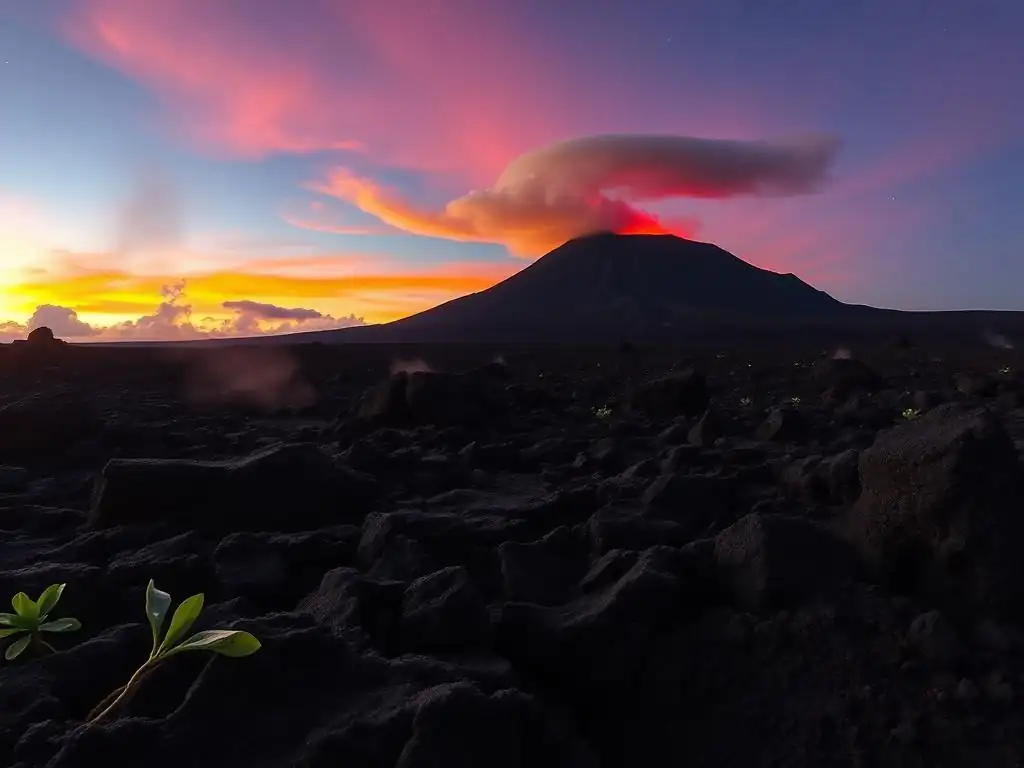
The story of Pele's arrival in Hawaii is a foundational myth explaining the volcanic nature of the islands and her dominion over them. According to oral traditions, Pele originated from a distant land, Kahiki, and was driven from her homeland due to conflicts with her father, Kane Milohai, and her siblings, particularly her sister Namakaokahaʻi, the goddess of the sea. Pele's journey is often portrayed as a flight from these conflicts, seeking a new home where she could express her fiery nature without constant opposition.
Pele's voyage is said to have taken her through the island chain, starting from the northwestern islands and moving southeastward. Each attempt to settle on an island was met with resistance from Namakaokahaʻi's waters, symbolizing the ongoing struggle between fire and water, creation and destruction. Finally, Pele found refuge and established her permanent home on Kilauea on the Big Island, the youngest and most volcanically active island.
This narrative of displacement and journey is not just a personal history of Pele but also a metaphorical account of volcanic island formation, where new land emerges from the sea through fiery eruptions, constantly reshaping the landscape. These Hawaii volcanic goddess legends connect the geological history of the islands with the spiritual narrative of Pele's arrival.
The Battles of Pele: Conflicts with Other Deities and Mortals
Pele's legends are filled with accounts of her fiery temper and conflicts, not only with her family but also with other deities and even mortals. Her battles are often symbolic representations of natural forces clashing, such as the ongoing struggle between volcanic fire and ocean waves, or the tension between the forces of creation and destruction. One prominent conflict is her rivalry with her sister Namakaokahaʻi, often depicted as a continuous battle where Pele's fiery land-building efforts are constantly challenged by Namakaokahaʻi's erosive ocean waves.
Stories also tell of Pele's interactions with other Hawaiian deities, such as Kamapuaʻa, the pig-god, with whom she has a complex and often tumultuous relationship. These divine conflicts highlight Pele's powerful and sometimes volatile nature. Furthermore, legends recount Pele's interactions with mortals, often testing their respect and humility. Disrespectful behavior towards Pele or her domain is said to incur her wrath, often manifested as volcanic eruptions or other natural calamities. These narratives serve as cautionary tales, reinforcing the importance of respecting the power of nature and the Hawaii volcanic goddess legends that embody these forces.
Pele's Fiery Temper: Understanding the Volcanic Goddess's Wrath
Pele is renowned for her fiery temper, which is directly associated with volcanic eruptions. Her anger, jealousy, or displeasure are often cited as the causes of volcanic activity, from gentle lava flows to explosive eruptions. This connection between Pele's emotions and volcanic events is a central tenet of Hawaii volcanic goddess legends, providing a cultural framework for understanding and interpreting these natural phenomena. When Kilauea erupts, it is not merely a geological event but also, for some, a manifestation of Pele's powerful emotions.
Understanding Pele's "wrath" is not simply about fear; it also encompasses a deeper understanding of the cyclical nature of creation and destruction. Volcanic eruptions, while destructive in the short term, are also fundamentally creative forces, building new land and enriching the soil over time.
Pele's fiery temper, therefore, can be seen as a necessary part of this ongoing cycle, a force that reshapes the landscape and ensures renewal. Interpreting volcanic eruptions through the lens of Pele's mythology offers a perspective that integrates both the destructive and creative aspects of these powerful natural events, providing a nuanced understanding of the Hawaii volcanic goddess legends and their relevance to the volcanic landscape.
Experiencing Pele's Presence: Cultural Practices and Traditions
Hula and Chants: Honoring Pele Through Artistic Expression
Hula and chants ( oli and mele) are powerful forms of artistic expression in Hawaiian culture, and many are dedicated to honoring Pele. Through rhythmic movements, evocative lyrics, and traditional instruments, hula dancers and chanters convey stories of Pele's power, her journeys, and her interactions with the land and other deities. Hula dedicated to Pele often embodies the fiery energy of volcanoes, with dynamic steps and gestures that mimic lava flows, flames, and the earth's tremors. These artistic performances are not merely entertainment but are considered sacred acts of communication and reverence.
Chants dedicated to Pele are often performed during ceremonies and rituals, invoking her presence and seeking her blessings or acknowledging her power. The rhythmic recitation of names, places, and events associated with Pele creates a spiritual connection, drawing upon the mana of the Hawaii volcanic goddess legends. These artistic expressions serve as vital cultural conduits, keeping the stories of Pele alive and ensuring her continued presence in the hearts and minds of Hawaiians. Through hula and chants, the essence of Pele is vibrantly communicated across generations, reinforcing her enduring significance.
Offerings to Pele: Traditional Gifts and Rituals
Offerings to Pele are a traditional way of showing respect and seeking favor from the volcanic goddess. These offerings are typically left at volcanic sites, particularly at Halemaʻumaʻu crater and other locations associated with Pele's domain. Traditional offerings include ohelo berries, a native Hawaiian fruit that is sacred to Pele. According to tradition, one should always offer ohelo berries to Pele before consuming them oneself, a gesture of respect and gratitude for her bounty.
Other common offerings include gin, flowers (especially lehua blossoms, the flower of the ohia tree which is also sacred to Pele), and sometimes even strands of hair or other personal items. These gifts are not seen as bribes but as expressions of genuine respect and acknowledgement of Pele's power. The act of offering is a ritual of connection, a way to engage with the spiritual presence of Pele and to maintain balance and harmony within her domain. These traditions underscore the living nature of Hawaii volcanic goddess legends and the ongoing cultural practices that keep Pele's spirit alive.
Respecting Pele: Guidelines for Visiting Volcanic Sites with Reverence
Visiting volcanic sites in Hawaii, especially those associated with Pele, requires a sense of reverence and respect for Hawaiian cultural traditions. It is important to remember that these are not just geological formations but sacred places deeply connected to the Hawaii volcanic goddess legends. Visitors are often advised to refrain from taking rocks or lava from volcanic sites, as these are considered parts of Pele's body and domain. Removing them is seen as disrespectful and can, according to local beliefs, bring bad luck or Pele's displeasure.
Beyond the physical environment, respecting Pele also involves being mindful of cultural sensitivities. Listening to and learning from local Hawaiian perspectives on Pele and volcanic activity is crucial. Engaging with cultural centers, respecting signage and guidelines at sacred sites, and supporting local businesses that honor Hawaiian traditions are all ways to demonstrate reverence. Ultimately, respecting Pele means approaching volcanic landscapes with humility, recognizing the powerful natural and cultural forces at play, and acknowledging the enduring presence of Hawaii volcanic goddess legends.
Volcanic Activity and Pele's Influence: A Modern Perspective
Interpreting Volcanic Eruptions Through the Lens of Hawaiian Mythology
Even in the age of scientific volcanology, many in Hawaii continue to interpret volcanic eruptions through the lens of Pele mythology. For some, volcanic events are not simply geological processes but also manifestations of Pele's will, her emotions, or her ongoing creative and destructive activities. A large eruption may be seen as a sign of Pele's intense power or her displeasure, while smaller flows might be interpreted as her gentle reshaping of the land. This mythological interpretation provides a cultural framework for understanding and responding to volcanic activity, grounding scientific events in a deeply meaningful narrative.
This perspective does not necessarily contradict scientific understanding but rather offers a complementary way of relating to volcanic phenomena. For those who hold these beliefs, the scientific explanation of magma movement and plate tectonics coexists with the spiritual understanding of Pele's influence. The Hawaii volcanic goddess legends provide a way to personalize and contextualize volcanic events, making them more than just abstract scientific occurrences. This integration of mythology and lived experience demonstrates the enduring power of cultural narratives in shaping human understanding of the natural world.
The Science of Volcanoes vs. The Legends of Pele: Finding Harmony
While science provides a detailed explanation of volcanic processes, and mythology offers a cultural and spiritual understanding, these two perspectives can coexist harmoniously. Scientific volcanology focuses on the physical mechanisms of eruptions, magma composition, and monitoring techniques to predict and understand volcanic behavior. Hawaii volcanic goddess legends, on the other hand, provide a framework for interpreting the cultural and spiritual significance of these events, emphasizing the dynamic relationship between humans and the volcanic landscape.
Rather than being mutually exclusive, science and mythology can enrich each other. Scientific knowledge enhances our understanding of the physical processes at work, while the legends of Pele provide a deeper appreciation for the cultural context and the profound impact of volcanoes on Hawaiian identity. Finding harmony between these perspectives allows for a more holistic and comprehensive understanding of volcanoes, acknowledging both their scientific reality and their cultural significance within the framework of Hawaii volcanic goddess legends. This integrated approach is crucial for responsible engagement with volcanic landscapes and for preserving both scientific knowledge and cultural heritage.
Impact of the 2018 Kilauea Eruption on Pele Mythology and Cultural Practices
The 2018 Kilauea eruption, one of the most significant in recent history, had a profound impact on both the physical landscape and the cultural landscape of Hawaii, including the realm of Pele mythology and cultural practices. The dramatic changes to Halemaʻumaʻu crater, the extensive lava flows that reshaped coastal communities, and the overall scale of the eruption were interpreted by many through the lens of Hawaii volcanic goddess legends. Some saw the eruption as a powerful display of Pele's transformative power, a cleansing and renewal of the land.
The eruption also prompted renewed reflection on traditional Hawaiian practices and respect for Pele. Offerings and ceremonies were conducted throughout the eruption period, seeking to honor Pele and acknowledge her presence. The event served as a reminder of the enduring power of Pele mythology in shaping cultural responses to volcanic activity. Furthermore, the eruption highlighted the importance of preserving and transmitting Hawaii volcanic goddess legends to future generations, ensuring that these cultural narratives continue to provide guidance and meaning in the face of powerful natural forces.
Volcano Tourism and Pele: Responsible Exploration
Guided Tours: Experiencing Hawaiian Volcanic Landscapes with Cultural Sensitivity
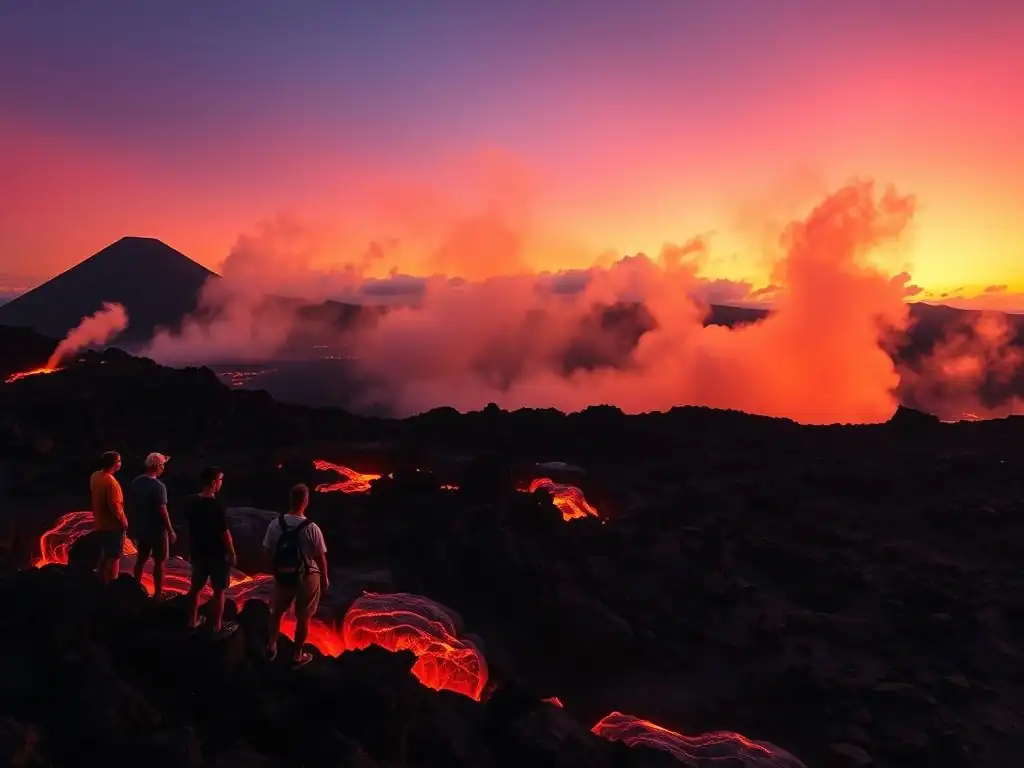
For visitors interested in experiencing the volcanic landscapes of Hawaii and learning about Pele, guided tours offer a valuable and culturally sensitive approach. Reputable tour operators often incorporate cultural elements into their itineraries, providing insights into Hawaii volcanic goddess legends and traditional Hawaiian perspectives on volcanoes. These tours can enhance the visitor experience by offering a deeper understanding of the cultural significance of volcanic sites beyond their geological features.
Choosing tours led by local guides or those with strong ties to the Hawaiian community can further ensure cultural sensitivity. These guides are often knowledgeable about both the scientific and cultural aspects of volcanoes, able to share stories of Pele in a respectful and authentic manner. Participating in guided tours that prioritize cultural education and responsible tourism practices is a valuable way to explore the volcanic wonders of Hawaii while honoring the traditions and beliefs associated with Hawaii volcanic goddess legends.
Supporting Local Artisans: Purchasing Authentic Hawaiian Crafts
Supporting local artisans in Hawaii is a way to contribute to the preservation of Hawaiian culture and economy while engaging with the artistic expressions inspired by the volcanic landscape and Hawaii volcanic goddess legends. Many local artisans create crafts inspired by Pele, using materials like lava rock (when legally and respectfully sourced), volcanic ash, or imagery related to fire and volcanoes. Purchasing authentic Hawaiian crafts directly supports local communities and ensures that the economic benefits of tourism are shared more equitably.
When purchasing crafts, it is important to be discerning and seek out items that are genuinely made in Hawaii and reflect authentic Hawaiian artistry. Looking for certifications of authenticity or purchasing directly from artisan markets or reputable local businesses can help ensure that your purchases are contributing positively to the local community and honoring Hawaiian cultural heritage. Supporting local artisans is a tangible way to engage respectfully with Hawaiian culture and to bring home a meaningful piece of your experience connected to the Hawaii volcanic goddess legends.
Avoiding Cultural Appropriation: Respectful Engagement with Hawaiian Traditions
Engaging with Hawaii volcanic goddess legends and Hawaiian culture requires a conscious effort to avoid cultural appropriation and to approach traditions with respect and humility. Cultural appropriation occurs when elements of a culture are taken out of context, trivialized, or used for commercial gain without understanding or respecting their original meaning and significance. In the context of Pele and Hawaiian culture, this can manifest in various ways, such as disrespectful portrayals of Pele, the commodification of sacred symbols, or the misrepresentation of cultural practices.
To avoid cultural appropriation, visitors should prioritize learning about Hawaiian culture from authentic sources, respecting cultural protocols, and supporting initiatives that promote cultural preservation. Listening to Native Hawaiian voices, engaging with cultural centers and museums, and being mindful of the language and imagery used when discussing Pele are all important steps. Respectful engagement means approaching Hawaii volcanic goddess legends with humility, recognizing their sacred nature, and ensuring that your interactions contribute to the preservation and perpetuation of Hawaiian culture rather than its exploitation.
Preserving the Legends: Protecting Hawaiian Cultural Heritage
The Importance of Oral Storytelling in Maintaining Pele's Legacy
Oral storytelling is the cornerstone of Hawaiian culture and plays a crucial role in maintaining the legacy of Pele and Hawaii volcanic goddess legends. For generations, stories of Pele have been passed down through oral tradition, ensuring the transmission of cultural knowledge, values, and spiritual beliefs. These stories are not static narratives but are living, evolving accounts that adapt and resonate with each new generation. The act of storytelling itself is a vital cultural practice, strengthening community bonds and keeping the spirit of Pele alive.
In an increasingly globalized world, the importance of oral storytelling in preserving cultural heritage cannot be overstated. Supporting initiatives that promote oral storytelling, encouraging intergenerational transmission of knowledge, and valuing the role of storytellers within Hawaiian communities are essential steps in ensuring the continued vitality of Hawaii volcanic goddess legends. Oral traditions are not just relics of the past but are dynamic forces that shape the present and future of Hawaiian culture.
Documenting and Archiving Hawaiian Myths and Legends
While oral storytelling remains paramount, documenting and archiving Hawaiian myths and legends, including those of Pele, is also crucial for preservation in the modern era. Written records, audio recordings, and video documentation can complement oral traditions, providing additional resources for cultural transmission and education. Archiving efforts help ensure that these valuable cultural narratives are accessible to future generations and are protected from loss or misrepresentation.
Ethical and culturally sensitive approaches are essential in documenting and archiving Hawaii volcanic goddess legends. Collaboration with Hawaiian cultural practitioners, respecting protocols for sharing sacred knowledge, and ensuring that documentation efforts are community-led are crucial principles. Archiving should not be seen as a replacement for oral tradition but as a supportive measure to enhance cultural preservation and accessibility, ensuring the longevity of these important cultural narratives.
The Role of Education in Promoting Cultural Understanding and Respect
Education plays a vital role in promoting cultural understanding and respect for Hawaii volcanic goddess legends and Hawaiian culture as a whole. Educational initiatives, both within Hawaii and beyond, can raise awareness about the rich cultural heritage of the islands, fostering appreciation and respect for traditional beliefs and practices. Schools, museums, cultural centers, and online resources all have a part to play in disseminating accurate and culturally sensitive information about Pele and Hawaiian mythology.
Education is not just about imparting knowledge but also about cultivating empathy and respect. By learning about Hawaii volcanic goddess legends, individuals can gain a deeper understanding of the Hawaiian worldview, the profound connection between culture and environment, and the importance of preserving cultural heritage. Promoting cultural education is an investment in a more informed, respectful, and culturally sensitive future, ensuring that the legacy of Pele and Hawaiian traditions continues to be valued and honored.
Conclusion: Embracing the Power and Mystery of Pele
Reflecting on the Enduring Impact of Hawaii's Volcanic Goddess Legends
The Hawaii volcanic goddess legends surrounding Pele have had an enduring and profound impact on Hawaiian culture, shaping spiritual beliefs, cultural practices, and the relationship between people and the volcanic landscape. Pele is more than just a mythological figure; she is a living presence, a force of nature that continues to inspire awe, respect, and reverence. Her stories are not just ancient tales but are vital narratives that provide meaning and guidance in the modern world.
Reflecting on the enduring impact of Pele's legends reveals the power of cultural narratives to shape human understanding of the natural world and to foster a deep sense of place and identity. The stories of Pele connect generations, transmit cultural values, and provide a framework for interpreting the dynamic and often unpredictable forces of nature. Her legacy is a testament to the resilience and richness of Hawaiian culture and the enduring power of Hawaii volcanic goddess legends.
The Future of Pele's Stories and Their Relevance in a Changing World
In a rapidly changing world facing environmental challenges and cultural shifts, the stories of Pele and Hawaii volcanic goddess legends remain remarkably relevant. Her narratives of creation, destruction, and transformation offer valuable lessons about resilience, adaptation, and the interconnectedness of nature and culture. Pele's fiery power serves as a reminder of the Earth's dynamic forces and the need for respect and balance in our relationship with the environment.
Looking to the future, the preservation and perpetuation of Pele's stories are crucial for maintaining Hawaiian cultural identity and for sharing valuable insights with the wider world. As we navigate an era of environmental uncertainty, the wisdom embedded within Hawaii volcanic goddess legends, emphasizing respect for nature and the cyclical nature of life, offers guidance and inspiration for building a more sustainable and culturally rich future. The whispers of Pele continue to resonate, reminding us of the power and mystery of the volcanic goddess and the enduring relevance of her stories.
Frequently Asked Questions
How is Pele, the Hawaiian volcano goddess, traditionally portrayed?
Pele is often depicted as a powerful and passionate woman, embodying the destructive and creative forces of volcanoes. She is known for her fiery temper and her ability to both create new land and destroy old.
What is Pele's connection to the Hawaiian Islands?
According to legend, Pele traveled throughout the Hawaiian Islands, searching for a permanent home. Each volcanic eruption is attributed to her, making her integral to the islands' formation and ongoing activity.
Where can I learn more about Pele's impact on Hawaiian culture?
Many cultural centers and museums across the Hawaiian Islands offer exhibits and programs detailing Pele's significance. Oral traditions, passed down through generations, are also key to understanding her enduring influence.
Are there any specific sites in Hawaii considered sacred to Pele?
Kilauea volcano, particularly its summit caldera Halemaʻumaʻu, is considered the most sacred site to Pele. Offerings are sometimes left here as a sign of respect.
What are some common legends or stories about Pele's interactions with other figures?
Legends often depict Pele in conflicts with other gods and goddesses, such as Poliʻahu, the snow goddess of Mauna Kea. These stories highlight the contrasting forces of fire and ice in the Hawaiian landscape.
Final Reflection: Embracing the Fire Within
The echoes of Pele's stories, once confined to the islands of Hawaii, now resonate far beyond, reminding us that the power of creation and destruction are inextricably linked. These legends, woven into the very fabric of the Hawaiian landscape, offer more than just captivating narratives; they provide profound insights into the delicate balance between humanity and nature, a balance we must strive to understand and respect in our modern world.
The enduring allure of Pele and her volcanic domain continues to shape our understanding of Hawaii, influencing everything from tourism to environmental conservation. The stories remind us that even in the face of immense power, there is beauty, resilience, and a deep connection to the earth. E ala! E ala! Rise up! Rise up! The goddess is coming!
This ancient chant, still whispered today, speaks to the enduring power of Pele's presence and the respect she commands.
Let the whispers of Pele inspire you to look deeper into the stories that shape your own world. Consider the forces, both creative and destructive, that influence your life, and strive to find harmony within them. Embrace the fire within, not as a force to be feared, but as a source of strength, passion, and the potential for transformative change.
Ignite Your Inner Explorer: Connect with Pele's Spirit!
Mahalo for journeying through the legends of Pele with us! We hope you've gained a deeper appreciation for the power and beauty of Hawaii's volcanic heritage. Now, it's time to bring those stories to life.
Here's how you can continue your exploration:
- Embark on a responsible and respectful visit to Hawai'i Volcanoes National Park, honoring Pele's legacy. Remember to leave no trace and appreciate the power of the landscape.
- Share your favorite Pele legend with a friend or family member, keeping the stories alive.
- Dive deeper! Research the traditional Hawaiian chants and dances associated with Pele to unveil the rich cultural significance of these legends.
Which of Pele's captivating tales will inspire your next adventure in the heart of the island?