
Medieval Innovation in the Face of Inferno: Adapting to Volcanic Realities

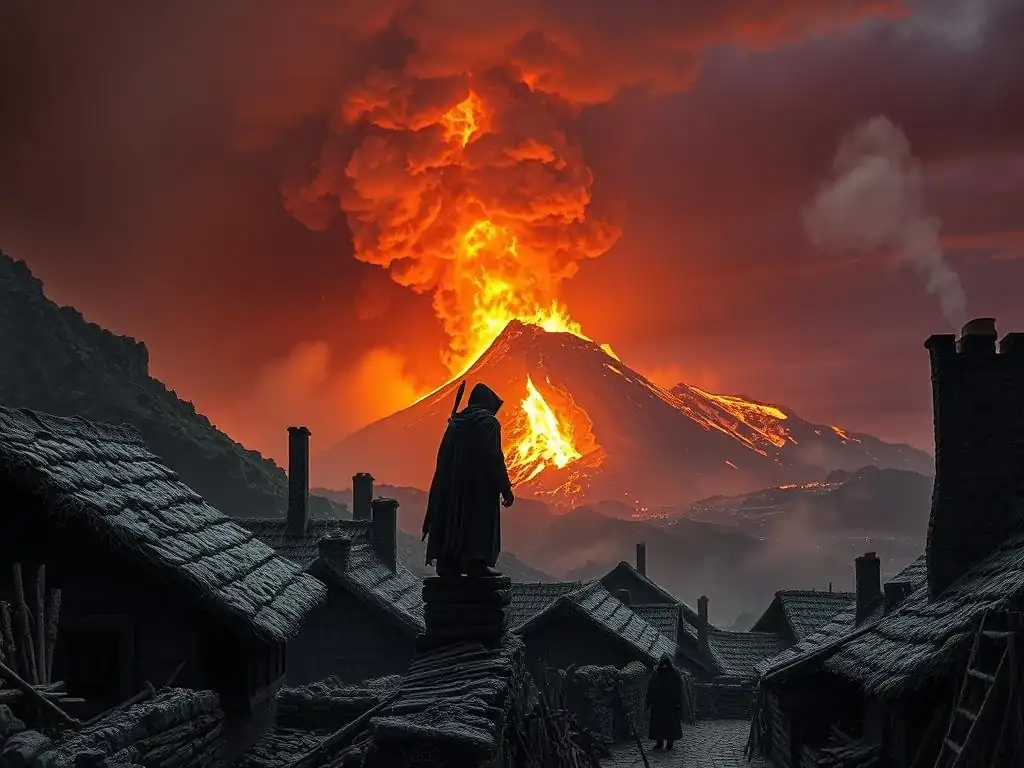
Welcome to Volcano Explorers!
Dare to look into the heart of the Earth's fury? Unearth the secrets of these fiery giants and discover how humanity has long grappled with their power. Our latest exploration plunges you into the past, revealing fascinating insights into medieval responses to volcanic eruptions. But how did they innovate in the face of such devastation? What ingenious solutions did they devise? Prepare to be surprised as we uncover a chapter of history etched in ash and resilience, leaving you to ponder the enduring impact of volcanoes on human civilization. The answers await below…
- Medieval Responses to Volcanic Eruptions: Adaptation and Innovation
-
Frequently Asked Questions
- What were some common medieval responses to volcanic eruptions?
- How did medieval communities adapt their agricultural practices after a volcanic eruption?
- Did medieval societies possess any scientific understanding of volcanoes?
- How did medieval infrastructure fare during volcanic eruptions, and what adaptations were made?
- What role did religious beliefs play in shaping medieval interpretations of volcanic eruptions?
- Final Reflection: Echoes of Resilience
- Unearth Your Inner Resilience: Inspired by Medieval Innovation!
Medieval Responses to Volcanic Eruptions: Adaptation and Innovation
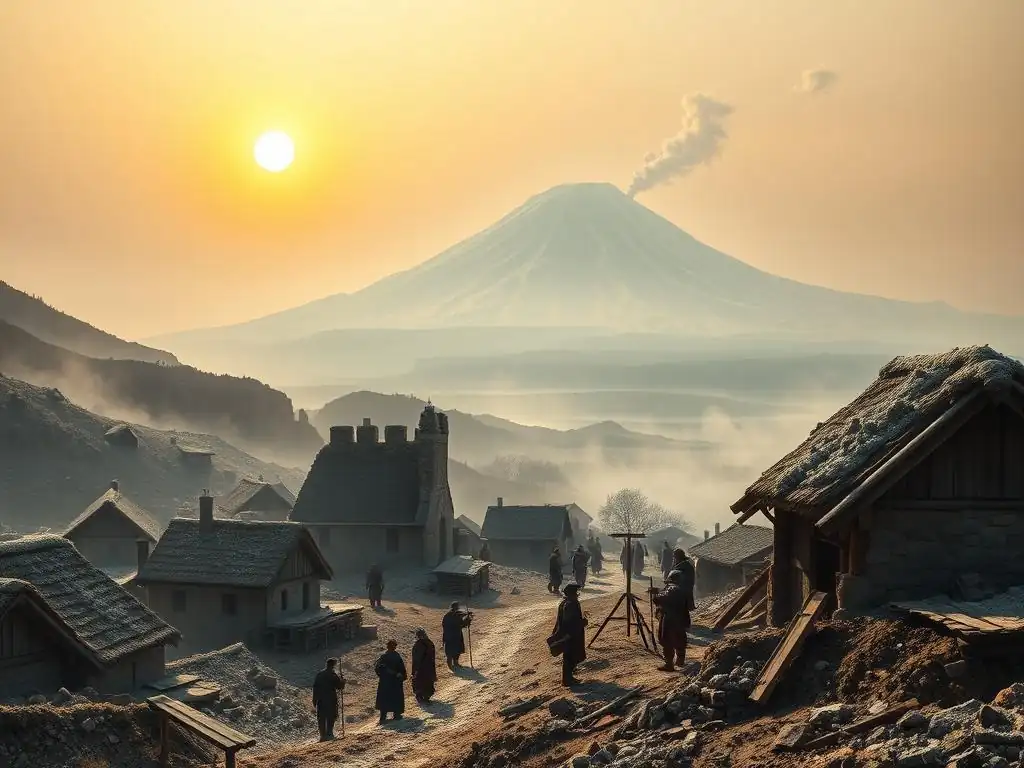
Agricultural Strategies: Adapting Farming Practices to Volcanic Ash
Medieval societies, deeply rooted in agrarian economies, faced profound challenges when volcanic eruptions blanketed their lands with ash. Understanding medieval responses to volcanic eruptions reveals a surprising degree of adaptability in their agricultural practices. Recognizing that volcanic ash, while initially destructive, could eventually enrich soil, medieval farmers didn't simply abandon their lands. Instead, they developed strategies to mitigate the immediate negative impacts and harness the long-term benefits. These responses were crucial for survival, ensuring food security amidst environmental upheaval.
One key medieval response to volcanic ashfall was the intensive labor involved in clearing fields. Accounts from regions affected by eruptions, such as Iceland following the Lakagígar eruption in 1783-1784 (though slightly post-medieval, it reflects long-standing practices), detail communities working tirelessly to remove thick layers of ash from arable land. While the Lakagígar eruption is later, the underlying principles of ash removal and soil management were likely practiced in earlier medieval eruptions.
This backbreaking work was essential to allow crops to receive sunlight and access the underlying soil. Furthermore, farmers learned to incorporate ash into the soil in controlled amounts over time, recognizing that weathered volcanic ash could enhance soil fertility in the long run, a testament to their acute observation of natural processes.
Crop Selection and Diversification in Affected Regions
Faced with the immediate devastation of their crops and the altered soil conditions due to volcanic ash, medieval agricultural communities demonstrated remarkable ingenuity in crop selection and diversification. Medieval responses to volcanic eruptions included a shift towards more resilient crops. For instance, after significant ashfalls, communities might have prioritized planting hardier grains like barley and rye over more vulnerable wheat varieties. These grains are known to tolerate poorer soil conditions and shorter growing seasons, characteristics that become crucial in the aftermath of an eruption.
Diversification wasn't limited to grain types. Medieval farmers in volcanic regions likely also increased the cultivation of root vegetables, such as turnips and potatoes (introduced later in the medieval period but representing a category of hardy crops that would be beneficial), which are less susceptible to surface ash cover than above-ground crops. Furthermore, animal husbandry played a vital role.
Livestock, particularly sheep and goats, could graze on marginal lands and provide alternative food sources when crop yields were diminished, acting as a buffer against famine in the wake of volcanic disruptions. This diversification of both crops and food sources reflects a sophisticated understanding of risk management in medieval agricultural systems.
Soil Management Techniques: Combating Ash Toxicity
Medieval farmers didn't just passively accept the altered soil conditions caused by volcanic ash; they actively developed soil management techniques to combat ash toxicity and promote soil recovery. Medieval responses to volcanic eruptions in terms of soil management were crucial for long-term agricultural sustainability. One significant technique was the use of animal manure and other organic fertilizers.
These not only provided essential nutrients to the ash-laden soil but also helped improve its structure and water retention capacity. The organic matter would bind with the fine ash particles, preventing soil compaction and aiding in drainage, vital for root growth and crop health.
Another important, albeit less directly documented in medieval sources but logically inferred from later practices and general agricultural knowledge of the time, technique was the practice of terracing on sloped lands. In volcanic regions, ash runoff and erosion could be significant problems.
Terracing, a labor-intensive but effective method, would have helped to stabilize the soil, prevent erosion, and retain valuable topsoil and ash mixtures on cultivated slopes. This would have been particularly important in areas with frequent rainfall following an eruption, ensuring that the ash, and potentially fertile soil beneath, was not simply washed away, demonstrating a proactive approach to land management in the face of volcanic challenges.
Architectural Innovations: Building Resilience Against Volcanic Hazards
Medieval communities living in volcanic regions also developed architectural innovations to enhance their resilience against volcanic hazards, showcasing another facet of medieval responses to volcanic eruptions. These adaptations ranged from the materials they used to the design of their buildings, all aimed at minimizing damage from ashfall, earthquakes, and potential lava flows. Understanding these architectural strategies provides valuable insights into how societies can adapt their built environment to coexist with natural hazards.
Medieval builders in volcanic areas often utilized locally sourced materials that were readily available and offered inherent resistance to volcanic impacts. For example, in regions with basalt lava flows, basalt stone became a primary building material. Basalt is not only strong and durable but also relatively resistant to fire, a critical consideration in areas prone to volcanic eruptions and associated fires.
Similarly, volcanic tuff, a lighter and more easily worked volcanic rock, was also used for construction, especially for walls and roofs. The use of these volcanic materials demonstrates a resourceful approach, turning the very products of volcanic activity into resources for building safer and more resilient structures.
Construction Materials and Techniques for Volcanic Areas
The selection of construction materials in medieval volcanic regions was deeply intertwined with specific building techniques aimed at enhancing resilience. Medieval responses to volcanic eruptions included adapting construction methods to mitigate the impacts of ashfall and seismic activity. For instance, in areas prone to heavy ashfall, steeply pitched roofs were common. These roofs were designed to shed ash more effectively, preventing the accumulation of excessive weight that could lead to roof collapse. Materials like heavy thatch or overlapping stone slabs were also employed for roofing, providing both weatherproofing and some degree of insulation against temperature fluctuations.
Furthermore, in earthquake-prone volcanic zones, medieval builders may have employed techniques to enhance structural stability. While detailed records are scarce, general medieval construction practices, such as the use of timber framing in conjunction with stone or brick infill, could have provided a degree of flexibility and earthquake resistance compared to rigid masonry structures alone. Foundation techniques, although less well-documented in detail for volcanic regions specifically in the medieval period, would have been crucial, likely involving deep footings and the use of rubble or gravel to provide a stable base in potentially unstable volcanic soils.
Shelter Design for Ashfall Protection
Shelter design in medieval volcanic regions went beyond just structural integrity; it also encompassed features specifically designed for ashfall protection, highlighting another aspect of medieval responses to volcanic eruptions. Medieval houses were not just homes; they were refuges in times of volcanic crisis. Smaller windows and fewer openings were common features in dwellings in areas with frequent ashfall. This design minimized the entry of ash into living spaces, protecting inhabitants from respiratory problems and maintaining a somewhat cleaner interior environment during and after ashfall events.
Moreover, the layout of settlements and even individual buildings might have been influenced by ashfall considerations. Villages could be situated in valleys or locations offering some natural protection from prevailing wind directions and ash dispersal patterns. Individual houses might have incorporated features like covered porches or entryways, acting as buffer zones to further reduce ash infiltration. While not always explicitly documented as "volcanic shelters," these design elements, observed in traditional architecture in volcanic regions even today, likely represent continuations of medieval adaptations aimed at mitigating the pervasive and disruptive effects of volcanic ash on daily life.
Medieval societies, lacking the scientific understanding of volcanism we possess today, interpreted volcanic eruptions through social and religious lenses. These interpretations were crucial in shaping medieval responses to volcanic eruptions, influencing how communities understood and coped with these dramatic events. Volcanic eruptions were not seen as mere natural phenomena but as events imbued with deeper meaning, often linked to divine will and the moral order of the world.
Medieval chronicles and religious texts reveal that volcanic eruptions were frequently interpreted as divine punishment or omens. When faced with the destructive power of volcanoes, people sought explanations within their existing worldview, which was deeply religious. Eruptions could be seen as God's wrath, a consequence of sin and societal failings. Conversely, they could also be interpreted as omens, foretelling future events, both good and bad. This religious framing provided a framework for understanding seemingly inexplicable events and offered a way to make sense of chaos and destruction in a world governed by divine forces.
Volcanic Eruptions as Divine Punishment or Omens
The interpretation of volcanic eruptions as divine punishment or omens profoundly impacted medieval responses to volcanic eruptions. When viewed as punishment, eruptions prompted introspection and calls for repentance. Religious leaders often played a key role in interpreting these events, urging communities to examine their moral conduct and seek divine forgiveness through prayer, penance, and religious devotion. This response was not simply fatalistic; it was an active attempt to restore balance and appease divine anger, reflecting a belief in human agency within a divinely ordered world.
As omens, volcanic eruptions could inspire both fear and hope. A particularly violent eruption might be seen as a harbinger of disaster, prompting preparations for further calamities or even migrations. Conversely, some interpretations might link eruptions to future positive events, perhaps a cleansing of the old and the dawn of a new era. The ambiguity of omens meant that interpretations could vary, but they invariably shaped the emotional and psychological landscape of medieval communities facing volcanic crises, influencing their collective anxieties and hopes for the future.
The Role of Religion in Providing Comfort and Support
Beyond interpretations of divine will, religion played a crucial role in providing comfort and support to medieval communities during and after volcanic eruptions. Medieval responses to volcanic eruptions were deeply intertwined with religious practices that offered solace and fostered social cohesion. In the face of widespread devastation and uncertainty, religious institutions and faith-based practices provided a vital source of emotional and practical support.
The Church, as a central institution in medieval society, often played a leading role in organizing relief efforts, distributing aid, and offering spiritual guidance to affected populations. Religious rituals, such as processions, prayers, and special masses, were conducted to seek divine intervention and comfort those suffering from loss and hardship.
Furthermore, the communal nature of religious practice fostered social solidarity, strengthening community bonds at a time when collective resilience was paramount. This religious framework provided not only spiritual solace but also a practical support network, essential for coping with the multifaceted challenges posed by volcanic eruptions in the medieval world.
Frequently Asked Questions
What were some common medieval responses to volcanic eruptions?
Medieval populations often attributed eruptions to divine wrath or supernatural forces. Responses ranged from religious processions and offerings to attempting to appease the perceived anger of deities or demons.
How did medieval communities adapt their agricultural practices after a volcanic eruption?
Volcanic ash could initially damage crops, but over time, it enriched the soil. Medieval farmers learned to adapt by planting different crops, developing new farming techniques, or relocating fields to less affected areas.
Did medieval societies possess any scientific understanding of volcanoes?
While they lacked modern scientific knowledge, some medieval scholars made observations about volcanic phenomena. These observations were often intertwined with religious or philosophical interpretations, but they represented early attempts to understand the natural world.
How did medieval infrastructure fare during volcanic eruptions, and what adaptations were made?
Medieval buildings were often vulnerable to ashfall and lava flows. Communities responded by reinforcing structures, developing new building materials, or establishing evacuation routes to safer locations.
What role did religious beliefs play in shaping medieval interpretations of volcanic eruptions?
Religious beliefs heavily influenced the understanding of volcanoes. Eruptions were often seen as punishments from God, leading to increased piety, charitable acts, and attempts to reconcile with the divine.
Final Reflection: Echoes of Resilience
The lessons gleaned from examining medieval responses to volcanic eruptions resonate profoundly today, reminding us that even in the face of seemingly insurmountable natural disasters, human ingenuity and community spirit can prevail. The strategies employed centuries ago, from relocating settlements to developing innovative building techniques, offer valuable insights into how we can better prepare for and mitigate the impact of similar events in our modern world.
The enduring legacy of these medieval communities lies not just in their survival, but in their ability to adapt and thrive despite the constant threat. This resilience serves as a powerful reminder of our own capacity for innovation and adaptation in the face of climate change and other environmental challenges. The human spirit is to grow strong under adversity.
- Kate Bernheimer. This quote perfectly encapsulates the spirit of those medieval communities and their unwavering determination to rebuild and persevere.
Let us carry forward the wisdom of our ancestors, embracing their spirit of innovation and community collaboration. Consider how you can contribute to building more resilient communities in your own life, whether through supporting sustainable practices, advocating for better disaster preparedness, or simply fostering a stronger sense of connection with those around you. The echoes of resilience from the medieval era call upon us to act, to learn, and to build a future where we are better equipped to face the inevitable challenges that lie ahead.
Unearth Your Inner Resilience: Inspired by Medieval Innovation!
Thank you for exploring the ingenuity of medieval communities who thrived despite the ever-present threat of volcanic eruptions. We hope you've gained valuable insights into the power of adaptation and human resilience. Let's turn that inspiration into action!
Here are a few ways you can continue exploring this fascinating topic:
- Research local history: Delve into local archives to uncover how your community adapted to past natural disasters. Discover stories of resilience and innovation in your own region.
- Share this article: Inspire others by sharing this article with your network. Help spread awareness of the incredible adaptability of past generations.
- Brainstorm modern solutions: Consider how ancient strategies could inform modern disaster preparedness. What innovative approaches can we develop by learning from the past?
Share your thoughts on adapting historical solutions to modern disaster preparedness in the comments below!