
Kilauea 2018: When Paradise Vanished Beneath Rivers of Fire

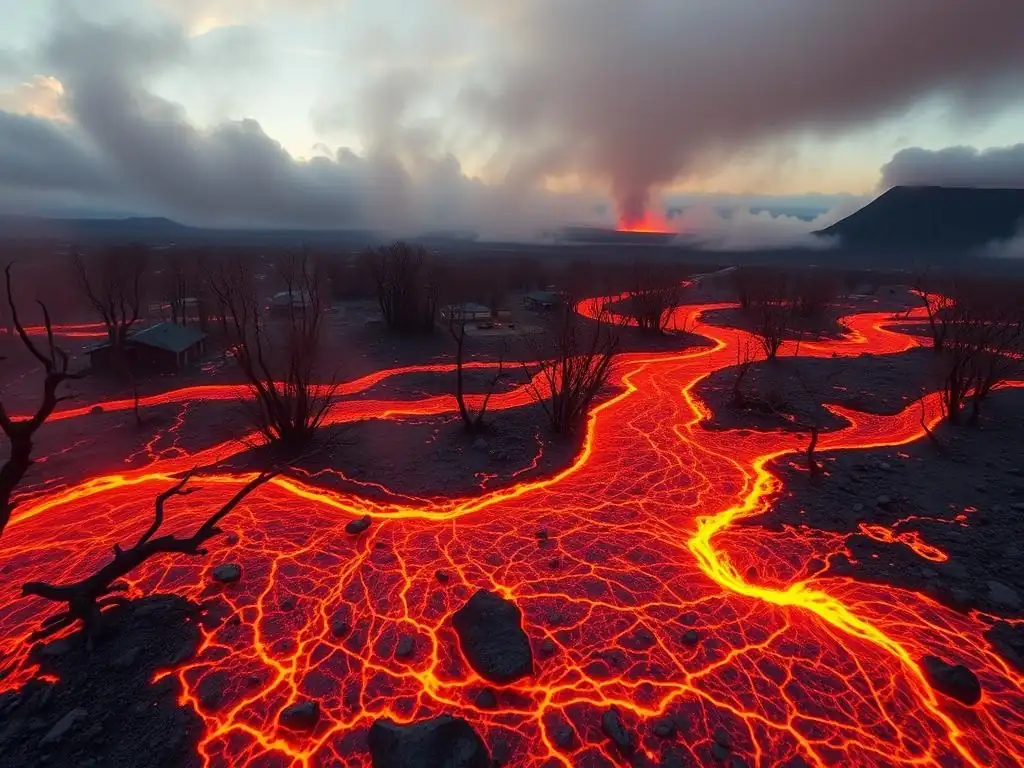
Welcome to Volcano Explorers, where the earth breathes fire and molten rock sculpts our world. Ever wondered what it's like when paradise transforms into a fiery inferno? Our latest exploration plunges into the heart of one of the most devastating volcanic events in recent history. Uncover the shocking truth and long-lasting consequences as we delve into the Kilauea 2018 eruption impact. What really happened when rivers of lava reshaped Hawaii? Prepare to be astonished... and perhaps a little humbled.
- Introduction: The Devastating Kilauea 2018 Eruption
- The Beginning of the End: Understanding the Initial Kilauea 2018 Eruption
- The Intensification: Unprecedented Lava Flows and Explosions
- Communities Under Siege: The Human Cost of the Kilauea 2018 Eruption
- The Environmental Impact of the Kilauea 2018 Eruption
- The Science Behind the Devastation: Understanding the Kilauea 2018 Eruption Mechanisms
- Long-Term Consequences and Recovery Efforts
- Lessons Learned: Improving Volcanic Monitoring and Risk Assessment
- Kilauea 2018 Eruption Impact: A Turning Point for Volcanic Hazard Management
-
Frequently Asked Questions
- What were the primary causes of the Kilauea 2018 eruption?
- What were the most significant environmental impacts of the Kilauea 2018 eruption?
- How did the Kilauea 2018 eruption affect the local communities on the Big Island of Hawaii?
- What lessons did volcanologists learn from studying the Kilauea 2018 eruption?
- What safety measures can residents near Kilauea take to prepare for future eruptions?
- Final Reflection: Echoes of Kilauea's Fury
- Unearth Your Inner Volcanologist!
Introduction: The Devastating Kilauea 2018 Eruption
Setting the Stage: Kilauea's History and Volcanic Activity
Kilauea, one of the world's most active volcanoes, is situated on the southeastern flank of the Big Island of Hawai'i. For decades leading up to 2018, Kilauea had been in a state of continuous eruption, primarily from its Puʻuʻōʻō vent on the East Rift Zone and within its summit caldera, Halemaʻumaʻu. This period of activity, known as the Puʻuʻōʻō-Kupaianaha eruption, began in 1983 and became the longest-lived effusive eruption in Kilauea's recorded history.
Before 2018, the volcano was characterized by relatively predictable behavior, with lava flows generally confined to the remote flanks and occasional lava lake activity within Halemaʻumaʻu. This long-term eruption, while posing ongoing hazards, had become almost a background feature of life on the Big Island, drawing tourists and researchers alike to witness its dynamic displays of volcanic power.
However, Kilauea's history is punctuated by periods of more intense and disruptive activity. Geological records reveal cycles of summit caldera collapses, explosive eruptions, and major rift zone events that have dramatically reshaped the landscape and impacted communities over centuries. Understanding this cyclical nature is crucial for appreciating the context of the 2018 eruption.
The volcano’s location, at the intersection of the Pacific Plate moving over the Hawaiian hotspot, ensures a constant supply of magma, making it a perpetually restless giant. The pre-2018 period, while seemingly stable in its effusive style, was in reality a build-up to a more significant phase in Kilauea's eruptive cycle, a phase that would drastically alter perceptions of the volcano's behavior and its potential impact.
The Fateful Year: Previewing the 2018 Eruption's Impact
The year 2018 marked a dramatic shift in Kilauea's eruptive pattern, culminating in one of the most destructive volcanic events in Hawai'i's recent history. What began as subtle changes in volcanic activity rapidly escalated into a multi-faceted crisis that would reshape the island's southeastern region and leave a lasting Kilauea 2018 eruption impact on its communities and ecosystems. The eruption was not a singular event but a complex sequence of interconnected processes involving changes at the summit caldera and a major eruption along the lower East Rift Zone, an area that had been relatively quiet for decades.
The Kilauea 2018 eruption impact was far-reaching and devastating. It led to the destruction of over 700 homes in the Leilani Estates and Kapoho Beach Lots subdivisions, displacing thousands of residents and fundamentally altering the social and economic landscape of the affected areas. The eruption involved unprecedented lava flows that inundated entire neighborhoods, reshaping coastlines, and burying infrastructure.
Simultaneously, the summit of Kilauea experienced dramatic collapses and explosions, sending ash plumes high into the atmosphere and further disrupting life across the island. This event served as a stark reminder of the raw power of volcanoes and the profound risks associated with living in volcanically active regions.
The Beginning of the End: Understanding the Initial Kilauea 2018 Eruption
Halema'uma'u Crater Changes: Early Signs of Instability
In the months leading up to May 2018, subtle but significant changes were observed at Kilauea's summit caldera, Halemaʻumaʻu. The lava lake, a prominent feature within Halemaʻumaʻu for nearly a decade, began to fluctuate in level and exhibit signs of instability. Scientists at the Hawaiian Volcano Observatory (HVO) noted increased rockfalls and minor explosions occurring within the crater, indicating changes in pressure and gas release beneath the surface. These were early warning signs that magma pathways within the volcano were shifting and that a larger event might be on the horizon.
By late April 2018, the lava lake level was dropping more rapidly, and seismic activity around the summit area increased. This deflation of the summit magma reservoir suggested that magma was moving away from the summit region, likely migrating down the East Rift Zone. On April 30th, the floor of Halemaʻumaʻu crater began to subside significantly, marking a critical turning point.
This subsidence was accompanied by increased sulfur dioxide gas emissions, indicating a change in the degassing regime of the volcano. These Halemaʻumaʻu crater changes were crucial precursors to the more dramatic events that would soon unfold in the lower East Rift Zone, signaling a fundamental shift in Kilauea's eruptive behavior.
Lower East Rift Zone Activity: The Emergence of Fissures
As magma drained from the summit reservoir, pressure built up within the East Rift Zone, a region known for past volcanic activity but relatively quiet in recent decades. Increased seismicity began to concentrate in the lower East Rift Zone, particularly in the Puna District, indicating magma intrusion at shallow depths. On May 3rd, 2018, the first fissure eruption occurred in the Leilani Estates subdivision, a residential area located in the lower East Rift Zone. This marked the beginning of a prolonged and highly destructive phase of the Kilauea 2018 eruption impact.
Fissure 1 opened with relatively low fountaining and lava flows that initially moved slowly. However, over the following days and weeks, numerous additional fissures opened up in the Leilani Estates and surrounding areas. These fissures, driven by the relentless pressure of magma migrating from the summit, erupted lava fountains, gas plumes, and increasingly voluminous lava flows.
The location of these fissures directly within residential areas meant immediate and devastating consequences for the communities of Pahoa and Leilani Estates. The emergence of these fissures in the lower East Rift Zone was a clear indication that the Kilauea 2018 eruption impact would be concentrated in this previously considered less hazardous area.
The Intensification: Unprecedented Lava Flows and Explosions
Eruption Impact: The Opening of Fissure 8 and its Dominance
Among the numerous fissures that opened during the Kilauea 2018 eruption impact, Fissure 8 emerged as the dominant vent, ultimately shaping the course and severity of the event. Fissure 8, which became active in late May, quickly surpassed all other fissures in terms of lava output and longevity. It developed into a large cone, later named Puʻuʻ Honuaʻula, and became the primary source of lava feeding the extensive flows that devastated the region. The eruption from Fissure 8 was characterized by sustained, high-fountaining activity, launching molten rock hundreds of feet into the air and generating fast-moving, channelized lava flows.
The Kilauea 2018 eruption impact intensified dramatically with the establishment of Fissure 8. Its consistent and voluminous lava production ensured a continuous supply of molten rock that flowed for months, inundating communities and reshaping the landscape on an unprecedented scale. The sheer volume of lava emanating from Fissure 8 dwarfed the output of earlier fissures and previous eruptions in the area, making it a pivotal feature of the 2018 event. The dominance of Fissure 8 also concentrated the eruptive activity, allowing for more focused monitoring and hazard assessment, but also highlighting the relentless nature of this single, powerful vent.
Dramatic Increase in Lava Output: Record-Breaking Volumes
The Kilauea 2018 eruption impact was largely defined by the sheer volume of lava erupted, reaching levels rarely seen in Kilauea's recent history. Estimates from the USGS Hawaiian Volcano Observatory indicate that the total volume of lava erupted during the 2018 event was approximately 1 cubic mile (4 cubic kilometers). This staggering volume surpassed the combined output of the entire 1983-2018 Puʻuʻōʻō eruption, which had lasted for over three decades. The eruption rate from Fissure 8 at its peak was also exceptionally high, reaching hundreds of cubic meters per second.
This dramatic increase in lava output is attributed to a complex interplay of factors, including a large magma supply from the mantle and efficient pathways for magma to reach the surface. The Kilauea 2018 eruption impact in terms of lava flows was thus magnified by this record-breaking volume. The extensive and fast-moving flows were able to travel further and inundate larger areas, leading to widespread destruction. The sheer scale of lava production underscored the magnitude of the 2018 eruption and its significant departure from Kilauea's more typical eruptive behavior.
Summit Explosions: Ash Plumes and Collapsing Crater
While the lower East Rift Zone eruption was characterized by effusive lava flows, the summit of Kilauea experienced a different, but equally dramatic, phase of activity. As magma drained from the summit reservoir to feed the lower East Rift Zone eruption, the support for the floor of Halemaʻumaʻu crater was removed. This led to a series of collapses of the crater floor, resulting in a significant enlargement of Halemaʻumaʻu. These collapses were often accompanied by explosive events, driven by the interaction of groundwater with the hot rock exposed by the crater floor subsidence.
The Kilauea 2018 eruption impact at the summit included numerous explosive eruptions that sent ash plumes thousands of feet into the atmosphere. These explosions posed a significant hazard from ashfall, impacting air quality and visibility downwind of the summit. The ash plumes also disrupted air traffic and contributed to vog (volcanic smog) conditions across the island.
Furthermore, the repeated collapses of Halemaʻumaʻu crater caused significant ground deformation and seismic activity at the summit. The summit explosions and crater collapse were an integral part of the 2018 eruption, demonstrating the interconnectedness of volcanic processes at different locations within the Kilauea system.
Communities Under Siege: The Human Cost of the Kilauea 2018 Eruption
Impact on Pahoa and Leilani Estates: Destruction of Homes and Infrastructure
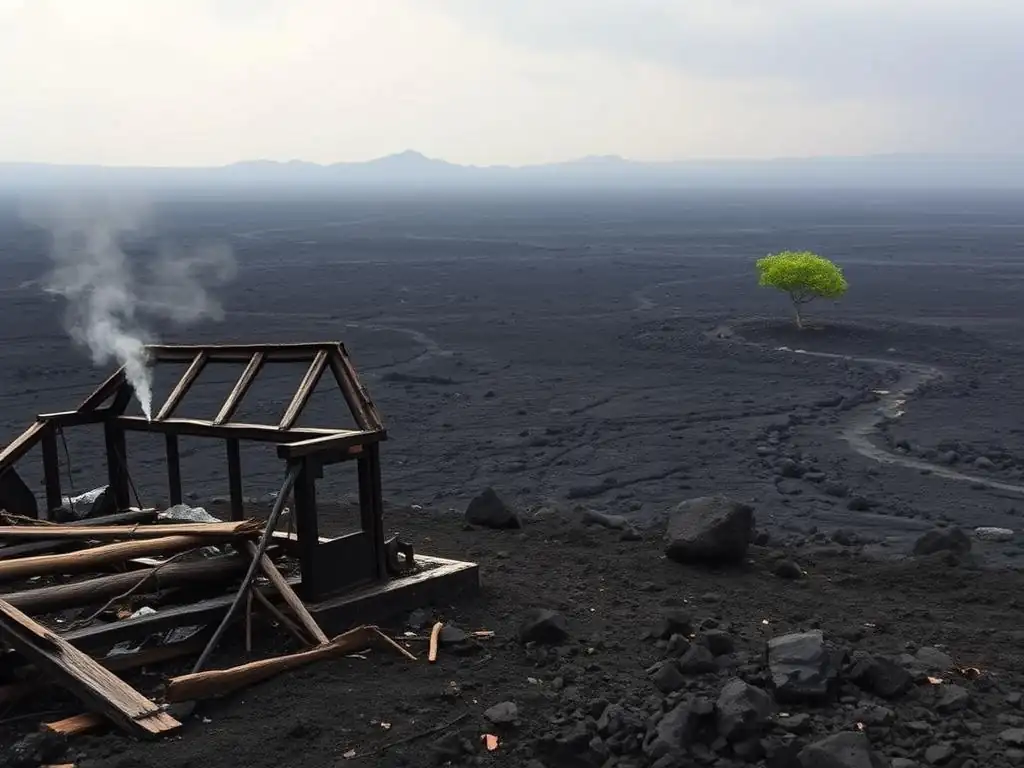
The most devastating aspect of the Kilauea 2018 eruption impact was the direct destruction of communities in the lower Puna District, particularly Leilani Estates and Kapoho Beach Lots. The relentless lava flows from Fissure 8 and other vents inundated residential areas, consuming homes, businesses, and infrastructure.
Leilani Estates, a subdivision of approximately 1,700 lots, was largely destroyed, with hundreds of homes buried or burned by lava. Kapoho Beach Lots, a coastal community known for its tide pools and recreational areas, was completely obliterated, with the iconic Kapoho Bay and Green Lake (a volcanic crater lake) entirely filled in by lava.
The Kilauea 2018 eruption impact on infrastructure was also immense. Roads, power lines, and water systems were destroyed by lava flows, isolating communities and disrupting essential services. Highway 132, a major thoroughfare in the Puna District, was severed in multiple locations, cutting off access to Kapoho and other areas. The destruction of infrastructure hampered evacuation efforts and complicated recovery operations. The scale of destruction in Leilani Estates and Kapoho served as a stark reminder of the vulnerability of communities located in volcanically active zones and the immense power of lava flows to reshape landscapes and lives.
Displacement and Evacuation: The Response to the Volcanic Threat
Faced with the escalating volcanic threat, authorities implemented mandatory evacuations in affected areas of the lower Puna District. Thousands of residents were forced to flee their homes, often with little notice, seeking shelter in community centers, with family and friends, or in temporary housing provided by the government and relief organizations. The Kilauea 2018 eruption impact included significant social disruption and emotional distress for evacuees, who faced uncertainty about the fate of their homes and livelihoods.
The evacuation efforts were complex and challenging, requiring coordination between various agencies, including the Hawaii County Civil Defense Agency, the National Guard, and volunteer organizations. Emergency shelters were established to provide temporary housing, food, and medical assistance to evacuees. The Kilauea 2018 eruption impact also highlighted the importance of community preparedness and effective communication during volcanic crises. The long duration of the eruption and the ongoing threat of lava flows created prolonged displacement and uncertainty for affected residents, underscoring the long-term human cost of volcanic disasters.
Health Hazards: Air Quality and Volcanic Smog (Vog)
Beyond the direct threat of lava flows, the Kilauea 2018 eruption impact included significant health hazards related to air quality. The eruption released large quantities of volcanic gases, primarily sulfur dioxide (SO2), into the atmosphere. Sulfur dioxide reacts with moisture, oxygen, and sunlight to form volcanic smog, known as "vog," and acid rain. Vog is a respiratory irritant that can exacerbate pre-existing respiratory conditions like asthma and bronchitis. During the 2018 eruption, vog conditions were frequently severe across the Big Island, and even on neighboring islands.
The Kilauea 2018 eruption impact on air quality posed a widespread public health concern. Residents experienced respiratory symptoms, including coughing, wheezing, and shortness of breath. Sensitive populations, such as children, the elderly, and individuals with respiratory illnesses, were particularly vulnerable. Health advisories were issued, urging residents to limit outdoor activities, stay indoors with windows closed, and use air purifiers. The vog and acid rain also impacted agriculture and infrastructure, causing damage to crops and corrosion of metal surfaces. The air quality hazards associated with the eruption added another layer of complexity to the overall Kilauea 2018 eruption impact.
The Environmental Impact of the Kilauea 2018 Eruption
Lava Flows and Landscape Alteration: Reshaping the Island
The Kilauea 2018 eruption impact on the environment was profound, most notably in the dramatic reshaping of the landscape by lava flows. The voluminous lava flows from Fissure 8 and other vents covered vast areas, creating new land and significantly altering the topography of the lower Puna District. Entire neighborhoods, forests, and coastlines were buried under thick layers of basaltic lava. The flows filled in valleys, leveled hills, and extended the island's coastline into the ocean.
The Kilauea 2018 eruption impact on the landscape was transformative and long-lasting. The newly solidified lava flows created a barren, volcanic terrain, contrasting sharply with the lush tropical vegetation that previously characterized the area. The eruption added over 875 acres of new land to the island's southeastern coast. The reshaping of the coastline, including the destruction of Kapoho Bay and the creation of new black sand beaches, fundamentally altered coastal ecosystems and recreational areas. The lava flows serve as a dramatic geological marker of the 2018 eruption, a testament to the powerful land-building capacity of volcanoes.
Impact on Ecosystems: Destruction of Forests and Habitats
The Kilauea 2018 eruption impact on ecosystems was devastating, with lava flows directly destroying forests, agricultural lands, and wildlife habitats. The Puna District, known for its rich biodiversity and unique ecosystems, suffered extensive damage. Lava flows inundated rainforests, lowland wet forests, and coastal ecosystems, eliminating vegetation and displacing wildlife. Native Hawaiian forests, already under pressure from invasive species and habitat loss, were further fragmented and reduced in size.
The Kilauea 2018 eruption impact on ecosystems extended beyond direct lava inundation. Volcanic gases and vog affected air quality and plant health in areas downwind of the eruption. Acid rain caused defoliation and damage to vegetation. The long-term ecological consequences of the eruption are still being studied, but it is clear that the event caused significant and lasting disruption to ecosystems in the affected region. The recovery of these ecosystems will be a slow and complex process, requiring natural regeneration and potentially human intervention to restore biodiversity and ecological function.
Coastal Changes: Lava Entering the Ocean and Creating New Land
A significant aspect of the Kilauea 2018 eruption impact was the entry of lava flows into the Pacific Ocean. For several months, lava from Fissure 8 flowed continuously into the sea at Kapoho, creating a dramatic spectacle of molten rock meeting seawater. This ocean entry resulted in significant coastal changes, including the creation of new land and alterations to marine ecosystems. The lava delta that formed at Kapoho extended the coastline seaward by hundreds of meters, adding substantial new landmass to the island.
The Kilauea 2018 eruption impact on coastal areas was multifaceted. While the creation of new land may seem like a positive outcome, the ocean entry also had negative consequences. The interaction of hot lava with seawater created "laze" (lava haze), a plume of steam, hydrochloric acid gas, and fine glass particles, posing a respiratory and irritant hazard near the ocean entry point.
The influx of lava into the ocean also altered water chemistry, potentially impacting marine life in the immediate vicinity. The coastal changes resulting from the Kilauea 2018 eruption impact demonstrate the complex interplay between volcanic processes and marine environments.
The Science Behind the Devastation: Understanding the Kilauea 2018 Eruption Mechanisms
Magma Supply and Movement: What Fueled the Unprecedented Eruption?
Understanding the Kilauea 2018 eruption impact necessitates delving into the scientific mechanisms that fueled this unprecedented event. The eruption was driven by a complex interplay of magma supply, movement, and pressure changes within the Kilauea volcanic system. Scientists believe that the eruption was triggered by a combination of factors, including an increase in magma supply from the mantle and a weakening of the volcanic edifice along the East Rift Zone. The long-term Puʻuʻōʻō eruption may have contributed to stress build-up in the rift zone, making it more susceptible to failure.
The Kilauea 2018 eruption impact was amplified by the efficient transfer of magma from the summit reservoir down the East Rift Zone. The deflation of the summit magma chamber, evidenced by the Halemaʻumaʻu crater collapses, indicated a significant volume of magma migrating laterally beneath the surface. This magma movement was facilitated by pre-existing fractures and weaknesses within the rift zone.
The sheer volume of magma erupted suggests a robust and sustained supply from deep within the Earth, highlighting the dynamic and powerful nature of the Hawaiian hotspot volcanism. Further research continues to refine our understanding of the precise magma pathways and processes that controlled the 2018 eruption.
Ground Deformation and Seismicity: Monitoring the Volcanic Activity
Throughout the Kilauea 2018 eruption impact, ground deformation and seismicity served as crucial monitoring tools, providing insights into the volcano's internal processes and the evolving eruption. The Hawaiian Volcano Observatory (HVO) continuously monitored ground deformation using GPS instruments and tiltmeters, which measured changes in the shape of the volcano's surface. These data revealed patterns of inflation and deflation, reflecting magma movement within the volcano. The deflation at the summit and inflation in the lower East Rift Zone clearly indicated magma transfer and pressure build-up in the eruption zone.
Seismic monitoring also played a vital role in tracking the Kilauea 2018 eruption impact. Seismometers detected thousands of earthquakes associated with the eruption, ranging from small tremors to larger magnitude events. The distribution and characteristics of these earthquakes provided information about magma pathways, fault movements, and the location of eruptive fissures. Increased seismicity in the lower East Rift Zone preceded the fissure eruptions, providing valuable early warning signs. Continuous monitoring of ground deformation and seismicity was essential for tracking the eruption's progress, assessing hazards, and informing public safety decisions.
Gas Emissions: Tracking the Eruption's Intensity
Volcanic gas emissions are another important indicator of volcanic activity and eruption intensity. During the Kilauea 2018 eruption impact, HVO scientists continuously measured the rate and composition of volcanic gas emissions, particularly sulfur dioxide (SO2). SO2 is a key component of volcanic gas and its emission rate is often correlated with magma supply and eruption rate. Measurements of SO2 emissions during the 2018 eruption showed exceptionally high levels, reflecting the large volume of magma being erupted.
The Kilauea 2018 eruption impact in terms of gas emissions was significant, both for monitoring eruption intensity and for assessing air quality hazards. Real-time monitoring of SO2 emissions helped track changes in eruption rate and provided insights into the ongoing volcanic processes. The high levels of SO2 emissions also underscored the potential for severe vog conditions and respiratory health impacts. Gas monitoring, alongside ground deformation and seismicity data, provided a comprehensive picture of the Kilauea 2018 eruption impact and its evolving characteristics.
Long-Term Consequences and Recovery Efforts
Economic Impact: Tourism, Agriculture, and Real Estate
The Kilauea 2018 eruption impact extended far beyond the immediate destruction, leaving a lasting imprint on the Big Island's economy. Tourism, a major economic driver for Hawai'i, experienced a downturn in the immediate aftermath of the eruption. Images of lava flows and volcanic devastation deterred some tourists, and vog conditions affected visitor experiences. However, over time, volcanic tourism has adapted, with guided tours to view the lava fields becoming a new attraction.
Agriculture in the Puna District, known for its orchid and papaya farms, suffered significant losses. Lava flows directly destroyed agricultural lands, and vog and ashfall impacted crop yields and plant health. The real estate market in the affected areas experienced a dramatic shift. Property values plummeted in lava-inundated zones, while areas further from the eruption saw varying degrees of impact. The long-term economic recovery from the Kilauea 2018 eruption impact is an ongoing process, requiring diversification of economic activities and support for affected industries and communities.
Community Resilience: Rebuilding and Adapting to the New Landscape
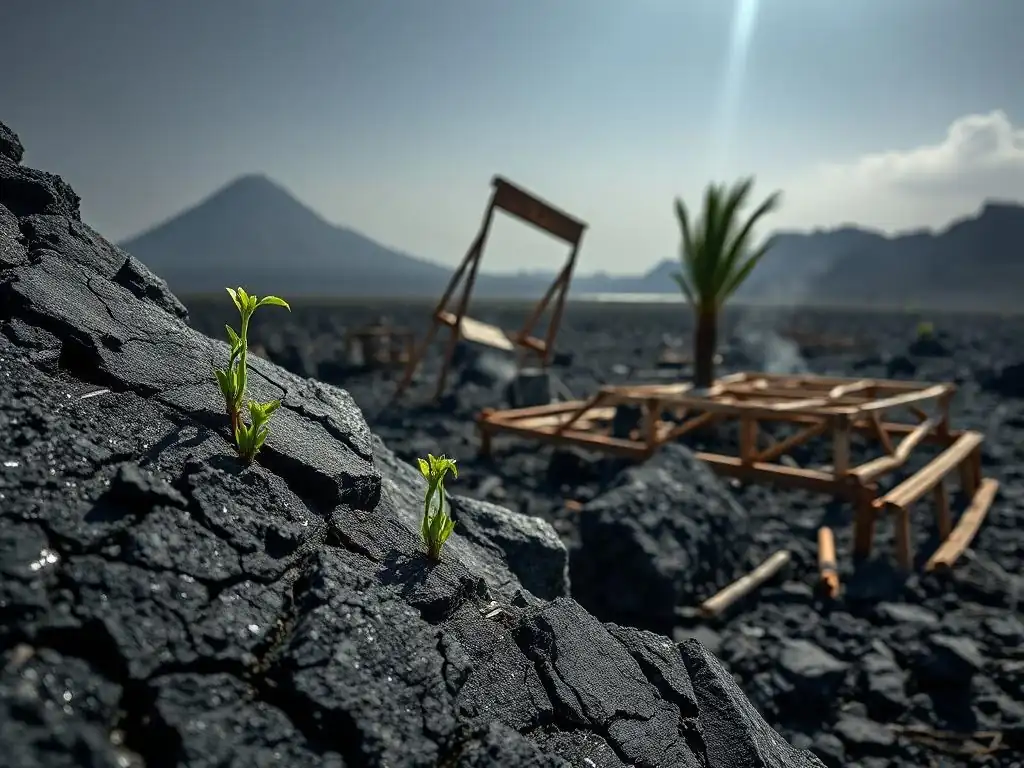
Despite the immense devastation, the Kilauea 2018 eruption impact also revealed remarkable community resilience. Residents of Pahoa and Leilani Estates demonstrated strength and solidarity in the face of adversity. Community organizations, volunteer groups, and government agencies worked together to provide relief, support evacuation efforts, and initiate recovery programs. The rebuilding process is slow and challenging, but communities are adapting to the new volcanic landscape.
The Kilauea 2018 eruption impact has fostered a stronger sense of community and a renewed focus on disaster preparedness. Residents are learning to live with the ongoing volcanic hazard and are actively involved in shaping the recovery process. Rebuilding efforts are not just about restoring what was lost, but also about creating more resilient and sustainable communities that are better prepared for future volcanic events. The community response to the Kilauea 2018 eruption impact serves as an inspiring example of human resilience in the face of natural disaster.
Future Volcanic Hazards and Preparedness
The Kilauea 2018 eruption impact underscored the ongoing volcanic hazards in Hawai'i and the importance of preparedness. While the 2018 eruption eventually subsided, Kilauea remains an active volcano, and future eruptions are inevitable. Scientists continue to monitor Kilauea closely, studying its past behavior and current activity to improve forecasting and hazard assessments. Understanding the lessons learned from the 2018 eruption is crucial for enhancing volcanic hazard preparedness in Hawai'i and other volcanic regions worldwide.
The Kilauea 2018 eruption impact highlighted the need for improved early warning systems, community education, and emergency planning. Residents living in volcanic hazard zones must be aware of the risks and prepared to evacuate if necessary. Land-use planning and building codes need to consider volcanic hazards to minimize future losses. Investing in volcanic monitoring infrastructure and research is essential for mitigating the risks associated with living near active volcanoes and ensuring community safety in the face of future eruptions.
Lessons Learned: Improving Volcanic Monitoring and Risk Assessment
Importance of Early Warning Systems
The Kilauea 2018 eruption impact emphasized the critical role of early warning systems in mitigating volcanic risk. While scientists at HVO detected precursory signals of the eruption, including increased seismicity and ground deformation, the rapid escalation of the event and the unexpected location of the fissures in residential areas posed significant challenges. The eruption highlighted the need for continuous improvements in volcanic monitoring technology and data analysis to provide more timely and accurate warnings.
The Kilauea 2018 eruption impact has spurred efforts to enhance early warning capabilities. This includes expanding monitoring networks, developing more sophisticated eruption forecasting models, and improving communication strategies to effectively disseminate warnings to the public. Investing in research to better understand the complex processes leading to volcanic eruptions is also crucial for improving the accuracy and lead time of early warnings. Effective early warning systems are essential for reducing the human and economic costs of future volcanic eruptions.
Community Education and Emergency Planning: Preparing for Future Eruptions
The Kilauea 2018 eruption impact underscored the importance of community education and robust emergency planning in volcanically active regions. Public awareness of volcanic hazards, evacuation procedures, and emergency preparedness measures is crucial for minimizing risks and ensuring community safety. The eruption highlighted the need for clear and consistent communication from authorities, as well as community-based preparedness initiatives.
The Kilauea 2018 eruption impact has led to renewed efforts to enhance community education and emergency planning in Hawai'i. This includes public outreach programs, drills and exercises, and the development of comprehensive emergency response plans at the local and regional levels. Empowering communities with knowledge and resources to prepare for volcanic eruptions is essential for building resilience and reducing vulnerability to future events. Community involvement and ownership are key to successful emergency preparedness efforts.
Kilauea 2018 Eruption Impact: A Turning Point for Volcanic Hazard Management
Remembering the Kilauea 2018 Eruption: A Legacy of Destruction and Resilience
The Kilauea 2018 eruption impact will be remembered as a turning point in volcanic hazard management and a profound event in Hawai'i's history. The eruption served as a stark reminder of the raw power of nature and the ever-present volcanic risks in Hawai'i. The devastation wrought by lava flows and summit explosions left a lasting scar on the landscape and the communities of the Puna District. However, the eruption also highlighted the resilience of the human spirit, the strength of community bonds, and the ongoing commitment to learning and adapting in the face of volcanic hazards.
The Kilauea 2018 eruption impact has prompted significant advancements in volcanic monitoring, risk assessment, and emergency preparedness. The lessons learned from this event are informing ongoing efforts to improve volcanic hazard management not only in Hawai'i but also in volcanic regions around the world. The legacy of the Kilauea 2018 eruption is one of both destruction and resilience, a testament to the enduring power of volcanoes and the enduring capacity of communities to recover and rebuild.
Additional Resources
[Data to be inserted here, including links to USGS Hawaiian Volcano Observatory, Hawaii County Civil Defense Agency, and other relevant resources. This section should provide users with further avenues to explore information about the Kilauea 2018 eruption and volcanic hazards in general.]
Frequently Asked Questions
What were the primary causes of the Kilauea 2018 eruption?
The Kilauea 2018 eruption was primarily caused by a collapse of the Pu'u 'Ō'ō vent on the volcano's East Rift Zone. This led to a magma surge downrift and subsequent eruptions in the lower East Rift Zone.
What were the most significant environmental impacts of the Kilauea 2018 eruption?
The eruption caused widespread destruction of vegetation due to lava flows and volcanic gases. Air quality was severely impacted by vog (volcanic smog), and coastal ecosystems were affected by lava entering the ocean.
How did the Kilauea 2018 eruption affect the local communities on the Big Island of Hawaii?
Many communities were devastated, with hundreds of homes destroyed by lava flows. The eruption also led to widespread evacuations and significant economic disruption due to tourism decline and agricultural losses.
What lessons did volcanologists learn from studying the Kilauea 2018 eruption?
The eruption provided valuable insights into the complex plumbing system of Kilauea volcano. It also highlighted the importance of real-time monitoring and hazard assessment in predicting and mitigating volcanic risks.
What safety measures can residents near Kilauea take to prepare for future eruptions?
Residents should develop evacuation plans, stay informed about volcanic activity through official channels, and prepare emergency kits with essential supplies. Adhering to official warnings is crucial for safety.
Final Reflection: Echoes of Kilauea's Fury
The devastation wrought by the Kilauea 2018 eruption serves as a stark reminder of nature's raw power and its capacity to reshape our world. The enduring impact of Kilauea 2018 continues to resonate, not just in the altered landscapes of Hawai'i, but also in our collective understanding of volcanic hazards and community resilience. The lessons learned from this event are crucial for preparing for future natural disasters, both in Hawai'i and around the globe.
The eruption's impact extends far beyond the immediate physical destruction. It has profoundly influenced the cultural and social fabric of the affected communities, forcing a reevaluation of our relationship with the land and the forces that shape it. Witnessing the displacement and loss experienced by so many underscores the fragility of life and the importance of community support in times of crisis. The Earth is what we all have in common.
- Wendell Berry. This quote encapsulates the shared responsibility we have to understand and respect the natural world, and to support those communities most vulnerable to its power.
As we reflect on the Kilauea 2018 eruption, let us not forget the lessons learned about preparedness, community resilience, and the profound connection between humanity and the environment. Consider how you can contribute to a more resilient future, whether through supporting disaster relief efforts, advocating for responsible land management, or simply deepening your understanding of the natural world. The echoes of Kilauea's fury serve as a call to action, urging us to build a future where communities are better equipped to face the challenges of a dynamic planet.
Unearth Your Inner Volcanologist!
Thank you for joining us on this journey through the fiery heart of Kilauea's 2018 eruption. We hope you've gained a deeper understanding of the raw power and profound impact of volcanic activity. Ready to channel that knowledge and passion?
Here's how you can take action:
- Dive deeper by researching lesser-known volcanic events and sharing your findings on our forums.
- Create your own photo essay inspired by Kilauea's transformation. Share it with friends to spark awareness of volcanic landscapes.
- Consider donating to organizations supporting communities impacted by volcanic eruptions – every contribution helps.
What questions about volcano behavior or future eruption preparedness are burning in your mind right now? Share them in the comments below!