
Volcanic Ash and Ancient Empires: Did Eruptions Topple Civilizations?

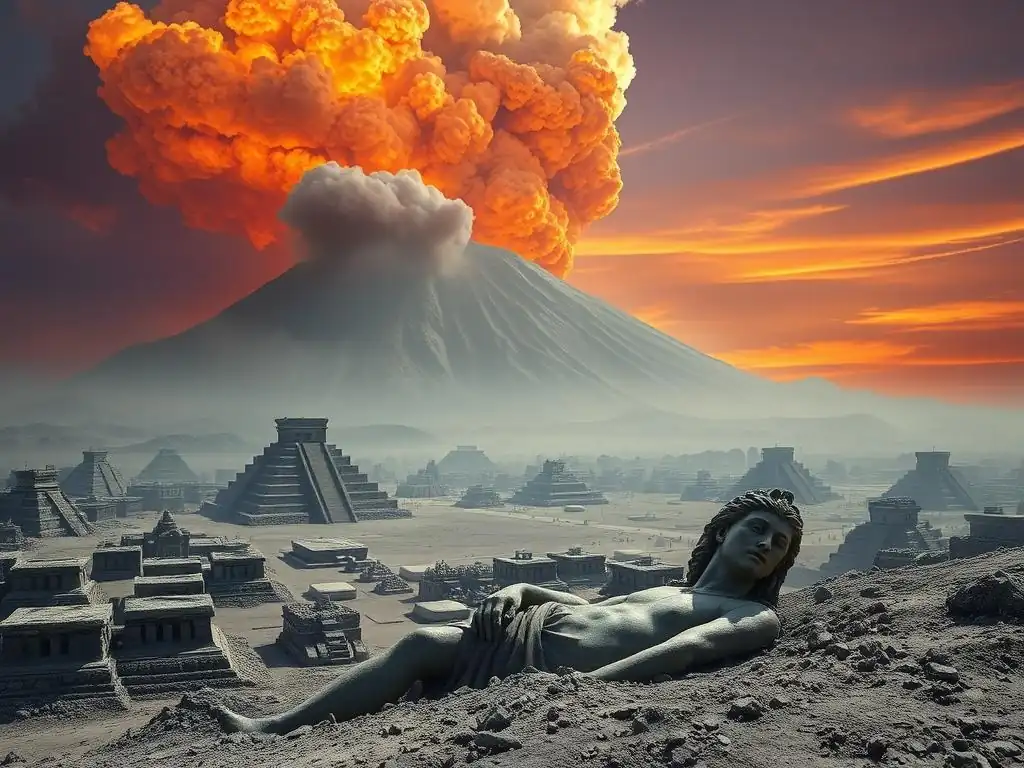
Welcome to Volcano Explorers, where the Earth breathes fire and history is written in ash. Ever wondered if the fiery breath of a volcano could topple an empire? Our latest exploration dives deep into the captivating connection between volcanic eruptions and civilizations, uncovering how these colossal events may have reshaped the course of human history. Prepare to unearth secrets buried beneath layers of ash and discover how the fury of the Earth influenced the rise and fall of ancient powers. Intrigued? The story is just beginning...
- Introduction: The Power of Volcanoes and the Fate of Ancient Societies
- Historical Eruptions: A Threat to Ancient Civilizations
- Case Studies: Volcanic Eruptions and Their Impact on Empires
- Volcanic Ash: The Silent Killer of Ancient Societies
- Beyond Destruction: Volcanic Activity and Societal Adaptation
- Modern Volcanology and Understanding Past Eruptions
- Conclusion: Volcanic Eruptions, Civilizations, and the Lessons of History
-
Frequently Asked Questions
- Did volcanic eruptions directly cause the downfall of entire civilizations?
- How does volcanic ash impact agriculture and food production?
- What are some examples of civilizations potentially impacted by volcanic eruptions?
- How do volcanologists study the relationship between volcanic eruptions and past civilizations?
- What safety measures can be taken to protect civilizations living near active volcanoes?
- Final Reflection: Echoes of Fire, Lessons of Resilience
- Unearth the Secrets: Become a Volcano Historian!
Introduction: The Power of Volcanoes and the Fate of Ancient Societies
Volcanoes, forces of nature capable of immense destruction and creation, have shaped our planet for billions of years. Their eruptions, ranging from gentle lava flows to cataclysmic explosions, have not only sculpted landscapes but have also profoundly influenced the course of human history. For ancient civilizations, often more vulnerable and less technologically equipped to deal with natural disasters, volcanic eruptions posed a significant threat.
The question arises: did these spectacular displays of Earth's power merely disrupt ancient societies, or did they play a more pivotal role, even contributing to the downfall of entire empires? Exploring the intricate relationship between volcanic eruptions and civilizations reveals a complex interplay of environmental change, societal resilience, and the enduring power of nature.
Historical Eruptions: A Threat to Ancient Civilizations
Understanding the Scale of Volcanic Impact on Ancient Societies
Volcanic eruptions are not uniform events; they vary dramatically in scale and intensity. The Volcanic Explosivity Index (VEI) is a logarithmic scale used to measure the explosiveness of volcanic eruptions, ranging from 0 (non-explosive) to 8 (extremely explosive). While smaller eruptions, with VEI 0-2, might cause localized disruption, larger eruptions, VEI 5 and above, can have widespread and devastating consequences for ancient societies.
For example, a VEI 6 eruption, like the Krakatoa eruption in 1883, can eject cubic kilometers of material into the atmosphere, affecting global climate patterns. Ancient civilizations, often reliant on localized agriculture and trade networks, were particularly susceptible to the far-reaching impacts of these large-scale volcanic events. The disruption could manifest in various forms, from immediate destruction from pyroclastic flows and lahars to long-term agricultural decline due to ashfall and climate change.
Furthermore, the vulnerability of ancient societies to volcanic eruptions was heightened by their limited understanding of these phenomena. Without modern volcanology, people often lacked the ability to predict or adequately prepare for eruptions. Their settlements were frequently located in fertile volcanic regions, unknowingly placing them in harm's way. The lack of centralized governance in some areas, coupled with limited communication and transportation infrastructure, further hampered effective responses to volcanic disasters. Consequently, even eruptions of moderate size could trigger cascading effects, leading to famine, disease, social unrest, and ultimately, societal collapse in vulnerable ancient civilizations.
The Role of Volcanic Ash in Civilization Collapse
While the fiery spectacle of lava flows and the destructive force of pyroclastic flows are dramatic aspects of volcanic eruptions, volcanic ash, also known as tephra, emerges as a more insidious and pervasive threat to ancient civilizations. Volcanic ash, composed of fine particles of pulverized rock, minerals, and volcanic glass, can be ejected high into the atmosphere and dispersed over vast areas, sometimes thousands of kilometers from the eruption source. Unlike lava flows, which are geographically restricted, ashfall can blanket entire regions, impacting agriculture, water resources, infrastructure, and even human health.
The sheer volume of ash produced by significant volcanic eruptions can be staggering. For instance, the 1815 Tambora eruption, a VEI 7 event, ejected an estimated 160 cubic kilometers of tephra.
The impact of volcanic ash on ancient civilizations was multifaceted and long-lasting. A thick layer of ashfall could directly destroy crops, contaminate arable land, and disrupt agricultural cycles for years. The abrasive nature of ash could damage livestock's teeth and lungs, further impacting food production.
Water sources, crucial for survival, could become contaminated with ash, rendering them undrinkable and contributing to sanitation problems and disease outbreaks. Moreover, the weight of accumulated ash on roofs could cause structural damage and building collapse, particularly in ancient structures not designed to withstand such loads. Volcanic ash, therefore, acted as a silent killer, slowly undermining the foundations of ancient societies through environmental degradation and societal disruption, potentially playing a significant role in the decline or collapse of some civilizations.
Case Studies: Volcanic Eruptions and Their Impact on Empires
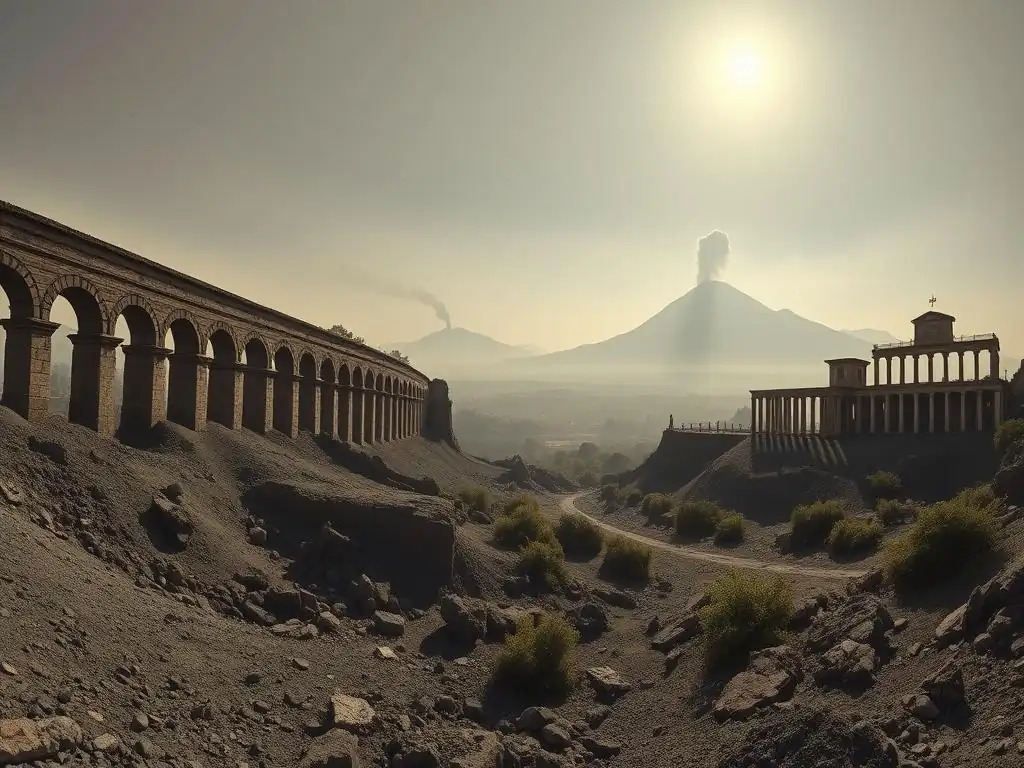
The Minoan Civilization and the Santorini Eruption: A Volcanic Cataclysm
The Minoan civilization, a Bronze Age society that flourished on the island of Crete and surrounding Aegean islands, was a sophisticated maritime culture renowned for its art, architecture, and trade. Around 1620-1600 BCE, a colossal volcanic eruption occurred on the island of Thera (modern Santorini), a Minoan colony located north of Crete. This eruption, estimated to be a VEI 6 or 7, is one of the largest volcanic events of the Holocene epoch.
The Santorini eruption unleashed a devastating tsunami that inundated coastal settlements across the Aegean, including Minoan Crete. The eruption also deposited thick layers of volcanic ash across the region, impacting agriculture and potentially contributing to long-term environmental changes.
The Archaeological Evidence of the Santorini Eruption's Impact
Archaeological evidence provides compelling insights into the eruption's impact on the Minoan world. On Santorini itself, the Minoan city of Akrotiri was buried under meters of volcanic ash, preserving a snapshot of Minoan life at the time of the disaster. Excavations at Akrotiri reveal a prosperous urban center with advanced architecture, vibrant frescoes, and evidence of sophisticated trade networks.
However, the city was abruptly abandoned, seemingly before the most cataclysmic phase of the eruption, suggesting possible warnings or pre-eruption activity. On Crete, archaeological sites show evidence of tsunami damage, particularly in coastal regions, and layers of Santorini ash have been identified in various locations. The destruction of Minoan palaces and settlements around this period is a subject of ongoing debate, with some researchers linking it directly to the Santorini eruption.
Theories on the Minoan Decline Following the Thera Eruption
The Santorini eruption's role in the decline of the Minoan civilization remains a topic of scholarly debate. While the eruption undoubtedly caused significant destruction and disruption, it is unlikely to be the sole cause of the Minoan civilization's eventual demise. Some theories posit that the tsunami generated by the eruption devastated Minoan coastal cities and their powerful navy, weakening their trade dominance. The widespread ashfall could have led to agricultural decline and famine, further destabilizing the society.
However, other factors likely contributed to the Minoan decline, including internal political instability, Mycenaean Greek expansion, and long-term environmental changes. It is plausible that the Santorini eruption acted as a catalyst, exacerbating existing vulnerabilities and accelerating the Minoan civilization's decline, rather than being the sole trigger for its collapse. The eruption serves as a stark reminder of the vulnerability of even advanced ancient societies to large-scale natural disasters.
Pompeii and Herculaneum: A Snapshot Frozen in Time by Vesuvius
The eruption of Mount Vesuvius in 79 CE is perhaps one of the most famous volcanic events in history, immortalized by the tragic destruction of the Roman cities of Pompeii and Herculaneum. Vesuvius, located near the Bay of Naples in Italy, had been dormant for centuries before this catastrophic eruption, leading the Roman inhabitants of the region to underestimate its volcanic potential. On August 24, 79 CE, Vesuvius erupted violently, unleashing a Plinian eruption characterized by a towering column of ash and pumice followed by devastating pyroclastic flows.
Pompeii, situated downwind from Vesuvius, was initially buried under meters of pumice and ashfall. Herculaneum, located closer to the volcano and to the west, was engulfed by pyroclastic surges, hot, fast-moving flows of gas and volcanic debris.
The Devastating Effects of the Vesuvius Eruption on Roman Cities
The effects of the Vesuvius eruption on Pompeii and Herculaneum were swift and catastrophic. In Pompeii, the initial ashfall caused roofs to collapse and buried buildings, but many inhabitants initially survived. However, the subsequent pyroclastic flows, reaching temperatures of hundreds of degrees Celsius, swept through Pompeii and Herculaneum, instantly killing those who remained.
The pyroclastic surges carbonized organic matter and preserved the forms of victims in the ash, creating haunting plaster casts that provide a poignant record of the disaster. Herculaneum, buried by pyroclastic surges, was sealed in a hardened layer of volcanic rock, preserving wooden structures and even organic materials like food and furniture, offering an unprecedented glimpse into Roman daily life.
Lessons Learned from the Vesuvius Disaster
The Vesuvius eruption provides invaluable insights into the destructive power of volcanoes and the importance of understanding volcanic hazards. The preserved cities of Pompeii and Herculaneum offer a unique archaeological record of Roman urban life, architecture, and social organization. The disaster also highlights the vulnerability of populations living near dormant volcanoes and the critical need for volcanic monitoring and preparedness.
The Roman writer Pliny the Younger's eyewitness accounts of the eruption, though tinged with personal tragedy (his uncle, Pliny the Elder, perished while attempting a rescue mission), provide valuable historical documentation of the event. The Vesuvius eruption serves as a timeless reminder of the sudden and devastating impact volcanic eruptions can have on human settlements and underscores the importance of learning from past disasters to mitigate future risks in volcanically active regions.
The Tambora Eruption and its Global Consequences: A "Year Without a Summer"
The 1815 eruption of Mount Tambora on the island of Sumbawa in present-day Indonesia was one of the largest volcanic eruptions in recorded history, a VEI 7 event that had profound global consequences. Tambora's eruption ejected an enormous volume of volcanic ash and sulfur dioxide into the stratosphere. The sulfur dioxide reacted with water vapor to form sulfate aerosols, which reflected sunlight back into space, leading to a significant global cooling effect. This resulted in widespread climate anomalies in 1816, famously known as the "Year Without a Summer."
The Impact of Tambora on Global Climate and Agriculture
The "Year Without a Summer" was characterized by unusually cold temperatures across much of the globe, particularly in North America and Europe. Frosts occurred in every summer month in New England, and snow fell in June. Growing seasons were drastically shortened, leading to widespread crop failures.
In Europe, persistent cold and rain caused widespread famine, particularly in Ireland, Switzerland, and France. The Tambora eruption's climatic impact extended beyond 1816, with continued cooling and agricultural disruptions for several years. This event demonstrated the capacity of large volcanic eruptions to trigger global climate change and profoundly impact human societies on a planetary scale.
Social and Economic Disruptions Following the Tambora Eruption
The Tambora eruption and the subsequent "Year Without a Summer" triggered significant social and economic disruptions worldwide. Widespread famine led to food riots, social unrest, and increased mortality rates in many regions. In Europe, the famine exacerbated existing social tensions following the Napoleonic Wars.
The economic impact was also substantial, with agricultural losses, trade disruptions, and increased poverty. The Tambora eruption, therefore, serves as a powerful example of how a volcanic event in one part of the world can have far-reaching global consequences, impacting climate, agriculture, economies, and societies across continents. It underscores the interconnectedness of the global system and the vulnerability of human societies to large-scale natural disasters, even those occurring far from their immediate location.
The Ilopango Eruption and the Mayan Civilization: A Catalyst for Societal Change?
The Ilopango volcano, located in present-day El Salvador, erupted around 431 CE in a massive VEI 6+ eruption. This eruption, known as the Tierra Blanca Joven (TBJ) eruption, deposited a significant layer of volcanic ash across a wide area of Central America, including regions inhabited by the Mayan civilization.
The TBJ eruption occurred during a period known as the Maya Early Classic period, a time of significant societal development and expansion. Some researchers have proposed that the Ilopango eruption played a role in the "Maya Hiatus," a period of societal disruption and decline in some Mayan regions during the mid-6th century CE.
Evidence Linking the Ilopango Eruption to the Maya Hiatus
The timing of the Ilopango eruption coincides roughly with the onset of the Maya Hiatus. Geological evidence indicates that the TBJ eruption was a large and regionally significant event, capable of causing widespread environmental disruption. Volcanic ash layers from the Ilopango eruption have been identified in Mayan archaeological sites, providing a physical link between the eruption and Mayan settlements.
Proponents of the volcanic impact theory suggest that the ashfall from the TBJ eruption could have severely impacted Mayan agriculture, leading to food shortages, famine, and societal instability. This disruption, they argue, may have contributed to the social and political changes observed during the Maya Hiatus.
Reassessing the Role of Volcanism in Mayan History
While the Ilopango eruption undoubtedly had environmental consequences for the Mayan region, the extent of its impact on the Maya Hiatus and the overall trajectory of Mayan civilization is still debated. The Maya Hiatus was a complex period characterized by regional variations and multiple contributing factors. Archaeological evidence suggests that some Mayan regions experienced decline during this period, while others continued to flourish.
Factors such as political instability, warfare, overpopulation, and long-term environmental changes, independent of volcanic eruptions, likely also played significant roles in the Maya Hiatus. While the Ilopango eruption may have contributed to the challenges faced by some Mayan polities, particularly those located closer to the eruption zone, it is unlikely to be the sole or primary cause of the Maya Hiatus. More nuanced research is needed to fully understand the complex interplay of volcanic events and other factors in shaping Mayan history.
Volcanic Ash: The Silent Killer of Ancient Societies
Composition and Properties of Volcanic Ash
Volcanic ash, despite its name, is not the product of burning. It is composed of fragmented volcanic rock, glass shards, and mineral crystals, all pulverized into fine particles during volcanic eruptions. The composition of volcanic ash varies depending on the type of volcano and the magma involved, but it typically includes silica, aluminum, iron, calcium, sodium, and potassium oxides. The particles in volcanic ash are incredibly small, often less than 2 millimeters in diameter, and can be as fine as dust.
A key characteristic of volcanic ash is its abrasive nature. The sharp, glassy fragments can scratch surfaces and cause irritation to eyes, skin, and respiratory systems. Furthermore, volcanic ash is surprisingly heavy. Even a thin layer of ash can add significant weight to roofs and structures.
The Immediate and Long-Term Effects of Ashfall on Ancient Populations
The effects of volcanic ash on ancient populations were both immediate and long-term, impacting various aspects of their lives and livelihoods. Immediately following an ashfall event, ancient communities would face reduced visibility, respiratory problems from inhaling ash, and potential damage to infrastructure. Longer-term effects were more pervasive and insidious, affecting agriculture, water resources, and overall societal stability.
Impact on Agriculture and Food Supply
Agriculture, the backbone of most ancient civilizations, was severely vulnerable to volcanic ashfall. A thick layer of ash could directly bury crops, smothering plants and preventing photosynthesis. Even a thin layer of ash could contaminate plant surfaces, reducing crop yields and making harvests difficult. The abrasive nature of ash could damage plant tissues and fruits.
Furthermore, volcanic ash could alter soil chemistry, potentially making soils less fertile in the short term. Livestock also suffered, as grazing animals ingested ash while foraging, leading to digestive problems and dental wear. Contamination of pastures with ash reduced available grazing land. The cumulative effect of these agricultural impacts was often widespread food shortages and famine, threatening the survival of ancient communities dependent on localized food production.
Impact on Water Sources and Sanitation
Clean water sources were essential for ancient societies, and volcanic ashfall posed a significant threat to water quality and availability. Ash could contaminate surface water sources like rivers, lakes, and reservoirs, making them undrinkable due to sediment load and potential chemical contamination. Ash particles could also clog irrigation systems and water channels, disrupting water distribution.
Wells, if not properly sealed, could also become contaminated with ash. The lack of clean water sources led to dehydration, sanitation problems, and increased risk of waterborne diseases. Ancient sanitation systems, often rudimentary, were further strained by ashfall, as ash could clog drainage systems and exacerbate public health challenges.
Impact on Infrastructure and Buildings
Ancient infrastructure and buildings were not designed to withstand heavy ash loads, making them vulnerable to collapse and damage during ashfall events. The weight of accumulated ash on roofs, particularly flat roofs common in many ancient architectural styles, could exceed structural limits, leading to roof collapses. This posed a direct threat to human lives and damaged housing, public buildings, and storage facilities. Ash could also infiltrate buildings, damaging interiors and valuable possessions.
Furthermore, ashfall could disrupt transportation networks. Roads and pathways became slippery and difficult to navigate, hindering travel and trade. Waterways could become clogged with ash, disrupting riverine transportation and irrigation. The cumulative damage to infrastructure and buildings further destabilized ancient societies, hindering recovery efforts and exacerbating the overall impact of volcanic eruptions.
The Psychological Impact of Volcanic Eruptions on Ancient Civilizations
Beyond the physical destruction and environmental changes, volcanic eruptions inflicted a significant psychological toll on ancient civilizations. Witnessing the sudden and violent eruption of a volcano, a force of nature far beyond human control, must have been a terrifying and deeply unsettling experience. The immediate aftermath, with ash-filled skies, widespread devastation, and loss of life, created an atmosphere of fear, uncertainty, and grief.
For societies that often lacked a scientific understanding of volcanic phenomena, eruptions were frequently interpreted as acts of divine wrath or omens of impending doom. This could lead to increased anxiety, social unrest, and a breakdown of social order. Displacement from homes and communities, loss of livelihoods, and the trauma of witnessing destruction could contribute to long-term psychological distress and societal disruption, impacting the resilience and recovery capacity of ancient civilizations.
Beyond Destruction: Volcanic Activity and Societal Adaptation
How Ancient Societies Responded to Volcanic Disasters
Despite the devastating potential of volcanic eruptions, ancient societies were not simply passive victims. Archaeological and historical records reveal various strategies employed by ancient populations to cope with and adapt to volcanic disasters. In the face of immediate eruptions, evacuation was often the primary response, if possible. Evidence from Pompeii and Akrotiri suggests that some inhabitants attempted to flee before the most destructive phases of the eruptions.
Following ashfall events, ancient communities engaged in laborious cleanup efforts, removing ash from roofs, fields, and water sources. Agricultural adaptations included planting ash-tolerant crops, developing soil management techniques to improve ash-affected soils, and diversifying food sources. Trade networks could be utilized to import food and resources from unaffected regions. Long-term adaptation strategies involved relocating settlements away from high-risk volcanic zones, developing early warning systems based on natural signs, and incorporating volcanic risk into cultural practices and knowledge systems.
The Role of Mythology and Religion in Explaining Volcanic Events
In the absence of scientific understanding, ancient societies often interpreted volcanic eruptions through the lens of mythology and religion. Volcanoes were frequently seen as sacred mountains, dwelling places of gods or spirits, and eruptions were attributed to divine anger, displeasure, or intervention. Myths and legends emerged to explain volcanic phenomena, often incorporating themes of creation, destruction, and renewal.
Volcanic deities were worshipped, and rituals and sacrifices were performed to appease volcanic forces and prevent future eruptions. These mythological and religious frameworks provided meaning and explanation for incomprehensible natural disasters, helping ancient societies to cope with the fear and uncertainty associated with volcanic activity. They also played a role in shaping societal responses, influencing settlement patterns, resource management, and risk perception in volcanically active regions.
The Rapa Nui (Easter Island) and Volcanic Activity: Resource Management and Adaptation
Rapa Nui, or Easter Island, is a remote volcanic island in the southeastern Pacific Ocean, famous for its monumental statues (Moai). Volcanic activity played a crucial role in shaping the island's environment and resources, influencing the development of Rapa Nui culture and society. The island itself is formed by several volcanoes, and volcanic rock provided essential resources for the Rapa Nui people.
Volcanic Resources and Rapa Nui Culture
Volcanic rock was the primary material used to carve the Moai statues, the iconic symbols of Rapa Nui culture. The quarries where Moai were carved were located in volcanic craters, utilizing the readily available volcanic tuff. Volcanic obsidian was used to create sharp tools and weapons, essential for daily life and resource processing. Volcanic soils, while initially infertile, could become fertile over time with weathering and organic matter accumulation, supporting agriculture. The Rapa Nui people skillfully utilized these volcanic resources, integrating them into their material culture and artistic expressions.
The Impact of Volcanic Activity on Rapa Nui Agriculture
While volcanic activity provided resources, it also presented challenges for Rapa Nui agriculture. The island's volcanic soils were relatively young and nutrient-poor initially. Rainfall was limited and unevenly distributed. The Rapa Nui people developed sophisticated agricultural techniques to overcome these limitations, including rock gardens (manavai) and windbreaks, which helped to conserve soil moisture and protect crops from wind and erosion.
They also practiced intensive agriculture, carefully managing soil fertility and utilizing available resources. However, environmental degradation, deforestation, and potential resource depletion, exacerbated by volcanic island fragility, are believed to have contributed to societal changes and decline on Rapa Nui in later periods. Rapa Nui’s story highlights both the opportunities and challenges presented by volcanic environments for human societies, showcasing adaptation, resourcefulness, and the delicate balance between human activity and volcanic landscapes.
Modern Volcanology and Understanding Past Eruptions
Using Geological Evidence to Reconstruct Ancient Volcanic Events
Modern volcanology provides powerful tools and techniques to reconstruct ancient volcanic eruptions and their impacts on past environments and societies. Geologists study tephra layers (volcanic ash deposits) preserved in sedimentary sequences and archaeological sites to identify past eruptions. By analyzing the chemical composition, grain size, and distribution of tephra layers, volcanologists can determine the source volcano, eruption magnitude, and dispersal patterns.
Radiometric dating methods, such as carbon-14 dating and argon-argon dating, allow for precise dating of tephra layers, establishing the timing of past eruptions. Analysis of volcanic deposits can also reveal the types of volcanic hazards associated with past eruptions, such as pyroclastic flows, lahars, and ashfall, providing insights into the potential risks posed by volcanoes in the past and present.
Modeling the Impact of Volcanic Ash on Ancient Environments
Computational models play an increasingly important role in understanding the impact of volcanic ash on ancient environments. Ash dispersal models simulate the transport and deposition of volcanic ash based on eruption parameters, wind patterns, and topography. These models can help reconstruct ashfall patterns from past eruptions, estimating ash thickness and distribution over affected regions.
Climate models are used to assess the global climate impact of large volcanic eruptions, simulating the cooling effects of volcanic aerosols and their consequences for temperature, precipitation, and agricultural productivity. Hydrological models can simulate the impact of ashfall on water resources, assessing contamination risks and changes in water availability. By integrating geological evidence with computational modeling, volcanologists can gain a more comprehensive understanding of the environmental and societal consequences of past volcanic eruptions.
The Importance of Interdisciplinary Research: Archaeology and Volcanology
Understanding the complex relationship between volcanic eruptions and ancient civilizations requires interdisciplinary collaboration between volcanology and archaeology. Volcanologists provide expertise in reconstructing volcanic events, characterizing volcanic hazards, and modeling environmental impacts. Archaeologists contribute knowledge of ancient societies, settlement patterns, material culture, and societal responses to environmental change.
By working together, volcanologists and archaeologists can integrate geological and archaeological evidence to develop a more holistic understanding of how volcanic eruptions affected past human populations. Interdisciplinary research can help to identify specific volcanic events that impacted ancient civilizations, assess the magnitude of those impacts, and understand the long-term consequences for societal development and resilience. This collaborative approach is crucial for gaining deeper insights into the interconnectedness of natural disasters and human history.
Conclusion: Volcanic Eruptions, Civilizations, and the Lessons of History
The Interconnectedness of Natural Disasters and Human History
The study of volcanic eruptions and their impact on ancient civilizations reveals a profound interconnectedness between natural disasters and human history. Volcanic eruptions, as powerful forces of nature, have demonstrably shaped the trajectory of past societies, sometimes contributing to societal change, decline, or even collapse. While volcanic eruptions are rarely the sole cause of civilizational downfall, they can act as significant stressors, exacerbating existing vulnerabilities and triggering cascading effects that undermine societal resilience. Understanding this interconnectedness highlights the importance of considering natural disasters as integral factors in shaping human history, not just as isolated events.
Understanding Volcanic Hazards in the Modern World
Studying the impact of volcanic eruptions on ancient civilizations provides valuable lessons for understanding and mitigating volcanic hazards in the modern world. Many populations today live near active volcanoes, and the risks posed by volcanic eruptions remain significant. The case studies of past eruptions, such as Vesuvius, Tambora, and Ilopango, demonstrate the diverse range of volcanic hazards, from pyroclastic flows and ashfall to global climate impacts.
Understanding how ancient societies coped with volcanic disasters, their vulnerabilities, and their adaptation strategies can inform modern hazard mitigation efforts. Volcanic monitoring, early warning systems, land-use planning, and community preparedness are crucial for reducing the risks posed by volcanoes to contemporary societies.
Further Research on Volcanic Eruptions and Ancient Civilizations
Further research is essential to deepen our understanding of the complex relationship between volcanic eruptions and ancient civilizations. Continued interdisciplinary collaboration between volcanology, archaeology, history, and climate science is crucial. More detailed geological studies are needed to reconstruct past volcanic eruptions with greater precision and to refine our understanding of their environmental impacts.
Archaeological research should focus on identifying and analyzing evidence of volcanic impacts on ancient settlements, agriculture, and societal organization. Climate modeling and paleoclimate reconstructions can provide further insights into the global climate consequences of large volcanic eruptions and their potential impact on human populations. By continuing to investigate the past interactions between volcanoes and civilizations, we can gain valuable knowledge for building more resilient and sustainable societies in the face of natural hazards, both volcanic and beyond.
Frequently Asked Questions
Did volcanic eruptions directly cause the downfall of entire civilizations?
It's highly complex. While volcanic eruptions can contribute to societal decline, it's rarely the sole cause. Other factors like climate change, political instability, and disease often play a role.
How does volcanic ash impact agriculture and food production?
Volcanic ash can severely damage crops and livestock. Thick ashfall smothers plants, contaminates water sources, and can cause widespread agricultural failure, leading to famine and social unrest.
What are some examples of civilizations potentially impacted by volcanic eruptions?
The Bronze Age collapse has been linked to volcanic activity, as have potential declines in Mayan populations. The eruption of Mount Tambora in 1815 also had a massive global impact.
How do volcanologists study the relationship between volcanic eruptions and past civilizations?
Volcanologists analyze ash layers in sediment cores and ice cores to determine the timing and magnitude of past eruptions. This data is then compared with archaeological records and historical accounts.
What safety measures can be taken to protect civilizations living near active volcanoes?
Early warning systems are crucial for timely evacuations. Developing infrastructure resistant to ashfall, and having emergency preparedness plans in place can mitigate the impact of eruptions.
Final Reflection: Echoes of Fire, Lessons of Resilience
The evidence presented throughout this exploration of volcanic ash and ancient empires paints a stark picture: volcanic eruptions, far from being mere geological events, were powerful agents of societal change, capable of destabilizing and even dismantling entire civilizations. The echoes of these cataclysmic events resonate even today, reminding us of the fragility of our own societies in the face of natural disasters and the interconnectedness of human history with the Earth's volatile forces.
The enduring impact of these eruptions extends beyond archaeological records and geological surveys. It forces us to confront our own vulnerability and the importance of understanding and mitigating the risks posed by natural hazards. The stories of empires brought to their knees by volcanic ash serve as a cautionary tale, highlighting the need for preparedness, resilience, and a deep respect for the power of nature. The only constant is change.
- Heraclitus. This ancient wisdom reminds us that adaptation is key to survival, a lesson etched in the volcanic ash that blankets the ruins of once-great civilizations.
As you reflect on the stories of empires lost to the fury of volcanoes, consider the lessons they offer for our own future. What measures can we take to build more resilient societies, capable of weathering the inevitable storms, both literal and metaphorical, that lie ahead? Let the past serve as a guide, inspiring us to embrace preparedness, foster collaboration, and cultivate a deeper understanding of the forces that shape our world. Let us learn from the ashes, and build a future where humanity can thrive, even in the shadow of the volcano.
Unearth the Secrets: Become a Volcano Historian!
Thank you for delving into the fascinating world of volcanic ash and its potential impact on ancient civilizations. You've gained valuable insights into the interplay between natural disasters and human history. Now, let's take that knowledge and put it into action!
- Delve deeper into your local geological records: Uncover if any documented volcanic events correlate with historical shifts in your region's past.
- Share this article with fellow history buffs and geology enthusiasts to spark engaging discussions.
- Start compiling your own timeline of significant volcanic events and their possible impact on world history.
What surprising connections between volcanic activity and historical events have you uncovered? Share your thoughts in the comments below!