
The Fragile Balance: Human Societies and the Force of Volcanic Nature

Welcome to Volcano Explorers!
Prepare to be captivated by the raw power and breathtaking beauty of volcanoes. But beyond the fiery displays and geological marvels, lies a profound connection between these titans of nature and the societies that have risen in their shadow. Ever wondered about the true impact of volcanoes on society? Discover how these forces have shaped cultures, economies, and even the very course of history. Dare to explore the fragile balance between human civilization and the formidable might of volcanic nature.
- Introduction: Volcanoes - A Double-Edged Sword for Humanity
- Cultural Significance of Volcanoes: A Historical Perspective
- The Impact of Volcanoes on Society: Direct and Indirect Effects
- Volcanoes and the Concept of Natural Power: Societal Responses
- Volcanic Eruptions and Societal Resilience: Bouncing Back from Disaster
- The Positive Influence of Volcanoes on Human Society: Unexpected Benefits
- Balancing Risk and Reward: The Future of Human Societies Living Near Volcanoes
- Conclusion: Coexisting with Volcanoes - A Constant State of Preparedness
-
Frequently Asked Questions
- What are the primary ways volcanoes impact human societies?
- How do volcanologists help mitigate the negative impacts of volcanoes on society?
- What are some examples of how volcanoes have shaped the cultural and economic landscape of societies?
- How does the impact of a volcanic eruption differ between developed and developing societies?
- Besides immediate destruction, what are some long-term impacts of volcanic eruptions on society and the environment?
- Final Reflection: Embracing the Volcanic Dance
- Dive Deeper: Unearth Your Inner Volcano Enthusiast!
Introduction: Volcanoes - A Double-Edged Sword for Humanity
Volcanoes, majestic and formidable, have captivated and terrified humanity since the dawn of time. These geological powerhouses, capable of reshaping landscapes in moments, represent a dual nature: a source of immense destruction and, paradoxically, a foundation for creation and renewal. Throughout history, human societies have grappled with the profound impact of volcanoes, experiencing both devastating losses and unexpected benefits.
From fertile soils that nourish civilizations to the geothermal energy that powers modern cities, the influence of volcanoes on society is multifaceted and deeply interwoven with our development. Understanding this complex relationship is crucial for navigating the challenges and harnessing the opportunities presented by these natural forces.
The story of humanity is, in many ways, intertwined with the story of volcanoes. Early civilizations witnessed firsthand the raw power of eruptions, shaping their myths, beliefs, and survival strategies. Even today, with advanced technology and scientific understanding, the unpredictability and scale of volcanic events continue to pose significant threats, demanding constant vigilance and adaptation. This article will delve into the multifaceted impact of volcanoes on society, exploring their cultural significance, the direct and indirect consequences of eruptions, societal responses to volcanic hazards, and even the surprising benefits that these powerful forces offer.
Cultural Significance of Volcanoes: A Historical Perspective
Volcanoes in Ancient Myths and Legends
Across cultures and continents, volcanoes have been imbued with deep symbolic meaning, often featuring prominently in myths and legends. Ancient societies, lacking scientific explanations for volcanic phenomena, frequently attributed eruptions to the wrath or actions of deities. In Roman mythology, Vulcan, the god of fire and forge, was believed to have his workshop beneath volcanoes like Mount Etna, explaining the fiery eruptions as the god at work.
Similarly, Hawaiian mythology features Pele, the volatile goddess of fire and volcanoes, whose eruptions were seen as expressions of her anger or passion. These myths served not only to explain a terrifying natural phenomenon but also to instill respect and caution in communities living near volcanic regions.
Beyond deities, volcanoes themselves were often revered as sacred mountains, places of immense power and connection to the spiritual realm. Mount Fuji in Japan, for example, is not only an active volcano but also a deeply spiritual site, considered sacred in Shinto and Buddhist traditions.
Indigenous cultures in Central and South America, living in the shadow of volcanoes like Popocatépetl and Cotopaxi, also integrated these mountains into their cosmological views, often associating them with creation myths and ancestral spirits. The pervasive presence of volcanoes in ancient myths highlights their profound impact on the human psyche, shaping cultural narratives and belief systems in diverse societies around the globe.
Volcanic Eruptions Shaping Early Civilizations
Volcanic eruptions, while often destructive, have also played a significant role in shaping the trajectory of early civilizations. The immediate aftermath of a large eruption can be devastating, but the long-term consequences can be surprisingly beneficial. For instance, volcanic ash, while initially disruptive, weathers over time to form exceptionally fertile soils rich in minerals like phosphorus and potassium. These fertile volcanic soils have supported thriving agricultural societies in regions around the world, from the Mediterranean basin around Mount Vesuvius and Etna to the islands of Indonesia and Japan.
Evidence suggests that volcanic eruptions may have even influenced the migration and settlement patterns of early humans. For example, studies on hominin sites in East Africa, a region with significant volcanic activity, indicate that early humans adapted to living in landscapes shaped by volcanic processes. Furthermore, obsidian, a volcanic glass formed from rapidly cooled lava, was a highly prized material for toolmaking in prehistoric societies.
Its sharp edges made it ideal for creating cutting tools and weapons, and its trade routes facilitated cultural exchange and interaction between different communities. Thus, while volcanic eruptions posed challenges, they also provided resources and opportunities that contributed to the development and dispersal of early human civilizations.
The Impact of Volcanoes on Society: Direct and Indirect Effects
Immediate Consequences of Volcanic Activity
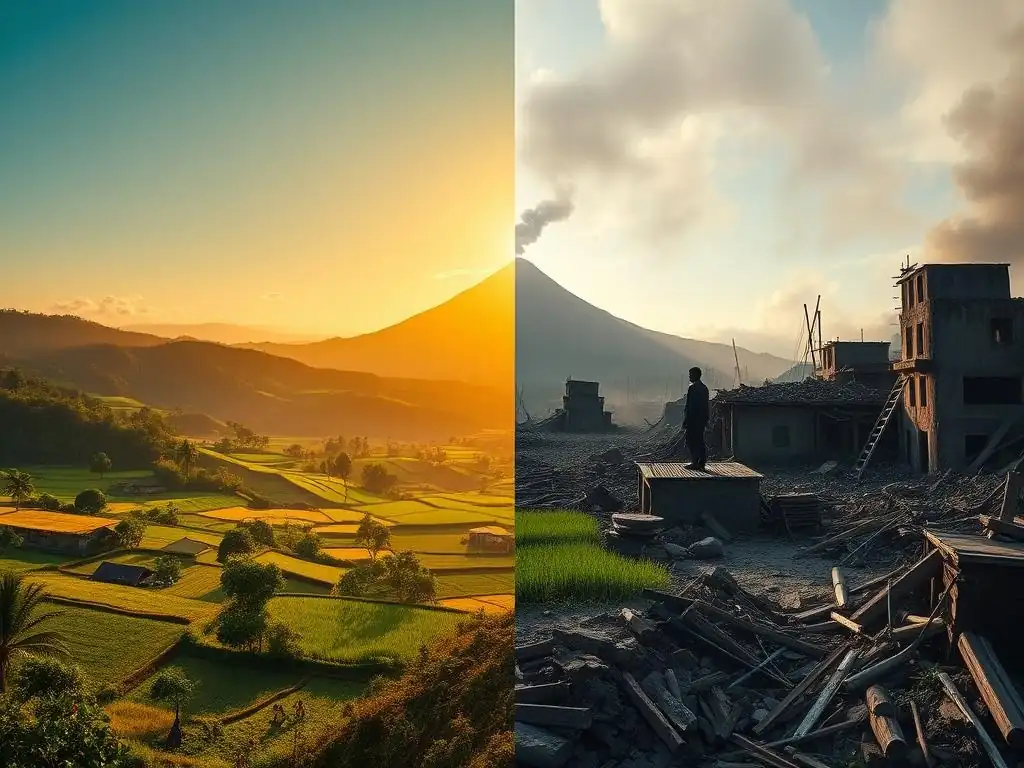
Volcanic eruptions unleash a range of immediate hazards that can have devastating consequences for human societies. These direct impacts include pyroclastic flows, ashfall, and lahars, each posing distinct threats to life, infrastructure, and livelihoods. Understanding these immediate consequences is crucial for effective disaster preparedness and mitigation.
Pyroclastic Flows and Their Devastating Impact
Pyroclastic flows are among the most lethal volcanic hazards. These are scorching hot avalanches of gas, ash, and volcanic rock fragments that can travel at speeds exceeding 700 kilometers per hour (over 430 mph). Temperatures within pyroclastic flows can reach up to 1,000 degrees Celsius (1,832 degrees Fahrenheit), incinerating everything in their path.
The sheer speed and heat of these flows leave virtually no time for escape, making them incredibly dangerous. The 1902 eruption of Mount Pelée on the Caribbean island of Martinique serves as a stark reminder of the destructive power of pyroclastic flows. A pyroclastic flow completely destroyed the city of Saint-Pierre, killing an estimated 30,000 people in a matter of minutes, highlighting the catastrophic impact these events can have on densely populated areas.
The impact of pyroclastic flows on society is immediate and total within their path. Buildings are flattened or incinerated, infrastructure is destroyed, and landscapes are scoured bare. The high temperatures ignite fires, further amplifying the devastation. Survivors within the flow's path are rare, and even those outside the immediate zone can be affected by the associated ash clouds and gas emissions. The psychological impact on communities witnessing or experiencing pyroclastic flows is profound, leaving lasting trauma and reshaping the social fabric of affected regions.
Ashfall: Disruption of Infrastructure and Agriculture
Volcanic ash, composed of fine particles of pulverized rock, minerals, and volcanic glass, is another widespread hazard associated with eruptions. While not as immediately lethal as pyroclastic flows, ashfall can disrupt infrastructure, agriculture, and daily life over vast areas. Even relatively thin layers of ash, just a few centimeters thick, can cause significant problems.
The 2010 eruption of Eyjafjallajökull in Iceland, while not particularly large in terms of explosive power, produced an ash cloud that grounded air traffic across Europe for several days, demonstrating the far-reaching disruptive potential of volcanic ash. This event alone cost the global airline industry an estimated \$1.7 billion in lost revenue, illustrating the economic impact of ashfall on interconnected global systems.
The impact of ashfall extends beyond aviation. Heavy ashfall can collapse roofs of buildings, contaminate water supplies, disrupt transportation networks by reducing visibility and making roads slippery, and damage crops and livestock. Ash particles are abrasive and can cause respiratory problems, particularly for vulnerable populations like children and the elderly. Agriculture is particularly susceptible, as ash can smother plants, contaminate grazing lands, and damage agricultural machinery. The long-term effects of ashfall on soil fertility are complex, initially causing damage but eventually contributing to soil enrichment over decades and centuries.
Lahars: Mudflows and Their Threat to Communities
Lahars are volcanic mudflows or debris flows, composed of a mixture of water, volcanic ash, rock debris, and other materials. They are often triggered by heavy rainfall or the melting of snow and ice on volcanic slopes, which mixes with loose volcanic deposits.
Lahars can travel at speeds comparable to fast-flowing rivers, carrying immense amounts of debris and posing a significant threat to communities located in valleys and drainage systems downstream from volcanoes. The 1985 eruption of Nevado del Ruiz in Colombia triggered a lahar that buried the town of Armero, killing an estimated 25,000 people, highlighting the devastating potential of these volcanic mudflows.
The impact of lahars is characterized by their destructive force and ability to transport large volumes of sediment and debris. They can bury entire towns, destroy infrastructure like bridges and roads, and reshape river valleys. Lahars are particularly dangerous because they can occur with little warning, especially during heavy rainfall events in volcanic regions. The flow paths of lahars are often predictable based on topography, but their speed and volume make evacuation challenging. Communities living in lahar-prone areas require robust early warning systems and land-use planning to minimize the risk posed by these hazardous volcanic phenomena.
Long-Term Societal Impacts of Volcanic Eruptions
Beyond the immediate devastation, volcanic eruptions have long-term societal impacts that can reshape landscapes, economies, and even social structures. These long-term effects include changes in land use and settlement patterns, economic repercussions affecting agriculture, tourism, and trade, and public health concerns that can persist for years after an eruption.
Changes in Land Use and Settlement Patterns
Large volcanic eruptions can dramatically alter landscapes, forcing changes in land use and settlement patterns. The deposition of thick ash layers, the creation of new lava flows, and the formation of calderas can render previously habitable areas uninhabitable, at least temporarily. Following the massive eruption of Mount Tambora in Indonesia in 1815, which caused the "Year Without a Summer," widespread crop failures and famine led to significant population displacement and migration across the globe. In the immediate vicinity of the volcano, entire villages were buried or abandoned, and settlement patterns were permanently altered.
However, over longer timescales, volcanic landscapes can become attractive for resettlement. The fertile volcanic soils, as previously mentioned, can support intensive agriculture, drawing populations back to volcanic regions. Geothermal resources associated with volcanic activity can also provide energy and economic opportunities. The development of tourism centered around volcanic landscapes, both for their scenic beauty and geothermal features, can further incentivize settlement in these areas. Thus, volcanic eruptions can trigger both temporary displacement and long-term shifts in land use and settlement, often leading to a complex interplay of risk and opportunity.
Economic Repercussions: Agriculture, Tourism, and Trade
Volcanic eruptions have significant economic repercussions that ripple through various sectors, including agriculture, tourism, and trade. The immediate impact on agriculture can be devastating, with ashfall damaging crops, contaminating livestock, and disrupting planting cycles. However, as volcanic soils mature, they can become highly productive, supporting long-term agricultural prosperity. Regions like the slopes of Mount Etna in Sicily are renowned for their vineyards and orchards, thriving in the nutrient-rich volcanic soils.
Tourism can be both negatively and positively impacted by volcanic activity. In the immediate aftermath of an eruption, tourism typically plummets due to safety concerns and infrastructure damage. However, over time, volcanic landscapes can become major tourist attractions. Volcano National Parks in Hawaii and Iceland draw millions of visitors annually, generating significant revenue for local economies.
Volcanic tourism can create jobs in hospitality, guiding, and related sectors, contributing to economic diversification. Trade can be disrupted by volcanic eruptions, particularly due to ash clouds impacting air travel and shipping routes. The economic costs of volcanic eruptions can be substantial, but they are often followed by periods of economic recovery and even growth in specific sectors, highlighting the complex and dynamic economic impact of volcanoes on society.
Public Health Concerns After Volcanic Events
Volcanic eruptions pose a range of public health concerns that extend beyond the immediate casualties. Ashfall can cause respiratory problems, eye irritation, and skin irritation. Fine ash particles can penetrate deep into the lungs, exacerbating pre-existing respiratory conditions like asthma and bronchitis. Long-term exposure to volcanic ash can potentially lead to silicosis and other lung diseases. The 1980 eruption of Mount St. Helens in the United States resulted in a significant increase in respiratory illnesses in downwind communities in the months following the eruption.
Volcanic gas emissions, including sulfur dioxide, carbon dioxide, and hydrogen sulfide, can also pose health risks. Sulfur dioxide can cause respiratory irritation and acid rain, while carbon dioxide can accumulate in low-lying areas and displace oxygen, creating hazardous conditions. Water contamination is another public health concern after volcanic eruptions, as ash and volcanic chemicals can pollute water sources.
Psychological trauma is a significant long-term health impact, particularly for those who have experienced the loss of loved ones, homes, or livelihoods. Addressing the public health consequences of volcanic eruptions requires comprehensive monitoring, public health interventions, and mental health support for affected communities.
Volcanoes and the Concept of Natural Power: Societal Responses
Adaptation Strategies: Living Near Active Volcanoes
Human societies living near active volcanoes have developed a range of adaptation strategies to mitigate the risks and coexist with these powerful natural forces. These strategies encompass early warning systems, evacuation plans, and volcanic hazard mitigation techniques, reflecting a proactive approach to managing volcanic risk.
Early Warning Systems and Evacuation Plans
Early warning systems are crucial for reducing casualties from volcanic eruptions. Modern volcanology utilizes a variety of monitoring techniques, including seismometers to detect ground tremors, gas sensors to measure volcanic gas emissions, and satellite imagery to track ground deformation and thermal changes. Data from these monitoring networks are used to assess volcanic activity levels and issue timely warnings of impending eruptions.
The Philippine Institute of Volcanology and Seismology (PHIVOLCS) is a leading example of an institution that effectively monitors numerous active volcanoes and provides timely warnings to at-risk communities. Their monitoring and alert system has been instrumental in saving lives during eruptions of volcanoes like Mayon and Taal.
Evacuation plans are essential complements to early warning systems. These plans outline procedures for safely evacuating populations from areas at risk from volcanic hazards. Effective evacuation plans involve clear communication protocols, designated evacuation routes and shelters, and community drills to ensure preparedness. The success of evacuation plans depends on public awareness and participation, as well as the capacity of local authorities to manage large-scale evacuations. Regions with well-established early warning systems and evacuation plans have demonstrably lower casualty rates from volcanic eruptions compared to areas lacking such preparedness measures.
Volcanic Hazard Mitigation Techniques
Beyond early warning and evacuation, various volcanic hazard mitigation techniques aim to reduce the impact of eruptions on communities and infrastructure. Lava diversion barriers, for example, have been used in attempts to redirect lava flows away from populated areas. While not always successful, these barriers can offer some protection in specific situations. Water spraying techniques have been employed to cool and solidify lava flows, slowing their advance and potentially diverting them. Constructing channels and barriers to control the flow paths of lahars is another mitigation strategy, aiming to direct these mudflows away from vulnerable areas.
Land-use planning plays a crucial role in long-term volcanic hazard mitigation. Restricting development in high-risk zones, such as areas prone to pyroclastic flows and lahars, can significantly reduce vulnerability. Building codes can be implemented to ensure structures are more resistant to ashfall and seismic activity associated with volcanoes. Community education and awareness programs are vital for fostering a culture of preparedness and promoting responsible land use in volcanic regions. A combination of these mitigation techniques, tailored to the specific volcanic hazards and local context, is essential for reducing the societal impact of volcanoes.
The Human Cost of Volcanic Disasters: Case Studies
Examining historical and recent volcanic disasters provides valuable insights into the human cost of these events and the lessons learned for improving preparedness and response. Case studies, such as the eruption of Mount Vesuvius in 79 AD and more recent catastrophes, illustrate the diverse social consequences of volcanic eruptions and the challenges of living in volcanic regions.
The Eruption of Mount Vesuvius and its Social Consequences
The eruption of Mount Vesuvius in 79 AD, which buried the Roman cities of Pompeii and Herculaneum, is one of the most iconic volcanic disasters in history. This catastrophic event provides a glimpse into the social consequences of a large-scale eruption in a densely populated area of the ancient world. The sudden and violent eruption caught the inhabitants of Pompeii and Herculaneum largely unprepared, resulting in an estimated death toll of thousands. The eruption preserved Pompeii and Herculaneum under layers of ash and pumice, offering an unparalleled archaeological record of Roman life in the 1st century AD.
The social consequences of the Vesuvius eruption were profound. Beyond the immediate loss of life, the eruption disrupted the economic and social fabric of the region. Agriculture was devastated, trade routes were disrupted, and entire communities were displaced. The eruption likely had a lasting psychological impact on survivors and surrounding populations, shaping perceptions of volcanic risk and the power of nature. Archaeological evidence from Pompeii and Herculaneum provides insights into the social organization, daily life, and vulnerabilities of Roman society at the time of the eruption, highlighting the far-reaching social impact of volcanic disasters.
Lessons Learned from Past Volcanic Catastrophes
Past volcanic catastrophes, from Vesuvius to more recent events like the 1985 Nevado del Ruiz lahar and the 2018 eruption of Fuego volcano in Guatemala, offer crucial lessons for improving volcanic disaster preparedness and response. One key lesson is the importance of effective early warning systems and timely evacuations. In cases where warnings were issued and evacuations were implemented, casualty rates were significantly lower compared to events where communities were caught unprepared. The 1991 eruption of Mount Pinatubo in the Philippines, for instance, demonstrated the effectiveness of early warning and evacuation in saving tens of thousands of lives.
Another crucial lesson is the need for robust community preparedness and education. Communities that are well-informed about volcanic hazards and have practiced evacuation drills are better equipped to respond effectively during an eruption. Investing in infrastructure resilience, such as building codes for ashfall-resistant structures and lahar diversion channels, can also reduce vulnerability. International cooperation and aid play a vital role in supporting affected communities in the aftermath of volcanic disasters, providing resources for relief, recovery, and long-term reconstruction. Learning from past volcanic catastrophes is essential for building more resilient societies and minimizing the human cost of future eruptions.
Volcanic Eruptions and Societal Resilience: Bouncing Back from Disaster
Community Recovery Efforts After Volcanic Events
Societal resilience, the ability of communities to recover and adapt after a disaster, is crucial in the aftermath of volcanic eruptions. Recovery efforts involve rebuilding infrastructure and homes, supporting affected populations, and addressing the psychological trauma associated with volcanic events. Effective community recovery is essential for long-term well-being and minimizing the lasting societal impact of volcanic disasters.
Rebuilding Infrastructure and Homes
Rebuilding infrastructure and homes is a primary focus of recovery efforts after volcanic eruptions. Infrastructure damage can include destruction of roads, bridges, power lines, water systems, and communication networks. Homes can be destroyed by pyroclastic flows, lahars, ashfall-induced roof collapse, and lava flows. Reconstruction efforts require significant financial resources, logistical coordination, and community participation. In the aftermath of the 1991 Mount Pinatubo eruption, international aid and government programs played a crucial role in rebuilding homes and infrastructure in affected communities in the Philippines.
Rebuilding efforts often involve not only restoring what was lost but also improving infrastructure resilience to future volcanic hazards. This can include building stronger structures, relocating settlements away from high-risk zones, and implementing improved land-use planning. Community involvement in the rebuilding process is essential for ensuring that recovery efforts are aligned with local needs and priorities. Sustainable reconstruction aims to not only restore physical infrastructure but also to strengthen social and economic systems, fostering long-term community resilience.
Supporting Affected Populations and Addressing Trauma
Supporting affected populations and addressing psychological trauma are critical components of community recovery after volcanic eruptions. Volcanic disasters can lead to displacement, loss of livelihoods, and the death of loved ones, causing significant psychological distress. Providing immediate humanitarian aid, including food, water, shelter, and medical care, is essential in the immediate aftermath of an eruption. Longer-term support includes financial assistance, job training, and mental health services.
Addressing psychological trauma requires specialized interventions, including counseling, therapy, and community-based support programs. Post-traumatic stress disorder (PTSD) and other mental health issues are common among survivors of volcanic disasters. Cultural sensitivity and community-based approaches are important for effective trauma recovery. Supporting the social and emotional well-being of affected populations is crucial for fostering long-term community resilience and ensuring that individuals and communities can heal and rebuild their lives after volcanic events.
The Role of Government and International Aid in Volcanic Disaster Relief
Governments and international aid organizations play a vital role in volcanic disaster relief and recovery. Governments are responsible for coordinating disaster response efforts, providing emergency services, and allocating resources for recovery and reconstruction. International aid organizations, such as the United Nations, the Red Cross, and various non-governmental organizations (NGOs), provide crucial financial, technical, and logistical support.
Governmental responsibilities include establishing disaster management agencies, developing national disaster preparedness plans, and implementing early warning systems. Governments also play a key role in coordinating evacuations, providing emergency shelter, and distributing aid to affected populations. International aid is often essential for large-scale volcanic disasters that exceed the capacity of national governments to respond effectively.
International aid organizations can provide expertise, resources, and personnel to support relief and recovery efforts. Effective coordination between government agencies, international organizations, and local communities is crucial for maximizing the effectiveness of disaster relief and ensuring that aid reaches those who need it most. Long-term partnerships and capacity building are essential for strengthening societal resilience to future volcanic events.
The Positive Influence of Volcanoes on Human Society: Unexpected Benefits
While volcanoes are often perceived as purely destructive forces, they also offer a range of unexpected benefits to human society. These positive influences include geothermal energy, nutrient-rich volcanic soils, and volcanic tourism, highlighting the complex and multifaceted relationship between humans and volcanoes.
Geothermal Energy: Harnessing Volcanic Power for Sustainable Energy
Geothermal energy, heat from the Earth's interior, is a renewable and sustainable energy source that is often associated with volcanic regions. Volcanic activity brings hot magma closer to the surface, heating groundwater and creating geothermal reservoirs. This geothermal energy can be harnessed to generate electricity and provide direct heating for homes and industries.
Countries like Iceland, located in a highly volcanic region, are global leaders in geothermal energy production. Iceland generates nearly 100% of its electricity and heats over 90% of its homes using geothermal energy, demonstrating the potential of this resource for achieving energy independence and reducing reliance on fossil fuels.
The benefits of geothermal energy are numerous. It is a clean energy source that produces minimal greenhouse gas emissions, contributing to climate change mitigation. Geothermal power plants provide a reliable and consistent energy supply, unlike solar and wind power which are intermittent. Geothermal energy can be used for a variety of applications, including electricity generation, district heating, greenhouse agriculture, and industrial processes. The development of geothermal energy resources in volcanic regions can create economic opportunities, reduce energy costs, and enhance energy security, making it a valuable asset for sustainable development.
Volcanic Soils: Nutrient-Rich Grounds for Agriculture
Volcanic soils, formed from the weathering of volcanic ash and lava, are renowned for their fertility and ability to support productive agriculture. Volcanic ash is rich in essential plant nutrients, including phosphorus, potassium, calcium, magnesium, and trace elements. Over time, volcanic ash weathers and breaks down, releasing these nutrients into the soil, creating fertile growing conditions. Regions with volcanic soils, such as parts of Italy, Indonesia, Japan, and Central America, are often highly productive agricultural areas. The slopes of Mount Etna in Sicily, for example, are famous for their vineyards and citrus orchards, thriving in the fertile volcanic soils.
The fertility of volcanic soils contributes to food security and economic prosperity in volcanic regions. Volcanic soils are particularly well-suited for growing a variety of crops, including fruits, vegetables, grains, and coffee. The high mineral content of volcanic soils can enhance the nutritional value of crops grown in these areas. While the initial deposition of volcanic ash can be disruptive to agriculture, the long-term benefits of volcanic soils for agricultural productivity are significant, making them a valuable natural resource in volcanic regions.
Volcanic Tourism: Economic Opportunities and Educational Experiences
Volcanic landscapes, with their dramatic scenery, geothermal features, and unique ecosystems, are increasingly popular tourist destinations. Volcanic tourism, also known as geotourism or volcano tourism, offers economic opportunities for local communities and provides educational experiences for visitors. Volcano National Parks in Hawaii, Iceland, and other volcanic regions attract millions of tourists annually, generating revenue for local businesses, creating jobs, and supporting conservation efforts.
Volcanic tourism encompasses a range of activities, including volcano hiking, crater viewing, exploring lava caves, visiting geothermal areas, and learning about volcanic processes at visitor centers. Volcanic tourism can contribute to sustainable economic development in volcanic regions, providing alternative livelihoods for communities that may be vulnerable to volcanic hazards.
It also promotes environmental awareness and education, allowing visitors to witness the power and beauty of nature firsthand and learn about the science of volcanology and the importance of living in harmony with natural forces. Responsible volcanic tourism can be a win-win situation, benefiting both local communities and visitors while promoting conservation and education.
Balancing Risk and Reward: The Future of Human Societies Living Near Volcanoes
Sustainable Development in Volcanic Regions
Sustainable development in volcanic regions requires a delicate balance between harnessing the benefits of volcanoes and mitigating the risks they pose. This involves integrating volcanic hazard management into development planning, promoting sustainable land use, and fostering community resilience. Sustainable development aims to ensure that economic and social progress in volcanic regions does not come at the expense of environmental degradation or increased vulnerability to volcanic hazards.
Integrating volcanic hazard management into development planning involves incorporating volcanic risk assessments into land-use zoning, infrastructure development, and building codes. Restricting development in high-risk zones, such as areas prone to pyroclastic flows and lahars, is crucial for minimizing vulnerability. Promoting sustainable land use practices, such as agroforestry and soil conservation, can help to protect volcanic ecosystems and reduce erosion.
Investing in community preparedness and education is essential for fostering a culture of resilience and empowering communities to manage volcanic risk effectively. Sustainable development in volcanic regions requires a long-term perspective, integrating environmental, social, and economic considerations to create resilient and thriving communities.
Understanding and Managing Volcanic Risk
Understanding and managing volcanic risk is paramount for societies living near active volcanoes. Volcanic risk is a function of both volcanic hazard and societal vulnerability. Volcanic hazard refers to the probability of a volcanic eruption of a certain size and type occurring in a given area. Societal vulnerability refers to the susceptibility of human populations, infrastructure, and economic activities to volcanic hazards. Effective volcanic risk management involves reducing both hazard and vulnerability.
Volcanic hazard assessment relies on scientific monitoring, geological studies, and historical eruption records to identify potential volcanic hazards and estimate their probability. Vulnerability assessment involves analyzing population distribution, infrastructure exposure, economic dependencies, and social capacities to cope with volcanic events. Volcanic risk management strategies include early warning systems, evacuation plans, hazard mitigation techniques, land-use planning, building codes, and community preparedness programs. Effective volcanic risk management requires collaboration between scientists, government agencies, local communities, and international organizations, fostering a multi-stakeholder approach to reducing volcanic risk and building safer and more resilient societies.
The Importance of Education and Awareness
Education and awareness are fundamental pillars of volcanic risk reduction and community resilience. Educating the public about volcanic hazards, early warning systems, evacuation procedures, and safety measures is crucial for fostering a culture of preparedness. Awareness campaigns can use various channels, including schools, community meetings, media outlets, and online platforms, to disseminate information and promote risk-reducing behaviors. Community-based education programs, tailored to local contexts and needs, are particularly effective in empowering communities to take ownership of their safety and resilience.
Educational initiatives should target all segments of society, including children, adults, community leaders, and decision-makers. Volcano education can be integrated into school curricula, raising awareness among future generations. Community drills and simulations can provide practical experience in evacuation procedures and emergency response. Public awareness campaigns can use visually compelling materials, such as maps, videos, and infographics, to communicate volcanic risk information effectively. Investing in education and awareness is a cost-effective strategy for reducing volcanic risk and building more resilient communities capable of coexisting safely with volcanoes.
Conclusion: Coexisting with Volcanoes - A Constant State of Preparedness
Coexisting with volcanoes is a constant state of preparedness, requiring ongoing vigilance, adaptation, and community resilience. Volcanoes are dynamic and unpredictable natural forces that pose both challenges and opportunities for human societies. While volcanic eruptions can be devastating, they also contribute to the long-term fertility of soils, provide geothermal energy resources, and create unique landscapes that attract tourism. The key to successful coexistence lies in understanding volcanic hazards, managing volcanic risk effectively, and building resilient communities capable of bouncing back from volcanic disasters.
The future of human societies living near volcanoes depends on continuous scientific monitoring, robust early warning systems, effective land-use planning, and community preparedness programs. Investing in education and awareness is essential for fostering a culture of safety and promoting responsible development in volcanic regions. International cooperation and knowledge sharing are crucial for advancing volcanic risk reduction efforts globally. By embracing a proactive and adaptive approach, human societies can learn to coexist with volcanoes, harnessing their benefits while minimizing the risks and building a more sustainable and resilient future in these dynamic and powerful landscapes.
Frequently Asked Questions
What are the primary ways volcanoes impact human societies?
Volcanoes impact societies through both destructive and constructive means. Destructive impacts include loss of life and property from eruptions, while constructive impacts involve creating fertile soils and geothermal energy sources.
How do volcanologists help mitigate the negative impacts of volcanoes on society?
Volcanologists monitor volcanic activity to provide early warning systems for potential eruptions. This allows for evacuation plans to be put in place, reducing casualties and damage.
What are some examples of how volcanoes have shaped the cultural and economic landscape of societies?
Volcanic landscapes attract tourism, boosting local economies. Certain cultures have incorporated volcanoes into their mythology and religious beliefs, reflecting their deep connection to the land.
How does the impact of a volcanic eruption differ between developed and developing societies?
Developed societies often have better infrastructure and resources for disaster relief and recovery, minimizing long-term impacts. Developing societies may face greater challenges in rebuilding and managing the aftermath.
Besides immediate destruction, what are some long-term impacts of volcanic eruptions on society and the environment?
Long-term impacts can include changes in agricultural practices due to altered soil composition, shifts in population distribution, and altered climate patterns due to atmospheric ash.
Final Reflection: Embracing the Volcanic Dance
The exploration of the delicate interplay between human societies and volcanic forces underscores a critical truth: our existence is inextricably linked to the Earth's dynamic processes. From shaping landscapes to influencing climate and even dictating the course of civilizations, volcanoes have consistently demonstrated their profound impact, a reality that continues to resonate in our increasingly interconnected world.
The lessons gleaned from history and scientific understanding highlight the need for a deeper respect and preparedness in the face of volcanic activity. Understanding this relationship is not merely an academic exercise; it's a matter of survival and resilience for communities living in volcanic regions. We cannot conquer nature, but we can understand it and cooperate with it.
This quote, though simple, encapsulates the essence of our challenge: to learn to coexist with the powerful forces that shape our planet.
As you reflect on the insights shared in this article, consider your own connection to the Earth's natural rhythms. How can you contribute to a future where human societies are better equipped to navigate the challenges and opportunities presented by volcanic landscapes? Let us strive to foster a culture of awareness, preparedness, and respect, ensuring that the fragile balance between humanity and the force of volcanic nature is maintained for generations to come.
Dive Deeper: Unearth Your Inner Volcano Enthusiast!
Thanks for exploring the fascinating intersection of human societies and volcanic forces with us! We hope this article has sparked your curiosity about the delicate balance we share with these powerful natural phenomena. Now, it's time to translate that knowledge into action!
- Embark on a virtual exploration of global volcanic landscapes using online resources like Google Earth and volcano observatories. Experience the scale and diversity of volcanic regions from the comfort of your home!
- Consider adopting a volcano! Many volcano observatories have citizen science initiatives where you can contribute to data collection and monitoring efforts from afar.
- Share this article with your friends and family to spread awareness about the crucial role volcanoes play in shaping our world.
What small but significant change will you make in your daily life to better appreciate the power and fragility of our planet? Let us know in the comments below!