
Silent Killers: Understanding and Avoiding Volcano Gas Poisoning

Welcome to Volcano Explorers!
Ever wondered what lurks beyond the mesmerizing glow of molten rock? While capturing that perfect volcanic landscape, are you aware of the invisible danger simmering just beneath the surface? Our latest article, Silent Killers: Understanding and Avoiding Volcano Gas Poisoning, unveils crucial volcano gas poisoning safety tips that could save your life. Don't let beauty blind you to the hidden threats – discover how to stay safe while chasing the thrill of volcanic exploration and learn how to identify and respond to this silent threat before it's too late. Are you prepared to breathe easy and explore responsibly?
- Volcano Gas Hazards: Safety and Prevention for Visitors and Researchers
- Understanding Volcano Gas Risks
- Common Volcanic Gases and Their Health Effects
- Recognizing Symptoms of Gas Exposure
-
Safety Measures Around Volcanic Areas
- Monitoring Volcanic Activity and Gas Levels
- Selecting Safe Locations Based on Topography and Ventilation
- Understanding Wind Direction and Avoiding Downwind Areas
- Using Personal Gas Detectors and Monitoring Devices
- Respiratory Protection: Choosing and Maintaining Respirators
- First Aid Procedures for Gas Exposure
- Planning and Preparation for Volcanic Environments
- Lessons Learned from Past Volcanic Gas Incidents
- Conclusion: Prioritizing Safety in Volcanic Environments
-
Frequently Asked Questions
- What are the most common volcanic gases that pose a risk of poisoning?
- What are the early warning signs of volcano gas poisoning?
- What are some crucial volcano gas poisoning safety tips for people living near active volcanoes?
- What equipment can help protect against volcano gas poisoning?
- How does wind direction affect the risk of volcano gas poisoning?
- Final Reflection: Breathing Easier in the Shadow of Giants
- Unleash Your Inner Explorer: Are You Prepared?
Volcano Gas Hazards: Safety and Prevention for Visitors and Researchers
Understanding Volcano Gas Risks
Why Volcano Gases are Dangerous
Volcanic gases pose a significant threat due to their varied compositions and toxic properties. Released from magma beneath the surface, these gases are a complex mixture that can include sulfur dioxide, carbon dioxide, hydrogen sulfide, hydrogen halides, and more. The danger stems from their ability to displace breathable air, causing asphyxiation, as well as their corrosive and poisonous nature, which can lead to severe respiratory and neurological damage.
Furthermore, some volcanic gases are odorless and colorless, making them undetectable to human senses and increasing the risk of sudden and unexpected exposure. The concentration of these gases can fluctuate rapidly depending on volcanic activity, weather conditions, and topography, creating unpredictable and hazardous environments even for experienced individuals.
Volcanic gas hazards are not limited to active eruptions. In fact, significant dangers exist even during periods of quiescence. Fumaroles, vents releasing volcanic gases, are common in volcanic areas and can emit harmful gases continuously. These emissions can accumulate in low-lying areas or be carried by wind, affecting areas far from the immediate volcanic vent. The long-term exposure to even low concentrations of certain gases can also have cumulative health effects. Therefore, understanding the nature of volcanic gases and their potential dangers is crucial for anyone venturing into volcanic regions, regardless of the apparent level of volcanic activity.
Populations Vulnerable to Gas Exposure
While anyone can be affected by volcano gas poisoning, certain populations are particularly vulnerable. Individuals with pre-existing respiratory conditions, such as asthma or bronchitis, are at increased risk of experiencing severe reactions to irritant gases like sulfur dioxide. Children, with their higher respiratory rate and still-developing systems, are also more susceptible to the harmful effects of gas inhalation.
The elderly, who may have compromised cardiovascular or respiratory function, are another vulnerable group. Furthermore, pregnant women and individuals with cardiovascular diseases need to be especially cautious, as gas exposure can exacerbate existing conditions and pose risks to both mother and child.
Beyond physiological vulnerabilities, certain communities living near active volcanoes are inherently more exposed to the risks of volcano gas poisoning. Populations residing in volcanic valleys or areas prone to gas accumulation face chronic, low-level exposure and are at greater risk during sudden increases in gas emissions. Farmers and agricultural workers in volcanic regions may also experience impacts on their livelihoods and health due to gas-induced damage to crops and livestock, and through direct exposure during outdoor work. Understanding these vulnerabilities is critical for developing targeted safety measures and public health strategies in volcanic regions.
Specific Risks for Researchers and Photographers
Researchers and photographers who venture close to volcanic vents and fumaroles face heightened risks of volcano gas poisoning due to the nature of their activities. These professionals often need to approach areas of concentrated gas emissions to collect samples, deploy instruments, or capture compelling images. This proximity significantly increases their exposure to high concentrations of hazardous gases. Furthermore, the demanding physical activities associated with fieldwork, such as hiking to remote locations or setting up equipment, can increase respiratory rate and volume, leading to greater inhalation of gases.
The extended periods spent in volcanic environments also contribute to the elevated risk for researchers and photographers. Unlike casual visitors, they may spend hours or even days in areas with persistent gas emissions, accumulating exposure over time.
The focus on their work can also lead to a lapse in vigilance regarding gas hazards, as individuals become engrossed in their tasks and may ignore early warning signs of gas exposure. The need to carry heavy equipment, coupled with the challenging terrain often found in volcanic areas, can further impede quick evacuation in case of increased gas release, making preparedness and safety protocols paramount for these groups.
Common Volcanic Gases and Their Health Effects
Sulfur Dioxide (SO2): Respiratory Irritation and Acid Rain
Sulfur dioxide (SO2) is a pungent, colorless gas, although at high concentrations it can appear yellowish and has a sharp, irritating odor like burnt matches. It is one of the most common volcanic gases and poses significant health risks, primarily as a respiratory irritant. Even at relatively low concentrations, SO2 can cause irritation of the eyes, nose, throat, and lungs.
Exposure can trigger coughing, wheezing, shortness of breath, and a tightening of the chest. Individuals with asthma are particularly susceptible to SO2, and exposure can induce severe asthma attacks. Prolonged or high-level exposure can lead to more serious respiratory problems, including bronchitis and pulmonary edema.
Beyond direct health impacts, SO2 also contributes to environmental hazards. When released into the atmosphere, it reacts with water vapor and other atmospheric components to form sulfuric acid, a major component of acid rain and volcanic smog (vog). Acid rain can damage vegetation, acidify lakes and streams, and corrode buildings and infrastructure. Vog can reduce visibility, impacting air quality and contributing to respiratory issues in downwind communities. For example, during the 1986 Lake Nyos disaster in Cameroon, while carbon dioxide was the primary killer, SO2 released along with it contributed to respiratory distress among survivors.
Carbon Dioxide (CO2): Asphyxiation and Ground-Level Accumulation
Carbon dioxide (CO2) is a colorless and odorless gas, making it particularly insidious. While it is a natural component of the atmosphere, volcanic emissions can release it in dangerously high concentrations. The primary hazard of CO2 is asphyxiation. Being heavier than air, CO2 can accumulate in low-lying areas such as valleys, depressions, and poorly ventilated spaces near volcanoes, displacing oxygen. When CO2 concentrations in the air become elevated, breathing becomes difficult, leading to rapid breathing, headache, dizziness, confusion, and eventually loss of consciousness and death. At very high concentrations, unconsciousness and death can occur within minutes.
A stark example of CO2's deadly potential is the Lake Nyos disaster in Cameroon. In 1986, a massive release of CO2 from the lake suffocated over 1,700 people and thousands of animals in the surrounding villages. The CO2, which had built up in the deep, stratified layers of the lake, suddenly degassed, forming a dense cloud that flowed down valleys, displacing the air. This tragic event highlighted the silent and lethal nature of CO2 and the importance of understanding its accumulation patterns in volcanic regions, particularly in areas with lakes or depressions.
Hydrogen Sulfide (H2S): Toxicity and Olfactory Fatigue
Hydrogen sulfide (H2S) is a colorless gas known for its characteristic rotten egg smell, even at very low concentrations. However, this odor can be misleadingly unreliable as a warning sign. At higher concentrations, H2S causes olfactory fatigue, meaning the sense of smell becomes desensitized, and the smell disappears. This olfactory fatigue is extremely dangerous because individuals may believe the gas is dissipating when, in fact, concentrations are increasing to lethal levels.
H2S is highly toxic and affects the nervous system. Exposure to low concentrations can cause eye and respiratory irritation, similar to SO2. However, at higher concentrations, H2S can rapidly lead to more severe symptoms, including nausea, vomiting, headache, dizziness, and disorientation. Very high concentrations can cause rapid loss of consciousness, respiratory paralysis, and death. Because of olfactory fatigue, individuals can quickly transition from smelling the gas to being overwhelmed by it without realizing the increasing danger. This makes H2S a particularly treacherous volcanic gas, demanding the use of reliable gas detectors rather than relying on smell for warning.
Other Gases: Hydrogen Halides, Radon, and Mercury
Besides SO2, CO2, and H2S, volcanoes release a variety of other gases, some of which pose significant health hazards. Hydrogen halides, such as hydrogen fluoride (HF) and hydrogen chloride (HCl), are highly corrosive and irritating to the respiratory tract, eyes, and skin. HF is particularly dangerous as it can penetrate deep into tissues and cause severe burns that may not be immediately apparent. HCl contributes to acid rain and vog, further exacerbating respiratory problems and environmental damage.
Radon is a radioactive, odorless, and colorless gas that is a product of uranium decay in volcanic rocks. Long-term exposure to radon increases the risk of lung cancer. Radon can accumulate in enclosed spaces like caves or buildings near volcanic areas. Mercury vapor is another hazardous volcanic gas.
Chronic exposure to mercury can cause neurological damage and kidney problems. Volcanic mercury emissions can also contaminate water sources and ecosystems. While these other gases may be present in lower concentrations than SO2, CO2, and H2S, their specific toxicities and long-term health effects make them important considerations in volcanic gas hazard assessments.
Recognizing Symptoms of Gas Exposure
Mild Exposure Symptoms: Irritation and Discomfort
Recognizing the early symptoms of volcano gas exposure is crucial for taking timely action and preventing more severe health consequences. Mild exposure to irritant gases like sulfur dioxide (SO2) and hydrogen sulfide (H2S) often manifests as irritation of the eyes, nose, and throat. Symptoms may include burning or stinging sensations in the eyes, a runny nose, sore throat, coughing, and wheezing. Headache, dizziness, and nausea can also occur, particularly with exposure to carbon dioxide (CO2) or hydrogen sulfide. A feeling of tightness in the chest or shortness of breath may indicate respiratory irritation and reduced lung function.
It is important to note that these initial symptoms can be subtle and easily dismissed as minor discomfort, especially in challenging outdoor environments. However, in volcanic areas, these symptoms should be considered potential warning signs of gas exposure. If experiencing any of these symptoms, it is crucial to move away from the suspected gas source, increase ventilation, and monitor for worsening conditions. Ignoring mild symptoms can lead to more severe exposure and health complications.
Severe Exposure Symptoms: Immediate Medical Attention Required
Severe volcano gas exposure can rapidly lead to life-threatening conditions requiring immediate medical attention. Symptoms of severe exposure include severe shortness of breath or gasping for air, indicating significant respiratory distress. Loss of consciousness or fainting is a critical sign, particularly with exposure to high concentrations of carbon dioxide or hydrogen sulfide, signaling potential asphyxiation or neurological toxicity. Seizures or convulsions are also serious neurological symptoms requiring urgent medical intervention. Severe chest pain, persistent coughing up blood, or signs of pulmonary edema (fluid in the lungs) are indicators of serious lung damage.
In cases of severe exposure, it is vital to administer first aid immediately and seek professional medical help as quickly as possible. Evacuation from the gas-contaminated area is paramount. Providing supplemental oxygen, if available and if trained to do so, can be life-saving. Even if initial symptoms seem to improve, individuals who have experienced severe gas exposure should be evaluated by medical professionals to assess for potential long-term health effects and receive appropriate treatment. Prompt recognition of severe symptoms and rapid response are essential for improving outcomes in volcano gas poisoning incidents.
Safety Measures Around Volcanic Areas
Monitoring Volcanic Activity and Gas Levels
Effective safety around volcanic areas begins with diligent monitoring of volcanic activity and gas levels. Volcanic activity can change rapidly, leading to sudden increases in gas emissions. Volcano observatories and monitoring agencies provide crucial information on current volcanic alert levels, gas emission trends, and potential hazards. Before venturing into a volcanic area, it is essential to check for the latest volcanic activity reports and heed any warnings or advisories issued by authorities. Websites like the Smithsonian Institution's Global Volcanism Program and local volcano observatory websites offer up-to-date information.
Real-time gas monitoring data, when available, provides an even more immediate assessment of gas hazards. Some volcanic areas are equipped with sensors that continuously measure the concentrations of key volcanic gases like SO2, CO2, and H2S. This data can be invaluable for researchers, photographers, and visitors to make informed decisions about safety. Understanding current gas levels and trends allows for adjustments to plans, such as choosing safer locations or postponing activities if gas concentrations are elevated. Relying on up-to-date monitoring information is a fundamental aspect of volcano gas poisoning safety tips.
Selecting Safe Locations Based on Topography and Ventilation
Topography and ventilation play a crucial role in determining safe locations within volcanic areas. Volcanic gases, particularly CO2 and H2S, are denser than air and tend to accumulate in low-lying areas, valleys, and depressions. Therefore, avoiding these topographic features is a key safety strategy. Higher elevations and well-ventilated areas are generally safer as they allow for better dispersion of gases. Ridges, slopes exposed to wind, and open areas away from valleys are preferable locations.
Natural ventilation is critical for dispersing volcanic gases. Wind direction and strength significantly influence gas dispersal patterns. Areas that are naturally well-ventilated by prevailing winds are generally safer than sheltered locations where gases can stagnate. Conversely, during periods of calm wind, gas accumulation can occur even in areas that are normally well-ventilated. Observing local wind patterns and choosing locations that maximize natural ventilation are important considerations for minimizing gas exposure risk. Understanding how topography and ventilation interact to influence gas accumulation is vital for selecting safe locations in volcanic environments.
Understanding Wind Direction and Avoiding Downwind Areas
Wind direction is a primary factor in determining the dispersal and potential reach of volcanic gases. Volcanic plumes and gas clouds are carried downwind from the source. Therefore, staying upwind of volcanic vents, fumaroles, and areas of active degassing is a fundamental safety precaution. Before approaching a volcanic area, determine the prevailing wind direction. Wind direction can change rapidly, so continuous monitoring is essential, especially in dynamic volcanic environments. Simple methods like observing smoke plumes or using a windsock can provide real-time wind direction information.
Avoiding downwind areas significantly reduces the risk of encountering high concentrations of volcanic gases. Downwind locations are where gases will be most concentrated and pose the greatest hazard. Conversely, upwind locations offer a relative zone of safety. However, even in upwind areas, it is important to be aware that wind shifts can occur, and gas plumes can sometimes be unpredictable. Maintaining situational awareness of wind direction and being prepared to move to an upwind location if necessary are crucial components of volcano gas poisoning safety tips.
Using Personal Gas Detectors and Monitoring Devices
Personal gas detectors are essential safety equipment for anyone venturing into volcanic areas, particularly researchers, photographers, and individuals working or spending extended time in these environments. These devices provide real-time monitoring of specific volcanic gases, such as SO2, CO2, and H2S, alerting users to dangerous concentrations. Gas detectors are available in various forms, from single-gas detectors focusing on a specific hazard like H2S, to multi-gas detectors capable of monitoring several gases simultaneously.
Choosing the right gas detector depends on the specific volcanic gas hazards present in the area and the user's needs. Detectors should be properly calibrated and maintained to ensure accuracy. Users must be thoroughly trained on how to operate and interpret the readings of their gas detectors. Gas detectors provide an invaluable early warning system, allowing individuals to evacuate or take protective measures before gas concentrations reach dangerous levels. Relying on personal gas detectors is a critical safety measure, especially when olfactory fatigue can render the sense of smell unreliable for detecting hazardous gases like H2S.
Respiratory Protection: Choosing and Maintaining Respirators
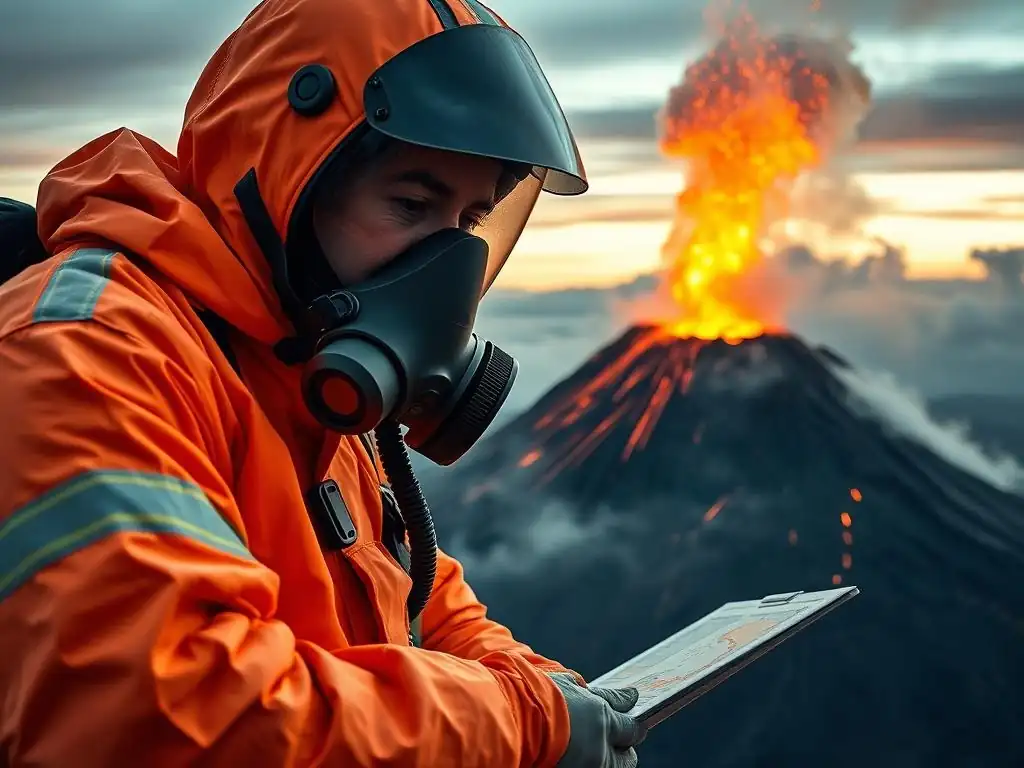
Respiratory protection is a vital component of personal protective equipment (PPE) in volcanic environments where gas hazards are present. Respirators, specifically those designed to filter out volcanic gases, can significantly reduce inhalation exposure. For volcanic gas protection, respirators with acid gas cartridges are typically recommended for gases like SO2 and H2S. Self-contained breathing apparatus (SCBA) provide the highest level of protection by supplying independent breathable air, but are typically used only in highly hazardous situations by trained professionals.
Selecting the appropriate respirator requires understanding the specific gas hazards and the level of protection needed. Proper fit is crucial for respirator effectiveness; a poorly fitting respirator will not provide adequate protection. Respirator fit testing is recommended to ensure a proper seal. Regular maintenance, including cartridge replacement and cleaning, is essential to maintain respirator functionality. Users must be trained on how to properly don, doff, use, and maintain their respirators. Respirators are a crucial line of defense against volcano gas poisoning when used correctly and as part of a comprehensive safety plan.
First Aid Procedures for Gas Exposure
Knowing basic first aid procedures for volcano gas exposure is essential for anyone in volcanic areas. The immediate priority is to remove the affected individual from the gas-contaminated environment to fresh air. If the person is conscious and breathing, encourage them to breathe deeply and slowly in fresh air. Loosen any tight clothing and ensure they are in a comfortable position. Monitor their breathing and consciousness level.
If the person is unconscious or not breathing, immediately initiate rescue breathing or CPR if trained. Administer supplemental oxygen if available and if trained to do so. Seek immediate medical attention. Even if the person appears to recover quickly, medical evaluation is crucial to assess for potential delayed effects and complications, particularly from gases like hydrogen sulfide or hydrogen fluoride. Knowing these basic first aid steps and acting quickly can significantly improve the outcome in volcano gas poisoning incidents.
Planning and Preparation for Volcanic Environments
Researching Specific Volcano Hazards and Gas Composition
Thorough planning and preparation are paramount for safe exploration in volcanic environments. A critical first step is to research the specific volcano being visited. Different volcanoes emit varying compositions and concentrations of gases. Some volcanoes may be predominantly CO2 emitters, while others may release higher concentrations of SO2 or H2S. Understanding the typical gas composition and emission patterns of a specific volcano is essential for tailoring safety measures. Information can be obtained from volcano observatories, geological surveys, and scientific publications.
Research should also include the history of gas-related incidents at the volcano. Knowing if there have been past cases of volcano gas poisoning, including the types of gases involved and the circumstances, can provide valuable insights into potential hazards and risks. Understanding the local topography, prevailing wind patterns, and potential areas of gas accumulation for the specific volcano is also crucial for planning safe routes and activities. This detailed research forms the foundation for informed decision-making and effective risk mitigation in volcanic environments.
Maintaining Physical Fitness for Strenuous Activity
Physical fitness is an often-underestimated but crucial aspect of safety in volcanic environments. Volcanic terrains are often rugged, requiring hiking, climbing, and navigating uneven surfaces. Being physically fit enhances mobility and reduces the risk of accidents, such as falls, which can be particularly dangerous in gas-hazardous areas. Furthermore, strenuous activity increases respiratory rate and volume, which can lead to greater inhalation of volcanic gases. However, good physical condition can improve respiratory efficiency and overall resilience to the effects of gas exposure.
Maintaining a good level of cardiovascular fitness and muscular strength is beneficial. Regular exercise and acclimatization to altitude, if applicable, are recommended before undertaking activities in volcanic areas. Being physically prepared allows for quicker responses in emergency situations, such as rapid evacuation if gas levels suddenly increase. It also helps to reduce fatigue, which can impair judgment and increase the likelihood of errors in safety procedures. Physical fitness is an integral part of overall preparedness for volcanic environments.
Traveling in Groups and Implementing a Buddy System
Traveling in groups and implementing a buddy system are fundamental safety practices in volcanic areas. Never explore volcanic areas alone. Traveling with a group ensures that there are others to assist in case of emergency, such as gas exposure, injury, or disorientation. A buddy system, where individuals are paired and responsible for each other's safety, further enhances group safety. Buddies should maintain visual contact, communicate regularly, and be aware of each other's condition.
In case of gas exposure or other emergencies, a group can provide immediate assistance, administer first aid, and facilitate evacuation. Groups can also share equipment, such as gas detectors and first aid kits, and collectively monitor for hazards. Planning routes and activities as a group allows for diverse perspectives and shared decision-making, improving overall safety. The presence of others provides psychological support and reduces the risk of panic in stressful situations. Traveling in groups and utilizing a buddy system are essential for promoting safety and mutual support in volcanic environments.
Developing Emergency Plans and Carrying Essential Supplies
Developing comprehensive emergency plans and carrying essential supplies are critical components of preparedness for volcanic environments. Emergency plans should outline procedures for responding to various scenarios, including volcano gas exposure, sudden increases in volcanic activity, injuries, and getting lost. Plans should include evacuation routes, communication protocols, contact information for emergency services, and designated meeting points. Everyone in the group should be familiar with the emergency plan.
Essential supplies to carry include a well-stocked first aid kit, personal gas detectors, respirators, extra batteries for devices, a map and compass or GPS, a communication device (satellite phone or two-way radio in areas with limited cell service), sufficient water and food, extra clothing layers for changing weather conditions, a flashlight or headlamp, and a whistle for signaling. Carrying these supplies ensures self-sufficiency in case of unforeseen events and enhances the group's ability to respond effectively to emergencies.
Regularly reviewing and practicing emergency plans and ensuring all essential supplies are readily available are vital for safe exploration in volcanic areas.
Lessons Learned from Past Volcanic Gas Incidents
Past volcanic gas incidents offer invaluable lessons for improving safety practices and preventing future tragedies. The Lake Nyos disaster in Cameroon highlighted the deadly potential of CO2 and the importance of understanding gas accumulation in lakes and low-lying areas. This event prompted the development of degassing techniques for Lake Nyos and other similar lakes worldwide, significantly reducing the CO2 hazard. The Mammoth Mountain CO2 incidents in California demonstrated the risks of ground-level CO2 accumulation and the need for monitoring and ventilation measures in areas with diffuse degassing.
Industrial accidents involving gases like H2S have emphasized the dangers of olfactory fatigue and the necessity of using gas detectors rather than relying on smell as a warning. Volcanic eruptions, such as those at Mount Pinatubo in the Philippines and Kilauea in Hawaii, have shown the widespread impact of SO2 and vog on respiratory health and agriculture, underscoring the need for public health preparedness and monitoring networks. Analyzing these past incidents, understanding the contributing factors, and disseminating lessons learned are crucial for enhancing volcano gas poisoning safety tips and mitigating risks in volcanic regions globally.
Conclusion: Prioritizing Safety in Volcanic Environments
Volcanic environments, while breathtakingly beautiful and scientifically fascinating, present inherent gas hazards that demand respect and meticulous safety precautions. Understanding the risks associated with volcano gas poisoning, from the asphyxiating potential of carbon dioxide to the corrosive effects of sulfur dioxide and the insidious nature of hydrogen sulfide, is the first step towards ensuring safety. Implementing comprehensive safety measures, including diligent monitoring of volcanic activity and gas levels, selecting safe locations based on topography and wind direction, utilizing personal gas detectors and respirators, and being prepared with emergency plans and essential supplies, are not merely recommendations but necessities.
Prioritizing safety in volcanic environments is not just about personal protection; it is also about responsible exploration and sustainable coexistence with these powerful natural forces. By learning from past incidents, continuously improving safety protocols, and fostering a culture of preparedness, we can minimize the risks associated with volcano gas hazards and allow researchers, photographers, and visitors to safely explore and appreciate the wonders of the volcanic world. Remember, volcano gas poisoning safety tips are not just guidelines; they are a lifeline in potentially hazardous environments.
Frequently Asked Questions
What are the most common volcanic gases that pose a risk of poisoning?
The most common dangerous volcanic gases include sulfur dioxide (SO2), carbon dioxide (CO2), and hydrogen sulfide (H2S). These can cause respiratory problems and even death.
What are the early warning signs of volcano gas poisoning?
Early signs can include eye and throat irritation, coughing, headaches, and dizziness. Pay attention to any unusual smells or changes in air quality.
What are some crucial volcano gas poisoning safety tips for people living near active volcanoes?
Stay informed about volcanic activity updates and evacuation plans. Avoid low-lying areas where gases can accumulate, and always be aware of wind direction.
What equipment can help protect against volcano gas poisoning?
A gas mask or respirator with appropriate filters can provide protection against certain volcanic gases. Also, consider carrying a portable gas detector for real-time monitoring.
How does wind direction affect the risk of volcano gas poisoning?
Wind carries volcanic gases downwind from the vent, so stay upwind of the volcano. Understanding prevailing wind patterns is crucial for avoiding dangerous gas plumes.
Final Reflection: Breathing Easier in the Shadow of Giants
The information presented throughout this article underscores a critical truth: volcanic gas poisoning remains a very real and present danger for those living near or venturing into volcanic regions. While the allure of these geological wonders is undeniable, understanding and implementing volcano gas poisoning safety tips is paramount to ensuring personal safety and the well-being of communities at risk. The potential for invisible, odorless gases to cause serious harm demands constant vigilance and proactive measures.
The impact of volcanic gas exposure extends far beyond individual incidents, shaping the cultural and social landscape of affected areas. The persistent threat necessitates community-wide education and preparedness, fostering a culture of safety and resilience. This is not merely about avoiding tragedy; it's about empowering individuals to coexist safely with the natural world. Nature, to be commanded, must be obeyed.
- Francis Bacon. This quote reminds us that respecting the power of nature, including the dangers it presents, is the key to our own survival and prosperity.
Now, armed with this knowledge, consider your own role in promoting volcano gas poisoning safety. Whether you live near a volcano, plan to visit one, or simply wish to be an informed citizen, take the time to share these safety tips with others. Let us all strive to be proactive, informed, and respectful of the power of nature, ensuring that future generations can explore these magnificent landscapes without succumbing to the silent threat they conceal.
Unleash Your Inner Explorer: Are You Prepared?
Thank you for joining us on this crucial exploration of volcano gas poisoning. Now that you’re equipped with this vital knowledge, let’s ensure you’re ready to explore safely and responsibly. It's time to put learning into action!
Here are a few steps you can take right now:
- Prioritize Safety: Before your next volcanic adventure, rigorously review and update your personal safety checklist, ensuring you have the right gas detection equipment and a clear emergency plan.
- Share the Knowledge:Forward this article to fellow volcano enthusiasts and promote awareness about the silent dangers of volcanic gases. Safety in numbers, and informed adventurers are the safest!
- Join the Conversation:Visit our forums to share your experiences and discuss gas monitoring strategies with other members of Volcano Explorers. Your insights could save a life!
What simple, yet crucial, piece of gas detection equipment do you consider indispensable for your own volcanic explorations, and why? We'd love to hear your thoughts in the comments below!