
The Sounds of Lava Domes: Rumbling, Cracking, and Explosive Noises

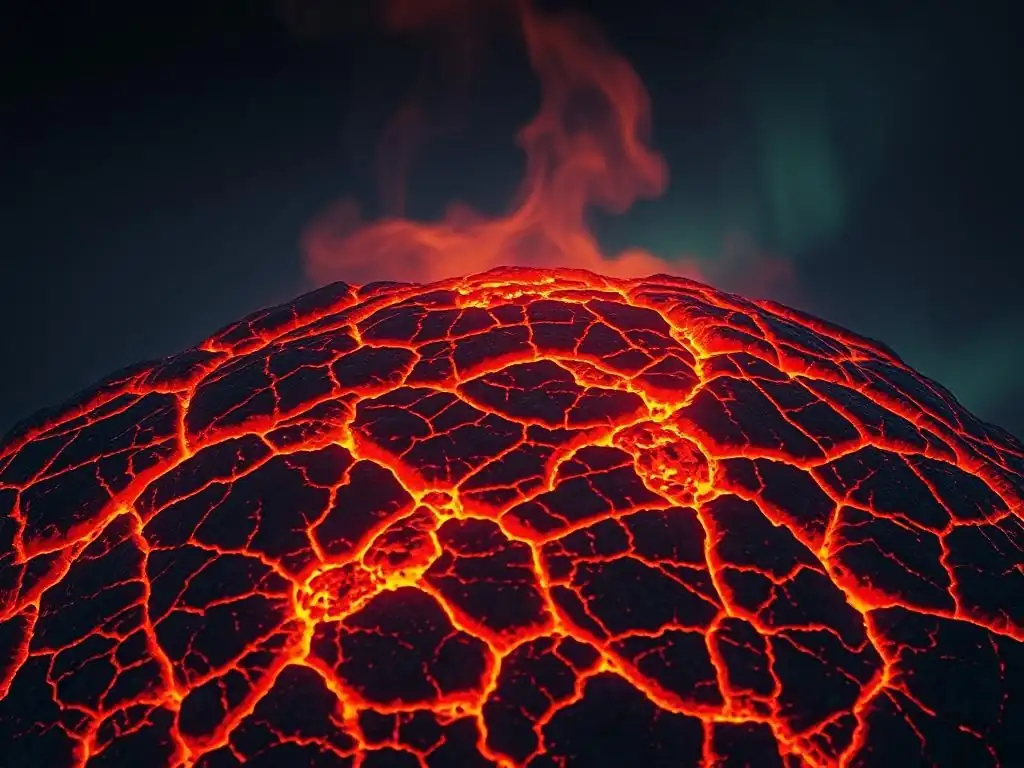
Welcome to Volcano Explorers, where the Earth whispers its fiery secrets! Ever wondered what a volcano really sounds like? Beyond the cinematic roar, there's a hidden language in the heart of an eruption. Dive into our exploration of sounds of lava domes and discover the rumbling, cracking, and explosive noises that reveal the inner workings of these geological giants. Can you hear the Earth breathing? Keep reading to find out...
- Understanding Lava Dome Sounds: An Introduction for Volcano Explorers
- What are Lava Domes and Why Do They Make Noise?
- Types of Sounds Emitted by Lava Domes
- Identifying and Interpreting Lava Dome Audio Signals
- Case Studies: Listening to Specific Lava Domes
- What Can Lava Dome Sounds Tell Us About Volcanic Activity?
- The Importance of Acoustic Monitoring in Volcano Research
- Safety Considerations Near Lava Domes: Understanding the Warning Signs
- Conclusion: The Symphony of Lava Domes – A Window into Volcanic Processes
- Frequently Asked Questions
- Final Reflection: Echoes of Earth's Fury
- Unleash Your Inner Volcanologist!
Understanding Lava Dome Sounds: An Introduction for Volcano Explorers
Lava domes, those bulbous mounds of viscous lava that slowly ooze and solidify on volcano flanks or within calderas, are not silent giants. They are dynamic geological features that constantly emit a range of sounds, from deep rumbles to sharp cracks and even explosive booms. These sounds are not merely background noise; they are voices of the volcano, offering valuable insights into the processes occurring within and beneath these fascinating structures.
For volcano explorers and scientists alike, understanding and interpreting the sounds of lava domes is crucial for monitoring volcanic activity, assessing hazards, and unraveling the complex mechanics of dome growth and potential collapse. This article will delve into the fascinating world of lava dome acoustics, exploring the types of sounds they produce, what these sounds can tell us, and how they are utilized in volcano monitoring.
What are Lava Domes and Why Do They Make Noise?
Viscous Lava and Dome Formation: A Quick Overview
Lava domes are formed by the extrusion of highly viscous lava onto the Earth's surface. Unlike the fluid basaltic lava flows that characterize shield volcanoes, the lava that forms domes is rich in silica, making it sticky and resistant to flow. Imagine honey compared to water – lava dome-forming lava is much more like honey.
This high viscosity means that instead of flowing long distances, the lava piles up around the vent, gradually building a steep-sided, dome-shaped structure. The extrusion process can be slow and protracted, sometimes taking months, years, or even decades for a dome to reach its full size. The slow, continuous supply of magma from beneath the surface is what fuels the growth of these volcanic edifices.
The very nature of viscous lava contributes to the sounds emanating from lava domes. As magma ascends from depth, it contains dissolved gases, much like carbon dioxide in a soda bottle. However, due to the high viscosity of the lava, these gases have difficulty escaping.
Pressure builds up within the lava mass as it rises and extrudes, creating internal stresses. Furthermore, as the dome cools and solidifies on the surface, thermal stresses also develop, leading to fracturing and cracking. These processes, combined with the ongoing movement of magma and release of trapped gases, are the fundamental sources of lava dome sounds.
The Physics of Lava Dome Sounds: Stress, Fracturing, and Gas Release
The sounds produced by lava domes are essentially manifestations of physical processes occurring within and around the dome. The high viscosity of the lava leads to significant internal stress. As new lava is pushed into the dome from below, the existing solidified crust is subjected to pressure. This stress can manifest in several ways, resulting in different types of sounds.
One key process is fracturing. The solidified outer crust of a lava dome is constantly being stressed by the pressure from the still-molten interior and by thermal contraction as it cools. When the stress exceeds the strength of the rock, it fractures, producing cracking and creaking sounds. These are similar to the sounds you might hear when ice on a frozen lake cracks under stress.
Another crucial source of lava dome sounds is gas release. Even viscous lava contains dissolved gases, primarily water vapor, carbon dioxide, and sulfur dioxide. As pressure decreases near the surface, these gases try to escape. In viscous lava, this degassing process can be complex.
Gas bubbles may become trapped within the lava, leading to pressure build-up. When the pressure exceeds the strength of the surrounding solidified lava, a sudden release of gas occurs, often violently. This rapid degassing can produce explosive sounds, ranging from small pops and bursts to larger explosions that can fragment parts of the dome. The interplay of stress build-up, fracturing, and gas release creates a complex acoustic environment around lava domes.
Types of Sounds Emitted by Lava Domes
Rumbling Noises: Deep Magmatic Movements
Rumbling noises emanating from lava domes are often attributed to deep magmatic movements occurring beneath the surface. These low-frequency sounds, sometimes described as a deep growl or a distant thunder, originate from the movement of magma within the volcanic conduit and the shallow magma reservoir. As magma ascends towards the surface, it interacts with the surrounding rocks, causing vibrations that propagate through the ground.
These vibrations can be detected as rumbling sounds, often felt as much as heard, especially by those in close proximity to the volcano. The frequency of rumbling noises is typically in the infrasonic range (below 20 Hz), making them less audible to the human ear but readily detectable by sensitive seismometers.
Changes in the intensity and character of rumbling noises can be indicative of changes in the magma supply rate or pressure conditions within the volcanic system. For instance, an increase in the amplitude or frequency of rumbling might suggest an increase in magma flux towards the surface, potentially signaling heightened volcanic activity or an increase in dome growth rate.
Conversely, a decrease in rumbling intensity might indicate a reduction in magma supply or a temporary pause in dome growth. Volcanologists carefully monitor rumbling sounds, alongside other geophysical data, to gain insights into the deeper processes driving lava dome activity and to assess potential hazards.
Cracking and Creaking Sounds: Surface Fracturing and Cooling
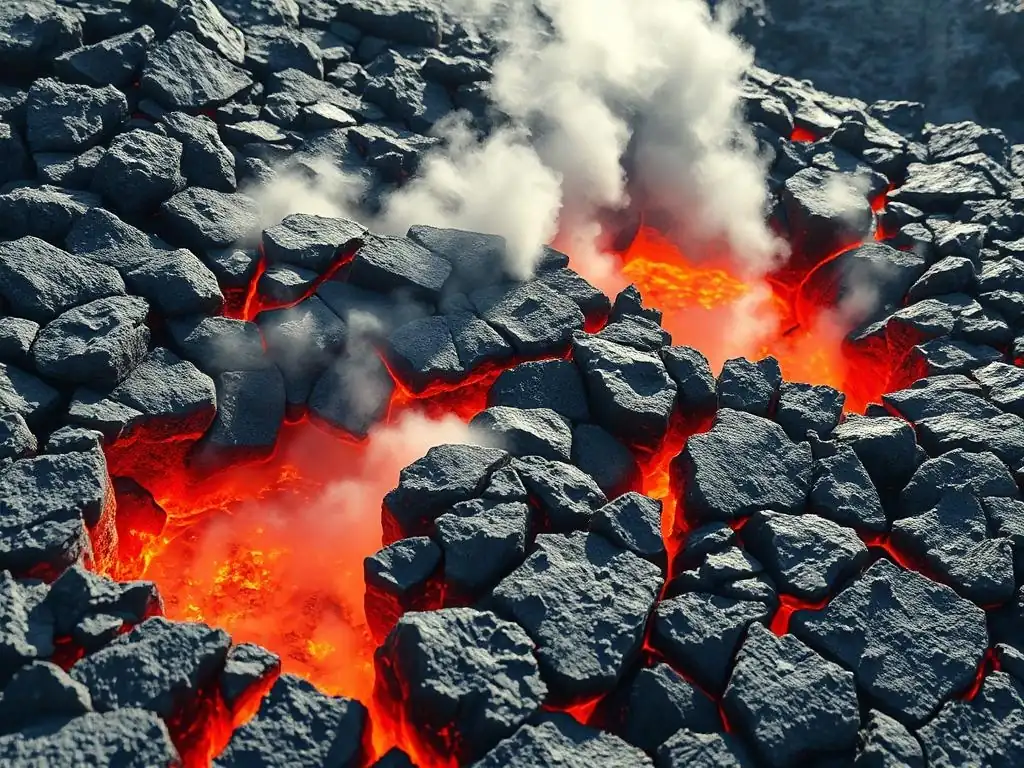
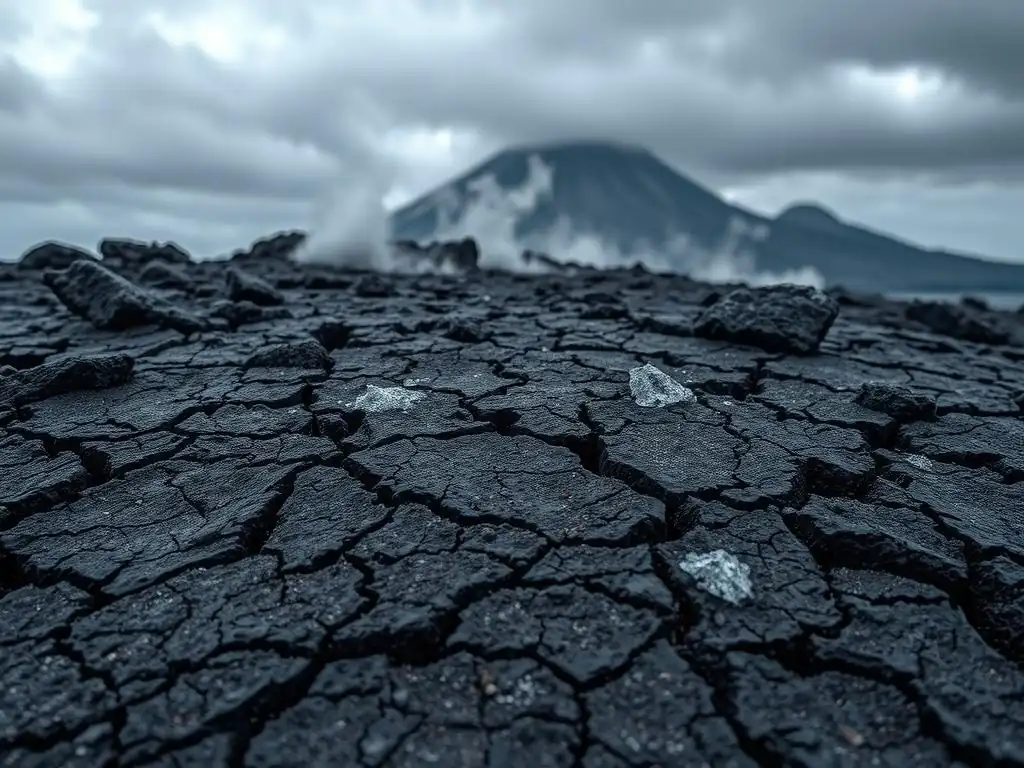
Cracking and creaking sounds are commonly heard emanating directly from the surface of lava domes. These sounds, often higher in frequency than rumbling noises, are produced by the fracturing and deformation of the solidified dome crust. As the dome continues to grow from within, the outer crust is subjected to stress and strain. Additionally, the surface of the dome undergoes cooling, which leads to thermal contraction and further stress build-up. When the accumulated stress exceeds the strength of the solidified lava, cracks form, producing sharp cracking sounds and lower-pitched creaking noises as the fractured surfaces rub against each other.
The patterns and frequency of cracking and creaking sounds can provide information about the rate of dome deformation and the stability of the dome's surface. Increased cracking sounds may indicate a period of rapid dome growth or significant thermal stress, potentially suggesting increased instability. Conversely, a decrease in cracking sounds might indicate a period of slower dome growth or a more stable surface. These surface sounds are often more localized and can be detected by microphones placed close to the dome, offering a more direct insight into the immediate processes occurring on the dome's exterior.
Explosive Noises: Gas Bursts and Dome Collapse
Explosive noises from lava domes are among the most dramatic and potentially hazardous sounds they produce. These sounds, ranging from sharp pops and bangs to loud booms and detonations, are typically associated with the rapid release of pressurized gases or the sudden collapse of unstable dome sections. Gas bursts occur when trapped volcanic gases within the viscous lava overcome the confining pressure and burst through the solidified crust.
The intensity of these explosions can vary greatly, from small gas puffs to more significant explosions that can eject ash and rock fragments. Dome collapses, on the other hand, are larger-scale events where unstable portions of the dome structure break off and fall, often triggered by over-steepening, internal pressure, or external factors like heavy rainfall or seismic activity.
The sounds of explosions and dome collapses are crucial indicators of potential hazards. Loud explosive noises can signal an increased risk of pyroclastic flows, which are fast-moving, hot mixtures of gas and volcanic debris that can be extremely dangerous. Dome collapses can also generate pyroclastic flows or trigger volcanic landslides.
Therefore, monitoring explosive sounds is vital for assessing the immediate hazard level and for issuing timely warnings to communities living near active lava domes. The character and frequency of explosive sounds, combined with other monitoring data, help volcanologists to understand the processes leading to these potentially dangerous events and to better forecast volcanic activity.
Identifying and Interpreting Lava Dome Audio Signals
Tools for Recording Volcanic Sounds: Seismometers and Microphones
To effectively study the sounds of lava domes, volcanologists employ specialized instruments designed to capture a wide range of acoustic signals. Seismometers, primarily used for detecting ground vibrations associated with earthquakes, are also highly sensitive to the low-frequency rumbling and ground-coupled airwaves produced by volcanic activity. They are typically deployed at various distances from the lava dome to capture both deep and shallow volcanic signals. Different types of seismometers, such as broadband seismometers, are optimized to record a broad spectrum of frequencies, allowing for detailed analysis of volcanic tremors and rumbling noises.
Microphones, on the other hand, are specifically designed to record atmospheric pressure waves, capturing the audible sounds produced by lava domes, such as cracking, creaking, and explosions. Specialized infrasound microphones are used to detect very low-frequency sounds below the range of human hearing, which are often associated with larger volcanic explosions and gas releases.
Arrays of microphones, deployed in specific configurations, can be used to determine the direction and source of volcanic sounds, improving the localization of acoustic events on and around the lava dome. Combining data from both seismometers and microphones provides a comprehensive picture of the acoustic environment of a lava dome.
Analyzing Audio Data: Frequency, Amplitude, and Patterns
Analyzing the recorded audio data from lava domes involves examining key characteristics of the sound signals, such as frequency, amplitude, and temporal patterns. Frequency refers to the pitch of the sound, measured in Hertz (Hz). Low-frequency sounds, like rumbles, have lower frequencies, while high-frequency sounds, like cracks, have higher frequencies. Amplitude refers to the loudness or intensity of the sound, often measured in decibels (dB) or related units. Temporal patterns refer to how the sounds change over time, including the duration, repetition rate, and any patterns in the sequence of different sound types.
Spectrograms are a powerful tool used to visualize audio data. They display the frequency content of sounds over time, allowing volcanologists to identify different types of sounds and track changes in their frequency and amplitude. By analyzing spectrograms, researchers can differentiate between rumbling, cracking, and explosive sounds, and observe how these sounds evolve in response to changes in volcanic activity.
For example, an increasing frequency of explosive sounds might indicate a build-up of gas pressure, while changes in the dominant frequencies of rumbling could reflect changes in magma flow dynamics. Statistical analysis of sound parameters and pattern recognition techniques are also employed to extract meaningful information from the complex audio datasets.
Differentiating Lava Dome Sounds from Other Volcanic Activity
Distinguishing lava dome sounds from other types of volcanic activity is crucial for accurate volcano monitoring and hazard assessment. While lava domes produce a characteristic suite of sounds, other volcanic phenomena can generate similar acoustic signals. For instance, explosive eruptions from open-vent volcanoes can also produce loud explosions and rumbling noises. Lahars (volcanic mudflows) can generate ground vibrations detectable by seismometers. Even tectonic earthquakes, unrelated to volcanic activity, can produce seismic signals.
To differentiate lava dome sounds, volcanologists consider several factors. The context is important; is the volcano known to be forming a lava dome? The specific characteristics of the sounds are also key. Lava dome rumbling tends to be continuous and lower in frequency compared to some other volcanic tremors.
Cracking and creaking sounds are quite specific to dome surface processes. Explosive sounds from lava domes are often associated with gas bursts or dome collapses, which may have distinct acoustic signatures compared to Strombolian or Vulcanian eruptions from open vents. Furthermore, integrating audio data with other monitoring data, such as seismic data, deformation measurements, gas emission data, and thermal imagery, allows for a more comprehensive understanding of the ongoing volcanic processes and helps to accurately interpret the source of the observed sounds.
Case Studies: Listening to Specific Lava Domes
The Sounds of Mount Unzen Lava Dome: A Historical Perspective
Mount Unzen, located in Japan, experienced a significant eruption in the early 1990s, characterized by the growth of a large lava dome within its summit caldera. During this eruption, the sounds of the lava dome were extensively monitored and studied, providing valuable insights into dome dynamics and associated hazards. Researchers deployed seismometers and microphones around the volcano to record the full spectrum of acoustic signals.
The sounds of Mount Unzen's lava dome included frequent cracking and creaking sounds, indicative of the ongoing deformation and fracturing of the cooling dome crust. Rumbling noises were also detected, reflecting magma movement beneath the dome.
Crucially, the sounds of Mount Unzen's lava dome also provided warnings of hazardous events. Increased cracking and rumbling were observed prior to periods of accelerated dome growth. Loud explosive noises were often precursors to dome collapses, which generated devastating pyroclastic flows that tragically claimed lives in 1991.
The analysis of audio recordings from Mount Unzen played a vital role in understanding the processes leading to dome collapses and in refining hazard assessment strategies during this eruption. The historical record of acoustic monitoring at Mount Unzen serves as a compelling example of the importance of sound analysis in lava dome volcanology.
Monitoring Volcán de Colima Lava Dome: Real-Time Audio Analysis
Volcán de Colima, in Mexico, is one of the most active volcanoes in North America and frequently exhibits lava dome activity. The Colima Volcano Observatory employs a sophisticated real-time monitoring network, including seismometers, microphones, and infrasound sensors, to continuously listen to the volcano's sounds. The sounds of Volcán de Colima's lava dome are diverse, ranging from low-frequency rumbling associated with magma ascent to high-frequency cracking and popping sounds from the dome surface. Explosive noises, indicative of gas bursts and small explosions, are also commonly detected.
Real-time audio analysis at Volcán de Colima is integrated with other monitoring data to provide a comprehensive picture of the volcano's state. Changes in the frequency and intensity of rumbling noises are tracked to monitor magma supply and pressure fluctuations. Increases in cracking and explosive sounds are carefully analyzed to assess dome stability and the potential for larger explosions or dome collapses.
Alert levels are adjusted based on the integrated monitoring data, including acoustic information, to inform civil protection authorities and the local population about potential volcanic hazards. Volcán de Colima exemplifies the modern application of real-time audio monitoring for lava dome volcanoes.
Analyzing the Sounds of Santiaguito Lava Dome: Dome Growth and Collapse
Santiaguito volcano, a lava dome complex located in Guatemala, is characterized by persistent andesitic lava dome growth and frequent dome collapses. Its continuous activity makes it an ideal natural laboratory for studying lava dome processes, and acoustic monitoring has been a crucial component of research efforts at Santiaguito. The sounds of Santiaguito's domes are dominated by cracking and rockfall noises associated with the ongoing gravitational collapse of the steep-sided dome structures. Explosive sounds, related to gas bursts and minor explosions, are also frequent. Rumbling noises, while present, are often masked by the more dominant sounds of surface processes.
Researchers analyzing the sounds of Santiaguito lava domes have identified distinct acoustic signatures associated with different types of dome collapse events. Small rockfalls produce short-duration, high-frequency bursts of sound, while larger collapses, which can generate pyroclastic flows, are preceded by more complex acoustic patterns, often including increased cracking and rumbling leading up to the collapse event. By analyzing the frequency, amplitude, and temporal patterns of these sounds, volcanologists can improve their understanding of dome instability mechanisms and refine models for predicting dome collapse events at Santiaguito and similar persistently active lava dome volcanoes.
What Can Lava Dome Sounds Tell Us About Volcanic Activity?
Predicting Eruptions: Using Audio Signals as Early Warning Signs
Lava dome sounds, when carefully analyzed and interpreted, can serve as valuable early warning signs of potential eruptions or hazardous events. While predicting volcanic eruptions with pinpoint accuracy remains a challenge, changes in the acoustic signals from lava domes can often precede significant shifts in volcanic activity.
For example, an increase in the frequency and intensity of rumbling noises might indicate an increase in magma flux towards the surface, suggesting a potential escalation of eruptive activity. Similarly, a sudden increase in explosive sounds, or changes in the patterns of cracking and creaking, could signal increased dome instability and a higher risk of explosions or dome collapses.
However, it is crucial to emphasize that acoustic signals alone are rarely sufficient for precise eruption prediction. Volcanoes are complex systems, and their behavior is influenced by multiple factors. Therefore, acoustic data must always be integrated with other monitoring data, such as seismic data, ground deformation measurements, gas emission rates, and thermal imagery, to obtain a more comprehensive picture of the volcano's state. Nevertheless, the analysis of lava dome sounds provides a valuable and often underutilized tool for enhancing early warning systems and improving volcanic hazard assessment.
Monitoring Dome Growth Rate: Analyzing Sound Frequency and Intensity
The sounds emitted by lava domes can also provide insights into the rate at which these volcanic structures are growing. While direct measurement of dome volume is challenging, particularly in real-time, acoustic data can offer indirect estimates of dome growth rate. For instance, a higher frequency of cracking and creaking sounds might be associated with a faster rate of surface deformation and fracturing, potentially indicating more rapid dome expansion. Similarly, an increase in the intensity of rumbling noises could reflect a higher magma supply rate, which would contribute to faster dome growth.
Researchers have explored correlations between acoustic parameters, such as the frequency and amplitude of certain sound types, and independently measured dome growth rates. While these relationships are often complex and volcano-specific, qualitative links can be established. For example, periods of increased cracking sound frequency and intensity may coincide with periods of observed rapid dome inflation or expansion. Acoustic monitoring, therefore, can serve as a valuable tool for tracking changes in lava dome growth rate, particularly in situations where direct visual observation is limited due to weather conditions or remote location.
Assessing Dome Stability: Identifying Sounds of Potential Collapse
One of the most critical applications of lava dome sound analysis is in assessing dome stability and identifying sounds that may precede dome collapse events. Dome collapses are among the most hazardous phenomena associated with lava domes, as they can generate pyroclastic flows and volcanic landslides that pose significant risks to nearby communities. Fortunately, dome collapses are often preceded by changes in the acoustic environment of the dome.
An increase in cracking and creaking sounds, particularly if these sounds become more frequent and intense, can signal increasing instability in the dome structure. Changes in rumbling patterns, or the onset of new types of sounds, can also indicate internal processes that are contributing to dome instability.
Specific acoustic signatures have been identified as potential precursors to dome collapses at some volcanoes. These signatures may include a build-up of cracking sounds followed by a period of increased rumbling or tremor, culminating in the collapse event itself. By continuously monitoring lava dome sounds and recognizing these warning patterns, volcanologists can improve their ability to forecast dome collapses and issue timely warnings to mitigate the associated hazards. Acoustic monitoring, therefore, plays a crucial role in enhancing safety around active lava dome volcanoes.
The Importance of Acoustic Monitoring in Volcano Research
Improving Volcanic Hazard Assessment Through Sound Analysis
Acoustic monitoring is increasingly recognized as a vital component of comprehensive volcanic hazard assessment, particularly for lava dome volcanoes. The sounds of lava domes provide a unique and continuous stream of information about the processes occurring within and around these structures. By analyzing these sounds, volcanologists can gain insights into magma dynamics, dome deformation, gas release, and dome stability, all of which are critical factors in assessing volcanic hazards. Acoustic data complements other monitoring datasets, such as seismic, deformation, and gas measurements, providing a more holistic understanding of volcanic activity.
The ability of acoustic monitoring to detect subtle changes in volcanic behavior, often in real-time, enhances early warning capabilities. Changes in sound patterns can precede more dramatic events, such as explosions or dome collapses, providing valuable time for hazard mitigation actions, such as evacuations or infrastructure protection measures. Furthermore, acoustic monitoring can be particularly useful in situations where visual observation is limited, such as during nighttime, inclement weather, or in remote locations. The integration of acoustic data into volcanic hazard assessments leads to more informed decision-making and improved safety for communities living near active lava dome volcanoes.
Combining Audio Data with Other Monitoring Techniques
The true power of acoustic monitoring in volcano research is realized when audio data is combined with other geophysical and geochemical monitoring techniques. Multi-parameter monitoring, which integrates data from seismometers, microphones, GPS stations, gas sensors, thermal cameras, and other instruments, provides a much more complete and nuanced picture of volcanic activity than any single technique can offer alone.
For example, combining seismic data with acoustic data can help to distinguish between ground-based and atmospheric volcanic signals, providing a clearer understanding of the source processes. Integrating deformation measurements with acoustic data can reveal the relationship between dome deformation and surface fracturing sounds.
Correlating changes in gas emission rates with changes in acoustic activity can shed light on the role of gas pressure in driving explosions and dome collapses. Thermal imagery can complement acoustic data by providing information about surface temperatures and thermal anomalies, which can be related to dome growth and cooling processes. By synergistically analyzing these diverse datasets, volcanologists can develop more robust models of lava dome behavior, improve eruption forecasting capabilities, and enhance the accuracy of volcanic hazard assessments. The future of volcano monitoring lies in the continued development and integration of multi-parameter monitoring networks.
Future Directions in Lava Dome Sound Research: Automated Signal Recognition
The field of lava dome sound research is constantly evolving, with exciting future directions focused on automated signal recognition and real-time analysis. As monitoring networks generate increasing volumes of acoustic data, manual analysis becomes time-consuming and potentially limited in its ability to detect subtle but important changes in sound patterns. Automated signal recognition techniques, utilizing machine learning and artificial intelligence algorithms, offer a promising solution to this challenge. These techniques can be trained to automatically identify and classify different types of lava dome sounds, such as rumbling, cracking, explosions, and rockfalls, in real-time.
Automated systems can be designed to continuously monitor acoustic data streams, detect changes in sound patterns, and issue alerts when pre-defined thresholds are exceeded. This would enable volcano observatories to respond more rapidly to evolving volcanic activity and improve the timeliness of warnings.
Furthermore, automated analysis can uncover subtle patterns and trends in acoustic data that might be missed by manual inspection, leading to a deeper understanding of lava dome processes. Future research efforts are focused on developing and refining these automated signal recognition techniques, paving the way for more efficient and effective acoustic monitoring of lava dome volcanoes and enhanced volcanic hazard mitigation.
Safety Considerations Near Lava Domes: Understanding the Warning Signs
Recognizing Hazardous Sound Levels: When to Evacuate
Living near an active lava dome volcano requires awareness of potential hazards and understanding the warning signs, including the sounds emitted by the dome. While specific evacuation orders will always come from official volcano monitoring agencies and civil protection authorities, recognizing hazardous sound levels can provide an additional layer of situational awareness. Very loud explosive noises, such as strong booms or detonations, are clear indicators of increased volcanic activity and potential hazards.
These sounds may signal larger explosions, gas bursts, or the onset of dome collapses that could generate pyroclastic flows. Intense and prolonged rumbling, especially if it increases in intensity, can also be a warning sign of escalating magmatic activity.
It is important to remember that sound perception can be subjective, and background noise levels can vary. However, significant changes in the loudness or character of volcanic sounds should be taken seriously. If you experience a sudden increase in explosive noises or a noticeable intensification of rumbling, it is prudent to seek information from official sources, such as volcano observatories or local authorities. Never rely solely on sounds for evacuation decisions; always follow official instructions and warnings. Understanding hazardous sound levels is part of a broader strategy of volcano preparedness.
Protecting Yourself from Explosions and Dome Collapse
In the event of explosions or dome collapse at a lava dome volcano, protecting yourself is paramount. The primary hazards associated with these events are pyroclastic flows, volcanic landslides, and ballistic projectiles (ejected rocks). The most effective protection strategy is distance. Staying outside designated hazard zones and evacuation areas is crucial. If you are caught in an area affected by an explosion or dome collapse, seek immediate shelter indoors, preferably in a sturdy building away from valleys or areas prone to pyroclastic flow pathways.
If outdoors and unable to reach shelter, try to move perpendicular to the expected flow direction, away from valleys and downhill slopes. Pyroclastic flows are extremely hot and fast-moving, making escape very difficult if caught directly in their path. Protect your respiratory system by covering your mouth and nose with a damp cloth or mask to minimize inhalation of ash and volcanic gases. Wear long sleeves and pants to protect your skin from heat and ash. Always prioritize your safety and follow the guidance of emergency responders.
Staying Informed: Monitoring Official Volcanic Activity Updates
Staying informed about volcanic activity is essential for anyone living near a lava dome volcano. The most reliable sources of information are official volcano observatories and civil protection agencies. These organizations continuously monitor volcanoes and provide up-to-date information on volcanic activity levels, potential hazards, and safety recommendations. Regularly check the websites and social media channels of your local volcano observatory and civil protection agency for updates and alerts. Sign up for official notification systems, such as text message alerts or email newsletters, if available in your area.
Be wary of unofficial sources of information, especially social media rumors or unverified reports. Always rely on confirmed information from trusted sources. Understand the volcanic alert levels used in your area and what each level means in terms of potential hazards and recommended actions. Participate in community preparedness programs and learn about evacuation routes and emergency procedures. Staying informed and prepared is the best way to ensure your safety and the safety of your community in the face of volcanic activity.
Conclusion: The Symphony of Lava Domes – A Window into Volcanic Processes
The sounds of lava domes, often overlooked in the visual drama of volcanic eruptions, are a rich and informative symphony that reveals the inner workings of these fascinating geological features. From the deep rumbles of magma movement to the sharp cracks of surface fracturing and the explosive booms of gas bursts and dome collapses, each sound tells a story about the dynamic processes shaping these volcanic edifices.
For volcano explorers and researchers, listening to lava domes is akin to holding a stethoscope to the Earth's chest, providing a unique window into the complex interplay of magma, gas, and rock that drives volcanic activity.
Acoustic monitoring has emerged as a powerful tool in volcano research, enhancing our ability to assess volcanic hazards, predict eruptions, and understand the fundamental processes of lava dome growth and instability. By continuously listening to the symphony of lava domes, and by integrating acoustic data with other monitoring techniques, we can gain a deeper appreciation for the restless nature of our planet and improve our capacity to live safely alongside these awe-inspiring and sometimes perilous natural wonders.
The sounds of lava domes are not just noise; they are a vital language of the volcano, waiting to be heard and interpreted.
Frequently Asked Questions
What are the typical sounds associated with lava domes?
Lava domes often produce a variety of sounds, including rumbling, cracking, and sometimes explosive noises. These sounds indicate the ongoing activity and pressure within the dome.
Why do lava domes make these specific sounds?
The sounds are generally caused by the movement of magma within the dome, the fracturing of the solidified lava crust, and gas explosions. These processes generate vibrations that we perceive as sound.
Can the sounds of a lava dome help predict an eruption?
Yes, changes in the frequency or intensity of the sounds can be indicators of increased activity and potential eruption. Volcanologists monitor these sounds to help forecast volcanic hazards.
What instruments are used to record the sounds of lava domes?
Seismometers and microphones are commonly used. Seismometers detect ground vibrations, while specialized microphones capture the audible sounds produced by the dome.
Are the sounds of lava domes dangerous to be near?
Being near a lava dome producing loud or frequent sounds can be dangerous. It indicates unstable conditions and a higher risk of explosions or dome collapse, so maintaining a safe distance is crucial.
Final Reflection: Echoes of Earth's Fury
The study of the sounds of lava domes transcends mere scientific curiosity; it offers a vital window into understanding the dynamic and often unpredictable nature of our planet. By deciphering the rumbling, cracking, and explosive noises emanating from these volcanic formations, we gain invaluable insights into the processes that shape our world and the potential hazards they pose. This understanding is more crucial than ever in an era increasingly impacted by natural disasters.
The impact of these sonic signatures resonates far beyond the scientific community. The ability to interpret these sounds offers a crucial tool for predicting eruptions and mitigating risks for communities living near active volcanoes. The earth has music for those who listen.
This quote, often attributed to George Santayana, perfectly encapsulates the profound connection between our planet and the sounds it produces, urging us to listen attentively to the warnings and wonders hidden within.
Now, as you reflect on the sounds of lava domes, consider the power of observation and the importance of listening, not just to the earth, but to the subtle signals in your own life. What seemingly insignificant noises might hold valuable information? Embrace the spirit of inquiry and the pursuit of knowledge, and let the echoes of Earth's fury inspire you to listen more deeply and understand more fully the world around you.
Unleash Your Inner Volcanologist!
Thanks for exploring the fascinating world of lava dome sounds! We hope you've gained a new appreciation for the power and complexity of these geological giants. Now, let's put your newfound knowledge to work:
- Contribute to our sound library: Record ambient audio near areas with known volcanic activity and share your recordings! We're building a crowdsourced sound library on VolcanoExplorers.org.
- Explore further: Research volcanic activity in your region. You might be surprised by what you discover!
- Share your discovery: Tell your friends about the incredible sounds of lava domes! Spread the word and inspire others.
What surprised you most about the sounds of lava domes, and what questions do you have now? Share your thoughts in the comments below!