
Lava Dome Collapses: When Volcanic Giants Crumble

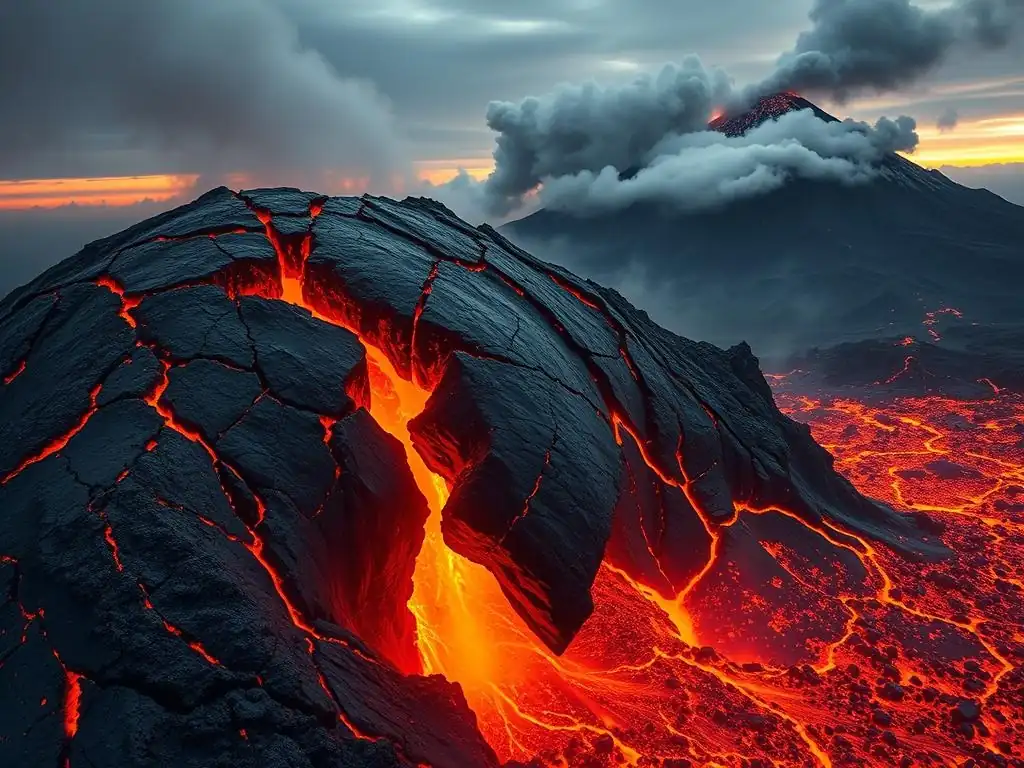
Welcome to Volcano Explorers, where the Earth breathes fire! Are you ready to uncover the secrets hidden within the fiery heart of our planet? What happens when a volcanic giant loses its footing? Dive into "Lava Dome Collapses: When Volcanic Giants Crumble" to explore the dramatic and often devastating lava dome collapse effects, and discover why these events are both feared and intensely studied by volcanologists worldwide. Prepare to witness the raw power of nature, and perhaps, learn something that will forever change how you view these incredible forces.
- Understanding Lava Domes and Their Instability
- The Science Behind Lava Dome Collapse Effects
- Lava Dome Collapse Effects: A Detailed Look
- Case Studies: Notable Lava Dome Collapse Events
- Monitoring and Predicting Lava Dome Collapses
- Living Near Lava Domes: Safety and Preparedness
- The Future of Lava Dome Research and Mitigation
-
Frequently Asked Questions
- What causes a lava dome to collapse?
- What are the primary effects of a lava dome collapse?
- How do volcanologists monitor lava domes to predict collapses?
- What are the safety precautions for people living near volcanoes with active lava domes?
- How do lava dome collapses differ from other types of volcanic eruptions?
- Final Reflection: The Fragility of Giants
- Ignite Your Curiosity: Dare to Explore Volcanoes Further!
Understanding Lava Domes and Their Instability
What is a Lava Dome? Formation and Characteristics
Lava domes are steep-sided, bulbous masses of viscous lava extruded from a volcanic vent. Unlike the fluid lava flows that characterize shield volcanoes, the lava that forms domes is highly viscous, meaning it resists flowing easily. This high viscosity is primarily due to its high silica content, which makes the lava sticky and thick.
As this viscous lava slowly oozes out, it piles up around the vent, creating a dome-like structure. These domes can range in size from tens of meters to over a kilometer in diameter and height, and their shape can vary from rounded and symmetrical to irregular and spiny, depending on the lava's viscosity, extrusion rate, and the surrounding topography.
Lava domes often form within the summit craters or on the flanks of stratovolcanoes after a major explosive eruption has partially emptied the magma chamber. The initial eruption reduces pressure in the magma system, allowing degassing and an increase in viscosity of the remaining magma. Subsequently, less explosive, effusive eruptions of this viscous lava build the dome. Famous examples of volcanoes with prominent lava domes include Mount St. Helens in the USA, Soufrière Hills in Montserrat, and Unzen in Japan. These formations are dynamic and often unstable, posing significant hazards due to their potential for collapse.
Viscosity's Role: Why Lava Domes Are Prone to Collapse
The high viscosity of the lava that forms domes is the primary reason they are so prone to collapse. Imagine trying to stack honey versus water – honey, being more viscous, will pile up, forming a steeper, less stable structure compared to water which spreads out. Similarly, the thick, sticky lava in domes builds steep slopes, which are inherently unstable under the force of gravity. This contrasts sharply with fluid basaltic lava flows, which spread out over large distances, creating gently sloping shield volcanoes that are less susceptible to collapse.
Furthermore, the very process of dome formation contributes to instability. As new, hot lava is extruded onto the dome's surface, it cools and solidifies, forming a brittle outer crust. Beneath this crust, however, the lava may still be hot and mobile. This creates a situation where a rigid outer shell rests on a potentially mobile interior, leading to internal stresses. Changes in extrusion rate, magma supply, or gas pressure can further destabilize the dome, making it vulnerable to collapse. The interplay of high viscosity and the complex internal structure of lava domes makes them inherently unstable volcanic features.
Lava Dome Growth Patterns and Instability Factors
Lava dome growth is not a continuous, smooth process. It typically occurs in pulses or episodes of extrusion, separated by periods of quiescence. These growth patterns can be categorized broadly into endogenous and exogenous growth. Endogenous growth involves the expansion of the dome from within, as magma inflates the existing structure, causing bulging and cracking of the outer crust. Exogenous growth, on the other hand, involves the addition of new lava flows onto the dome's surface, increasing its height and volume. Both growth styles contribute to the overall instability of the dome.
Several factors exacerbate lava dome instability, increasing the likelihood of collapse. Steep slopes, inherent to viscous lava domes, are a primary factor. Rapid extrusion rates can lead to over-steepening and overloading of the dome structure. Gas pressure build-up within the dome can cause explosive bursts or contribute to weakening the dome's internal structure.
External triggers such as heavy rainfall or seismic activity, even small earthquakes, can also destabilize an already precarious dome. Changes in magma supply and viscosity, which can occur as the volcanic system evolves, are internal factors that influence dome stability. Understanding these growth patterns and instability factors is crucial for assessing the potential for lava dome collapse effects and mitigating associated risks.
The Science Behind Lava Dome Collapse Effects
Mechanisms of Lava Dome Failure: Explosive vs. Non-Explosive
Lava dome collapses can occur through various mechanisms, generally categorized as explosive or non-explosive. Non-explosive collapses are more common and involve the gradual or sudden failure of the dome structure due to gravitational instability. These collapses often result in rockfalls and pyroclastic flows, but without a significant volcanic explosion. The volume of material involved can range from small rockslides to large-scale sector collapses involving a substantial portion of the dome.
Explosive collapses, while less frequent, are far more hazardous. These occur when the collapse is triggered or accompanied by a volcanic explosion, usually driven by the rapid decompression of gas-rich magma within the dome. The explosion can fragment the collapsing dome material and propel it outwards at high speeds, generating powerful pyroclastic flows and surges. Explosive collapses can also inject ash high into the atmosphere, creating significant ash clouds. The mechanism of failure, whether explosive or non-explosive, significantly influences the nature and severity of the resulting lava dome collapse effects.
Gravitational Instability and Dome Height
Gravitational instability is a fundamental factor in lava dome collapse. As a lava dome grows taller and steeper, the forces of gravity acting on its mass increase. The internal strength of the dome material, composed of solidified lava and fragmented rock, may eventually be overcome by these gravitational forces. This is analogous to building a sandcastle too tall and steep – eventually, it will slump and collapse under its own weight.
The height of a lava dome is directly related to its potential energy and thus its susceptibility to gravitational collapse. Taller domes store more potential energy, meaning that if a collapse occurs, it can release a larger volume of material and generate more powerful and far-reaching lava dome collapse effects. Studies at volcanoes like Mount Unzen have shown a correlation between dome height and the frequency and size of collapses, highlighting the critical role of gravitational instability and dome height in predicting potential hazards.
Internal Pressure and Gas Content in Lava Domes
Internal pressure and gas content within a lava dome play a crucial role in its stability and the style of collapse. Viscous lava often traps volcanic gases, such as water vapor, carbon dioxide, and sulfur dioxide, as it solidifies. The build-up of pressure from these trapped gases can weaken the dome structure from within and contribute to explosive collapses.
Imagine a pressure cooker – if the pressure relief valve fails, the cooker can explode. Similarly, if the internal gas pressure within a lava dome exceeds the strength of the surrounding rock, it can lead to an explosive release of energy.
The gas content of the magma also influences the viscosity and crystallization rate of the lava, further affecting dome stability. Magma with higher gas content tends to be more fluid initially, but degassing during dome growth can increase viscosity and promote crystallization, making the dome more brittle and prone to fracturing. Fluctuations in gas pressure and content, often monitored through gas emission measurements, are key indicators of potential lava dome instability and the likelihood of significant lava dome collapse effects.
Lava Dome Collapse Effects: A Detailed Look
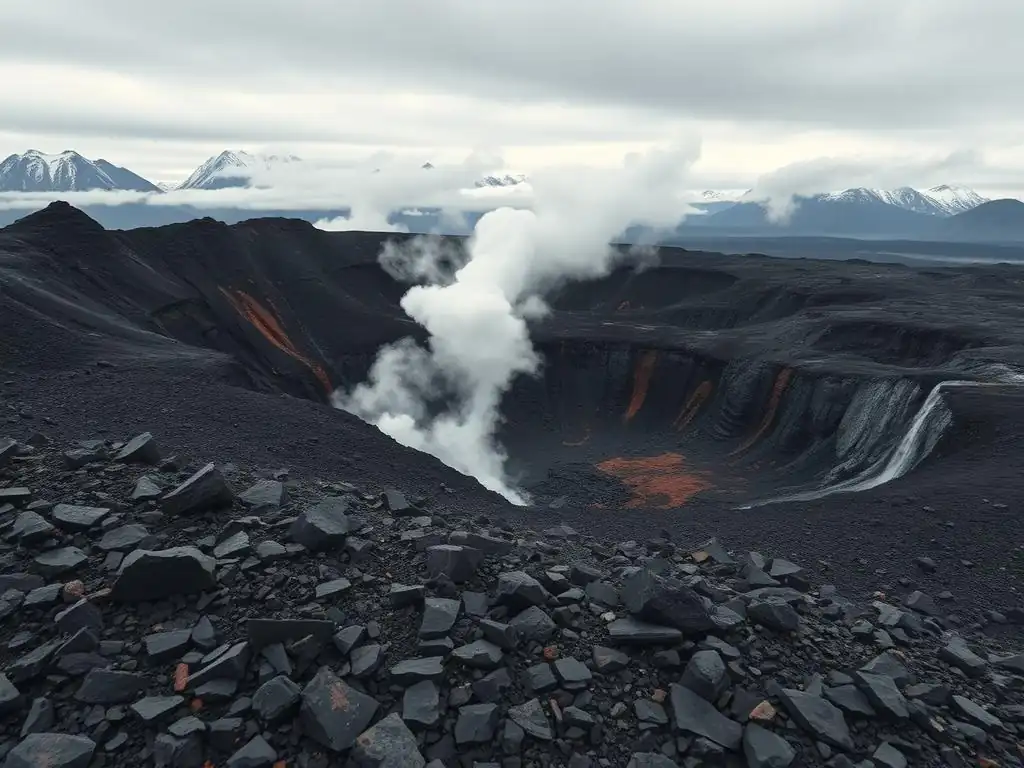
Pyroclastic Flows: A Major Hazard from Lava Dome Collapses
Pyroclastic flows are one of the most devastating and immediate lava dome collapse effects. These are fast-moving currents of hot gas and volcanic debris, including ash, rock fragments, and pumice, that can travel at speeds exceeding 100 km/h (60 mph) and reach temperatures of up to 700°C (1300°F). They are generated when a portion of a lava dome collapses, releasing the hot, fragmented material and associated gases down the flanks of the volcano.
Pyroclastic flows are extremely hazardous due to their high speed, high temperature, and density. They can incinerate everything in their path, including forests, buildings, and infrastructure. The force of the flow can also cause significant structural damage and erosion. Furthermore, the hot gases and ash can cause severe burns and respiratory problems. The scale and reach of pyroclastic flows depend on the volume of the collapse, the topography, and the explosivity of the event, making them a primary concern in areas surrounding volcanoes with lava domes.
Understanding Pyroclastic Flow Dynamics
Pyroclastic flows are complex phenomena, and their dynamics are influenced by several factors. They are typically gravity-driven, flowing downhill due to their density being greater than the surrounding air. However, the internal dynamics of the flow are complex, involving interactions between gas and solid particles, turbulence, and heat transfer. The flow can be divided into different zones, including a dense basal flow and a more dilute ash cloud surge above.
The behavior of pyroclastic flows is also strongly influenced by topography. Valleys and channels can funnel and accelerate flows, increasing their reach and destructive power. Conversely, ridges and slopes can deflect or slow down flows. Understanding pyroclastic flow dynamics is crucial for hazard assessment and for developing effective mitigation strategies. Scientists use numerical models and field observations from past events to better predict the paths and impacts of potential pyroclastic flows resulting from lava dome collapse effects.
The Devastating Impact of Pyroclastic Flows on St. Pierre, Martinique (1902)
The eruption of Mount Pelée on the island of Martinique in 1902 provides a stark example of the devastating impact of pyroclastic flows from lava dome collapse effects. Prior to the major eruption, a lava dome had been growing within the volcano's crater. On May 8, 1902, a significant portion of this dome collapsed, generating a devastating pyroclastic flow that engulfed the city of St. Pierre, then known as the "Paris of the Caribbean."
Within minutes, the pyroclastic flow swept through St. Pierre, destroying the city and killing an estimated 30,000 people. The intense heat and force of the flow instantly incinerated buildings and ships in the harbor. Only a handful of people in the city survived, mostly those in underground cells or on ships that managed to escape. The St. Pierre disaster remains one of the deadliest volcanic events of the 20th century and underscores the extreme hazard posed by pyroclastic flows generated by lava dome collapse effects.
Ash Clouds and Their Widespread Effects
Ash clouds are another significant consequence of lava dome collapse events, particularly explosive collapses. When a dome collapses explosively, vast quantities of volcanic ash and gas are ejected high into the atmosphere, forming towering ash clouds. These clouds can reach altitudes of tens of kilometers and can be transported hundreds or even thousands of kilometers downwind, affecting vast areas far beyond the immediate vicinity of the volcano.
Ash clouds pose a range of hazards. They can disrupt air travel, causing flight cancellations and diversions due to the abrasive nature of volcanic ash on aircraft engines and airframes. Ashfall from these clouds can blanket communities, impacting infrastructure, agriculture, and human health. While ashfall is typically less immediately life-threatening than pyroclastic flows, its widespread and long-lasting effects can cause significant disruption and economic losses.
Ashfall Hazards: Impact on Infrastructure and Health
Volcanic ash, although appearing soft, is composed of tiny fragments of rock and glass, making it abrasive and electrically conductive when wet. Ashfall can have significant impacts on infrastructure. The weight of accumulated ash can cause roofs to collapse, especially after rainfall when ash becomes denser. Ash can also clog drainage systems, leading to flooding, and contaminate water supplies. Electrical infrastructure can be short-circuited by wet ash, causing power outages.
Ashfall also poses health hazards. Inhalation of fine ash particles can irritate the respiratory system, exacerbating conditions like asthma and bronchitis. Eye irritation and skin problems are also common. Long-term exposure to volcanic ash can lead to silicosis and other respiratory diseases. The severity of ashfall hazards depends on the thickness of the ash deposit, the particle size, and the duration of exposure, highlighting the diverse lava dome collapse effects beyond the immediate volcanic area.
Volcanic Ash and Air Travel Disruptions
Volcanic ash poses a severe threat to air travel. Jet engines are highly susceptible to damage from even small concentrations of volcanic ash. Ash particles can melt inside the hot sections of the engine, forming a glassy coating that disrupts airflow and can lead to engine failure. The abrasive nature of ash can also damage aircraft surfaces, including windshields and wings.
The eruption of Eyjafjallajökull in Iceland in 2010 demonstrated the far-reaching impact of volcanic ash on air travel. The ash cloud from this eruption, although not from a lava dome collapse but a subglacial eruption, drifted across Europe, causing widespread airspace closures and grounding flights for several days. This event resulted in massive disruptions to air travel, impacting millions of passengers and costing the airline industry billions of dollars. Lava dome collapse events that produce significant ash clouds have the potential to cause similar, though perhaps less geographically extensive, air travel disruptions.
Lahars: Mudflows Triggered by Lava Dome Collapse
Lahars, or volcanic mudflows, are another significant hazard often associated with lava dome collapse effects, particularly in rain-rich or snow-covered volcanic regions. Lahars are mixtures of volcanic debris, including ash, rock fragments, and water, that flow rapidly down river valleys and volcanic slopes. The water can originate from rainfall, melting snow and ice, or crater lakes.
Lava dome collapses can trigger lahars in several ways. A collapse can directly mobilize volcanic debris, mixing it with water already present in river channels or on the volcano's flanks. Alternatively, a pyroclastic flow generated by a dome collapse can melt snow and ice or trigger heavy rainfall due to atmospheric disturbances, which then mixes with volcanic debris to form lahars. Lahars are powerful and destructive flows that can travel for tens of kilometers, burying valleys, destroying infrastructure, and posing a significant threat to communities downstream of the volcano.
The Formation of Lahars and Their Destructive Power
Lahars are formed by the rapid mixing of volcanic debris with water, creating a dense, slurry-like flow. Their destructive power stems from their density, speed, and volume. Lahars can carry massive boulders and debris, acting like a fast-moving concrete flow. They can erode river channels, undermine bridges and buildings, and bury entire towns in mud and debris. The flow velocity of lahars can range from a few meters per second to tens of meters per second, depending on the slope, volume, and debris concentration.
The destructive potential of lahars is well-documented in volcanic regions around the world. The 1985 Nevado del Ruiz eruption in Colombia, triggered by a relatively small pyroclastic flow that melted summit ice, generated devastating lahars that destroyed the town of Armero, killing over 25,000 people. This event tragically illustrates the lethal lava dome collapse effects related to lahars, even from relatively small eruptions.
Lahar Mitigation Strategies: Concrete Barriers at Mount Rainier, USA
Mount Rainier, a large stratovolcano in Washington State, USA, with a significant ice cap and a history of lava dome growth and collapse, poses a substantial lahar risk to communities in the Puget Sound region, including Tacoma and Seattle. Due to the potential for large-volume lahars to travel down river valleys from Mount Rainier, extensive mitigation strategies have been implemented.
One of the primary mitigation measures is the construction of concrete gravity dams and debris basins in river valleys draining Mount Rainier. These structures are designed to trap and slow down lahars, reducing their volume and peak discharge downstream, thereby lessening the lava dome collapse effects related to lahar hazards. Early warning systems, including seismic and acoustic monitoring, are also in place to detect lahar initiation and provide timely warnings to downstream communities, allowing for evacuation and minimizing potential casualties.
Seismic Activity Associated with Lava Dome Instability
Seismic activity is often closely associated with lava dome instability and collapse. The movement of magma, gas pressure changes, and fracturing within the dome generate various types of earthquakes. These seismic signals can provide valuable insights into the internal processes occurring within the dome and can be used to monitor its stability and assess the likelihood of collapse.
The types of seismic signals associated with lava domes include volcano-tectonic earthquakes, which are caused by brittle fracturing of rock, and long-period earthquakes and tremor, which are related to fluid movement and gas pressure fluctuations. Changes in the frequency, magnitude, and type of seismic activity can indicate increasing instability within the dome and may precede a collapse event. Therefore, seismic monitoring is a crucial component of lava dome collapse prediction and early warning systems.
Monitoring Seismic Signals for Collapse Prediction
Seismic monitoring networks around volcanoes with lava domes are designed to detect subtle changes in earthquake activity that may indicate impending collapse. Volcanologists analyze seismic data to identify patterns and trends that precede collapses, such as increases in earthquake frequency, changes in earthquake type, or the onset of volcanic tremor. Real-time seismic data is continuously analyzed, and alerts are issued if precursory seismic activity is detected.
For example, at Mount St. Helens, increased seismic activity, including swarms of small earthquakes and changes in the style of tremor, was observed in the weeks and days leading up to the 1980 eruption and subsequent lava dome collapses. Similarly, at Soufrière Hills volcano in Montserrat, changes in seismic activity have been used to track dome growth and instability and to forecast potential collapse events, demonstrating the importance of seismic monitoring in understanding lava dome collapse effects and providing early warnings.
The Relationship Between Earthquakes and Lava Dome Events
The relationship between earthquakes and lava dome events is complex and multifaceted. Earthquakes can be both a cause and a consequence of lava dome instability and collapse. Small earthquakes can trigger collapses by shaking and weakening the already unstable dome structure. Conversely, dome collapses themselves can generate seismic signals as large volumes of rock and debris move rapidly.
The type and characteristics of earthquakes observed can provide information about the processes leading to collapse. For instance, an increase in volcano-tectonic earthquakes may indicate increased fracturing and stress build-up within the dome, while changes in long-period earthquake activity or tremor may reflect changes in magma or gas pressure. By carefully analyzing the seismic signatures associated with lava dome events, volcanologists can gain a better understanding of the underlying processes and improve their ability to predict lava dome collapse effects.
Case Studies: Notable Lava Dome Collapse Events
The 1980 Mount St. Helens Eruption: A Catastrophic Example
The 1980 eruption of Mount St. Helens in Washington State, USA, is a landmark example of a catastrophic lava dome collapse event and its far-reaching consequences. Prior to the eruption, a prominent lava dome had been growing within the volcano's crater following earlier eruptions. In March 1980, increased seismic activity and bulging of the north flank of the volcano indicated growing instability.
On May 18, 1980, a magnitude 5.1 earthquake triggered a massive landslide on the oversteepened north flank, which in turn caused a rapid decompression of the volcano's magma system. This decompression resulted in a powerful lateral blast, followed by a vertical eruption column. The landslide and lateral blast removed the overlying pressure on the magma, leading to an explosive eruption that devastated a large area north of the volcano. The eruption also generated pyroclastic flows and lahars, demonstrating a range of severe lava dome collapse effects on a massive scale.
Lessons Learned from the Mount St. Helens Lava Dome Collapse
The 1980 Mount St. Helens eruption provided valuable lessons about lava dome collapse effects and volcanic hazards. It highlighted the importance of understanding the interplay between magma pressure, dome instability, and external triggers like earthquakes. The eruption underscored the potential for lateral blasts from dome collapses, a phenomenon that was not fully appreciated before this event.
The eruption also emphasized the need for comprehensive monitoring of volcanoes with lava domes, including seismic, deformation, and gas emission monitoring. The precursory signs at Mount St. Helens, such as bulging and increased seismicity, were recognized, but the scale and nature of the eruption were underestimated. The experience at Mount St. Helens led to significant advancements in volcanology and volcanic hazard assessment, improving our ability to anticipate and mitigate lava dome collapse effects at other volcanoes worldwide.
The Soufrière Hills Volcano, Montserrat: A Long-Term Crisis
The ongoing eruption of Soufrière Hills volcano on the Caribbean island of Montserrat, which began in 1995, is a protracted example of lava dome growth, collapse, and their devastating long-term lava dome collapse effects. The eruption has been characterized by cycles of lava dome growth and repeated collapses, generating pyroclastic flows and ashfall that have profoundly impacted the island.
Since 1995, numerous dome collapse events have occurred at Soufrière Hills, ranging in size from small rockfalls to large-scale sector collapses. These collapses have repeatedly generated pyroclastic flows that have swept down valleys on the flanks of the volcano, destroying the capital city of Plymouth and rendering much of the southern part of the island uninhabitable. The eruption has caused widespread displacement of the population, economic disruption, and significant long-term societal impacts, illustrating the protracted crisis posed by persistent lava dome activity and its collapse effects.
Ongoing Monitoring and Risk Assessment at Soufrière Hills
Due to the ongoing nature of the Soufrière Hills eruption and the persistent threat of lava dome collapse effects, intensive monitoring and risk assessment are continuously conducted by the Montserrat Volcano Observatory (MVO). The MVO employs a range of monitoring techniques, including seismic monitoring, ground deformation measurements using GPS and tiltmeters, gas emission measurements, and visual observations.
Data from these monitoring systems are used to track dome growth, assess dome stability, and forecast potential collapse events. The MVO provides regular updates and hazard assessments to the Montserrat government and the public, informing decisions about evacuation zones and risk management. The long-term monitoring efforts at Soufrière Hills have significantly improved the understanding of lava dome processes and have been instrumental in mitigating the risks associated with lava dome collapse effects during this prolonged volcanic crisis.
Unzen Volcano, Japan (1991-1995): A Deadly Pyroclastic Flow Event
The eruption of Unzen volcano in Japan from 1991 to 1995 is notable for its frequent lava dome collapses and the tragic pyroclastic flow event in 1991 that claimed the lives of 43 people, including volcanologists Maurice and Katia Krafft and volcanologist Harry Glicken. A lava dome began growing in the summit crater of Unzen in 1991, and its growth was accompanied by frequent collapses, generating pyroclastic flows that descended various valleys on the volcano's flanks.
The June 3, 1991, pyroclastic flow was particularly devastating. It traveled further than previous flows and reached an area where scientists and journalists were observing the volcanic activity. The flow overwhelmed the observers, resulting in the tragic loss of life. This event highlighted the unpredictable nature of pyroclastic flows from lava dome collapse events and the importance of maintaining safe distances during volcanic crises. The Unzen eruption served as a somber reminder of the deadly lava dome collapse effects and the inherent risks of studying active volcanoes.
Monitoring and Predicting Lava Dome Collapses
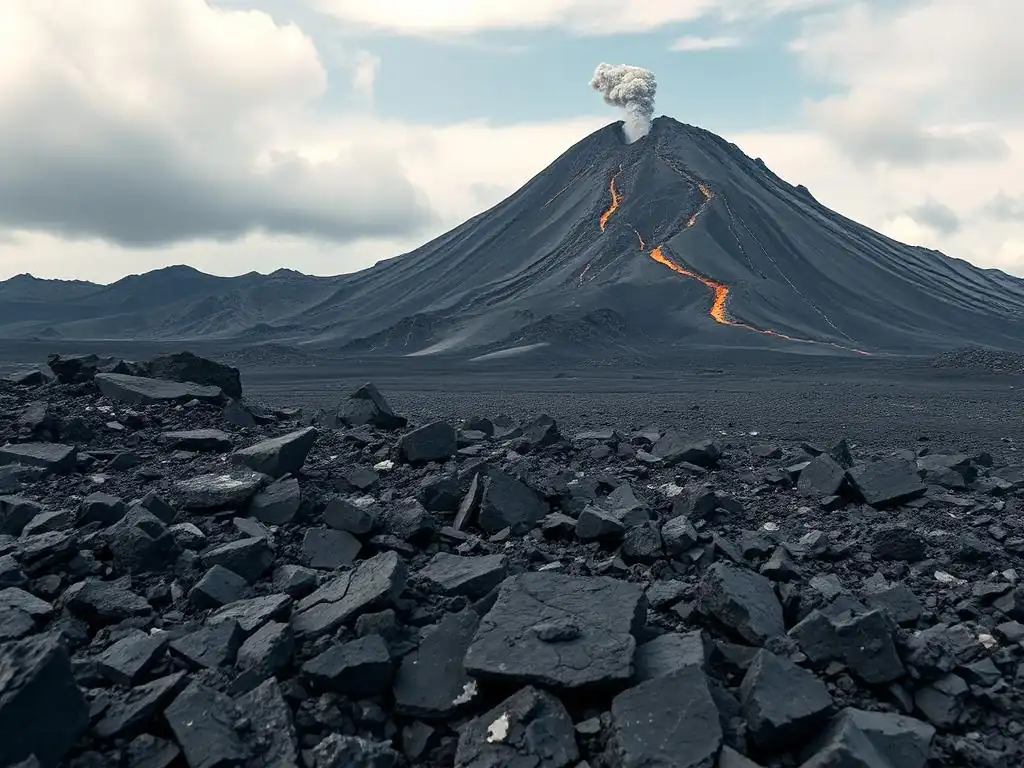
Volcanological Monitoring Techniques: Early Warning Systems
Effective monitoring is crucial for predicting lava dome collapses and mitigating their associated risks. Volcanologists employ a suite of techniques to monitor lava dome volcanoes, providing data for early warning systems. These techniques include ground deformation monitoring, gas emission measurements, thermal monitoring, and seismic monitoring, as discussed earlier. Integrating data from these various monitoring systems provides a comprehensive picture of the volcano's state and helps to assess lava dome stability and the likelihood of collapse.
Early warning systems based on volcanological monitoring are designed to detect precursory signals of dome collapse and to provide timely warnings to at-risk communities. These systems rely on real-time data acquisition and analysis, coupled with established thresholds for triggering alerts. The effectiveness of early warning systems depends on the quality of monitoring data, the understanding of volcano-specific precursory signals, and effective communication of warnings to the public and emergency response agencies.
Ground Deformation Monitoring: Tiltmeters and GPS
Ground deformation monitoring is a key technique for tracking changes in the shape of a volcano, which can indicate magma movement and dome instability. Tiltmeters are highly sensitive instruments that measure minute changes in the slope of the ground surface, reflecting inflation or deflation of the volcano. GPS (Global Positioning System) instruments are used to measure horizontal and vertical movements of points on the volcano's surface with high precision.
Inflation of the volcano, often detected by tiltmeters and GPS, can indicate magma accumulation beneath the surface, which may precede dome growth or increased instability. Conversely, deflation might indicate magma withdrawal or dome collapse. By continuously monitoring ground deformation, volcanologists can detect subtle changes that may signal increasing lava dome collapse effects and trigger warnings if deformation exceeds pre-defined thresholds.
Gas Emission Measurements: Sulfur Dioxide and Carbon Dioxide
Changes in volcanic gas emissions, particularly sulfur dioxide (SO2) and carbon dioxide (CO2), can provide valuable insights into magma degassing and volcanic activity. Increased SO2 emission rates often indicate an increase in magma supply or degassing, which can be associated with dome growth and potential instability. Changes in the CO2/SO2 ratio can also provide information about the depth and source of magma.
Volcanic gas monitoring is conducted using ground-based instruments, such as spectrometers, and satellite-based remote sensing. Real-time gas monitoring networks can detect rapid changes in gas emission rates, which may precede lava dome collapse events. Combining gas emission data with other monitoring data enhances the accuracy of lava dome collapse prediction and early warning systems, contributing to a more complete picture of potential lava dome collapse effects.
Thermal Monitoring: Identifying Hotspots and Instabilities
Thermal monitoring uses infrared sensors, often mounted on satellites or aircraft, to detect temperature variations on the volcano's surface. Lava domes are typically hotter than the surrounding terrain, and changes in thermal patterns can indicate areas of active lava extrusion, cooling, or potential instability. Increased thermal activity may suggest increased lava supply and dome growth, while changes in thermal patterns, such as the development of hotspots, might indicate areas of fracturing or gas release, signaling potential collapse.
Thermal monitoring is particularly useful for observing remote volcanoes or during periods of poor visibility when visual observations are limited. By tracking thermal changes over time, volcanologists can identify trends and anomalies that may indicate increasing lava dome collapse effects and inform hazard assessments and early warning efforts.
Challenges in Predicting Lava Dome Collapse Timing
Despite advancements in volcanological monitoring and understanding of lava dome processes, predicting the precise timing of lava dome collapses remains a significant challenge. Lava dome behavior is complex and influenced by a multitude of interacting factors, including magma supply rate, viscosity, gas content, and external triggers. The internal structure of lava domes is often heterogeneous and difficult to characterize fully, making it challenging to model their stability accurately.
Furthermore, precursory signals of dome collapse can be subtle or ambiguous, and not all collapses are preceded by clear warning signs. The timing of external triggers, such as earthquakes or heavy rainfall, is also inherently unpredictable. Therefore, while monitoring can provide valuable information about increasing instability and the likelihood of collapse, pinpointing the exact moment of collapse remains an ongoing research challenge. Probabilistic approaches to hazard assessment, rather than deterministic predictions of timing, are often used to communicate volcanic risk related to lava dome collapse effects.
The Importance of Real-Time Data and Rapid Response
Given the challenges in precisely predicting lava dome collapse timing, real-time data acquisition and rapid response capabilities are essential for mitigating lava dome collapse effects. Real-time monitoring networks provide continuous streams of data that are analyzed by volcanologists to detect changes in volcanic activity and assess hazards. Automated alert systems can trigger warnings based on pre-defined thresholds, enabling timely dissemination of information to emergency responders and the public.
Rapid response plans are crucial for effective evacuation and hazard mitigation during lava dome crises. These plans involve pre-established evacuation routes, designated safe zones, and communication protocols. Drills and exercises help to ensure that communities are prepared and know how to respond effectively when a lava dome collapse is imminent or has occurred. The combination of real-time monitoring, rapid data analysis, and well-defined response plans is vital for minimizing the lava dome collapse effects and protecting lives and property.
Living Near Lava Domes: Safety and Preparedness
Understanding Volcanic Hazard Maps and Evacuation Routes
For communities living near volcanoes with lava domes, understanding volcanic hazard maps and evacuation routes is paramount for safety. Volcanic hazard maps delineate areas at risk from various volcanic hazards, including pyroclastic flows, ashfall, and lahars, which are all potential lava dome collapse effects. These maps are typically developed by volcanologists based on past eruption history, topographic analysis, and numerical modeling of potential volcanic events.
Hazard maps are often categorized into zones of varying risk levels, reflecting the probability and intensity of different hazards. Evacuation routes are pre-planned pathways for moving people from high-risk zones to safer areas in the event of an eruption or imminent lava dome collapse. Familiarizing oneself with local volcanic hazard maps and evacuation routes is a crucial step in preparedness for living near lava dome volcanoes. Community education programs and public awareness campaigns play a vital role in disseminating this information effectively.
Emergency Preparedness: What to Do During a Lava Dome Collapse
Emergency preparedness is essential for individuals and communities living near lava domes. Having a family emergency plan, including a designated meeting place and communication strategy, is crucial. Emergency kits should be prepared, containing essential supplies such as food, water, first-aid supplies, flashlights, radios, and dust masks to protect against ash inhalation.
During a lava dome collapse event, it is vital to follow official instructions from emergency authorities. If an evacuation order is issued, evacuate promptly using designated routes and avoid low-lying areas prone to pyroclastic flows and lahars. If caught in ashfall, seek shelter indoors and wear a dust mask or damp cloth to cover your mouth and nose.
Stay informed about the situation by monitoring official sources of information, such as radio broadcasts and emergency alerts. Understanding what to do during a lava dome collapse can significantly increase safety and reduce the potential lava dome collapse effects on individuals and communities.
Community Education and Awareness Programs
Community education and awareness programs are vital for fostering resilience and preparedness in areas surrounding lava dome volcanoes. These programs aim to educate residents about volcanic hazards, including lava dome collapse effects, early warning systems, evacuation procedures, and emergency preparedness measures. Effective education programs utilize various communication channels, including public meetings, workshops, school programs, and online resources.
Building community resilience involves not only disseminating information but also engaging residents in participatory risk reduction activities, such as developing community-based emergency plans and conducting evacuation drills. Community involvement and ownership are crucial for the success of volcanic risk reduction efforts. By fostering a culture of preparedness and awareness, communities living near lava domes can better mitigate the potential lava dome collapse effects and enhance their overall safety and well-being.
The Future of Lava Dome Research and Mitigation
Advancements in Modeling Lava Dome Behavior
Future research in volcanology is focused on advancing our understanding of lava dome behavior and improving predictive capabilities. Numerical modeling plays an increasingly important role in simulating lava dome growth, stability, and collapse processes. Advanced models are being developed to incorporate complex factors such as magma rheology, gas dynamics, and fracture mechanics to better represent the intricate processes within lava domes.
Improved modeling techniques are crucial for forecasting potential lava dome collapse effects, including pyroclastic flow paths and ash dispersal. Coupling models with real-time monitoring data allows for data assimilation and model updating, enhancing the accuracy of hazard assessments and forecasts. Continued advancements in computational power and modeling methodologies will contribute to more sophisticated and reliable simulations of lava dome dynamics, leading to improved risk mitigation strategies.
Improving Early Warning Systems and Prediction Accuracy
Ongoing research is dedicated to improving the accuracy and timeliness of early warning systems for lava dome collapses. This includes enhancing monitoring networks with more sensitive instruments and expanding the range of parameters monitored, such as infrasound and ground deformation at higher frequencies. Developing more robust algorithms for analyzing monitoring data and detecting subtle precursory signals is also a key focus.
Machine learning and artificial intelligence techniques are being explored to analyze large datasets from volcanic monitoring networks and identify patterns that may be indicative of impending lava dome collapse effects. Integrating diverse datasets from seismic, deformation, gas, and thermal monitoring, combined with advanced data analysis methods, holds promise for improving the reliability and lead time of early warning systems, providing communities with more time to prepare and evacuate.
The Role of International Collaboration in Volcanic Risk Reduction
International collaboration is essential for advancing volcanic risk reduction globally, particularly in regions threatened by lava dome volcanoes. Sharing knowledge, expertise, and best practices among volcanologists, monitoring agencies, and emergency management organizations worldwide is crucial for improving volcanic hazard assessment and mitigation strategies.
International research collaborations foster the development of new monitoring technologies, modeling techniques, and risk communication approaches. Joint research projects on lava dome volcanoes in different parts of the world contribute to a broader understanding of volcanic processes and improve the transfer of knowledge and technology to developing countries with limited resources. International cooperation is vital for building global capacity to address volcanic hazards and reduce the lava dome collapse effects on vulnerable communities worldwide.
Frequently Asked Questions
What causes a lava dome to collapse?
Lava domes collapse due to several factors, including internal pressure from magma, gravity acting on the dome's steep slopes, and external triggers like rainfall or earthquakes. These factors weaken the dome's structure, leading to instability.
What are the primary effects of a lava dome collapse?
The main effects include the generation of pyroclastic flows, which are hot, fast-moving currents of gas and volcanic debris. Collapses can also produce explosions and lahars (mudflows), particularly if meltwater or rainfall is involved.
How do volcanologists monitor lava domes to predict collapses?
Volcanologists use techniques such as satellite imagery, ground deformation measurements (using GPS and tiltmeters), and gas emission monitoring to track changes in a lava dome's shape, stability, and internal pressure. Changes can indicate an increased risk of collapse.
What are the safety precautions for people living near volcanoes with active lava domes?
It is crucial to adhere to evacuation orders issued by authorities. Staying informed about volcanic activity updates and having an emergency plan in place are also vital for safety.
How do lava dome collapses differ from other types of volcanic eruptions?
Unlike explosive eruptions that originate deep within the volcano, lava dome collapses are primarily surface phenomena involving the failure of an existing structure. While they can trigger explosions, the initial event is a structural failure, not a deep magma ascent.
Final Reflection: The Fragility of Giants
The preceding exploration of lava dome collapse effects underscores a critical truth: nature's power, even in its seemingly slow-building forms, can unleash devastating consequences. Understanding these collapses, their triggers, and their impacts is not merely an academic exercise; it's a vital step in mitigating risks and safeguarding communities living in the shadow of these volcanic giants. The lessons learned from past events are directly applicable to current monitoring efforts and future hazard assessments.
The enduring influence of volcanic activity, and specifically lava dome collapses, on the cultural and social landscape of affected regions is undeniable. The constant threat, the unpredictable nature of these events, shapes the very fabric of these communities, fostering resilience and a deep respect for the earth's power. The mountains are our ancestors, and their rumblings are their voices. We must listen carefully, for they speak of both creation and destruction.
This ancient wisdom, echoed in many cultures near active volcanoes, highlights the profound connection between humanity and these geological forces.
As we conclude this exploration, I invite you to consider your own relationship with the natural world. How can we, as individuals and as a society, better understand and respect the forces that shape our planet? Let the lessons of lava dome collapse effects inspire a renewed commitment to scientific inquiry, responsible land management, and, most importantly, a profound appreciation for the delicate balance that sustains us all.
Ignite Your Curiosity: Dare to Explore Volcanoes Further!
Thank you for delving into the fascinating world of lava dome collapses. We hope you’ve gained a deeper understanding of these powerful volcanic events. Now it's time to turn that knowledge into action!
- Become a Citizen Scientist: Report any unusual volcanic activity you observe in your region to your local geological survey. Your observations could contribute valuable data to volcano monitoring efforts. This is crucial!
- Delve deeper: Use volcanoexplorers.org to Explore our extensive archives of volcanic events and learn about the diverse geological processes that shape our planet.
- Share the knowledge:Discuss what you've learned about lava dome collapses with your friends and family, sparking their interest in earth science and disaster preparedness.
What are you most curious to learn about next regarding volcanic activity, and how can we at Volcano Explorers help you uncover those secrets?