
The Colors of Lava Domes: Mineralogy and Visual Spectacle

Welcome to Volcano Explorers!
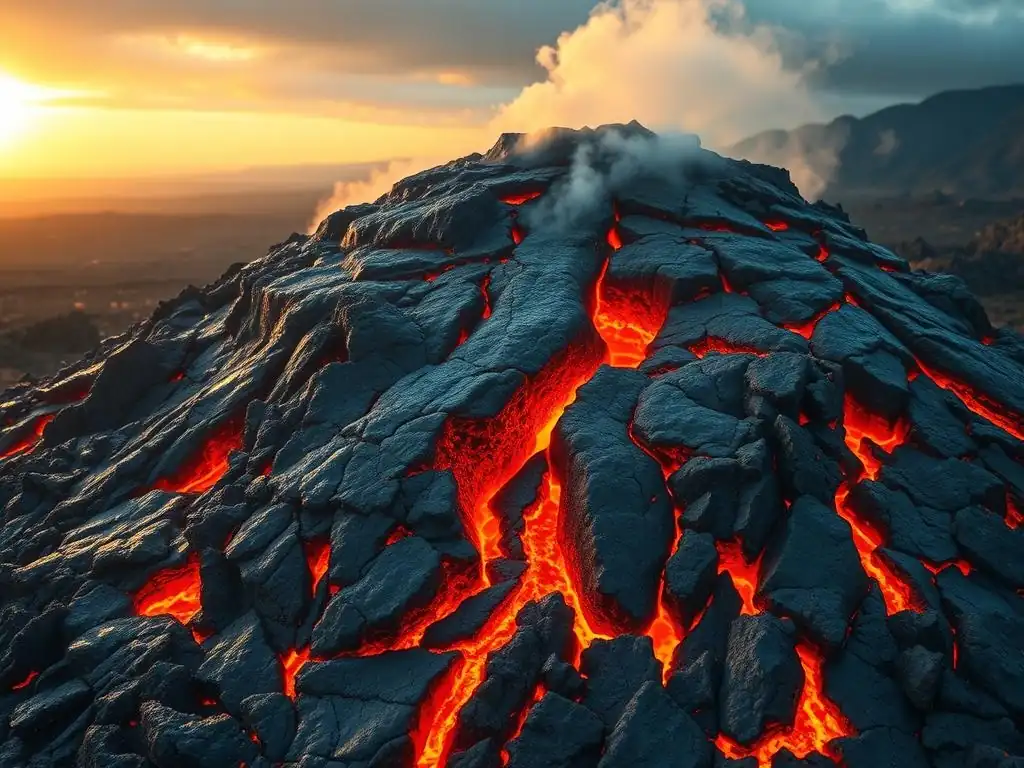
Ever wondered why lava domes shimmer with such unexpected hues? Prepare to be captivated by the secrets hidden within their mineral composition. This journey unveils the fascinating science behind the vibrant colors of lava domes, exploring how mineralogy paints these volcanic features in shades you never imagined. Intrigued? Let's delve into the fiery palette of lava dome mineral colors and uncover the secrets they hold...
- Introduction: Unveiling the Palette of Lava Domes
- Understanding Lava Dome Formation and Composition
- Mineralogy and the Spectrum of Lava Dome Colors
- Chemical Elements and Their Impact on Lava Dome Hue
- Weathering and Alteration: Changing Lava Dome Colors Over Time
- Case Studies: Examples of Colorful Lava Domes Around the World
- Visual Spectacle: Photographing the Colors of Lava Domes
- The Significance of Studying Lava Dome Mineral Colors
- Lava Dome Coloration and Volcano Monitoring
- Conclusion: The Enduring Allure of Lava Dome Mineral Colors
-
Frequently Asked Questions
- What minerals are commonly found in lava domes that contribute to their color?
- How does the cooling rate of lava affect the mineral formation and subsequent color of a lava dome?
- Can alteration processes, like weathering or hydrothermal activity, change the colors of minerals in a lava dome?
- What role does iron oxidation play in the coloring of lava domes?
- How do volcanologists study the mineral composition and color variations within lava domes?
- Final Reflection: The Fiery Palette of Our Planet
- Unleash Your Inner Volcanologist!
Introduction: Unveiling the Palette of Lava Domes
Exploring the Visually Stunning Colors of Lava Domes
Lava domes, those bulbous mounds of solidified lava that often cap volcanic vents, are not just geological formations of interest to scientists; they are also surprisingly colorful landscapes. Far from being uniformly gray or black, lava domes can exhibit a stunning array of hues, from earthy reds and browns to vibrant yellows and even subtle greens and whites.
This varied palette is a direct result of the complex interplay between the chemical composition of the lava, the minerals that crystallize within it, and the processes of weathering and alteration that act upon the dome after its formation. The colors we observe on a lava dome's surface are not merely aesthetic features; they are visual clues that offer insights into the dome's history, its mineral constituents, and the volcanic processes that shaped it.
The Connection Between Mineralogy and Lava Dome Aesthetics
The aesthetic appeal of lava domes, particularly their diverse colors, is intrinsically linked to their mineralogy. Minerals are the building blocks of rocks, including the volcanic rocks that constitute lava domes. Each mineral has a unique chemical composition and crystal structure, which in turn dictates how it interacts with light and thus, its color.
In the context of lava domes, the colors we perceive are largely determined by the types of minerals present, their abundance, and their physical state. For instance, the presence of iron-bearing minerals like hematite or goethite can impart reddish or brownish tones, while sulfur-rich minerals can contribute to yellows and greens. Understanding the mineralogical makeup of a lava dome is therefore crucial to deciphering its color spectrum and appreciating the visual spectacle it presents.
Understanding Lava Dome Formation and Composition
Viscous Lava and the Growth of Lava Domes
Lava domes are formed by the slow extrusion of highly viscous lava from a volcanic vent. Unlike the fluid lava flows that characterize shield volcanoes, the lava that forms domes is thick and sticky, often rich in silica and relatively cooler in temperature. This high viscosity prevents the lava from flowing far from the vent; instead, it piles up around the opening, solidifying and building outwards and upwards to create a dome-like structure.
The growth of a lava dome can be episodic, with periods of rapid expansion followed by periods of quiescence. The shape and size of a lava dome are influenced by factors such as the lava's viscosity, the rate of extrusion, and the topography of the surrounding terrain. Mount Unzen in Japan, for example, is a complex of overlapping lava domes that have grown over centuries, showcasing the dynamic and ongoing nature of dome formation.
The Role of Minerals in Lava Dome Structure
Minerals are fundamental to the structure and properties of lava domes. As viscous lava cools and solidifies, various minerals crystallize out of the molten rock. The specific mineral assemblage that forms is determined by the chemical composition of the lava, the cooling rate, and the pressure conditions. Common minerals found in lava domes include feldspars (like plagioclase and orthoclase), quartz, and ferromagnesian minerals (such as pyroxenes, amphiboles, and olivine, although olivine is less common in the silica-rich lavas that form domes).
These minerals interlock to create the solid rock matrix of the lava dome. The type and arrangement of minerals not only influence the dome's structural integrity but also significantly impact its color, texture, and overall appearance. For example, a lava dome rich in light-colored feldspars and quartz may appear lighter in hue compared to one containing a higher proportion of dark-colored ferromagnesian minerals.
Mineralogy and the Spectrum of Lava Dome Colors
Common Minerals Found in Lava Domes
The mineralogy of lava domes is typically dominated by silicate minerals, reflecting the silica-rich nature of the lavas from which they form. Plagioclase feldspar is often the most abundant mineral, contributing to the bulk of the dome's volume. Other common minerals include quartz, sanidine (another type of feldspar), biotite and hornblende (both hydrous ferromagnesian minerals), and pyroxenes like augite and hypersthene.
The presence and proportions of these minerals vary depending on the specific magma source and the processes it undergoes before eruption. In addition to these primary minerals that crystallize directly from the cooling lava, secondary minerals can form later due to alteration processes. These secondary minerals, such as clays, zeolites, and various oxides and sulfides, can also play a significant role in the coloration of lava domes.
How Mineral Composition Influences Lava Dome Coloration
The color of a lava dome is a direct manifestation of its mineral composition. Different minerals absorb and reflect light in different ways, leading to the diverse colors we observe. For instance, feldspars and quartz are generally light-colored, ranging from white to gray or pink, depending on minor impurities. Ferromagnesian minerals, on the other hand, are typically dark-colored, ranging from dark green to black. The overall color of the lava dome is a composite effect of the colors of all the minerals present, weighted by their relative abundance and grain size. Moreover, the way minerals are arranged and intergrown can also influence the perceived color. For example, finely disseminated mineral grains can create a different visual effect than larger, well-formed crystals of the same mineral. The texture and surface roughness of the lava dome also play a role in how light is reflected and scattered, further influencing the perceived coloration.
Chemical Elements and Their Impact on Lava Dome Hue
Iron Oxides: Reds, Browns, and Yellows in Lava Domes
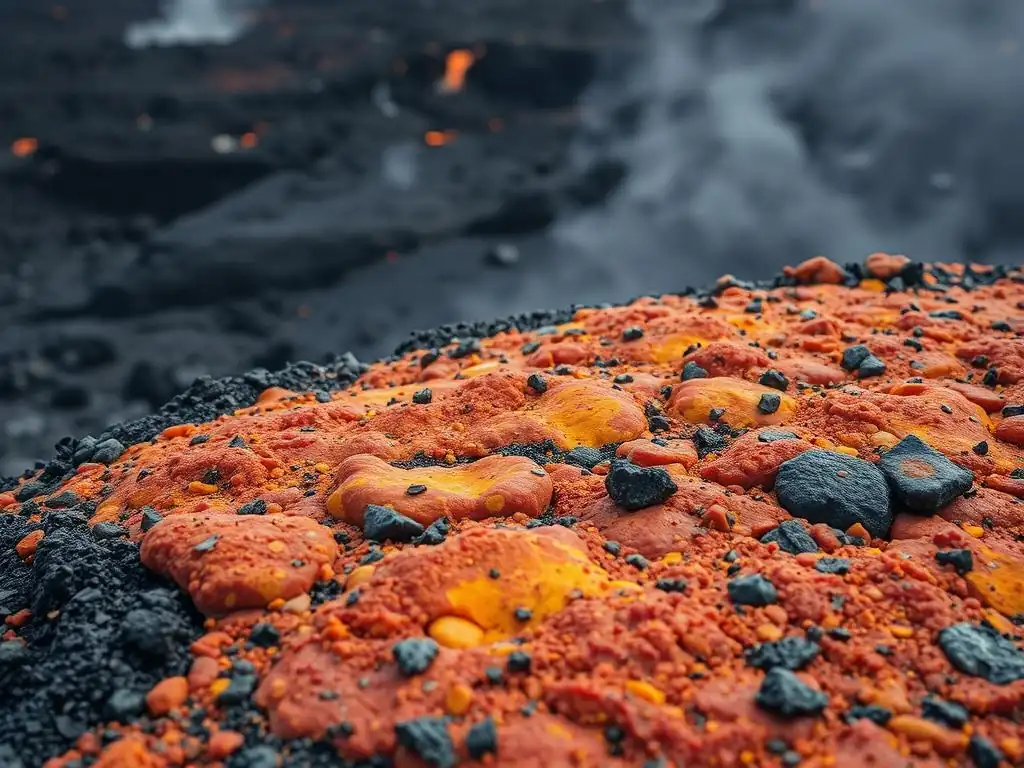
Iron is a common element in volcanic rocks, and its oxidation state profoundly affects the color it imparts to lava domes. When iron is oxidized to form iron oxides, it can produce a range of reddish, brownish, and yellowish hues. Hematite (Fe₂O₃) is a common iron oxide mineral that gives rocks a characteristic red color. Goethite (FeO(OH)), another iron oxide, typically contributes to brown and yellowish-brown colors.
The presence of these iron oxides is often a result of weathering processes where iron-bearing minerals in the lava dome react with oxygen and water in the atmosphere. The intensity of the red or brown color depends on the concentration and grain size of the iron oxide minerals. Lava domes that have undergone significant weathering in humid environments are more likely to exhibit these reddish and brownish tones due to the increased formation of iron oxides.
Sulfur Compounds: Contributing to Yellows and Greens
Sulfur is another element that can significantly impact the color of lava domes, particularly in volcanic environments where sulfurous gases are prevalent. Sulfur and sulfur-bearing minerals can contribute to yellow and greenish hues. Native sulfur itself is bright yellow and can sometimes be deposited as encrustations or sublimates on lava dome surfaces, especially around fumaroles and vents where volcanic gases escape.
Furthermore, sulfide minerals like pyrite (FeS₂) and chalcopyrite (CuFeS₂) can also contribute to yellowish or brassy colors, although pyrite often weathers to iron oxides, eventually leading to reddish-brown colors. The presence of sulfur compounds is often indicative of ongoing volcanic activity or hydrothermal alteration processes within the lava dome system. Unzen Volcano in Japan, known for its vibrant yellow coloration, owes much of its hue to sulfur deposits and sulfur-rich minerals.
Other Trace Elements and Their Effects on Lava Dome Pigmentation
While iron and sulfur are major contributors to lava dome coloration, other trace elements can also play a role in subtle color variations. For instance, manganese oxides can produce black or brownish-black colors. Copper minerals, although less common in typical lava domes, can contribute to greenish or bluish hues.
The presence of even small amounts of certain elements can influence the overall color perception. For example, trace amounts of titanium can affect the shade of iron oxides, while chromium can contribute to green colors in some minerals. The complex interplay of various trace elements, along with the dominant mineral phases, contributes to the rich and diverse palette of colors observed in lava domes around the world.
Weathering and Alteration: Changing Lava Dome Colors Over Time
The Impact of Weathering on Mineral Composition
Weathering processes, driven by atmospheric agents like water, oxygen, and carbon dioxide, significantly alter the surface and mineral composition of lava domes over time. Physical weathering breaks down the rock into smaller fragments, increasing the surface area exposed to chemical weathering. Chemical weathering involves reactions that decompose and transform minerals. For example, the weathering of feldspars, a major component of many lava domes, can lead to the formation of clay minerals.
Ferromagnesian minerals are particularly susceptible to weathering, often breaking down to iron oxides and clay minerals. The removal or alteration of certain minerals and the formation of new weathering products can drastically change the color of the lava dome surface. Over extended periods, weathering tends to subdue the original colors of the fresh lava and introduce new colors related to the weathering products.
Hydrothermal Alteration and Color Changes in Lava Domes
Hydrothermal alteration is another crucial process that modifies the mineralogy and color of lava domes, particularly in volcanically active regions. Hot, chemically reactive fluids circulating through the lava dome can interact with the existing minerals, causing them to dissolve, alter, or be replaced by new minerals. This hydrothermal activity can be driven by magmatic heat or by groundwater heated by volcanic sources.
Hydrothermal alteration can introduce a wide range of new minerals, including clay minerals (like kaolinite and smectite), zeolites, silica minerals (like quartz and chalcedony), and various sulfide and sulfate minerals. These newly formed minerals often have distinct colors that can dramatically change the overall appearance of the lava dome. Hydrothermal alteration is frequently responsible for the bright yellow, orange, and white colors observed in many volcanic areas, often associated with the deposition of sulfur, alunite, and other alteration minerals.
Case Studies: Examples of Colorful Lava Domes Around the World
Mount St. Helens, USA: Gray and White due to Dacite Composition
The lava dome within the crater of Mount St. Helens, formed after the catastrophic 1980 eruption, is characterized by predominantly gray and white colors. This coloration is largely due to the dacitic composition of the lava, which is rich in silica and relatively poor in iron. The dominant minerals are plagioclase feldspar, quartz, and cristobalite, all of which are light-colored.
The fresh lava dome surfaces tend to be gray, reflecting the color of these primary silicate minerals. Over time, some areas of the dome may exhibit whitish patches due to the alteration of feldspars to clay minerals or the deposition of silica. The overall gray and white palette of the Mount St. Helens lava dome contrasts with domes that have undergone more extensive oxidation or hydrothermal alteration.
Unzen Volcano, Japan: Yellow due to Sulfur Deposits
Unzen Volcano in Japan is renowned for its strikingly yellow lava domes. This vibrant coloration is primarily attributed to the presence of abundant sulfur deposits. The volcanic gases emitted from Unzen are rich in sulfur dioxide, which, upon cooling and reacting with other elements, precipitates native sulfur and various sulfur-bearing minerals on the dome surface.
These sulfur compounds, including native sulfur and possibly some sulfide minerals, are responsible for the intense yellow hues. The fumarolic activity and ongoing degassing at Unzen continually contribute to the deposition of these yellow minerals, maintaining the dome's distinctive coloration. The yellow colors are particularly prominent in areas surrounding active fumaroles and vents.
Santiaguito, Guatemala: Brown and Red from Oxidation
The Santiaguito lava dome complex in Guatemala displays a range of brown and red colors, indicative of significant oxidation processes. Santiaguito is an active lava dome complex that has been growing since the early 20th century. The andesitic lava that forms Santiaguito is relatively iron-rich.
Over time, exposure to atmospheric oxygen and water has led to the oxidation of iron-bearing minerals, resulting in the formation of iron oxides like hematite and goethite. These iron oxides impart the characteristic brown and red colors observed on the dome surfaces. The intensity of the red and brown hues varies depending on the degree of weathering and the local environmental conditions, with areas exposed to more moisture and oxygen exhibiting more pronounced oxidation colors.
Visual Spectacle: Photographing the Colors of Lava Domes
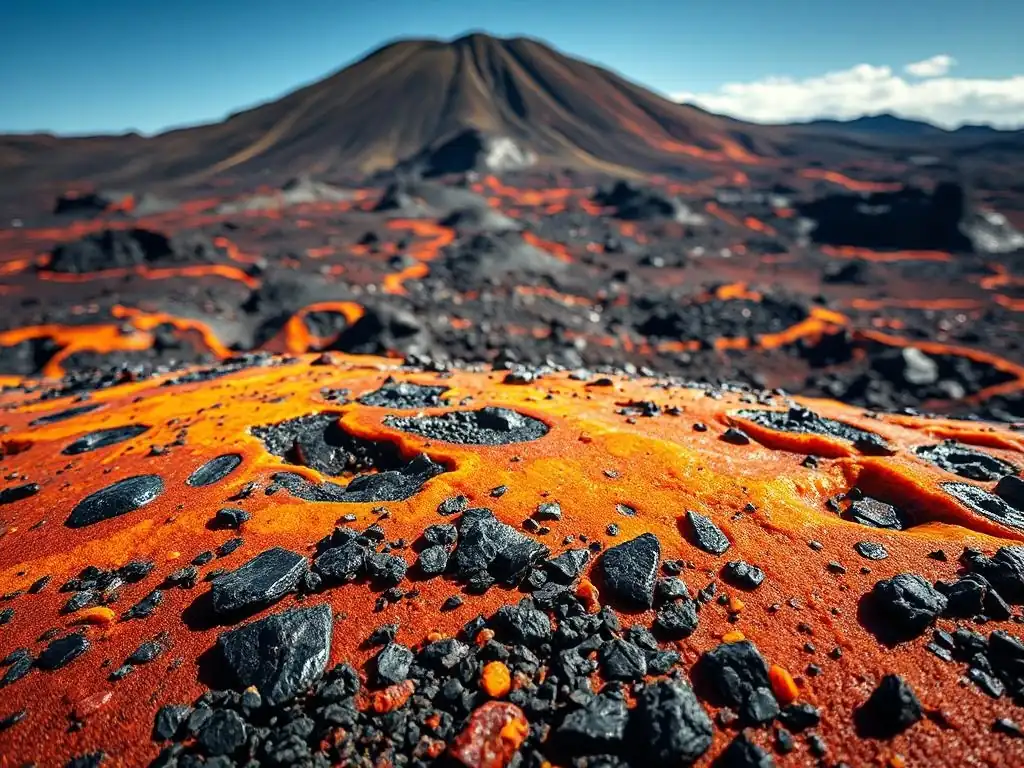
Capturing the Beauty of Lava Dome Mineral Colors
Photographing lava domes and their mineral colors offers a unique opportunity to capture the beauty and geological complexity of these volcanic landscapes. The diverse palette of colors, from earthy tones to vibrant hues, can be visually striking, especially when contrasted against the surrounding volcanic terrain. Capturing the subtle variations in color often requires careful attention to lighting conditions and camera settings.
Golden hour light, in the early morning or late afternoon, can enhance the colors and textures of lava domes, bringing out the richness of the mineral hues. Overcast days can also be beneficial for evenly illuminating the dome and reducing harsh shadows, allowing for more detailed color capture.
Tips for Photographing Volcanic Landscapes and Lava Domes
When photographing volcanic landscapes and lava domes, consider these tips to enhance your images:
- Utilize Golden Hour: Shoot during the "golden hour" (shortly after sunrise or before sunset) for warm, soft light that enhances colors and textures.
- Explore Different Perspectives: Experiment with various angles and viewpoints to capture the dome's shape and colors from different perspectives. Consider using drone photography where permitted and safe to get aerial views.
- Pay Attention to Light and Shadow: Use shadows to create depth and highlight the three-dimensional form of the lava dome.
- Zoom in on Textures and Colors: Use a zoom lens to capture close-up details of the mineral colors and textures on the dome surface.
- Include Scale: Incorporate elements like vegetation or human figures (from a safe distance) to provide scale and context to the vastness of the volcanic landscape.
- Be Mindful of Safety: Always prioritize safety when photographing volcanic areas. Be aware of volcanic hazards, follow park guidelines, and maintain a safe distance from active vents and unstable dome structures.
The Significance of Studying Lava Dome Mineral Colors
Understanding Volcanic Processes Through Mineral Analysis
Studying the mineral colors of lava domes is not just an aesthetic pursuit; it provides valuable insights into the volcanic processes that shape these formations. The mineralogy, and consequently the color, of a lava dome is a reflection of the magma's composition, its cooling history, and the post-eruptive alteration processes it has undergone. By analyzing the mineral assemblage and their textures, volcanologists can infer the conditions under which the lava dome formed, such as the temperature and pressure of crystallization, the rate of cooling, and the volatile content of the magma.
Changes in mineral color over time can also indicate ongoing alteration processes or changes in volcanic activity. Therefore, mineral analysis is a powerful tool for understanding the life cycle of a lava dome and the broader volcanic system it belongs to.
Predicting Eruptive Behavior Based on Lava Dome Mineralogy
While the color itself is not a direct predictor of eruptive behavior, the mineralogy that dictates the color can provide clues about the state of the volcano. For example, changes in the mineral composition of erupted material from a lava dome, which might be indirectly reflected in subtle color variations over time, could signal changes in the magma supply or the conditions within the volcanic conduit.
Monitoring the mineralogical evolution of a lava dome, often through analysis of rock samples or remotely sensed data, can help volcanologists track changes in the volcanic system and potentially assess the likelihood of future eruptions or dome collapses. Although not a standalone predictive tool, mineralogical data, including information derived from color analysis, contributes to a more comprehensive understanding of volcanic dynamics and hazard assessment.
Lava Dome Coloration and Volcano Monitoring
Remote Sensing Techniques for Monitoring Color Changes
Remote sensing techniques are increasingly utilized to monitor lava domes and track changes in their surface characteristics, including color. Satellite imagery and aerial surveys can capture multispectral and hyperspectral data that record the reflectance of the lava dome surface across a range of wavelengths. Analyzing these spectral data allows scientists to map the distribution of different minerals and alteration products on the dome surface, and to detect subtle color variations that might not be apparent to the naked eye.
Changes in the spectral signature over time can indicate alterations in mineralogy, temperature, or gas emissions, providing valuable information for volcano monitoring. These remote sensing methods offer a non-invasive and efficient way to track the evolution of lava dome coloration and infer changes in volcanic activity.
Using Color Data to Assess Lava Dome Stability and Hazards
Color data, derived from remote sensing or field observations, can contribute to assessing lava dome stability and potential hazards. Changes in color, particularly those indicative of increased hydrothermal alteration or weathering, can suggest weakening of the dome structure. For instance, the appearance of extensive yellow patches due to sulfur deposition might indicate increased fumarolic activity and potential instability.
Similarly, significant changes in the red/brown coloration associated with iron oxides could reflect increased weathering and potential for rockfalls or landslides. While color data is not a direct measure of dome stability, it serves as a valuable proxy indicator that, when combined with other monitoring data (such as deformation measurements, gas emissions, and seismic activity), can improve our understanding of lava dome hazards and inform risk mitigation strategies.
Conclusion: The Enduring Allure of Lava Dome Mineral Colors
Appreciating the Beauty and Scientific Value of Lava Dome Coloration
The colors of lava domes are more than just a visual spectacle; they are a window into the complex geological processes that shape our planet. From the vibrant yellows of sulfur deposits to the earthy reds of iron oxides and the subtle grays and whites of silicate minerals, the palette of lava dome mineral colors reflects the intricate interplay of magma composition, mineral crystallization, weathering, and hydrothermal alteration.
Appreciating these colors allows us to connect with the dynamic and powerful forces of volcanism, recognizing the beauty and scientific value inherent in these geological formations. The study of lava dome mineral colors not only enhances our understanding of volcanic processes but also underscores the importance of visual observation and remote sensing in monitoring and assessing volcanic hazards.
Further Exploration: Lava Flow Rheology and Volcanic Gas Emissions
While lava dome mineral colors provide a fascinating avenue for understanding volcanism, further exploration into related topics can deepen our appreciation of these geological wonders. Investigating lava flow rheology, the study of how viscous lava flows and solidifies, offers insights into the formation and morphology of lava domes.
Understanding volcanic gas emissions, their composition, and their role in driving eruptions and alteration processes, provides a crucial context for interpreting the mineral colors observed on lava domes. By delving into these interconnected aspects of volcanology, we can gain a more holistic and comprehensive understanding of the dramatic and colorful world of lava domes.
Frequently Asked Questions
What minerals are commonly found in lava domes that contribute to their color?
Lava domes often contain minerals like feldspar, pyroxene, and amphibole. These minerals, along with others, can impart a range of colors depending on their composition and alteration.
How does the cooling rate of lava affect the mineral formation and subsequent color of a lava dome?
A faster cooling rate can lead to the formation of smaller crystals or even volcanic glass, impacting the overall color. Slower cooling allows for larger crystal growth, potentially revealing more distinct mineral colors.
Can alteration processes, like weathering or hydrothermal activity, change the colors of minerals in a lava dome?
Yes, alteration processes are crucial. Hydrothermal alteration, for example, can introduce new minerals like clays and oxides, dramatically altering the surface colors of the lava dome.
What role does iron oxidation play in the coloring of lava domes?
Iron oxidation is a key process. The presence of iron oxides, such as hematite and goethite, can create vibrant red, brown, and yellow hues on the lava dome's surface.
How do volcanologists study the mineral composition and color variations within lava domes?
Volcanologists use techniques like X-ray diffraction and optical microscopy to identify minerals. They also analyze spectral data from satellites and drones to map color variations and infer mineral distributions.
Final Reflection: The Fiery Palette of Our Planet
The exploration of lava dome mineral colors, as we've seen, is far more than just an aesthetic exercise; it's a window into the Earth's inner workings. Understanding the mineral composition that dictates these vibrant hues allows us to decipher the complex processes occurring beneath our feet, offering crucial insights into volcanic activity and potential hazards. This knowledge is not confined to the realm of geologists; it has profound implications for communities living near these geological giants.
The captivating beauty of lava domes, painted with nature's fiery palette, has always inspired awe and wonder. For me, understanding the science behind this spectacle only deepens that appreciation, transforming a visual experience into a profound connection with the planet's dynamic forces. The interplay of mineralogy and visual impact reminds us of the intricate balance that sustains our world. The earth has music for those who listen.
- George Santayana. This quote perfectly encapsulates the idea that by observing and understanding the Earth's processes, we can unlock a deeper understanding of its inherent beauty and power.
As we conclude this journey through the colors of lava domes, let us carry forward a renewed sense of curiosity and responsibility. Consider the implications of this knowledge in your own life. How can you, as an individual, contribute to a greater understanding and appreciation of the natural world? Embrace the opportunity to learn, explore, and protect the Earth's wonders, ensuring that future generations can marvel at the fiery palette of our planet.
Unleash Your Inner Volcanologist!
Thanks for exploring the mesmerizing world of lava dome colors! We hope you enjoyed uncovering the secrets behind these geological masterpieces and their breathtaking visual spectacle. Ready to delve deeper?
Here are a few ways to continue your exploration:
- Visit a local geological museum to examine their volcanic rock collection. Seeing these wonders firsthand is truly awe-inspiring.
- Share this article with fellow geology enthusiasts and spark a conversation about the science and artistry of lava domes.
- Share your ideas for visualizing mineral compositions in the comments below – let's inspire new ways to learn about and appreciate volcanology!
Have you discovered any hidden volcanic wonders near you? Share your favorite geology spots in the comments!