
Are Volcanoes Accelerating Climate Change? Separating Fact from Fiction

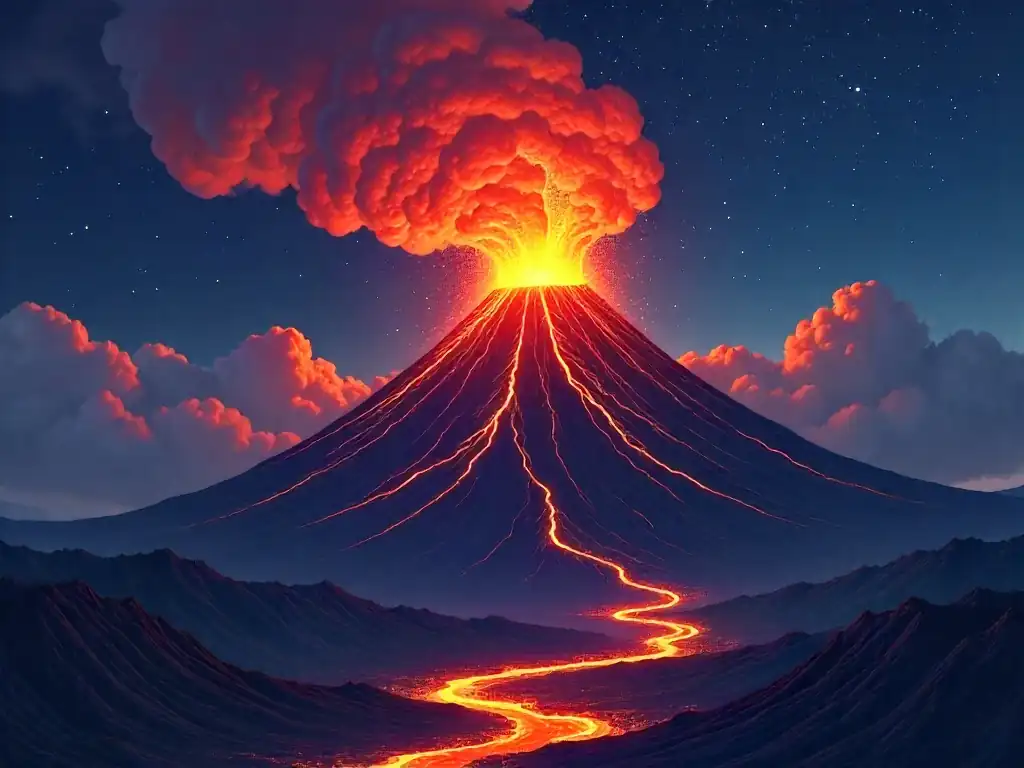
Welcome to Volcano Explorers, where we venture into the heart of Earth's most powerful forces. Ever wondered if volcanoes are secretly steering our climate's destiny? Our latest exploration dives deep into the burning question of volcanoes climate change impact, separating explosive fact from simmering fiction. Prepare to uncover the surprising truths and untangle the complex relationship between these fiery giants and our planet's atmosphere. Let the eruption of knowledge begin...
- Introduction: Understanding Volcanoes and Their Climate Change Impact
- The Role of Volcanoes in the Carbon Cycle: A Deep Dive
- Volcanoes and Greenhouse Gases: What's the Real Story?
- Major Volcanic Eruptions and Their Influence on Global Temperatures
- Comparing Volcanic Emissions to Anthropogenic Climate Change
- Debunking Myths: Volcanoes as the Primary Driver of Climate Change
- The Limited Impact of Volcanoes on Long-Term Climate Trends
- The Importance of Distinguishing Between Natural Variability and Human-Induced Change
- Conclusion: The True Impact of Volcanoes on Our Climate
-
Frequently Asked Questions
- Are volcanoes the primary driver of climate change?
- How do volcanoes impact the climate, then?
- Is the impact of volcanoes on climate always a cooling effect?
- How do scientists measure the impact of volcanoes on climate change?
- What is the overall relationship between volcanoes and the broader issue of climate change?
- Final Reflection: Understanding Volcanoes' True Climate Impact
- Unearth Your Inner Volcanologist!
Introduction: Understanding Volcanoes and Their Climate Change Impact
United States Geological Survey (USGS): Exploring the Interplay Between Volcanic Activity and Global Climate
The United States Geological Survey (USGS) plays a crucial role in monitoring and studying volcanoes, providing invaluable data and research on volcanic activity and its broader environmental effects. Their work extends to understanding the complex relationship between volcanoes and the global climate system. Through continuous monitoring of volcanic gases, ground deformation, and seismic activity, the USGS helps scientists assess the potential climate impacts of both erupting and dormant volcanoes. This data is vital for refining climate models and improving our understanding of natural climate variability.
The USGS also conducts extensive research into the geochemical processes within volcanoes, which directly influence the composition of volcanic emissions. These emissions, including gases like carbon dioxide (CO2) and sulfur dioxide (SO2), can have contrasting effects on the climate. By studying past eruptions and analyzing present-day volcanic activity, the USGS contributes significantly to our knowledge of how volcanic events have shaped and continue to shape the Earth's climate, offering a scientific basis to differentiate between natural and human-induced climate change factors.
Addressing the Misconceptions: Do Volcanoes Contribute Significantly to Climate Change?
A common misconception is that volcanoes are a primary driver of current climate change, emitting vast quantities of greenhouse gases that dwarf human emissions. While it is true that volcanoes release gases that affect the atmosphere, the scale of their contribution compared to human activities is vastly different. It's crucial to separate fact from fiction when discussing volcanoes climate change impact to have an accurate understanding of the current climate crisis.
Scientific evidence overwhelmingly indicates that human activities, particularly the burning of fossil fuels, are the dominant force behind the rapid warming of the planet. While major volcanic eruptions can cause temporary shifts in global temperatures, these effects are short-lived and pale in comparison to the long-term and cumulative impact of anthropogenic greenhouse gas emissions. Understanding the actual scale of volcanic emissions is essential to correctly assess their role in the broader context of climate change.
The Role of Volcanoes in the Carbon Cycle: A Deep Dive
Natural Sources of Carbon Dioxide: Volcanoes vs. Human Activities
Carbon dioxide (CO2) is a naturally occurring greenhouse gas, and volcanoes are indeed a natural source of CO2 emissions. However, when we compare the CO2 released by volcanoes to that released by human activities, a stark difference emerges. Natural sources, including volcanoes, oceans, and respiration from living organisms, are part of the Earth's natural carbon cycle, where CO2 is both released and absorbed in a relatively balanced system over long timescales.
In contrast, human activities, such as burning fossil fuels (coal, oil, and natural gas) and deforestation, are disrupting this balance by releasing vast amounts of "fossil carbon" that has been stored underground for millions of years. This additional CO2 is not part of the natural carbon cycle's current equilibrium and is the primary driver of the increasing atmospheric CO2 concentrations and subsequent global warming. While volcanoes contribute to the natural carbon cycle, their contribution is dwarfed by the human-induced carbon emissions that are accelerating climate change.
Pre-Industrial Volcanic CO2 Emissions: Setting a Baseline
To understand the current impact of human activities on the climate, it's helpful to consider pre-industrial levels of CO2 and the natural contributions from sources like volcanoes. Before the Industrial Revolution, which began in the late 18th century, atmospheric CO2 levels were relatively stable for thousands of years, hovering around 280 parts per million (ppm). Volcanic emissions during this pre-industrial era were part of this natural balance, contributing to the background CO2 concentration.
Scientists estimate that volcanoes globally release around 0.26 to 0.28 gigatons of CO2 per year. This estimate represents the combined emissions from both subaerial (above sea level) and submarine volcanoes. This rate of volcanic CO2 emission has been relatively consistent for millennia, representing a natural baseline level of CO2 input into the atmosphere. Understanding this pre-industrial volcanic contribution helps us appreciate the magnitude of the human-caused disruption to the carbon cycle since then.
Volcanoes and Greenhouse Gases: What's the Real Story?
Beyond Carbon Dioxide: Volcanic Emissions of Other Climate-Relevant Gases
While carbon dioxide is the most well-known greenhouse gas emitted by volcanoes, they also release other gases that can influence the climate, though often in more complex ways. These include sulfur dioxide (SO2), water vapor (H2O), hydrogen sulfide (H2S), and various halogen gases. Understanding the full spectrum of volcanic emissions is crucial for a comprehensive assessment of volcanoes climate change impact.
Water vapor is a potent greenhouse gas, but volcanic water vapor is quickly incorporated into the water cycle and has a relatively short residence time in the atmosphere, meaning its direct long-term warming effect is limited. However, other gases like sulfur dioxide and halogen gases can have more complex and sometimes counterintuitive effects on the climate system, including temporary cooling effects.
Sulfur Dioxide (SO2) and Aerosols: A Temporary Cooling Effect?
Sulfur dioxide (SO2) is a significant volcanic gas that, unlike CO2, can actually lead to a temporary cooling effect on the planet. When SO2 is released into the atmosphere, especially during large explosive eruptions that inject it into the stratosphere, it reacts with water vapor to form sulfate aerosols. These aerosols are tiny particles that reflect incoming sunlight back into space, reducing the amount of solar radiation reaching the Earth's surface.
This cooling effect from sulfate aerosols is well-documented and has been observed after major volcanic eruptions. For example, the eruption of Mount Pinatubo in 1991 released a substantial amount of SO2, leading to a measurable global cooling of about 0.5 degrees Celsius (0.9 degrees Fahrenheit) for a couple of years. However, this cooling effect is temporary because sulfate aerosols are removed from the atmosphere relatively quickly, typically within a few years. Therefore, while SO2 from volcanoes can cause short-term cooling, it does not counteract the long-term warming trend caused by increasing greenhouse gas concentrations, particularly CO2.
Major Volcanic Eruptions and Their Influence on Global Temperatures
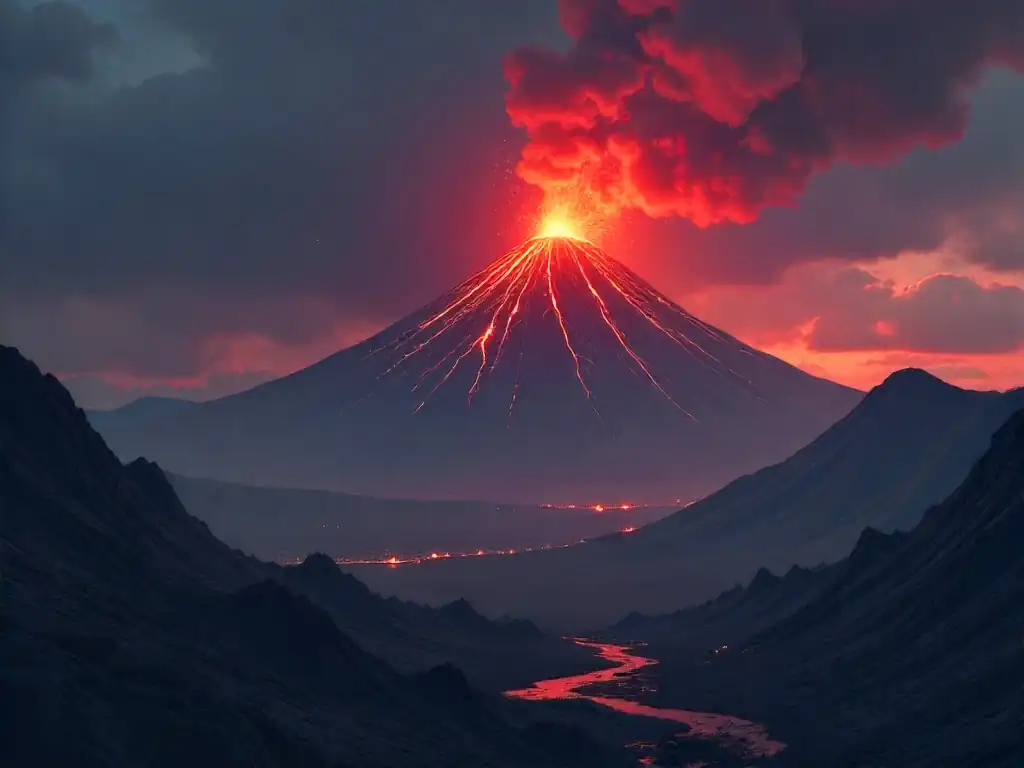
Mount Pinatubo's Impact: A Case Study of Volcanic Cooling
The 1991 eruption of Mount Pinatubo in the Philippines serves as a compelling case study of a major volcanic eruption's impact on global temperatures. This eruption was one of the largest volcanic events of the 20th century, injecting approximately 20 million tons of sulfur dioxide into the stratosphere. The resulting sulfate aerosols spread globally, creating a veil that reflected sunlight and led to a discernible drop in global average temperatures.
Within a year of the Pinatubo eruption, global temperatures decreased by about 0.5°C (0.9°F). This cooling effect was noticeable worldwide and lasted for approximately two to three years as the sulfate aerosols gradually settled out of the atmosphere. The Pinatubo eruption provides clear evidence of the short-term cooling potential of large volcanic eruptions due to SO2 emissions. It also underscores the temporary nature of this cooling, as the planet's warming trend resumed once the aerosols dissipated, highlighting the dominance of long-term greenhouse gas forcing.
Examining the Long-Term Effects of Large-Scale Eruptions
While eruptions like Mount Pinatubo cause temporary global cooling, it's important to consider the potential long-term climate effects of exceptionally large volcanic events, particularly those in Earth's distant past. Throughout geological history, there have been massive volcanic eruptions known as Large Igneous Provinces (LIPs), which released enormous volumes of volcanic gases over extended periods, potentially spanning hundreds of thousands to millions of years.
These LIP events, such as the Siberian Traps eruptions around 252 million years ago, are linked to major climate changes and mass extinction events in Earth's history. The sheer volume of greenhouse gases, including CO2, released during these prolonged eruptions could have led to significant long-term warming and ocean acidification.
However, these events occurred over vast geological timescales and are fundamentally different from the current, rapid pace of anthropogenic climate change. Furthermore, the Earth system has natural mechanisms to eventually draw down excess CO2 over very long timescales, processes that are far too slow to counteract the current rate of human-induced warming.
Comparing Volcanic Emissions to Anthropogenic Climate Change
Quantifying the Contribution: Volcanic CO2 vs. Human-Caused CO2
To truly understand the context of volcanoes climate change impact, it's essential to compare the amount of CO2 emitted by volcanoes to the amount emitted by human activities. As mentioned earlier, volcanoes globally release approximately 0.26 to 0.28 gigatons of CO2 per year. In stark contrast, human activities, primarily the burning of fossil fuels, are currently emitting over 37 gigatons of CO2 per year.
This means that human CO2 emissions are more than 100 times greater than the CO2 emissions from all the world's volcanoes combined. This massive disparity underscores the overwhelming dominance of human activities as the source of excess CO2 in the atmosphere. While volcanic CO2 emissions are a natural part of the Earth system, their magnitude is insignificant compared to the scale of human-induced emissions driving current climate change.
The Scale of the Problem: Why Human Activity Overwhelms Volcanic Influence
The sheer scale of human CO2 emissions compared to volcanic emissions explains why human activity overwhelms any potential climate influence from volcanoes in the context of current climate change. The annual increase in atmospheric CO2 concentration is directly linked to the excess CO2 being released by human activities. This increase is far beyond what natural sources, including volcanoes, could account for.
The Intergovernmental Panel on Climate Change (IPCC), the leading international body for assessing climate change, has concluded unequivocally that it is unequivocal that human influence has warmed the atmosphere, ocean, and land. Their assessments are based on a vast body of scientific evidence, including the clear signature of human-caused CO2 in the atmosphere and the observed changes in global temperatures and other climate indicators. Volcanoes, while fascinating and impactful in many ways, are not the primary drivers of the climate crisis we are currently facing.
Debunking Myths: Volcanoes as the Primary Driver of Climate Change
Myth 1: Volcanoes Emit More CO2 Than Humans
One persistent myth is that volcanoes emit more CO2 than human activities, suggesting they are the main culprits behind climate change. As established with scientific data, this is demonstrably false. Volcanoes release a relatively small amount of CO2 compared to the massive quantities released by burning fossil fuels, deforestation, and industrial processes.
The USGS and other geological surveys consistently monitor volcanic emissions and provide data that clearly shows human emissions far outweigh volcanic contributions. This myth often arises from a misunderstanding of the scale of industrial activity and the vast amount of carbon stored in fossil fuels that humans are extracting and burning at an unprecedented rate. It's crucial to rely on scientific evidence rather than misinformation when discussing the causes of climate change.
Myth 2: Volcanic Eruptions Can Reverse Global Warming
Another misconception is that intentionally triggering large volcanic eruptions, often referred to as geoengineering, could be a viable way to reverse global warming. This idea stems from the observed cooling effect of volcanic sulfate aerosols. However, this approach is fraught with risks and limitations and is not considered a practical or desirable solution to climate change.
While large eruptions do cause temporary cooling, this cooling is short-lived and comes with numerous negative side effects, including regional climate disruptions, ozone depletion, and acid rain. Furthermore, relying on volcanic eruptions to mask the effects of greenhouse gas emissions does nothing to address the underlying problem of increasing atmospheric CO2 concentrations. The only effective and sustainable way to mitigate climate change is to reduce human greenhouse gas emissions at their source.
The Limited Impact of Volcanoes on Long-Term Climate Trends
Volcanoes as a Short-Term Climate Forcing Factor
Volcanoes, particularly through their sulfur dioxide emissions, act primarily as a short-term climate forcing factor. Major eruptions can inject SO2 into the stratosphere, leading to the formation of sulfate aerosols that reflect sunlight and cause temporary global cooling. This cooling effect typically lasts for a few years until the aerosols are removed from the atmosphere.
While these short-term cooling events are significant and measurable, they do not alter the long-term warming trend driven by increasing greenhouse gas concentrations. The climate system eventually returns to a warming trajectory after the volcanic aerosols dissipate, and the underlying increase in greenhouse gases continues to exert its warming influence. Therefore, volcanoes primarily induce short-term fluctuations in global temperatures superimposed on the long-term warming trend.
Understanding the Persistent Effects of Human Greenhouse Gas Emissions
In contrast to the short-term climate forcing of volcanoes, human greenhouse gas emissions have a persistent and long-lasting effect on the climate system. Carbon dioxide, the primary greenhouse gas from human activities, can remain in the atmosphere for hundreds to thousands of years. This long atmospheric lifetime means that the CO2 we emit today will continue to contribute to warming for centuries to come.
This persistence is why the cumulative effect of human greenhouse gas emissions is so significant and why addressing climate change requires a fundamental shift away from fossil fuels and towards sustainable energy sources. Reducing human emissions is essential to stabilize the climate and avoid the most severe consequences of long-term warming. Focusing on the short-term effects of volcanoes distracts from the urgent need to address the persistent and escalating threat of human-induced climate change.
The Importance of Distinguishing Between Natural Variability and Human-Induced Change
Recognizing the Complex Interactions within the Earth's Climate System
The Earth's climate system is inherently complex, with numerous natural factors influencing global temperatures and climate patterns. These natural factors include solar variability, ocean currents, and volcanic activity. Understanding the interplay of these natural factors is crucial for distinguishing between natural climate variability and human-induced climate change.
Volcanoes are one component of this natural variability, contributing to short-term fluctuations in global temperatures. However, the scientific consensus is clear that the rapid warming observed over the past century cannot be explained by natural variability alone. Climate models that incorporate only natural factors fail to reproduce the observed warming trend. It is only when human factors, particularly greenhouse gas emissions, are included in these models that they accurately simulate the observed climate changes.
Acknowledging the Predominant Role of Human Activities in Climate Change
While natural factors like volcanoes play a role in the Earth's climate system, the overwhelming scientific evidence points to human activities as the predominant driver of current climate change. The rate and magnitude of warming observed in recent decades are unprecedented in the geological record and are directly attributable to the increase in greenhouse gas concentrations caused by human emissions.
Attributing climate change to natural factors, such as volcanoes, ignores the vast body of scientific research and evidence that clearly demonstrates the dominant role of human activities. Accurately understanding the causes of climate change is essential for developing effective mitigation and adaptation strategies and addressing the urgent need to transition to a sustainable future.
Conclusion: The True Impact of Volcanoes on Our Climate
Volcanoes Climate Change Impact: Separating Fact from Fiction
While volcanoes do release gases that affect the climate, their contribution to current climate change is often misrepresented and vastly overstated. The scientific evidence clearly demonstrates that human activities are the primary driver of the rapid warming of the planet. Volcanoes climate change impact is real but limited in scale and duration compared to the persistent and escalating effects of human greenhouse gas emissions.
It is crucial to separate fact from fiction when discussing volcanoes' role in climate change. Misinformation and myths can distract from the urgent need to address the real source of the problem: human activities. Understanding the true scale of volcanic emissions and their short-term effects helps to contextualize their place within the broader climate system and accurately assess the dominant role of human influence.
The Urgent Need to Focus on Reducing Human Greenhouse Gas Emissions
The focus of climate action must remain firmly on reducing human greenhouse gas emissions. This requires a global transition away from fossil fuels towards renewable energy sources, improved energy efficiency, sustainable land management practices, and other measures to decarbonize the global economy. Addressing climate change effectively demands a comprehensive and concerted effort to mitigate human emissions and adapt to the impacts of warming that are already being felt.
While volcanoes are fascinating natural phenomena and their study is crucial for understanding Earth's dynamic systems, they are not the cause of the current climate crisis. Focusing on volcanoes as a primary driver distracts from the real challenge and the real solutions, which lie in addressing human activities and transitioning to a sustainable future.
Further Reading: Explore More About Volcanoes and Climate on the USGS Website
For those interested in delving deeper into the science of volcanoes and their relationship to climate, the USGS website (www.usgs.gov) offers a wealth of resources. You can find detailed information on volcanic monitoring, research on volcanic gases, and educational materials explaining the science behind volcanoes and their environmental effects. Exploring the USGS website is an excellent way to access credible and scientifically accurate information about volcanoes and their true role in the Earth's climate system.
Frequently Asked Questions
Are volcanoes the primary driver of climate change?
No, human activities are the dominant cause of current climate change. Volcanoes release greenhouse gases, but at a significantly lower rate than human emissions.
How do volcanoes impact the climate, then?
Volcanic eruptions can release sulfur dioxide, which forms sulfate aerosols. These aerosols reflect sunlight back into space, causing temporary global cooling.
Is the impact of volcanoes on climate always a cooling effect?
While large eruptions often cause cooling, the long-term impact depends on the type and frequency of eruptions. Some gases released can contribute to long-term warming, though less significantly.
How do scientists measure the impact of volcanoes on climate change?
Scientists use satellite data, ground-based measurements, and climate models to assess volcanic emissions. They compare these data to historical records and climate change trends to understand their specific effects.
What is the overall relationship between volcanoes and the broader issue of climate change?
Volcanoes play a natural role in the Earth's climate system, but their impact is dwarfed by anthropogenic climate change. Understanding their effect is crucial for creating accurate climate models.
Final Reflection: Understanding Volcanoes' True Climate Impact
The debate surrounding the volcanoes climate change impact is more crucial now than ever, as we grapple with the realities of a rapidly changing world. Misinformation can be as damaging as inaction, and understanding the true role of volcanic activity in our climate system is paramount to crafting effective mitigation strategies. This article has aimed to separate scientific fact from popular fiction, providing a clearer picture of the complex relationship between volcanic eruptions and global climate patterns.
The influence of volcanoes on our planet's climate is undeniable, though often misunderstood. The ongoing research into volcanic emissions and their atmospheric effects is a testament to our commitment to understanding Earth's intricate systems. The Earth is a very small stage in a vast cosmic arena. Think of the rivers of blood spilled by all those generals and emperors so that, in glory and triumph, they could become the momentary masters of a fraction of a dot.
- Carl Sagan, reminding us of the scale of our planet and the importance of understanding its forces.
Now, armed with a more nuanced understanding of the volcanoes climate change impact, consider your own role in promoting accurate information and advocating for responsible climate action. Let us all strive to be informed citizens, capable of discerning fact from fiction, and committed to safeguarding our planet for future generations. The future of our climate depends on our collective understanding and responsible action.
Unearth Your Inner Volcanologist!
Thank you for exploring the fascinating world of volcanoes and their impact on our climate. We hope you gained a clearer understanding of this complex relationship. Now, let's put that knowledge to use!
Here's how you can continue your exploration:
- Become a Citizen Scientist: Record local weather patterns and any unusual geological activity near you, contributing to a global database of volcanic events. Every observation helps us better understand how volcanoes influence the climate!:
- Share this article with your network! Help spread accurate information and empower others with the facts about volcanoes and climate change. Use the hashtag #VolcanoFacts.
- Dive deeper! Explore our interactive volcano map to learn about the world’s most active volcanoes and their historical impact on the climate.
What surprised you most about volcanoes and climate change, and how will this information change your perspective? Share your thoughts below!