
Volcanoes and the Precambrian Carbon Cycle: Earth's Distant Past

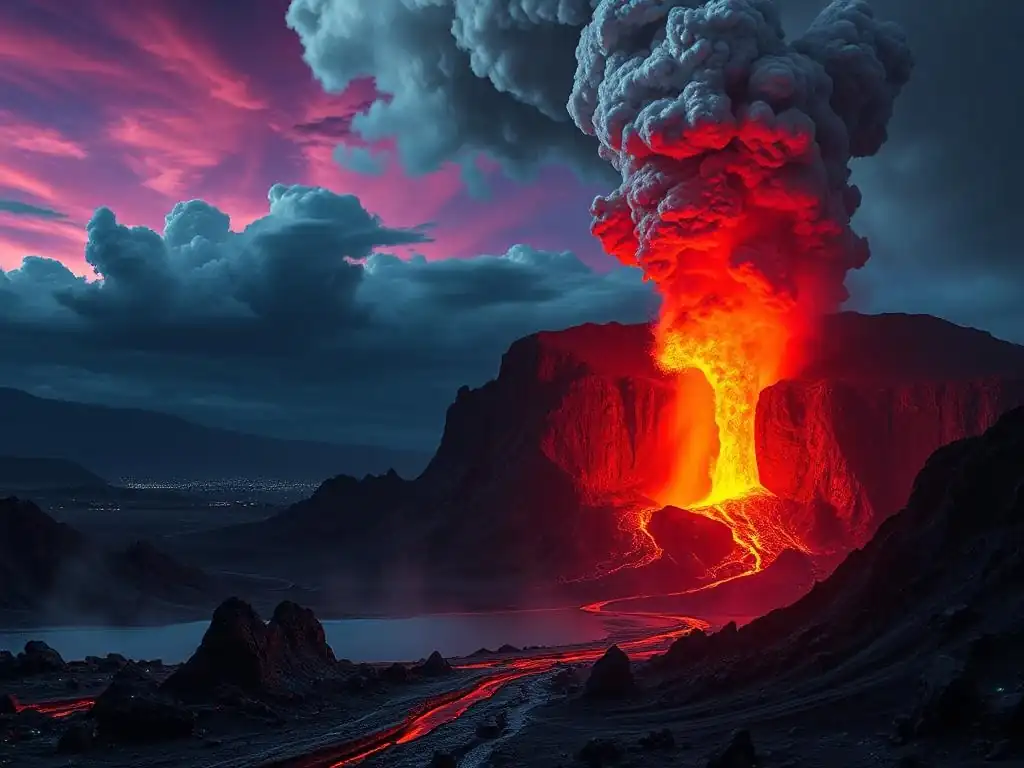
Welcome to Volcano Explorers!
Ever wondered how volcanoes shaped the very air we breathe, even billions of years ago? Prepare to journey back to Earth's infancy as we unravel the mysteries of the Precambrian volcanic carbon cycle. Discover how ancient eruptions influenced our planet's atmosphere and laid the foundation for life itself. The story begins now...
- Introduction: Unveiling the Precambrian Volcanic Carbon Cycle
- Precambrian Volcanoes: A Different Breed?
- The Precambrian Carbon Cycle: A Primer
- Volcanic CO2 Emissions and the Precambrian Atmosphere
- Precambrian Volcanic Carbon Sequestration
- The Precambrian Volcanic Carbon Cycle and the Rise of Life
- Distinguishing Precambrian from Modern Volcanic Carbon Cycle
- Challenges in Studying the Precambrian Volcanic Carbon Cycle
- Research and Future Directions in Precambrian Volcanism
- Conclusion: The Lasting Legacy of Precambrian Volcanoes
-
Frequently Asked Questions
- What is the Precambrian volcanic carbon cycle, and why is it important?
- How did volcanic activity influence the Precambrian atmosphere?
- What role did early life forms play in the Precambrian volcanic carbon cycle?
- How does the Precambrian volcanic carbon cycle differ from the modern carbon cycle?
- What evidence do scientists use to study the Precambrian volcanic carbon cycle?
- Final Reflection: Echoes of Ancient Fire
- Unearth Earth's Ancient Secrets: Take Action Now!
Introduction: Unveiling the Precambrian Volcanic Carbon Cycle
Early Earth Exploration: Reconstructing Precambrian Environments
The Precambrian Eon, spanning from Earth's formation approximately 4.5 billion years ago to the beginning of the Cambrian Period around 541 million years ago, represents a vast expanse of geological time. Understanding this era is crucial for deciphering the early history of our planet, including the evolution of its atmosphere, oceans, and the very beginnings of life.
Reconstructing Precambrian environments is a complex endeavor, relying heavily on the study of ancient rocks, often heavily metamorphosed and altered over billions of years. Scientists meticulously analyze these rocks for geochemical signatures and mineral assemblages that can provide clues about temperature, pressure, atmospheric composition, and the types of geological processes that were active.
Early Earth exploration in the Precambrian involves piecing together fragmented evidence from the geological record. Due to extensive tectonic activity and erosion over immense timescales, intact Precambrian rock sequences are rare. Researchers often focus on cratons – stable continental blocks that have preserved some of the oldest crustal material. Geochemical analyses of these ancient rocks, such as isotopes of carbon, sulfur, and iron, are vital for inferring past environmental conditions. Furthermore, the study of microfossils and stromatolites, fossilized microbial mats, within Precambrian sedimentary rocks provides direct evidence of early life and its interaction with the environment.
The Significance of the Precambrian Era in Understanding Earth's Early Climate
The Precambrian Era is pivotal in understanding Earth's early climate evolution. It encompasses periods of dramatic environmental change, including the faint young sun paradox, where a weaker sun should have resulted in a frozen Earth, yet evidence suggests liquid water existed. The Precambrian also saw major glaciations, episodes of global cooling, and the gradual oxygenation of the atmosphere, a transformative event known as the Great Oxidation Event.
Understanding the carbon cycle during this period is key to explaining these climatic shifts. The interplay between volcanic activity, weathering, and biological processes in the Precambrian carbon cycle dictated the atmospheric CO2 levels, a primary driver of Earth's temperature.
The study of the Precambrian carbon cycle is essential for comprehending the long-term habitability of Earth. By examining the processes that regulated atmospheric CO2 and climate in the distant past, we can gain insights into the natural feedbacks and controls that operate on geological timescales. This understanding is not only crucial for deciphering Earth's history but also provides a valuable context for understanding current climate change and the potential long-term consequences of anthropogenic CO2 emissions. The Precambrian record serves as a natural laboratory for studying how planetary systems respond to major perturbations in the carbon cycle.
Precambrian Volcanoes: A Different Breed?
Characteristics of Precambrian Volcanic Rocks
Precambrian volcanic rocks, while sharing fundamental similarities with their modern counterparts, exhibit some distinctive characteristics reflecting the different geological and atmospheric conditions of early Earth. Many Precambrian volcanic rocks are komatiites and ultramafic lavas, characterized by extremely high eruption temperatures, potentially exceeding 1600°C. These high temperatures were a consequence of a hotter mantle in the early Earth, resulting from greater radiogenic heat production. Komatiites are rarely found in post-Archean rocks, making them a unique signature of early Earth volcanism.
Another distinguishing feature is the prevalence of banded iron formations (BIFs) associated with Precambrian volcanic sequences. BIFs, sedimentary rocks composed of alternating layers of iron oxides and silica, are largely restricted to the Precambrian. Their formation is linked to the interplay between volcanic hydrothermal activity, ocean chemistry, and the evolving biosphere.
The iron in BIFs is thought to have been sourced from hydrothermal vents associated with submarine volcanism, precipitating out of solution in the oxygen-poor Precambrian oceans. The mineralogy and geochemistry of Precambrian volcanic rocks, therefore, provide vital clues about the composition of the early mantle, the nature of volcanic degassing, and the chemistry of the ancient oceans and atmosphere.
Tectonic Settings and Volcanic Styles in the Archean and Proterozoic Eons
The tectonic settings and volcanic styles in the Archean and Proterozoic Eons differed significantly from modern plate tectonics. While the exact nature of early Earth tectonics is still debated, evidence suggests that plate tectonics as we know it today may not have been fully established in the Archean. Instead, vertical tectonics, involving mantle plumes and crustal foundering, may have been more dominant. This would have led to different styles of volcanism compared to modern plate boundary volcanism. Archean volcanism is often characterized by greenstone belts, linear to arcuate zones of volcanic and sedimentary rocks surrounded by granitic crust.
In the Proterozoic Eon, evidence for more modern-style plate tectonics emerges, although the processes were likely still evolving. Large-scale continental rifting and the formation of sedimentary basins associated with volcanic activity became more common. The Midcontinent Rift System in North America, a major Proterozoic rift, is an example of extensive volcanic activity related to continental breakup. The transition from predominantly vertical tectonics in the Archean to more horizontal tectonics in the Proterozoic likely influenced the distribution and style of volcanism, impacting the release of volcanic gases and their role in the Precambrian carbon cycle.
Evidence of Large Igneous Provinces in the Precambrian
The Precambrian geological record contains ample evidence of large igneous provinces (LIPs), massive outpourings of volcanic rocks over relatively short geological timescales. These LIPs, similar to those observed in the Phanerozoic Eon, played a significant role in shaping the Precambrian Earth and its environment. Examples include the Abitibi greenstone belt in Canada, a vast Archean volcanic province, and the extensive Keweenawan LIP associated with the Midcontinent Rift System. Precambrian LIPs, like their younger counterparts, are associated with significant environmental perturbations.
The eruption of Precambrian LIPs would have released enormous quantities of volcanic gases, including CO2 and sulfur dioxide, into the atmosphere. These massive volcanic events could have triggered rapid climate change, ocean acidification, and potentially even mass extinction events, although evidence for the latter is less clear in the Precambrian compared to later periods.
The study of Precambrian LIPs is crucial for understanding the magnitude and frequency of large volcanic events in Earth's early history and their influence on the Precambrian carbon cycle and the evolution of life. Isotopic dating of Precambrian LIPs is challenging but vital for correlating volcanic events with environmental changes recorded in sedimentary rocks.
The Precambrian Carbon Cycle: A Primer
Carbon Sources and Sinks in the Precambrian Ocean and Atmosphere
The Precambrian carbon cycle operated under vastly different conditions compared to the modern carbon cycle. The Precambrian atmosphere was largely anoxic or had very low levels of oxygen, and the biosphere was dominated by microbial life. The primary source of carbon to the Precambrian ocean-atmosphere system was volcanic outgassing, releasing CO2 and other carbon-bearing gases. Other sources might have included metamorphic degassing and potentially some input from extraterrestrial sources, although the latter is likely minor.
Carbon sinks in the Precambrian were different from modern sinks. Chemical weathering of silicate rocks, a process that consumes atmospheric CO2, was a significant sink, although its efficiency might have been different under an anoxic atmosphere. The formation of carbonate minerals in the oceans, a major carbon sink today, was likely less efficient in the early Precambrian oceans due to lower concentrations of divalent cations like calcium and magnesium.
Instead, the precipitation of silica and iron minerals, particularly in banded iron formations, may have played a more prominent role in carbon sequestration, especially in conjunction with microbial activity. Understanding the balance between these sources and sinks is key to deciphering the Precambrian carbon cycle.
The Role of Chemical Weathering in the Precambrian Carbon Cycle
Chemical weathering of silicate rocks played a crucial role in the Precambrian carbon cycle, just as it does today. Weathering reactions consume atmospheric CO2, converting it into dissolved bicarbonate and calcium ions, which are eventually transported to the oceans and can precipitate as carbonate minerals. However, the efficiency and nature of Precambrian weathering might have differed due to factors such as the anoxic atmosphere, different land surface conditions, and the absence of vascular plants, which enhance weathering in the modern world.
Despite these differences, evidence suggests that chemical weathering was still a significant process in the Precambrian. The presence of ancient paleosols (fossil soils) and sedimentary rocks containing weathering products indicates that silicate weathering occurred on early Earth continents. Furthermore, the isotopic composition of Precambrian sedimentary carbonates suggests that weathering fluxes were substantial enough to influence the carbon cycle and potentially regulate atmospheric CO2 levels over geological timescales. The exact rate and mechanisms of Precambrian weathering are still under investigation, but its fundamental role as a CO2 sink in the long-term carbon cycle is well-established.
Microbial Processes and the Precambrian Carbon Cycle
Microbial life played a pivotal, and arguably dominant, role in the Precambrian carbon cycle. In the absence of complex multicellular organisms, microbes were the primary drivers of biological carbon cycling. Early life likely emerged in hydrothermal vent systems associated with volcanic activity, and these environments provided energy and nutrients for chemosynthetic microbes. Photosynthetic microbes, such as cyanobacteria, evolved later in the Precambrian and fundamentally transformed the carbon cycle and Earth's atmosphere.
Cyanobacteria, through oxygenic photosynthesis, began to draw down atmospheric CO2 and release oxygen as a byproduct. This process led to the gradual oxygenation of the atmosphere, the Great Oxidation Event, which had profound consequences for the carbon cycle. The emergence of oxygenic photosynthesis created new carbon sinks, such as the burial of organic matter in sediments, and altered the redox state of the oceans and atmosphere. Microbial metabolisms, including methanogenesis, sulfate reduction, and iron reduction, also played crucial roles in the Precambrian carbon cycle, influencing the cycling of carbon, sulfur, and iron in interconnected biogeochemical cycles.
Volcanic CO2 Emissions and the Precambrian Atmosphere
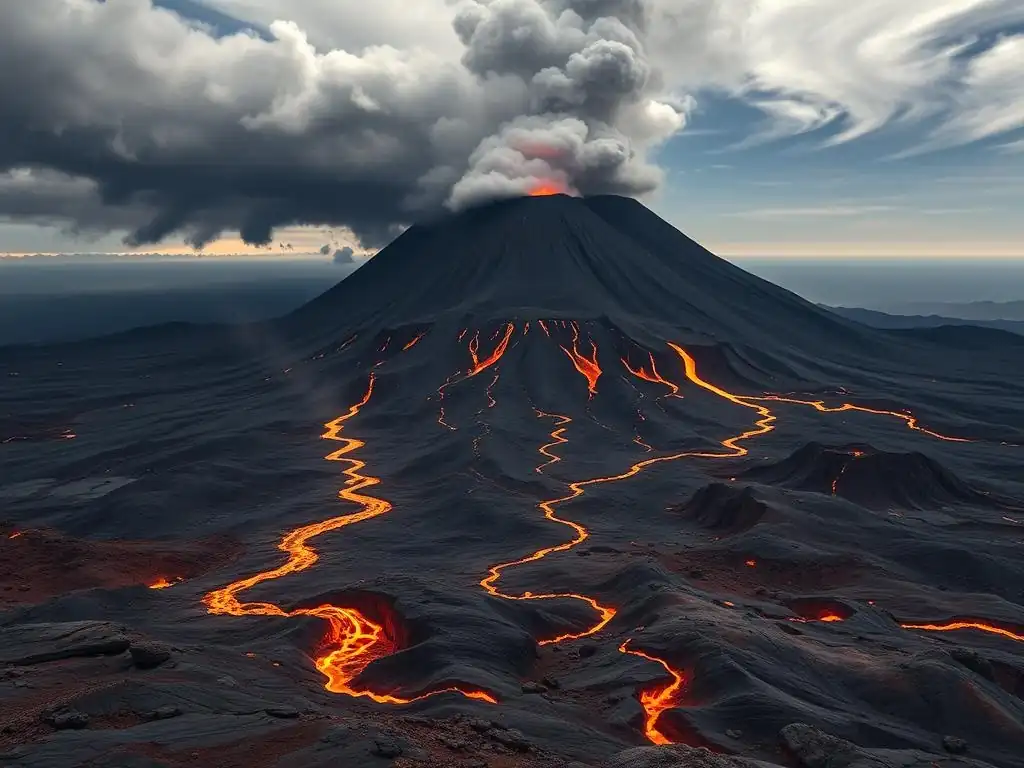
Estimating Precambrian Volcanic CO2 Fluxes
Estimating Precambrian volcanic CO2 fluxes is a challenging but crucial aspect of understanding the Precambrian volcanic carbon cycle. Direct measurements of volcanic gas emissions from Precambrian volcanoes are, of course, impossible. Scientists rely on indirect methods to estimate these fluxes, primarily by studying the geological record and using geochemical proxies. One approach involves studying the volume and composition of Precambrian volcanic rocks, particularly LIPs, and using models of magma degassing to estimate the amount of CO2 released during eruptions.
Another method involves analyzing the isotopic composition of ancient carbonates and organic matter. The carbon isotopic composition of these materials can provide insights into the sources and sinks of carbon in the Precambrian ocean-atmosphere system and can be used to constrain volcanic CO2 fluxes. However, these methods are subject to uncertainties due to the alteration of ancient rocks and the complexity of the Precambrian carbon cycle. Current estimates suggest that Precambrian volcanic CO2 fluxes may have been comparable to or even higher than modern volcanic fluxes, but with significant variations throughout the Precambrian Eon.
The Impact of Volcanic Gases on Early Earth's Climate
Volcanic gases, particularly CO2, had a profound impact on early Earth's climate. CO2 is a potent greenhouse gas, and volcanic emissions were a primary source of CO2 to the Precambrian atmosphere. Higher volcanic CO2 fluxes would have led to higher atmospheric CO2 concentrations and a warmer climate. Conversely, periods of reduced volcanic activity could have resulted in cooling. The balance between volcanic CO2 emissions and carbon sinks, such as weathering and biological sequestration, ultimately determined the atmospheric CO2 levels and global temperature in the Precambrian.
Besides CO2, other volcanic gases, such as sulfur dioxide (SO2), could also have influenced early Earth's climate. SO2 can react in the atmosphere to form sulfate aerosols, which can reflect sunlight and cause cooling. The relative importance of CO2 warming and SO2 cooling from Precambrian volcanism is still debated, and likely varied depending on the specific volcanic event and the prevailing atmospheric conditions. Understanding the interplay of different volcanic gases and their climate impacts is crucial for deciphering the Precambrian climate record.
Evidence for Greenhouse Conditions in the Precambrian Atmosphere
Despite the faint young sun, geological evidence points towards relatively warm conditions on early Earth, particularly in the Archean Eon. This is often referred to as the "faint young sun paradox." The presence of liquid water oceans, sedimentary rocks formed in aqueous environments, and evidence for microbial life all suggest that Earth was not a frozen planet in the early Precambrian. To reconcile this with the weaker sun, scientists propose that higher concentrations of greenhouse gases, primarily CO2, in the Precambrian atmosphere maintained a warmer climate.
Geochemical proxies, such as the isotopic composition of ancient carbonates and paleosol weathering indices, support the idea of elevated atmospheric CO2 levels in the Precambrian. While precise CO2 concentrations are difficult to determine, estimates suggest that Precambrian atmospheric CO2 levels were significantly higher than pre-industrial levels, possibly by factors of 10 to 100 or even more. Volcanic outgassing is considered the primary source of this excess CO2, highlighting the critical role of Precambrian volcanism in maintaining habitable conditions on early Earth despite the faint young sun.
Precambrian Volcanic Carbon Sequestration
Weathering of Silicate Rocks and Carbon Capture
Weathering of silicate rocks was a key process in Precambrian volcanic carbon sequestration. As described earlier, silicate weathering consumes atmospheric CO2 and converts it into dissolved bicarbonate and cations. These dissolved components are transported to the oceans, where they can precipitate as carbonate minerals, effectively removing carbon from the ocean-atmosphere system and storing it in the geological record. In the Precambrian, the weathering of volcanic rocks themselves would have been particularly important.
Precambrian continents were largely composed of volcanic rocks and related igneous intrusions. The chemical weathering of these silicate rocks, such as basalts and granites, would have been a significant carbon sink, counteracting the volcanic CO2 emissions. The efficiency of Precambrian weathering as a carbon capture mechanism is still debated, but geological evidence suggests that it played a crucial role in regulating atmospheric CO2 levels over geological timescales. Factors such as the composition of Precambrian rocks, temperature, and the availability of water would have influenced the rate and extent of weathering.
The Formation of Banded Iron Formations (BIFs) and Carbon Storage
The formation of banded iron formations (BIFs) is a unique and significant carbon sequestration mechanism characteristic of the Precambrian. BIFs, as previously mentioned, are sedimentary rocks rich in iron oxides and silica, and their formation is closely linked to volcanic hydrothermal activity and the evolving ocean chemistry. While the precise mechanisms of BIF formation are still debated, they are thought to involve the oxidation of dissolved ferrous iron in the oceans, followed by precipitation of iron oxides and silica.
Microbial activity likely played a crucial role in BIF formation, either through direct oxidation of iron or indirectly by influencing ocean chemistry. The precipitation of iron oxides in BIFs effectively removed iron from the ocean and also sequestered carbon. Some models suggest that BIF formation was coupled with the oxidation of organic matter, with iron acting as an electron acceptor in microbial respiration.
Alternatively, BIF formation may have been linked to the oxidation of dissolved volcanic gases, such as hydrogen sulfide, by oxygen produced by early cyanobacteria. Regardless of the exact mechanism, BIFs represent a major carbon sink in the Precambrian, particularly during the Archean and early Proterozoic Eons.
The Role of Hydrothermal Systems in Precambrian Carbon Sequestration
Hydrothermal systems, driven by volcanic heat, played a multifaceted role in Precambrian carbon sequestration. Hydrothermal vents, both on land and in the oceans, release fluids enriched in dissolved chemicals, including carbon, from the Earth's interior. While hydrothermal vents are a source of carbon to the ocean-atmosphere system, they can also contribute to carbon sequestration through various processes. Hydrothermal alteration of volcanic rocks can lead to the precipitation of carbonate minerals, effectively capturing CO2.
In submarine hydrothermal systems, reactions between vent fluids and seawater can result in the precipitation of metal sulfides and other minerals, which can also sequester carbon. Furthermore, hydrothermal vents provide energy and nutrients for chemosynthetic microbial communities, which can fix inorganic carbon into organic matter. This organic matter can then be buried in sediments, representing another form of carbon sequestration. The overall impact of hydrothermal systems on Precambrian carbon sequestration is complex and likely varied depending on the tectonic setting, volcanic activity, and ocean chemistry, but their role was undoubtedly significant.
The Precambrian Volcanic Carbon Cycle and the Rise of Life
Volcanic Activity and the Emergence of Life
Volcanic activity may have played a crucial role in the emergence of life on Earth. Early Earth's environment was likely hostile, with intense UV radiation, frequent asteroid impacts, and a reducing atmosphere. Volcanic regions, particularly hydrothermal vent systems, provided more sheltered and chemically diverse environments that may have been conducive to the origin of life. Hydrothermal vents release a variety of chemicals, including hydrogen, methane, ammonia, and hydrogen sulfide, which could have served as building blocks for prebiotic molecules.
Volcanic lightning, associated with volcanic eruptions, could have also provided energy for the synthesis of organic molecules from inorganic precursors in the early atmosphere. Furthermore, volcanic rocks and minerals can act as catalysts for prebiotic reactions. While the exact location and mechanisms of life's origin remain uncertain, volcanic environments are considered a strong candidate for the cradle of life on Earth. The continuous input of volcanic gases also played a role in shaping the early atmosphere and oceans, creating the environmental context for the emergence and evolution of life.
The Influence of Volcanic CO2 on Early Photosynthesis
Volcanic CO2 emissions had a direct influence on the evolution of early photosynthesis. CO2 is the primary carbon source for photosynthesis, and the availability of CO2 in the Precambrian atmosphere and oceans would have affected the evolution and diversification of photosynthetic organisms. Early photosynthetic microbes, such as cyanobacteria, likely evolved in environments with relatively high CO2 concentrations, as suggested by the geological evidence for elevated atmospheric CO2 in the Precambrian.
The evolution of oxygenic photosynthesis by cyanobacteria, which uses water as an electron donor and releases oxygen, was a revolutionary event. This innovation not only transformed the carbon cycle but also fundamentally altered Earth's atmosphere and biosphere. The increased availability of oxygen, driven by oxygenic photosynthesis, led to the Great Oxidation Event and the subsequent evolution of aerobic life. However, the initial rise of oxygen may have also been influenced by volcanic processes, such as changes in volcanic gas composition or fluxes, which could have affected the balance between oxygen production and consumption.
Precambrian Climate Regulation and the Volcanic Carbon Cycle
The Precambrian volcanic carbon cycle played a central role in regulating Earth's climate over billions of years. The long-term balance between volcanic CO2 emissions and carbon sequestration processes, such as weathering and biological carbon burial, determined the atmospheric CO2 concentrations and global temperature. Negative feedback mechanisms, such as the weathering thermostat, likely operated to stabilize Earth's climate within habitable ranges. The weathering thermostat posits that increased temperatures and rainfall enhance silicate weathering, which removes CO2 from the atmosphere, leading to cooling.
Conversely, decreased temperatures and rainfall reduce weathering, allowing volcanic CO2 to accumulate in the atmosphere, leading to warming. This negative feedback loop helps to regulate Earth's climate over geological timescales. However, the Precambrian climate was not always stable, and evidence for major glaciations suggests that the volcanic carbon cycle was subject to perturbations and imbalances. Understanding the interplay of volcanic activity, carbon sequestration, and climate feedbacks in the Precambrian is crucial for comprehending the long-term habitability of our planet.
Distinguishing Precambrian from Modern Volcanic Carbon Cycle
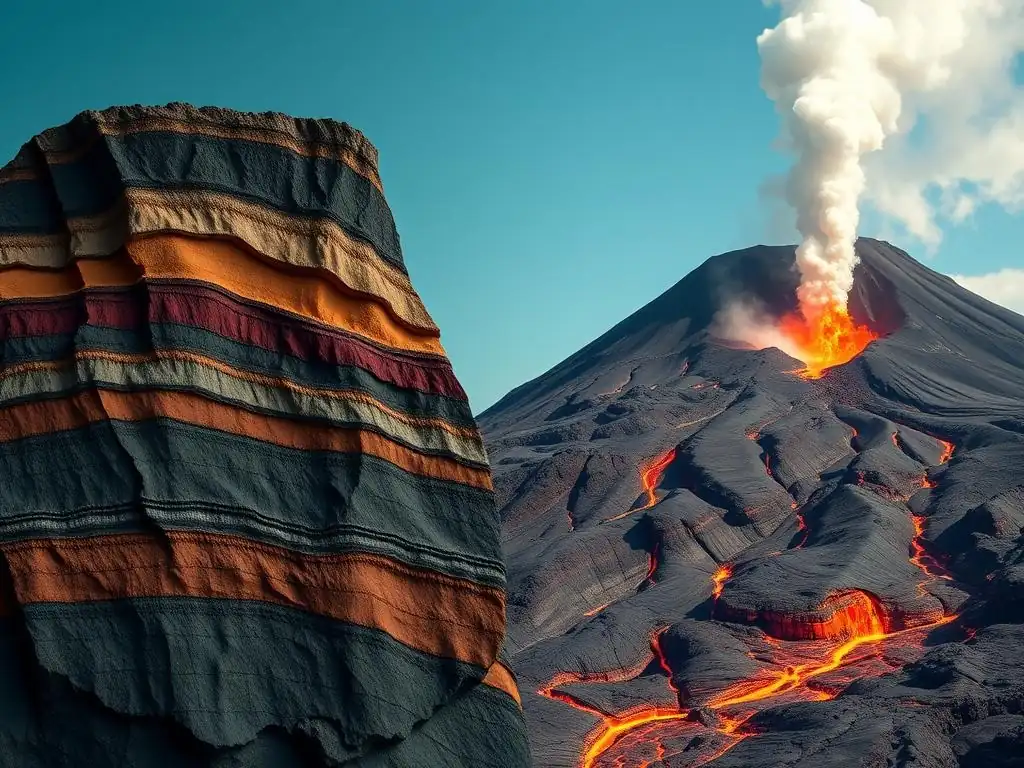
Differences in Mantle Composition: Precambrian vs. Modern
The composition of the Earth's mantle has evolved over geological time, leading to differences in Precambrian versus modern volcanism and the associated carbon cycle. The Precambrian mantle was likely hotter and more enriched in certain elements, such as magnesium and iron, compared to the modern mantle. This difference in mantle composition is reflected in the types of volcanic rocks erupted in the Precambrian, such as komatiites, which are rarely found in post-Archean rocks.
The hotter Precambrian mantle would have resulted in higher degrees of partial melting and potentially different magma compositions. The degassing behavior of Precambrian magmas may have also differed, affecting the composition and flux of volcanic gases released into the atmosphere. Over billions of years, mantle convection and plate tectonics have led to differentiation and stratification of the mantle, resulting in the modern mantle composition, which is more depleted in certain elements and characterized by distinct geochemical reservoirs. These changes in mantle composition have influenced the long-term evolution of volcanism and the carbon cycle.
Differences in Crustal Recycling: Precambrian vs. Modern
Crustal recycling, the process by which crustal material is returned to the mantle through subduction, operates differently in the Precambrian compared to the modern Earth. In modern plate tectonics, subduction zones are the primary sites of crustal recycling, where oceanic crust and sediments are subducted back into the mantle. However, the nature of plate tectonics in the Precambrian is debated, and subduction may have been less efficient or operated differently in the Archean and early Proterozoic Eons.
The lack of well-developed plate tectonics in the early Precambrian may have resulted in less efficient crustal recycling. This could have implications for the carbon cycle, as subduction zones are important sites for returning carbon stored in sediments and altered oceanic crust back into the mantle.
Differences in crustal recycling efficiency could have affected the long-term carbon budget of the Earth and the balance between carbon input from volcanic outgassing and carbon removal through subduction. Furthermore, the composition and maturity of the Precambrian crust, which was largely volcanic in origin, would have also influenced weathering rates and carbon sequestration processes.
Differences in Biological Carbon Cycling: Precambrian vs. Modern
The biosphere has undergone dramatic evolution over geological time, leading to significant differences in biological carbon cycling between the Precambrian and the modern world. In the Precambrian, life was exclusively microbial, and the biosphere was dominated by prokaryotes. The evolution of oxygenic photosynthesis by cyanobacteria was a major turning point, but the Precambrian biosphere remained relatively simple compared to the complex ecosystems of the Phanerozoic Eon.
The absence of vascular plants and animals in the Precambrian meant that terrestrial carbon cycling was fundamentally different. Terrestrial weathering and soil formation processes were less efficient without plant roots and biological activity. Marine biological carbon cycling was also simpler, with microbial communities playing the dominant role in primary production and organic matter decomposition.
The evolution of eukaryotic algae and, later, multicellular marine organisms in the Proterozoic Eon began to diversify marine ecosystems, but the Precambrian biosphere was still characterized by microbial dominance and simpler food webs compared to the modern biosphere. These differences in biological carbon cycling have had profound implications for the overall carbon cycle and its regulation of Earth's climate.
Challenges in Studying the Precambrian Volcanic Carbon Cycle
Alteration of Precambrian Rocks and Geochemical Signals
Studying the Precambrian volcanic carbon cycle is fraught with challenges, primarily due to the age and alteration of Precambrian rocks. Over billions of years, Precambrian rocks have undergone extensive metamorphism, deformation, and weathering, which can alter their original mineralogy and geochemistry. These alteration processes can overprint or obscure the primary geochemical signals that are crucial for reconstructing past environmental conditions and volcanic processes.
Metamorphism can change the isotopic composition of rocks and minerals, making it difficult to interpret original igneous or sedimentary signatures. Weathering can leach away soluble elements and introduce secondary minerals, further complicating geochemical analyses. Researchers must carefully assess the degree of alteration in Precambrian rocks and use techniques to distinguish primary signals from secondary alteration effects. This often involves detailed petrographic and geochemical studies, as well as the use of multiple isotopic systems to cross-validate interpretations.
Dating Precambrian Volcanic Events with High Precision
Accurately dating Precambrian volcanic events is essential for correlating volcanic activity with environmental changes and for understanding the timing and duration of volcanic episodes. However, dating Precambrian rocks with high precision can be challenging. Radiometric dating methods, such as uranium-lead (U-Pb) dating, are commonly used, but they require suitable minerals that have remained closed systems over geological timescales. Metamorphism and alteration can reset or disturb radiometric clocks, making dating unreliable.
Furthermore, the Precambrian timescale is vast, and the precision of radiometric dating methods decreases with increasing age. Dating errors of millions of years may be significant when studying Precambrian events that occurred over relatively short timescales. Researchers are constantly developing and refining dating techniques to improve the precision and accuracy of Precambrian geochronology. The use of multiple dating methods and careful selection of samples are crucial for obtaining reliable ages for Precambrian volcanic events.
Reconstructing Precambrian Ocean Chemistry
Reconstructing Precambrian ocean chemistry is vital for understanding the carbon cycle and the evolution of life in the early oceans. However, direct measurements of Precambrian seawater composition are impossible. Scientists rely on indirect proxies preserved in ancient sedimentary rocks to infer past ocean chemistry. These proxies include the isotopic composition of carbonates, sulfides, and iron minerals, as well as the mineralogy of evaporites and other sedimentary phases.
Interpreting these proxies can be challenging, as they may be influenced by multiple factors and can be altered by diagenesis and metamorphism. Furthermore, the Precambrian oceans were likely chemically stratified and spatially heterogeneous, making it difficult to obtain a representative global picture of ocean chemistry. Researchers are developing new geochemical proxies and refining existing ones to improve our understanding of Precambrian ocean chemistry. Combining multiple proxies and integrating geochemical data with geological and biological evidence is crucial for reconstructing the complex and evolving chemistry of the Precambrian oceans.
Research and Future Directions in Precambrian Volcanism
Advances in Isotope Geochemistry
Advances in isotope geochemistry are revolutionizing our understanding of Precambrian volcanism and the carbon cycle. New isotopic systems and analytical techniques are providing more detailed and precise information about the sources, processes, and timing of Precambrian volcanic events. For example, non-traditional stable isotopes, such as lithium, magnesium, and iron isotopes, are being used to trace mantle sources, magma differentiation processes, and weathering reactions in Precambrian rocks.
High-precision isotope dating methods are improving the accuracy and resolution of Precambrian geochronology, allowing for more precise correlation of volcanic events with environmental changes. Isotope analyses of individual mineral grains and micro-analytical techniques are providing insights into the fine-scale geochemical variations within Precambrian rocks, revealing details about magma evolution and alteration processes. Continued development and application of isotope geochemistry will be crucial for advancing our understanding of Precambrian volcanism and its role in the carbon cycle.
Numerical Modeling of the Precambrian Carbon Cycle
Numerical modeling is becoming increasingly important for studying the Precambrian carbon cycle. Earth system models that simulate the interactions between the atmosphere, oceans, land surface, and biosphere are being used to investigate the dynamics of the Precambrian carbon cycle and its response to volcanic forcing. These models can incorporate various processes, such as volcanic outgassing, weathering, biological carbon cycling, and ocean chemistry, to simulate the evolution of atmospheric CO2, climate, and ocean conditions over Precambrian timescales.
Numerical models can be used to test hypotheses about the Precambrian carbon cycle and to explore the sensitivity of the system to different parameters and forcing factors. For example, models can be used to investigate the impact of large igneous provinces on Precambrian climate and ocean chemistry, or to explore the role of microbial processes in carbon sequestration. As computational power increases and Earth system models become more sophisticated, numerical modeling will play an increasingly important role in deciphering the complexities of the Precambrian volcanic carbon cycle.
Investigating the Role of Subduction in Precambrian Carbon Cycling
Investigating the role of subduction in Precambrian carbon cycling is a key area of ongoing research. While the nature of plate tectonics in the Precambrian is still debated, evidence suggests that subduction-like processes may have operated in the Archean and Proterozoic Eons. Subduction zones are important sites for recycling carbon back into the mantle, and their efficiency and characteristics in the Precambrian would have influenced the long-term carbon cycle.
Researchers are using geochemical and petrological studies of Precambrian rocks to search for evidence of subduction-related volcanism and metamorphism. Studies of ancient arc volcanic rocks and high-pressure metamorphic rocks can provide insights into the composition and flux of carbon subducted into the mantle in the Precambrian. Numerical models are also being used to simulate Precambrian plate tectonics and subduction processes, and to investigate their impact on carbon cycling. A better understanding of the role of subduction in the Precambrian carbon cycle is crucial for a complete picture of Earth's long-term carbon budget.
Conclusion: The Lasting Legacy of Precambrian Volcanoes
The Importance of Understanding the Precambrian Volcanic Carbon Cycle
Understanding the Precambrian volcanic carbon cycle is of paramount importance for comprehending the long-term evolution of Earth and the conditions that allowed for the emergence and persistence of life. Volcanoes were a dominant geological force in the Precambrian, shaping the early atmosphere, oceans, and continents. Their role in the carbon cycle was fundamental, influencing atmospheric CO2 levels, climate, and ocean chemistry. The Precambrian volcanic carbon cycle set the stage for the subsequent evolution of life and the development of the modern Earth system.
Studying the Precambrian volcanic carbon cycle provides insights into the fundamental processes that regulate Earth's climate and carbon budget over geological timescales. It helps us to understand the natural feedbacks and controls that operate in the Earth system and how they respond to major perturbations, such as volcanic eruptions and changes in solar luminosity. This knowledge is not only crucial for deciphering Earth's past but also provides a valuable context for understanding current climate change and the potential long-term consequences of human activities on the carbon cycle.
Implications for Understanding Early Earth's Habitability
The Precambrian volcanic carbon cycle has profound implications for understanding early Earth's habitability. Despite the faint young sun, early Earth was habitable, with liquid water oceans and evidence for life dating back to the Archean Eon. The Precambrian volcanic carbon cycle, through its regulation of atmospheric CO2 and climate, likely played a crucial role in maintaining habitable conditions on early Earth. Volcanic CO2 emissions provided a greenhouse warming effect that counteracted the weaker sun, keeping temperatures within a range suitable for liquid water and life.
The interplay between volcanic activity, weathering, and biological carbon sequestration determined the long-term climate stability and habitability of early Earth. Understanding the Precambrian volcanic carbon cycle helps us to identify the factors that made early Earth habitable and to assess the potential for habitability on other planets. By studying Earth's early history, we can gain insights into the conditions necessary for life to arise and thrive in planetary systems.
Future Avenues for Exploring Earth's Volcanic Past
Future research into Earth's volcanic past, particularly the Precambrian era, holds immense potential for advancing our understanding of planetary evolution and habitability. Continued exploration of Precambrian terranes and the analysis of ancient volcanic and sedimentary rocks will provide new data and insights into the Precambrian volcanic carbon cycle. Advances in analytical techniques, such as high-precision isotope geochemistry and micro-analysis, will allow for more detailed and accurate reconstructions of past volcanic processes and environmental conditions.
Integration of geological and geochemical data with numerical modeling and Earth system science approaches will be crucial for developing a comprehensive understanding of the Precambrian volcanic carbon cycle. Future research should focus on addressing key questions, such as the precise fluxes and compositions of Precambrian volcanic gases, the efficiency of Precambrian carbon sequestration mechanisms, and the interplay between volcanic activity and the evolution of early life. Exploring Earth's volcanic past is not only an academic pursuit but also a vital endeavor for understanding the long-term sustainability of our planet and the potential for life beyond Earth.
Frequently Asked Questions
What is the Precambrian volcanic carbon cycle, and why is it important?
The Precambrian volcanic carbon cycle refers to the long-term cycling of carbon between the Earth's interior, atmosphere, and oceans during the Precambrian Eon. Understanding it is crucial for deciphering the early Earth's climate and evolution.
How did volcanic activity influence the Precambrian atmosphere?
Volcanic eruptions released vast amounts of gases, including carbon dioxide, into the atmosphere. This significantly impacted the greenhouse effect and the global temperature of the early Earth.
What role did early life forms play in the Precambrian volcanic carbon cycle?
Early life forms, particularly photosynthetic organisms, began to draw down atmospheric carbon dioxide, influencing the carbon cycle's balance and potentially moderating volcanic impacts.
How does the Precambrian volcanic carbon cycle differ from the modern carbon cycle?
The Precambrian cycle likely involved different geological processes and lacked the complex biological components of the modern cycle, such as extensive land plants and human industrial activity.
What evidence do scientists use to study the Precambrian volcanic carbon cycle?
Scientists analyze ancient rocks and sediments, looking for isotopic signatures and mineral compositions that provide clues about the atmospheric and oceanic conditions and volcanic activity during that time.
Final Reflection: Echoes of Ancient Fire
The story of volcanoes and the Precambrian carbon cycle, as we've explored, isn't just a dusty tale of Earth's infancy; it's a crucial lens through which we understand the fragile balance of our planet's climate system. The lessons learned from deciphering the Precambrian volcanic carbon cycle are profoundly relevant today, as we grapple with the consequences of our own carbon emissions and their impact on a rapidly changing world.
The sheer scale of volcanic activity in the Precambrian, and its profound influence on atmospheric composition, underscores the power of geological forces to shape life itself. Understanding this deep history allows us to appreciate the delicate interplay between geological processes and biological evolution. The present is the key to the past,
but equally, "the past is the key to the present." By studying the Precambrian volcanic carbon cycle, we gain invaluable insight into the long-term consequences of carbon fluctuations and the resilience of life in the face of environmental upheaval.
Now, as you reflect on the immense timescales and powerful forces we've discussed, consider your own role in the ongoing carbon cycle. How can we, as individuals and as a society, learn from the Precambrian's fiery past to forge a more sustainable future? Let the echoes of ancient volcanoes remind us of the profound responsibility we bear to protect the delicate balance of our planet for generations to come.
Unearth Earth's Ancient Secrets: Take Action Now!
Thank you for diving into the fascinating history of volcanoes and their role in the Precambrian carbon cycle. We hope you found a new appreciation for how these fiery forces shaped our planet's earliest atmosphere and oceans. Now, let's explore how you can further connect with this ancient story!
- Delve deeper: Revisit interactive maps of ancient volcanic regions to visualize Earth's Precambrian landscapes.
- Share your newfound knowledge: Start a conversation about the Precambrian carbon cycle on the Volcano Explorers forum – what surprised you the most?
- Explore the present:Contribute to our global volcano database by adding observations or photos of modern volcanic activity, connecting past processes to present-day events.
What single Precambrian volcanic event do you think had the most significant impact on the early Earth, and why? Share your thoughts in the comments below!