
Martinique's Darkest Chapter: Remembering the Victims of the SaintPierre Eruption

Welcome to Volcano Explorers!
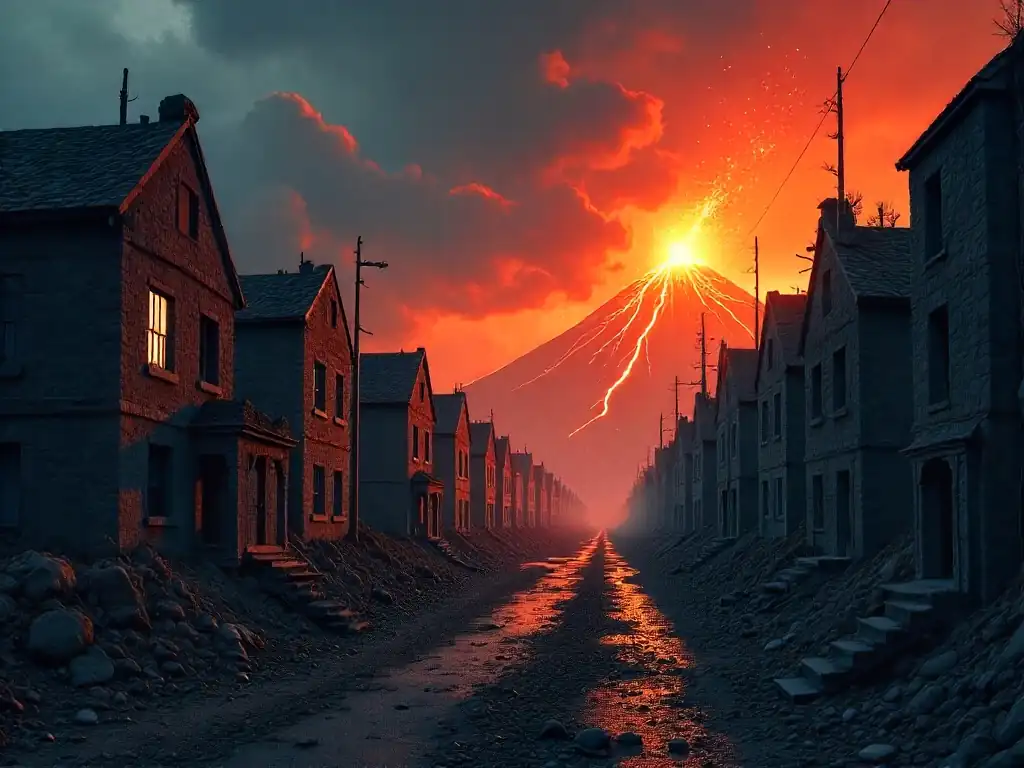
Prepare to journey into the heart of Earth's fiery secrets. But first... can you imagine a city swallowed whole by a single, devastating eruption? Our latest exploration delves into Saint Pierre eruption history, a chilling tale of a Caribbean paradise turned to ash. Uncover the tragic events of Martinique's darkest chapter and discover the lessons learned from this catastrophic volcanic event. Are you ready to confront the power and peril of nature's raw fury?
- Introduction to the 1902 Saint-Pierre Eruption: A Volcanic Tragedy
- Mount Pelée's Deadly Awakening: The Precursors to the Eruption
- The Catastrophic Eruption of May 8, 1902: A Detailed Account
- The Devastation and Loss of Life in Saint-Pierre
- Understanding the Science Behind the Mount Pelée Eruption
- The Aftermath of the 1902 Eruption: Rebuilding and Remembrance
- Lessons Learned from the Saint-Pierre Disaster: Volcanic Hazard Mitigation
- Mount Pelée Today: A Dormant Volcano Under Scrutiny
- A Legacy of Loss and Resilience in Saint-Pierre
-
Frequently Asked Questions
- What exactly happened during the Saint-Pierre eruption?
- Where is Saint-Pierre located, and what was its significance at the time of the eruption?
- What volcano was responsible for the Saint-Pierre eruption?
- How many people died during the Saint-Pierre eruption?
- What lessons were learned from the Saint-Pierre eruption, and how has it impacted volcanology?
- Final Reflection: Echoes of Saint-Pierre
- Reflect & Respond: Honor the Memory of Saint-Pierre
Introduction to the 1902 Saint-Pierre Eruption: A Volcanic Tragedy
The year 1902 is etched in the collective memory of Martinique as the year of unimaginable devastation. The eruption of Mount Pelée, a stratovolcano towering over the island, unleashed its fury upon the vibrant port city of Saint-Pierre.
In a matter of minutes, what was once known as the "Paris of the Caribbean" was transformed into a smoldering wasteland, claiming the lives of an estimated 30,000 people. This catastrophic event remains one of the deadliest volcanic disasters of the 20th century, a stark reminder of the immense power of nature and the fragility of human life in the face of volcanic forces.
This article delves into the Saint-Pierre eruption history, exploring the events leading up to the tragedy, the eruption itself, its devastating consequences, and the lessons learned from this catastrophic event. We will examine the geological processes at play, the societal factors that contributed to the high death toll, and the enduring legacy of the eruption on the island of Martinique and the field of volcanology itself. By understanding the Saint-Pierre eruption history, we can better appreciate the risks associated with living near volcanoes and the importance of effective volcanic monitoring and hazard mitigation.
Mount Pelée's Deadly Awakening: The Precursors to the Eruption
Early Signs of Volcanic Unrest at Mount Pelée
In the spring of 1902, Mount Pelée began to stir from its long slumber, displaying a series of warning signs that, in retrospect, foreshadowed the impending disaster. As early as April, residents in the vicinity of the volcano reported rumbling sounds emanating from within the mountain. These were soon followed by phreatic explosions, steam and ash eruptions caused by the heating and flashing of groundwater, which deposited ashfall on nearby villages and agricultural lands. Sulfurous odors became pervasive, causing discomfort and raising initial concerns among the population.
Further escalating the unease, a series of minor earthquakes were felt in Saint-Pierre and surrounding areas. These seismic tremors, though not initially strong, indicated increasing volcanic activity beneath the surface. Adding to the ominous signs, the Rivière des Pères, which flowed through Saint-Pierre, began to swell with hot, muddy water, carrying dead fish and reptiles from the volcanic highlands. These early indicators, though noticeable, were either misinterpreted or downplayed amidst a complex interplay of political and social factors, ultimately contributing to the immense tragedy that was to unfold.
Despite the escalating volcanic unrest, the warnings emanating from Mount Pelée were largely ignored or dismissed by authorities and much of the population in Saint-Pierre. Several factors contributed to this tragic oversight. Firstly, the local newspaper, Les Colonies, downplayed the danger, fearing that alarming reports would disrupt upcoming elections and harm the local economy, heavily reliant on trade and tourism. The editor, along with the governor, is reported to have actively reassured the public that Saint-Pierre was safe, even as evidence mounted to the contrary.
Secondly, a significant influx of refugees from surrounding villages, who were displaced by the initial phreatic eruptions and mudflows, further complicated the situation. These refugees sought shelter in Saint-Pierre, increasing the city's population and creating a sense of false security in numbers.
Political rallies and public events were scheduled in the city leading up to the May 10th elections, further incentivizing authorities to minimize the perceived threat and maintain a semblance of normalcy. This combination of misinformation, political expediency, and social pressures created a lethal environment where clear warnings were disregarded, setting the stage for the catastrophic events of May 8th.
The Catastrophic Eruption of May 8, 1902: A Detailed Account
The Pyroclastic Flow That Destroyed Saint-Pierre
On the morning of Ascension Day, May 8, 1902, at 7:52 AM local time, Mount Pelée unleashed its devastating pyroclastic flow. Following a period of increased steam and ash venting, a breach occurred in the volcano's flank, specifically at the notch known as l'Étang Sec. From this vent, a searing cloud of gas, ash, and volcanic debris, known as a pyroclastic flow, erupted and surged down the Vallée de la Rivière Blanche directly towards Saint-Pierre at an estimated speed exceeding 100 miles per hour.
This pyroclastic flow was not a slow-moving lava flow, but a highly mobile and incredibly destructive phenomenon. Its temperature is estimated to have reached between 1000°C (1832°F) and 1200°C (2192°F). The flow engulfed Saint-Pierre in moments, incinerating everything in its path. The intense heat instantly ignited fires throughout the city, while the force of the flow leveled buildings, shattered windows, and tossed heavy objects like cannons and statues. The eruption was over within minutes, leaving behind a city utterly destroyed and a population decimated.
Eyewitness Accounts: The Voices of Those Who Witnessed the Disaster
Amidst the overwhelming devastation, there were a handful of survivors who offered chilling eyewitness accounts of the disaster. Louis-Auguste Cyparis, a prisoner held in a poorly ventilated, dungeon-like cell of the city jail, famously survived the pyroclastic flow. His thick cell walls provided marginal protection from the direct heat and impact, though he suffered severe burns. His survival is often attributed to the cell's location and construction rather than any deliberate protective measures.
Another notable survivor was Léon Compère-Léandre, a shoemaker who lived on the edge of Saint-Pierre. He described seeing a massive black cloud descend upon the city, followed by a blast of intense heat and wind. He was severely burned but managed to escape to the outskirts of the city. These and other rare accounts, often fragmented and recounted later, paint a horrifying picture of the eruption's speed, intensity, and the sheer terror experienced by those caught in its path. Their testimonies are crucial for understanding the human impact of the Saint-Pierre eruption history and for remembering the victims.
The Devastation and Loss of Life in Saint-Pierre
The Unfathomable Scale of the Tragedy: Number of Victims
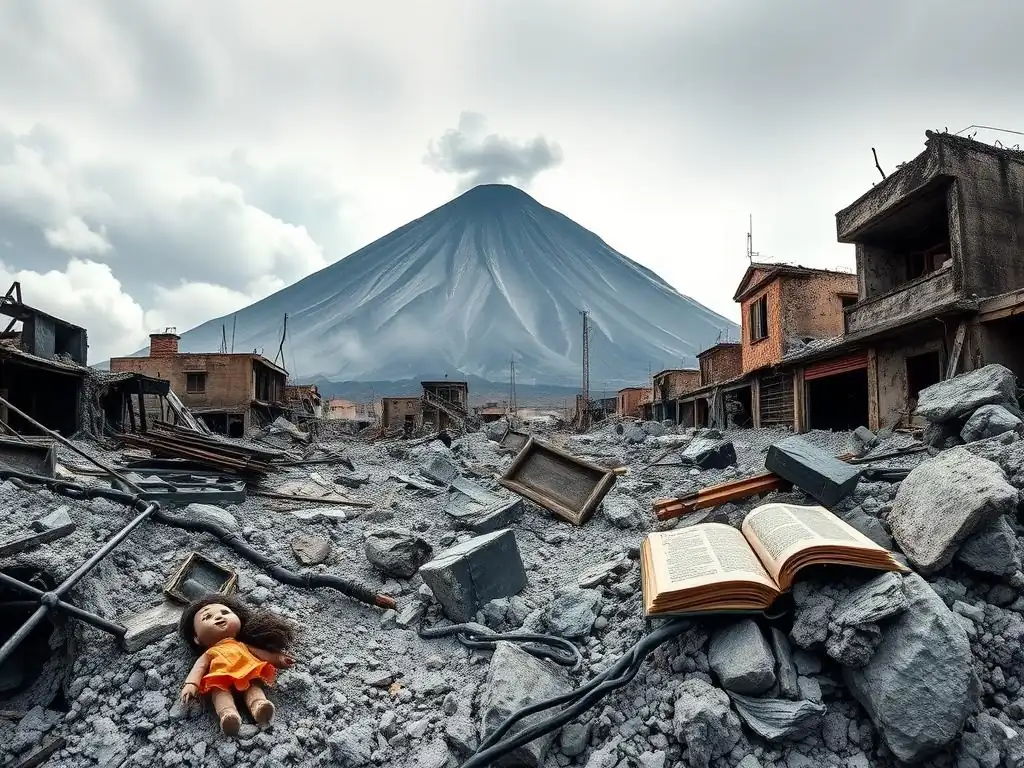
The 1902 eruption of Mount Pelée resulted in a staggering loss of life, making it one of the deadliest volcanic disasters in recorded history. While precise figures are difficult to ascertain due to the complete destruction of records and the chaotic aftermath, estimates place the death toll at approximately 30,000 people. This figure represents nearly the entire population of Saint-Pierre at the time, effectively wiping out the city.
The vast majority of victims perished instantly due to the extreme heat and asphyxiation caused by the pyroclastic flow. The few survivors were those on the very fringes of the city or those who found extraordinary, often accidental, protection. The sheer scale of the death toll underscores the catastrophic nature of the eruption and the vulnerability of densely populated areas located in close proximity to active volcanoes. The Saint-Pierre eruption history serves as a somber reminder of the potential for volcanic events to cause immense human suffering.
The Complete Destruction of Saint-Pierre: Before and After
Saint-Pierre, once hailed as the "Paris of the Caribbean," was utterly annihilated by the eruption. Before May 8, 1902, it was a thriving commercial and cultural center, renowned for its elegant architecture, bustling port, and vibrant social life. Photographs from the pre-eruption era depict a picturesque city with ornate buildings, cobbled streets, and a lively waterfront. It was the undisputed economic and cultural capital of Martinique.
In stark contrast, post-eruption photographs reveal a scene of utter desolation. The city was reduced to smoldering ruins, with buildings flattened or gutted by fire, streets buried under ash and debris, and the once-bustling harbor filled with sunken ships and floating corpses. The landscape was transformed into a gray, ash-covered wasteland. The complete destruction of Saint-Pierre was so profound that it ceased to be the major urban center it once was. Its administrative and economic functions shifted to Fort-de-France, marking a permanent change in the island's geography and societal structure.
Understanding the Science Behind the Mount Pelée Eruption
The Volcanic Mechanisms: Pyroclastic Flows Explained
The primary cause of the catastrophic destruction in Saint-Pierre was the pyroclastic flow, a phenomenon central to understanding the Saint-Pierre eruption history. Pyroclastic flows are among the most dangerous volcanic hazards. They are ground-hugging avalanches of hot gas, volcanic ash, pumice, and rock fragments. These flows form when a column of erupted material collapses, or when a lava dome or volcanic edifice becomes unstable and collapses. The Saint-Pierre eruption was triggered by a Peléean type eruption, characterized by the growth of a lava spine or dome and subsequent dome collapse.
The intense heat of pyroclastic flows, often exceeding hundreds of degrees Celsius, is due to the hot volcanic gases and the friction generated within the moving mass. Their high speed and density give them immense destructive power, capable of leveling forests, buildings, and causing widespread incineration. The Saint-Pierre pyroclastic flow was particularly devastating due to its density, high temperature, and the direct path it took towards the city, leaving virtually no chance for escape for the inhabitants.
The Geology of Mount Pelée and its Eruptive Style
Mount Pelée is a stratovolcano, also known as a composite volcano, typical of subduction zones where one tectonic plate slides beneath another. It is formed from layers of hardened lava, tephra, pumice, and volcanic ash, built up over thousands of years of eruptions. The volcanic activity of Mount Pelée is driven by the subduction of the North American plate beneath the Caribbean plate in the Lesser Antilles arc. This process generates magma rich in silica and gas, leading to explosive eruptions.
Mount Pelée is known for its Peléean type eruptions, characterized by viscous, gas-rich magma that tends to solidify quickly, forming lava domes and spines within the crater. These domes can become unstable and collapse, generating pyroclastic flows, as witnessed in the 1902 eruption. The geological history of Mount Pelée reveals a pattern of explosive eruptions and lava dome growth, indicating a recurring hazard for the surrounding areas. Understanding the geological context of Mount Pelée is crucial for assessing future volcanic risks and implementing effective mitigation strategies.
The Aftermath of the 1902 Eruption: Rebuilding and Remembrance
The Re-establishment of Saint-Pierre: Recovery Efforts
In the immediate aftermath of the Saint-Pierre eruption, the scale of devastation was overwhelming. Recovery efforts were hampered by the complete destruction of infrastructure, communication networks, and the sheer number of casualties. Initial responses focused on search and rescue, though with so few survivors, the grim task quickly shifted to body recovery and managing the humanitarian crisis. Aid arrived from neighboring islands and international sources, providing essential supplies and support.
Rebuilding Saint-Pierre was a slow and arduous process. The city was reconstructed, but it never regained its former prominence as the economic and cultural heart of Martinique. The administrative capital was permanently moved to Fort-de-France, signifying a lasting shift in the island's urban landscape. The re-establishment of Saint-Pierre was more of a symbolic act of resilience than a complete restoration of its pre-1902 status, serving as a testament to the enduring spirit of the Martiniquais people.
Memorials and Commemorations: Honoring the Victims
The memory of the Saint-Pierre eruption and its victims is deeply embedded in the cultural fabric of Martinique. Several memorials and commemorative sites serve to honor those who perished and to ensure that the tragedy is never forgotten. The ruins of Saint-Pierre itself are a poignant memorial, with preserved remnants of buildings and streets serving as silent witnesses to the disaster. The Musée Volcanologique in Saint-Pierre, established by American volcanologist Franck Perret, displays artifacts recovered from the ruins and documents the eruption, educating visitors about the event and the science of volcanology.
Annual commemorations are held on May 8th, marking the anniversary of the eruption. These events often include religious services, wreath-laying ceremonies, and educational programs, providing opportunities for remembrance, reflection, and community solidarity. The act of remembering the victims is not only a tribute to the past but also a crucial element in fostering preparedness and resilience for the future, ensuring that lessons from the Saint-Pierre eruption history are not lost.
Lessons Learned from the Saint-Pierre Disaster: Volcanic Hazard Mitigation
Improving Volcanic Monitoring and Early Warning Systems
The Saint-Pierre eruption history underscores the critical importance of effective volcanic monitoring and early warning systems. In 1902, volcanology was a nascent science, and monitoring techniques were rudimentary. The lack of sophisticated instruments and systematic observation hindered the ability to accurately assess the escalating volcanic unrest at Mount Pelée and to provide timely warnings to the population. The tragedy highlighted the deadly consequences of inadequate monitoring and communication.
In the aftermath of the disaster, significant advancements were made in volcanology, driven in part by the lessons learned from Saint-Pierre. Modern volcanology employs a range of sophisticated tools, including seismometers, GPS instruments, gas sensors, and satellite imagery, to monitor volcanic activity in real-time. These technologies enable scientists to detect subtle changes in volcanic behavior, providing crucial data for assessing eruption probabilities and issuing timely warnings, significantly improving volcanic hazard mitigation efforts globally.
Modern Volcanology: Predicting and Preparing for Future Eruptions
The Saint-Pierre eruption served as a pivotal event in the development of modern volcanology. The detailed study of the eruption's deposits and the accounts of survivors provided valuable insights into the mechanisms of pyroclastic flows and other volcanic hazards. Scientists like Franck Perret dedicated years to studying Mount Pelée, contributing significantly to our understanding of Peléean-type eruptions and volcanic processes in general.
Today, volcanology is a highly interdisciplinary field, integrating geology, geophysics, geochemistry, and social sciences to better understand volcanic systems and mitigate their risks. The focus is not only on predicting eruptions, which remains a complex challenge, but also on developing comprehensive hazard assessments, evacuation plans, and public education programs. By learning from past events like the Saint-Pierre eruption, modern volcanology strives to create safer and more resilient communities living in volcanic regions, minimizing the potential for future tragedies.
Mount Pelée Today: A Dormant Volcano Under Scrutiny
Current Monitoring Efforts on Mount Pelée
Mount Pelée is considered a dormant volcano, not extinct, meaning it has the potential to erupt again in the future. Given its history of explosive eruptions and the lessons learned from the 1902 disaster, continuous monitoring of Mount Pelée is crucial. The volcano is currently monitored by the Institut de Physique du Globe de Paris (IPGP) and the Observatoire Volcanologique et Sismologique de Martinique (OVSM).
Modern monitoring techniques employed at Mount Pelée include a network of seismometers to detect earthquakes and tremors associated with magma movement, GPS stations to measure ground deformation indicating magma inflation, and gas sensors to analyze volcanic gas emissions. Thermal and satellite monitoring further contribute to a comprehensive understanding of the volcano's state. Data from these monitoring systems are continuously analyzed to detect any signs of renewed volcanic activity and to assess the potential for future eruptions.
The Risk of Future Eruptions: Assessing the Potential Threat
Volcanologists agree that Mount Pelée poses a significant volcanic hazard to Martinique. While the volcano is currently dormant, its history of explosive eruptions, including the catastrophic 1902 event, demonstrates its potential for future activity. Hazard assessments are regularly updated based on the latest scientific data and understanding of Mount Pelée's eruptive history. These assessments identify areas at risk from various volcanic hazards, including pyroclastic flows, ashfall, lahars (volcanic mudflows), and lava flows.
The primary concern remains the potential for pyroclastic flows, similar to those that devastated Saint-Pierre. Areas in valleys radiating from the volcano, particularly those downslope of potential vent locations, are considered most vulnerable. While predicting the exact timing and scale of future eruptions is impossible, ongoing monitoring and hazard assessments are essential for informing land-use planning, emergency preparedness, and public awareness campaigns, aiming to minimize the impact of any future volcanic event.
A Legacy of Loss and Resilience in Saint-Pierre
The Lasting Impact on Martinique's Culture and Identity
The 1902 Saint-Pierre eruption profoundly impacted Martinique's culture and identity. The loss of Saint-Pierre, once the island's cultural and economic capital, created a deep scar on the collective psyche. The event is remembered not only as a natural disaster but also as a pivotal moment that reshaped the island's social, economic, and political landscape. The memory of the eruption is woven into Martiniquais folklore, literature, and art, serving as a constant reminder of the power of nature and the fragility of human endeavors.
The resilience of the Martiniquais people in the face of such devastation is also a significant part of the legacy. The rebuilding of Saint-Pierre, though on a smaller scale, and the ongoing commemorations demonstrate a determination to remember the past while moving forward. The experience of the eruption has fostered a heightened awareness of volcanic hazards and a commitment to preparedness, shaping a culture that respects and coexists with the ever-present volcanic threat.
Remembering the Past, Preparing for the Future: Coexistence with Volcanoes
The Saint-Pierre eruption history offers invaluable lessons for communities living near volcanoes worldwide. It underscores the importance of heeding early warning signs, even if they seem minor initially. It highlights the dangers of misinformation and the critical role of clear and accurate communication from authorities and scientists to the public. Furthermore, it emphasizes the need for robust volcanic monitoring systems and effective emergency preparedness plans.
Living in volcanic regions inherently involves risks, but these risks can be significantly reduced through proactive measures. By remembering the lessons of Saint-Pierre, investing in volcanic monitoring, promoting public education, and developing comprehensive hazard mitigation strategies, communities can enhance their resilience and learn to coexist safely with these powerful natural forces. The Saint-Pierre eruption serves as a powerful, albeit tragic, case study in the ongoing effort to understand and mitigate volcanic hazards globally.
Frequently Asked Questions
What exactly happened during the Saint-Pierre eruption?
The Saint-Pierre eruption in 1902 involved a pyroclastic flow, a fast-moving current of hot gas and volcanic matter, that destroyed the city of Saint-Pierre on the island of Martinique. Almost the entire population perished.
Where is Saint-Pierre located, and what was its significance at the time of the eruption?
Saint-Pierre was a bustling port city on the island of Martinique, a French territory in the Caribbean. It was known as the "Paris of the Caribbean" and was the island's economic and cultural capital.
What volcano was responsible for the Saint-Pierre eruption?
Mount Pelée, an active volcano on the northern end of Martinique, was responsible for the devastating Saint-Pierre eruption. It had been showing signs of activity for weeks leading up to the main event.
How many people died during the Saint-Pierre eruption?
The Saint-Pierre eruption claimed the lives of approximately 30,000 people. It remains one of the deadliest volcanic disasters of the 20th century.
What lessons were learned from the Saint-Pierre eruption, and how has it impacted volcanology?
The disaster highlighted the deadly potential of pyroclastic flows and led to advancements in volcano monitoring and hazard assessment. It also emphasized the importance of heeding warnings and evacuation orders.
Final Reflection: Echoes of Saint-Pierre
The devastating eruption of Mount Pelée in 1902, forever etched in Saint Pierre eruption history, serves as a stark reminder of nature's raw power and the fragility of human existence. While the physical scars of that day may have faded, the echoes of the tragedy continue to resonate, prompting us to examine our relationship with the natural world and the importance of preparedness in the face of potential disaster. This event transcends mere historical record; it is a cautionary tale for all generations.
The impact of the Saint-Pierre eruption extends far beyond the immediate loss of life. It reshaped the cultural landscape of Martinique, forcing a period of profound mourning and reconstruction, both physical and emotional. The memory of the victims, and the lessons learned from the disaster, continue to inform disaster management strategies globally. Those who cannot remember the past are condemned to repeat it.
- George Santayana. This quote underscores the critical need to learn from Saint-Pierre's tragic history and apply those lessons to building more resilient communities.
As we reflect on the Saint-Pierre eruption, let us not only remember the victims but also commit to honoring their memory through proactive measures. Consider how you can contribute to building a more informed and prepared society, one that is better equipped to face the challenges of natural disasters. Let the tragedy of Saint-Pierre inspire you to advocate for responsible environmental stewardship and support initiatives that promote disaster preparedness in your own community and beyond.
Reflect & Respond: Honor the Memory of Saint-Pierre
Thank you for learning about the devastating 1902 eruption of Mount Pelée and the tragic loss of life in Saint-Pierre. We hope this article provided valuable insight into this historical event and its lasting impact. Let's honor the victims' memory with action.
Here are a few ways you can contribute:
- Share this article to help raise awareness about the Saint-Pierre eruption and ensure its victims are never forgotten. Spreading their story is vital.
- Explore other articles on VolcanoExplorers.org about volcanic hazards and learn how to stay informed and prepared in volcanically active regions.
- Consider researching the eruption's long-term societal and economic consequences. Share your findings with us in the comments!
What will you do to remember this devastating event?