Volcano Science Kits and Educational Toys for Kids: Hands-On Learning That Erupts With Fun
Welcome to the ultimate guide for volcano-themed STEM toys and kits! Here at VolcanoExplorers.org, we know that nothing sparks a child's curiosity like a bubbling, fizzing, and sometimes exploding model volcano. These kits transform complex geological concepts into tangible, messy, and unforgettable experiments. Whether your young scientist is a budding volcanologist or just loves a good science fair project, this subcategory covers everything from classic baking-soda eruptions to advanced chemical reactions. We’ve curated the best options to inspire learning, safety, and creativity—all while keeping education at the core of every eruption.
🌋 Classic Eruption Kits: The Foundation of Volcano Science
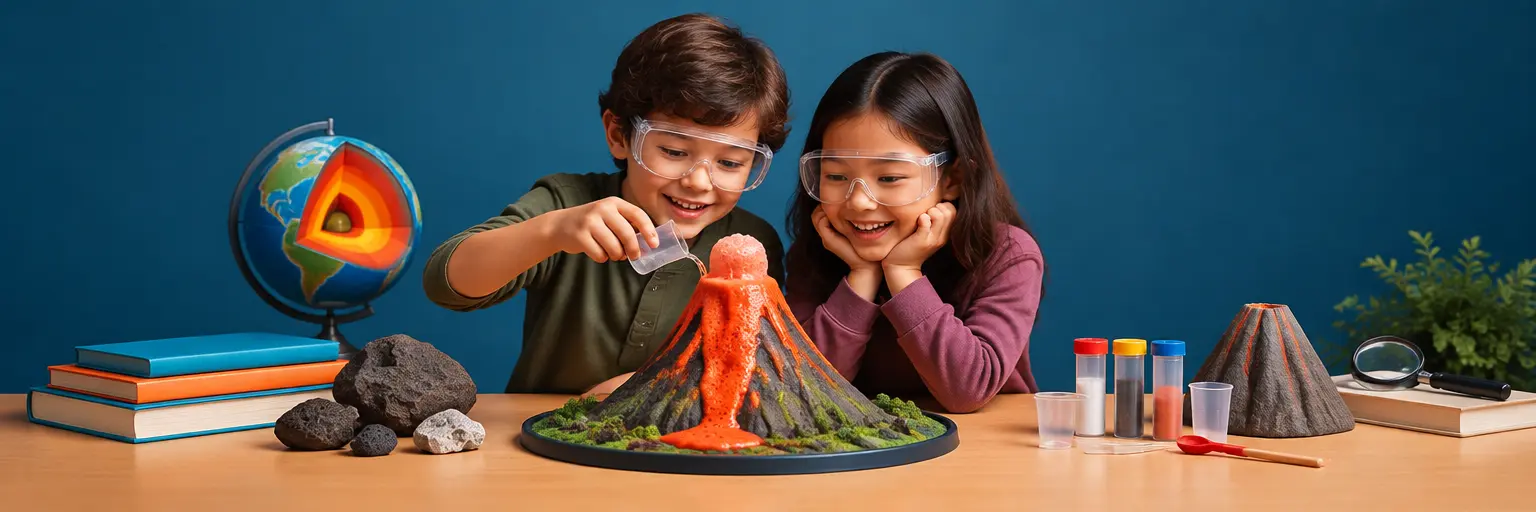
Classic eruption kits are the gateway drug to geology for most kids. These typically include a plaster or plastic volcano mold, along with the essential reactants—usually baking soda and citric acid—to create a safe, foam-like lava flow. The beauty of these kits is their simplicity: they teach the core concept of chemical reactions and gas pressure without overwhelming younger learners. Many sets also come with a paint-and-decorate station, allowing kids to personalize their volcano with realistic rock textures and vibrant colors, blending art with science.
When selecting a classic eruption kit, look for sets with reusable molds and non-toxic materials to maximize value and safety. These kits are perfect for children aged 5–10, offering a hands-on introduction to the scientific method—hypothesis, experiment, observation, and conclusion. Parents will appreciate the educational guides included, which often explain why the eruption happens and how real volcanoes differ from the model. With endless refill options available, these kits can provide years of exploratory play, making them a top pick for both home and classroom settings.
🧪 Advanced Chemistry Volcano Sets: For Serious Young Scientists
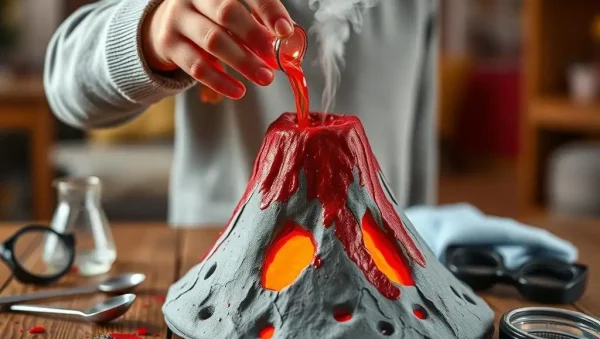
For kids ready to move beyond baking soda, advanced chemistry volcano sets introduce real lab techniques and more dramatic reactions. These kits often use potassium permanganate or hydrochloric acid (in safe, diluted forms) to produce glowing, colored, or even smoke-emitting eruptions. They come with proper safety goggles, pipettes, and detailed instruction booklets that explain the chemical principles behind each reaction. This is where STEM education truly shines—children learn about acids, bases, and exothermic reactions while having a blast.
Ideal for ages 10 and up, these sets should always be used with adult supervision, as they involve more reactive substances. Many advanced kits also include experiments like creating lava lamps or growing crystal "magma chambers", expanding the learning beyond just eruptions. If your child is fascinated by the "why" behind volcano explosions, these kits offer a depth of knowledge that standard toys can’t match. They’re excellent for science fair projects and will impress both teachers and fellow students with their professional-grade materials.
🌍 Geological & Tectonic Playsets: Understanding Earth’s Structure
Not all volcano toys need to erupt to be educational. Geological playsets focus on the bigger picture: plate tectonics, magma chambers, and the layers of the Earth. These often include cross-section models that show the inside of a volcano, along with miniature plates you can move to simulate earthquakes and mountain formation. Kids can visually grasp how subduction zones work or why the Pacific Ring of Fire is so active, connecting abstract concepts to tangible objects.
These STEM-focused playsets are perfect for visual and kinesthetic learners. Some sets come with augmented reality apps that bring the model to life on a tablet, showing animated eruptions or historical events. Others include rock and mineral samples, letting kids identify pumice, basalt, and obsidian—the real materials created by volcanic activity. This type of toy builds a strong foundation in physical geography and geology, encouraging children to ask bigger questions about our planet’s dynamic nature. It’s a must-have for any future earth scientist.
🔬 DIY Volcano Making Kits: Building From Scratch
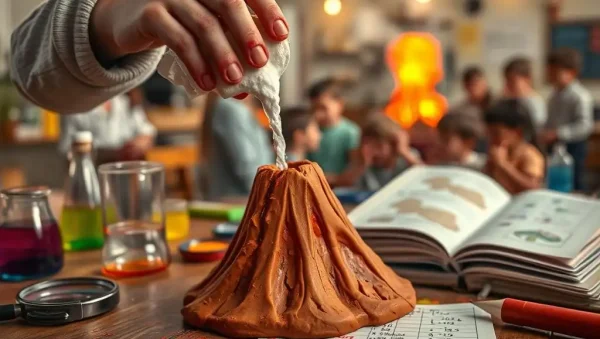
DIY volcano kits elevate the experience by having kids construct the volcano itself from raw materials like clay, papier-mâché, or even food-based products. These kits are less about instant gratification and more about the engineering process. Children follow step-by-step blueprints to shape a realistic stratovolcano or shield volcano, complete with craters, lava channels, and vent pipes. The sense of accomplishment after building a structure that actually erupts is immense, teaching patience and problem-solving.
Many DIY kits now use eco-friendly materials, such as biodegradable clay and natural pigments, aligning with sustainability values. They also encourage creativity—kids can redesign their volcano repeatedly, testing different shapes to see how they affect eruption flow. This process mirrors real volcanology research, where scientists modify models to predict behavior. These kits are ideal for group projects or family bonding sessions, offering a rewarding blend of art, engineering, and science that keeps kids engaged for hours on end.
🚀 STEM Volcano Experiment Labs: Integrating Robotics & Technology
The newest frontier in volcano toys is the integration of robotics, coding, and sensors. These advanced labs allow kids to build motorized volcanoes that "erupt" with lights and sound, or use temperature sensors to trigger reactions at precise moments. Some kits even pair with smartphone apps, letting children program eruption sequences, collect data, and graph their results. This marriage of geology and technology prepares kids for modern scientific research, where data logging and automation are essential.
These high-tech kits are perfect for older kids and teenagers who love both nature and gadgets. They often include multiple experiments, teaching coding basics through simple drag-and-drop interfaces while reinforcing volcanic concepts. For families with a keen interest in science, technology, engineering, and math, these labs offer a comprehensive package that grows with the child’s skill level. They also make outstanding gifts for tech-savvy kids who might otherwise prefer screens to science—proving that learning about volcanoes can be as exciting as any video game.
Frequently Asked Questions
What is the best age range for volcano science kits?
Most classic baking soda volcano kits are suitable for children aged 5 and up, with adult supervision recommended for kids under 8. Advanced chemistry sets involving acids or bases are best for ages 10 and above, while sophisticated robotics-based kits can appeal to teens up to 15. Always check the manufacturer’s recommended age to ensure safety and appropriate complexity.
Are volcano science kits safe for kids with allergies?
Yes, many kits are allergen-free, but it’s crucial to read labels carefully. Standard kits use baking soda and vinegar, which are food-grade and safe. Some advanced sets may include citric acid or artificial dyes that could trigger sensitivities. If your child has specific allergies, look for kits marked as hypoallergenic or those using only natural, food-based ingredients.
Can these kits be used multiple times, or are they one-time use?
Reusable volcano molds and plaster bases can be used hundreds of times if you buy refill packets for the eruption chemicals. DIY kits you build from clay are also reusable, though the reaction materials are consumable. High-end STEM labs often include sensors and motors that last indefinitely with new consumables. Invest in a kit with a durable base to maximize repetition.
Do volcano kits align with school science curricula?
Absolutely! Volcano kits directly support Next Generation Science Standards (NGSS) for earth science, chemical reactions, and engineering design. Teachers frequently use these kits for classroom demonstrations and science fairs. Many manufacturers provide alignment guides and lesson plans, making it easy to integrate your child’s play into formal education settings.
What safety equipment do kids need for advanced volcano sets?
For advanced chemistry kits, safety goggles, gloves, and an apron are essential—most sets include these items. For DIY building, you may need scissors or a craft knife (adult use only). Always perform eruptions outdoors or in a well-ventilated area, and have a bowl of water nearby for clean-up. Follow the included safety guide to prevent accidents and ensure a fun, educational experience.