Online Courses and Educational Platforms for Volcanology
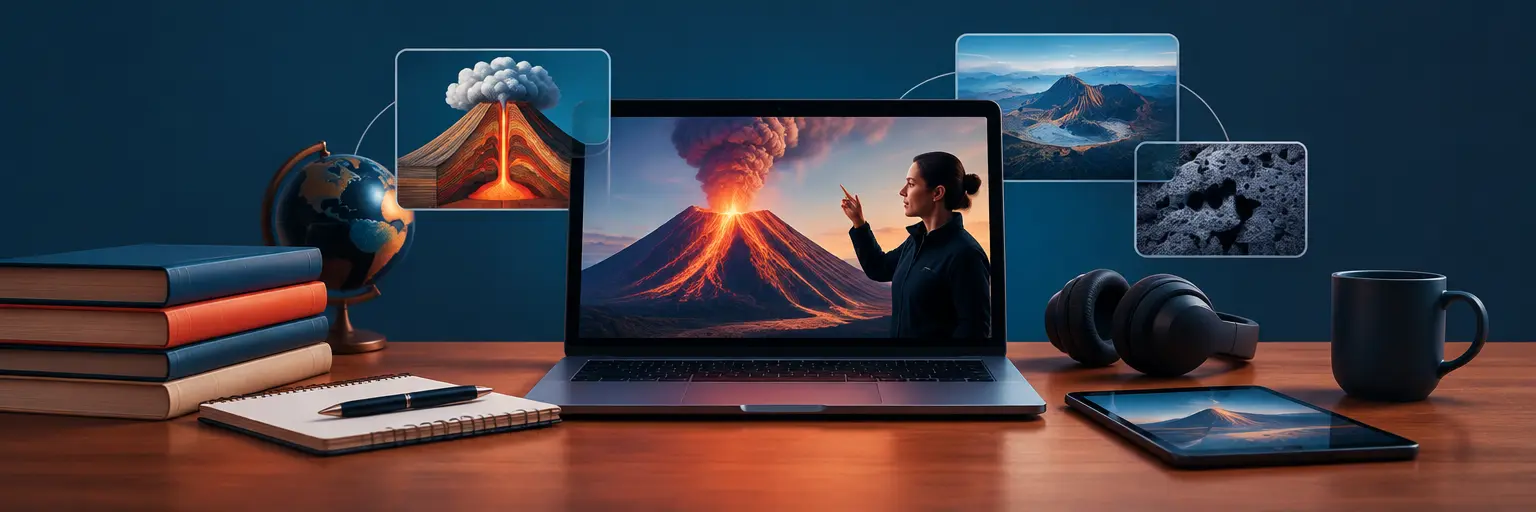
Unlock the secrets of the Earth’s most dynamic forces with curated online courses and educational platforms dedicated to volcanology. Whether you’re a budding scientist, an avid traveler, or a curious enthusiast, these digital resources offer structured learning from leading universities and geological institutions. Explore interactive modules, video lectures, and real-world case studies that bring the science of magma, eruptions, and hazard assessment directly to your screen, all tailored for both beginners and advanced learners.
🌋 University-Level Certificate Programs in Volcanology
Dive into rigorous academic curricula designed by renowned geoscience departments, covering everything from petrology to eruption dynamics. These programs often include video lectures, reading materials, and peer-reviewed assignments that mirror university coursework, with flexible pacing for remote learners. You’ll gain a solid foundation in volcanic processes, stratigraphy, and geochemistry, preparing you for further studies or professional field work.
Expect hands-on virtual fieldwork using 3D terrain models and eruption simulations, plus access to exclusive webinars with leading volcanologists. Many platforms offer verified certificates upon completion, which can bolster your resume or academic portfolio. These courses are ideal if you want a formal, structured approach without the cost of traditional university tuition, blending theoretical knowledge with practical hazard mitigation skills.
📚 Interactive Platforms for Beginner Volcano Enthusiasts
For those just starting their volcanic journey, user-friendly platforms like Coursera, edX, and Khan Academy host introductory courses that break down complex concepts into engaging, bite-sized lessons. These often include animated diagrams, interactive quizzes, and community discussion forums where you can ask questions alongside fellow learners. You’ll explore famous eruptions like Mount St. Helens and Krakatoa, learning how volcanic ash affects climate and aviation.
These platforms prioritize accessibility with subtitles, downloadable resources, and mobile-friendly formats, making learning seamless on any device. They also frequently update content with current volcanic events, ensuring your knowledge stays relevant. Perfect for hobbyists, educators teaching earth science, or travelers seeking a deeper understanding of volcanic landscapes they visit.
🛠️ Specialized Workshops on Volcano Monitoring and Hazard Mitigation
Advanced learners can enroll in specialized workshops focused on practical skills like seismic data interpretation, gas emission analysis, and GIS mapping for risk assessment. Offered through institutions like the USGS Volcano Hazards Program or the IAVCEI, these courses provide real-world case studies and simulation exercises. You’ll learn how volcanologists use thermal imaging and satellite remote sensing to predict eruptions and protect communities.
These workshops often include live, instructor-led sessions with Q&A components, providing direct interaction with experts. You’ll also receive access to professional software tools and datasets, enabling you to practice crisis response planning. Ideal for emergency managers, graduate students, or professionals transitioning into geohazard careers, these courses bridge the gap between theory and operational reality.
🌍 Multilingual and Community-Driven Learning Hubs
Explore platforms like Volcano Discovery or the Global Volcanism Program, which offer free multimedia content, including documentary-style videos, eruption diaries, and interactive world maps. These hubs are updated by a global community of scientists and citizen observers, providing regional perspectives on volcanic activity. You can join live chat sessions during major eruptions and access real-time monitoring data from across the globe.
Expect a wealth of visual resources such as drone footage of lava flows, historical photography archives, and detailed infographics explaining volcanic hazards. Many hubs also host language-specific courses and localized guides for communities living near volcanoes, making education truly global. These platforms are perfect for visual learners and those who prefer informal, community-driven learning over structured syllabi.
🎓 Certification-Bearing MOOCs for Career Advancement
Massive Open Online Courses (MOOCs) from universities like the University of Iceland or Open University offer in-depth volcanology modules that can be audited for free or paid for a verified certificate. These courses delve into case studies from Iceland’s Eyjafjallajökull or Hawaii’s Kilauea, providing detailed analysis of eruption mechanics and societal impact. You’ll complete capstone projects that simulate volcanic crisis communication, enhancing your decision-making skills.
Certificates from these programs are recognized by many employers in environmental science and disaster management sectors. The structured timeline includes weekly deadlines, keeping you motivated, while optional peer review fosters collaboration. With scholarships available for qualifying learners, these MOOCs offer an affordable pathway to professional development, whether you’re a teacher enhancing your curriculum or a consultant specializing in natural hazards.
Frequently Asked Questions
Do I need a science background to take volcanology courses?
No, many introductory courses are designed for complete beginners, explaining geological concepts in simple terms. Advanced workshops may recommend prior knowledge in earth science, but prerequisites are always listed in the course description. Start with a basic course to build confidence, then progress to specialized topics at your own pace.
Are these courses free or paid?
Most platforms like Coursera and edX offer free audit options with limited access, while paid versions include certificates and graded assignments. Specialized workshops from institutions like USGS may charge a fee but often include mentorship and software licenses. Community hubs like Volcano Discovery are entirely free, supported by donations and ads.
How long do typical online volcanology courses take?
Introductory courses typically last 4-6 weeks, requiring 2-3 hours per week. University-level programs may span 8-12 weeks with more rigorous workloads. Self-paced options allow you to extend or compress your schedule, while live workshops are usually intensive one or two-day sessions. Check each syllabus for time commitments before enrolling.
Can I earn a recognized certificate from these platforms?
Yes, many platforms offer shareable certificates upon successful completion of paid courses, which can be linked to your LinkedIn profile. These are typically recognized as continuing education credits, though not equivalent to university degrees. For professional accreditation, check with industry bodies like the Geological Society of America for course approvals.
Do these platforms provide real-time volcanic activity updates?
While courses focus on educational content, many include links to live monitoring data from USGS, Smithsonian, and local observatories. Community hubs like Volcano Discovery integrate real-time earthquake and eruption alerts into their learning materials. For urgent updates, always refer to official government hazard agencies directly.