
Protecting Cultural Heritage in Volcano Zones: Preserving History Under Threat

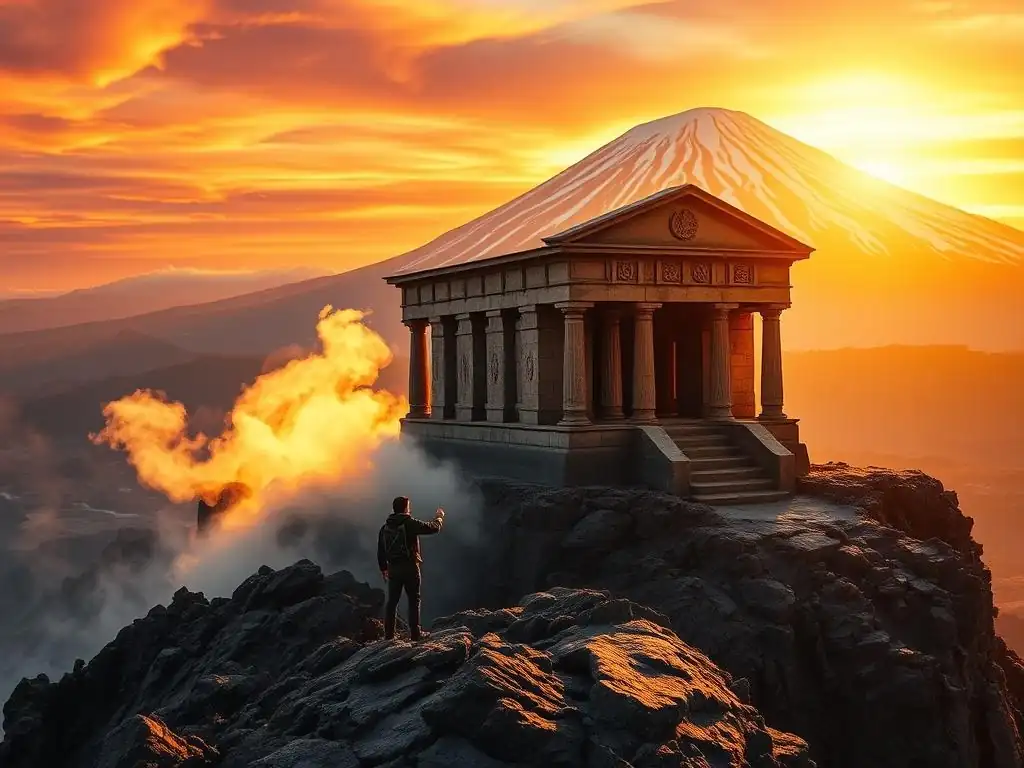
Welcome to Volcano Explorers, where the earth breathes fire and history whispers on the wind. Ever wondered how we safeguard ancient sites and vibrant cultures nestled in the shadows of these magnificent, yet volatile giants? Dive into our latest feature, "Protecting Cultural Heritage in Volcano Zones," and uncover the crucial strategies for preserving heritage near volcanoes. But that's just the beginning... what secrets lie buried beneath the ash, and how can we ensure their survival? Explore further to find out!
Case Studies: Historical Damage to Cultural Heritage from Volcanic Eruptions
The destructive power of volcanic eruptions has left indelible marks on human history, not only through immediate devastation and loss of life but also through the significant damage inflicted upon cultural heritage. History is replete with examples where volcanic events have buried, destroyed, or severely altered sites of immense cultural and historical value. One of the most iconic examples is the eruption of Mount Vesuvius in 79 AD, which catastrophically impacted the Roman cities of Pompeii and Herculaneum.
These cities, thriving centers of Roman life, were completely engulfed by pyroclastic flows and ash, effectively freezing them in time. The eruption not only caused immense human tragedy but also resulted in the burial of remarkably preserved Roman architecture, art, and everyday objects.
The archaeological sites of Pompeii and Herculaneum, while tragic reminders of the eruption's force, now serve as invaluable resources for understanding Roman daily life, architecture, and artistic practices. The rapid burial, while destructive, paradoxically preserved organic materials and structural details that would have otherwise been lost to time and weathering, demonstrating a grim form of heritage preservation through catastrophe.
Beyond Pompeii and Herculaneum, more recent eruptions also illustrate the vulnerability of cultural heritage. The 1991 eruption of Mount Pinatubo in the Philippines, for example, while not directly burying major ancient cities, had significant impacts on cultural sites due to widespread ashfall and lahar flows.
Churches, ancestral houses, and historical landmarks in surrounding towns and provinces suffered from structural damage and the corrosive effects of volcanic ash. The weight of accumulated ash caused roofs to collapse, and the acidic nature of the ash accelerated the degradation of building materials and artwork.
Furthermore, lahars, remobilized volcanic debris mixed with water, inundated towns and altered landscapes, affecting not only built heritage but also intangible cultural heritage linked to specific places and environments. The eruption of Mount Pinatubo highlighted the pervasive reach of volcanic hazards and their ability to impact cultural heritage even at considerable distances from the volcanic vent, demonstrating the need for broader regional planning and preparedness for heritage preservation in volcanic zones.
- How does volcanic activity threaten cultural heritage sites?
- What measures can be taken to protect cultural heritage sites before a volcanic eruption?
- Who is responsible for preserving cultural heritage near volcanoes?
- What are the challenges in preserving cultural heritage in active volcanic zones?
- How can technology aid in the preservation of cultural heritage near volcanoes?
Frequently Asked Questions
How does volcanic activity threaten cultural heritage sites?
Volcanic activity, such as ashfall, lava flows, and lahars (mudflows), can directly bury, damage, or destroy archaeological sites, historical buildings, and other culturally significant locations near volcanoes.
What measures can be taken to protect cultural heritage sites before a volcanic eruption?
Protective measures include documentation and digitization of sites, physical barriers to divert flows, and relocation of artifacts to safer locations. Early warning systems also play a crucial role.
Who is responsible for preserving cultural heritage near volcanoes?
Preservation is a shared responsibility involving local communities, government agencies, heritage organizations, and volcanologists working together. International collaborations may also be necessary.
What are the challenges in preserving cultural heritage in active volcanic zones?
Challenges include limited resources, accessibility issues, unpredictability of eruptions, and the complexity of balancing preservation with community safety and development.
How can technology aid in the preservation of cultural heritage near volcanoes?
Technology can assist through remote sensing for monitoring, 3D modeling for documentation, and GIS mapping for risk assessment. These can also assist in virtual tourism of the locations.
Final Reflection: Echoes of the Past, Whispers of the Future
The fragility of our shared history, particularly when juxtaposed against the raw power of nature, is a stark reminder of our responsibility as custodians of the past. The vulnerability of cultural heritage sites near volcanoes underscores the urgent need for proactive preservation strategies, not just to protect physical structures, but also to safeguard the stories and traditions they embody for generations to come. Ignoring this threat is akin to silencing the voices of those who came before us.
The ongoing struggle to preserve heritage near volcanoes has profoundly influenced my understanding of the interconnectedness between human history and the natural world. It's a constant reminder that our cultural legacy is not static; it's a living, breathing entity that requires constant nurturing and protection. We are not owners of the land, but custodians of it for future generations.
This sentiment encapsulates the essence of our duty to safeguard these invaluable sites, ensuring they continue to inspire and educate.
Now, more than ever, it is crucial to reflect on the lessons learned from these vulnerable sites. Consider how you can contribute, even in a small way, to the preservation of cultural heritage, whether it's supporting organizations dedicated to this cause, educating yourself and others about the threats these sites face, or simply appreciating the rich tapestry of human history that surrounds you. Let us all be active participants in ensuring that the echoes of the past continue to resonate, guiding us toward a future where history and nature coexist in harmony.
Here's a CTA designed for the end of the "Protecting Cultural Heritage in Volcano Zones: Preserving History Under Threat" article for Volcano Explorers:
Thank you for delving into the crucial topic of protecting cultural heritage in volcano zones. You've now gained a deeper understanding of the challenges and the importance of preserving these invaluable historical sites. Now, let's transform knowledge into action!
Here's how you can contribute to safeguarding these vital legacies:
- Become a Volcano Heritage Volunteer: Contact your local historical society or archaeological organizations near volcano regions to offer your time and skills for preservation efforts.
- Explore Further: Check out our "Volcano Explorer's Field Guide" section on volcanoexplorers.org for practical tips for respectful exploration and documentation of at-risk heritage sites.
- Amplify the Message: Share this article with three friends or family members who are passionate about history and preservation to raise awareness about the ongoing threats to volcanic heritage.
What specific actions are you planning to take this month to help protect at-risk cultural sites near volcanic regions? Share your ideas and inspire others!