
The Paradox of Plenty: Water Scarcity in Lands of Fire and Ice

Welcome to Volcano Explorers!
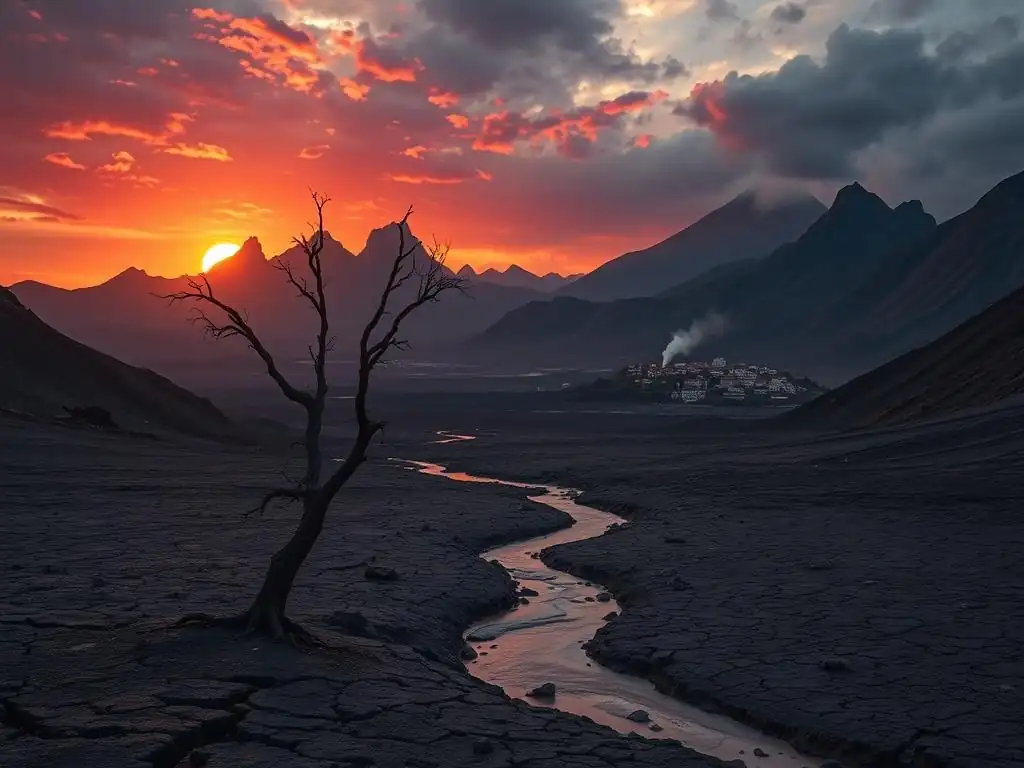
Prepare to unravel a geological paradox: while volcanoes are often associated with powerful hydrothermal systems, many regions nestled in their shadows face a surprising struggle – water scarcity. Intrigued? Dive into our latest exploration of " Water Scarcity in Volcanic Regions" and discover how these landscapes of fire and ice grapple with a vital resource. The answers might just surprise you...
- Introduction: Understanding Water Scarcity in Volcanic Regions
- Volcanic Landscapes: A Double-Edged Sword for Water Resources
- Factors Contributing to Water Scarcity in Volcanic Regions
- Case Studies: Water Scarcity in Volcanic Landscapes Around the World
- Mitigation Strategies for Water Scarcity in Volcanic Regions
- The Future of Water Resources in Volcanic Regions
- Conclusion: Addressing Water Scarcity in Volcanic Landscapes
-
Frequently Asked Questions
- How can water scarcity exist in areas with so much volcanic activity, which often involves water vapor?
- What are the main ways volcanic activity contaminates water sources?
- Does the type of volcano impact the severity of water scarcity?
- How do volcanologists help mitigate water scarcity in volcanic regions?
- What are some strategies to address water scarcity in areas prone to volcanic activity?
- Final Reflection: Navigating the Thirst Amidst Abundance
- Dive Deeper: Become a Water Advocate!
Introduction: Understanding Water Scarcity in Volcanic Regions
Volcanic landscapes, often perceived as realms of fire and brimstone, are paradoxically also cradles of water. The very processes that sculpt these dramatic terrains – eruptions, geothermal activity, and geological uplift – frequently contribute to abundant precipitation, glacial formations, and extensive groundwater systems. Yet, this apparent water wealth often masks a stark reality: water scarcity.
In many volcanic regions around the globe, communities face significant challenges in accessing and managing this essential resource, a contradiction that demands closer examination. This article delves into the complexities of water scarcity in volcanic areas, exploring the reasons behind this paradox and highlighting the urgent need for sustainable water management strategies in these dynamic environments.
Volcanic Landscapes: A Double-Edged Sword for Water Resources
Volcanic regions present a fascinating duality when it comes to water resources. On one hand, they can be exceptionally water-rich, acting as natural water towers due to specific geological and climatic conditions. On the other hand, these same volcanic characteristics, coupled with external pressures, can create significant vulnerabilities that lead to water scarcity. Understanding this double-edged sword is crucial to appreciate the unique water management challenges in these landscapes.
The Abundance of Water in Volcanic Areas
The perceived abundance of water in volcanic regions stems from several interconnected factors. Firstly, volcanic mountains often act as orographic barriers, forcing moist air masses to rise, cool, and condense, resulting in higher precipitation levels compared to surrounding lowlands. For example, the volcanic islands of Hawaii receive some of the highest rainfall rates on Earth, with areas on Mount Waiʻaleʻale on Kauai averaging over 10,000 millimeters (almost 400 inches) of rain annually.
Secondly, many volcanic regions are characterized by extensive glaciers and snowfields at higher elevations. These ice masses act as natural reservoirs, storing water in winter and releasing it gradually during warmer months, providing a consistent water source to rivers and streams. Iceland, for instance, is covered by glaciers that contribute significantly to its river systems and groundwater recharge.
Finally, volcanic activity itself can create surface water bodies. Caldera lakes, formed in the collapsed craters of volcanoes, like Crater Lake in Oregon, USA, are significant freshwater reserves. Geothermal activity, a direct consequence of volcanism, while not directly creating water, contributes to groundwater recharge and can sustain baseflows in rivers even during dry periods.
The Challenges of Water Management in Volcanic Environments
Despite the apparent abundance, managing water resources in volcanic environments presents unique and often complex challenges. The very geological characteristics that contribute to water richness can also create vulnerabilities. Volcanic rocks, such as basalt and pumice, are often highly porous and permeable. While this facilitates groundwater recharge, it also means that surface water readily infiltrates into the subsurface, reducing surface water availability and making it challenging to retain water in reservoirs.
Furthermore, volcanic landscapes are often tectonically active and prone to earthquakes and landslides, which can damage water infrastructure like dams, pipelines, and irrigation systems. Eruptions themselves pose a direct threat to water quality and infrastructure. Volcanic ash can contaminate surface water sources, increasing turbidity and introducing harmful chemicals.
Lava flows can destroy water infrastructure and alter drainage patterns, while lahars (volcanic mudflows) can bury water intakes and treatment plants. Beyond geological hazards, climate change is exacerbating water management challenges. Glacier retreat, altered precipitation patterns, and increased evaporation rates are impacting water availability in many volcanic regions, threatening both human populations and ecosystems.
Factors Contributing to Water Scarcity in Volcanic Regions
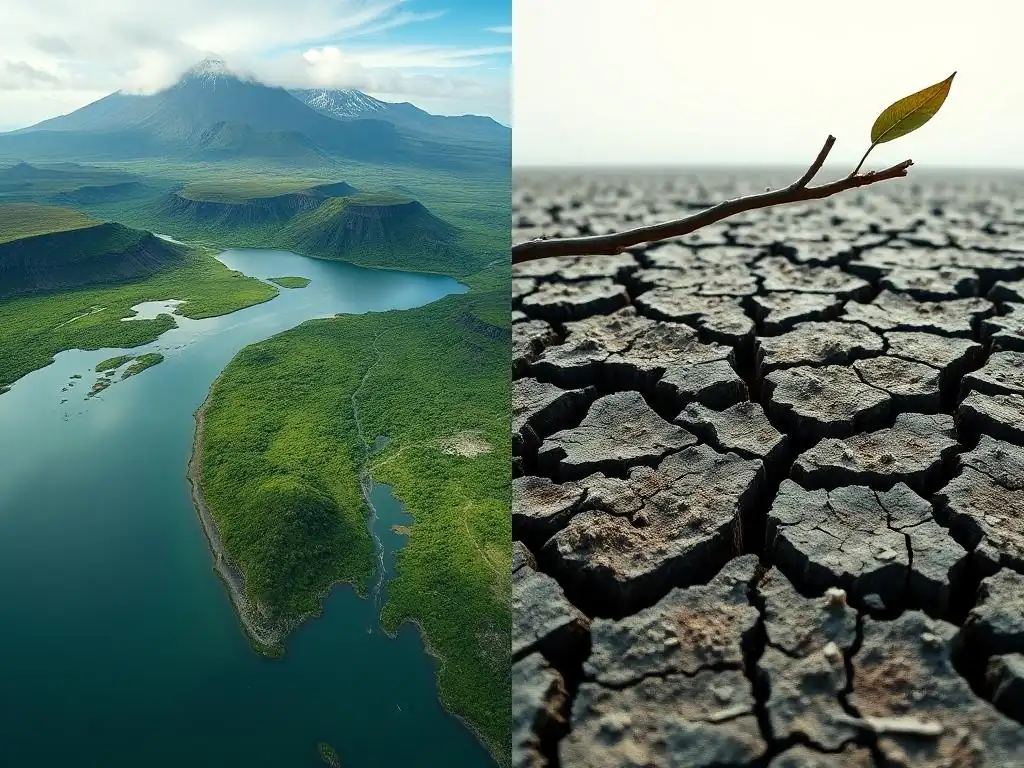
Water scarcity in volcanic regions is not solely determined by the physical environment; it is a complex interplay of geological factors, climate change impacts, and human activities. Understanding these contributing factors is essential for developing effective mitigation strategies.
Geological Factors and Water Drainage
The geological composition of volcanic landscapes plays a crucial role in water availability. As mentioned earlier, volcanic rocks are often highly permeable and porous. This characteristic, while beneficial for groundwater recharge, leads to rapid drainage of surface water.
Rivers in volcanic regions can be characterized by high baseflow (sustained by groundwater discharge) but relatively low surface runoff during rainfall events compared to rivers in less permeable terrains. This rapid infiltration reduces the amount of water available for direct surface water abstraction and can lead to seasonal fluctuations in river flows, with periods of low flow during dry seasons. Furthermore, the fractured nature of volcanic rock aquifers, while holding large volumes of water, can make groundwater extraction challenging.
Wells may need to be drilled deeper and require specialized techniques to tap into productive aquifers. In some areas, geothermal activity can also influence groundwater quality, leading to elevated concentrations of minerals like fluoride or arsenic, which can pose health risks and require specialized water treatment.
Climate Change and its Impact on Water Availability
Climate change is significantly impacting water availability in volcanic regions, often exacerbating existing vulnerabilities. Many volcanic areas are heavily reliant on glacial meltwater for water supply. Glaciers worldwide are receding at an alarming rate due to rising global temperatures.
In volcanic regions like the Andes and Iceland, glacier retreat is reducing meltwater contributions to rivers, leading to decreased dry-season flows and increased water stress, particularly during summer months. Changes in precipitation patterns are also critical. Some volcanic regions are experiencing increased drought frequency and intensity, reducing overall water availability and impacting agricultural productivity.
Conversely, other areas may experience more intense rainfall events, leading to increased flood risk and soil erosion, which can further degrade water quality and damage water infrastructure. Changes in snowpack accumulation and melt timing also affect water availability, impacting downstream water users, including agriculture and hydropower generation. A study in the Andes, for example, projects a significant reduction in glacial meltwater contribution to rivers by mid-century, threatening water supplies for major cities like La Paz, Bolivia, which relies heavily on glacial runoff from the surrounding volcanic mountains.
Human Activities and Water Demand
Human activities significantly contribute to water scarcity in volcanic regions by increasing water demand and sometimes degrading water quality. Agriculture is a major water consumer in many volcanic areas, particularly where fertile volcanic soils support intensive farming. Irrigation practices, often inefficient, can place significant strain on water resources, especially during dry seasons.
For instance, in the volcanic regions surrounding Mount Etna in Italy, citrus orchards and vineyards rely heavily on irrigation, contributing to groundwater depletion and water stress during the summer months. Urbanization and population growth in volcanic regions also increase water demand for domestic and industrial uses. Tourism, often attracted to volcanic landscapes for their natural beauty and geothermal features, can also place additional pressure on water resources, particularly in areas with limited water infrastructure.
Furthermore, certain industries prevalent in volcanic regions, such as geothermal energy production and mining, can be water-intensive and may compete with other sectors for water resources. Pollution from agricultural runoff, industrial discharge, and untreated sewage can degrade water quality, further reducing the availability of usable water and increasing the cost of water treatment.
Case Studies: Water Scarcity in Volcanic Landscapes Around the World
Examining specific case studies from different volcanic regions around the world highlights the diverse challenges and approaches to managing water scarcity.
Iceland: Managing Water Resources in a Glacial-Volcanic Environment
Iceland, often called the "Land of Fire and Ice," is a volcanic island nation seemingly abundant in water. Glaciers cover approximately 11% of its land area, and rainfall is plentiful, averaging over 2,000 mm annually in some southern regions. However, Iceland faces unique water management challenges despite this apparent abundance. Firstly, while glacial meltwater contributes significantly to river flows, climate change is causing rapid glacier retreat, threatening long-term water security.
Studies indicate that Icelandic glaciers have lost approximately 15% of their volume since the late 19th century, with accelerated melting in recent decades. Secondly, geothermal energy, a significant resource for Iceland, requires careful management in relation to water resources. While geothermal power plants utilize hot water and steam from underground reservoirs, unsustainable extraction can deplete these resources and impact groundwater levels.
Furthermore, the rapid growth of tourism in Iceland in recent years has placed increasing pressure on water infrastructure and water resources, particularly in popular tourist destinations. Iceland's water management strategy focuses on sustainable groundwater abstraction, protection of water quality from pollution, and efficient water distribution systems. The country benefits from a robust water infrastructure and a strong regulatory framework, but continued monitoring and adaptation are crucial to address the long-term impacts of climate change and increasing water demand.
The Andes: Volcanic Activity and Water Stress in South America
The Andean region in South America is characterized by extensive volcanic mountain ranges and a diverse climate, ranging from hyper-arid deserts to humid rainforests. Volcanic activity has shaped the landscape and influences water resources, but many Andean communities face significant water stress. In the arid and semi-arid regions of the Andes, water scarcity is a long-standing challenge, exacerbated by volcanic activity and climate change. Volcanic ash deposition from past eruptions has created fertile soils that support agriculture, but these regions often rely on limited water resources.
Glacial meltwater from Andean glaciers is a critical water source for many communities, but glacier retreat due to climate change is threatening this supply. For example, in the Bolivian Andes, cities like La Paz depend on glacial runoff from mountains like Illimani, a dormant volcano. The shrinking of these glaciers is already impacting water availability, particularly during the dry season. Furthermore, volcanic activity can impact water quality.
Volcanic ash can contaminate water sources, and geothermal activity can release minerals into groundwater. Mining activities, prevalent in many Andean volcanic regions, also compete for water resources and can contribute to water pollution. Water management strategies in the Andes focus on improving irrigation efficiency, developing alternative water sources like rainwater harvesting, and implementing water resource management plans that consider the impacts of climate change and volcanic hazards.
Mount Etna, Italy: Balancing Agriculture and Water Availability
Mount Etna, located in Sicily, Italy, is one of Europe's most active volcanoes. The fertile volcanic soils around Etna support intensive agriculture, particularly citrus fruits and vineyards. However, the Mediterranean climate, characterized by hot, dry summers, creates a seasonal water scarcity challenge. Agriculture in the Etna region relies heavily on groundwater for irrigation.
Over-extraction of groundwater has led to declining water tables in some areas, raising concerns about long-term water sustainability. Volcanic activity at Etna also poses risks to water resources. Ashfall from eruptions can contaminate surface water sources and damage crops. Lava flows and seismic activity can disrupt water infrastructure and alter drainage patterns.
Water management in the Etna region focuses on balancing agricultural water demand with water availability. Efforts are being made to promote water-efficient irrigation techniques, such as drip irrigation, and to improve water storage and distribution infrastructure. Monitoring groundwater levels and water quality is crucial to ensure sustainable water use. Furthermore, land-use planning and disaster preparedness measures are essential to mitigate the impacts of volcanic hazards on water resources and agricultural activities.
Mitigation Strategies for Water Scarcity in Volcanic Regions
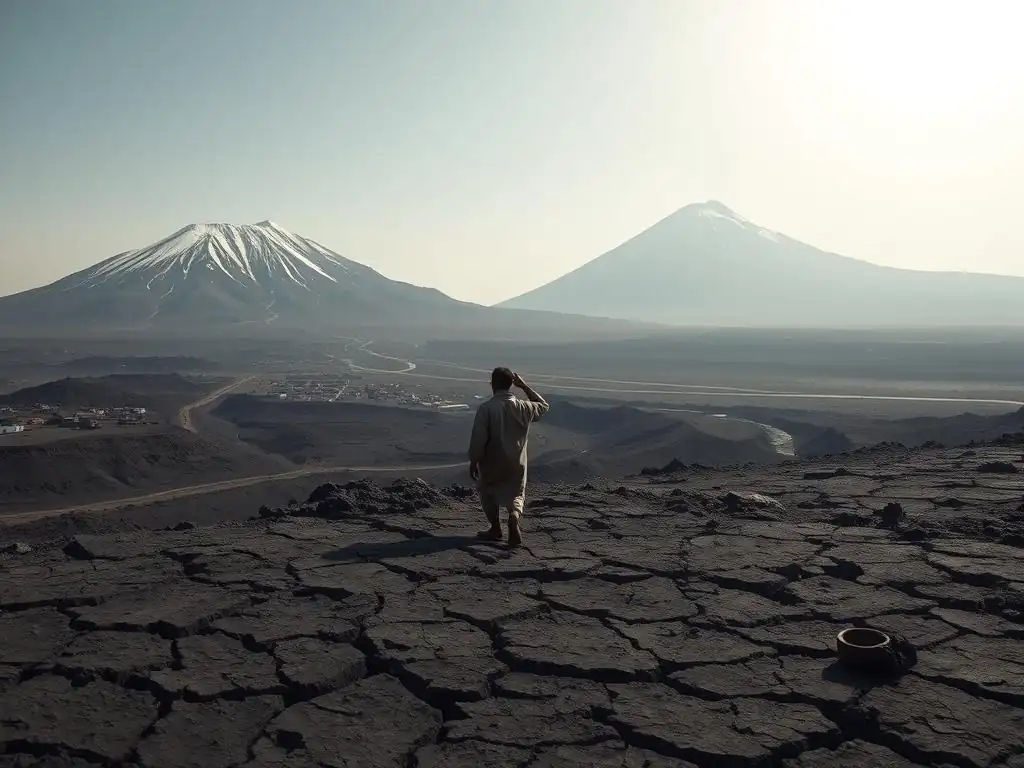
Addressing water scarcity in volcanic regions requires a multifaceted approach that combines sustainable water management practices, technological solutions, and community engagement.
Sustainable Water Management Practices
Implementing sustainable water management practices is crucial for mitigating water scarcity in volcanic regions. This includes promoting water conservation in all sectors – domestic, agricultural, and industrial. In households, simple measures like using water-efficient appliances, fixing leaks, and reducing water consumption in daily activities can make a significant difference. In agriculture, adopting water-efficient irrigation techniques, such as drip irrigation and sprinkler systems, can dramatically reduce water usage compared to traditional flood irrigation.
Choosing drought-resistant crops and optimizing irrigation scheduling based on crop water needs and weather conditions are also important. In industries, implementing water recycling and reuse systems can significantly reduce water demand. Protecting water sources from pollution is paramount.
This involves implementing proper wastewater treatment, controlling agricultural runoff, and managing industrial discharges to prevent contamination of surface and groundwater resources. Rainwater harvesting is another valuable sustainable practice, particularly in volcanic regions with high rainfall. Collecting rainwater from rooftops and other surfaces can provide a supplementary water source for domestic use, irrigation, and even groundwater recharge.
Technological Solutions for Water Treatment and Distribution
Technological solutions play a vital role in addressing water scarcity and improving water management in volcanic regions. Advanced water treatment technologies can be employed to treat contaminated water sources, including volcanic waters that may contain elevated levels of minerals. Desalination technologies, while energy-intensive, may be considered in coastal volcanic regions facing severe water scarcity, particularly where alternative freshwater sources are limited.
Efficient water distribution systems are essential to minimize water losses during conveyance from source to user. This includes investing in well-maintained pipelines, leak detection and repair programs, and smart water grids that can monitor water flow and pressure in real-time, allowing for rapid detection and response to leaks and system inefficiencies.
Remote sensing technologies and Geographic Information Systems (GIS) can be used to monitor water resources, assess water availability, and optimize water management strategies. These technologies can provide valuable data on snowpack, glacier melt, groundwater levels, and vegetation water stress, aiding in informed decision-making for water resource management.
Community Engagement and Education
Community engagement and education are fundamental to the success of any water management strategy in volcanic regions. Local communities are the primary stakeholders in water resources, and their participation in decision-making processes is essential for ensuring the sustainability and equity of water management. Raising public awareness about water scarcity issues and promoting water conservation practices through education campaigns is crucial.
Schools, community centers, and media outlets can be used to disseminate information about water conservation techniques, the importance of protecting water sources, and the challenges of water management in volcanic environments. Empowering local communities to manage their water resources through participatory approaches, such as community-based water management committees, can enhance ownership and ensure that water management strategies are tailored to local needs and contexts. Traditional knowledge and practices related to water management, often developed over generations in volcanic regions, should be recognized and integrated into modern water management approaches.
The Future of Water Resources in Volcanic Regions
The future of water resources in volcanic regions is inextricably linked to the impacts of climate change and the effectiveness of human adaptation strategies. Climate change projections indicate continued glacier retreat, altered precipitation patterns, and increased frequency of extreme weather events in many volcanic areas. These changes will likely exacerbate existing water scarcity challenges, threatening water supplies for human consumption, agriculture, and ecosystems.
Population growth and increasing urbanization in volcanic regions will further increase water demand, placing additional pressure on already stressed water resources. The future sustainability of water resources in these dynamic landscapes hinges on proactive and integrated water management approaches.
This requires a shift towards more resilient and adaptive water management systems that can cope with the uncertainties of climate change and the challenges of volcanic hazards. Investing in water infrastructure, promoting water-efficient technologies, implementing sustainable land management practices, and fostering community participation are crucial steps towards ensuring water security in volcanic regions for future generations.
Conclusion: Addressing Water Scarcity in Volcanic Landscapes
Water scarcity in volcanic landscapes presents a compelling paradox. Regions seemingly blessed with abundant water resources often grapple with significant water management challenges. The unique geological characteristics of volcanic terrains, coupled with the impacts of climate change and human activities, create a complex interplay of factors that contribute to water stress.
Addressing this paradox requires a holistic and integrated approach that recognizes the specific vulnerabilities and opportunities of each volcanic region. Sustainable water management practices, technological innovation, and community engagement are essential components of effective mitigation strategies. By embracing these strategies, we can strive to ensure water security and build resilience in these dynamic and vital landscapes, safeguarding both human communities and the unique ecosystems that thrive in the shadow of volcanoes.
Frequently Asked Questions
How can water scarcity exist in areas with so much volcanic activity, which often involves water vapor?
Volcanic activity, while producing water vapor, often leads to acidic rainfall and contaminated water sources. This renders the water unsuitable for consumption or agriculture.
What are the main ways volcanic activity contaminates water sources?
Volcanic eruptions release ash, gases, and heavy metals into the environment. These pollutants can contaminate surface water and groundwater, making them unsafe.
Does the type of volcano impact the severity of water scarcity?
Yes, different volcano types release different amounts and types of pollutants. Stratovolcanoes, known for explosive eruptions, tend to cause more widespread contamination than shield volcanoes.
How do volcanologists help mitigate water scarcity in volcanic regions?
Volcanologists monitor volcanic activity to predict eruptions and assess the potential for water contamination. They also study water flow and quality to develop mitigation strategies.
What are some strategies to address water scarcity in areas prone to volcanic activity?
Strategies include water treatment plants to remove contaminants, rainwater harvesting to collect clean water, and developing alternative water sources further away from volcanic influence.
The exploration of water scarcity in volcanic regions, a paradox we've dissected throughout this article, reveals a stark truth: abundance doesn't guarantee accessibility. The interplay of geological forces, climate change, and human activity creates a complex web where even lands seemingly overflowing with water can suffer from critical shortages. Understanding this intricate relationship is crucial as we face a future increasingly defined by environmental challenges.
The lessons learned from these volcanic landscapes resonate far beyond their fiery peaks and icy plains. They serve as a potent reminder that water, the lifeblood of our planet, is a finite and precious resource that demands careful stewardship. The challenges faced in these unique environments underscore the global imperative to rethink our relationship with water, moving from a mindset of exploitation to one of sustainable management. We never know the worth of water till the well is dry.
- Thomas Fuller's words echo the urgency of addressing water scarcity before it becomes an irreversible crisis.
Now, consider the implications of this paradox in your own life. How can you contribute to a more sustainable water future? Reflect on your daily habits, your community's practices, and the policies that shape water management in your region. Let the lessons from the "lands of fire and ice" inspire you to become a conscious water steward, ensuring that future generations inherit a planet where abundance truly translates into accessibility for all.
Dive Deeper: Become a Water Advocate!
Thank you for exploring the complex realities of water scarcity in volcanic regions. Now that you understand the challenges, let's turn awareness into action and help protect this precious resource.
Here's how you can make a difference:
- Calculate your daily water usage and identify three ways to reduce your consumption. This is a powerful first step!
- Share this article with your friends, family, and on social media. Raising awareness is crucial. Consider highlighting a specific fact that resonated with you.
- Research local water conservation initiatives in your area. Understanding local challenges can inspire global action and may even reveal previously unknown water-related issues in your community.
What small change will you commit to this week to conserve water and contribute to a more sustainable future? Share your pledge in the comments below!