
Become a Volcano Detective: Handson Science at Educational Volcano Centers

Welcome to Volcano Explorers, where the Earth's fiery secrets are revealed! Ever wondered what it's really like to stand at the edge of a caldera? Or maybe you're just itching to uncover the mysteries of magma? Dive into our latest article, "Become a Volcano Detective: Handson Science at Educational Volcano Centers," and discover a world of educational volcano exploration activities that will ignite your curiosity. But be warned: once you start exploring, you might just find yourself hooked on the irresistible allure of these geological giants. What secrets await you within?
- Volcanic Encounters: Your Gateway to Engaging Volcano Activities
- Unveiling Earth's Fury: Hands-on Volcanic Learning Experiences
- Top Volcano Centers for Immersive Learning
- Hands-on Volcano Science: Beyond the Textbook
- Educational Volcano Tourism: Combining Travel and Learning
- Benefits of Educational Volcano Activities
- Furthering Your Volcano Education: Resources
-
Frequently Asked Questions
- How can VolcanoExplorers.org help me find educational volcano exploration activities?
- What kind of educational volcano exploration activities are typically offered at volcano centers?
- Is it safe to participate in educational volcano exploration activities near active volcanoes?
- What age groups are educational volcano exploration activities typically designed for?
- Besides volcano centers, where else can I find educational volcano exploration activities related to volcanoes?
- Final Reflection: Igniting Curiosity, One Volcano at a Time
- Unleash Your Inner Volcanologist!
Volcanic Encounters: Your Gateway to Engaging Volcano Activities
Volcanoes, with their awe-inspiring power and dramatic geological narratives, have captivated human curiosity for millennia. Beyond the textbooks and documentaries, there exists a world of immersive learning where you can truly engage with the science behind these fiery giants. Educational volcano centers around the globe offer a unique opportunity to transform passive learning into active exploration, making complex geological processes accessible and exciting for everyone. These centers serve as gateways to understanding the Earth's dynamic forces, providing hands-on experiences that resonate far beyond the typical classroom setting.
Imagine stepping into environments where the very air hums with geological energy, where you can touch volcanic rocks formed millions of years ago, and witness firsthand the landscapes sculpted by eruptions. Educational volcano exploration activities are designed to ignite your inner 'volcano detective,' encouraging you to ask questions, investigate phenomena, and piece together the story of our planet's volcanic history. From interactive exhibits that simulate eruptions to guided tours through volcanic terrains, these centers provide a vibrant and unforgettable way to learn about the science, risks, and beauty of volcanoes.
Unveiling Earth's Fury: Hands-on Volcanic Learning Experiences
Educational volcano centers excel at translating complex scientific concepts into tangible, engaging experiences. They move beyond static displays and lectures, offering hands-on activities that cater to diverse learning styles and age groups. This interactive approach allows visitors to become active participants in the learning process, fostering a deeper understanding and appreciation for volcanology. These experiences range from simulating volcanic eruptions to analyzing real volcanic samples, ensuring that knowledge is not just absorbed but actively constructed.
Discover Interactive Exhibits for All Ages
Interactive exhibits are the cornerstone of many educational volcano centers, designed to demystify the often-intimidating world of volcanology. These exhibits employ a variety of technologies and approaches to make learning fun and accessible. For example, the Thomas A. Jaggar Museum at Hawai'i Volcanoes National Park features seismographs that allow visitors to feel the subtle tremors of the Earth, providing a visceral connection to volcanic activity.
Many centers also incorporate virtual reality and augmented reality experiences, allowing visitors to "fly" into a volcanic crater or witness an eruption from a safe distance. These technologies cater to different learning preferences, making complex processes like plate tectonics and magma formation understandable through visual and tactile engagement.
Furthermore, many exhibits are specifically designed to be multi-generational, ensuring that both children and adults can find something to learn and enjoy. Children might be drawn to interactive models of volcanoes that erupt with simulated lava at the push of a button, while adults might delve deeper into the scientific explanations provided through accompanying displays and informational panels.
The emphasis is on creating an environment where curiosity is encouraged, and learning is a shared experience for families and individuals alike. The Exploratorium in San Francisco, though not exclusively a volcano center, offers excellent examples of interactive science exhibits that demonstrate geological principles applicable to volcanism, highlighting the power of hands-on learning.
Engaging Volcanic Activities
Beyond exhibits, educational volcano centers offer a diverse range of engaging activities that further enhance the learning experience. Guided tours, led by volcanologists or knowledgeable park rangers, are a popular option, providing firsthand insights into the local volcanic landscape. For instance, ranger-led hikes at Mount St. Helens National Volcanic Monument take visitors through areas dramatically reshaped by the 1980 eruption, explaining the geological processes and ecological recovery in real-time. These tours often incorporate demonstrations and hands-on elements, such as identifying different types of volcanic rocks or observing the effects of volcanic gases on the environment.
Workshops and educational programs offer more in-depth learning opportunities. Centers like the Volcano Art Center in Hawai'i Volcanoes National Park often host workshops that blend art and science, allowing participants to create volcanic-themed art while learning about the geological forces that inspire them. Some centers also offer citizen science programs, inviting visitors to participate in real data collection efforts, such as monitoring volcanic gas emissions or tracking changes in volcanic landscapes. These activities not only educate but also empower visitors to contribute to scientific understanding and conservation efforts, fostering a sense of ownership and engagement with volcanology.
Top Volcano Centers for Immersive Learning
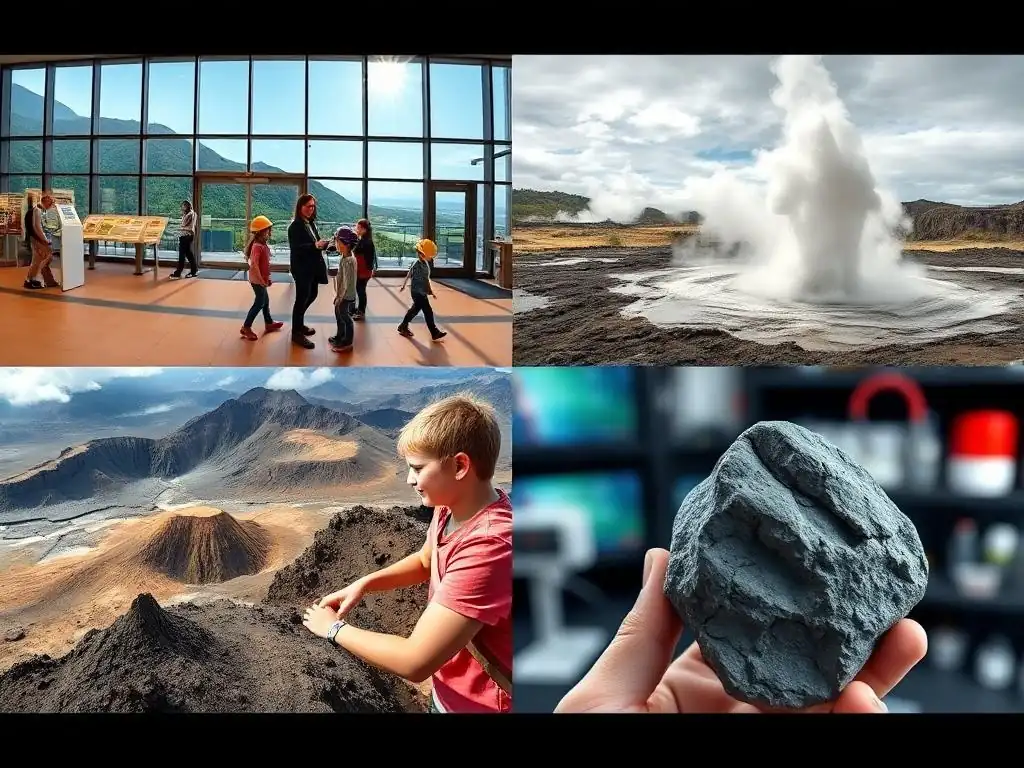
For those seeking the ultimate educational volcano exploration activities, several world-renowned centers stand out for their immersive learning environments and exceptional resources. These locations offer unique perspectives on volcanic phenomena, shaped by their specific geological settings and research focus.
Hawai'i Volcanoes National Park: A Journey into Kilauea's Realm
Hawai'i Volcanoes National Park, located on the Big Island of Hawai'i, is arguably one of the most dynamic and accessible volcanic landscapes on Earth. Dominated by two active volcanoes, Kīlauea and Mauna Loa, the park offers unparalleled opportunities to witness ongoing volcanic processes and learn about Hawaiian volcanism. The park's educational resources are extensive, ranging from visitor centers with detailed exhibits to ranger-led programs and self-guided trails that traverse lava fields and rainforest ecosystems shaped by volcanic activity.
Witnessing the Power of Kīlauea: Volcano Eruption Viewing
Kīlauea, one of the world's most active volcanoes, has been in a near-continuous state of eruption for decades, offering visitors the rare chance to witness volcanic activity firsthand. While surface lava flows are not always present, the park provides designated viewing areas where, depending on current activity, visitors may be able to see volcanic plumes, steam vents, and the dramatic effects of recent eruptions.
The Jaggar Museum, perched on the rim of Kīlauea caldera, provides panoramic views and real-time monitoring data, allowing visitors to understand the volcano's current state. During periods of heightened activity, the park rangers offer updates and guidance on safe viewing practices, ensuring that visitors can experience the raw power of Kīlauea responsibly.
Learning about Hawaiian Volcanic Landscapes
Beyond active eruptions, Hawai'i Volcanoes National Park is a living laboratory for understanding volcanic landscapes. Trails wind through diverse volcanic terrains, from barren lava fields formed in recent eruptions to lush rainforests that have reclaimed older volcanic surfaces. Educational signage and ranger programs explain the different types of lava flows (ʻaʻā and pāhoehoe), the formation of lava tubes, and the unique volcanic features that characterize Hawaiian volcanoes.
Visitors can explore the Thurston Lava Tube, a massive cave formed by flowing lava, or hike through the Kīlauea Iki crater, the site of a dramatic eruption in 1959. These experiences provide a tangible understanding of how volcanic activity shapes the landscape and creates unique ecosystems.
Mount St. Helens National Volcanic Monument: Witnessing Recovery and Resilience
Mount St. Helens National Volcanic Monument in Washington State offers a dramatically different, yet equally compelling, educational experience. Established after the catastrophic 1980 eruption, the monument focuses on the destructive power of volcanoes and the remarkable resilience of nature in the aftermath. The Johnston Ridge Observatory, located just miles from the crater, serves as the primary visitor center, offering breathtaking views of the volcano and exhibits that detail the eruption sequence and the ongoing recovery process.
The Eruption Story: A Journey Through the Aftermath
The exhibits at Mount St. Helens are centered around the narrative of the 1980 eruption, one of the most well-documented volcanic events in history. Visitors can learn about the geological precursors to the eruption, the massive landslide and lateral blast, and the subsequent ashfall that blanketed the surrounding region. Interactive displays, photographs, and survivor accounts bring the story to life, conveying the immense scale and impact of the eruption.
The observatory's film presentations and ranger talks further enhance understanding of the eruption's scientific and human dimensions, making it a powerful lesson in natural hazards and disaster preparedness. The very landscape surrounding the observatory, still visibly scarred by the blast, serves as a constant reminder of the volcano's power.
Ecological Recovery: Observing Nature's Healing Process
A key educational theme at Mount St. Helens is ecological recovery. The monument provides a unique opportunity to witness how ecosystems respond and regenerate after a major volcanic disturbance. Trails meander through areas that were once devastated by the eruption but are now showing signs of life.
Researchers have been studying the recovery process since 1980, and the monument's interpretive programs highlight their findings. Visitors can observe the return of plant and animal life, learn about the pioneering species that first recolonized the barren landscape, and understand the long-term ecological succession processes. This focus on resilience offers a message of hope and demonstrates nature's remarkable ability to heal even after catastrophic events.
Crater Lake National Park: Exploring a Caldera's Beauty
Crater Lake National Park in Oregon showcases a different type of volcanic wonder: a stunning caldera lake formed by the collapse of a volcano approximately 7,700 years ago. While not currently active, the park's geological history is deeply rooted in volcanism, and its educational offerings focus on caldera formation, lake ecology, and the region's volcanic past. The Rim Village Visitor Center provides interpretive exhibits, and ranger programs explore the geological and cultural history of Crater Lake.
The Formation of Crater Lake: A Volcanic History
Crater Lake's dramatic landscape is a direct result of a massive volcanic eruption and subsequent caldera collapse. Educational materials at the park explain the sequence of events that led to the formation of the lake, starting with the eruption of Mount Mazama, a once towering volcano. Exhibits detail the explosive eruption, the emptying of the magma chamber, and the eventual collapse that created the caldera basin.
Visitors learn about the geological timescales involved and the forces that shaped this unique landscape. Boat tours on the lake offer a unique perspective, allowing visitors to appreciate the caldera walls from below and learn about the lake's volcanic origins from a different vantage point.
Discovering Unique Ecosystems Within the Caldera
Crater Lake is not only geologically significant but also ecologically unique. Its pristine waters, fed entirely by snow and rain, support a distinct ecosystem. Educational programs at the park explore the lake's unusual clarity, its deep blue color, and the unique aquatic life that has adapted to its isolated environment.
Ranger-led hikes around the caldera rim and boat tours on the lake often incorporate discussions of the lake's ecology, highlighting the interplay between geology and biology. Visitors can learn about the endemic Mazama newt, the lake's simple food web, and the ongoing efforts to protect the lake's exceptional water quality.
Hands-on Volcano Science: Beyond the Textbook
Educational volcano centers truly shine when they move beyond passive observation and offer hands-on experiences that allow visitors to engage directly with volcano science. These activities provide a deeper understanding of volcanology by making abstract concepts concrete and allowing for active participation in scientific exploration.
Participating in Simulated Volcanic Events
Simulations are a powerful tool for understanding complex and potentially dangerous volcanic phenomena in a safe and controlled environment. Many volcano centers feature simulations of eruptions, lava flows, and other volcanic processes. These simulations can range from tabletop models that demonstrate the mechanics of plate tectonics and magma ascent to larger-scale installations that mimic the sights and sounds of an eruption. For example, some centers use computer simulations to visualize lava flows spreading across a landscape, allowing visitors to experiment with different eruption scenarios and understand the factors that influence lava flow paths.
These simulated volcanic events are not just entertaining; they are designed to be educational. They allow visitors to visualize processes that are often invisible or occur over long timescales. By manipulating variables and observing the outcomes, participants can develop a more intuitive understanding of volcanic dynamics and the potential hazards associated with eruptions. These activities are particularly effective for younger learners, making complex scientific concepts accessible and engaging through interactive play.
Discovering Volcanic Rocks and Minerals
Handling and examining real volcanic rocks and minerals is a fundamental hands-on activity offered at most volcano centers. Collections of volcanic samples, often representing a variety of rock types from the local volcano or region, are made available for visitors to touch, observe, and even analyze with simple tools. Identification guides and informational displays help visitors learn to distinguish between different types of volcanic rocks, such as basalt, obsidian, and pumice, based on their texture, color, and mineral composition.
Workshops and guided activities may involve using hand lenses to examine mineral crystals, testing rock density, or even simulating simple geochemical tests. These activities provide a tangible connection to the Earth's materials and the processes that form them. By directly interacting with volcanic rocks, visitors gain a deeper appreciation for the geological history of volcanic landscapes and the information that rocks can reveal about past eruptions and Earth's internal processes. The act of physically handling and analyzing these samples transforms abstract geological concepts into concrete, sensory experiences.
Learning About Volcano Monitoring
Understanding how scientists monitor volcanoes is crucial for appreciating the efforts to mitigate volcanic hazards and predict eruptions. Educational volcano centers often incorporate exhibits and activities that demystify volcano monitoring techniques. Displays may showcase real-time data from seismographs, GPS stations, and gas sensors, allowing visitors to see how scientists track volcanic activity. Some centers even offer simplified versions of monitoring equipment that visitors can interact with.
Workshops or demonstrations might explain the principles behind different monitoring methods, such as how seismometers detect earthquakes, how GPS measures ground deformation, and how gas sensors analyze volcanic emissions. Visitors might learn to interpret basic seismograms or understand how changes in gas composition can indicate changes in volcanic activity. By understanding the tools and techniques of volcano monitoring, visitors gain a deeper appreciation for the scientific efforts to understand and predict volcanic eruptions and the importance of these efforts for public safety.
Educational Volcano Tourism: Combining Travel and Learning
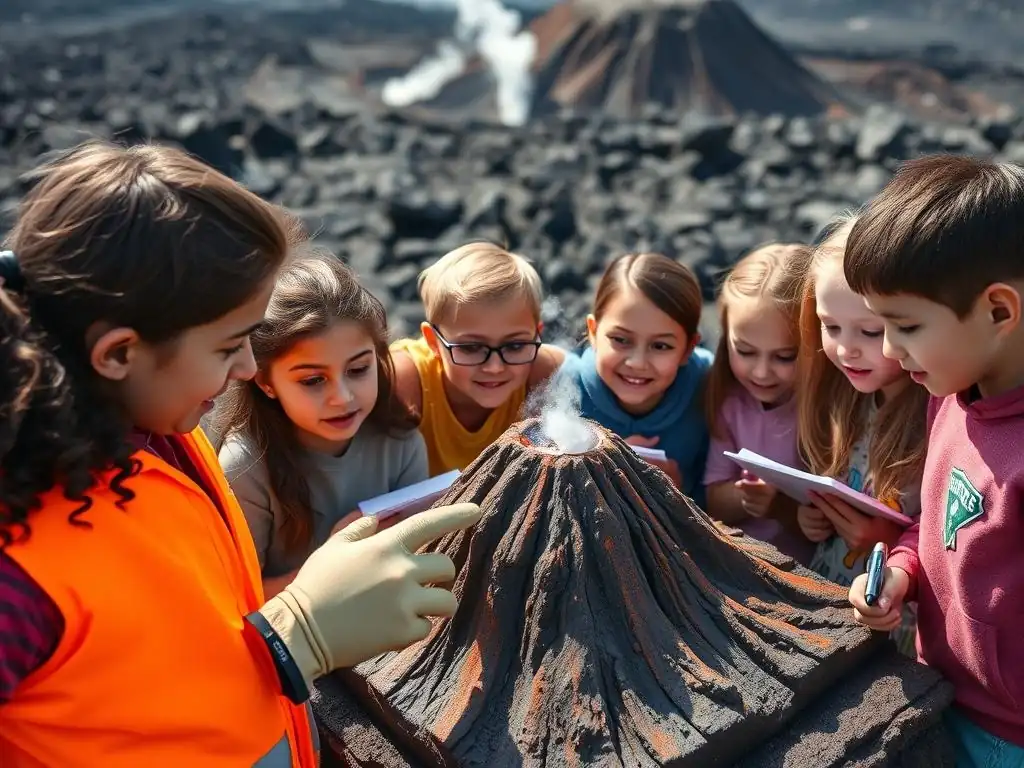
Educational volcano tourism offers a unique opportunity to combine the excitement of travel with the enriching experience of learning about volcanoes firsthand. Planning a trip centered around educational volcano activities can be a rewarding and memorable adventure for individuals, families, and groups.
Planning Your Volcanic Adventure: What to Expect
When planning an educational volcano trip, it's important to consider several factors to ensure a fulfilling and safe experience. Researching the destination volcano center or national park is the first step. Determine the types of educational programs, exhibits, and activities offered, and check for any age restrictions or physical requirements. For example, some guided hikes may be strenuous or involve uneven terrain. Consider the time of year and weather conditions, as volcanic areas can experience extreme temperature variations and weather changes. Packing appropriate clothing and footwear is essential.
Safety is paramount when visiting volcanic areas. Always heed warnings and follow instructions from park rangers or guides. Stay on marked trails and designated viewing areas, and be aware of potential hazards such as volcanic gases, unstable ground, and sudden changes in volcanic activity. Check for current volcano alerts and advisories before and during your visit. Inform yourself about emergency procedures and evacuation routes. By planning ahead and prioritizing safety, you can ensure a positive and educational volcano exploration experience.
Making the Most of Your Educational Trip
To maximize the educational value of your volcano trip, engage actively with the learning opportunities available. Attend ranger talks and guided tours to gain expert insights and ask questions. Take advantage of interactive exhibits and hands-on activities to deepen your understanding. Allow ample time to explore visitor centers and read informational displays thoroughly. Consider purchasing field guides or educational materials to enhance your learning and continue exploring the topic after your trip.
Document your experiences through journaling, photography, or sketching. Reflecting on your observations and discoveries will help solidify your learning. Share your experiences with others – family, friends, or online communities – to reinforce your knowledge and inspire others to explore the wonders of volcanology. By actively participating and engaging with the educational resources, you can transform a volcano trip into a truly enriching and transformative learning experience.
Benefits of Educational Volcano Activities
Engaging in educational volcano activities offers a multitude of benefits, extending beyond the acquisition of factual knowledge. These experiences foster a deeper appreciation for the natural world, promote scientific literacy, and contribute to volcano awareness and safety.
Sparking an Interest in Geology
Hands-on volcano exploration activities have a remarkable ability to spark a genuine interest in geology and Earth science. By experiencing volcanic landscapes firsthand and engaging with interactive exhibits, individuals can move beyond abstract textbook concepts and develop a personal connection to the Earth's dynamic processes. The awe-inspiring power and beauty of volcanoes can ignite curiosity and inspire further exploration of geological phenomena. For students, these experiences can be particularly transformative, potentially influencing academic and career paths towards STEM fields.
The tangible nature of volcano exploration, from handling volcanic rocks to witnessing geothermal features, makes geology come alive. It demonstrates that geology is not just a dry academic subject but a vibrant and relevant science that shapes our planet and influences our lives. This newfound interest can extend beyond volcanoes to encompass broader geological concepts, such as plate tectonics, rock cycles, and Earth history, fostering a lifelong appreciation for the planet we inhabit.
Understanding Earth's Processes
Educational volcano activities provide a powerful platform for understanding fundamental Earth processes. Volcanoes are direct manifestations of the Earth's internal heat and dynamic geological activity. By studying volcanoes, visitors can learn about plate tectonics, magma generation, volcanic eruptions, and the formation of various landforms. These experiences offer a holistic perspective on how the Earth works as a system, highlighting the interconnectedness of geological processes.
Understanding volcanic processes also extends to broader environmental concepts. Volcanic eruptions release gases that influence the atmosphere and climate. Volcanic landscapes support unique ecosystems and contribute to soil formation. By learning about volcanoes, individuals gain a deeper understanding of the Earth's complex systems and the delicate balance of natural processes that sustain life on our planet.
Promoting Volcano Awareness
Living near a volcano or simply being aware of volcanic hazards is crucial for personal and community safety. Educational volcano centers play a vital role in promoting volcano awareness and preparedness. Exhibits and programs often include information on volcanic hazards, such as lava flows, ashfall, pyroclastic flows, and lahars. Visitors can learn about the risks associated with these hazards and how to mitigate them.
Furthermore, these centers often highlight volcano monitoring efforts and the importance of early warning systems. By understanding how scientists monitor volcanoes and assess eruption potential, individuals can appreciate the efforts to protect communities living near active volcanoes. Educational volcano tourism not only enriches personal knowledge but also contributes to a more informed and resilient society, better equipped to live safely in volcanic regions and understand the natural world around them.
Furthering Your Volcano Education: Resources
The journey of volcano exploration doesn't have to end with a visit to a volcano center. Numerous resources are available to continue learning and deepen your understanding of volcanology.
Recommended Books and Documentaries
For those seeking to delve deeper into the science and stories of volcanoes, a wealth of books and documentaries awaits. Books like "Volcanoes: Crucibles of Earth" by Richard Decker and Barbara Decker offer comprehensive overviews of volcanology, while titles like "Fire and Ice: The Cascade Volcanoes" by Stephen L. Harris provide regional perspectives. Personal accounts of volcanic eruptions, such as "Surviving Mount St. Helens" by the survivors themselves, offer gripping narratives of human experience in the face of volcanic power.
Documentaries, such as those produced by National Geographic and the BBC, bring volcanic phenomena to life through stunning visuals and expert commentary. Series like "Earthflight" often feature aerial footage of volcanic landscapes, while documentaries focused on specific eruptions, like the Mount St. Helens eruption or the eruption of Eyjafjallajökull, provide in-depth analyses of these events. These books and documentaries offer diverse perspectives and cater to various levels of interest, providing accessible and engaging pathways to further volcano education.
Online Resources and Simulations
The internet offers a vast array of online resources for volcano education, from websites hosted by geological surveys and volcano observatories to interactive simulations and virtual field trips. The United States Geological Survey (USGS) Volcano Hazards Program website provides comprehensive information on volcanoes in the United States and worldwide, including real-time monitoring data and educational materials. Websites like VolcanoDiscovery offer global volcano news, eruption updates, and educational articles.
Interactive simulations and virtual volcano tours allow for continued hands-on learning from the comfort of home. Websites like Google Earth offer virtual explorations of volcanic landscapes, while online simulations allow users to experiment with eruption parameters and visualize volcanic processes. These online resources provide accessible and engaging avenues for continued learning and exploration of volcanology.
Engaging with the Volcanology Community
Connecting with the volcanology community can further enrich your educational journey. Volcanology organizations, such as the International Association of Volcanology and Chemistry of the Earth's Interior (IAVCEI), offer resources and opportunities to engage with professional volcanologists. Attending public lectures or webinars by volcanologists can provide insights into current research and discoveries.
Online forums and social media groups dedicated to volcanology offer platforms to connect with fellow enthusiasts, share experiences, and ask questions. Participating in citizen science projects related to volcano monitoring can provide hands-on research experience and contribute to scientific understanding. Engaging with the volcanology community fosters a sense of belonging, provides access to expert knowledge, and opens doors to continued learning and exploration in the fascinating world of volcanoes.
Frequently Asked Questions
How can VolcanoExplorers.org help me find educational volcano exploration activities?
VolcanoExplorers.org provides information and links to educational volcano centers and resources around the world. You can also find hands-on science projects related to volcanology.
What kind of educational volcano exploration activities are typically offered at volcano centers?
These activities often include interactive exhibits, guided tours to volcanic sites, and demonstrations of volcanic processes, like lava flows.
Is it safe to participate in educational volcano exploration activities near active volcanoes?
Yes, reputable volcano centers prioritize safety. They provide expert guidance and adhere to strict safety protocols to minimize risks.
What age groups are educational volcano exploration activities typically designed for?
Activities are often tailored for a wide range of ages, from children to adults. Some centers offer specific programs for different age groups.
Look for science museums with geology exhibits, universities with volcanology programs, and online resources offering virtual volcano tours and simulations.
Final Reflection: Igniting Curiosity, One Volcano at a Time
The journey through educational volcano exploration activities reveals more than just geological wonders; it highlights the power of experiential learning to ignite a lifelong passion for science. By connecting directly with the raw energy and complex processes of volcanoes, we transform abstract concepts into tangible realities, fostering a deeper understanding of our planet and our place within it.
The impact of these educational centers extends far beyond the classroom, shaping future generations of scientists and informed citizens. Witnessing the awe and wonder in a child's eyes as they learn about plate tectonics or the formation of lava flows is a testament to the enduring power of hands-on science. The important thing is not to stop questioning. Curiosity has its own reason for existing.
- Albert Einstein. This quote perfectly encapsulates the spirit of volcano exploration, where every question leads to a new discovery and a deeper appreciation for the natural world.
Now, as you reflect on the possibilities presented by educational volcano exploration, consider how you can cultivate this same spirit of inquiry in your own life and the lives of those around you. Embrace the opportunity to learn, to explore, and to connect with the Earth's dynamic forces. Let the fiery lessons of the volcano inspire you to become a lifelong learner and a champion for scientific discovery.
Unleash Your Inner Volcanologist!
Thanks for exploring the fascinating world of volcanoes with us! Now that you're armed with knowledge, it's time to take your passion to the next level and experience the thrill of volcanic discovery firsthand. Visit our website at volcanoexplorers.org to find educational volcano centers near you and explore their hands-on programs. Share your newfound knowledge with friends and family – you might spark their interest in earth science! And consider becoming a Volcano Explorers contributor by sending us pictures or stories of your volcano adventures; we may feature them on our website!
What volcano are you most excited to explore, and what question about it burns brightest in your mind? Share your thoughts in the comments below!